How to Choose the Right Colonoscopy Sedation for You
Colonoscopy sedation isn't one-size-fits-all—most get conscious sedation or propofol, ~2% skip it. Here's how to pick what fits you.

Colonoscopy sedation isn't one-size-fits-all—most get conscious sedation or propofol, ~2% skip it. Here's how to pick what fits you.
How long a colonoscopy takes depends on what's found — the exam runs 30–60 minutes, with about an hour of recovery and a 24-hour driving restriction after.
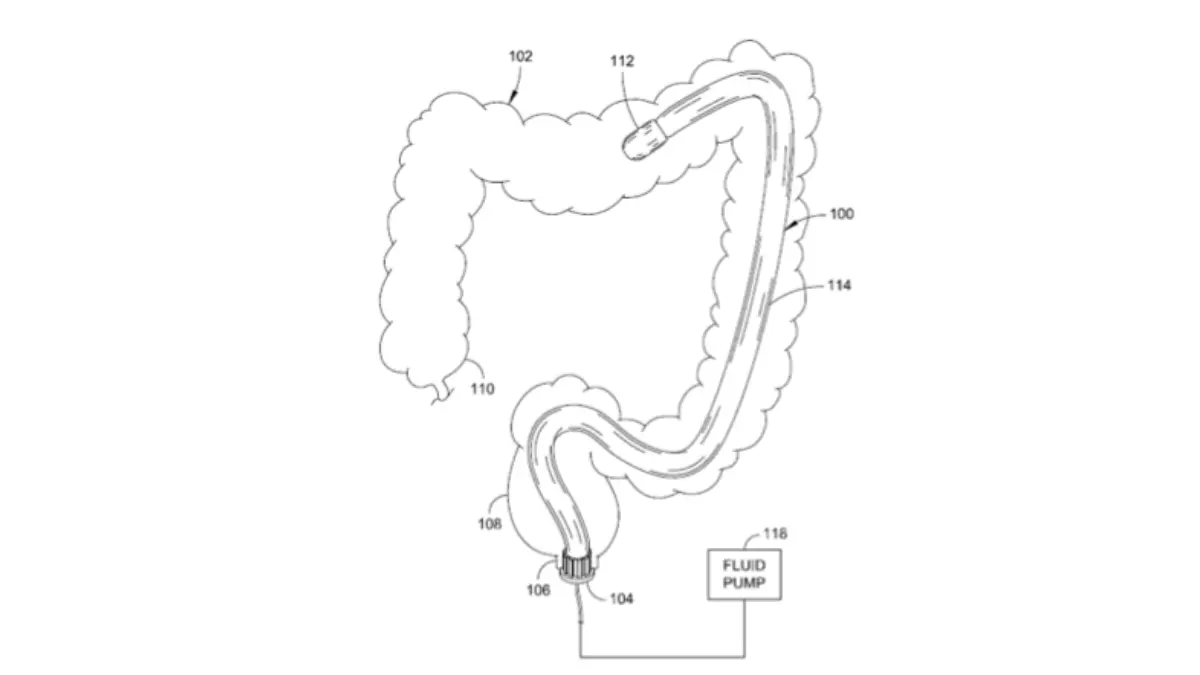
What happens during a colonoscopy is more routine than most fear: you're sedated, the scope checks your full colon, and most polyps come out the same day.
Medications to stop before a colonoscopy are a short list—blood thinners, iron, some diabetes drugs—while most you keep. Here's the timing to confirm.
A pill colonoscopy prep exists: SUTAB's 24 tablets clean about as well as liquid in trials but cost more and aren't always covered.
Colonoscopy prep is the part everyone dreads — but it's fixable. Chill the solution, finish the second dose on time, and know when your colon is ready.
What to eat before a colonoscopy comes down to two phases—low-fiber foods for several days, then clear liquids—and a few drinks to skip entirely.
Preparing for a colonoscopy is mostly about timing: a clear-liquid day, split-dose prep, and a ride you arrange ahead. Here's the full day-by-day plan.
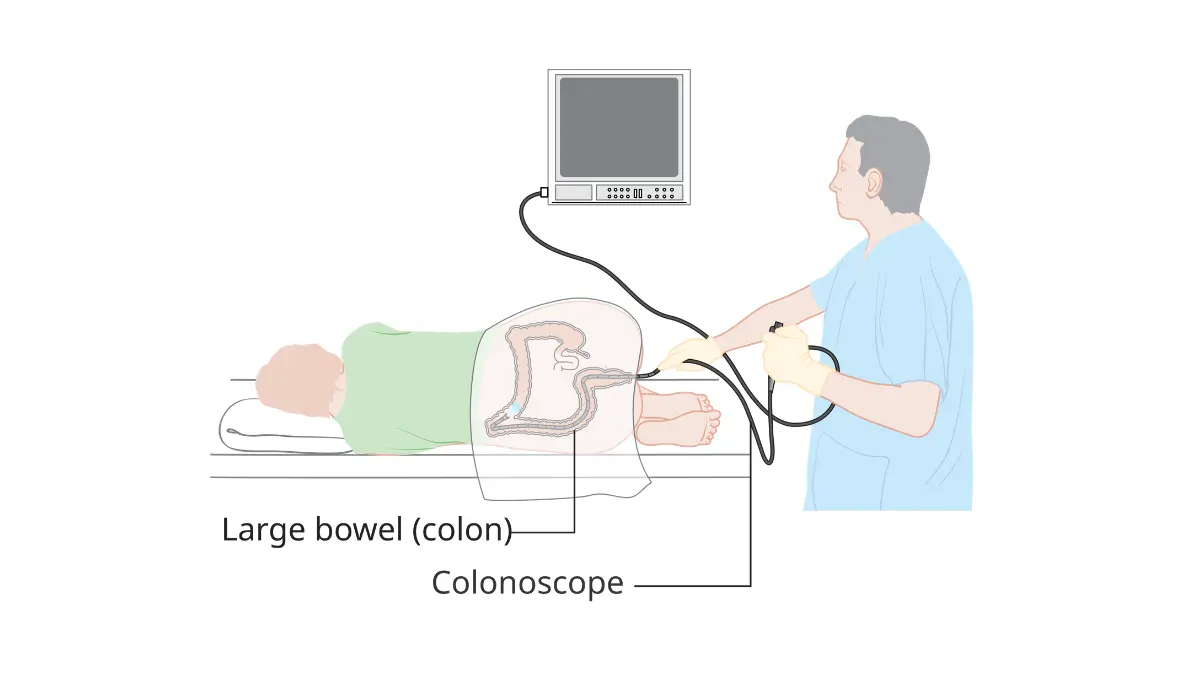
By the end of this guide you'll know which colorectal screening test fits your situation, exactly how to prepare for a colonoscopy, and what your results actually mean. You'll also understand what it should cost—and how to avoid a surprise bill on a screening that's supposed to be free.
Prostate cancer risk by state makes headlines, but rankings mislead. D.C. and Mississippi top death rates—here's what really shapes your risk.