
On This Page – Quick Medical Summary
You are home, maybe a little groggy, possibly crampy or gassy, and wondering whether what you feel is normal. For most people, colonoscopy recovery is quick: the sedation wears off over a few hours, and you can expect a full return to your normal diet by the next day.
Where you are right now shapes what matters most in the next few minutes of reading:
- Just home and feeling off? The hour-by-hour timeline below shows what is expected.
- A caregiver watching over someone? The warning-signs section tells you exactly when to call.
- Had a polyp removed or a biopsy taken? Your recovery has a few extra considerations — skip ahead to that section.
- A symptom worrying you right now? Go straight to “Normal side effects vs. warning signs.”
- Planning ahead for your procedure day? The diet and activity section helps you prepare.
This guide walks through the first 24 hours — what is normal, what is not, and when a symptom means you should pick up the phone. For the bigger picture, see our complete colonoscopy guide to prep, cost, and results.
ℹ️ Medical Disclaimer: This article explains what typically happens during colonoscopy recovery for general educational purposes. It is not a diagnosis, a treatment plan, or a substitute for the discharge instructions your care team gave you. Recovery can differ based on your sedation, whether a polyp was removed or a biopsy taken, and your overall health. For any decision about symptoms, medications, activity, or follow-up, consult the gastroenterologist or care team who performed your procedure — and seek emergency care for the red-flag symptoms described below.
What happens right after your colonoscopy
When the scope is out, you are moved to a recovery area to wake up from sedation. Most people stay about 30 to 60 minutes — sometimes up to one to two hours — while a nurse checks vital signs and waits until you are alert and steady, according to the NIDDK’s colonoscopy overview.
Waking up in the recovery area
You may feel drowsy, briefly confused, or chilly at first, which is expected. Once you are awake enough, your gastroenterologist shares what they found — and, if you choose, repeats it to whoever is with you, since sedation can blur your memory of the conversation.
Why you can’t drive — and for how long
Plan not to drive for at least 24 hours after a colonoscopy. Even when you feel awake, sedatives linger in your system, so you will need a pre-arranged ride home, and you should not operate machinery or sign important documents for the rest of the day. (If you are weighing your options ahead of time, here are the sedation options for a colonoscopy.)
🔬 How It Works: Sedatives such as propofol or midazolam quiet activity in your brain to keep you comfortable during the procedure. They wear off gradually over several hours, which is why your judgment and reaction time can still be impaired after you feel “back to normal.”
Why you feel so tired
The grogginess is the medication, not weakness. Rest is the right response, and most people feel clear-headed again within a few hours.
The first 24 hours, hour by hour
Most people feel back to normal within 24 hours of a colonoscopy and return to a normal diet by the next day, as MedlinePlus notes. Knowing the rough arc helps you tell ordinary recovery from something that needs a call.
First few hours: grogginess and gas
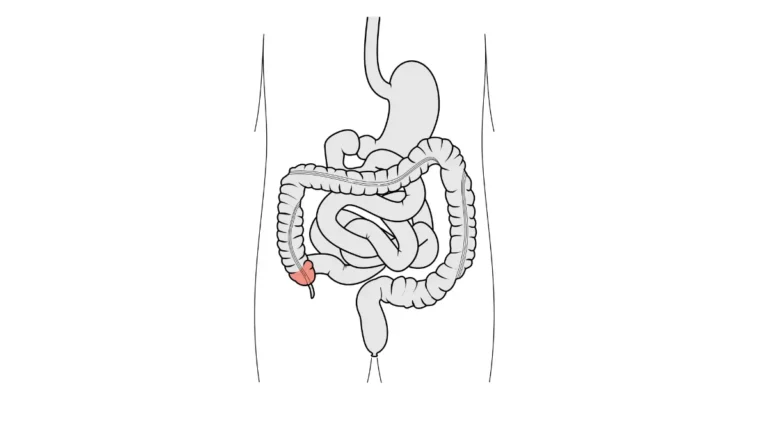
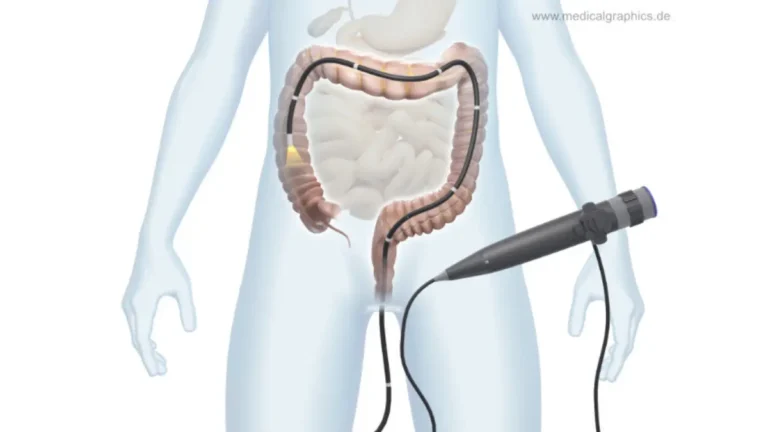
Expect drowsiness from sedation plus bloating, gas, and mild cramping. During the procedure, air or carbon dioxide is used to inflate the colon for a clear view, and that trapped gas is what leaves you feeling puffy afterward.
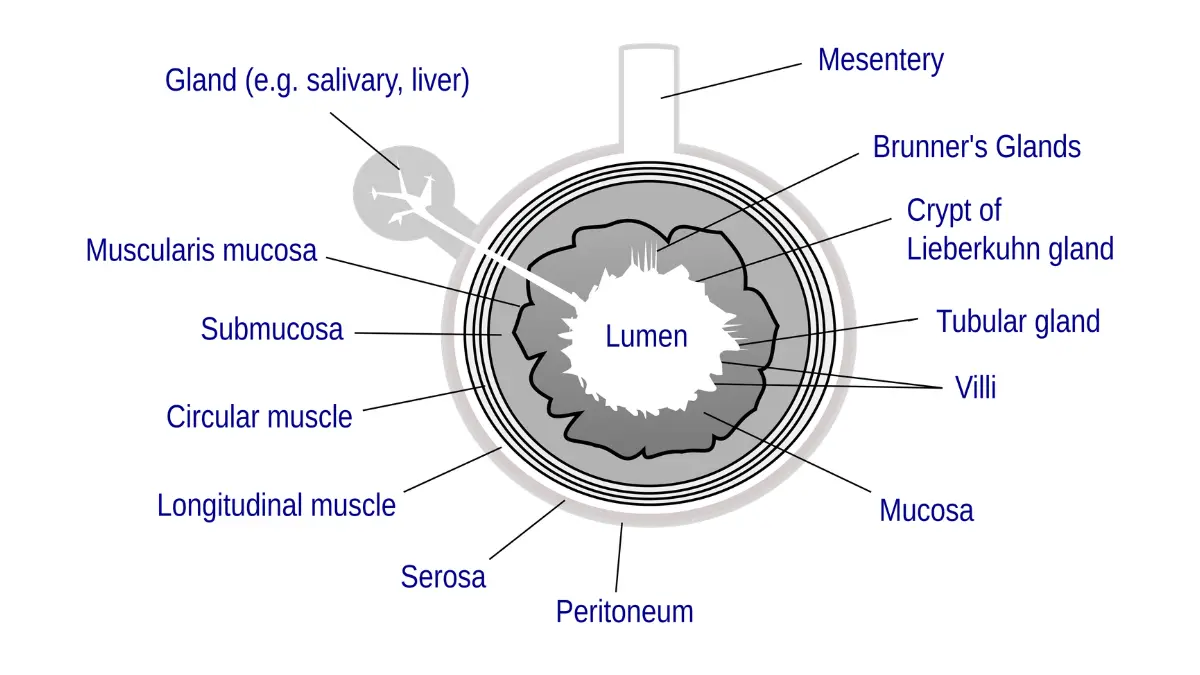
🔬 How It Works: To see the colon wall clearly, the endoscopist gently inflates it with gas. When the scope comes out, some gas stays behind until you pass it — which is why burping, passing wind, and walking around all genuinely help.
Evening: rest, light food, and passing wind
Passing gas is a good sign that your system is waking up. Take it easy, eat lightly, and don’t be surprised if you have no bowel movement for a day or two — the prep emptied your colon, so there is little waiting to come out. (For the procedure itself, see how long a colonoscopy takes.)
Next morning: back toward normal
By the next day, most people are eating normally and back to usual activities, though it is wise to skip strenuous exercise for another day. If you are not improving — or you feel worse — the next section explains the signs that warrant a call.
Normal side effects vs. warning signs: when to call your doctor
Most after-effects are mild and fade within a day. The point of this section is the bright line between expected symptoms and the red flags of a complication — so nothing serious gets brushed off as “just gas.”
What’s normal in the first 24 hours
- Mild bloating, gas, and cramping that ease as you pass wind
- Drowsiness for a few hours after sedation
- A small amount of rectal bleeding or a little blood in your first stool, if a polyp was removed or a biopsy taken
Call your doctor right away if you have…
- A fever above 100.4°F (38°C) or chills
- Abdominal pain that is severe, or that keeps getting worse rather than better
- Bleeding that is heavy or persistent — for example, soaking more than one pad an hour, or large blood clots
- Black, tarry stools
Go to the ER if you have…
- A hard, rigid, or swelling belly with severe pain
- Persistent vomiting, or vomiting blood
- Dizziness, fainting, weakness, chest pain, or trouble breathing
⚠️ Clinical Warning: Severe or worsening abdominal pain, a rigid abdomen, heavy bleeding, or fever after a colonoscopy can signal a bowel perforation, post-polypectomy bleeding, or infection. These are uncommon, but they can be emergencies — do not wait them out.
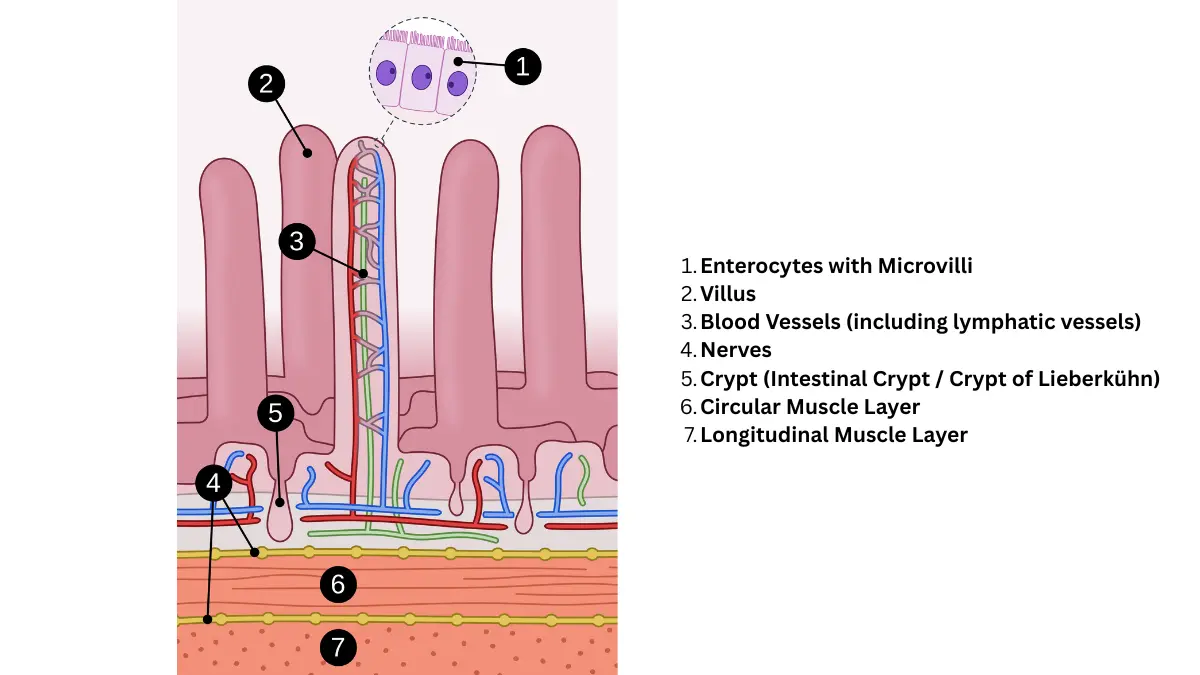
✅ Patient Action: If a symptom worries you, call the gastroenterologist who did your procedure and say: “I had a colonoscopy on [date], [with/without a polyp removed], and now I have [symptom] — do I need to be seen today?”
For sorting an uncertain, non-emergency symptom, our symptom checker can help you decide a next step — but anything on the lists above means contacting a clinician now.
What to eat, drink, and do in the first 24 hours
You can expect to return to your normal diet by the next day, but easing back in keeps you comfortable while your system settles.
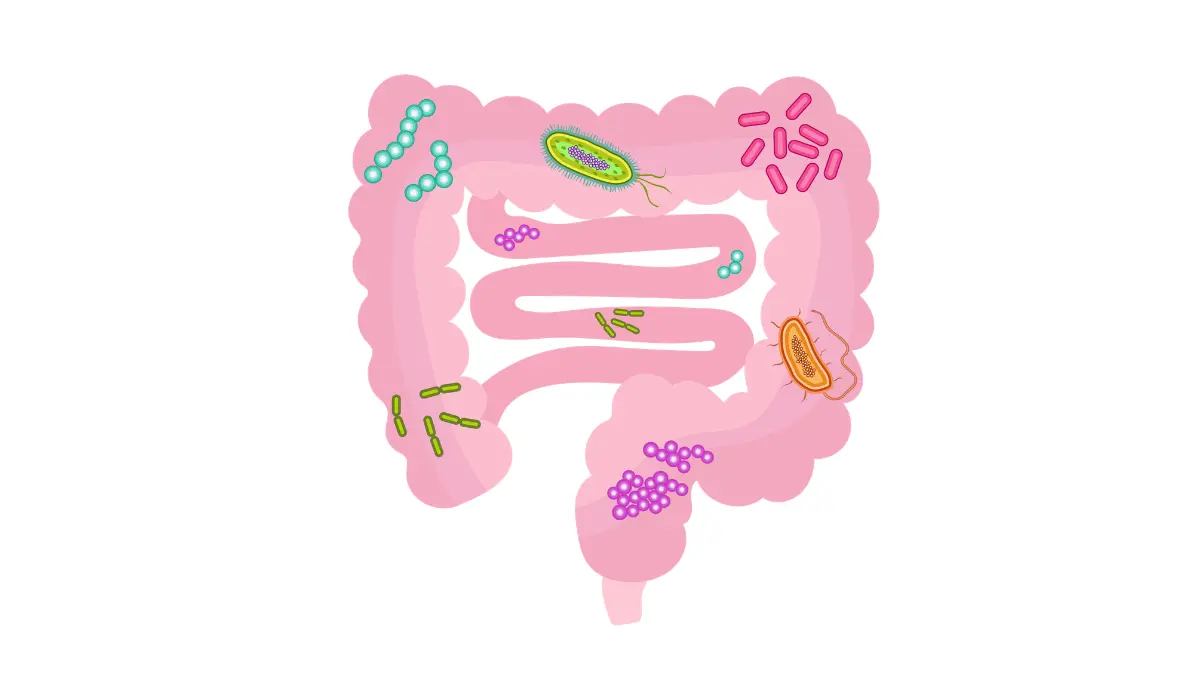
What to eat: clear liquids to light foods
Start with clear liquids, then move to light, easy-to-digest foods:
- Clear liquids first: water, broth, clear juice, herbal tea
- Then light foods: toast, crackers, plain rice, bananas, scrambled eggs
- Go gently on heavy, greasy, or spicy meals for the first day
This is roughly the reverse of the lighter end of your prep; for the run-up to the test, see what to eat before a colonoscopy.
Hydration and alcohol
The prep is dehydrating, so keep sipping fluids steadily through the day; our daily water intake estimate can give you a target. Skip alcohol for the rest of the day, since it adds to dehydration and does not mix with the sedatives still leaving your system.
Activity, work, and rest
Avoid strenuous activity and heavy lifting for about 24 hours. Many people return to work the next day, depending on how they feel and how physical the job is — but follow the specific instructions on your discharge sheet, especially if a polyp was removed.
How common are colonoscopy complications?
Serious problems after a colonoscopy are uncommon, and seeing the actual numbers can reassure more than a vague “it’s rare.” Here is what large studies show.
Bleeding and perforation by the numbers
📊 Clinical Data Point: Across large reviews, major bleeding occurs in roughly 2 to 2.4 per 1,000 colonoscopies, and perforation in about 0.4 per 1,000 screening colonoscopies — Source: ASGE systematic review, Gastrointestinal Endoscopy (2019).
In everyday outpatient practice, a large population-based study put bleeding requiring hospitalization at about 1.6 per 1,000 and perforation at about 0.85 per 1,000, with death extremely rare at roughly 1 in 14,000. Put plainly, the large majority of colonoscopies cause no serious complication at all.
Why polyp removal changes the odds
Bleeding risk is tied closely to polypectomy — removing a polyp — because the spot where the polyp was taken can ooze.
🔬 How It Works: To remove many polyps, the endoscopist seals the base with a small electric current (cautery). That sealed site usually heals quietly, but occasionally it can bleed — sometimes days later — which is why the watch window stretches beyond the first day. Most delayed bleeding happens within two weeks (occasionally up to four).
Recovery if you had a polyp removed or a biopsy
Polyps are common — they turn up in roughly 30% of routine colonoscopies, per the Cleveland Clinic — and are usually removed on the spot. If that was you, “fully recovered by the next day” applies to the scope itself, while the removal site needs a little more watching.
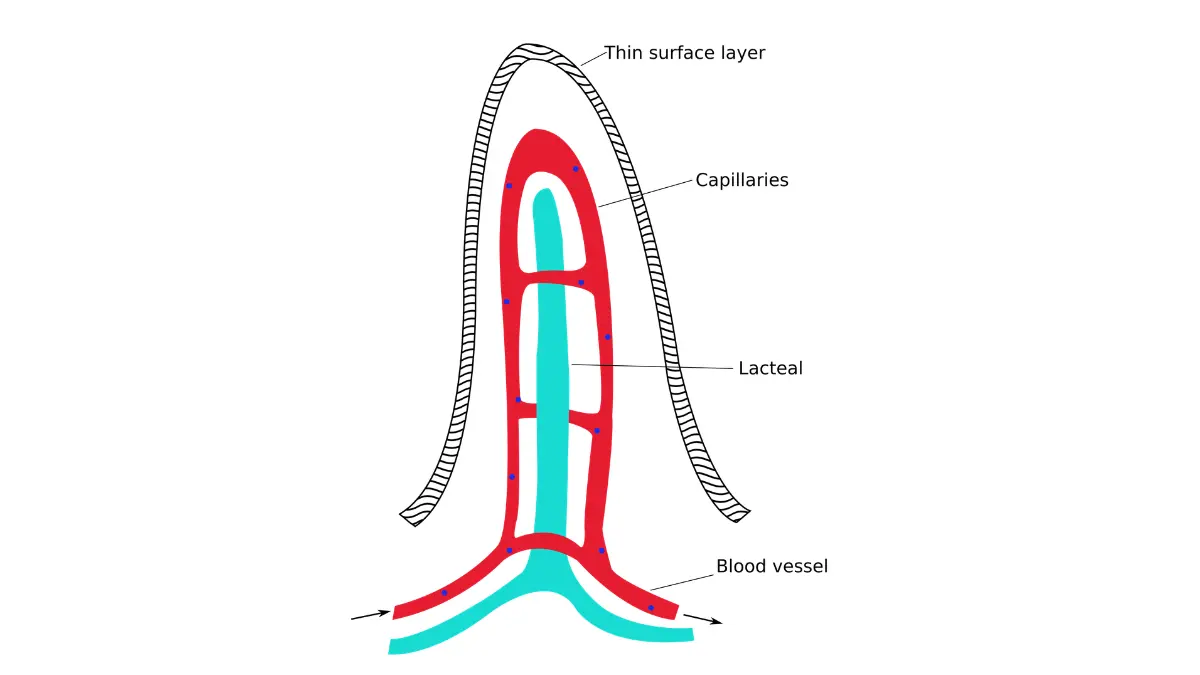
The delayed-bleeding window
A small amount of blood from a polypectomy or biopsy site can be normal in the first day. The reason the timeline stretches is that, unlike a simple diagnostic look, a removal site can occasionally bleed later — most often within two weeks. Keep the warning signs above in mind during that window, and call if bleeding is heavy or keeps recurring.
When you’ll get your results
Visual findings are often shared the same day, once the sedation wears off, but tissue sent to pathology usually takes a few days. To make sense of the report when it arrives, see what each colonoscopy finding means, and the American Cancer Society explains how colonoscopy fits into screening overall.
✅ Patient Action: Before you leave the center, ask your gastroenterologist: “Was a polyp removed or a biopsy taken, how long should I limit activity, and how and when will I get the pathology results?”
Colonoscopy recovery: frequently asked questions
1. How long does colonoscopy recovery take?
For most people, colonoscopy recovery is quick. The sedation wears off over a few hours, and you can expect a full return to your normal diet by the next day. Plan to rest the day of the procedure and avoid strenuous activity for about 24 hours. If you are not improving — or feel worse — contact the team who performed your procedure.
2. What is normal in the first 24 hours after a colonoscopy?
Mild bloating, gas, and cramping from the air used during the procedure are normal in the first 24 hours, as is drowsiness from sedation. If a polyp was removed or a biopsy taken, a small amount of blood in your first stool can also be expected. These effects usually ease within a day as you rest and pass gas.
3. What are the warning signs after a colonoscopy?
Seek care right away for a fever above 100.4°F (38°C), severe or worsening abdominal pain, a hard or swelling belly, heavy or persistent rectal bleeding, black tarry stools, persistent vomiting, or dizziness and fainting. These can signal a perforation, bleeding, or infection. Call the gastroenterologist who performed your colonoscopy, or go to the ER for severe symptoms.
4. Can I drive after a colonoscopy?
No. Plan not to drive for at least 24 hours after a colonoscopy. Even when you feel awake, the sedatives linger and can slow your judgment and reaction time, so you will need a pre-arranged ride home. You should also avoid operating machinery and signing important documents for the rest of the day.
5. What should I eat after a colonoscopy?
Start with clear liquids — water, broth, clear juice — then move to light, easy-to-digest foods such as toast, crackers, plain rice, or scrambled eggs. Go gently on heavy, greasy, or spicy meals for the first day. Most people return to a normal diet by the next day, but follow any specific instructions on your discharge sheet.
6. Is bleeding normal after a colonoscopy?
A small amount of rectal bleeding, or a little blood in your first stool, can be normal if a polyp was removed or a biopsy taken. Heavy or persistent bleeding — soaking more than one pad an hour, large clots, or black tarry stools — is not, and warrants prompt care. Contact your gastroenterologist if bleeding is heavy or recurring.
7. How long do bloating and gas last after a colonoscopy?
Bloating and gas come from the air or carbon dioxide used to inflate the colon during the procedure, and they typically settle within 24 hours. Passing wind and walking around help move the trapped gas through and ease the discomfort. If bloating comes with severe pain or a hard, swelling belly, treat that as a warning sign.
8. Can I go back to work the next day?
Many people return to work the day after a colonoscopy, depending on how they feel and how physical the job is. Plan to rest the day of the procedure, since sedation rules out driving and important decisions. Avoid strenuous activity and heavy lifting for about 24 hours, and follow your discharge instructions, especially if a polyp was removed.
9. Why do I feel so tired after a colonoscopy?
Tiredness after a colonoscopy is the sedation, not weakness. Medications such as propofol or midazolam wear off gradually over several hours, leaving many people drowsy for the rest of the day. Rest is the right response, and most people feel clear-headed again by the next morning. Prolonged confusion or extreme drowsiness, though, is worth a call.
10. How long after a colonoscopy can I drink alcohol?
Skip alcohol for the rest of the day after a colonoscopy. The bowel prep is dehydrating and alcohol adds to that, and it does not mix well with the sedatives still leaving your system. Most people can return to their usual routine the next day, but check your discharge instructions if you had a polyp removed.
11. When will I get my colonoscopy results?
Your gastroenterologist often shares visual findings the same day, once the sedation wears off. If tissue was sent to pathology after a polyp removal or biopsy, those results usually take a few days. Ask your care team how and when you will receive the report, and what the next step is if anything abnormal is found.
The bottom line on colonoscopy recovery
Colonoscopy recovery is usually short and uneventful: rest the first day, ease back into food and fluids, and expect to feel like yourself again by the next morning. The one thing worth keeping handy is the warning-signs list — most after-effects are harmless, but severe pain, a rigid belly, heavy bleeding, or fever deserve a prompt call. If a polyp was removed, hold that list in mind for about two weeks. For the full picture on what led here and what comes next, return to our full guide to colonoscopy prep, cost, and results.
About this content
How this article was put together: researched from recognised health sources, drafted with the help of AI tools, and edited by hand, with sources linked throughout.

Sameer Patel is the founder and editor of My Medicine Advisor. He is not a doctor or medical professional — before starting this site he worked in banking,…
Medical disclaimer
The content on MyMedicineAdvisor is provided for general informational and educational purposes only and is not a substitute for professional medical advice, diagnosis, or treatment. Health information on this website should not be used to diagnose, treat, cure, or prevent any condition without guidance from a qualified healthcare professional. Always seek the advice of your doctor, physician, or another licensed healthcare provider with any questions you may have regarding a medical condition, symptoms, medications, or treatment decisions.