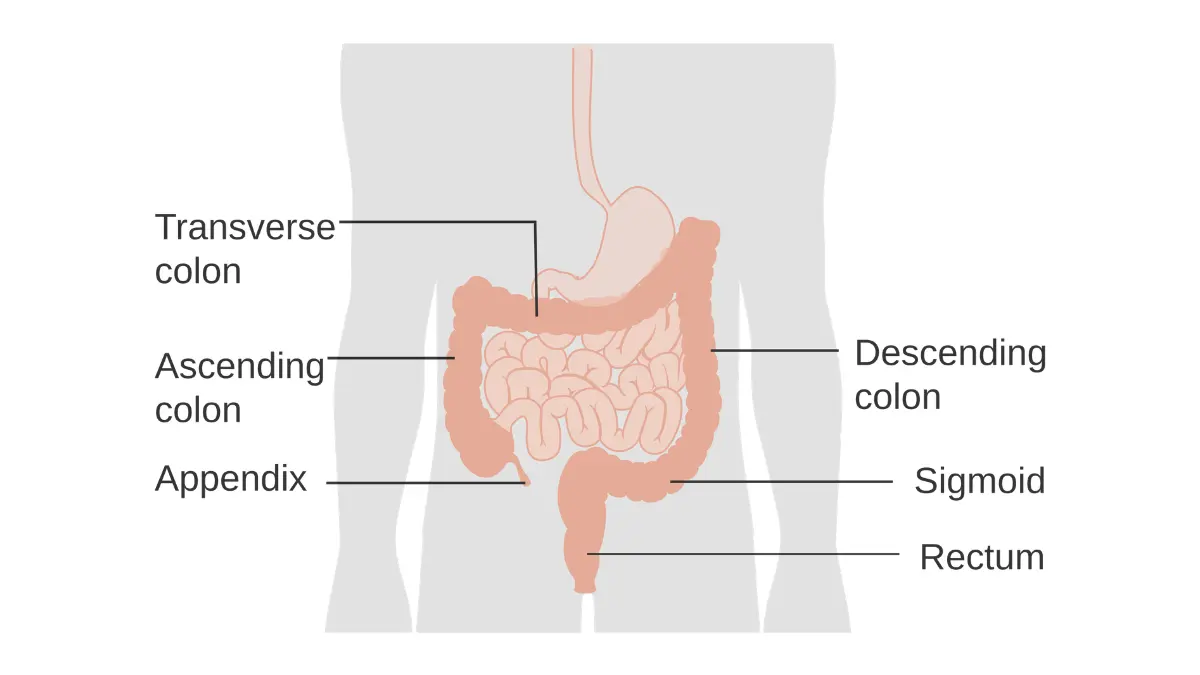

On This Page – Quick Medical Summary
What to eat after a colonoscopy: the quick answer
Most people can eat within a few hours of a colonoscopy, and what to eat after a colonoscopy is usually simple — start light, then ease back to normal. What’s right for you depends mostly on one thing: what happened during the procedure.
Here’s how to find your situation:
- If you had a screening colonoscopy with nothing removed, you can usually return to a regular diet by the next day.
- If you had a polyp removed (polypectomy) or a biopsy, your care team may give you specific diet instructions — follow those first.
- If you feel nauseated, bloated, or groggy from sedation right now, the next two sections cover timing and the gentlest foods.
This guide walks through when you can eat, the best soft foods, what to avoid, the special case of polyp removal, and the warning signs that mean you should call your doctor. For the full picture from prep to results, see our complete colonoscopy guide.
ℹ️ Medical Disclaimer: This is general educational information about recovering from a colonoscopy — covering diet, medications such as blood thinners, polyp-removal aftercare, and emergency symptoms — and is not a substitute for personal medical advice. Your own discharge instructions always take priority. Check with the gastroenterologist or care team who performed your procedure before changing your diet, restarting any medication, or acting on anything here, and seek emergency care for the warning signs described below.
When can you start eating after a colonoscopy?
Most people can drink and eat within a few hours of a colonoscopy, starting with small sips of water and light foods before working up to a full meal. For a standard colonoscopy, you can usually expect to return to your normal diet by the next day.
Start with sips, then soft foods. In the recovery area, staff often have you wait a short time, then try small sips of water. Once liquids settle, move on to small amounts of easy-to-digest food rather than a big meal. Eating slowly gives your gut time to wake up.
🔬 How It Works: The laxative bowel prep clears your colon by pulling large amounts of fluid through it, which leaves many people mildly dehydrated. That’s why rehydrating — and easing back into food — matters more than rushing to eat.
The first 24 hours: sedation rules. Because most colonoscopies use sedation, plan to rest for the day. Don’t drive, operate machinery, drink alcohol, or make important decisions for 24 hours, even if you feel clear-headed. For more on the medications used, see our guide to colonoscopy sedation options. Just as the clear-liquid rules before your procedure mattered, what you eat right after does too.
✅ Patient Action: Before you leave the endoscopy unit, ask which of your regular medicines — especially any blood thinner, aspirin, or NSAID — to restart, and exactly when.
Best foods to eat after a colonoscopy
After a colonoscopy, choose soft, low-fiber foods that are easy on a sensitive gut. Good first choices include:
- Scrambled or poached eggs with white toast
- White rice, plain pasta, or mashed potatoes
- Skinless chicken or a piece of white fish
- Applesauce, ripe banana, or canned peaches
- Yogurt, clear broth, and well-cooked, peeled vegetables
These are gentle, easy to digest, and less likely to trigger gas or cramping while your system settles.
Easy-to-digest meals to try. Simple pairings work best: eggs and white toast for breakfast, mashed potato with skinless chicken for lunch, white rice with white fish for dinner. Keep portions small and stop when you’re comfortably full rather than stuffed.
Drinks that help you rehydrate. Hydration is the priority after bowel prep. Water, clear broth, herbal tea, and low-sugar electrolyte drinks all help replace lost fluids. If you’re unsure how much to aim for, estimate your daily fluid needs with our water intake calculator.
Foods and drinks to avoid after a colonoscopy
For the first day or so, skip foods and drinks that can irritate your gut or worsen gas. The main ones to avoid:
- Alcohol — it thins the blood and can raise bleeding risk if any polyps were removed
- Carbonated and fizzy drinks — they add to gas already trapped from the procedure
- High-fiber and raw foods — whole grains, brown rice, raw vegetables, nuts, seeds, popcorn
- Spicy, fried, greasy, and very fatty foods
- Large, heavy meals
Why alcohol and certain medicines matter. Many discharge instructions advise avoiding alcohol for at least 24 hours, partly because it can increase bleeding risk after polyp removal. The same caution applies to aspirin and other NSAIDs, which also raise bleeding risk — your care team will tell you when to restart them.
⚠️ Clinical Warning: If you take a blood thinner or anticoagulant, do not restart it on your own. When to resume it depends on whether polyps were removed and their bleeding risk, so confirm the timing with the doctor who did your procedure. More on this in our guide to which medications to stop before a colonoscopy.
Keep sipping fluids through the day to recover from prep-related dehydration — steady intake beats a lot at once.
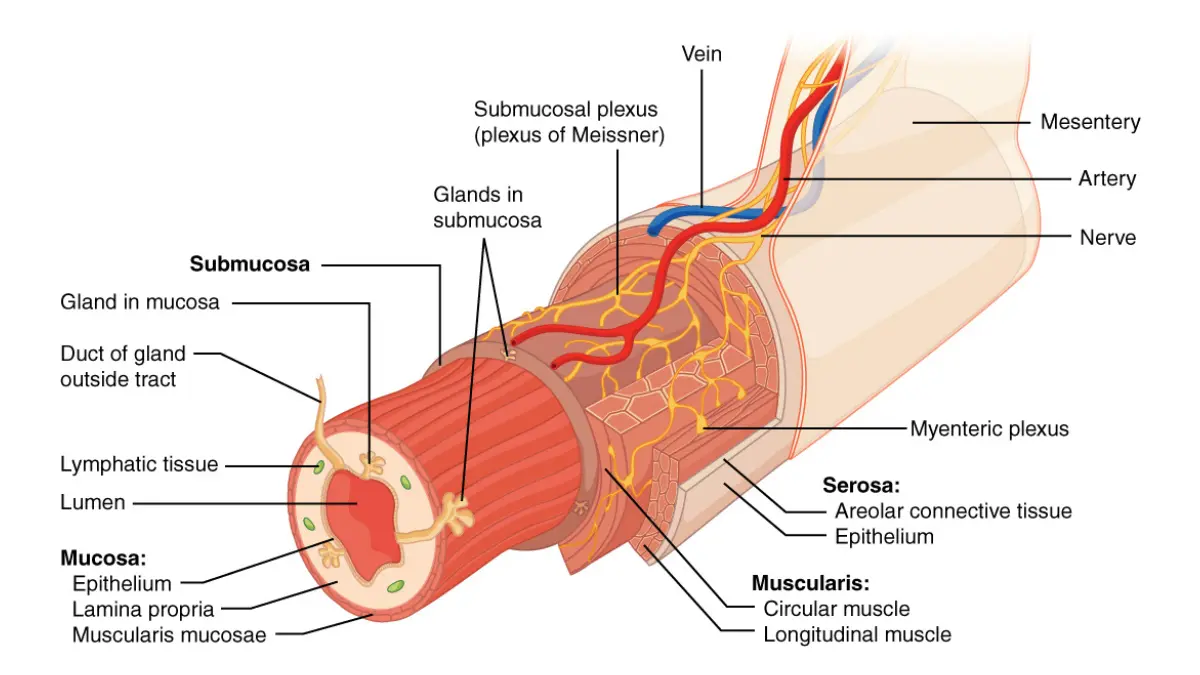
What to eat after a colonoscopy with polyp removal
If you had a polyp removed or a biopsy taken, your instructions may differ from a routine colonoscopy — and your own discharge sheet is the one to follow. In general, people who had larger polyps removed, or who have a higher bleeding risk, are more often advised to eat a low-residue diet (soft, low-fiber foods) and to avoid alcohol for a few days.
When a low-residue diet is advised. A low-residue diet limits high-fiber foods that add bulk to stool, which some doctors prefer while a removal site heals. How long it lasts varies — sometimes a few days, sometimes up to about a week — depending on the size, number, and removal method of your polyps. Some discharge instructions also advise skipping nuts, seeds, and popcorn for around a week, but that isn’t universal, so follow what your team told you.
🔬 How It Works: Removing a polyp leaves a small raw spot on the colon lining, a bit like a scab inside the bowel. As it heals it can occasionally bleed — sometimes days later — which is why aftercare focuses on bleeding risk, not diet alone.
What the evidence shows for small polyps. The evidence for routine diet restriction after small polyp removal is actually limited. In a randomized trial of diet after cold snare polypectomy, delayed major bleeding was similar whether people ate normally or followed a low-residue diet — small enough that, for small low-risk polyps in people not on blood thinners, restriction wasn’t shown to be necessary. For larger polyps or higher bleeding risk, your doctor’s specific guidance still applies.
📊 Clinical Data Point: In a randomized trial after cold snare polypectomy of small (<10 mm) polyps, delayed major bleeding was 1.0% with a normal diet versus 2.1% with a low-residue diet — Source: peer-reviewed randomized controlled trial (PubMed Central).
✅ Patient Action: Ask your gastroenterologist: “Based on the size, number, and how my polyps were removed, do I need any diet limits — and for how long?” The answer is specific to you, not a one-size rule. To understand your pathology, see our guide to what each colonoscopy finding means.
What’s normal after a colonoscopy — gas, bloating, and bowel changes
Some side effects are expected in the first day or two and usually fade on their own. The most common is bloating and gas, along with mild cramping and, if a polyp was removed, a small amount of spotting.
Common, harmless side effects. Walking, gentle movement, and warmth on your belly all help trapped gas pass. Mild cramping and tiredness from sedation are also normal for a day or so.
🔬 How It Works: To see the colon clearly, the doctor gently inflates it with air or carbon dioxide. Afterward that gas has to work its way out, which is why you may feel bloated or pass gas more often for a day.
When bowel movements return to normal. Because prep empties your colon, it can take a couple of days for your first normal bowel movement and for your usual pattern to return. Irregular or loose stools in that window are common. If things haven’t settled after about five days, check with your doctor.
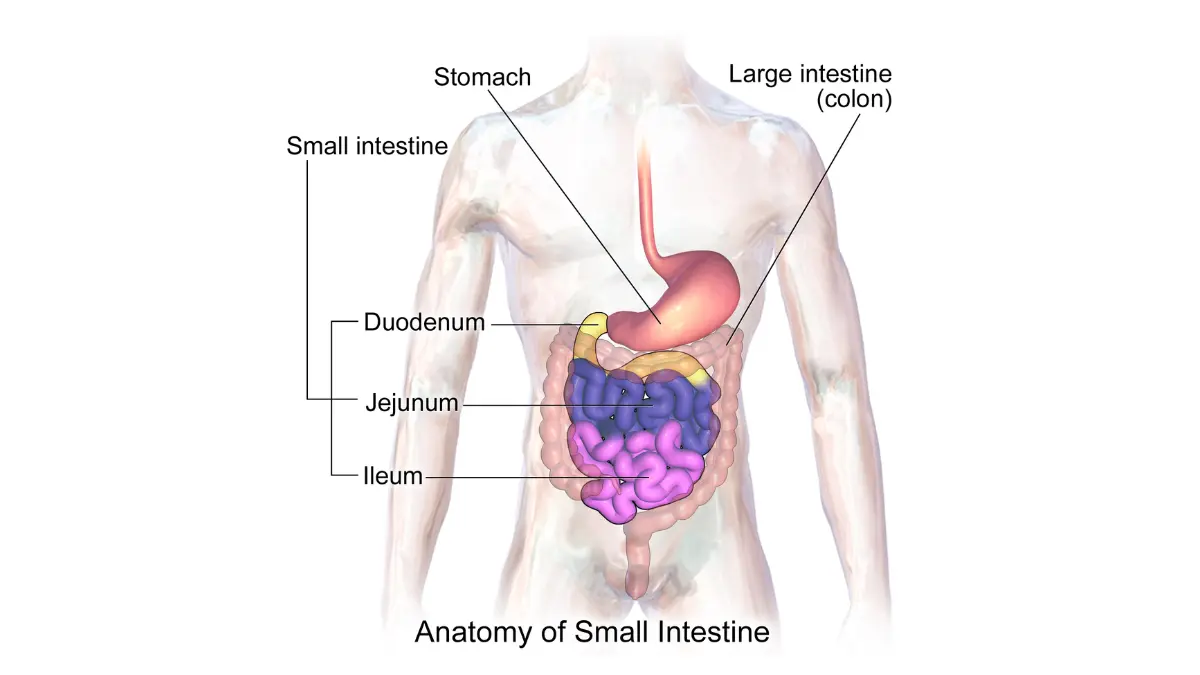
When to call your doctor after a colonoscopy
Serious complications are rare, but call your doctor or seek emergency care right away if you notice any of these after a colonoscopy:
- Severe or worsening belly pain, or a hard, swollen abdomen
- Heavy rectal bleeding — more than a couple of tablespoons, passing clots, or soaking a pad
- Fever of 100.4°F (38°C) or higher, or chills
- Dizziness, weakness, or fainting
- Vomiting, or being unable to keep fluids down
- Inability to pass gas or stool
- Chest pain or trouble breathing
How rare are serious complications? Bleeding and perforation are the main risks, and both are uncommon — most often affecting older patients or those who had polyps removed, according to the NIH’s digestive-health institute. Bleeding can also be delayed, appearing up to two weeks after the procedure, so keep these warning signs in mind even once you feel recovered.
📊 Clinical Data Point: In screening colonoscopies, perforation occurs in about 3 of every 10,000 procedures and bleeding in about 15 of every 10,000 — Source: NIH (NIDDK).
⚠️ Clinical Warning: Heavy or ongoing rectal bleeding, severe abdominal pain, a rigid abdomen, or fever after a colonoscopy can signal bleeding or a perforation and need urgent care. Don’t wait — contact your doctor or go to the emergency department, and tell them the date of your procedure.
Frequently asked questions about eating after a colonoscopy
1. What can I eat after a colonoscopy?
After a colonoscopy, start with clear liquids, then soft, low-fiber foods such as eggs, white toast, white rice, mashed potatoes, skinless chicken, applesauce, yogurt, and broth. These are gentle and easy to digest while your gut settles. Most people return to a normal diet by the next day.
2. When can I eat after a colonoscopy?
Most people can eat within a few hours after a colonoscopy, beginning with small sips of water and light foods before a full meal. For a standard colonoscopy, you can usually resume your normal diet by the next day. Eat slowly and stop when comfortably full.
3. What should I avoid eating after a colonoscopy?
After a colonoscopy, avoid alcohol, carbonated drinks, and high-fiber or raw foods like whole grains, raw vegetables, nuts, seeds, and popcorn for the first day or so. Spicy, fried, greasy, and very large meals can also worsen gas and cramping while your digestive system recovers.
4. Can I drink coffee or alcohol after a colonoscopy?
Plain coffee in moderation is usually fine once you’re eating, but skip alcohol for at least 24 hours after a colonoscopy. Alcohol thins the blood and can raise bleeding risk if polyps were removed. Confirm the timing with your care team, especially if you take blood thinners.
5. What can I eat after a colonoscopy with polyp removal?
After a colonoscopy with polyp removal, follow your discharge instructions first. You may be advised to eat a low-residue (soft, low-fiber) diet and avoid alcohol for a few days, especially after larger polyps. Ask your gastroenterologist how long any diet limits should last for you.
6. How long should I eat soft foods after a colonoscopy?
After a routine colonoscopy, soft foods are usually only needed for the first day before you ease back to a normal diet. If polyps were removed, a low-residue diet may be advised for a few days up to about a week. Follow your doctor’s specific instructions.
7. Why do I feel bloated after a colonoscopy?
Bloating and gas after a colonoscopy are common and usually harmless. During the procedure, air is introduced to open the colon for a clear view, and that trapped gas causes bloating until it passes. Walking and gentle movement help relieve it within a day.
8. How much water should I drink after a colonoscopy?
Drink fluids steadily after a colonoscopy to recover from the dehydration that bowel prep causes. Water, clear broth, and low-sugar electrolyte drinks all help. There’s no single required amount, so sip regularly through the day rather than drinking a large amount at once.
9. Is bleeding normal after a colonoscopy?
A small amount of blood can be normal after a colonoscopy if a polyp was removed or a biopsy was taken. However, heavy or ongoing rectal bleeding is not normal, and delayed bleeding can occur up to two weeks later. Contact your doctor right away if that happens.
10. When should I call my doctor after a colonoscopy?
Call your doctor or seek emergency care after a colonoscopy if you have severe or worsening abdominal pain, a hard belly, heavy rectal bleeding, fever or chills, dizziness, vomiting, or you can’t pass gas or stool. These can signal rare complications like bleeding or perforation. Mention your recent procedure.
11. When will my bowel movements return to normal after a colonoscopy?
It’s normal for bowel movements to be irregular for a few days after a colonoscopy, partly because your colon was emptied for prep. It may take a couple of days for your first normal stool and for your usual pattern to return. Contact your doctor if it doesn’t.
The bottom line on eating after your colonoscopy
Eating after a colonoscopy is usually straightforward: start light, hydrate well, and ease back to your regular diet — by the next day for most people. If you had a polyp removed, your discharge instructions come first, and the evidence for strict diet limits after small polyps is limited. Know the warning signs, and don’t hesitate to call your care team if something feels wrong. For prep, cost, results, and which test is right for you, see our complete colonoscopy guide.
About this content
How this article was put together: researched from recognised health sources, drafted with the help of AI tools, and edited by hand, with sources linked throughout.

Sameer Patel is the founder and editor of My Medicine Advisor. He is not a doctor or medical professional — before starting this site he worked in banking,…
Medical disclaimer
The content on MyMedicineAdvisor is provided for general informational and educational purposes only and is not a substitute for professional medical advice, diagnosis, or treatment. Health information on this website should not be used to diagnose, treat, cure, or prevent any condition without guidance from a qualified healthcare professional. Always seek the advice of your doctor, physician, or another licensed healthcare provider with any questions you may have regarding a medical condition, symptoms, medications, or treatment decisions.