
On This Page – Quick Medical Summary
If you just had a colonoscopy and you’re feeling bloated, crampy, or noticing a little blood, you’re most likely fine — but you want to be sure. This guide draws a clear line between the colonoscopy side effects that are a normal part of recovery and the few warning signs that mean you should pick up the phone.
Here’s how to use it based on where you are right now:
- Recovering and wondering if a symptom is expected? Start with what’s normal, then the normal-vs-call comparison.
- Had a polyp removed or a biopsy taken? Your bleeding picture is a little different — see how your situation changes the risk.
- Preparing for the procedure and reading ahead? Begin with the recovery timeline so you know what to expect.
- Severe pain, heavy bleeding, a high fever, fainting, or trouble breathing right now? Treat it as an emergency and seek care.
Most people feel back to themselves within a day. Below is exactly what to expect, and the specific signs worth acting on.
ℹ️ Medical Disclaimer: This article is general health information about colonoscopy recovery. It does not diagnose any condition, recommend treatment or medication, or replace the discharge instructions from the team that performed your procedure. Decisions about your symptoms, your medications (including blood thinners), and your follow-up should be made with a board-certified gastroenterologist or your own clinician. If you have emergency warning signs — such as severe abdominal pain, heavy bleeding, a high fever, fainting, or trouble breathing — seek emergency care or call your local emergency number.
What’s normal after a colonoscopy
Most colonoscopy side effects are mild and ease within a day. The most common are bloating, gas, and cramping, along with grogginess as sedation wears off and — if tissue was removed — a little spotting.
Bloating, gas, and cramping
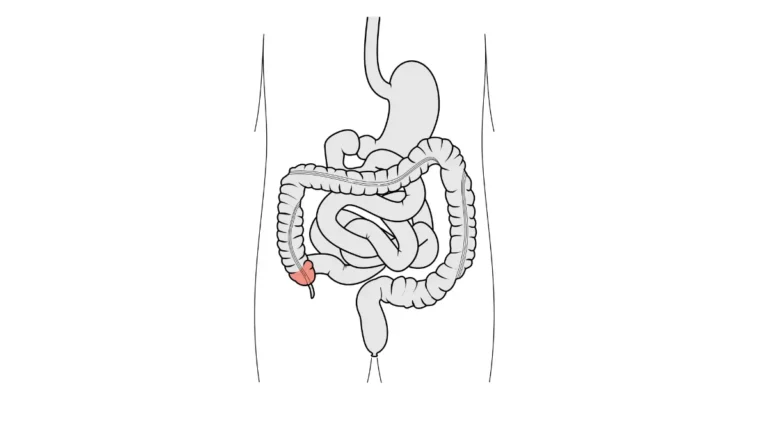
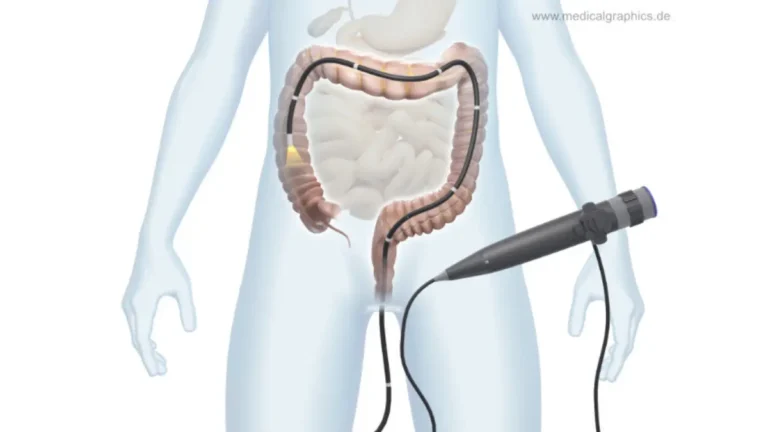
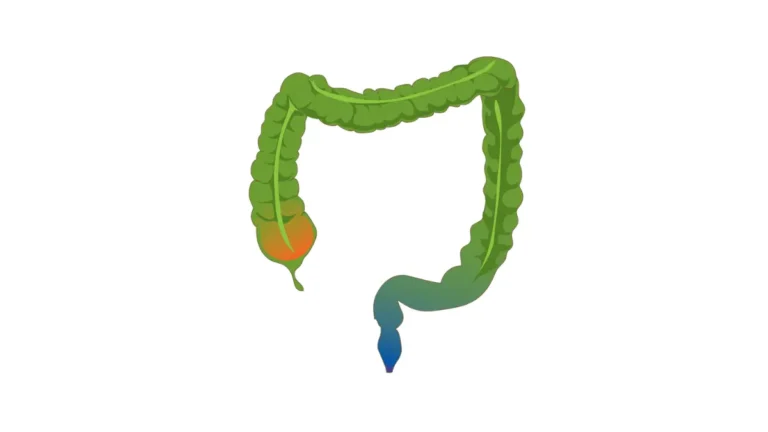
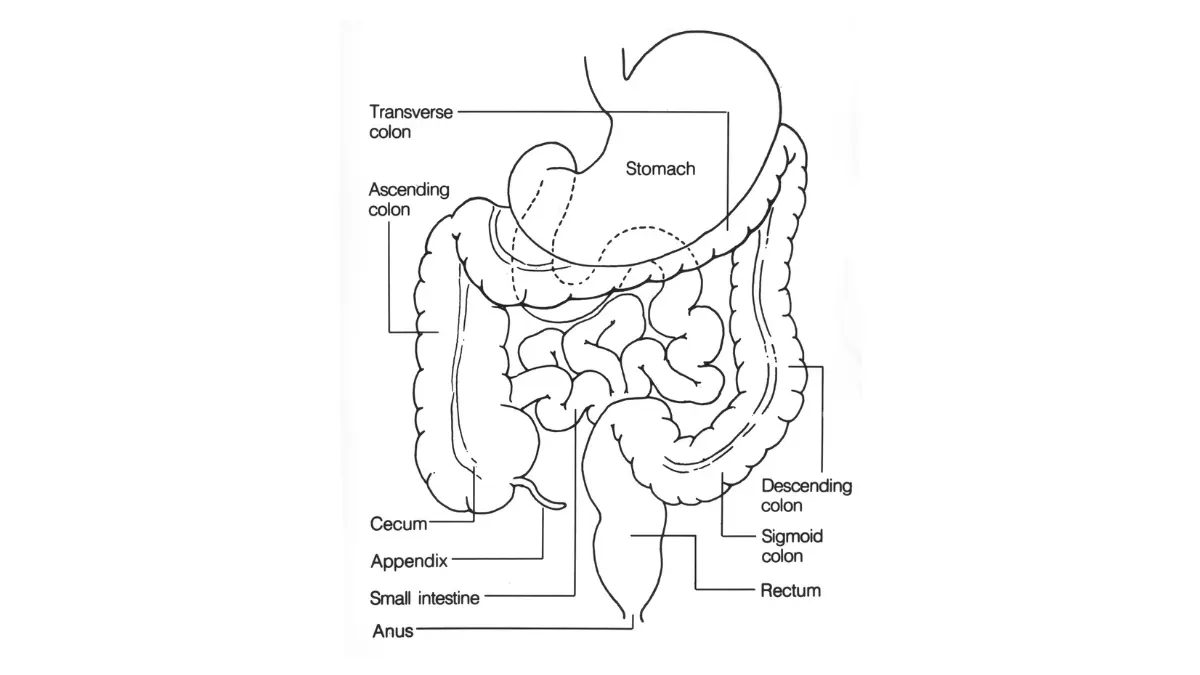
During the exam, air or carbon dioxide is introduced into the colon so the doctor can see the lining clearly, which leaves you feeling bloated and gassy afterward. This is usually most noticeable in the first hour and tends to settle within 24 to 48 hours as the gas passes or is absorbed. Gentle walking helps it move along.
🔬 How It Works: To open up the colon for a clear view, the scope gently inflates it with gas. That temporary stretch is what causes the bloated, crampy feeling — and it eases as you pass gas, which is why the nursing team encourages you to get up and walk soon after.
Feeling groggy from sedation
Most colonoscopies use sedation, so it’s normal to feel drowsy, foggy, or a little unsteady while it wears off. You’ll usually stay 30 to 60 minutes for monitoring, and because your judgment and reflexes are affected, you’ll need a prearranged ride home. It’s worth knowing in advance which sedation options are used, and planning to rest the remainder of the day.
Light spotting after a polyp or biopsy
If your doctor removed a polyp or took a biopsy, a small amount of blood in your first bowel movement is expected and should stop on its own. This is different from the heavy or persistent bleeding covered further down. For context on what a colonoscopy involves and whether the procedure itself hurts, the experience is usually far easier than people fear. You can read the NIDDK’s overview of what to expect after a colonoscopy for the authoritative baseline.
Your recovery timeline and how to feel better
Recovery from a colonoscopy is usually quick, and a few simple steps make the first day more comfortable.
The first few hours
Right after the exam you’ll rest in a recovery area while the sedation wears off, then head home with your driver. Expect to feel groggy and gassy at first. Sipping fluids and walking gently both help.
The first 24 hours
Most people return to a normal diet by the next day unless told otherwise. Because the prep emptied your colon completely, it can take two to three days before your first normal bowel movement — that gap is expected, not constipation in the usual sense. Our guide to the first 24 hours of colonoscopy recovery walks through the day hour by hour.
What helps — walking, fluids, heat, and soft foods
These steps ease bloating and cramping on the first day:
- Walk for short stretches to move gas through your system.
- Sip water and clear fluids — good hydration helps things restart, and you can estimate your needs with our water intake calculator.
- Use a heating pad on a low setting for short periods.
- Start with soft, easy-to-digest options before returning to higher-fiber meals; here’s what to eat after a colonoscopy.
An over-the-counter gas-relief product (simethicone), a heating pad, or an electrolyte rehydration drink can add comfort — these are general options, not a medical recommendation, so follow the product label. For plain-language patient discharge guidance from MedlinePlus, the NIH summary is a reliable reference.
Normal vs. when to call your doctor
Most symptoms after a colonoscopy are normal and fade quickly, but a short list of signs means you should call. Here’s how they compare.
| Normal recovery | Call your doctor | Get emergency care now |
|---|---|---|
| Mild bloating, gas, and cramping easing within 24–48 hours | Severe, persistent, or worsening abdominal pain | Severe pain with a hard, swollen belly |
| Grogginess fading the same day | Fever of 100.4°F (38°C) or higher | Heavy rectal bleeding or large clots |
| A little blood in the first stool after a polyp or biopsy | Heavy or persistent bleeding, or bleeding after several bowel movements | Fainting, severe weakness, or trouble breathing |
| Return to a normal diet by the next day | Nausea or vomiting that won’t settle | Chest pain |
Source note: thresholds reflect patient-education guidance from NIDDK and academic medical centers, including Columbia University Irving Medical Center. Always follow the specific discharge instructions from your own care team.
The single clearest number to remember is the fever threshold.
📊 Clinical Data Point: A fever of 100.4°F (38°C) or higher after a colonoscopy is not expected and is a recognized reason to call your doctor, because it can be an early sign of infection. — Source: Columbia University Irving Medical Center patient guidance, corroborated by NIH MedlinePlus.
⚠️ Clinical Warning: Severe abdominal pain together with a firm, swollen belly, fever, and chills can signal a bowel perforation — rare, but a medical emergency. Don’t try to wait it out; seek emergency care.
✅ Patient Action: If you’re unsure whether a symptom needs attention, call the endoscopy team that performed your procedure and ask: “I’m having [your specific symptom] — does this need to be seen today, or watched at home?” You can also use our symptom checker to organize what you’re feeling before you call, though it isn’t a substitute for medical care.
Serious complications and how rare they really are
Serious complications from a colonoscopy are uncommon, and it helps to see the actual numbers rather than vague warnings.
📊 Clinical Data Point: In a population-based study of about 97,000 outpatient colonoscopies, perforation occurred in roughly 0.85 per 1,000 procedures and bleeding in about 1.64 per 1,000, with death very rare at about 1 in 14,000. — Source: Rabeneck et al., Gastroenterology (2008), indexed on PubMed.
Colon perforation
A perforation is a small tear in the colon wall — the most serious complication, and a rare one, on the order of 1 in 1,000 to 1 in 2,000 colonoscopies. Warning signs include severe or worsening abdominal pain, a firm or distended belly, fever, and chills. If you notice this combination, seek emergency care rather than waiting.
Bleeding, including after polyp removal
Light spotting after a polypectomy or biopsy is normal; heavier or persistent bleeding is the concern. Removing larger polyps with advanced techniques carries a higher delayed-bleeding risk — pooled at roughly 3.7% in one review by the American Society for Gastrointestinal Endoscopy. If a growth was taken out, our guide to colonoscopy results and what each finding means explains the next steps.
Infection
Infection is uncommon but possible, and slightly more likely after tissue removal. Fever, chills, and abdominal tenderness can signal it, and a high fever with feeling very unwell is an emergency.
Post-polypectomy syndrome — a perforation mimic
🔬 How It Works: When heat (electrocautery) is used to remove a polyp, it can occasionally irritate the full thickness of the colon wall without making an actual hole — known as post-polypectomy syndrome. It causes pain and fever that look like a perforation, usually appears within hours to a few days, and affects about 1% of polyp removals. Because you can’t tell it apart from a true perforation at home, the safe response is the same: get evaluated. You can read the underlying research in this population-based study of nearly 100,000 colonoscopies.
How your situation changes the risk
Your personal risk after a colonoscopy depends on what was done and what medicines you take.
If you had a polyp removed or a biopsy
Removing a polyp raises the chance of bleeding compared with a look-only exam, and larger removals carry more risk. That’s why your team may give you extra aftercare instructions — those take priority over any general advice.
If you take blood thinners or are older
Bleeding and perforation are modestly more likely with older age, in men, and in people taking antiplatelet or anticoagulant medicines (blood thinners). Never start, stop, or change a blood thinner on your own; the timing is decided by your prescriber and endoscopist together, and our guide to which medications to stop before a colonoscopy covers the conversation to have.
🩺 Physician Note: Standard clinical guidance treats decisions to pause or restart blood thinners around a colonoscopy as individualized — made by your prescriber and endoscopist together — because the bleeding risk of continuing must be weighed against the clotting risk of stopping. This is general guidance, not personalized advice.
How long bleeding can show up afterward
📊 Clinical Data Point: Bleeding after polyp removal can appear up to about two weeks later, although most cases happen within the first couple of days. — Source: ASGE population study (Gastrointestinal Endoscopy), indexed on PubMed.
So even if you feel fine at first, stay alert for heavy or persistent bleeding during that two-week window.
✅ Patient Action: Ask your prescriber directly: “When should I restart my blood thinner, and what kind of bleeding should I watch for, and for how long?”
Your recovery action plan and red-flag checklist
Keep this simple plan handy for the first couple of days — for yourself or whoever is helping you.
What to do in the first 48 hours
- Rest the procedure day; have a ride arranged and, ideally, someone to stay with you.
- Walk in short stretches, sip fluids, and eat soft foods first.
- Expect mild bloating and possibly a little spotting if a polyp was removed.
- Follow any specific instructions from your endoscopy team — they override general advice.
Red flags — call now or go to the ER
Contact your doctor or seek emergency care for:
- Severe or worsening abdominal pain, or a hard, swollen belly.
- Heavy rectal bleeding or large clots.
- Fever of 100.4°F (38°C) or higher, or chills.
- Fainting, severe weakness, or trouble breathing.
✅ Patient Action: Keep a one-page recovery and red-flag checklist somewhere visible, and add your endoscopy unit’s phone number to it before you need it. (Download our printable recovery checklist.)
Frequently asked questions about colonoscopy side effects
1. How long do side effects last after a colonoscopy?
Most colonoscopy side effects are mild and ease within 24 hours. Bloating and gas usually settle within 24 to 48 hours as the air used during the exam is absorbed, and grogginess fades the same day as sedation wears off. Walking and fluids speed up the comfort.
2. Is bleeding normal after a colonoscopy?
A small amount of blood in your first stool is normal, especially if a polyp was removed or a biopsy was taken. Heavy or persistent bleeding, or bleeding that continues after several bowel movements, is not normal — contact your care team if that happens.
3. How much bleeding is too much after a colonoscopy?
Light spotting is expected after polyp removal or a biopsy. Bleeding that is heavy, contains large clots, or keeps going after several bowel movements is a reason to call your doctor. When you’re unsure how much is too much, it’s safer to check with your care team.
4. When should I call my doctor after a colonoscopy?
Call for a fever of 100.4°F (38°C) or higher, severe or worsening abdominal pain, or heavy and persistent rectal bleeding after your colonoscopy. Nausea or vomiting that won’t settle also warrants a call. Your own discharge instructions take priority, so follow those first.
5. What are the signs of a perforated colon after a colonoscopy?
Warning signs of a perforation include severe or worsening abdominal pain, a firm or swollen belly, fever, and chills. Perforation is rare but serious, so if you suspect it, seek emergency care immediately rather than waiting to see if it passes.
6. How long after a colonoscopy can you bleed?
Delayed bleeding can appear up to about two weeks after polyp removal, though most cases happen within the first couple of days. Stay alert for heavy or persistent bleeding during that window, and call your doctor if it occurs rather than waiting.
7. Why am I so bloated after a colonoscopy, and how do I relieve it?
Air is introduced into the colon during the exam, which causes temporary bloating and gas afterward. Walking, gentle movement, sipping fluids, and a low-setting heating pad all help, and it usually eases within 24 to 48 hours as the gas clears.
8. When will I have a bowel movement after a colonoscopy?
It can take two to three days for a normal bowel movement, because the prep completely emptied your colon. That delay is expected. If you have no bowel movement after about five days, or you develop severe pain, contact your doctor to rule out a problem.
9. Can a colonoscopy cause an infection?
Infection after a colonoscopy is uncommon but possible, and slightly more likely after polyp removal or a biopsy. Fever, chills, and abdominal tenderness can signal infection and should prompt a call to your care team; a high fever with feeling very unwell is an emergency.
10. What is post-polypectomy syndrome?
Post-polypectomy syndrome is an uncommon reaction, affecting about 1% of polyp removals, where heat from the procedure irritates the colon wall and causes pain and fever that mimic a perforation — without an actual hole. You can’t tell the two apart at home, so get evaluated promptly.
11. When can I eat and return to normal activity after a colonoscopy?
Most people return to a normal diet by the next day and resume usual activity after resting the procedure day, once sedation has fully worn off. Follow any specific instructions from your endoscopy team, since recovery can vary if a larger polyp was removed.
The bottom line on colonoscopy side effects
Most colonoscopy side effects — bloating, gas, cramping, grogginess, and light spotting after polyp removal — are normal and fade within a day or two. A few specific signs are worth acting on: a fever of 100.4°F (38°C) or higher, severe or worsening pain, and heavy or persistent bleeding. Serious complications like perforation are rare.
When in doubt, your endoscopy team would rather hear from you than have you wait, and your discharge instructions always come first. For the full picture, see our complete guide to colonoscopy prep, cost, and results.
About this content
How this article was put together: researched from recognised health sources, drafted with the help of AI tools, and edited by hand, with sources linked throughout.

Sameer Patel is the founder and editor of My Medicine Advisor. He is not a doctor or medical professional — before starting this site he worked in banking,…
Medical disclaimer
The content on MyMedicineAdvisor is provided for general informational and educational purposes only and is not a substitute for professional medical advice, diagnosis, or treatment. Health information on this website should not be used to diagnose, treat, cure, or prevent any condition without guidance from a qualified healthcare professional. Always seek the advice of your doctor, physician, or another licensed healthcare provider with any questions you may have regarding a medical condition, symptoms, medications, or treatment decisions.