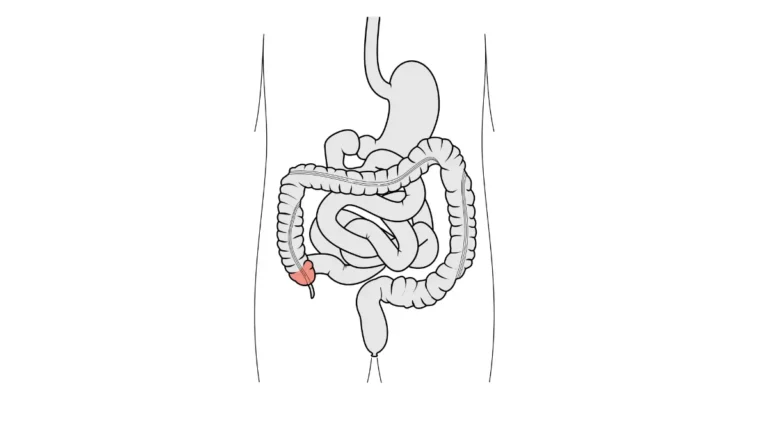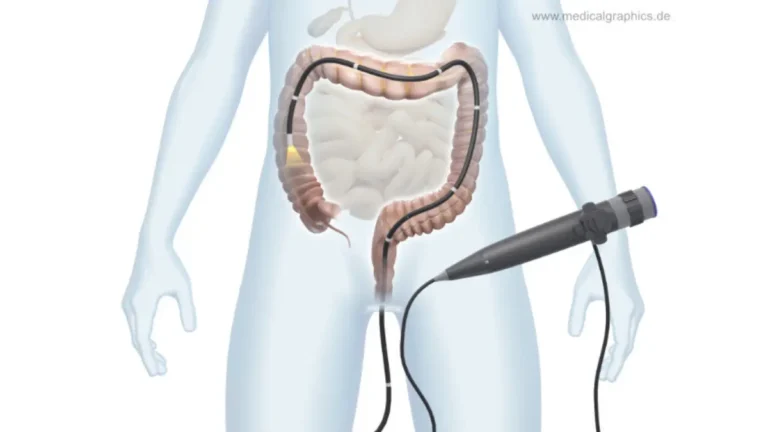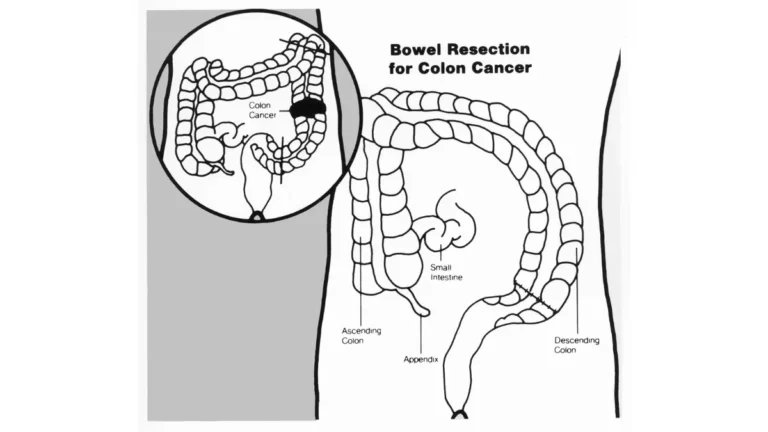

On This Page – Quick Medical Summary
If you need a colonoscopy and have no insurance, the price — often more than $2,000 — can feel like a closed door. It isn’t. Real free, sliding-scale, and low-cost paths exist, and this guide maps the ones actually available right now.
The U.S. Preventive Services Task Force recommends screening for average-risk adults aged 45 to 75. Being uninsured changes the cost, not the need — and our complete guide to colonoscopy prep, cost, and results covers everything that comes after you book.
ℹ️ Medical Disclaimer: This article is general health education, not medical advice, and does not diagnose any condition, recommend a specific test or treatment, or guarantee eligibility for any assistance program, insurance benefit, or procedure. Screening recommendations, program rules, and costs vary by individual and by state. Before acting on anything here — including decisions about screening, symptoms, or coverage — consult a licensed primary care clinician or a board-certified gastroenterologist about your personal situation.
What a colonoscopy really costs without insurance
Without health insurance, a colonoscopy in the U.S. generally runs between $1,250 and $4,800, with most estimates averaging around $2,400 to $2,750. The wide spread isn’t random — it depends on where you go and what’s found.
📊 Clinical Data Point: Self-pay colonoscopy estimates range from roughly $1,250 to $4,800 (average ~$2,400–$2,750) — Source: GoodRx and CareCredit consumer pricing data, 2025–2026. Treat these as estimates, not fixed prices; always request an itemized quote.
Two factors move the number the most: facility type and what the doctor does during the exam. An ambulatory surgery center generally charges far less than a hospital outpatient department for the same procedure. Removing a polyp or taking a biopsy adds surgical and lab steps — and cost.
Why one colonoscopy can produce four separate bills
A single colonoscopy often generates several bills rather than one flat charge. You may receive separate statements from the facility, the gastroenterologist who performs the exam, the anesthesia provider, and — if tissue is removed — a pathology lab.
When you call to schedule as a self-pay patient, ask for an all-inclusive quote and whether a prompt-pay or cash discount applies. Our full breakdown of colonoscopy costs walks through each line item.
Screening vs. diagnostic: the distinction that changes your price
A screening colonoscopy (no symptoms, routine prevention) is billed differently from a diagnostic colonoscopy ordered to investigate a symptom or follow up an abnormal test — and the diagnostic version typically costs more.
🩺 Physician Note: A common point of confusion is that the same procedure can be coded as screening or diagnostic depending on why it’s done and what’s found. That code affects your bill, so confirm with the ordering office how your procedure will be classified. Our guide on when a colonoscopy is free and when it’s billed explains the difference.
Free colonoscopy programs for the uninsured
Some genuinely free screening exists for low-income, uninsured adults — but availability depends heavily on your state, and “free” rarely means a blanket free colonoscopy for everyone. Knowing how these programs actually work saves you a frustrating search.
The most important national program is the Colorectal Cancer Control Program run by the CDC, which funds work to raise screening among adults aged 45 to 75. It’s widely misunderstood, so here’s the honest version.
The CDC’s Colorectal Cancer Control Program — what it does and doesn’t cover
The program does not hand out free colonoscopies nationwide. It now works mainly through partner clinics and health systems, and what’s covered varies by the local grantee. You can read the program’s scope on the CDC’s Colorectal Cancer Control Program page.
In several states, grant funds cover a no-cost follow-up colonoscopy after a positive at-home stool test — but cannot pay for the initial screen. So the practical path is often a low-cost or free stool test first, with the colonoscopy covered only if that test is positive. Always ask a program directly whether it covers a full screening colonoscopy or only follow-up.
State health departments and hospital financial assistance
Beyond the CDC program, two routes help uninsured patients. Many state and county health departments run their own colorectal screening programs with income-based eligibility, and nonprofit hospitals are legally required to maintain a written financial assistance (charity care) policy that can reduce or eliminate a bill.
✅ Patient Action: Call your county or state health department’s cancer screening line and ask: “Do you have a colorectal cancer screening program for uninsured residents, and does it cover a colonoscopy or only a stool test?” You can also call the Colorectal Cancer Alliance’s screening-navigation helpline, where navigators help locate low- or no-cost screening. If you want to gauge whether you’re average or higher risk before you call, our colorectal cancer risk estimator is a starting point.
How to get a colonoscopy at a community health center
The single most reliable nationwide option is a federally qualified health center (FQHC) — a community health center that must offer care on a sliding scale and cannot turn you away for inability to pay.
What a sliding fee scale means for your bill
A sliding fee scale lowers what you owe based on your household income and family size. It’s a discount, not always zero — but it can bring an out-of-reach cost down to something manageable.
🔬 How It Works: When you enroll at an FQHC, staff review your income and household size against a federal scale. The lower your income, the lower your fee tier for the same services. FQHCs are required to offer this and to see patients regardless of ability to pay, which is why they’re the safety net most people don’t know they have.
Four steps to get screened with no insurance
Here’s the fastest route from “I have no insurance” to “I’m scheduled”:
- Find a center using the federal locator at find a federally qualified health center near you, or call HRSA at 1-877-464-4772. You can also dial 2-1-1 for local referrals.
- Become a patient and ask about the sliding fee scale at your first visit.
- See a primary care provider, who determines whether you need a colonoscopy or whether a stool test is a reasonable first step.
- Get your referral to a gastroenterologist or partnering surgery center for the procedure.
✅ Patient Action: At your FQHC intake, ask the primary care clinician directly: “Based on my age and risk, do I need a colonoscopy now, or is an at-home stool test an appropriate first screen for me?” If a colonoscopy is booked, our guide on what to expect at your first colonoscopy prepares you for the day.
Lower-cost alternatives: at-home tests and self-pay options
If a colonoscopy is still out of reach, you have legitimate cheaper ways to screen. For average-risk adults with no symptoms, an at-home stool test is a recommended screening option — and far less expensive upfront.
At-home stool tests: FIT vs. stool DNA
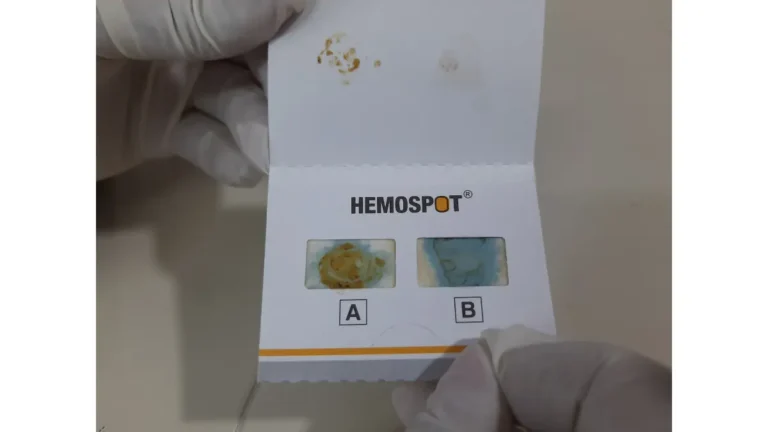
Two main at-home tests exist. A fecal immunochemical test (FIT) checks for hidden blood in the stool, while a stool DNA test (such as Cologuard) also looks for abnormal DNA.
📊 Clinical Data Point: An at-home FIT typically costs about $20–$30 out of pocket; a stool DNA test runs roughly $600–$790 as cash-pay, though it is often $0 with insurance — Source: GoodRx and manufacturer pricing, 2025–2026.
The tradeoff is accuracy. Stool DNA tests detect more cancers than FIT, but neither is as sensitive as a colonoscopy, and only a colonoscopy can remove polyps during the exam. Our comparisons of how a colonoscopy stacks up against the FIT test and colonoscopy versus Cologuard lay out the differences.
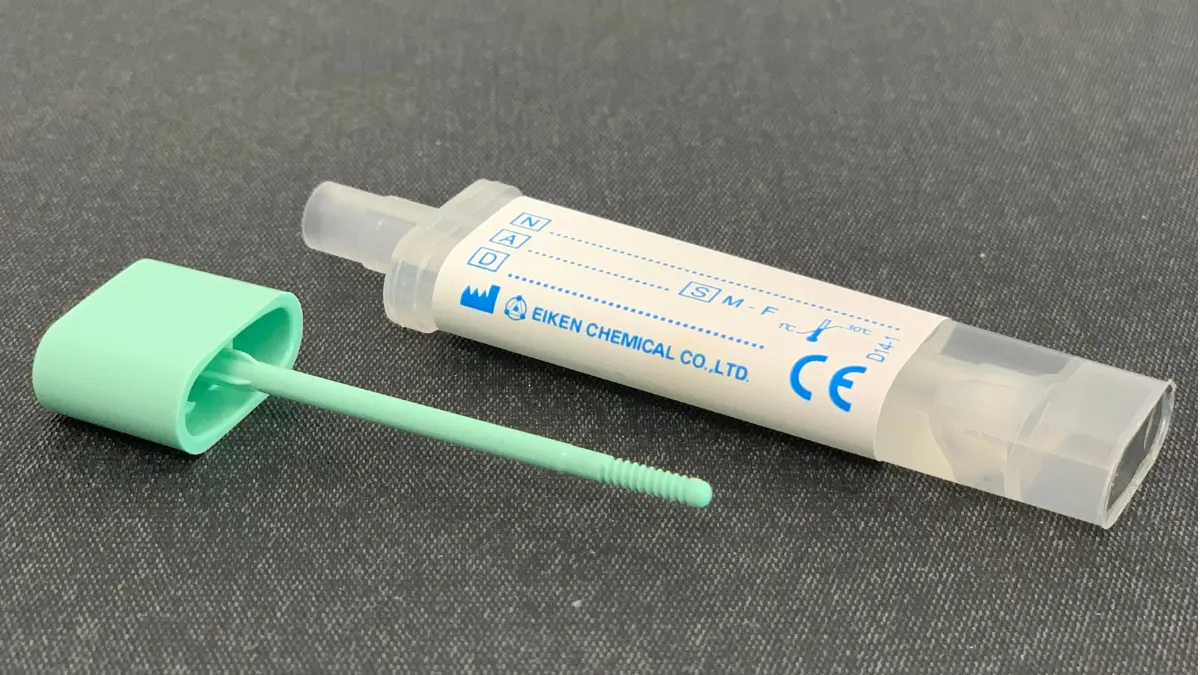
Adapted from Wikimedia Commons: Faecal Immunochemical Testing, licensed under CC BY 4.0.
If your at-home test is positive — what happens next
⚠️ Clinical Warning: An at-home test is a screen, not a final answer. A positive FIT or stool DNA result means you need a follow-up colonoscopy to confirm the finding and remove any polyps — skipping it leaves a potentially treatable problem unaddressed. Do not treat a negative or positive home test as the end of the process without speaking to a clinician.
If you’re uninsured and your home test is positive, that follow-up colonoscopy is exactly where the CDC-funded and state programs in Section 3 may help. Our guide on what happens after a positive Cologuard result explains the next steps.
Could you qualify for coverage you don’t know about?
Being uninsured may be temporary. Enrolling in coverage can turn a $2,400 bill into $0, because screening is a protected preventive benefit for insured adults.
Medicaid and the ACA marketplace
Medicaid generally covers colorectal cancer screening, and in many states adults under an income threshold qualify — which would make a colonoscopy free. Eligibility and benefits vary by state, so it’s worth checking even if you assume you won’t qualify. Most private marketplace plans must also cover screening with no cost-sharing for adults aged 45 to 75; the Supreme Court upheld that requirement in 2025.
✅ Patient Action: Check your eligibility at your state Medicaid office or on the federal marketplace, and ask the FQHC in Section 4 whether they have enrollment assisters who can help you apply on the spot. Our guide on why screening starts at age 45 explains who’s eligible.
Medicare and the follow-up-colonoscopy rule
If you’re 65 or older, Medicare Part B covers stool-based screening at no cost for eligible ages, and covers a follow-up screening colonoscopy after a positive stool test. You can review the details on the American Cancer Society’s overview of how colorectal cancer screening coverage works and the U.S. Preventive Services Task Force recommendation.
🩺 Physician Note: One coverage nuance surprises many patients: if a polyp is found and removed during that follow-up colonoscopy, a small coinsurance may apply even though the screening itself was free. It’s still far less than paying the full cash price.
When cost should not make you wait
Everything above assumes routine screening. If you have warning symptoms, the math changes — you need evaluation now, not after you’ve saved up, because some symptoms point to conditions that are far more treatable when caught early.
Symptoms that mean you should be seen now
See a clinician promptly if you have any of the following:
- Rectal bleeding or blood in or on the stool
- A persistent change in bowel habits (diarrhea, constipation, or narrowing)
- Unexplained weight loss
- Ongoing abdominal pain or cramping
- Iron-deficiency anemia found on bloodwork
⚠️ Clinical Warning: These are general warning signs that warrant prompt medical evaluation — not a checklist to self-diagnose, and not a reason to panic. Do not delay getting checked because you’re worried about cost. An FQHC will see you regardless of ability to pay, and a hospital emergency department must evaluate anyone with an emergency regardless of insurance.
Why a symptomatic exam is different from screening
When you have symptoms, the colonoscopy is diagnostic, not screening — a medically necessary evaluation rather than routine prevention. That changes how it’s billed and may change which assistance applies.
✅ Patient Action: If you have any symptom above, contact a primary care clinician or an FQHC this week and say: “I have [symptom] and need to be evaluated — I’m uninsured; what are my options to be seen?” Our guide to colon cancer symptoms that point to a colonoscopy explains what to watch for.
Frequently asked questions about getting a colonoscopy without insurance
1. Can you get a colonoscopy without insurance?
Yes. Uninsured adults can access a colonoscopy through a federally qualified health center’s sliding fee scale, state or CDC-funded screening programs, hospital financial-assistance policies, or self-pay discounts. Availability and cost vary by location and income, so it’s worth contacting more than one option. Speak with a clinician about which screening path fits your situation.
2. How much does a colonoscopy cost out of pocket?
Without insurance, a colonoscopy generally costs between $1,250 and $4,800, with most estimates averaging around $2,400 to $2,750. The bill is often split across the facility, the physician, anesthesia, and pathology. Ambulatory surgery centers usually cost less than hospitals, and removing a polyp adds cost.
3. Are there free colonoscopy programs for the uninsured?
Some exist, but availability depends heavily on your state, and many programs cover a follow-up colonoscopy after a positive at-home stool test rather than an initial screen. State health departments, hospital charity care, and CDC-funded clinics are the main sources. Ask each program directly what it covers before assuming a full colonoscopy is included.
4. Does the CDC pay for colonoscopies?
Not directly for everyone. The CDC’s Colorectal Cancer Control Program funds partner clinics and health systems to raise screening among adults 45 to 75, and what’s covered varies by the local grantee. In several states, grant funds cover a follow-up colonoscopy after a positive stool test but cannot pay for the initial screen.
5. Can I get a colonoscopy at a community health center?
Yes. Federally qualified health centers see patients on a sliding fee scale regardless of ability to pay, and can order screening or refer you to a gastroenterologist for a colonoscopy. Find one using the federal locator at findahealthcenter.hrsa.gov or by calling HRSA at 1-877-464-4772. Ask about the sliding scale at intake.
6. What is a sliding fee scale?
A sliding fee scale is a discount that lowers what you owe for care based on your household income and family size. Federally qualified health centers are required to offer it, so lower-income patients pay reduced fees for the same services. It often makes screening affordable, though it may not always bring the cost to zero.
7. Is an at-home test as good as a colonoscopy?
At-home stool tests are recommended screening options for average-risk adults, but they are less sensitive than a colonoscopy, and only a colonoscopy can remove polyps during the exam. A positive at-home result always requires a follow-up colonoscopy. Discuss with a clinician which test is appropriate for your age and risk level.
8. How much does a FIT or stool DNA test cost without insurance?
A fecal immunochemical test (FIT) typically costs about $20 to $30 out of pocket, making it the cheapest screening starting point. A stool DNA test such as Cologuard runs roughly $600 to $790 as cash-pay, though it is often $0 with insurance. Prices vary by provider and any available discounts.
9. Does Medicaid cover a colonoscopy?
Medicaid generally covers colorectal cancer screening, and in many states uninsured adults under an income threshold qualify, which would make a colonoscopy free. Eligibility and benefits vary by state, so check even if you assume you don’t qualify. A health center’s enrollment assisters can help you apply.
10. What symptoms mean I shouldn’t wait to get a colonoscopy?
Rectal bleeding, a persistent change in bowel habits, unexplained weight loss, ongoing abdominal pain, or iron-deficiency anemia all warrant prompt medical evaluation rather than routine screening. Don’t delay care for these symptoms to save money — a health center or emergency department will see you regardless of insurance. Contact a clinician promptly about any of these.
11. What if my at-home test is positive but I can’t afford the colonoscopy?
A positive test makes the follow-up colonoscopy medically necessary. Ask a federally qualified health center, your state’s screening program, or the Colorectal Cancer Alliance helpline whether they can cover that follow-up colonoscopy, since several programs are designed for exactly this. Speak with a clinician promptly about scheduling the next step.
Your next step starts with one phone call
Cost is a real barrier, but it shouldn’t be the reason you skip screening — there’s almost always a path forward. Start here:
- Find a federally qualified health center at findahealthcenter.hrsa.gov (or 1-877-464-4772) and ask about the sliding fee scale.
- Call your state or county health department and ask about colorectal screening programs for uninsured residents.
- Call the Colorectal Cancer Alliance helpline for screening navigation.
If a colonoscopy is genuinely out of reach today, ask about a low-cost FIT as a first step — screening you can afford now beats the perfect test you keep postponing. Screening is achievable on nearly any budget, and the first phone call is the hardest part.
About this content
How this article was put together: researched from recognised health sources, drafted with the help of AI tools, and edited by hand, with sources linked throughout.

Sameer Patel is the founder and editor of My Medicine Advisor. He is not a doctor or medical professional — before starting this site he worked in banking,…
Medical disclaimer
The content on MyMedicineAdvisor is provided for general informational and educational purposes only and is not a substitute for professional medical advice, diagnosis, or treatment. Health information on this website should not be used to diagnose, treat, cure, or prevent any condition without guidance from a qualified healthcare professional. Always seek the advice of your doctor, physician, or another licensed healthcare provider with any questions you may have regarding a medical condition, symptoms, medications, or treatment decisions.