
On This Page – Quick Medical Summary
Three kinds of people usually arrive at a page like this, and the most useful answer depends on which one you are.
If a parent, sibling, or child was just diagnosed with pancreatic cancer and you are wondering about your own odds, head for the sections on which genes matter and who should be tested. If you already carry a BRCA, PALB2, or ATM mutation and just learned that pancreatic cancer is on the list of risks, the gene-by-gene numbers and the surveillance section are for you. And if you have been diagnosed yourself and your oncologist told you to “get germline testing,” the part on how results shape treatment will matter most.
Here is the honest headline: most pancreatic cancers are not inherited. For roughly 1 in 10 people with the disease, though, an inherited gene change plays a part — and knowing about it can change screening for relatives and even treatment for patients. This guide covers what the testing is, who it is for, and what a result actually means. For the bigger picture, see our overview of understanding pancreatic cancer from first signs to treatment.
ℹ️ Medical Disclaimer: This article is educational and does not diagnose disease, interpret your personal genetic result, recommend a specific test or medication, or determine your screening schedule or insurance coverage. Decisions about genetic testing, surveillance, and treatment for pancreatic cancer should be made with a certified genetic counselor, a board-certified oncologist, and a gastroenterologist experienced in high-risk pancreatic care.
What genetic testing for pancreatic cancer actually checks
A test for inherited pancreatic cancer risk looks at the genes most strongly tied to the disease — and that is a different test from the one done on a tumor.
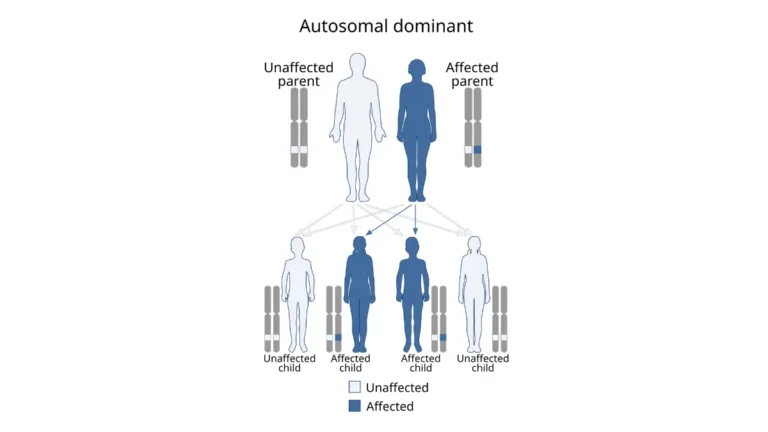
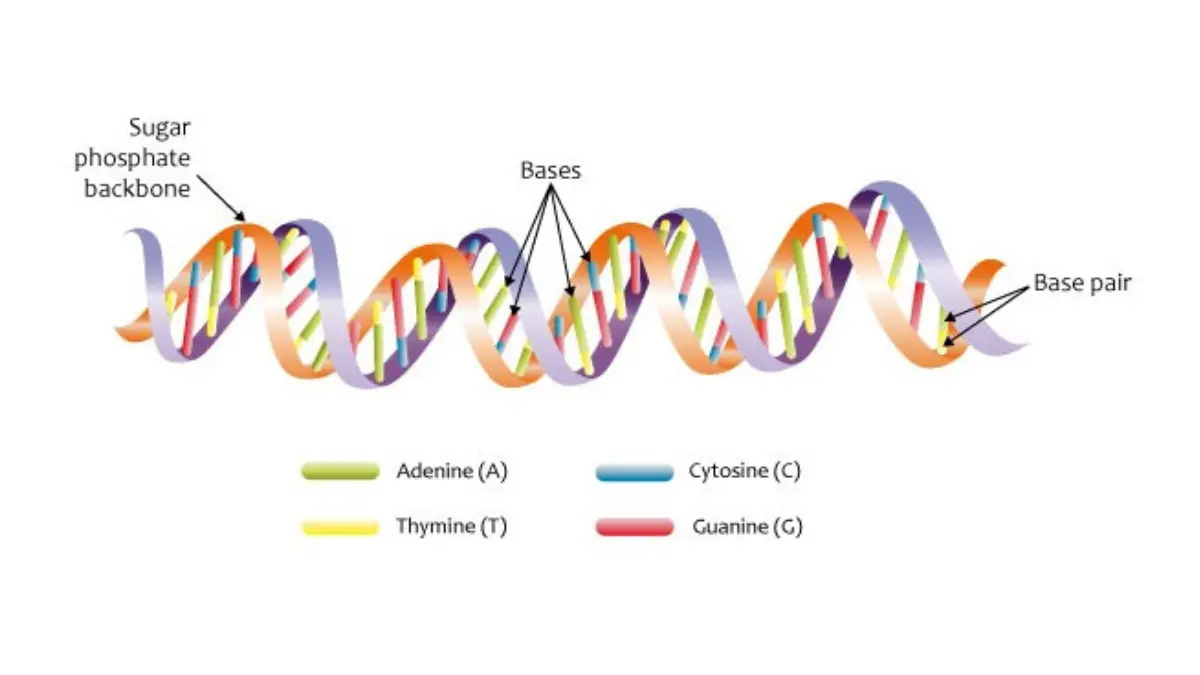
A genetic test for risk examines your germline mutation status: the DNA you were born with, taken from a blood or saliva sample, which you can pass to your children. A tumor (somatic) test looks only at mutations inside the cancer itself and cannot be inherited. The National Cancer Institute draws this same line between inherited germline changes and tumor-only somatic changes.
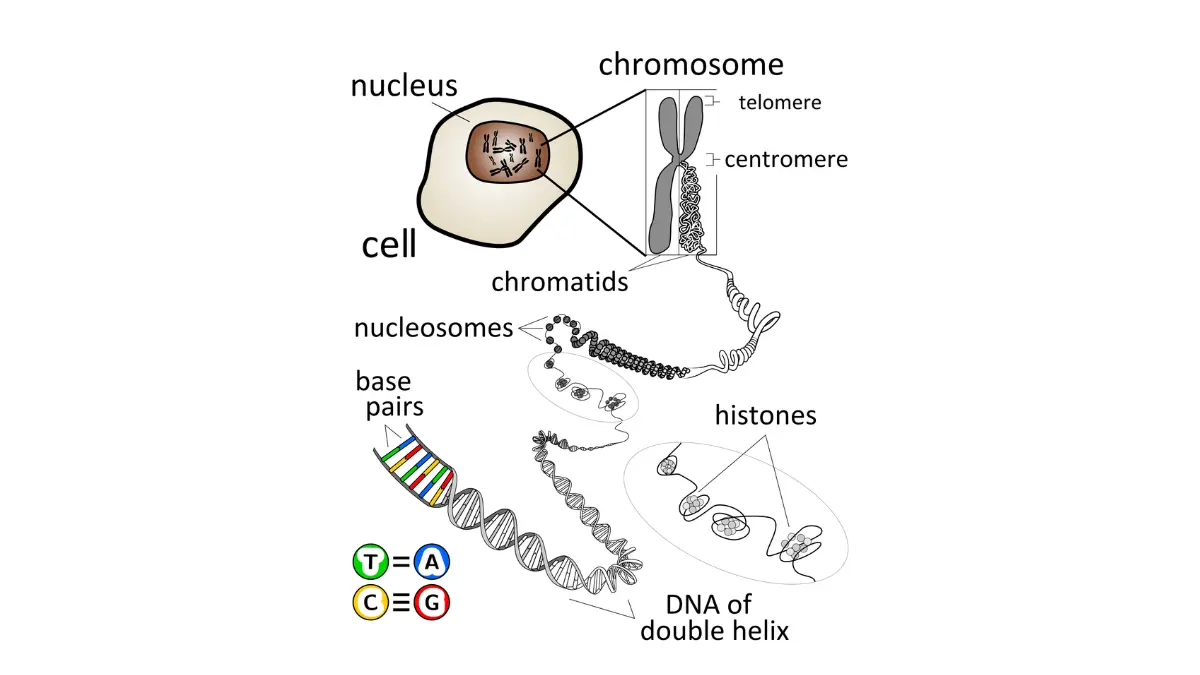
🔬 How It Works: A germline test reads genes present in every cell of your body. If one carries a harmful change, it was likely inherited and can be passed on — which is why a positive result matters for your whole family, not just you.
A standard inherited-risk panel checks the genes most linked to pancreatic cancer: BRCA1, BRCA2, PALB2, ATM, CDKN2A, STK11, and the Lynch syndrome genes MLH1, MSH2, MSH6, and PMS2. Current NCCN guidance centers on roughly 11 such cancer-predisposing genes.
⚠️ Clinical Warning: A consumer ancestry test, such as the 23andMe BRCA report, screens only a few specific founder variants and misses most harmful mutations. A “negative” there does not clear you of inherited pancreatic cancer risk and is not a substitute for clinical germline testing.
How much do inherited mutations actually raise the risk?
The right way to read these numbers is against the baseline — what risk everyone carries before any gene change is considered.
📊 Clinical Data Point: About 1.7% of people in the United States will be diagnosed with pancreatic cancer in their lifetime — roughly 1 in 59 — Source: NCI SEER Cancer Stat Facts, 2021–2023 data.
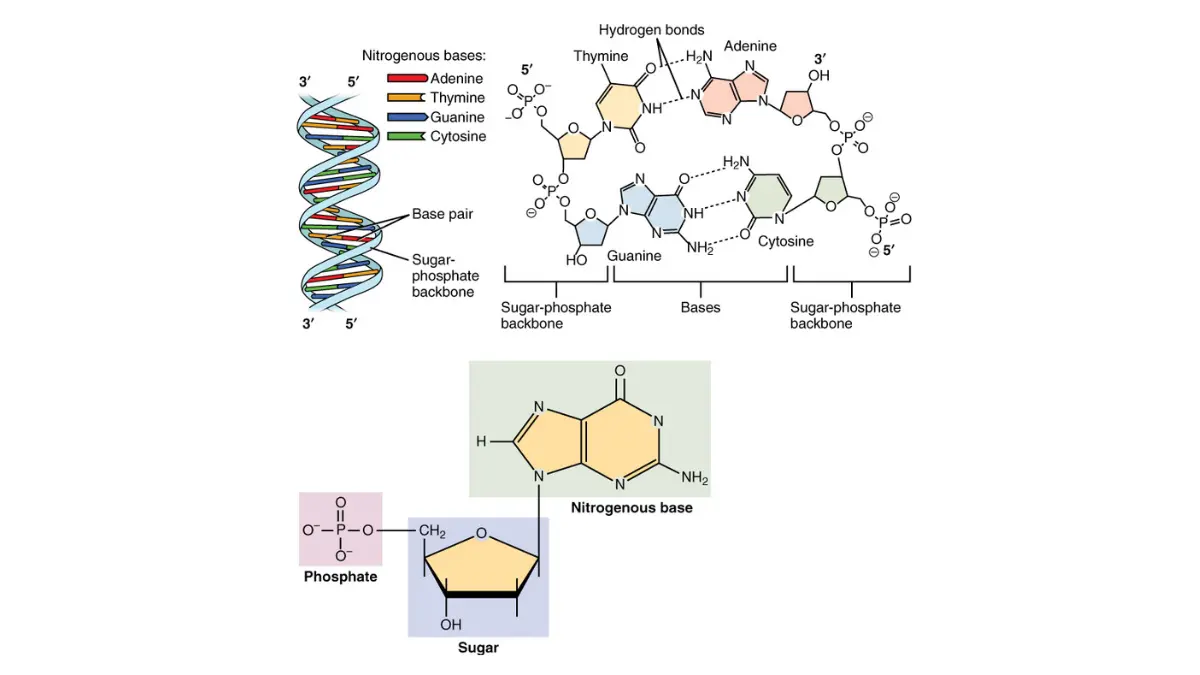
Against that baseline, an inherited mutation can raise risk modestly or sharply, depending on the gene. The figures below mix two measures: a multiple (“× higher” than average) and an absolute lifetime percentage. They are not the same — a large multiple on a tiny baseline can still be a modest lifetime number.
| Gene or syndrome | Estimated pancreatic cancer risk | Key clinical detail |
|---|---|---|
| General population (baseline) | ~1.7% lifetime | The reference point for everything below |
| BRCA2 | Found in ~2–8% of all patients; higher with family history | Most common inherited mutation in familial pancreatic cancer; can guide treatment |
| BRCA1 | Elevated, lower than BRCA2 | Better known for breast and ovarian risk |
| PALB2 | Roughly 6× higher in carrier relatives; lifetime not yet well quantified | Works alongside BRCA2 in DNA repair |
| ATM | ~5–14% cumulative lifetime (one altered copy) | Found in ~1–5% of patients |
| CDKN2A (FAMMM syndrome) | ~15–35% lifetime; about 13–39× higher | Also drives high melanoma risk |
| STK11 (Peutz-Jeghers syndrome) | ~11–36% by age 70; up to ~132× higher | Very rare; the single highest relative risk |
| Lynch syndrome (MLH1, MSH2, MSH6) | ~3.7% lifetime; about 8.6–11× higher | Mainly raises colorectal and endometrial risk |
Figures compiled from the NCI SEER program, the NCI PDQ cancer genetics summaries, the AGA Clinical Practice Update on pancreas cancer screening, and Johns Hopkins’ National Familial Pancreatic Tumor Registry.
Even the highest figure has context: Peutz-Jeghers syndrome carries the steepest relative risk, but it is rare and the lifetime chance still falls well short of certain. If you want to understand the broader inherited picture, see our explainer on whether pancreatic cancer runs in families, and how the disease is found in our guide to how doctors actually diagnose pancreatic cancer.
Who should get genetic testing for pancreatic cancer?
The answer splits cleanly into two groups: people already diagnosed, and unaffected relatives.
If you have been diagnosed with pancreatic cancer, the guidance is direct — the NCCN has recommended germline genetic testing for all patients with pancreatic adenocarcinoma since 2018–2019, regardless of family history. The reasoning is that family history misses too many carriers.
🩺 Physician Note: Family history turns out to be a poor filter for who carries an inherited mutation — in published studies, most patients found to carry one had no striking family history of cancer. That is why testing is no longer reserved for obvious “cancer families.”
If you have not been diagnosed but a close relative has, testing and counseling are worth considering, and the case is stronger if two or more first-degree relatives had pancreatic cancer, if a relative was diagnosed young, or if a specific mutation is already known in your family. Ancestry matters too: BRCA mutations are more common in people of Ashkenazi Jewish descent. Our overview of other risk factors for pancreatic cancer puts inherited risk alongside the rest.
✅ Patient Action: Ask your oncologist or a certified genetic counselor a specific question: “Based on my diagnosis or family history, do I meet criteria for germline panel testing, and can you place the referral?”
If you simply want a structured way to think through your family pattern before that conversation, a quick inherited-risk self-assessment can organize your questions — though it is an educational starting point, not a diagnostic test.
How the testing process works, step by step
Knowing the sequence ahead of time removes most of the anxiety from the process.
- Genetic counseling first. A certified genetic counselor reviews your personal and family history and explains what a result could and could not tell you. MedlinePlus describes what genetic counseling involves and why it comes before testing.
- The test itself. Germline testing uses a simple blood draw or saliva sample — no procedure, no sedation.
- Cost and insurance. NCCN guidelines often function as the reference point insurers use, though coverage can lag new recommendations; a counselor can help you check your specific plan before you commit.
- Results. They typically take a few weeks and come back in one of three forms: a harmful (pathogenic) variant, a negative result, or a variant of uncertain significance.
Reading the report can be confusing on your own, which is part of why counseling brackets the process; our walkthrough on how to make sense of a BRCA result shows how those categories look in practice.
✅ Patient Action: Before you test, ask the genetic counselor two things: which genes the panel covers, and exactly how a positive result would change care for you and for your relatives.
What a positive result means for screening and treatment
A positive result is only worth having if it changes something — and for pancreatic cancer, it can change both surveillance and treatment.
For unaffected carriers, surveillance is generally recommended once estimated lifetime risk passes about 5%, or roughly five times average risk. The preferred tools are endoscopic ultrasound and MRI with MRCP — not CT, which adds radiation — usually once a year and at a center experienced in high-risk pancreatic screening.
When screening starts depends on the gene:
- STK11 (Peutz-Jeghers): around age 30–35
- CDKN2A: around age 40, regardless of family history
- BRCA1/2, ATM, PALB2, MLH1, MSH2: around age 45–50, often when a first-degree relative was affected — or 10 years before the youngest case in the family
For patients already diagnosed, a germline result can open targeted treatment. The medication olaparib (Lynparza), a PARP inhibitor, is FDA-approved as maintenance treatment for germline BRCA-mutated metastatic pancreatic adenocarcinoma whose disease has not progressed on at least 16 weeks of platinum-based chemotherapy.
📊 Clinical Data Point: In the Phase 3 POLO trial behind that approval, olaparib maintenance reduced the risk of disease progression or death by 47% versus placebo — Source: FDA approval notice (December 27, 2019) and the POLO trial.
🔬 How It Works: PARP inhibitors block a backup DNA-repair pathway. In cells that already have a broken BRCA repair gene, removing the backup leaves them unable to fix their DNA, so the cancer cells die while healthy cells largely cope.
Lynch syndrome or tumors with high microsatellite instability may also open immunotherapy options, which your oncologist can assess. Results can also affect eligibility for newer targeted treatments such as KRAS-directed therapy and for clinical trials that enroll people with inherited mutations.
✅ Patient Action: If you are a carrier, ask a gastroenterologist at a high-risk pancreatic surveillance center whether you qualify and when to begin. If you are a patient, ask your oncologist whether your germline and tumor results open targeted-therapy or trial options.
What a result does — and doesn’t — tell you
The most important thing to hold onto is that a result describes a probability, not a destiny.
A positive result means a mutation raises your risk; it is not a diagnosis, and it does not mean cancer is certain — even the highest-risk syndromes leave the lifetime chance well below 100%. A negative result lowers your odds but does not always erase them, since other genes and a strong family history still count.
A variant of uncertain significance, or VUS, is a change whose meaning is not yet known; it should not drive medical decisions on its own and may be reclassified as harmless or harmful as evidence grows. A positive result also reaches beyond you — relatives may benefit from their own testing, a process called cascade testing, and our guide to what a positive BRCA result means in practice covers that ripple effect. On protection, the federal Genetic Information Nondiscrimination Act (GINA) bars discrimination in health insurance and employment based on genetic information, but it does not cover life, disability, or long-term-care insurance.
✅ Patient Action: Ask your genetic counselor what your specific result — including any VUS — means for you, and whether your first-degree relatives should be tested.
Frequently asked questions about genetic testing for pancreatic cancer
1. Should everyone with pancreatic cancer get genetic testing?
Yes. Since 2018–2019, the NCCN has recommended germline genetic testing for every patient diagnosed with pancreatic adenocarcinoma, regardless of family history, because family history misses too many people who carry an inherited mutation. Ask your oncologist or a certified genetic counselor whether your testing has been ordered.
2. What genes are tested for pancreatic cancer risk?
A standard inherited-risk panel checks the genes most tied to pancreatic cancer: BRCA1, BRCA2, PALB2, ATM, CDKN2A, STK11, and the Lynch syndrome genes MLH1, MSH2, MSH6, and PMS2. Current NCCN guidance centers on roughly 11 cancer-predisposing genes tested together as a panel.
3. Is genetic testing for pancreatic cancer covered by insurance?
Coverage varies by plan. NCCN guidelines often serve as the reference point insurers use, but coverage can lag behind new recommendations, so confirm your specifics before testing. A genetic counselor can help you check coverage and navigate the process. Ask your counselor or insurer directly about your plan.
4. What is the difference between germline and tumor genetic testing?
Germline testing checks the inherited DNA you were born with, using blood or saliva, and can reveal a mutation you may pass to your children. Tumor (somatic) testing looks only at mutations inside the cancer itself and cannot be inherited. Both can matter, for different reasons, in pancreatic cancer care.
5. Can a home DNA test detect pancreatic cancer risk?
No. Consumer ancestry tests screen only a few specific founder variants and miss most harmful mutations, so a negative result does not clear you of inherited pancreatic cancer risk. Clinical germline genetic testing through a counselor is far more complete. Treat a home kit as entertainment, not a medical screen.
6. If I carry a BRCA2 mutation, what is my pancreatic cancer risk?
Your risk is elevated above the roughly 1.7% lifetime baseline, though the exact increase varies. BRCA2 is the most common inherited mutation found in familial pancreatic cancer, and it can also guide treatment if cancer develops. Only a genetic counselor can estimate your personal risk from your full history.
7. Should I get tested if a parent or sibling had pancreatic cancer?
It is worth considering, especially if two or more first-degree relatives had pancreatic cancer, if a relative was diagnosed young, or if a mutation is already known in your family. A genetic counselor can tell you whether you meet testing criteria. Start with a counseling referral rather than testing blindly.
8. What happens after a positive genetic test result?
For unaffected carriers, a positive result can open a pancreatic surveillance program; for diagnosed patients, it can guide targeted treatment and trial eligibility. The next step is a plan built with a genetic counselor and, where relevant, a gastroenterologist or oncologist. Discuss timing and specialists with your care team.
9. What is a variant of uncertain significance (VUS)?
A VUS is a genetic change whose effect on cancer risk is not yet known. It should not drive medical decisions on its own, and labs may later reclassify it as harmless or harmful as more evidence accumulates. If your result includes a VUS, ask your genetic counselor how to interpret it.
10. At what age should high-risk people start pancreatic cancer screening?
It depends on the gene. People with STK11 (Peutz-Jeghers) generally start around age 30–35, CDKN2A carriers around 40, and BRCA, ATM, or PALB2 carriers around 45–50 — or 10 years before the youngest case in the family. Confirm your timing with a high-risk surveillance specialist.
11. Can genetic test results change my cancer treatment?
Yes. For germline BRCA-mutated metastatic pancreatic cancer, the medication olaparib is FDA-approved as maintenance treatment after at least 16 weeks of platinum-based chemotherapy. Lynch syndrome tumors may open immunotherapy options. Ask your oncologist whether your germline and tumor results affect your treatment plan.
The bottom line — and your next step
Knowing your inherited risk can do two concrete things: change how closely you and your relatives are screened, and, if you are diagnosed, open targeted treatments and trials that would otherwise be missed. None of that requires you to treat a gene result as a verdict — a mutation raises probability, it does not seal an outcome.
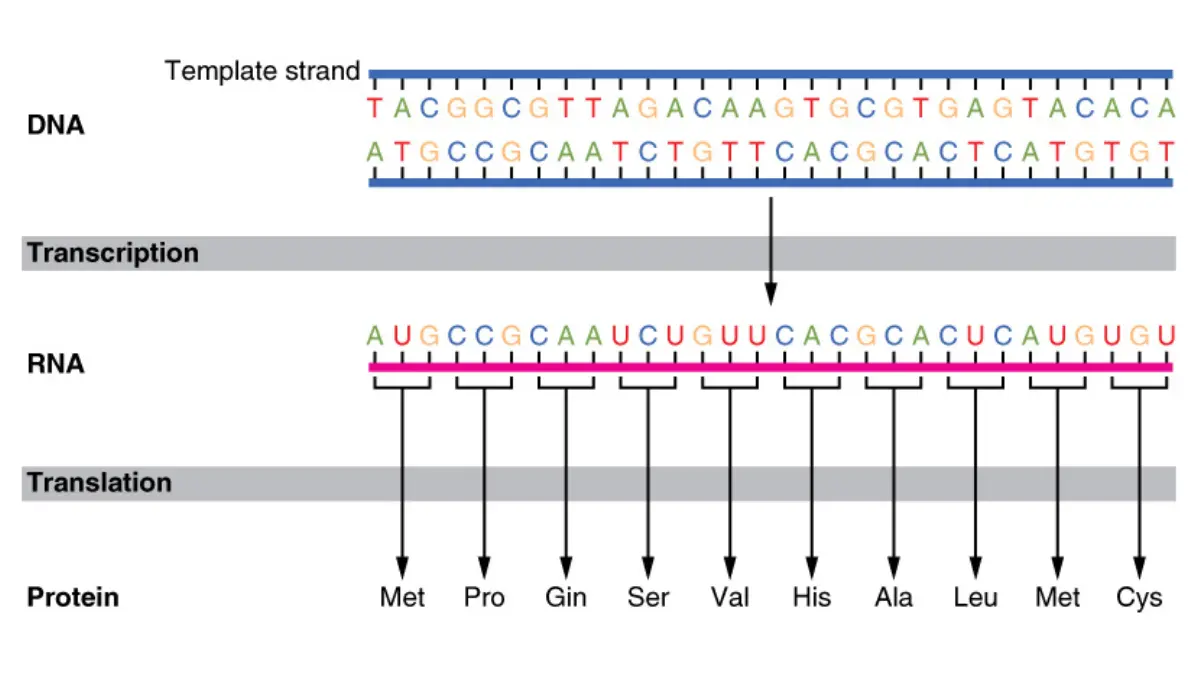
The single most useful next step is a conversation with a certified genetic counselor, who can tell you whether testing fits your situation and what any result would mean for your family. If you want to ground that conversation in the full clinical picture first, start with our complete guide to pancreatic cancer.
About this content
How this article was put together: researched from recognised health sources, drafted with the help of AI tools, and edited by hand, with sources linked throughout.

Sameer Patel is the founder and editor of My Medicine Advisor. He is not a doctor or medical professional — before starting this site he worked in banking,…
Medical disclaimer
The content on MyMedicineAdvisor is provided for general informational and educational purposes only and is not a substitute for professional medical advice, diagnosis, or treatment. Health information on this website should not be used to diagnose, treat, cure, or prevent any condition without guidance from a qualified healthcare professional. Always seek the advice of your doctor, physician, or another licensed healthcare provider with any questions you may have regarding a medical condition, symptoms, medications, or treatment decisions.