
On This Page – Quick Medical Summary
A comprehensive metabolic panel is a routine blood test that checks your blood sugar, electrolytes, and kidney and liver function — and you can arrange one yourself, without a doctor’s order in most states. But “at-home” means three different things, and only some of them are truly done at home.
Start where you are. If you want an affordable baseline and you’re generally healthy, ordering online and visiting a lab is likely your route. If needles or clinics are the barrier, a phlebotomist can come to your home instead. If you’re monitoring a diagnosed condition like diabetes or kidney disease, the accuracy details below matter most, and your clinician should stay in the loop. And if you’re simply unsure whether a self-ordered result can be trusted — that’s the right question to ask, and the honest answer is that it depends entirely on how the blood is collected.
ℹ️ Medical Disclaimer: This article is educational. It does not diagnose any condition, interpret your specific results, or replace testing ordered and reviewed by a clinician. Decisions about ordering a metabolic panel, reading an abnormal value, adjusting medication, or acting on any result should be made with a board-certified physician who can see your full history — a self-ordered test does not include clinical interpretation.
What an at-home CMP measures and why it needs a blood draw
You can order a comprehensive metabolic panel at home, but the sample itself needs a venous blood draw — blood taken from a vein in your arm, not a finger-prick. That one fact shapes every route and price below.
The 14 markers a CMP measures
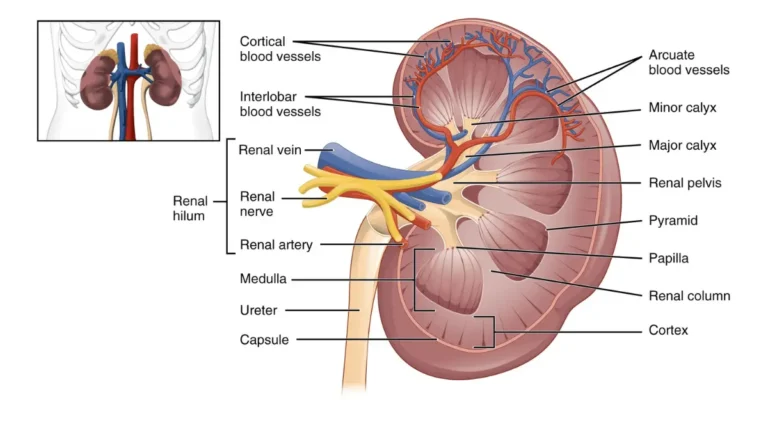
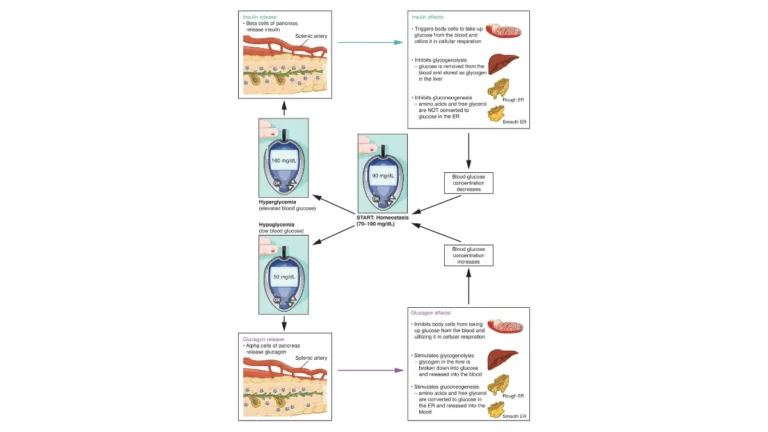
A CMP measures 14 substances grouped into four areas: blood sugar (glucose); kidney markers (BUN and creatinine); liver markers (ALT, AST, ALP, and bilirubin); and proteins, minerals, and electrolytes (albumin, total protein, calcium, sodium, potassium, chloride, and bicarbonate). MedlinePlus and the Cleveland Clinic describe this same 14-analyte panel, and you can read what a comprehensive metabolic panel measures in plain language on MedlinePlus. A basic metabolic panel covers 8 of those markers and leaves out the liver enzymes and proteins — the difference between a CMP and a BMP is mainly those six extra values.
Why a CMP needs venous blood, not a finger-prick
A full panel simply needs more, and cleaner, blood than a fingertip provides.
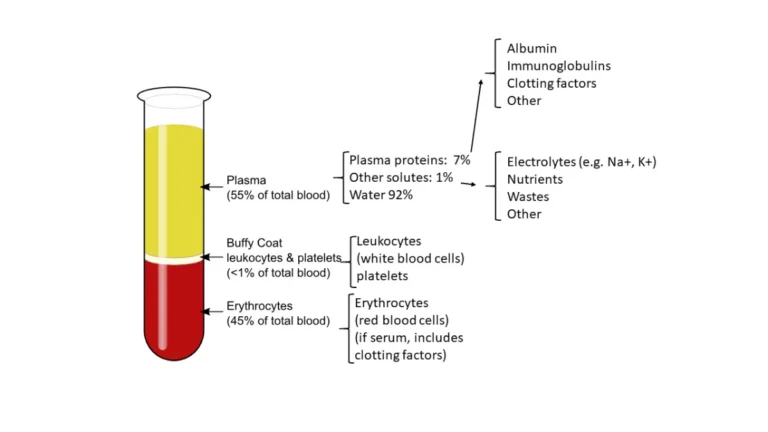
🔬 How It Works: A vein delivers a full-sized sample that a lab analyzer can run for all 14 markers at once. A finger-prick yields a small drop of capillary blood that is easily altered when the finger is squeezed to fill the tube, which is why it can’t reliably substitute for a full metabolic panel. For the marker-by-marker meaning of each value, see your full guide to comprehensive metabolic panel results.
The 3 ways to get an at-home CMP
There are three distinct routes, and the difference between them is where and how your blood is drawn.
| Route | How blood is collected | Where | Typical self-pay cost | Best for |
|---|---|---|---|---|
| 1. Order online, draw at a lab | Venous draw by a phlebotomist | A patient service center you visit | About $10–$30 for the test | Healthy adults wanting an affordable baseline |
| 2. Mobile phlebotomy | Venous draw at your home | Your home or office | Test cost + about $75–$250 visit fee | People who can’t easily get to a lab |
| 3. Self-collection kit | Finger-prick capillary sample you collect | Your home, mailed to a lab | Varies | A limited set of markers — not ideal for a full CMP |
Prices are typical self-pay ranges that change often; confirm current pricing before ordering. Collection methods reflect lab and vendor descriptions.
Route 1 is what most ads call an “at-home CMP,” but the blood is drawn at a lab. You order and pay online, a network physician signs the requisition, you visit a patient service center for a venous draw, and results post to a portal within about one to three business days — with no clinician interpreting them. It helps to know how to prepare for a CMP test beforehand.
Route 2 brings a licensed phlebotomist to your door for the same venous draw, then couriers the sample to the lab. You still need a requisition, either from your own doctor or through the platform’s network physician.
Route 3 is the only true at-home collection, but it is the weakest for a full CMP — the accuracy section explains why. A few states, including New York, New Jersey, and Rhode Island, restrict consumer-ordered testing, so check your state’s rules. If you’re also weighing a blood count, the same routes apply, as covered in at-home CBC test vs. lab testing.
How accurate is an at-home CMP test?
Accuracy depends on the lab and the sample, not on who placed the order. A venous CMP run by a CLIA-certified laboratory is equally accurate whether your doctor ordered it or you did, because the same standards apply either way.
When an at-home CMP is just as accurate as a doctor’s
CLIA certification is a federal standard, administered by CMS, that requires laboratories to run quality controls and pass regular proficiency testing. When you order your own test, confirming that the lab is CLIA-certified is the accuracy signal that actually matters — far more than any “at-home” label.
Which markers self-collection can skew
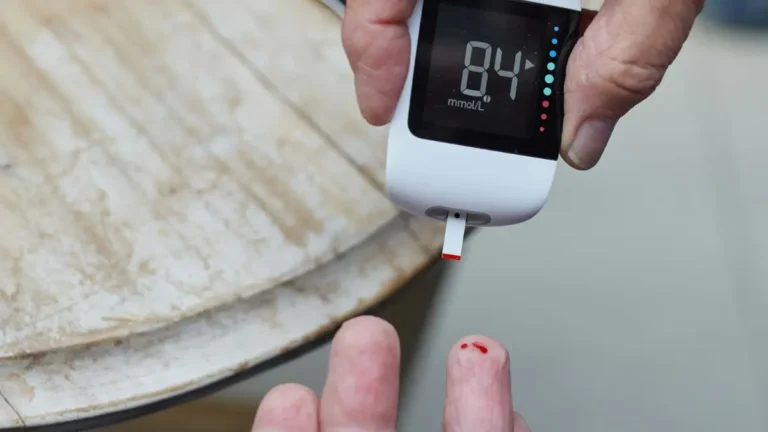
Finger-prick self-collection is where accuracy slips for a full panel. Potassium sits at a much higher concentration inside red blood cells than in the surrounding plasma, so if cells rupture when a finger is squeezed, potassium leaks out and can read falsely high. AST, a liver enzyme, behaves the same way.
🔬 How It Works: Squeezing a fingertip to fill a tube can break red blood cells — a process called hemolysis. Because potassium and AST are concentrated inside those cells, a hemolyzed sample can report a high potassium or a high liver enzyme that isn’t real, and a full panel needs more blood than a finger-prick reliably provides.
⚠️ Clinical Warning: Do not act on a single high potassium value from a self-collected sample. A falsely elevated potassium from hemolysis can look identical on paper to a genuinely dangerous one, so an unexpected result should be confirmed with a fresh venous draw before any conclusion is drawn. Learn what a high potassium result can mean and how ALT and AST are interpreted.
✅ Patient Action: If a self-ordered value is flagged, ask your primary care clinician: “Could a hemolyzed or non-fasting sample explain this, and should we repeat it with a venous draw before changing anything?”
What an at-home CMP test costs
A self-pay at-home CMP test typically runs about $10 to $30 through direct-to-consumer labs, versus a national average charge near $60 at hospitals and clinics — and considerably more at some hospital outpatient labs.
Typical price by route
The online-order route is usually cheapest. Mobile phlebotomy adds a visit fee, roughly $75 to $250, on top of the test cost. These are self-pay figures that shift over time, so treat them as a starting point and confirm the current price before you order.
📊 Clinical Data Point: Medicare pays only about $10 for a CMP under its Clinical Laboratory Fee Schedule, and because the Part B deductible and coinsurance don’t apply to fee-schedule lab services, a covered CMP usually costs a beneficiary nothing — Source: Medicare’s Clinical Laboratory Fee Schedule (CMS, 2026).
When paying cash beats using insurance
That low fee-schedule rate explains a quirk: if you have a high-deductible plan you haven’t met, a cash direct-to-consumer price can beat the negotiated rate applied to your deductible. When a test is covered as preventive, though, going through insurance may cost you nothing — so the cheaper path depends on your specific plan.
Which at-home CMP route is right for you?
The right route follows your situation more than your budget alone.
If you’re monitoring a chronic condition
If you’re tracking diabetes, kidney, or liver disease, use a venous route — an online order with a lab draw, or mobile phlebotomy — and keep your clinician involved, since they interpret trends over time and adjust care. Self-ordered numbers work best as a supplement to that relationship, not a replacement for it. A CMP is one piece of a routine annual blood work panel.
If you’re uninsured or just want a baseline
A direct-to-consumer venous CMP at a lab gives lab-grade accuracy for a low cash price, which is often the practical choice without insurance or on an unmet deductible.
If you live in a state that restricts self-ordering
Where consumer ordering is limited, the clean paths are a clinician’s order or having blood drawn in a state that permits it.
✅ Patient Action: Before ordering, confirm two things: that the lab is CLIA-certified, and whether your state allows consumer-ordered testing. If you take a diuretic, an ACE inhibitor, or another medicine that affects potassium or kidney values, ask your prescriber whether they want to order and review the panel themselves.
Reading your results — and when to call a doctor
A self-ordered CMP arrives with no clinician attached, so the most important skill is knowing what a number does and doesn’t mean.
What an abnormal result does and doesn’t mean
A single value outside the reference range is often not a diagnosis. Results are read as a pattern, and any one marker can be nudged by hydration, diet, a recent illness, medications, or a hemolyzed sample. A first step for any flagged value is often a repeat test, which is why how to read your CMP results matters as much as the numbers themselves.
When to seek care promptly
Some values warrant timely attention rather than watchful waiting — an overview of which CMP values are considered critical can help you recognize them.
⚠️ Clinical Warning: A self-ordered test is not an emergency service. If you have severe symptoms — such as chest pain, confusion, severe weakness, a very high or low blood sugar reading, or little to no urine output — seek urgent or emergency care based on the symptoms, not the lab number, and do not wait for a portal result.
At-home CMP test: frequently asked questions
1. Can you do a CMP at home without a doctor?
In most states, yes. Direct-to-consumer platforms let you order an at-home CMP test online, where a network physician signs the requisition; you then have blood drawn at a lab or by a mobile phlebotomist. A few states restrict consumer ordering, and no clinician interprets the result for you.
2. Is an at-home CMP as accurate as one at a doctor’s office?
When blood is drawn from a vein and run by a CLIA-certified lab, a self-ordered CMP is as accurate as a doctor-ordered one. Accuracy drops with finger-prick self-collection, which can falsely raise potassium and AST. Confirm the lab is CLIA-certified, and discuss any unexpected result with a clinician.
3. Do at-home CMP tests use a finger-prick or a blood draw?
A full CMP needs a venous blood draw from a vein in your arm, not a finger-prick — true for both the online-order route and mobile phlebotomy. Finger-prick self-collection kits are adequate for only a limited set of markers, not a complete 14-marker metabolic panel.
4. How much does an at-home CMP cost without insurance?
Direct-to-consumer labs typically charge about $10 to $30 for a CMP, while hospital and clinic charges average near $60 and can run higher. Medicare’s fee schedule rate is only about $10, and mobile phlebotomy adds roughly a $75 to $250 visit fee. Prices change, so confirm current cost first.
5. Do I need to fast before an at-home CMP?
Often yes — fasting for about 8 to 12 hours is commonly requested, mainly for an accurate glucose reading, and water is generally allowed. Some CMPs are drawn without fasting, so follow the specific instructions from the lab or platform you order through, since requirements vary.
6. How long do at-home CMP results take?
Results are usually available within about one to three business days after your blood is drawn, depending on the lab, and are typically posted to an online portal. If a value looks concerning, treat it as a prompt to contact a clinician rather than a final answer on its own.
7. Can I order a CMP online in my state?
In most states you can order a CMP online without a physician’s visit. A few states, including New York, New Jersey, and Rhode Island, restrict consumer-initiated testing and require a provider’s order. State rules change, so verify current requirements where you live before ordering an at-home CMP test.
8. What does a CMP test measure?
A CMP measures 14 substances: glucose; BUN and creatinine (kidney); ALT, AST, ALP, and bilirubin (liver); and albumin, total protein, calcium, sodium, potassium, chloride, and bicarbonate. Together they screen blood sugar, kidney and liver function, and electrolyte balance. A basic metabolic panel includes 8 of these and omits the liver markers.
9. What if my at-home CMP result is abnormal?
A single out-of-range value is often not a diagnosis, since results are read as a pattern and can be affected by diet, hydration, medications, or a hemolyzed sample. Repeat testing with a venous draw is a common next step. Share any abnormal result with a clinician, and seek urgent care for severe symptoms.
10. Is a self-collection (mail-in) CMP kit reliable?
For a full CMP, finger-prick self-collection is the least reliable route. Potassium, AST, and bicarbonate can be skewed by hemolysis, and a complete panel needs more blood than a fingertip reliably provides. A venous draw remains the standard; if you use a kit, confirm a CLIA-certified lab runs the sample.
11. Should I use insurance or pay cash for a CMP?
It depends on your plan. If a CMP is covered as preventive, insurance may cost you nothing. If you have an unmet high-deductible plan, a cash direct-to-consumer price near $10 to $30 can be cheaper than the negotiated rate applied to your deductible. Compare both before deciding.
The bottom line on at-home CMP testing
A comprehensive metabolic panel is genuinely available on your terms — you just need to know that the blood must come from a vein, not a fingertip. Order online and visit a lab for the cheapest route, book mobile phlebotomy for a venous draw at home, and treat finger-prick kits as limited for a full 14-marker panel. A venous sample run by a CLIA-certified lab is as accurate as any doctor-ordered test, and Medicare’s roughly $10 rate shows how affordable the test itself is. When a value is flagged, read the full picture in your comprehensive metabolic panel results guide and bring it to a clinician.
About this content
How this article was put together: researched from recognised health sources, drafted with the help of AI tools, and edited by hand, with sources linked throughout.

Sameer Patel is the founder and editor of My Medicine Advisor. He is not a doctor or medical professional — before starting this site he worked in banking,…
Medical disclaimer
The content on MyMedicineAdvisor is provided for general informational and educational purposes only and is not a substitute for professional medical advice, diagnosis, or treatment. Health information on this website should not be used to diagnose, treat, cure, or prevent any condition without guidance from a qualified healthcare professional. Always seek the advice of your doctor, physician, or another licensed healthcare provider with any questions you may have regarding a medical condition, symptoms, medications, or treatment decisions.