
On This Page – Quick Medical Summary
If a number on your prenatal CMP came back flagged high or low, the first thing worth knowing is that the reference range printed beside it is the non-pregnant one. Pregnancy resets much of your blood chemistry, so a value that reads “abnormal” against a standard chart is often exactly what a healthy pregnancy looks like.
This guide sorts the shifts into three groups so you can find your situation fast. If you’re looking at a low albumin, calcium, or creatinine, or a high alkaline phosphatase, and just want to know whether it’s expected, the next two sections are for you. If you’re worried a result points toward preeclampsia or a liver problem, skip ahead to what shouldn’t change and when to call — and if your question is whether your glucose means gestational diabetes, that has its own section.
For the panel itself, start with what a comprehensive metabolic panel measures. Here, the focus is only on what pregnancy changes.
ℹ️ Medical Disclaimer: This article is general health education, not a diagnosis, treatment plan, or interpretation of your specific results. Pregnancy reference ranges, medication decisions, screening for conditions like gestational diabetes or preeclampsia, and any abnormal result should be reviewed with a board-certified obstetric provider (OB-GYN or certified nurse-midwife), and urgent symptoms with labor and delivery. Do not start, stop, or change anything based on this page alone.
Why pregnancy changes your blood chemistry
Yes — several CMP values change in pregnancy, and almost all of them trace back to three things: your blood volume expands, your kidneys filter faster, and your placenta adds an enzyme of its own.
🔬 How It Works: Two of these act like plumbing. A dilution effect — more fluid in the same bloodstream — makes anything measured as a concentration read lower. A drainage effect — kidneys filtering harder — clears waste faster. The placenta then adds one substance of its own on top.
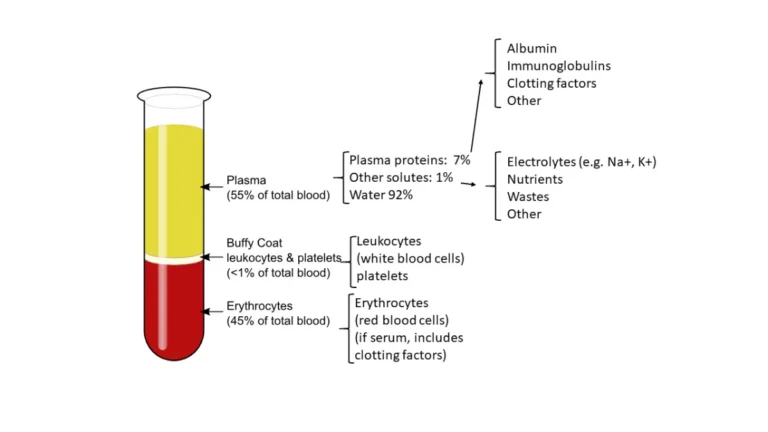
The first change is dilution. Your plasma volume rises by roughly 40 to 50% across pregnancy, so substances measured as a concentration — albumin, total protein, calcium, urea — read lower simply because they’re spread through more fluid.
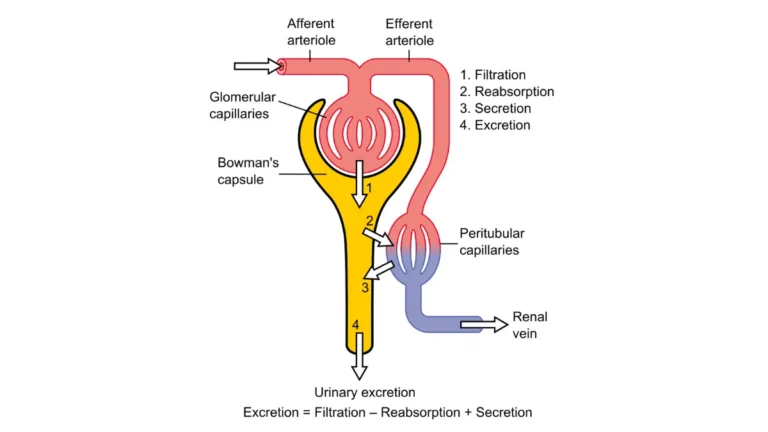
The second is faster filtering. Your kidneys’ filtration rate climbs about 50% early in pregnancy, clearing waste products like creatinine and urea nitrogen more efficiently and pulling those numbers down.
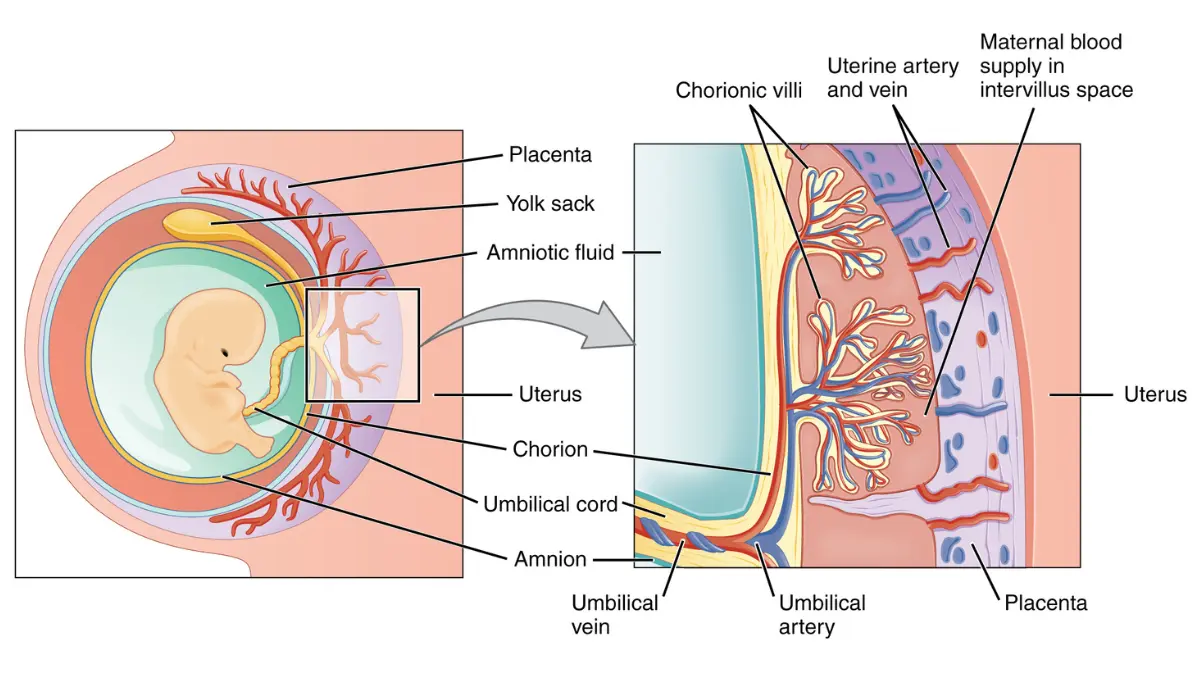
The third is the placenta. It produces its own alkaline phosphatase and releases it into your blood, so that one enzyme rises while most others fall. Once you know these three forces, most of your results become predictable rather than frightening.
Which numbers go down — and why that’s expected
A normal creatinine in pregnancy is lower than the non-pregnant range — often around 0.4 to 0.8 mg/dL, and a value of 1.0 mg/dL or higher is usually treated as abnormal. The same downward pull moves several results at once, which is why a page of “L” flags can look worse than it is.
| Value | Standard adult range | Direction in pregnancy | Why it shifts |
|---|---|---|---|
| Albumin | 3.5–5.2 g/dL | Falls | Blood-volume dilution |
| Total protein | 6.1–8.3 g/dL | Falls | Same dilution |
| Total calcium | 8.5–10.5 mg/dL | Falls | Tracks the lower albumin |
| BUN (urea nitrogen) | 6–20 mg/dL | Falls | Dilution + faster filtering |
| Creatinine | 0.6–1.1 mg/dL | Falls (≈0.4–0.8) | Faster kidney filtering |
| Sodium | ≈136–144 mmol/L | Falls slightly | Dilution |
| Bicarbonate (CO₂) | ≈20–29 mmol/L | Falls slightly | Normal pregnancy breathing changes |
Ranges vary by lab. Non-pregnant values reflect standard panels (per MedlinePlus); pregnancy directions reflect the standard clinicians’ reference table (Abbassi-Ghanavati, Greer & Cunningham, Obstet Gynecol 2009) and NIH sources.
The low total calcium worries people most, and it’s usually the least concerning. A CMP measures total calcium, most of which is carried on albumin — so when albumin falls, total calcium falls with it while the active ionized calcium your body actually uses stays normal. You can read more on why albumin, protein, and calcium move together, and on how BUN and creatinine track kidney function.
📊 Clinical Data Point: In healthy pregnancy, serum creatinine commonly falls to roughly 0.4–0.8 mg/dL, and a value of 1.0 mg/dL or higher is generally considered abnormal — Source: NIH/PMC pregnancy reference-range studies, 2025.
The mild drops in sodium and bicarbonate are normal too; you can see where they sit on the electrolytes on your panel and how they compare against the standard non-pregnant reference ranges.
✅ Patient Action: If a low calcium or creatinine is flagged, ask your OB or midwife one specific question: “Is this the expected dilution of pregnancy for my trimester, or would you like an ionized calcium or a repeat?” If you’re also tracking protein intake, the protein intake calculator gives a general pregnancy estimate — a nutrition guide, not a way to interpret your albumin.
Why alkaline phosphatase climbs (often the “H” you see)
Alkaline phosphatase (ALP) is usually the one value that rises, and in pregnancy it climbs because the placenta makes its own version of the enzyme. By the third trimester it commonly reaches about twice the non-pregnant upper limit, then returns to normal within weeks after delivery.
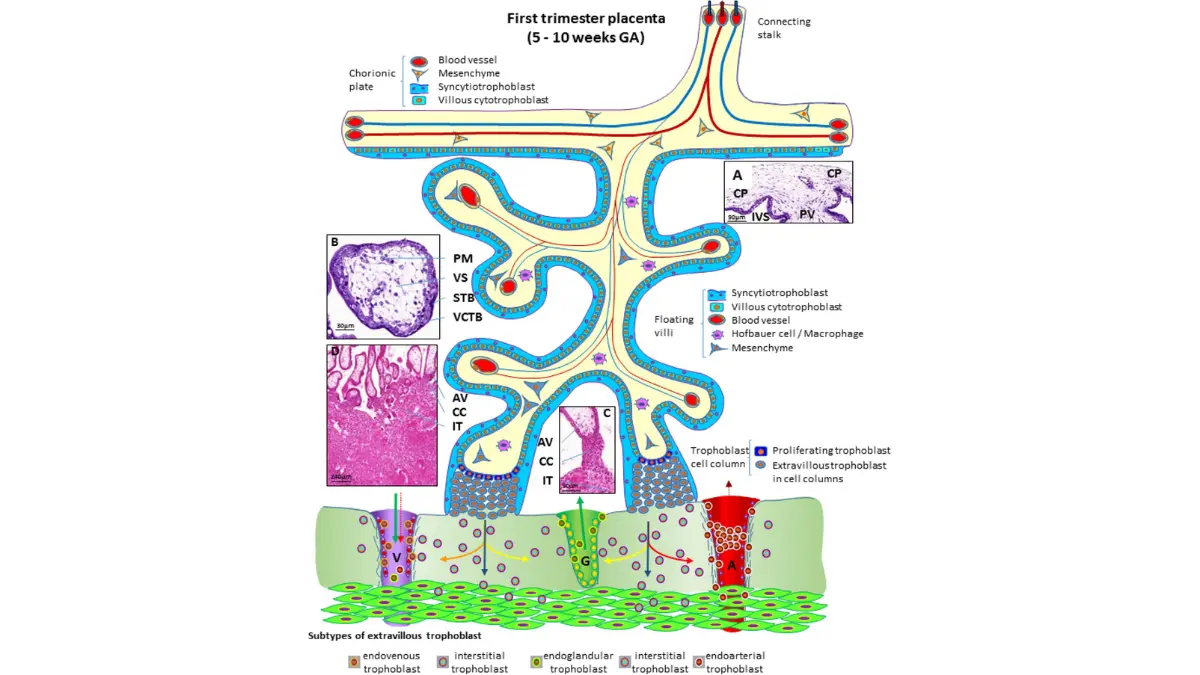
🔬 How It Works: From roughly weeks 15 to 26, the placenta’s outer cell layer (the syncytiotrophoblast) starts releasing a placental form of ALP into your bloodstream. It rises steadily as the placenta grows, which is why the increase is expected — not a sign your liver is failing.
📊 Clinical Data Point: ALP typically rises to about double the non-pregnant level by the third trimester (some healthy pregnancies reach 2–4 times higher), and normalizes postpartum — Source: NIH/PMC pregnancy case series and reviews, 2022.
The catch is that a high ALP alone can’t confirm everything is fine, because the placental rise can mask a liver issue. That’s why context matters, and why what ALP and the liver enzymes show is worth understanding alongside this number. For the plain-language basics of the test, MedlinePlus has an overview of the ALP blood test.
⚠️ Clinical Warning: A high ALP combined with intense itching, yellowing skin, dark urine, or upper-right abdominal pain is not automatically “just the placenta.” In that setting, clinicians check liver enzymes, bile acids, blood pressure, and platelets to rule out cholestasis of pregnancy or preeclampsia.
The numbers that shouldn’t shift — and what it means if they do
In a normal pregnancy, the liver enzymes ALT and AST and your bilirubin stay within their non-pregnant range — so if they rise, or if creatinine climbs instead of falling, clinicians look for a reason. The most important reason to rule out is preeclampsia, a blood-pressure disorder of pregnancy that affects roughly 1 in 20 to 1 in 12 pregnancies (about 2–8%).
Because creatinine is supposed to drop in pregnancy, a creatinine that stays flat or rises can be an early clue that the kidneys aren’t getting the normal pregnancy boost. Elevated liver enzymes point the same direction, which is why both are part of how obstetric teams assess severity.
🩺 Physician Note: Current obstetric criteria include liver enzymes at roughly twice the upper limit of normal, and a creatinine above about 1.1 mg/dL, among the “severe features” clinicians weigh in preeclampsia. These are patterns your care team interprets together with your blood pressure and symptoms — not numbers to score at home.
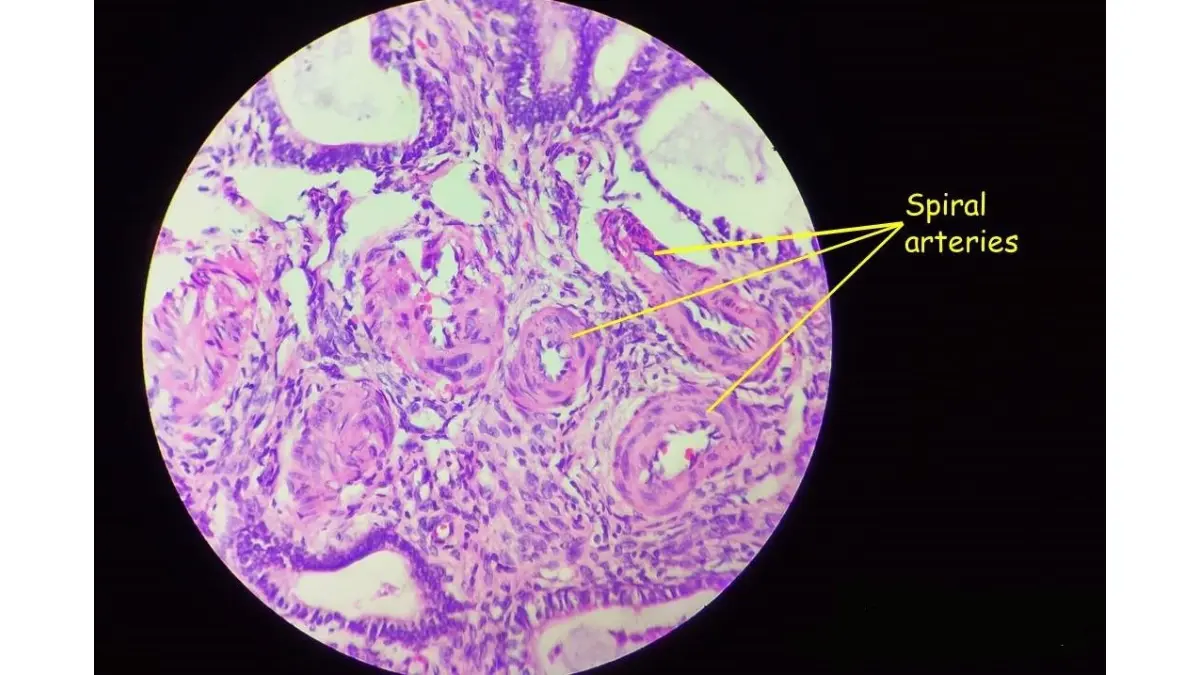
One severe form, HELLP syndrome, combines hemolysis, elevated liver enzymes, and low platelets — so a low platelet count on the CBC drawn alongside your pregnancy panel matters here too. Most cases develop in the third trimester.
⚠️ Clinical Warning: In the second half of pregnancy, a rising liver enzyme or creatinine paired with a severe or persistent headache, vision changes, or upper-right abdominal pain needs same-day evaluation — these together can signal preeclampsia or HELLP.
✅ Patient Action: If your enzymes are up or your creatinine didn’t fall, ask directly: “Given these results and my blood pressure, should I be evaluated for preeclampsia today?” Direct that question to your OB-GYN or maternal-fetal medicine specialist.
Glucose in pregnancy: why a CMP can’t diagnose gestational diabetes
No — a CMP can’t diagnose gestational diabetes, because its single glucose reading is one snapshot, while gestational diabetes is diagnosed with a glucose challenge or tolerance test. Fasting glucose actually tends to run lower in pregnancy, so a normal CMP glucose doesn’t mean screening is finished.
🔬 How It Works: Gestational diabetes shows up as how your body clears a measured glucose load over one to two hours — the pattern a challenge test is built to capture. A fasting value from a routine panel simply can’t see that, which is why it can’t stand in for the screen.
Screening usually happens between 24 and 28 weeks of pregnancy, per the CDC. On the one-step 75-gram tolerance test, a fasting value of 92 mg/dL or higher is one of the diagnostic cutoffs — notably below the 100 mg/dL that flags impaired fasting glucose outside pregnancy, so pregnancy lowers the number that matters. The same logic that applies to any panel — that a single glucose can’t diagnose diabetes — holds here.
If your report uses different units, the blood sugar converter switches between mg/dL and mmol/L. For the condition itself, see the CDC’s overview of gestational diabetes.
✅ Patient Action: Ask your OB or midwife: “Have I completed gestational diabetes screening for this pregnancy, or has only my fasting glucose been checked so far?”
When to call your provider about a CMP result
Most pregnancy shifts on a CMP are expected and settle after delivery, but a smaller set — especially paired with symptoms — deserves a same-day call rather than a wait for your next visit.
- Rising liver enzymes or creatinine with a severe or persistent headache, vision changes, or upper-right abdominal pain — possible preeclampsia or HELLP
- High ALP with intense itching (often palms and soles), dark urine, or yellowing skin — possible cholestasis of pregnancy
- Any value your provider asked you to watch, or a result that comes alongside reduced fetal movement, faintness, or severe vomiting
⚠️ Clinical Warning: In the second half of pregnancy, a bad headache with vision changes and new swelling — especially alongside abnormal liver or kidney numbers — can be preeclampsia and should not wait. Call your obstetric provider or go to labor and delivery.
For the results that generally prompt faster attention on any panel, see which CMP results need prompt attention. Reassuringly, the pregnancy-driven shifts in this guide typically return to normal in the weeks after birth.
✅ Patient Action: Bring a photo of the flagged result to your next appointment and ask which specific values your provider wants rechecked, and at what point in your pregnancy.
Common questions about CMP results in pregnancy
1. Do CMP results change in pregnancy?
Yes. Several values on a CMP in pregnancy shift because blood volume rises about 40–50%, kidney filtration increases roughly 50%, and the placenta adds its own alkaline phosphatase. This means albumin, total protein, calcium, urea nitrogen, and creatinine tend to fall while ALP rises — mostly expected changes when read against a pregnancy context rather than the standard chart.
2. Why is alkaline phosphatase high in pregnancy?
Alkaline phosphatase rises in pregnancy because the placenta produces its own form of the enzyme and releases it into your blood. By the third trimester it commonly reaches about twice the non-pregnant upper limit, and it returns to normal within weeks of delivery. A high ALP with itching or jaundice should be reviewed by your obstetric provider to exclude a liver cause.
3. What is a normal creatinine in pregnancy?
Creatinine is normally lower in pregnancy than outside it, often around 0.4–0.8 mg/dL, because kidney filtration increases. A creatinine of 1.0 mg/dL or higher is usually treated as abnormal in pregnancy, and a value that fails to fall can be an early clue worth evaluating. Discuss any flagged creatinine with your OB or midwife.
4. Why is my albumin low in pregnancy?
A low albumin in pregnancy is usually the expected result of blood-volume dilution — the same fluid increase that lowers total protein and total calcium. It reflects a larger plasma volume, not necessarily a problem with nutrition or your liver. If it’s flagged, your obstetric provider can confirm it fits your stage of pregnancy.
5. Is low calcium normal in pregnancy?
Often, yes. A CMP measures total calcium, most of which is carried on albumin, so when albumin falls in pregnancy, total calcium falls with it. The biologically active ionized calcium your body uses typically stays normal, which is why a low total calcium is frequently an expected artifact. Ask whether an ionized calcium is needed if you have symptoms.
6. Can a CMP detect gestational diabetes?
No. A CMP cannot diagnose gestational diabetes, because its single glucose reading is one snapshot, not the glucose challenge or tolerance test used for screening. Fasting glucose also tends to run lower in pregnancy, so a normal CMP glucose doesn’t confirm you’ve been screened. Screening usually happens at 24–28 weeks — confirm your status with your provider.
7. What CMP results can signal preeclampsia?
Rising liver enzymes (ALT and AST) and a creatinine that climbs instead of falling can be part of how preeclampsia is assessed, since both normally stay put or drop in pregnancy. Obstetric criteria weigh these together with blood pressure and platelets. Any such pattern, especially with symptoms, should be evaluated by your obstetric provider promptly.
8. Are high liver enzymes normal in pregnancy?
No — ALT, AST, and bilirubin normally stay within their non-pregnant range during pregnancy, so an elevation is not expected and should be looked into. Rises can point to preeclampsia, HELLP syndrome, or a pregnancy liver condition. Unlike ALP, which rises from the placenta, elevated ALT or AST warrants review with your obstetric provider.
9. Does BUN change in pregnancy?
Yes. Blood urea nitrogen (BUN) usually falls in pregnancy because of both the larger blood volume and faster kidney filtration, which dilute and clear it. A low BUN is generally expected and not concerning on its own. A high or rising BUN is the less-typical direction and is worth reviewing with your provider alongside your other kidney values.
10. When should I worry about a CMP result in pregnancy?
Worry less about a single “L” flag and more about patterns with symptoms. Rising liver enzymes or creatinine with a severe headache, vision changes, or upper-right abdominal pain — or a high ALP with intense itching or jaundice — deserves a same-day call. Contact your obstetric provider or labor and delivery for these combinations.
11. Do CMP values return to normal after pregnancy?
Generally, yes. The pregnancy-driven shifts — lower albumin, calcium, creatinine, and BUN, and higher ALP — typically return to their non-pregnant ranges in the weeks after delivery, as blood volume, kidney filtration, and the placenta’s contribution resolve. If a value stays abnormal postpartum, your provider may recheck it to make sure nothing else is going on.
The bottom line on your pregnancy CMP
Most of what looks “abnormal” on a CMP in pregnancy is your body doing exactly what it should. Blood-volume dilution and faster kidney filtering pull albumin, calcium, urea, and creatinine down, and the placenta pushes alkaline phosphatase up — all expected, and all reversible after birth.
The values worth a closer look are the ones that shouldn’t move: rising liver enzymes, or a creatinine that climbs instead of falling, particularly with symptoms. The single most useful thing to remember is that the range printed on your report is the non-pregnant one, and your provider reads the whole pattern — not one number — against your pregnancy. Bring any flagged result, and the standard reference ranges for comparison, to your next prenatal visit.
About this content
How this article was put together: researched from recognised health sources, drafted with the help of AI tools, and edited by hand, with sources linked throughout.

Sameer Patel is the founder and editor of My Medicine Advisor. He is not a doctor or medical professional — before starting this site he worked in banking,…
Medical disclaimer
The content on MyMedicineAdvisor is provided for general informational and educational purposes only and is not a substitute for professional medical advice, diagnosis, or treatment. Health information on this website should not be used to diagnose, treat, cure, or prevent any condition without guidance from a qualified healthcare professional. Always seek the advice of your doctor, physician, or another licensed healthcare provider with any questions you may have regarding a medical condition, symptoms, medications, or treatment decisions.