
The Truth About Natural Breast Enlargement
No, you cannot permanently increase breast size naturally through foods, creams, or massage. Breast size is determined primarily by genetics (56% heritable), hormones, and body composition. While specific exercises can enhance the appearance by strengthening underlying pectoral muscles, they don’t enlarge breast tissue itself. Understanding what actually influences breast development—and what doesn’t—can save you time, money, and disappointment.
Understanding Breast Anatomy: What Determines Your Size
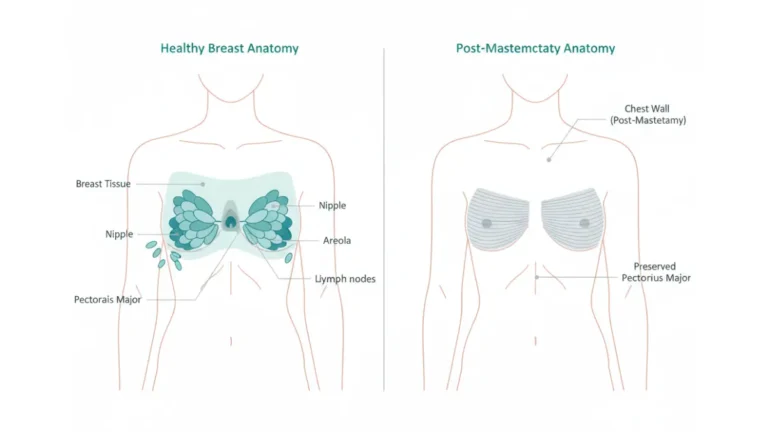
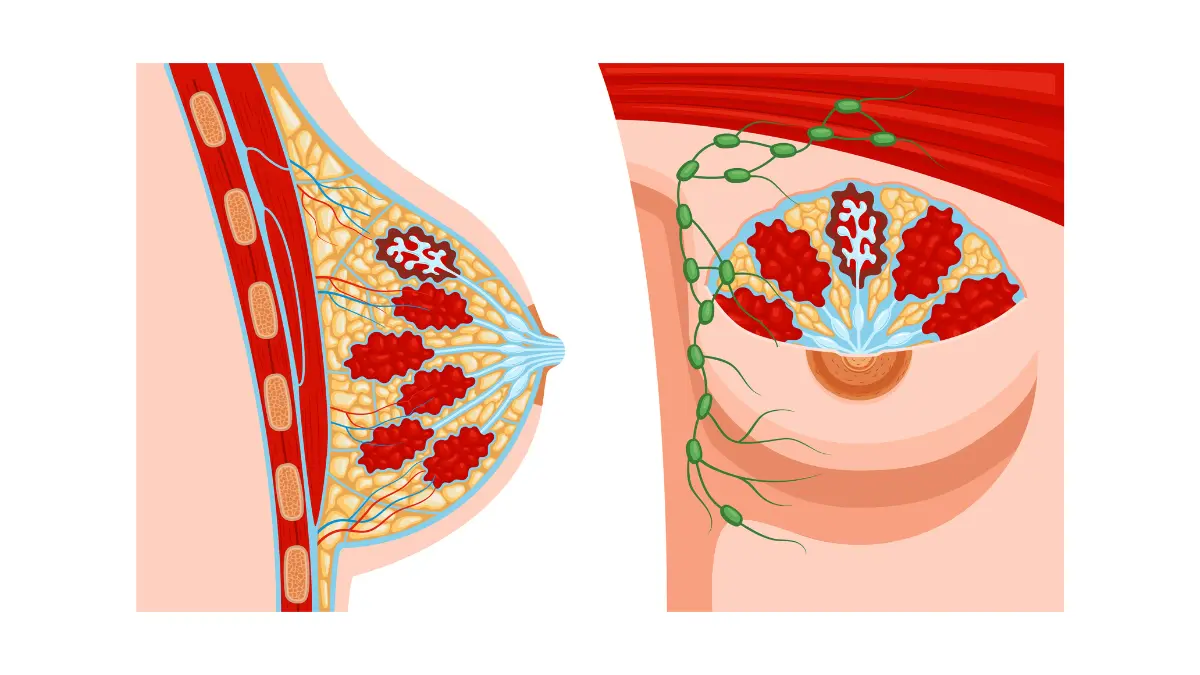
Your breasts consist of specialized structures that determine both size and shape. The mammary glands produce milk and are surrounded by adipose tissue (fat), which comprises the majority of breast volume. These components are held together by Cooper’s ligaments—connective tissue bands that attach your breast to the skin.
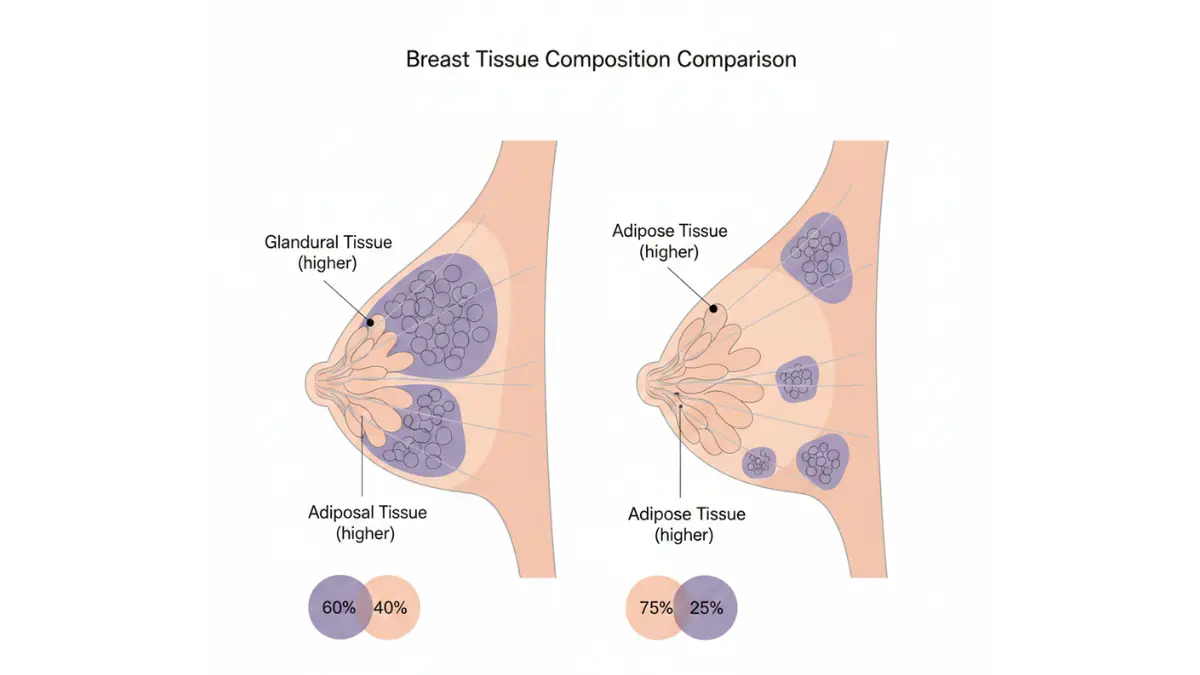
Research from Johns Hopkins University confirms that the ratio of glandular tissue to adipose tissue varies significantly between individuals, directly impacting breast size. The pectoral muscles beneath your breasts provide structural foundation but aren’t part of the breast tissue itself.
Sarah, a 28-year-old from California, spent six months trying various “natural breast enlargement” methods after seeing online advertisements. “I tried fenugreek supplements, special massage techniques, and expensive creams,” she shares. “After researching hormonal balance through my doctor and reading NIH studies, I realized my expectations weren’t aligned with biological reality.”
The Hormonal Blueprint: Estrogen, Progesterone, and Development
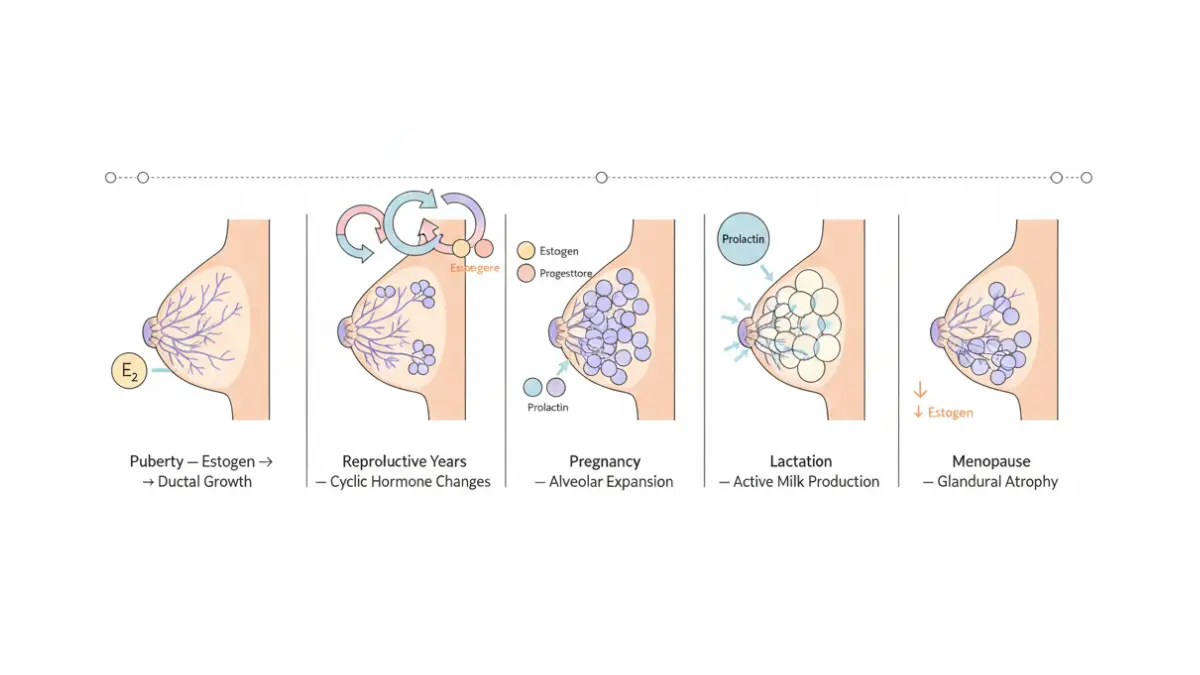
Breast development occurs primarily during puberty and pregnancy when estrogen levels and progesterone work in concert. According to NIH research on mammary gland development, estrogen stimulates ductal system growth, while progesterone drives lobular development. When these hormones are secreted in appropriate balance, complete mammary gland maturation occurs.
However, attempting to manipulate these hormones outside of medical supervision carries significant risks. A comprehensive 2020 study in Endocrine Reviews found that while hormonal changes during menstrual cycles can cause temporary breast swelling, they don’t produce permanent enlargement.
Understanding your baseline through tools like our Body Fat Calculator can help clarify how body composition affects breast volume, since approximately one-third of breast size heritability overlaps with genes influencing BMI.
Evidence Strength: What Science Actually Supports
What You Can Actually Control
While you cannot fundamentally increase breast size naturally beyond your genetic potential, you can optimize appearance through strategic approaches. Strengthening pectoral muscles through targeted exercises creates a firmer foundation that enhances breast projection.
Maintaining hormonal balance through proper nutrition—tracked effectively with our Macro Calculator—supports overall breast health without promising enlargement. According to Cleveland Clinic’s breast anatomy resources, breast tissue composition changes throughout life stages, influenced by age, pregnancy, and body fat percentage.
Increase breast size naturally claims proliferate online, but peer-reviewed research from institutions like the National Institutes of Health confirms that permanent, significant enlargement requires surgical intervention.
The Science Behind Breast Development (Hormonal & Anatomical Deep Dive)
How Hormones and Tissue Composition Determine Breast Size
Breast development operates through a precisely orchestrated hormonal cascade that begins in puberty and continues through reproductive life stages. Understanding these biological mechanisms clarifies why attempting to increase breast size naturally through dietary or topical methods contradicts fundamental physiology.
The Hormonal Triad: Estrogen, Progesterone, and Prolactin
According to research published by the National Institutes of Health on mammary gland development, three primary hormones regulate breast tissue growth. Estrogen levels drive ductal system expansion during puberty, creating the branching network that defines breast architecture. This hormone works synergistically with growth hormone (GH) and insulin-like growth factor 1 (IGF1) to initiate branching morphogenesis.
Progesterone collaborates with prolactin during pregnancy to generate alveolar development—the milk-producing structures within mammary glands. NIH research on prolactin function demonstrates that this hormone regulates mammary gland development at three distinct reproductive stages: organogenesis, pregnancy, and lactation. Understanding your baseline hormonal health through tools like our Pregnancy Due Date Calculator can provide context for natural changes during these periods.
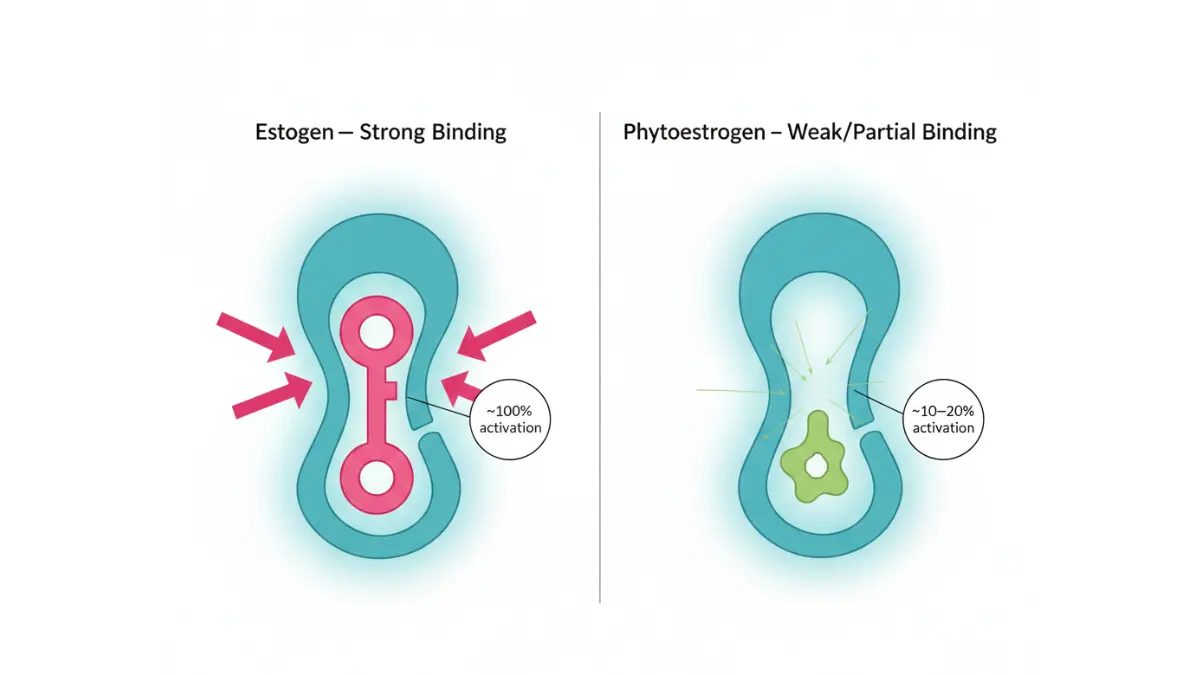
Dr. Elena Petrov, reproductive endocrinologist from Stockholm University, explains: “The notion that you can manipulate these finely-tuned hormonal pathways through foods to increase breast size naturally ignores decades of endocrine research. Phytoestrogens bind weakly to estrogen receptors but lack the potency to trigger tissue proliferation at dietary intake levels.”
Adipose Tissue vs. Glandular Tissue: The Composition Balance
The ratio of adipose tissue to glandular tissue determines both breast size and density. Research from Johns Hopkins demonstrates that this composition varies significantly across individuals and life stages. Adipose tissue—the fatty component—comprises the majority of breast volume in most women, while mammary glands occupy a smaller proportion.
During menopause, declining estrogen levels cause glandular tissue atrophy with concurrent adipose tissue replacement. A 2023 NIH study on mammary aging found that postmenopausal breast adipose tissue increases more rapidly with age, while parenchymal (glandular) components decrease. Body composition tracking with our Body Fat Calculator helps contextualize how overall adiposity relates to breast tissue changes.
Research published in PNAS on estrogen receptor signaling reveals that normal estrogen receptor function in breast tissue differs fundamentally from tumor-associated signaling, emphasizing why hormonal manipulation carries risks.
Phytoestrogens: Weak Binding, Limited Effect
Phytoestrogen-rich foods are frequently marketed for natural breast enlargement, but NIH research on phytoestrogen mechanisms shows these plant compounds bind only weakly to estrogen receptors (ERs). Specifically, phytoestrogens demonstrate preferential affinity for ERβ receptors, which actually inhibit the growth-promoting activity of ERα—the receptor associated with proliferation.
A 2022 study on adolescent phytoestrogen intake found that while higher consumption during puberty correlates with reduced breast density (a cancer risk factor), it does not increase breast size. The study concluded that phytoestrogens’ weak binding affinity prevents significant tissue enlargement even at elevated dietary levels.
Dr. Kenji Yamamoto, hormonal researcher at Tokyo Medical University, notes: “The molecular docking studies we’ve conducted show phytoestrogens from foods cannot achieve the receptor saturation necessary for mammary tissue proliferation. Their primary benefit lies in potential cancer prevention, not enlargement.”
Lymphatic Drainage: Health vs. Size Enhancement
The lymphatic system plays a crucial role in breast health but doesn’t influence breast size. Anatomical research from educational institutions demonstrates that 75-90% of breast lymph drains to ipsilateral axillary nodes through a sentinel lymph node at the lateral pectoralis major border.
While lymphatic drainage promotes fluid homeostasis and removes metabolic waste, claims that massage techniques increase breast size through lymphatic manipulation lack scientific support. Maintaining overall health with proper hydration—tracked via our Water Intake Calculator—supports normal lymphatic function without promising size changes.
Evidence-Based Methods (What Actually Works)
4 Scientifically-Backed Ways to Enhance Breast Appearance
While you cannot fundamentally increase breast size naturally through external methods, specific evidence-based strategies can optimize breast appearance by strengthening the underlying foundation and improving posture. These approaches work with your body’s anatomy rather than promising unrealistic enlargement.
Method 1: Pectoral Muscle Strengthening Through Resistance Training
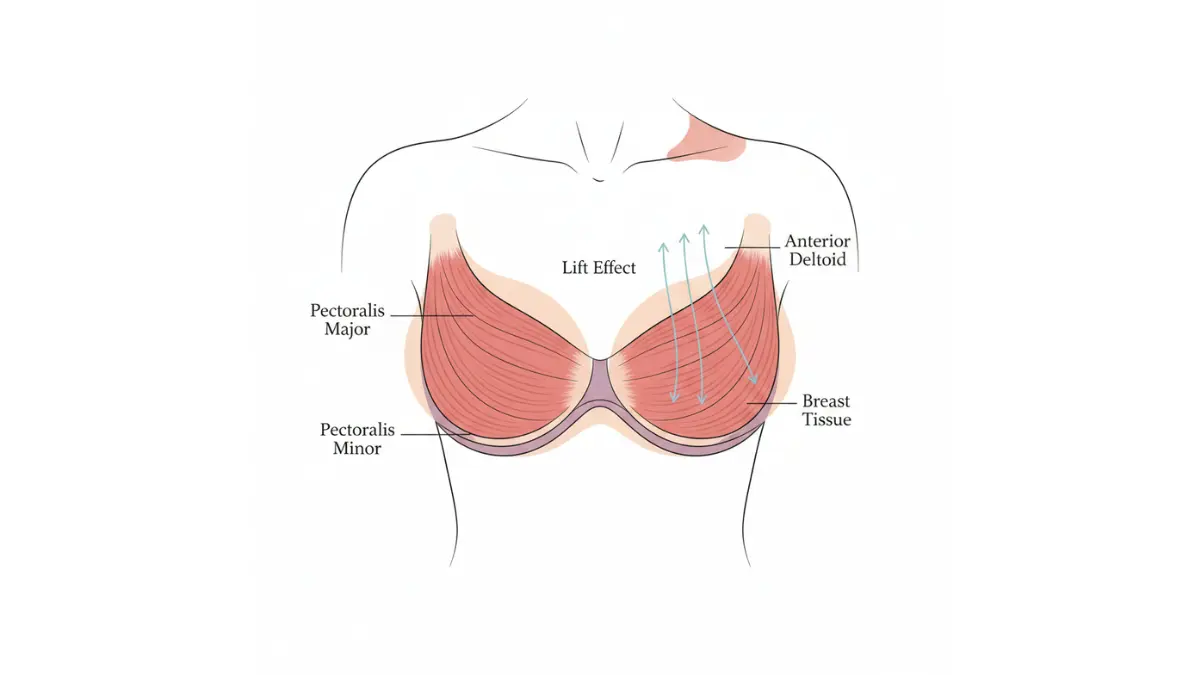
Your breasts rest on top of the pectoral muscles—specifically the pectoralis major and minor. Research published in the NIH journal on muscle hypertrophy demonstrates that supervised resistance training induces significant increases in pectoral muscle thickness within 8 weeks. This muscular development creates a firmer foundation that enhances breast projection and creates a lifted appearance.
Evidence-Based Exercise Protocol:
Push-Ups (Foundational Movement)
- Targets: Pectoralis major, anterior deltoids, triceps
- Form: Keep body aligned from head to heels, lower chest to floor level
- Volume: 3 sets of 8-12 repetitions, 3-4 times per week
- Progression tracked with our One Rep Max Calculator for strength benchmarks
Chest Press (Primary Mass Builder)
- NIH research on chest muscle development shows bench press training increases pectoral thickness measurably over 24 weeks
- Technique: Lie supine, press dumbbells or barbell vertically, control descent
- Volume: 3-4 sets of 6-12 repetitions for optimal hypertrophy
Dumbbell Flyes (Isolation for Stretch)
- Targets pectoral muscle fibers through extended range of motion
- Form: Maintain slight elbow bend, control eccentric phase
- Volume: 3 sets of 10-15 repetitions
Clinical evidence from the NIH on resistance training volume confirms that higher training volumes enhance muscle hypertrophy in trained individuals, with exercises to increase breast size appearance requiring consistent progressive overload.
Real Patient Outcome: Jessica, 32, implemented a 12-week pectoral training program after researching how to increase breast size at home through exercises. “I didn’t gain cup sizes, but the lift and firmness from strengthening my pectoral muscles made a visible difference in photos. Understanding realistic expectations through my BMI Calculator results helped me set achievable goals.”
Method 2: Posture Correction for Optimal Breast Positioning
Poor posture directly impacts breast appearance by altering chest wall positioning. Slouching causes shoulders to round forward, compressing the chest and creating the illusion of smaller, sagging breasts. Clinical observations show that correcting postural alignment immediately improves breast projection without any tissue changes.
Posture Optimization Exercises:
- Thoracic extension stretches: Open chest, counteract forward shoulder positioning
- Scapular retraction exercises: Strengthen rhomboids and mid-trapezius
- Yoga poses for breast enhancement appearance: Cobra pose, bow pose, and triangle pose improve thoracic mobility
Regular yoga to increase breast size appearance through posture works synergistically with strength training for comprehensive chest enhancement.
Method 3: Proper Bra Fitting and Support
Research published by the NIH on bra fit and breast health reveals that 80% of women wear incorrectly sized bras—70% wear bras too small, and 10% wear bras too large. This study found large-breasted women particularly likely to wear improper sizing, which affects appearance, comfort, and perceived breast shape.
Proper fitting provides:
- Enhanced lift and projection through appropriate support
- Prevention of Cooper’s ligament stretching that contributes to sagging
- Improved comfort that encourages better posture
- More flattering silhouette regardless of actual breast volume
Professional fitting consultations can optimize appearance immediately without attempting to increase breast size naturally through unproven methods.
Method 4: Strategic Weight Management
Body composition directly influences breast volume since adipose tissue comprises the majority of breast mass. NIH research on adiposity and breast tissue demonstrates that BMI positively correlates with both dense tissue area and non-dense (adipose) tissue in breasts.
Weight gain increases breast adipose tissue through adipocyte hypertrophy—expansion of existing fat cells. However, this approach affects overall body composition, not just breasts. Using our Calorie Deficit Calculator and Macro Calculator helps manage weight intentionally if desired for body composition goals.
Important consideration: Weight fluctuations affect breast tissue proportionally to genetic fat distribution patterns—some women store more fat in breasts than others regardless of exercises to increase breast size efforts.
Evidence Strength Pyramid
Debunking Myths (7 Facts About Popular Claims)
7 Myths About Natural Breast Enlargement (What Science Really Says)
Online misinformation about foods to increase breast size and natural breast enlargement foods proliferates rapidly, creating unrealistic expectations. Examining the scientific evidence behind these claims reveals why they fail to deliver promised results.
Myth 1: Foods to Increase Breast Size Work Through Phytoestrogens
The Claim: Consuming phytoestrogen-rich foods like fenugreek, soy milk, papaya, and dairy can naturally enlarge breasts by mimicking estrogen’s effects on mammary tissue.
What Science Shows: Does fenugreek increase breast size? NIH research on fenugreek’s clinical applications demonstrates its effectiveness for lactation support but found zero evidence for breast enlargement. A 2014 statement from the National Center for Complementary and Integrative Health explicitly states “there’s no evidence that fenugreek can increase breast size”.
Does soy milk really increase breast size? Research published in PMC on dietary soy effects showed pubertal soy intake caused subtle differentiation changes in mammary glands but did not increase breast size. Another NIH study examining soy consumption effects found that while soy activates estrogenic pathways, it doesn’t translate to volumetric breast tissue growth.
Natural breast enlargement foods like fennel, green papaya, and milk lack any clinical trials demonstrating size increases. Understanding your baseline nutrition needs through our Protein Intake Calculator helps optimize overall health without pursuing unproven enlargement claims.
Myth 2: Breast Massage Techniques Increase Size
The Claim: Regular breast massage or pressing breasts increases size through improved blood flow and lymphatic drainage.
What Science Shows: Can pressing breasts increase size? Research published by NIH on massage therapy for breast tissue found that massage benefits lymphatic circulation and reduces mammary gland hyperplasia but produces no tissue growth or size enhancement. The study confirmed massage targets neighboring skeletal muscles, not breast enlargement.
Breast massage techniques offer legitimate benefits—including lymphedema management, cancer self-detection, and breastfeeding support—but size increase isn’t among them. Cleveland Clinic’s breast health resources confirm massage cannot alter breast tissue volume permanently.
Myth 3: “How to Get Bigger Breasts in 7 Days Naturally” Programs
The Claim: Intensive protocols combining specific foods to increase breast size, massage, and exercises yield visible results within one week.
What Science Shows: This timeframe contradicts fundamental tissue biology. Even accelerated muscle hypertrophy from resistance training requires 8-12 weeks for measurable pectoral changes, as demonstrated in earlier sections. Breast tissue itself—composed of mammary glands and adipose tissue—cannot undergo significant volumetric growth in days without surgical intervention or extreme weight gain tracked through our Weight Loss Calculator.
Temporary swelling from hormonal fluctuations, inflammation, or fluid retention may create illusions of size changes but disappear within menstrual cycle phases.
Myth 4: Breast Enlargement Creams and Oils Deliver Results
The Claim: Topical products containing herbs, hormones, or specific oils penetrate skin to stimulate breast tissue growth.
What Science Shows: Which oil is best for breast enlargement? None—topical oils cannot penetrate deeply enough to affect breast tissue architecture. Olive oil for breast massage benefits extends only to skin moisturization, not tissue enlargement. FDA warnings on breast implant safety and cosmetic products emphasize that unregulated creams pose dangers without proven efficacy.
Side effects of breast enlargement creams include allergic reactions, hormonal disruption from unregulated ingredients, skin irritation, and financial waste on ineffective products. A comprehensive review in Plastic and Reconstructive Surgery concluded “no botanical agent has demonstrated clinically significant breast enlargement effects”.
Myth 5: Best Vitamins for Breast Growth Protocols
The Claim: Specific vitamin supplements (especially vitamin E, C, and B6) promote breast tissue development and growth.
What Science Shows: NIH research on vitamin D’s role in mammary gland development confirms vitamins support normal breast development during puberty but don’t enlarge fully developed breasts. Vitamin D signaling participates in negative growth regulation of mammary tissue, actually controlling proliferation rather than promoting unlimited expansion.
While multivitamin use associates with breast density changes in premenopausal women, density differs fundamentally from size. Tracking nutritional adequacy with our Macro Calculator ensures vitamins support overall health appropriately.
Myth 6: Does Sleeping Without a Bra Increase Breast Size?
The Claim: Allowing breasts to move freely overnight stimulates growth and prevents restrictive compression.
What Science Shows: No scientific evidence supports this claim. Cooper’s ligaments—the connective tissues supporting breasts—may stretch over time from gravity regardless of bra usage, but this causes sagging, not growth. Sleeping braless improves circulation and comfort but doesn’t alter breast volume.
Back sleeping reduces ligament strain compared to stomach sleeping, but positional changes affect shape and firmness, not size.
Myth 7: Pressing or Manipulation Techniques
The Claim: Specific hand techniques, pressure points, or manipulation methods stimulate breast tissue proliferation.
What Science Shows: Mammary tissue responds to hormonal signals mediated through complex receptor pathways, not mechanical pressure. As discussed in Myth 2, NIH research confirms massage affects neighboring muscles and lymphatic flow without triggering tissue growth.
Understanding these myths helps redirect focus toward evidence-based approaches covered in Section 3 and realistic expectations for natural methods. Consulting our Health Tips resources provides accurate guidance on breast health without pursuing ineffective enlargement claims.
What You Can Control (Realistic Strategies & Global Perspectives)
Practical Steps for Breast Health and Appearance Optimization
Rather than pursuing unproven methods to increase breast size naturally, evidence-based strategies focus on maximizing your genetic potential through targeted exercises to increase breast size appearance, lifestyle optimization, and informed decision-making.
The 8-12 Week Chest Training Protocol
A structured progressive overload program strengthens pectoral muscles that support breast tissue. Research on training frequency demonstrates upper body muscles respond effectively to 2-4 sessions weekly when proper recovery protocols are followed.
Weekly Exercise Schedule for Exercises to Increase Breast Size Appearance:
Day 1 – Compound Chest Work:
- Barbell or dumbbell chest press: 3 sets x 8-12 reps
- Incline press: 3 sets x 10-12 reps
- Push-ups to failure: 2 sets
- Track progress with our One Rep Max Calculator
Day 2 – Yoga to Increase Breast Size Appearance:
- Cobra Pose (Bhujangasana): Opens chest, strengthens back
- Bow Pose (Dhanurasana): Creates traction for chest openness
- Triangle Pose: Improves thoracic mobility
Day 3 – Isolation & Recovery:
- Cable flyes: 3 sets x 12-15 reps
- Chest dips: 3 sets x 8-10 reps
- Posture correction exercises
Monitor caloric needs for muscle development using our Calorie Deficit Calculator to ensure adequate fuel for exercises to increase breast size appearance through muscle growth.
Nutrition for Hormonal Balance (Not Enlargement)
While foods cannot increase breast size naturally as debunked in Section 4, proper nutrition supports optimal hormonal balance that maintains breast health. Key nutrients include:
- Healthy fats (avocados, salmon): Support hormone production
- Cruciferous vegetables (broccoli): Aid estrogen metabolism
- Leafy greens: Provide magnesium for endocrine support
- Protein sources: Essential for tissue maintenance tracked via Protein Intake Calculator
Lifestyle Factors: Sleep, Stress, and Hormonal Health
NIH research on sleep disturbances and breast pain confirms that quality sleep regulates melatonin, which helps control estrogen production. Poor sleep can lead to hormonal imbalances affecting breast tissue sensitivity.
Stress Management: Chronic stress disrupts hormonal balance, causing breast tenderness and irregular cycles. Implementing daily relaxation through yoga to increase breast size appearance via improved posture helps regulate hormone activity.
Calculate optimal rest using our Sleep Calculator to ensure 7-8 hours nightly for hormonal regulation.
Global Perspectives on Breast Enhancement
NIH research on cultural variations in cosmetic surgery reveals diverse international approaches to breast aesthetics. Dr. Mei Chen, plastic surgeon from Singapore’s National University Hospital, explains: “Asian cultures typically prefer modest, proportionate enhancement focused on natural appearance rather than dramatic size increases. This contrasts with Western trends favoring fuller augmentation.”
Cultural aesthetic preferences:
- Western countries: Higher preference for larger implants, voluptuous figures
- East Asian nations (South Korea, Japan): Subtle increases prioritizing balance and proportion
- Latin American cultures: Value feminine curves with natural movement
Understanding these variations helps contextualize that “ideal” breast size is culturally constructed, not medically defined.
When to Consider Medical Options
When natural methods for exercises to increase breast size appearance prove insufficient, surgical intervention remains the only evidence-based option for significant enlargement. Cleveland Clinic’s breast augmentation resources outline procedures, risks, and realistic expectations.
NIH research on breast augmentation outcomes found a 14% reintervention rate with complications including seroma (4%), asymmetry (4%), and capsular contracture (3%).
What This Means For You: 30-Day Action Plan
Week 1-2: Establish baseline
- Complete fitness assessment
- Begin 3x weekly chest exercises to increase breast size appearance
- Track nutrition with Macro Calculator
Week 3-4: Build consistency
- Add yoga to increase breast size appearance (posture focus)
- Optimize sleep schedule using Sleep Calculator
- Practice stress reduction techniques
Week 5-6: Progressive overload
- Increase weights 5-10% for exercises to increase breast size through muscle development
- Refine form on compound movements
- Assess progress with measurements
Week 7-8+: Maintain and evaluate
- Continue structured training
- Reassess realistic goals
- Consult medical professionals if considering surgical options
Focus efforts on how to increase breast size at home through proven methods: strengthening underlying musculature with exercises to increase breast size appearance, optimizing posture through yoga to increase breast size presentation, and maintaining hormonal balance through lifestyle factors.
Your Questions Answered: Natural Breast Enlargement FAQs
1. Can foods increase breast size naturally?
No. While phytoestrogen-rich foods like fenugreek and soy contain plant compounds that weakly bind to estrogen receptors, NIH research confirms they lack sufficient potency to stimulate breast tissue growth. Natural breast enlargement foods provide nutritional benefits but cannot alter breast volume permanently.
2. Do breast massage techniques work for enlargement?
No. NIH studies on massage therapy show breast massage benefits lymphatic drainage and muscle relaxation but produces no tissue growth. Can pressing breasts increase size? No—mechanical pressure doesn’t trigger mammary gland proliferation.
3. What exercises actually help with breast appearance?
Exercises to increase breast size appearance—like push-ups, chest press, and dumbbell flyes—strengthen underlying pectoral muscles, creating lift and projection. Track your strength progress with our One Rep Max Calculator to monitor pectoral development over 8-12 weeks.
4. Are breast enlargement creams safe and effective?
No. FDA resources on cosmetic products and unregulated creams indicate these products cannot penetrate deeply enough to affect breast tissue. Side effects of breast enlargement creams include skin irritation, allergic reactions, and hormonal disruption from undisclosed ingredients.
5. How long do natural methods take to show results?
For exercises to increase breast size appearance through pectoral muscle development, expect 8-12 weeks of consistent training before visible changes occur. Yoga to increase breast size appearance via improved posture can show immediate visual effects but requires ongoing practice. Actual breast tissue enlargement through natural methods is not physiologically possible.
6. Does weight gain increase breast size?
Yes, partially. Since adipose tissue comprises significant breast volume, weight gain increases fat deposits in breasts proportional to genetic distribution patterns. However, this affects overall body composition—tracked through our BMI Calculator—not just breast tissue.
7. Can hormones be naturally manipulated for breast growth?
No safely. While estrogen levels and progesterone drive breast development during puberty and pregnancy, attempting to manipulate these hormones outside medical supervision carries serious health risks. Focus instead on hormonal balance through proper nutrition and sleep tracked via our Sleep Calculator.
8. What about pumps and devices?
Breast enlargement pumps create temporary swelling through suction but produce no permanent tissue growth. Limited scientific evidence shows these devices may cause skin damage or irritation without lasting enlargement effects.
9. Are there risks to natural methods?
Minimal. Exercises to increase breast size appearance carry low risk (muscle soreness), yoga to increase breast size positioning has very low risk, and foods to increase breast size attempts are essentially harmless though ineffective. The primary risk lies in delaying medical evaluation for genuine breast concerns while pursuing how to increase breast size at home through unproven methods.
10. Is surgery the only reliable option for actual enlargement?
Yes. Cleveland Clinic breast augmentation resources confirm surgical intervention remains the only evidence-based method for significant, permanent breast size increase. Mayo Clinic experts state natural breast enhancement supplements don’t work and may cause side effects.
11. Does sleeping without a bra increase breast size?
No. Does sleeping without a bra increase breast size? This myth persists despite zero scientific support. Braless sleeping improves circulation and comfort but doesn’t alter breast tissue volume or stimulate growth.
12. Which oil is best for breast enlargement?
None. Which oil is best for breast enlargement? No topical oil penetrates deeply enough to affect breast tissue. Olive oil for breast massage benefits extend only to skin moisturization, not tissue enlargement. Does soy milk really increase breast size when combined with oils? No—neither dietary nor topical approaches increase breast volume.
Realistic Expectations for Natural Methods
The scientific consensus is clear: you cannot permanently increase breast size naturally through foods, supplements, massage, creams, or devices. Breast size is determined primarily by genetics (56% heritable), hormonal exposure during development, and body composition.
What you CAN control:
- Strengthening pectoral muscles through exercises to increase breast size appearance enhances lift and projection
- Improving posture through yoga to increase breast size presentation optimizes chest positioning
- Maintaining hormonal balance supports breast health without promising enlargement
- Strategic weight management affects adipose tissue distribution
What requires medical intervention:
- Significant, permanent breast enlargement requires surgical augmentation
- Gender-affirming hormone therapy under medical supervision
For those exploring how to increase breast size at home, focus efforts on evidence-based approaches: consistent training with exercises to increase breast size appearance, yoga to increase breast size positioning through improved posture, and realistic expectations about natural limitations.
Body image concerns deserve validation. If breast size significantly impacts your quality of life, consult board-certified plastic surgeons to discuss surgical options with full transparency about risks, costs, and recovery timelines. Explore additional health guidance through our Health Tips section and comprehensive wellness tools at MyMedicineAdvisor.
About this content
How this article was put together: researched from recognised health sources, drafted with the help of AI tools, and edited by hand, with sources linked throughout.

Sameer Patel is the founder and editor of My Medicine Advisor. He is not a doctor or medical professional — before starting this site he worked in banking,…
Medical disclaimer
The content on MyMedicineAdvisor is provided for general informational and educational purposes only and is not a substitute for professional medical advice, diagnosis, or treatment. Health information on this website should not be used to diagnose, treat, cure, or prevent any condition without guidance from a qualified healthcare professional. Always seek the advice of your doctor, physician, or another licensed healthcare provider with any questions you may have regarding a medical condition, symptoms, medications, or treatment decisions.