
On This Page – Quick Medical Summary
Is Blepharoplasty Worth It? 2025 Results & Recovery
Yes, blepharoplasty is worth it for most patients seeking functional or aesthetic eyelid improvement. Recent data from the National Institutes of Health reveals that 93.5% of patients rated their blepharoplasty experience as “worth it”, with significant satisfaction sustained 12 months post-surgery. The procedure combines proven cosmetic enhancement with functional benefits including expanded visual fields and relief from chronic headaches.
Sarah’s Story: From Frustration to Confidence
At 44, Sarah Martinez struggled with sagging upper eyelids that made her look perpetually exhausted. “I couldn’t apply eyeshadow properly anymore, and people constantly asked if I was tired,” she recalls. More concerning, her drooping eyelids obstructed her peripheral vision while driving.
After comprehensive evaluation through an eye exam that documented her reduced visual field, Sarah underwent upper blepharoplasty in early 2025. Within six months, her transformation extended beyond aesthetics. Her visual field expanded by 28 percentage points, and she regained confidence in both professional settings and social situations.
2025 Patient Satisfaction: The Numbers Tell the Story
Current evidence from peer-reviewed studies published by the National Library of Medicine demonstrates compelling outcomes for both upper blepharoplasty and lower blepharoplasty procedures:
- 93.7% positive patient reviews across nearly 2,000 analyzed cases
- Satisfaction scores averaging 3.84 out of 5 for overall results
- Cost-to-benefit satisfaction rated 4.53 out of 5—the highest metric
- Long-term stability: Results remain consistent 12 months post-procedure
The FDA recognizes aesthetic procedures as medical devices when they alter body structure or function, ensuring regulatory oversight for patient safety.
What Makes 2025 Different from Previous Years
Modern eyelid surgery has evolved significantly beyond traditional techniques. Surgeons now utilize laser-assisted methods that minimize scarring and accelerate healing for cosmetic eyelid surgery candidates. Fat repositioning—rather than simple removal—creates more natural, lasting results for lower eyelid surgery patients.
Advanced anesthesia protocols reduce recovery discomfort, while refined suturing techniques leave virtually invisible scars hidden in natural eyelid creases. Patients concerned about overall wellness can use tools like the BMI calculator to assess surgical readiness, as healthy body composition supports optimal healing.
The Dual Benefit: Vision and Aesthetics
Unlike purely cosmetic procedures, many blepharoplasty cases qualify as medically necessary. Research from Duke University shows that 90% of patients achieve successful functional outcomes when droopy eyelid surgery addresses vision obstruction. This distinction affects insurance coverage and validates the procedure’s therapeutic value beyond aesthetic improvement.
Key takeaway: Blepharoplasty delivers measurable improvements in daily function while addressing appearance concerns that impact psychological well-being and quality of life.
What This Means For You
If you experience vision obstruction from hooded eyes or feel self-conscious about tired-appearing eyes despite adequate rest, blepharoplasty offers evidence-based solutions. The procedure’s high satisfaction rates stem from realistic expectations set during consultation and selection of board-certified surgeons. Your candidacy depends on eyelid anatomy, skin quality, overall health status, and specific aesthetic goals—factors your surgeon will assess comprehensively before recommending eyelid lift surgery.
Consider scheduling consultations with multiple surgeons to compare approaches for upper eyelid surgery or eye bag removal procedures. Similar to other transformative procedures like rhinoplasty, choosing an experienced specialist significantly influences your outcome satisfaction and safety profile.
Disclaimer: This article is for educational purposes, not medical advice. Consult a board-certified plastic surgeon or oculoplastic surgeon for personalized assessment. Last updated December 2025.
Understanding Blepharoplasty – Types, Procedure & 2025 Advancements
What Is Blepharoplasty and How Does It Work?
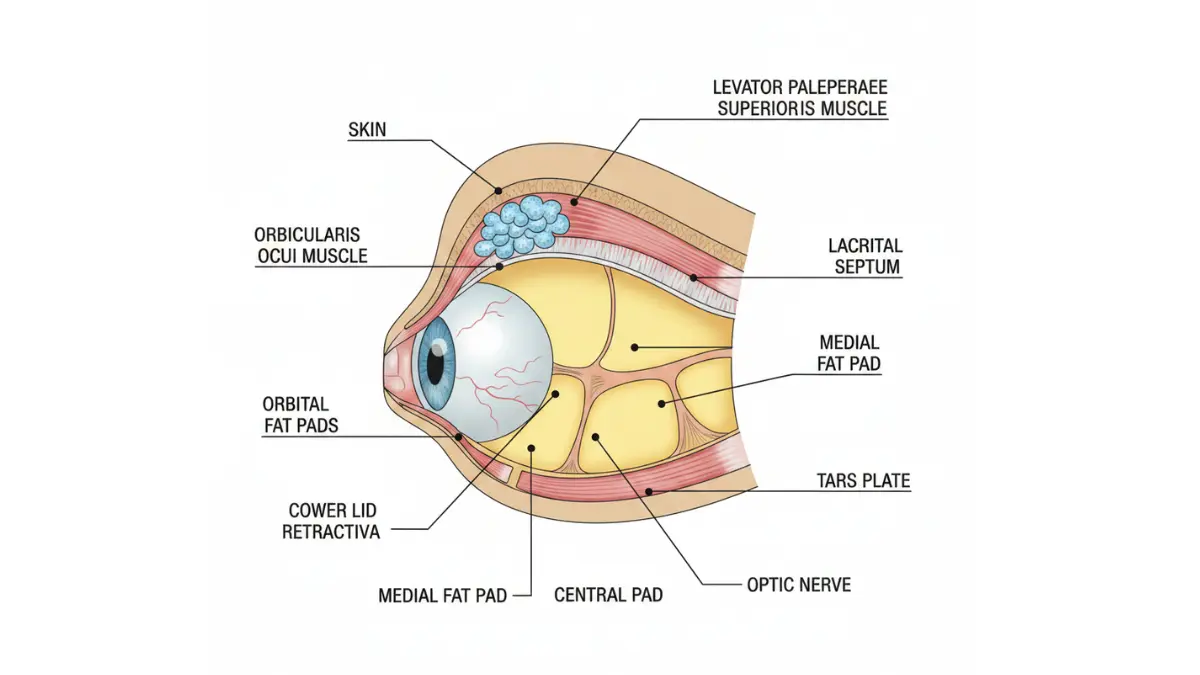
Blepharoplasty represents one of the most precise cosmetic and functional procedures targeting periocular aging and structural concerns. The surgery involves strategic removal or repositioning of excess skin, muscle, and fat from the eyelids to restore youthful contours and improve visual function.
Modern techniques developed at institutions like Stanford Medicine emphasize preservation of natural anatomy while achieving rejuvenation. Unlike older methods that aggressively removed tissue, 2025 approaches focus on repositioning orbital fat rather than excision—creating more sustainable, natural-looking results for cosmetic eyelid surgery candidates.
Upper Blepharoplasty vs. Lower Blepharoplasty: Key Differences
Understanding which type of eyelid lift addresses your concerns requires distinguishing between upper and lower procedures:
| Feature | Upper Blepharoplasty | Lower Blepharoplasty |
|---|---|---|
| Target Area | Upper eyelid skin folds | Under-eye bags, puffiness |
| Primary Concerns | Hooded eyes, vision obstruction | Dark circles, festoons, aging signs |
| Incision Placement | Natural upper eyelid crease | Just below lash line or inside eyelid |
| Recovery Time | 7-10 days for initial healing | 10-14 days for social presentation |
| Insurance Coverage | Possible if functionally limiting | Rarely (almost always cosmetic) |
| Anesthesia Type | Local with oral sedation | Local with sedation or general |
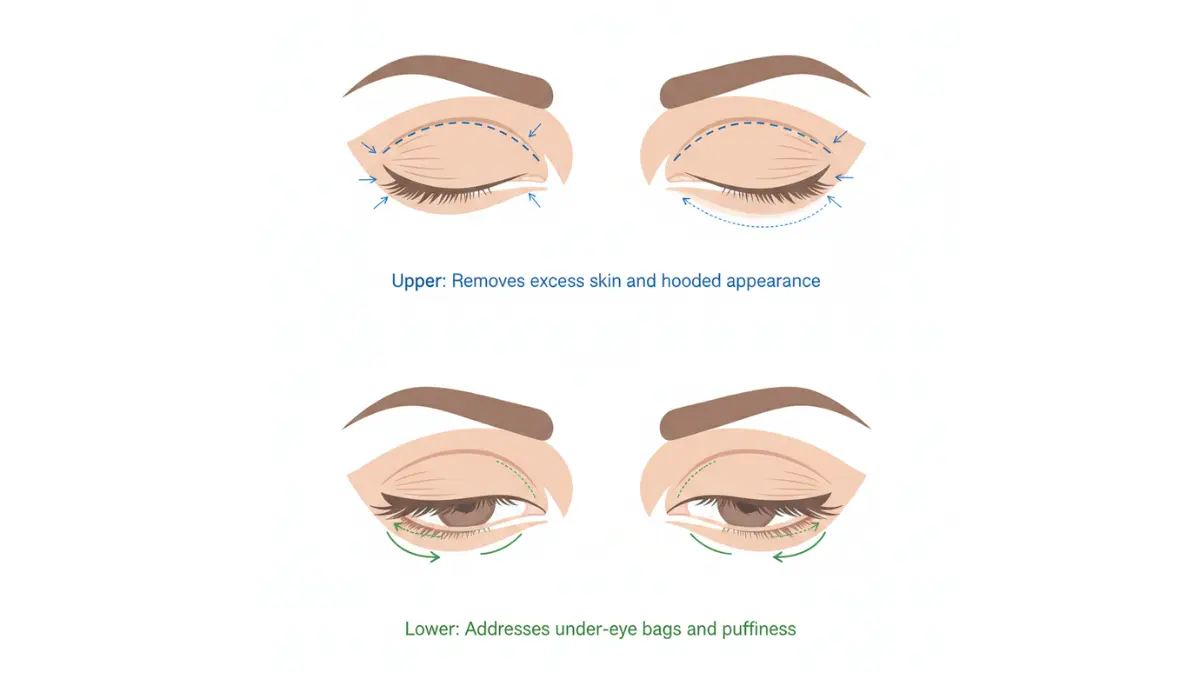
Research from the University of North Carolina confirms that upper eyelid surgery typically qualifies as both functional and aesthetic, while lower procedures primarily address cosmetic concerns. Patients experiencing vision field restrictions benefit most from upper blepharoplasty, sometimes combined with brow lift techniques.
Evidence strength: High-quality prospective studies published through the National Library of Medicine demonstrate 88% success rates in achieving optimal eyelid positioning with proper surgical technique.
The Blepharoplasty Procedure: Step-by-Step (2025 Techniques)
The surgical process for eyelid surgery follows meticulous protocols developed over decades:
Pre-operative Phase (30 minutes)
- Precise marking of incision lines along natural creases
- Administration of local anesthetic with epinephrine for hemostasis
- Optional oral sedation (diazepam commonly used) for patient comfort
- Final measurement confirmation and photography
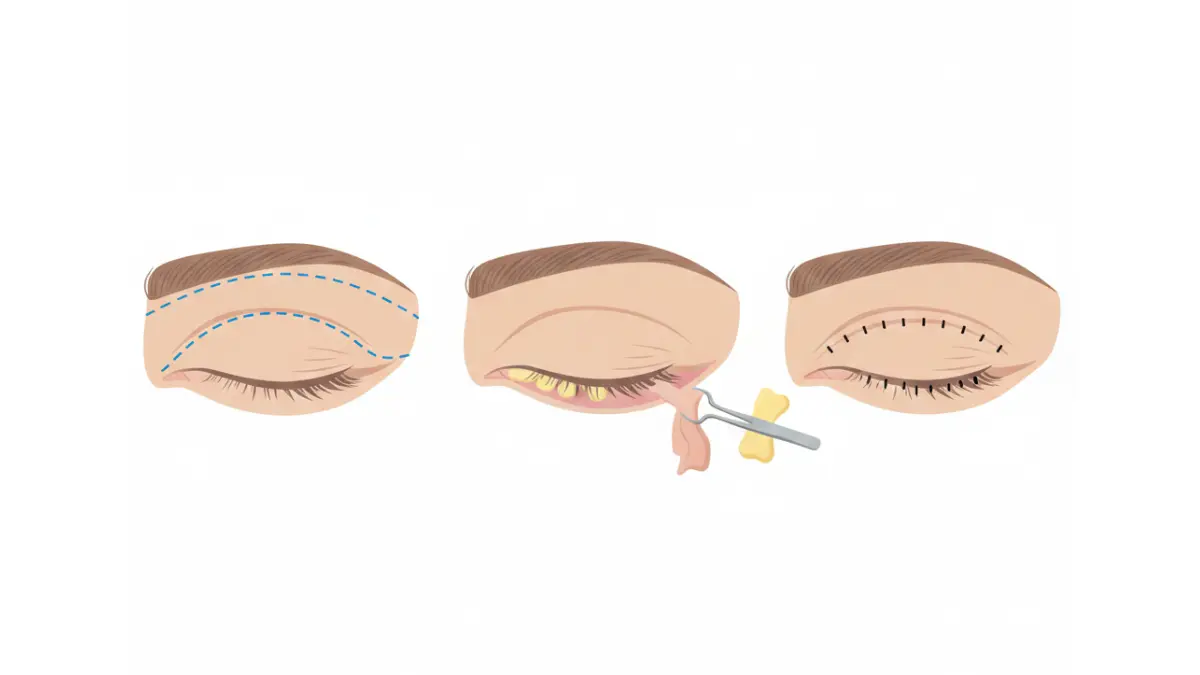
Upper Eyelid Surgery Technique
- Surgeon creates incision within the upper eyelid crease, hidden when eyes open
- Excess skin and orbicularis oculi muscle removed conservatively
- Orbital septum opened to access medial and lateral fat pads
- Fat repositioned (not excised) to prevent hollowing appearance
- Hemostasis achieved using bipolar cautery
- Closure with 6-0 prolene or fast-absorbing sutures
Institutions like Ohio State University Medical Center report that dissolvable sutures eliminate need for removal visits in many cases.
Lower Eyelid Surgery Technique
- Transconjunctival approach (inside eyelid) leaves no visible scarring
- Alternatively, subciliary incision placed just below lashes
- Orbital fat redistributed to tear trough area, reducing bags
- Excess skin conservatively trimmed if necessary
- Lateral canthopexy often performed to prevent ectropion (lid pulling away)
Patients concerned about metabolic health should optimize their ideal weight before elective procedures, as proper nutrition accelerates healing.
Cosmetic vs. Functional Eyelid Surgery
The distinction between cosmetic and functional blepharoplasty significantly impacts insurance coverage and surgical planning:
Functional indications include:
- Visual field obstruction documented by formal testing
- Chronic dermatitis from skin-on-skin contact
- Mechanical ptosis causing headaches or brow strain
- Pseudoptosis from excess upper lid tissue
According to UC Davis Health, surgeons perform thorough visual field testing to document functional impairment before submitting insurance authorization. This objective data proves medical necessity beyond aesthetic preferences.
Purely cosmetic goals address:
- Under-eye bags without functional impact
- Mild skin laxity affecting appearance only
- Patient-reported aesthetic dissatisfaction
- Desire for refreshed, youthful appearance
What This Means For You
Upper blepharoplasty offers potential dual benefits—vision improvement and aesthetic enhancement—making it worth exploring if hooded eyes affect daily activities. Lower eyelid surgery remains primarily cosmetic but delivers dramatic rejuvenation for patients bothered by persistent under-eye bags. Consultation with board-certified oculoplastic surgeons ensures accurate assessment of which type addresses your unique anatomy and goals, similar to evaluation processes for other facial procedures like rhinoplasty.
Blepharoplasty Results – What to Expect & Real Outcomes
Blepharoplasty Results: Realistic Expectations for 2025
Blepharoplasty outcomes extend far beyond superficial appearance changes. Research from Harvard Medical School demonstrates that functional upper blepharoplasty significantly reduces perceived age while improving visual field measurements. Patients report looking 3.1 years younger on average after upper eyelid surgery, with enhanced perceptions of alertness and vitality.
Immediate vs. Long-Term Results (Timeline Breakdown)
Understanding the blepharoplasty recovery timeline helps set realistic expectations for when you’ll see final results:
| Timeline | Upper Blepharoplasty | Lower Blepharoplasty |
|---|---|---|
| Week 1 | Significant swelling, bruising, sutures visible | More pronounced swelling, possible discoloration |
| Week 2-3 | Sutures removed, 60% of swelling resolved | Persistent puffiness, makeup application possible |
| Month 1 | 80% healing achieved, return to most activities | 70% improvement visible, still refining |
| Month 3 | Scars fading into natural creases | Final contour emerging, under-eye smoothness |
| Month 6 | 95% final result visible | Complete resolution of swelling |
| Year 1+ | Full scar maturation, stable appearance | Results stabilize, long-term assessment possible |
Studies published in the National Library of Medicine confirm that health-related quality of life improvements persist for 1.5 to 3.6 years post-surgery, with many patients experiencing sustained benefits beyond initial healing phases.
Before and After: Setting Realistic Expectations
Data from Johns Hopkins University reveals measurable perceptual changes after eyelid lift procedures:
- Perceived health ratings: Improved by 4.33 points on standardized scales
- Energy level perception: Increased by 9.83 points significantly
- Alertness: Consistently rated higher post-blepharoplasty
- Approachability: Enhanced in social evaluation studies
These metrics translate to tangible real-world benefits beyond cosmetic improvement. Patients experience renewed confidence in professional settings and social interactions, similar to psychological benefits seen with other appearance-enhancing procedures like BBL surgery.
Key takeaway: Blepharoplasty before and after transformations involve both objective measurements (visual field expansion, eyelid position) and subjective improvements (self-perception, confidence).
How Long Do Blepharoplasty Results Last?
Longevity data provides crucial context for assessing whether cosmetic eyelid surgery represents worthwhile investment:
Upper blepharoplasty longevity:
- Primary results last 5-7 years on average
- Some patients maintain improvements for 10+ years
- Natural aging continues but from improved baseline
- Laser-assisted techniques show promising durability
Lower blepharoplasty longevity:
- Fat repositioning approaches yield 10-15+ year results
- Traditional removal methods may require revision sooner
- Lifestyle factors significantly impact longevity
- Sun protection and proper hydration extend results
Research from the National Library of Medicine tracking laser-assisted blepharoplasty patients for 2-10 years (mean 6.6 years) found only 4 recurrences requiring revision among 100+ procedures. This represents a 96% success rate for sustained long-term outcomes.
Factors affecting blepharoplasty results:
- Age at surgery: Younger skin maintains elasticity longer
- Skin quality: Sun-damaged skin shows less longevity
- Surgical technique: Fat preservation outperforms aggressive removal
- Surgeon expertise: Board-certified specialists achieve better symmetry
- Post-operative care: Following recovery protocols prevents complications
- Genetics: Inherited aging patterns influence duration
- Lifestyle habits: Smoking, poor nutrition accelerate recurrence
According to CMS Medicare guidelines, functional assessments performed 6-8 weeks post-surgery document sustained eyelid position improvements, supporting the procedure’s efficacy.
What This Means For You
Blepharoplasty delivers measurable, lasting improvements that justify the investment for most patients. Realistic expectations involve understanding that while you’ll look refreshed and rejuvenated, you won’t look like a completely different person. The goal is natural enhancement—removing years of tired appearance while maintaining your unique facial characteristics. Choosing experienced surgeons and committing to healthy lifestyle habits similar to those supporting heart disease prevention maximizes your result longevity and overall satisfaction with eyelid surgery outcomes.
Recovery Timeline & Actionable Post-Op Care
Blepharoplasty Recovery Time: Day-by-Day Healing Guide
Proper post-operative care significantly influences blepharoplasty recovery time and final aesthetic outcomes. Evidence-based protocols developed at institutions like the University of Michigan provide structured guidelines for optimal healing after eyelid surgery.
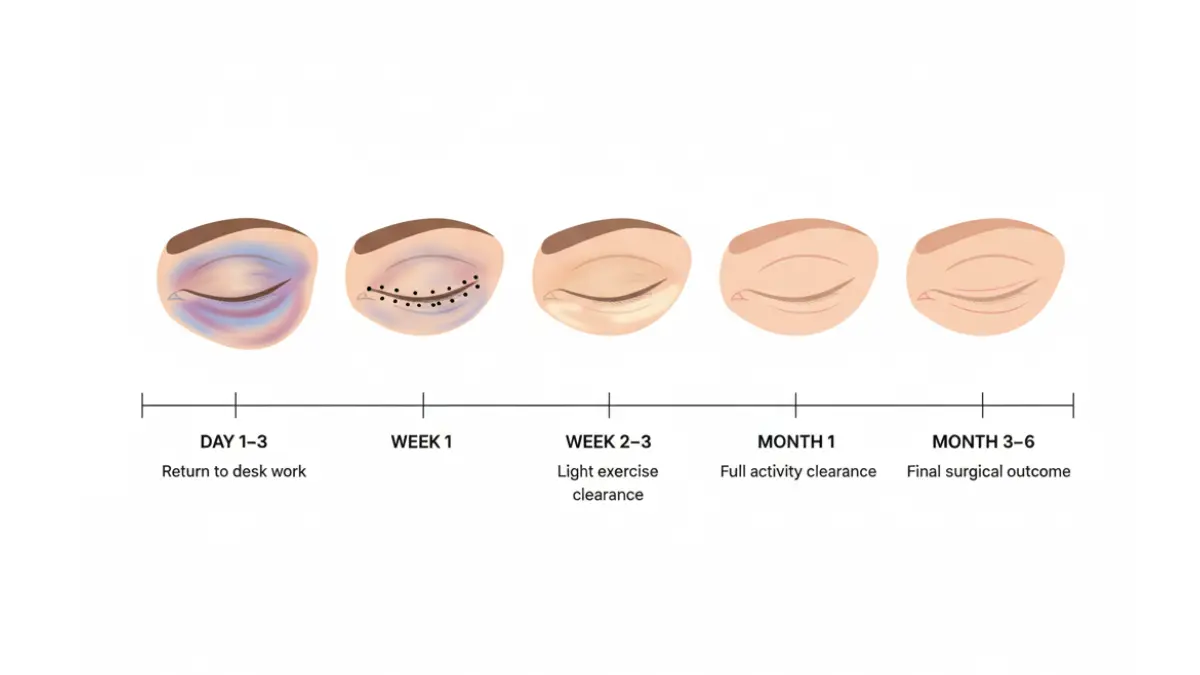
Week 1: Immediate Recovery Phase
Days 1-3: Critical Healing Window
- Swelling peaks: Expect maximum puffiness days 2-3, then gradual improvement
- Cold compress protocol: Apply 20 minutes every hour while awake for first 48 hours
- Head elevation: Sleep with head elevated 30-45 degrees using extra pillows
- Pain management: Mild discomfort controlled with prescribed medications or acetaminophen
- Eye care: Use prescribed lubricating drops every 2-3 hours to prevent dryness
- Vision changes: Temporary blurriness or light sensitivity resolves within days
Research on surgical wound healing confirms that the inflammatory phase lasts 3-7 days, during which proper wound care prevents complications.
Days 4-7: Stabilization Period
- Suture removal: Non-dissolvable stitches removed 5-7 days post-surgery at follow-up appointment
- Bruising evolution: Discoloration transitions from purple to yellow-green, indicating healing
- Gentle cleansing: Begin cleaning incision lines with diluted baby shampoo or prescribed solution
- Activity level: Short walks encouraged to prevent blood clots, but avoid strenuous exertion
- Work return: Most patients resume desk work by day 7, earlier if working remotely
According to guidelines from the University of Mississippi Medical Center, following individualized surgeon instructions ensures optimal eyelid lift results.
Weeks 2-6: Intermediate Healing
Week 2-3 Milestones:
- Makeup application permitted once all incisions fully closed (typically day 10-14)
- Social activities resume as visible swelling diminishes
- Sunglasses mandatory outdoors to protect healing tissue from UV damage
- Gentle facial exercises prevent stiffness without stressing incisions
Week 4-6 Progress:
- Resume cardiovascular exercise gradually, monitoring for increased swelling
- Contact lens wearers can typically reintroduce lenses week 3-4
- Scar massage with vitamin E or prescribed ointment begins week 4
- Most residual puffiness resolves, revealing 80% of final upper eyelid surgery results
Months 3-12: Final Results Emergence
Scar maturation: Incision lines continue fading for 6-12 months, becoming nearly imperceptible in natural creases. Sensation return: Numbness or tingling along incision sites gradually normalizes. Exercise clearance: High-impact activities and weightlifting fully permitted after 6 weeks with surgeon approval.
Optimizing Your Blepharoplasty Recovery
Nutrition for Healing
Adequate protein intake accelerates tissue repair—use the protein calculator to determine your optimal daily target of 1.2-1.5g per kilogram body weight. Vitamin C, zinc, and vitamin A support collagen synthesis essential for lower eyelid surgery healing.
Sleep Requirements
Quality rest proves critical during recovery—the sleep calculator helps ensure you’re getting 7-9 hours nightly to maximize tissue regeneration and minimize inflammation.
Activities to Avoid (First 2 Weeks):
- Bending below waist level or heavy lifting (>10 pounds)
- Contact sports or activities risking facial trauma
- Swimming pools, hot tubs, saunas (infection risk)
- Alcohol consumption (increases bleeding, swelling)
- Smoking/nicotine products (impairs wound healing)
- Vigorous eye rubbing or touching incisions
Red Flags Requiring Immediate Medical Attention:
- 🚨 Sudden vision loss or significant vision changes
- 🚨 Severe pain uncontrolled by prescribed medications
- 🚨 Excessive bleeding or large blood clot formation
- 🚨 Signs of infection: Fever >101°F, increasing redness, purulent drainage, foul odor
- 🚨 Extreme asymmetry or eyelid positioning concerns
What This Means For You
Your commitment to post-operative instructions directly correlates with cosmetic eyelid surgery outcomes and complication prevention. Patients who diligently follow protocols experience faster healing, better aesthetic results, and fewer revision needs. Schedule recovery time thoughtfully—plan 10-14 days before major social or professional obligations. Similar to other surgical recoveries like ACL repair, patience during healing phases yields superior long-term results. Stock your home with cold compress supplies, prescribed medications, extra pillows, and nutritious foods before surgery to eliminate stress during critical early recovery days.
Risks, Complications & Safety
Blepharoplasty Risks and Complications: What You Need to Know
Understanding potential blepharoplasty complications enables informed decision-making and realistic expectations. While eyelid surgery ranks among the safest facial procedures, transparency about risks remains essential for patient autonomy and surgical planning.
Common Side Effects vs. Serious Complications
Distinguishing between expected temporary effects and genuine complications helps patients identify issues requiring medical attention:
| Risk Category | Specific Issue | Frequency | Duration | Management |
|---|---|---|---|---|
| Temporary (Expected) | Swelling, bruising | 90-95% | 1-3 weeks | Cold compresses, elevation |
| Temporary (Expected) | Dry eyes, irritation | 40-50% | 2-8 weeks | Lubricating drops, ointments |
| Temporary (Expected) | Light sensitivity | 30-40% | 1-2 weeks | Sunglasses, reduced screen time |
| Temporary (Expected) | Mild asymmetry | 20-30% | Resolves as swelling subsides | Patience, follow-up assessment |
| Uncommon | Infection | <2% | Variable | Antibiotics, wound care |
| Uncommon | Excessive bleeding/hematoma | <1% | Immediate | Surgical drainage if significant |
| Rare | Ectropion (lid pulling away) | 1-3% | Persistent | May require revision surgery |
| Rare | Vision changes | <0.5% | Variable | Immediate ophthalmologic evaluation |
| Very Rare | Permanent vision loss | <0.04% | Permanent | Medical emergency |
Key takeaway: The vast majority of patients experience only temporary, manageable side effects that resolve completely within weeks.
Risk Factors That Increase Complications
Certain health conditions and lifestyle factors elevate blepharoplasty risks significantly:
Medical Conditions:
- Diabetes: Impairs wound healing and increases infection risk—optimize blood sugar control before surgery
- Thyroid disorders: Affects eye tissue and healing capacity, particularly hypothyroidism
- Hypertension: Increases bleeding risk during and after cosmetic eyelid surgery
- Bleeding disorders: Require specialized pre-operative protocols and monitoring
- Autoimmune conditions: May compromise healing and increase inflammation
Lifestyle Factors:
- Smoking: Reduces oxygen to healing tissues, increases complications 3-5x—cease minimum 4 weeks before surgery
- Alcohol consumption: Thins blood and interferes with medications
- Nutritional deficiencies: Poor protein intake slows tissue repair
- Chronic stress: Elevates cortisol, suppressing immune function needed for healing
Medication Considerations:
Certain medications increase bleeding or interfere with anesthesia—disclose all prescriptions and supplements to your surgeon, particularly blood thinners, aspirin, NSAIDs, vitamin E, fish oil, and herbal supplements. Your surgeon may recommend the pill identifier tool to verify medications requiring discontinuation.
How to Minimize Risks (Evidence-Based Strategies)
Proactive measures substantially reduce blepharoplasty complications:
Pre-operative Optimization:
- Complete all recommended medical clearances and laboratory testing
- Achieve stable weight and optimal body composition before surgery
- Address nutritional deficiencies, particularly vitamin D and protein
- Discontinue tobacco products minimum 4-6 weeks pre-operatively
- Follow pre-operative medication instructions precisely
Surgeon Selection Criteria:
- Board certification: Verify credentials through American Board of Plastic Surgery or American Board of Ophthalmology
- Specialized training: Oculoplastic surgeons receive fellowship training specifically in eyelid procedures
- Volume experience: Ask how many upper eyelid surgery and lower eyelid surgery procedures performed annually (ideally 50+)
- Before-after portfolio: Review multiple examples of blepharoplasty before and after results similar to your anatomy
- Hospital privileges: Ensures peer review and quality standards maintained
Questions to Ask Your Surgeon:
- What is your complication rate for this specific procedure?
- How do you handle complications if they arise?
- Will you personally perform the surgery, or will residents/fellows participate?
- What anesthesia type do you recommend and why?
- How many follow-up appointments are included?
What This Means For You
Blepharoplasty safety depends on honest medical disclosure, choosing qualified surgeons, and following pre-operative instructions meticulously. Patients in optimal health with realistic expectations experience the lowest complication rates and highest satisfaction. If you have multiple risk factors, discuss whether addressing underlying health issues first—such as managing metabolic syndrome or improving cardiovascular health—makes sense before elective eyelid lift surgery. The transparency regarding rare but serious complications like vision changes shouldn’t deter appropriate candidates; rather, it emphasizes the importance of choosing experienced surgeons who prioritize safety protocols and maintain hospital privileges for emergency management if needed.
Blepharoplasty Cost in 2025: Investment Analysis & Insurance Coverage
Blepharoplasty cost represents a significant financial decision requiring comprehensive analysis beyond the surgical fee alone. Understanding the full investment spectrum helps patients budget appropriately and evaluate return on investment for eyelid surgery.
Complete Cost Breakdown (US National Averages)
| Cost Component | Upper Blepharoplasty | Lower Blepharoplasty | Combined Upper + Lower |
|---|---|---|---|
| Surgeon’s Fee | $2,500 – $4,000 | $3,000 – $5,500 | $4,500 – $7,000 |
| Anesthesia | $500 – $800 | $800 – $1,200 | $1,000 – $1,500 |
| Facility Fee | $550 – $1,200 | $800 – $1,500 | $1,200 – $2,000 |
| Pre-op Testing | $200 – $400 | $200 – $400 | $200 – $500 |
| Post-op Care/Meds | $100 – $200 | $150 – $300 | $200 – $400 |
| Total Range | $3,850 – $6,600 | $4,950 – $8,900 | $7,100 – $11,400 |
Geographic variations: Metropolitan areas (NYC, LA, San Francisco) charge 25-40% premiums compared to smaller cities. International options in accredited facilities (South Korea, Thailand) cost 40-60% less but require travel expenses and extended recovery away from home.
Cost-per-year analysis: Dividing total investment by expected longevity reveals true value. Upper eyelid surgery lasting 7 years costs approximately $550-940 annually, while lower procedures lasting 12 years average $410-740 yearly—comparable to ongoing non-surgical treatments requiring maintenance every 6-12 months.
When Insurance Covers Eyelid Surgery
Insurance coverage depends strictly on medical necessity documentation, not aesthetic desires:
Coverage Criteria Met:
- Visual field testing showing ≥30% obstruction in superior field
- Photographic documentation of eyelid position
- Failed conservative management (tape, glasses adjustments)
- Functional impairment affecting daily activities (driving, reading, work)
- Chronic dermatitis from redundant skin contact
Patients experiencing vision difficulties should complete an eye exam and formal visual field testing before consultation. Documentation proving medical necessity differentiates covered functional blepharoplasty from purely cosmetic procedures.
Financing Options Available:
- Medical credit cards (CareCredit, Alphaeon) offering 0% APR promotional periods 12-24 months
- Surgeon payment plans with monthly installments
- HSA/FSA funds for qualifying functional cases
- Personal loans through healthcare lending platforms
Final Verdict: Is Blepharoplasty Worth It?
Yes, for appropriate candidates with realistic expectations. The evidence overwhelmingly supports blepharoplasty as a worthwhile investment delivering sustained improvements in appearance, function, and quality of life.
Ideal candidates include:
- Individuals with visual field obstruction from excess upper eyelid skin
- Patients bothered by persistent under-eye bags resistant to lifestyle modifications
- Those seeking long-term solutions rather than ongoing maintenance treatments
- Healthy adults with stable weight and realistic aesthetic goals
- Non-smokers committed to pre- and post-operative care protocols
Reconsider or delay if:
- Active medical conditions require optimization first (uncontrolled diabetes, thyroid disorders)
- Current smoking or unwillingness to quit 4-6 weeks before surgery
- Unrealistic expectations about achieving celebrity-specific appearances
- Financial strain would create stress affecting recovery
- Unresolved body image concerns better addressed through counseling
Similar to decisions about other significant health investments like bariatric surgery, blepharoplasty requires weighing financial costs against functional and psychological benefits unique to your situation.
What This Means For You
Schedule consultations with 2-3 board-certified surgeons to compare recommendations, surgical approaches, and pricing transparency. Ask about revision policies and what costs are covered if complications arise. Patients who research thoroughly, choose qualified surgeons, and follow medical advice experience the highest satisfaction rates years after cosmetic eyelid surgery.
Your investment in blepharoplasty extends beyond financial considerations—you’re investing in improved confidence, potentially better vision, and sustained aesthetic enhancement for 7-15+ years. For many patients, this represents exceptional value compared to temporary treatments requiring ongoing expense. Explore additional health resources to optimize your overall wellness before elective procedures, ensuring your body is prepared for optimal healing and long-lasting results.
Bottom line: The 93.7% patient satisfaction rate and measurable quality-of-life improvements validate blepharoplasty as a worthwhile procedure for appropriately selected candidates who prioritize safety, choose experienced surgeons, and maintain realistic expectations.
Frequently Asked Questions About Blepharoplasty
1. How much does blepharoplasty cost in 2025?
Blepharoplasty costs range from $3,850-$6,600 for upper eyelids and $4,950-$8,900 for lower eyelids in the United States. Combined upper and lower procedures typically cost $7,100-$11,400, varying by geographic location and surgeon expertise.
2. How long does blepharoplasty recovery take?
Most patients return to desk work within 7-10 days after blepharoplasty. Visible swelling and bruising resolve in 2-3 weeks, while complete healing and final results emerge over 3-6 months.
3. Is blepharoplasty painful?
Blepharoplasty causes minimal pain, typically described as mild discomfort or tightness rather than severe pain. Most patients manage symptoms with over-the-counter pain relievers or prescribed medications for the first 3-5 days.
4. Does insurance cover blepharoplasty?
Insurance covers blepharoplasty only when medically necessary—specifically when drooping upper eyelids obstruct vision by ≥30% as documented through formal visual field testing. Purely cosmetic procedures are not covered.
5. How long do blepharoplasty results last?
Upper blepharoplasty results last 5-7 years on average, sometimes 10+ years. Lower blepharoplasty typically lasts 10-15 years or longer, especially with modern fat repositioning techniques rather than removal.
6. What is the best age for blepharoplasty?
Most blepharoplasty patients are 35-65 years old, though there’s no single “best age.” Ideal timing depends on individual eyelid aging, functional concerns, and skin quality rather than a specific age number.
7. Can blepharoplasty fix hooded eyes?
Yes, upper blepharoplasty effectively treats hooded eyes by removing excess skin and fat from the upper eyelids. The procedure creates a more open, alert appearance while potentially improving peripheral vision obstruction.
8. What are the risks of blepharoplasty?
Common temporary side effects include swelling (90%), bruising (85%), and dry eyes (40-50%). Serious complications like infection (<2%), vision changes (<0.5%), or permanent vision loss (<0.04%) are rare with experienced surgeons.
9. How long after blepharoplasty can I wear makeup?
You can typically resume wearing eye makeup 10-14 days after blepharoplasty once all incisions are fully closed and sutures removed. Use gentle, hypoallergenic products and avoid tugging or rubbing the eyelid area.
10. Will I have scars after blepharoplasty?
Blepharoplasty scars are minimal and well-hidden in natural eyelid creases for upper procedures or just below the lash line for lower eyelids. Scars fade significantly over 6-12 months, becoming nearly imperceptible in most patients.
11. Can I combine blepharoplasty with other procedures?
Yes, blepharoplasty commonly combines with brow lift, facelift, or other facial rejuvenation procedures in a single surgical session. Combining procedures can reduce overall costs, recovery time, and anesthesia exposure compared to separate surgeries.
About this content
How this article was put together: researched from recognised health sources, drafted with the help of AI tools, and edited by hand, with sources linked throughout.

Sameer Patel is the founder and editor of My Medicine Advisor. He is not a doctor or medical professional — before starting this site he worked in banking,…
Medical disclaimer
The content on MyMedicineAdvisor is provided for general informational and educational purposes only and is not a substitute for professional medical advice, diagnosis, or treatment. Health information on this website should not be used to diagnose, treat, cure, or prevent any condition without guidance from a qualified healthcare professional. Always seek the advice of your doctor, physician, or another licensed healthcare provider with any questions you may have regarding a medical condition, symptoms, medications, or treatment decisions.