On This Page – Quick Medical Summary
Quick Answer: Blackhead removal works best with salicylic acid (BHA) cleansers used daily, topical retinoids applied at night, and consistent non-comedogenic skincare. Pore strips and manual squeezing are the least effective — and most damaging — methods, according to current dermatology guidelines. Keep reading for the full ranked breakdown.
Ryan, 31, spent two years using pore strips every week on his nose. His skin was visibly irritated, his pores appeared larger than before, and the blackheads kept coming back within days. His dermatologist identified the problem immediately: Ryan was treating sebaceous filaments — not actual blackheads — and damaging his skin barrier in the process. The right treatment cleared his skin in 8 weeks.
This is the most common blackhead mistake in America. And most skincare guides never mention it.
This article gives you what Healthline, WebMD, and Cleveland Clinic don’t: a dermatologist-ranked breakdown of every removal method, a side-by-side identification guide, skin-type-specific protocols, a “mistakes” list with clinical risk data, and a realistic timeline for results.
What Are Blackheads — And Why Does Everyone Misidentify Them?
Blackheads are one of the most misidentified skin conditions in the US. A significant portion of people treating “blackheads” on their nose are actually dealing with sebaceous filaments — a completely different structure that requires a different approach.
Getting this identification right is step one. Without it, no removal method will work long-term.
What Blackheads Actually Are
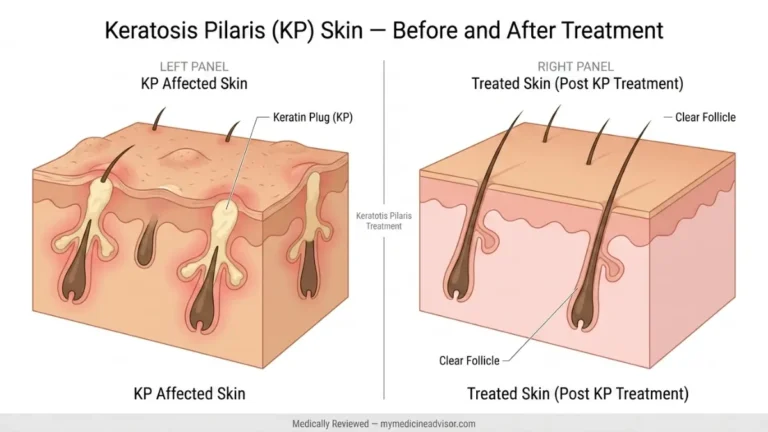
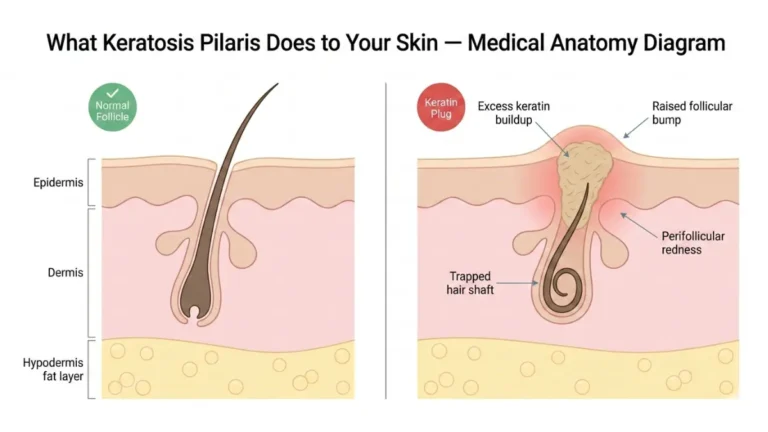
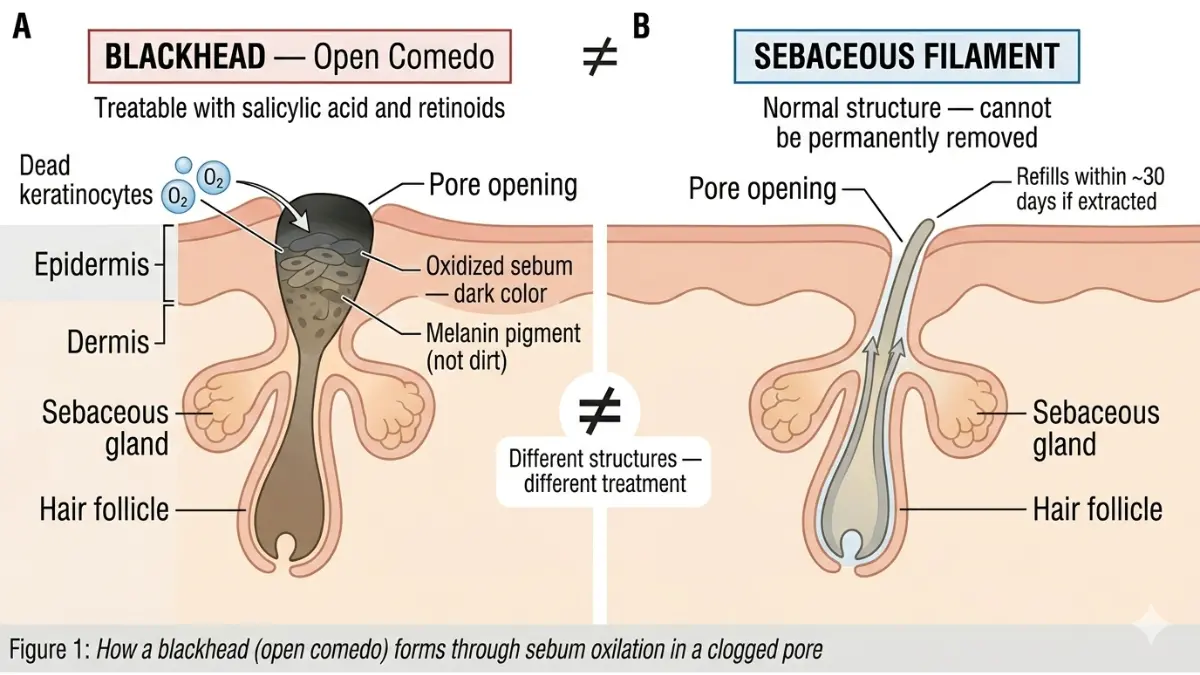
Blackheads — medically called open comedones — form when a hair follicle becomes clogged with dead skin cells and excess sebum (oil). Unlike whiteheads, the pore stays open at the surface. Oxygen enters and oxidizes the clogged material, turning it dark gray or black.
Key fact: The dark color is NOT caused by dirt. It is a chemical reaction called oxidation — the same process that turns a cut apple brown. According to MedlinePlus (NIH), blackheads are a non-inflammatory form of acne and affect virtually everyone at some point in their lives.
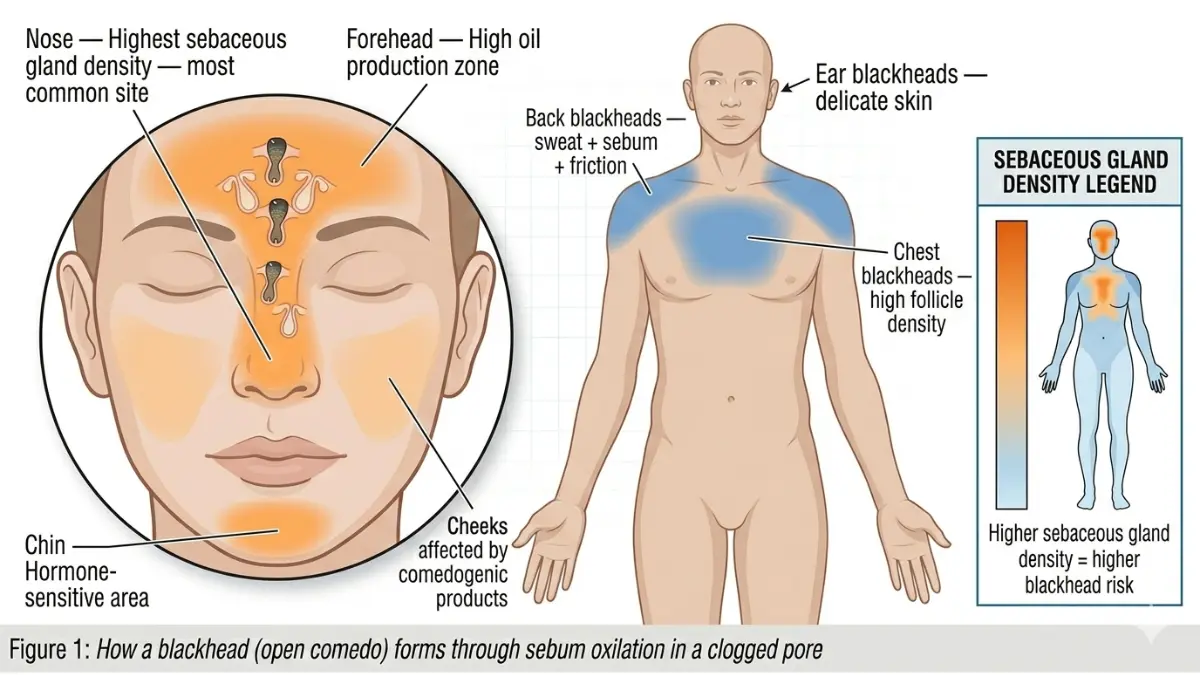
They most commonly appear on the:
- Nose and chin (T-zone)
- Forehead
- Upper back and chest
- Shoulders and neck
Blackheads vs. Sebaceous Filaments: The Critical Difference
This is the comparison no top-5 competitor article explains properly — and it’s the reason millions of Americans use the wrong treatment.
| Feature | Blackheads | Sebaceous Filaments |
|---|---|---|
| Color | Dark brown or black | Gray, beige, or skin-toned |
| Texture | Raised, firm plug | Flat, flush with skin |
| What comes out when squeezed | Dark, waxy solid plug | Thin, oily thread |
| Can it be permanently removed? | Yes, with treatment | No — they always refill |
| Caused by | Clogged pore + oxidation | Normal skin oil transport |
| Treatment | Salicylic acid, retinoids | Oil control, gentle cleansing |
| Medical classification | Acne (open comedo) | Normal skin structure |
Bottom line: If the “blackheads” on your nose look like a scattered field of tiny dots and always come back within days of removal — you likely have sebaceous filaments, not blackheads. Use our Symptom Checker if you’re unsure what you’re dealing with before starting any treatment plan.
Who Gets Blackheads Most?
- People with oily or combination skin (higher sebum = more clogging risk)
- Teenagers and young adults — hormonal surges increase oil production dramatically
- People with a genetic predisposition — a 2021 study in BMC Medical Genomics found up to an 80% chance of inheriting acne risk through genes
- Anyone using comedogenic skincare or makeup products
Blackhead Removal Methods Ranked by Dermatologists (2026 Evidence Tiers)
This is what no competitor gives you. Every blackhead removal method, ranked by clinical evidence — not by popularity, not by viral TikTok endorsement.
The 2024 Journal of the American Academy of Dermatology (JAAD) guidelines — the most comprehensive acne treatment update published — form the backbone of this ranking. You can review the AAD’s full acne treatment guidance for reference.
🟢 Tier 1 — Clinically Proven, Dermatologist First-Line
1. Salicylic Acid (BHA) — Gold Standard
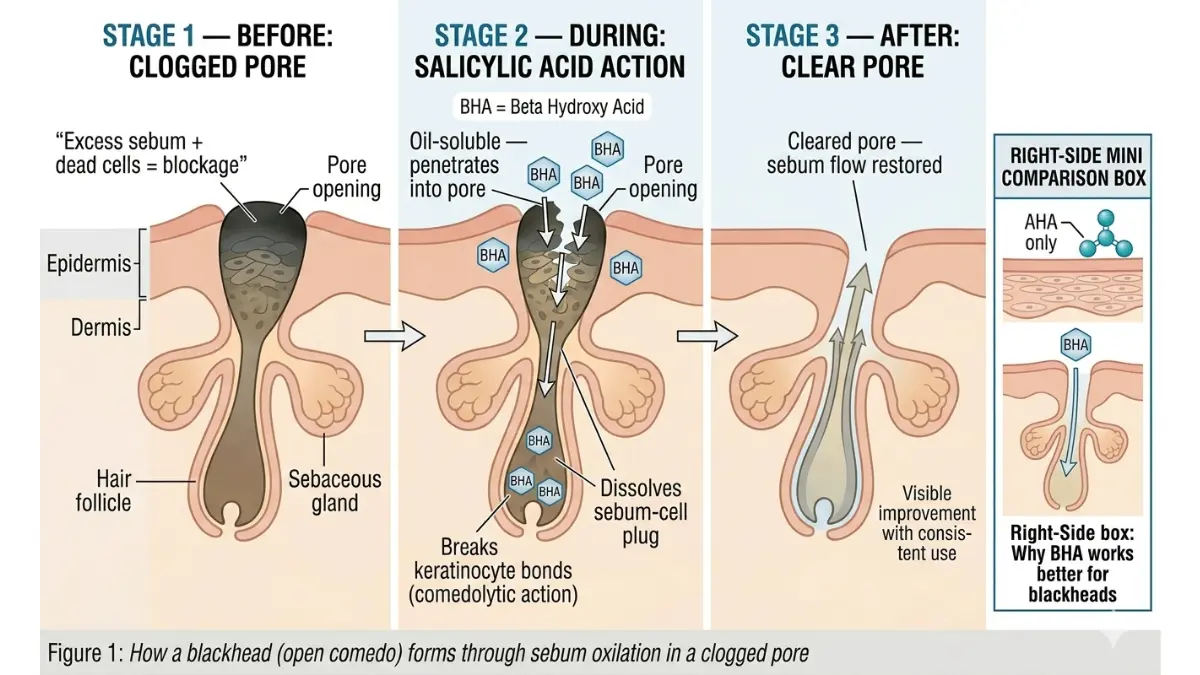
Salicylic acid is oil-soluble, meaning it penetrates directly into the pore and dissolves the sebum-dead skin plug from inside. No other OTC ingredient does this.
- Concentration: 0.5%–2% for daily use (start at 0.5% if sensitive)
- Forms: Cleansers, toners, serums, medicated pads
- Evidence: A 2024 multicenter randomized trial (500 patients) in the Journal of Cosmetic Dermatology confirmed 2% salicylic acid was comparable in effectiveness to prescription adapalene for reducing comedones
- Best for: Oily and combination skin; clogged pores; blackheads on nose and forehead
2. Topical Retinoids (Adapalene, Tretinoin)
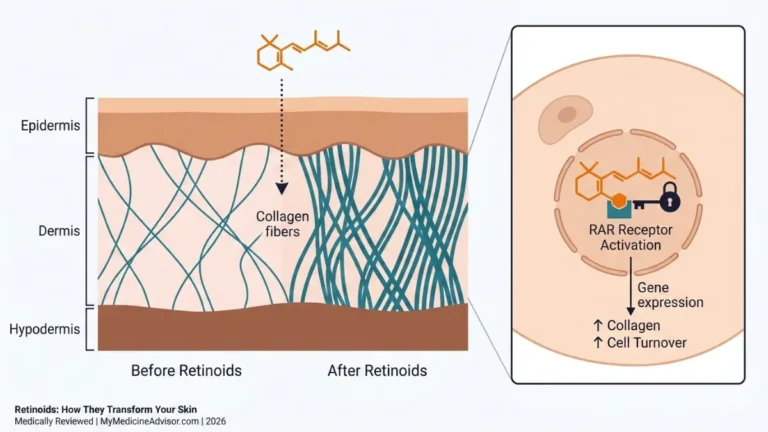
Retinoids regulate skin cell turnover, preventing dead cells from accumulating inside pores in the first place — stopping blackheads at the source. The 2024 JAAD guidelines give topical retinoids a strong recommendation as first-line treatment for comedonal acne.
- OTC option: Adapalene 0.1% gel (Differin) — no prescription needed
- Prescription: Tretinoin 0.025%–0.1% — stronger, faster results
- Timeline: 8–12 weeks minimum before full effect
- Best for: Preventing recurring blackheads long-term; all skin types (start slow)
3. Chemical Peels (Professional)
A 2022 network meta-analysis published in The Lancet — analyzing 179 randomized controlled trials — found chemical peels (salicylic acid, mandelic acid) produced a 39.7% reduction in comedones, making them among the most effective physical blackhead removal treatments available.
- Types used: Salicylic acid peel (20–30%), glycolic acid peel, Jessner’s peel
- Who performs them: Board-certified dermatologists only
- Frequency: Every 4–6 weeks for optimal results
🟡 Tier 2 — Moderately Effective (Useful as Add-Ons)
4. AHA Exfoliants (Glycolic Acid, Lactic Acid)
Alpha hydroxy acids work at the skin’s surface — they exfoliate dead cells to prevent pore clogging but don’t penetrate pores the way BHAs do.
- Best for: Combination to dry skin types; improving texture around blackheads
- Use: 2–3× per week maximum
5. Clay and Charcoal Masks
Clay (kaolin, bentonite) and activated charcoal temporarily absorb surface oil and draw out impurities. They provide an immediate visual improvement but do not address the root cause of recurring blackheads.
- Verdict: Useful for occasional oil control; not a long-term solution
- Use: 1–2× per week
6. Professional Extraction
Performed by a licensed dermatologist or esthetician using a sterile comedone extractor tool. When done correctly, this safely and immediately clears existing open comedones. The key word is professionally — untrained DIY extraction causes scarring and infection.
🔴 Tier 3 — Use With Caution or Avoid
| Method | What Dermatologists Actually Say |
|---|---|
| Pore strips | Remove only surface debris; leave the root behind; can break capillaries with repeated use; disrupt skin barrier |
| Pore vacuums | Risk of bruising and broken capillaries (telangiectasia) if suction is too high or overused |
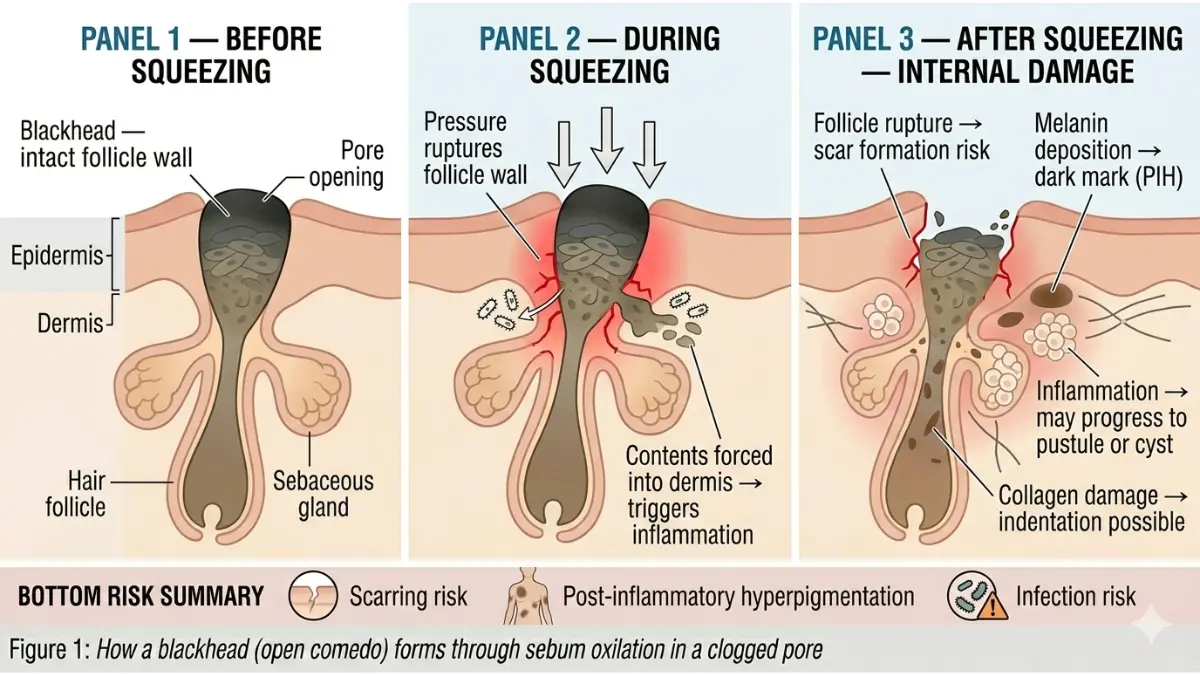
| Manual squeezing/picking | Never recommended. Causes trauma, scarring, post-inflammatory hyperpigmentation, and can introduce infection |
| Benzoyl peroxide for blackheads | Wrong mechanism — benzoyl peroxide targets bacteria; blackheads are NOT bacterial. Ineffective for open comedones |
| Toothpaste / DIY remedies | No clinical evidence; can cause chemical burns and allergic reactions |
💡 What This Means For You: Start with a 2% salicylic acid cleanser once daily. Add adapalene OTC retinoid at night after 2 weeks. Give it 8 full weeks before judging results. Consistency beats every gimmick.
Skin-Type-Specific Method Guide
| Skin Type | Best Blackhead Removal Method | Avoid |
|---|---|---|
| Oily | 2% salicylic acid daily + adapalene | Heavy clay masks daily |
| Dry | 0.5% salicylic acid + lactic acid + adapalene slowly | Daily AHA/BHA together |
| Combination | BHA toner on T-zone + AHA on cheeks | Pore strips on dry areas |
| Sensitive | Low-dose salicylic acid 0.5% + slow retinoid introduction | Pore vacuums, harsh scrubs |
| Darker skin tones | Salicylic acid only (glycolic acid can worsen PIH) | Aggressive peels at home |
How to Remove Blackheads at Home — The 4-Step Dermatologist Protocol
Stop hunting for the “best blackhead removal product.” The research is clear: a consistent, layered routine beats any single product. Here’s the exact protocol dermatologists use with their patients.
The 4-Step Daily Routine for Blackhead Removal
Step 1 — Cleanse With Salicylic Acid
Use a 1–2% salicylic acid face wash once daily (evening) to start. Twice daily only after your skin has tolerated it for 2+ weeks without dryness or irritation.
- Massage gently for 60 seconds — don’t scrub
- Rinse with lukewarm water (hot water increases oil production)
- Pat dry; do not rub
Step 2 — Exfoliate (2–3× Per Week Only)
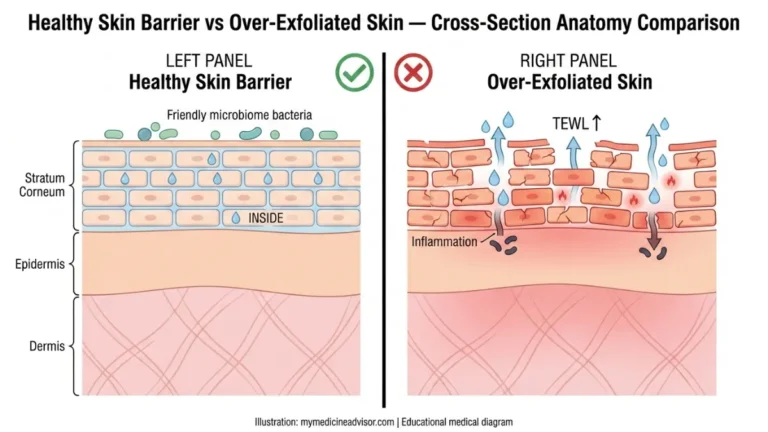
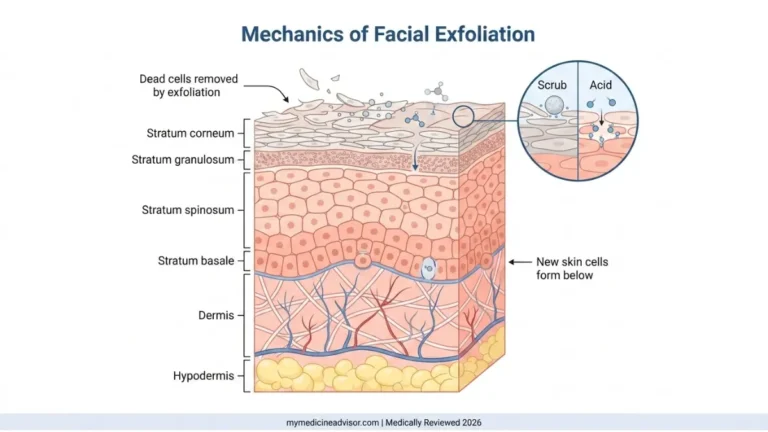
Apply a BHA toner or AHA serum after cleansing on non-retinoid nights. Over-exfoliating damages the skin barrier and worsens blackhead formation by triggering compensatory oil production.
- Oily skin: BHA toner (salicylic acid 1–2%)
- Dry/sensitive skin: Lactic acid 5–10% serum
Step 3 — Apply Retinoid at Night
Apply a pea-sized amount of adapalene 0.1% (OTC) or tretinoin (prescription) to clean, dry skin. Start 2–3 nights per week, increasing to nightly over 4 weeks.
- Critical: Don’t use retinoids and AHA/BHA on the same night initially
- Expect mild purging (temporary increase in blackheads) in weeks 2–4 — this is normal
- Results begin at week 6–8; full results at week 12+
Step 4 — Non-Comedogenic Moisturizer + SPF
Retinoids and salicylic acid both increase photosensitivity. Skipping SPF while on these ingredients directly worsens skin damage. Choose a moisturizer and sunscreen labeled “non-comedogenic” and “oil-free.”
Body-Area-Specific Protocols
Blackheads on the Nose The nose has the highest density of sebaceous glands on the face. Start with salicylic acid cleanser and BHA toner concentrated on the T-zone. Avoid pore strips — they cause pore dilation over time.
Blackheads on Back and Chest
- Use a BHA body wash or spray (2% salicylic acid)
- Wear moisture-wicking, loose-fitting clothing after workouts
- Shower immediately after sweating — sweat trapped under fabric is a major back-blackhead trigger
- Follow the AAD’s back acne treatment guide for a full protocol
Blackheads on Ears Gentle cleansing only. No extraction tools, no pore strips. The skin in and around the ear canal is extremely thin and sensitive.
Realistic Timeline: What to Expect
| Timeframe | What You’ll See |
|---|---|
| Week 1–2 | Skin adjusting; possible mild dryness |
| Week 3–4 | Possible purging (temporary increase) — stay the course |
| Week 6–8 | Visible reduction in blackhead size and quantity |
| Week 10–12 | Significant clearing; pores appear smaller |
| Month 4+ | Long-term prevention if routine is maintained |
Poor sleep has a direct effect on this timeline. High cortisol from sleep deprivation raises sebum production, which directly feeds blackhead formation. Track your optimal sleep window using our Sleep Calculator — getting the right amount of rest is a legitimate part of skin health.
5 Blackhead Removal Mistakes Dermatologists Say Make You Worse
These are the most common errors American patients make — and the ones that explain why so many people say “nothing works” for their blackheads.
Mistake #1: Squeezing and Picking
Why it’s dangerous: Applying uncontrolled manual pressure to a pore pushes the plug deeper, ruptures the follicle wall, introduces bacteria from your fingers, and triggers inflammation that leads to post-inflammatory hyperpigmentation (PIH) — dark marks that can take 6–12 months to fade.
Dermatologist Verdict: Squeezing blackheads is the fastest way to turn a minor cosmetic issue into a permanent scar. Never do it.
Mistake #2: Daily Pore Strip Use
Pore strips work via adhesive — they physically pull material off the skin surface. Used occasionally, they provide a visual clear. Used frequently, the adhesive strips away the natural skin barrier lipids, removes sebaceous filaments (which your skin needs), and repeated pulling stretches pore walls — making them appear larger over time.
Dermatologist Verdict: Maximum 1× per week, only on the nose, after steaming. Not on sensitive or dry skin.
Mistake #3: Using Benzoyl Peroxide as the Primary Blackhead Treatment
Benzoyl peroxide works by killing bacteria (P. acnes). Blackheads are non-inflammatory and non-bacterial — they contain oxidized sebum and dead skin cells, not bacteria. According to the AAD’s acne treatment types guide, benzoyl peroxide is indicated for inflammatory acne, not open comedones.
Dermatologist Verdict: Save benzoyl peroxide for pimples. Use salicylic acid for blackheads.
Mistake #4: Over-Exfoliating
More exfoliation does not mean faster blackhead removal. Scrubbing daily with physical exfoliants (walnut shell, sugar scrubs) or layering multiple acids simultaneously strips the skin barrier. The result: reactive sebum overproduction, more clogged pores, and increased sensitivity.
Dermatologist Verdict: Exfoliate chemically (BHA/AHA) 2–3× per week maximum. Never use physical scrubs on blackhead-prone skin.
Mistake #5: Skipping Moisturizer Because Skin Is “Oily”
Oily skin that is also dehydrated (lacking water, not oil) overproduces sebum as a compensation mechanism. A lightweight, non-comedogenic moisturizer signals to sebaceous glands that the skin is hydrated — which can actually reduce oil production over time.
Dermatologist Verdict: Even oily, blackhead-prone skin needs moisturizer. Choose gel-based, oil-free, non-comedogenic formulas.
If hormonal changes are contributing to excess oil production — particularly around your menstrual cycle or during pregnancy — our Ovulation Calculator can help you track hormonal cycles, which directly affect sebum output and blackhead flares.
When to See a Dermatologist for Blackheads
Most mild-to-moderate blackheads respond to consistent OTC treatment within 8–12 weeks. But there are clear signals that indicate you need professional evaluation.
Signs You Need a Dermatologist
- Blackheads are widespread, covering large areas of the face, back, or chest
- No improvement after 12 weeks of consistent BHA + retinoid routine
- Blackheads are accompanied by inflammatory acne (red, painful pimples, cysts, nodules)
- You are developing scarring or significant hyperpigmentation
- Blackheads worsen despite treatment — this may indicate a hormonal driver (PCOS, androgen excess) requiring systemic intervention
What Dermatologists Can Do That You Can’t Do at Home
| Treatment | What It Does | Who Performs It |
|---|---|---|
| Professional extraction | Safely removes blackheads using sterilized comedone extractor; no tissue damage | Board-certified dermatologist or medical esthetician |
| Prescription retinoids (tretinoin, tazarotene) | Stronger cell turnover regulation than OTC adapalene | Dermatologist prescription required |
| In-office chemical peels | 20–30% salicylic acid peels; 39.7% comedone reduction (per Lancet meta-analysis) | Dermatologist supervised |
| HydraFacial | Gentle suction-based extraction + hydration in one session | Medical spa or derm office |
| Prescription oral medications | For hormonal blackheads unresponsive to topical treatment (spironolactone, oral contraceptives) | Dermatologist only |
To find a board-certified dermatologist near you in the US, use the American Academy of Dermatology’s Find a Dermatologist tool.
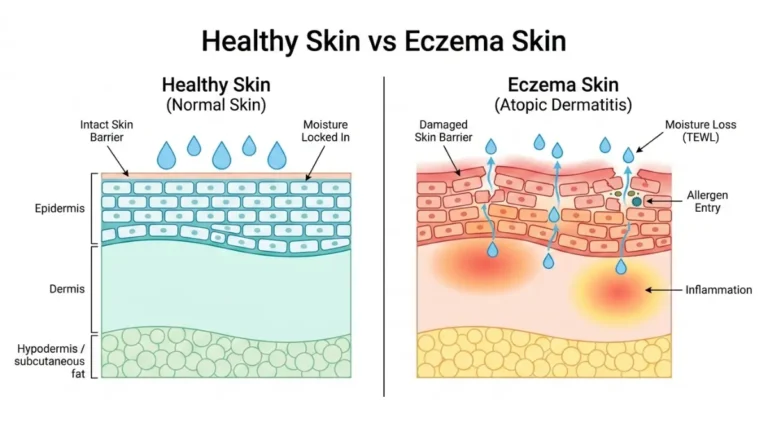
For patients dealing with related inflammatory skin conditions that co-occur with severe acne, our detailed guide on eczema treatment covers barrier-repair strategies that overlap with acne-prone skincare management.
If you’re seeing unusual skin lesions alongside persistent blackheads, our Skin Tag Removal guide and Skin Cancer Signs article can help you differentiate between benign skin changes and those that require urgent evaluation.
How to Prevent Blackheads From Coming Back
Blackhead removal without prevention is a losing battle. Blackheads will recur in 2–4 weeks without a maintenance routine addressing the underlying causes: excess sebum, dead skin cell buildup, and comedogenic product exposure.
Daily Prevention Habits That Work
1. Double cleanse at night (if you wear makeup or SPF) Oil-based first cleanser → salicylic acid water-based second cleanser. This prevents makeup and sunscreen residue from sitting in pores overnight — a leading cause of new blackhead formation.
2. Wash pillowcases twice weekly Pillowcases accumulate sebum, dead skin cells, and bacteria within 24–48 hours. Sleeping on a contaminated pillowcase reintroduces pore-clogging material every night.
3. Keep hands away from your face The average person touches their face 16–23 times per hour. Each touch transfers oils and bacteria directly to pores.
4. Shampoo oily hair regularly Hair oils (natural sebum + styling products) contact the forehead, temples, and cheeks. Frequent shampooing significantly reduces comedone formation along the hairline.
5. Shower within 30 minutes of exercise Sweat traps sebum and bacteria in pores. Delayed post-workout showering is a major but underreported driver of blackheads on the back and chest.
Non-Comedogenic Product Guide
| Category | What to Look For | What to Avoid |
|---|---|---|
| Moisturizer | “Non-comedogenic,” “oil-free,” “gel-based” | Coconut oil, cocoa butter, lanolin, heavy creams |
| Sunscreen | Mineral SPF, “dry touch,” gel formulas | Oil-based chemical sunscreens (check ingredients) |
| Makeup | “Non-comedogenic,” water-based foundations | Full-coverage oil-based formulations, heavy primers |
| Hair products | Water-based styling products | Pomades, heavy oils — especially near the hairline |
Diet, Hydration, and Lifestyle Factors
Diet’s role in blackhead formation is real but modest. The strongest evidence links high-glycemic foods and dairy (particularly skim milk) to increased sebum production and acne severity, per multiple peer-reviewed studies cited in the JAAD’s 2024 acne management guidelines.
- High-glycemic foods (white bread, sugary drinks, chips) spike insulin, which increases androgen hormones → more sebum → more blackheads
- Skim milk specifically — not whole milk — has the strongest acne association in current research
- Adequate hydration supports skin barrier integrity; use our Water Intake Calculator to find your optimal daily intake based on body weight and activity level
Sleep also matters more than most guides acknowledge. Sleep deprivation raises cortisol, which directly stimulates sebaceous gland activity. Consistently poor sleep is a documented contributor to acne flares. Our Sleep Calculator can help you establish a sleep schedule aligned with your natural circadian rhythm to reduce hormonal triggers.
Long-Term Maintenance Routine (After Clearing)
Once your blackheads have cleared (typically months 3–4), shift to a maintenance-mode routine:
- Salicylic acid cleanser: 2–3× weekly (not daily)
- Adapalene retinoid: 3× weekly at night
- AHA toner: 1–2× weekly
- Non-comedogenic SPF: Daily (every day, year-round)
💡 What This Means For You: Blackheads are a chronic skin condition for many people — not a problem you solve once. The goal of long-term maintenance is keeping pores clear before visible blackheads form, not chasing them after the fact.
For those dealing with skin conditions beyond blackheads, our guides on microneedling, CO2 laser treatment, and microdermabrasion explore professional skin resurfacing options that can complement your blackhead removal routine for improved texture and pore appearance over time.
⚠️ Disclaimer: This article is for educational purposes only and does not constitute medical advice. Always consult a board-certified dermatologist before starting a new skincare treatment, especially if you have sensitive skin, a diagnosed skin condition, or are pregnant or breastfeeding.
FAQs about blackheads
Q1. What causes blackheads to form?
Blackheads form when excess sebum (skin oil) and dead skin cells clog a hair follicle pore. When the pore stays open, oxygen oxidizes the clogged material, turning it dark.
Q2. Are blackheads the same as clogged pores?
Yes — blackheads are a specific type of clogged pore called an open comedo. Not all clogged pores are blackheads; whiteheads are closed comedones (clogged pores sealed by skin).
Q3. Does squeezing blackheads make them worse?
Yes. Squeezing can push the plug deeper, rupture the follicle wall, and cause scarring or post-inflammatory hyperpigmentation that lasts months.
Q4. What is the fastest way to remove blackheads safely?
Professional extraction by a dermatologist is the fastest, safest single-session removal. For home use, a 2% salicylic acid cleanser used daily is the fastest effective OTC option.
Q5. Can blackheads go away on their own?
Rarely and slowly. Most blackheads persist indefinitely without treatment, as the pore continues to trap new sebum and dead skin cells.
Q6. Is salicylic acid or benzoyl peroxide better for blackheads?
Salicylic acid — by a wide margin. Benzoyl peroxide targets bacteria and is best for inflammatory pimples. Salicylic acid penetrates pores to dissolve the actual plug causing blackheads.
Q7. Are those black dots on my nose actually blackheads or sebaceous filaments?
If they appear as a uniform field of tiny dots across the entire nose and always return within days, they are likely sebaceous filaments — a normal skin structure. True blackheads appear darker, are more raised, and respond to BHA treatment.
Q8. How often should I exfoliate to remove blackheads?
2–3 times per week with a chemical exfoliant (BHA or AHA). More frequent exfoliation damages the skin barrier and can worsen blackhead formation.
Q9. Do pore strips actually work for blackhead removal?
Temporarily, yes. They remove surface material from the top of the pore. But they don’t clear the root cause, don’t prevent recurrence, and can cause capillary damage and barrier disruption with regular use.
Q10. Can diet affect blackhead formation?
Yes. High-glycemic foods and skim milk have the strongest evidence links to increased sebum production and blackhead formation. Reducing these while staying well-hydrated supports clearer skin.
Q11. When should I see a dermatologist for blackheads?
If OTC treatments show no improvement after 12 weeks, blackheads are widespread, you’re developing scarring, or inflammatory acne is present alongside the blackheads, book a dermatologist consultation.
Related Reading: Dermaroller — What Doctors Reveal | Microdermabrasion: Is It Worth It? | IPL Treatment: What Your Dermatologist Won’t Tell You | More Health Tips →
About this content
How this article was put together: researched from recognised health sources, drafted with the help of AI tools, and edited by hand, with sources linked throughout.

Sameer Patel is the founder and editor of My Medicine Advisor. He is not a doctor or medical professional — before starting this site he worked in banking,…
Medical disclaimer
The content on MyMedicineAdvisor is provided for general informational and educational purposes only and is not a substitute for professional medical advice, diagnosis, or treatment. Health information on this website should not be used to diagnose, treat, cure, or prevent any condition without guidance from a qualified healthcare professional. Always seek the advice of your doctor, physician, or another licensed healthcare provider with any questions you may have regarding a medical condition, symptoms, medications, or treatment decisions.