
On This Page – Quick Medical Summary
Brandon, a 57-year-old high school teacher from Ohio, had been clearing his throat every morning for about ten weeks. He assumed it was allergies — until his voice turned hoarse and he noticed he was losing weight without trying. His primary care doctor ordered a chest X-ray, then a low-dose CT scan. The result: Stage 1 non-small cell lung cancer, caught early enough for successful surgical removal. Today, three years later, Brandon is cancer-free.
His story is a reminder that the most important early sign of lung cancer is one most people dismiss: a cough that simply won’t go away.
The short answer: Most persistent coughs are NOT a sign of lung cancer. But when a cough lasts more than 8 weeks, worsens over time, or appears alongside other warning symptoms, it can be one of the earliest and most actionable signs of lung cancer — and it must be evaluated by a doctor without delay.
Use our free Symptom Checker to assess your symptoms and determine whether medical attention is warranted.
Is a Persistent Cough a Sign of Lung Cancer?
A cough is your body’s protective reflex — a normal mechanism to clear airways of dust, mucus, or irritants. Most coughs resolve within two to three weeks.
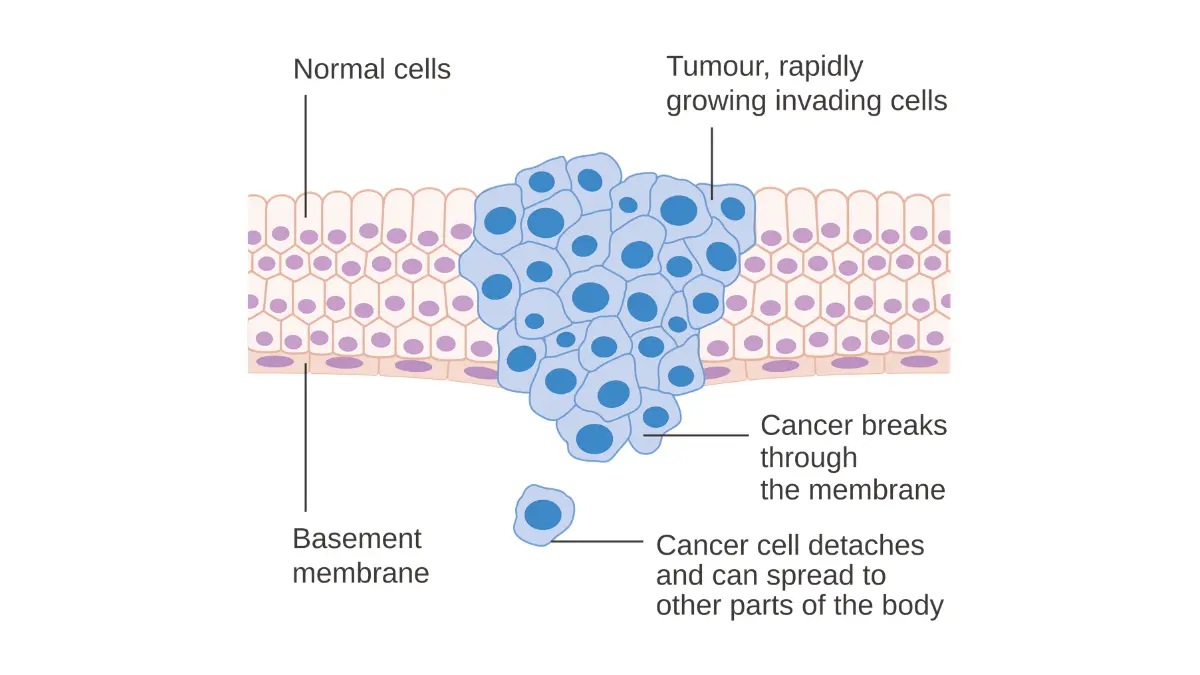
But a chronic cough — one that persists beyond 8 consecutive weeks — is a different story entirely. According to the American Cancer Society, a persistent or worsening cough is one of the most common early signs of lung cancer, present in 65% of patients at the time of diagnosis, rising to over 80% in advanced disease.
That number is significant. Yet most people wait months before seeking evaluation — often because the cough feels “minor” or is attributed to seasonal allergies or acid reflux.
The key distinction is not the sound of the cough. It is the pattern.
- Does it persist beyond 8 weeks?
- Is it getting progressively worse?
- Is it accompanied by any other new symptoms?
If the answer to any of these is yes, that cough may be an important warning sign of lung cancer and requires medical evaluation — not monitoring at home.
For a comprehensive overview of all early warning signals, see our guide on early signs of lung cancer.
7 Red Flag Signs Your Cough Could Be a Sign of Lung Cancer
Not every cough requires an oncology referral. But these 7 characteristics are recognized red flags used by pulmonologists and oncologists to flag a lung cancer cough from a benign one.
1. Duration Beyond 8 Weeks
A cough lasting more than 8 consecutive weeks meets the clinical definition of a chronic cough. This is the single most important threshold. According to the National Cancer Institute, persistent coughing is among the most frequently reported early lung cancer warning signs.
2. Progressive Worsening Over Time
A lung cancer cough doesn’t stay the same — it deepens, becomes more frequent, or changes in character over weeks and months. Any cough that evolves rather than resolves should trigger an evaluation.
3. Coughing Up Blood (Hemoptysis)
Even rust-colored, pink-tinged, or blood-streaked mucus is a medical emergency. Coughing up blood — hemoptysis — can indicate tumor erosion of a blood vessel. Do not wait to see a doctor. Go to the ER or urgent care same day.
4. Night Cough or Early Morning Cough
A lung cancer cough often worsens at night or immediately upon waking. This pattern differs from allergy-related coughs (which worsen with pollen exposure) and reflux coughs (which often follow meals).
5. Cough Accompanied by Other New Symptoms
A cough that arrives alongside unexplained weight loss, chest pain, shortness of breath, or fatigue is significantly more concerning than a cough in isolation. The combination of symptoms is what alerts physicians to investigate for lung cancer warning signs.
6. Recurrent Respiratory Infections
Lung cancer tumors can obstruct airways and trap mucus, creating a breeding ground for bacteria. If you’ve had two or more episodes of pneumonia or bronchitis in a single year, this recurring infection pattern can itself be a sign of lung cancer.
7. New Hoarseness Alongside the Cough
Hoarseness that develops together with a persistent cough may indicate that a tumor is pressing on the recurrent laryngeal nerve — a specific finding more common in non-small cell lung cancer (NSCLC). Do not dismiss this combination.
🔴 Red Flag Comparison Table: Normal Cough vs. Possible Lung Cancer Cough
| Feature | Typical Benign Cough | Possible Lung Cancer Cough |
|---|---|---|
| Duration | Resolves within 2–3 weeks | Persists beyond 8 weeks |
| Progression | Improves over time | Gets worse or changes character |
| Mucus/Blood | Clear or yellow mucus | Blood-streaked or rust-colored sputum |
| Night Pattern | Usually improves at night | Often worse at night or on waking |
| Response to OTC Meds | Improves with cold/allergy meds | Minimal or no response to medication |
| Associated Symptoms | Runny nose, sore throat, fever | Weight loss, hoarseness, chest pain |
| Infection Pattern | Single episode | Recurring pneumonia or bronchitis |
What Does a Lung Cancer Cough Sound Like?
This is the most-searched question on this topic — and the honest answer may surprise you.
There is no single specific sound that identifies a lung cancer cough.
According to Mayo Clinic, lung cancer coughs present very differently depending on tumor location, type, and stage. What matters is not the sound, but the pattern and accompanying features.
Lung Cancer Cough Types — What Each Means
| Cough Type | What It Sounds/Feels Like | Clinical Significance |
|---|---|---|
| Dry / Tickling | Constant throat-clearing urge, no mucus | Early airway irritation from tumor — common in initial stages |
| Wet / Productive | Mucus-producing, coughing up phlegm | Tumor blocking normal mucus drainage |
| Bloody (Hemoptysis) | Pink, rust, or red-tinged mucus | Tumor eroding a blood vessel — requires immediate care |
| Barking / Wheezing | High-pitched, labored sound | Airway narrowed by tumor — associated with central NSCLC |
| Spasmodic | Comes in uncontrollable bursts | Advanced disease or pleural effusion involvement |
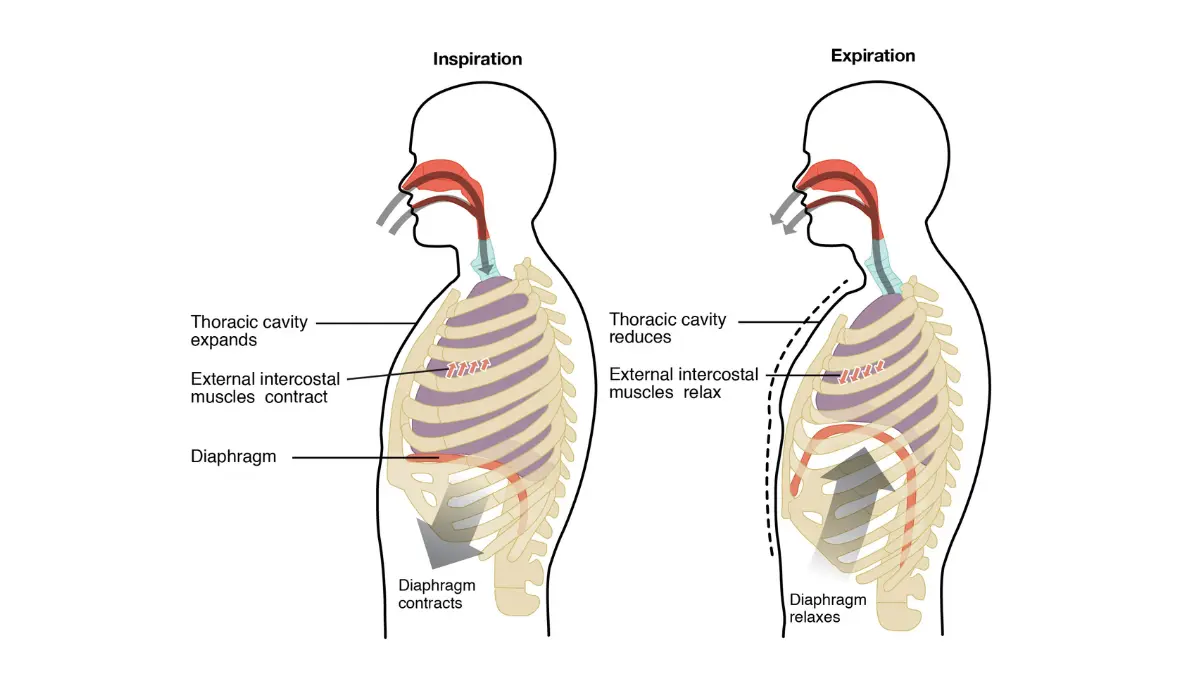
The typical progression in lung cancer coughs follows a pattern: dry → productive → potentially hemoptysis. Many patients also report a constant sensation of needing to clear their throat — long before any mucus develops.
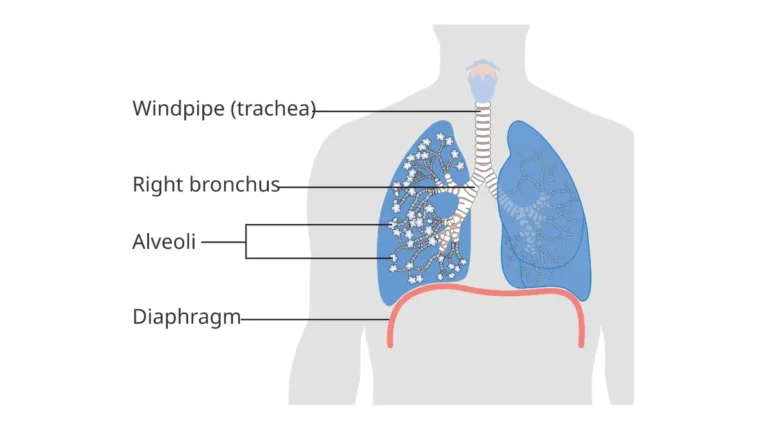
Lung cancer can also cause fluid to accumulate between the lungs and chest wall (pleural effusion), which triggers its own distinctive cough alongside shortness of breath. The American Lung Association identifies both persistent cough and shortness of breath as primary symptoms warranting immediate physician evaluation.
What This Means For You: Don’t wait for a dramatic “cancer cough.” A subtle, dry, persistent tickle in your throat that won’t resolve after 8 weeks is already a reason to call your doctor.
Who Is Most at Risk? Signs of Lung Cancer Aren’t Just for Smokers
One of the most dangerous myths in cancer medicine is that lung cancer is a “smoker’s disease.” In reality, approximately 20–25% of all lung cancer cases worldwide occur in people who have never smoked, according to the World Health Organization.
Understanding your risk profile determines how seriously you should treat a persistent cough as a potential sign of lung cancer.
Smokers and Former Smokers — Highest Risk Group
Cigarette smoking remains the single largest risk factor, responsible for approximately 80% of lung cancer deaths in the USA. Risk scales directly with pack-year history (packs per day × years smoked). Current and former smokers carry elevated risk for decades after quitting.
Non-Smokers — A Growing and Underserved Group
Non-smoking lung cancer is rising globally. Primary causes include:
- Radon gas — the second leading cause of lung cancer in the US, present in homes across all 50 states. The EPA’s radon information page recommends testing every home every five years.
- Secondhand smoke exposure — responsible for approximately 7,300 lung cancer deaths annually in the USA (CDC data)
- Occupational carcinogens — asbestos, diesel fumes, silica, arsenic
- Air pollution — classified as a Group 1 carcinogen by IARC
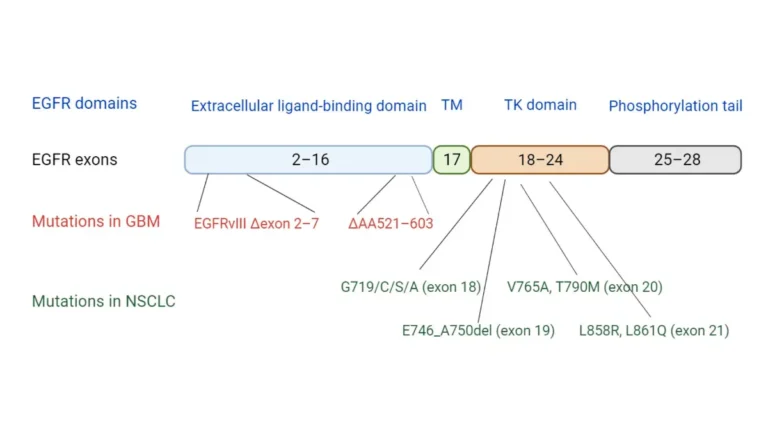
- Genetic mutations — particularly EGFR mutations, more common in non-smoking adenocarcinoma patients
Assess your personal cancer risk factors using our Genetic Risk Assessment Tool.
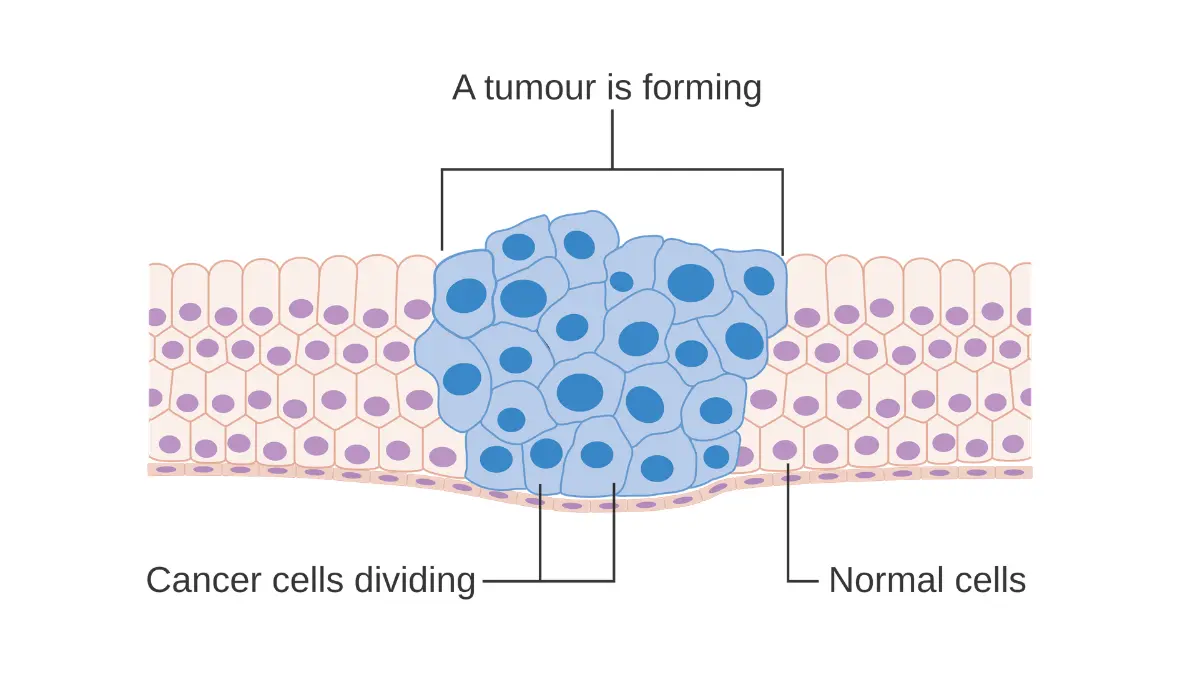
Women — An Increasingly Important Risk Group
Women are now being diagnosed with lung cancer at younger ages and with less smoking history than ever before. Research cited by the CDC’s lung cancer data resource shows that adenocarcinoma — the most common subtype in non-smokers — disproportionately affects women under 50.
Women also have a heightened cough reflex sensitivity compared to men, meaning a lung cancer cough may present at lower thresholds and be mistaken more easily for allergies or asthma. For a dedicated breakdown of gender-specific warning signals, see our article on lung cancer symptoms in women.
Quick Risk Profile Summary
| Risk Group | Key Risk Factors | Recommended Action |
|---|---|---|
| Current Smoker, Age 50–80 | High — qualifies for annual LDCT | Schedule LDCT screening now |
| Former Smoker, Quit <15 years ago | Elevated — may qualify for LDCT | Discuss with physician |
| Non-Smoker, Radon Exposure | Moderate | Test home for radon; see doctor for any cough >8 weeks |
| Women, Age 40–60, No Smoking History | Rising incidence — adenocarcinoma | Don’t dismiss persistent cough; consult physician |
| Occupational Asbestos/Chemical Exposure | Elevated — independent of smoking | Annual check-up; report cough changes promptly |
When Is Your Cough Serious? A 3-Level Action Framework
No competitor currently offers a structured urgency triage system for evaluating a cough. This is our gift to every reader who doesn’t know whether to call 911, book a GP appointment, or just wait and see.
🔴 Tier 1 — Act Immediately (Within 24 Hours)
Seek emergency care or go to the ER today if your cough is accompanied by:
- Coughing up blood (any amount — even specks in mucus)
- Severe chest pain that worsens with breathing
- Sudden inability to breathe or acute shortness of breath
- Fainting or dizziness alongside coughing
These are potential signs of advanced lung cancer, pulmonary embolism, or life-threatening hemorrhage.
🟡 Tier 2 — See Your Doctor This Week
Schedule a primary care appointment within 5–7 days if your cough includes:
- Lasting more than 3 weeks and not improving
- Hoarseness or voice changes that appeared with the cough
- Unexplained weight loss of 5+ pounds in the past 2 months
- Night sweats, fatigue, or loss of appetite alongside the cough
- A cough that has changed in character (from dry to wet, or become deeper)
🟢 Tier 3 — Monitor for 2 Weeks
Track your symptoms carefully and schedule a check-up if there’s no improvement if your cough:
- Started within the past 2 weeks
- Has no accompanying symptoms (no pain, weight loss, blood, or hoarseness)
- Is associated with a recent cold or known allergy season
What to Tell Your Doctor: Track when the cough started, how it has changed, whether it worsens at night, any mucus color or blood, your smoking history, family history of lung cancer, and any occupational exposures. Being specific gives your physician the data they need to act fast.
2026 Lung Cancer Screening Eligibility (USPSTF)
Per the U.S. Preventive Services Task Force, annual low-dose CT (LDCT) screening is recommended for adults who meet ALL three criteria:
- ✅ Age 50 to 80 years
- ✅ At least a 20 pack-year smoking history
- ✅ Currently smoke or quit within the past 15 years
If you qualify, do not delay. According to NCI lung cancer screening data, LDCT screening reduces lung cancer mortality by up to 20% in high-risk individuals.
For a broader understanding of how cancer progresses and what staging means, see our guide on lung cancer stages explained.
What Happens After You See a Doctor? Tests, Timeline & Survival Reality
If your doctor suspects your cough may be a sign of lung cancer, the diagnostic process is structured, efficient, and — most importantly — designed to provide answers quickly.
The Diagnostic Pathway (Step by Step)
| Step | Test | Purpose |
|---|---|---|
| 1 | Physical exam + history | Assess cough pattern, smoking history, risk factors |
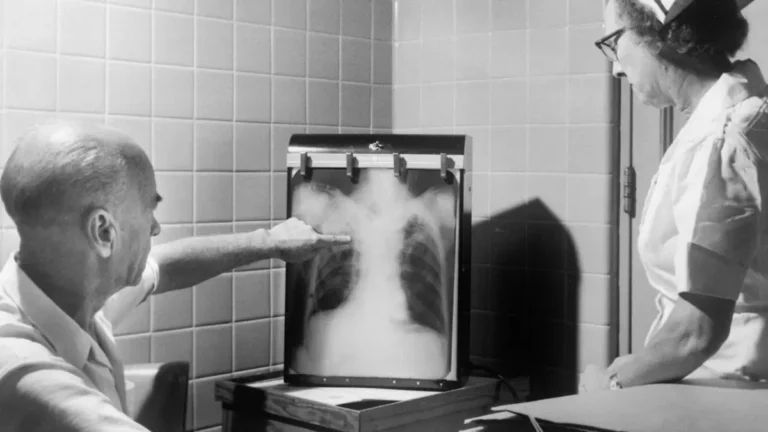
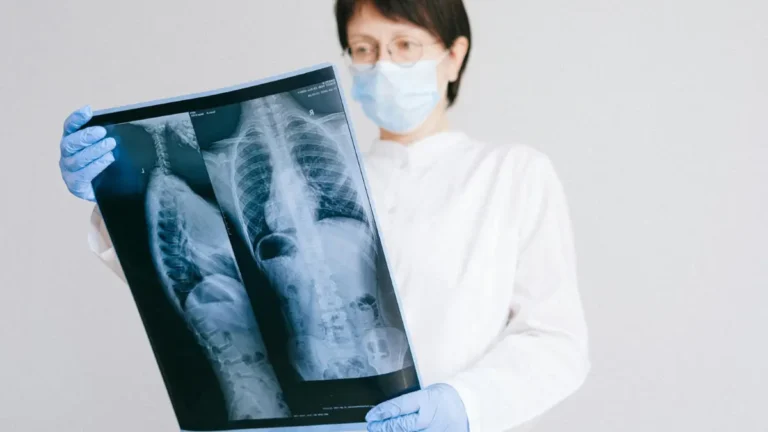
| 2 | Chest X-ray | Initial screen for masses, fluid, or abnormalities |
| 3 | Low-Dose CT Scan (LDCT) | Gold-standard imaging for nodule detection (2026) |
| 4 | Sputum Cytology | Examines mucus cells for cancerous material |
| 5 | Bronchoscopy | Camera visualization of airways; tissue sampling |
| 6 | Biopsy | Confirms cancer type — NSCLC vs. SCLC |
| 7 | PET Scan / MRI | Determines whether cancer has spread (staging) |
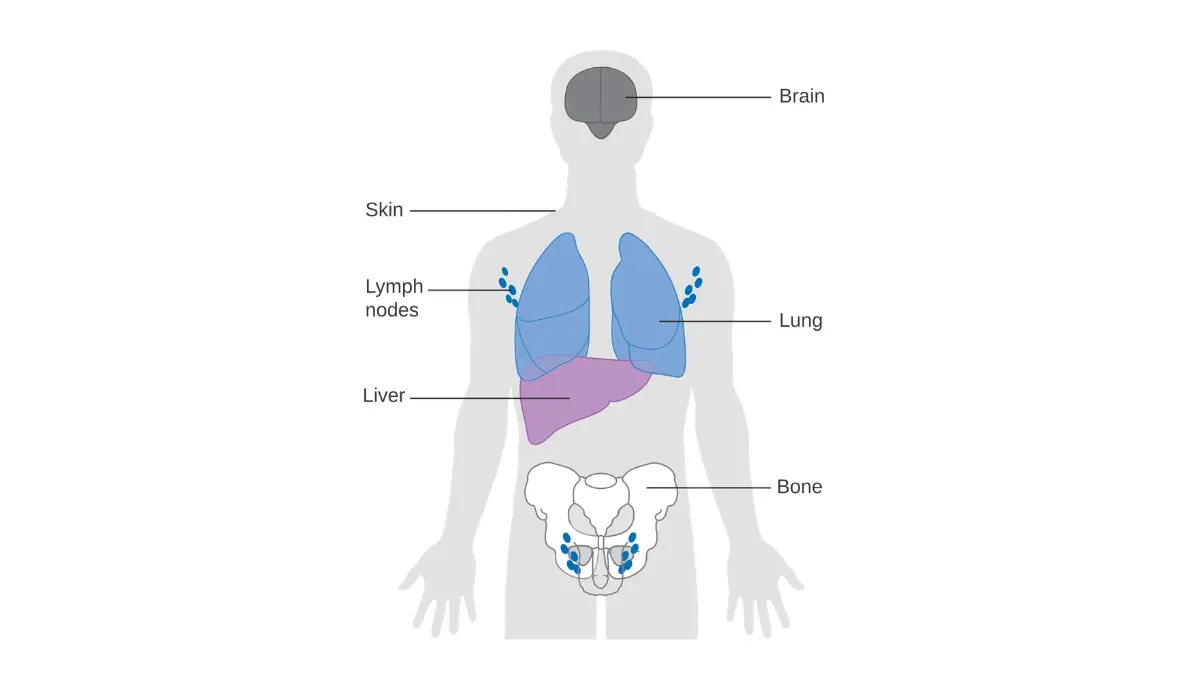
Why Early Detection Changes Everything
According to Johns Hopkins Medicine, Stage 1 non-small cell lung cancer carries a 5-year survival rate of 60–80% when treated with surgery or targeted therapy. By Stage 4, that figure falls to approximately 8%.
The difference between Stage 1 and Stage 4 is often just a matter of months — and those months frequently hinge on whether someone acted on a persistent cough early or dismissed it as “just a tickle.”
For detailed stage-by-stage outcomes, visit our article on lung cancer statistics and survival rates.
Important reassurance: The vast majority of people who are evaluated for a cough do NOT have lung cancer. Most chronic coughs are caused by GERD, post-nasal drip, asthma, or infections. The diagnostic process is designed to rule out serious causes — not to alarm you unnecessarily.
If any early warning signs of lung cancer appear, explore our complete resource at our lung cancer early warnings guide and our pillar article What Is Lung Cancer for the full clinical picture.
If your cough has been worrying you, trust that instinct. Call your doctor today. Early action is the single most powerful weapon against lung cancer.
Frequently Asked Questions: Cough and Lung Cancer
1. Is a persistent cough always a sign of lung cancer?
No. The vast majority of persistent coughs have benign causes — GERD, allergies, post-nasal drip, or infections. However, a cough lasting 8+ weeks with any red flag symptom must be medically evaluated.
2. What does a lung cancer cough feel like in the early stages?
It often begins as a dry, subtle tickling sensation or constant urge to clear your throat. Many patients describe it as feeling “different” from previous coughs — it lingers rather than fading.
3. Can non-smokers have a lung cancer cough?
Yes. Around 20–25% of lung cancer patients are non-smokers. Radon exposure, air pollution, secondhand smoke, and EGFR genetic mutations are all independent causes of lung cancer — and the chronic cough that may signal it.
4. How long should a cough last before you see a doctor?
See a doctor if a cough persists beyond 3 weeks without improvement. Medically, a cough beyond 8 weeks is classified as “chronic.” If any red flag symptom accompanies a shorter cough, see a doctor immediately.
5. Is a dry cough a sign of lung cancer?
Yes — a dry cough is often the earliest sign of lung cancer, particularly in central airway tumors. It typically precedes productive or bloody coughs as the disease progresses.
6. Can a lung cancer cough come and go?
Yes. In early stages, a lung cancer cough can fluctuate in intensity. An intermittent cough that gradually becomes more frequent or intense over weeks and months is a recognized early warning pattern.
7. Does coughing up blood always mean lung cancer?
Not always — hemoptysis can result from infections, bronchitis, or trauma. However, any instance of coughing up blood is a medical emergency requiring same-day evaluation. Do not wait for another episode.
8. Are signs of lung cancer different in women?
Yes. Women have higher cough reflex sensitivity and are increasingly diagnosed with adenocarcinoma — a lung cancer subtype often occurring in non-smokers. A persistent cough in a woman under 50 with no smoking history should never be dismissed. Read our full guide on lung cancer symptoms in women.
9. Who qualifies for free lung cancer screening in 2026?
Per USPSTF 2026 guidelines: adults aged 50–80, with at least a 20 pack-year smoking history, who currently smoke or quit within the past 15 years qualify for annual low-dose CT (LDCT) screening — often covered by insurance and Medicare.
10. What is the survival rate if lung cancer is caught at Stage 1?
Stage 1 NSCLC has a 5-year survival rate of 60–80% with surgical treatment. This is why early recognition of a sign of lung cancer — including a persistent cough — can be genuinely life-saving. See our detailed breakdown at Stage 1 lung cancer survival.
11. How is lung cancer different from small cell and non-small cell types?
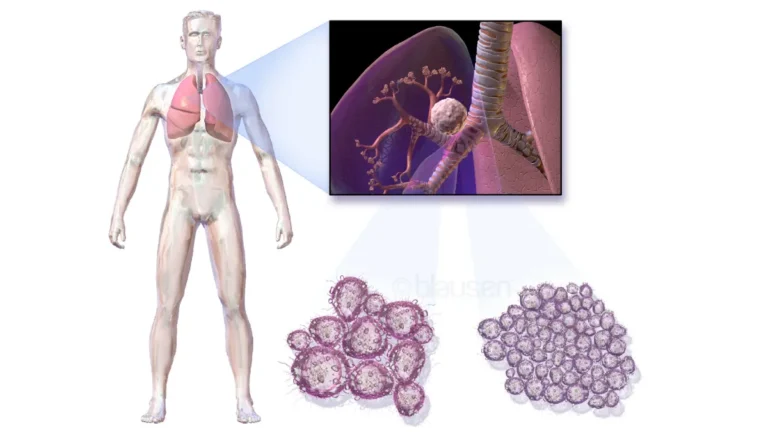
Non-small cell lung cancer (NSCLC) accounts for approximately 85% of all cases and tends to grow more slowly. Small cell lung cancer (SCLC) is rarer but more aggressive. Both can present with a chronic cough as an early sign of lung cancer. Compare both types in our guide on NSCLC vs. SCLC.
Key Takeaway: A cough is the body’s way of signaling that something needs attention. Most of the time, it’s harmless. But when a cough persists, worsens, or arrives with other warning signs, it is among the most important and actionable early signs of lung cancer. Do not dismiss it. Do not wait. See your doctor.
This article is for educational purposes only. It does not constitute medical advice or replace consultation with a qualified physician. If you are concerned about your symptoms, contact your healthcare provider promptly.
About this content
How this article was put together: researched from recognised health sources, drafted with the help of AI tools, and edited by hand, with sources linked throughout.

Sameer Patel is the founder and editor of My Medicine Advisor. He is not a doctor or medical professional — before starting this site he worked in banking,…
Medical disclaimer
The content on MyMedicineAdvisor is provided for general informational and educational purposes only and is not a substitute for professional medical advice, diagnosis, or treatment. Health information on this website should not be used to diagnose, treat, cure, or prevent any condition without guidance from a qualified healthcare professional. Always seek the advice of your doctor, physician, or another licensed healthcare provider with any questions you may have regarding a medical condition, symptoms, medications, or treatment decisions.