
On This Page – Quick Medical Summary
What to expect as you recover from prostate surgery
If you’re reading this before or soon after a radical prostatectomy, you probably have three questions: how long until you feel normal, whether you’ll regain bladder control, and whether your sex life will recover. This guide answers each, with a realistic week-by-week timeline.
Where you are right now shapes what matters most. If you’re planning surgery, the timeline and the questions to ask your surgeon come first. If your operation was days ago, the catheter, early activity limits, and warning signs matter most. If you’re a few weeks out, the continence and erectile-recovery sections will speak to you. If your main worry is cancer coming back, head to how PSA testing works after surgery.
Most men recover steadily, and the two side effects that cause the most worry — leaking urine and erection changes — improve for the majority over the following months. For the bigger picture of how prostate cancer is staged and treated, see our main guide.
ℹ️ Medical Disclaimer: This article is general health education, not medical advice. It does not diagnose any condition; recommend, start, or adjust any treatment, medication, or surgical procedure; or replace guidance about your insurance coverage. Decisions about surgery, recovery, medications, and PSA monitoring should be made with your board-certified urologist, who knows your full history. If you think you have a medical emergency, call your local emergency number.
The first days: hospital stay, catheter, and going home
The first two weeks follow a fairly predictable pattern, shaped mostly by whether you had robotic or open surgery.
How long you’ll stay in the hospital
Most men go home 1 to 2 days after robot-assisted surgery and about 2 to 4 days after open surgery. Robotic surgery generally means less blood loss, less pain, and a shorter stay. Nurses will have you up and walking within hours, which lowers the risk of blood clots.
How long the catheter stays in
After a radical prostatectomy, a urinary catheter usually stays in for about 1 to 2 weeks — often around 7 days after robotic surgery — while the connection between your bladder and urethra heals. Your surgical team decides the exact timing and will show you how to care for it at home.
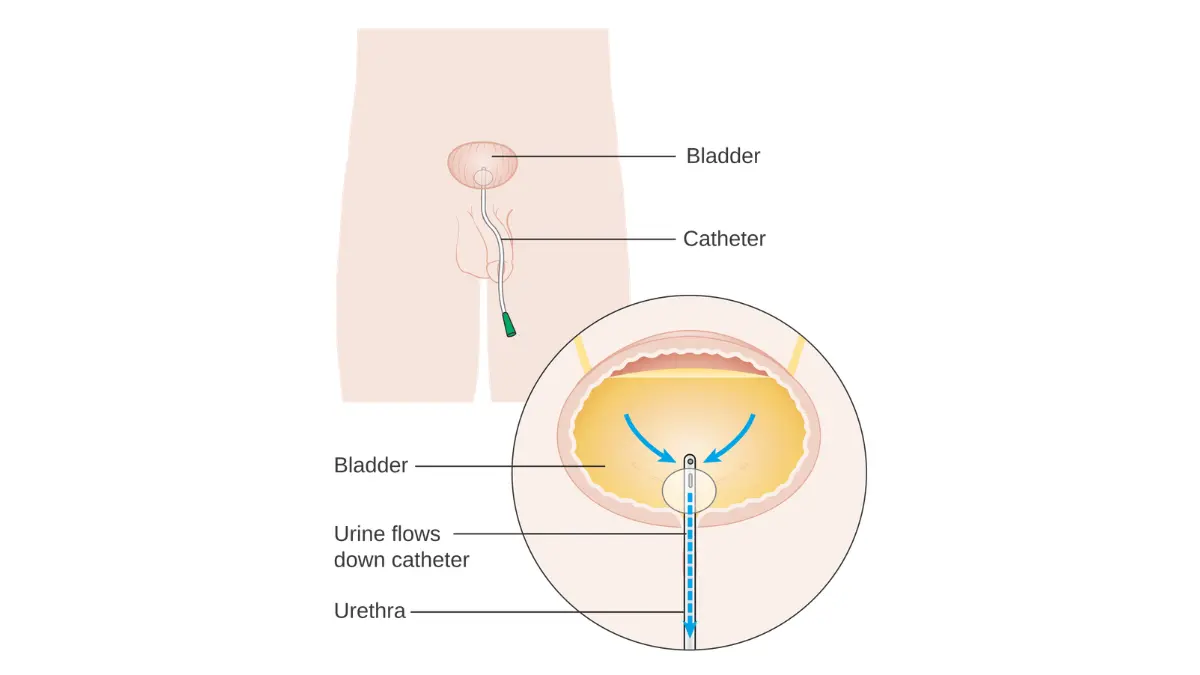
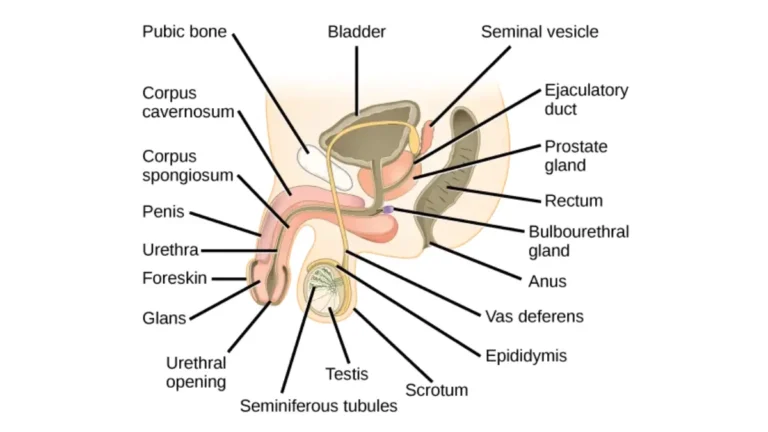
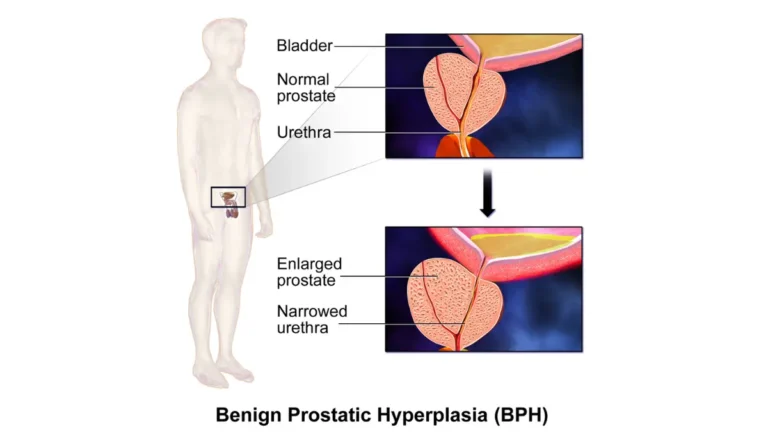
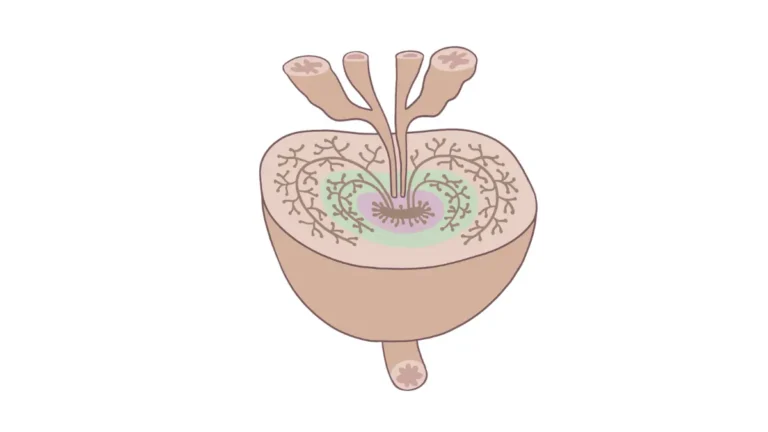
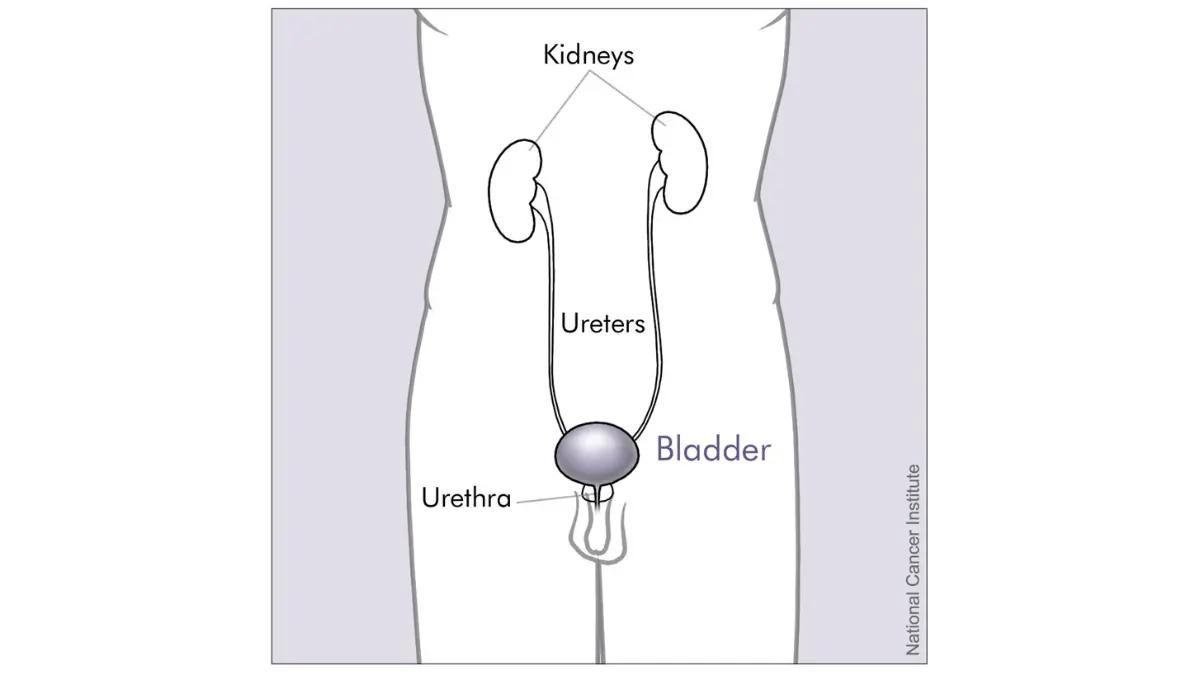
🔬 How It Works: When the prostate is removed, the urethra is reattached to the bladder. The catheter keeps urine away from this fresh join (the anastomosis) so it can heal without leaking, which is why it usually can’t come out earlier.
Robotic vs. open: what changes early recovery
Robotic surgery speeds up the early weeks, but the American Cancer Society’s overview of prostate surgery notes that long-term continence and erection outcomes are about the same as with open surgery. The approach mainly affects how fast you bounce back, not your final result — a point we cover in our comparison of robotic versus open prostatectomy.
Your week-by-week recovery timeline
Recovery happens in stages, and most men can plan their return to normal life around a few milestones.
Most men recover from a radical prostatectomy in stages:
- Days 1–2: hospital stay, then home with the catheter.
- Weeks 1–2: catheter removed; short walks; no heavy lifting.
- Weeks 2–4: gradually increasing light activity.
- Weeks 4–6: most return to normal daily activities and desk work.
- Months 1–6: deeper internal healing, while continence and erections keep improving.
Weeks 1 to 6
Gentle walking starts within days and is encouraged. Avoid strenuous exercise, heavy lifting, and core strain for about 4 to 6 weeks so your incisions and internal stitches can heal. Most men feel close to their normal routine by 4 to 6 weeks, though some need 6 to 8.
Months 1 to 6
The visible recovery is quick, but fuller internal healing takes several months. During this stretch, continence usually keeps improving and erectile recovery slowly begins — both covered below.
When you can drive, lift, and return to work
Most men drive again in about 1 to 2 weeks, once they’re off prescription pain medication and can move comfortably. Desk workers often return in 2 to 4 weeks; physically demanding jobs may need 6 weeks or more. Confirm your personal limits with your surgeon, since lifting too soon can strain your healing.
Regaining urinary control after surgery
Leaking urine after surgery is common, expected, and for most men temporary — though it’s one of the hardest parts of early recovery.
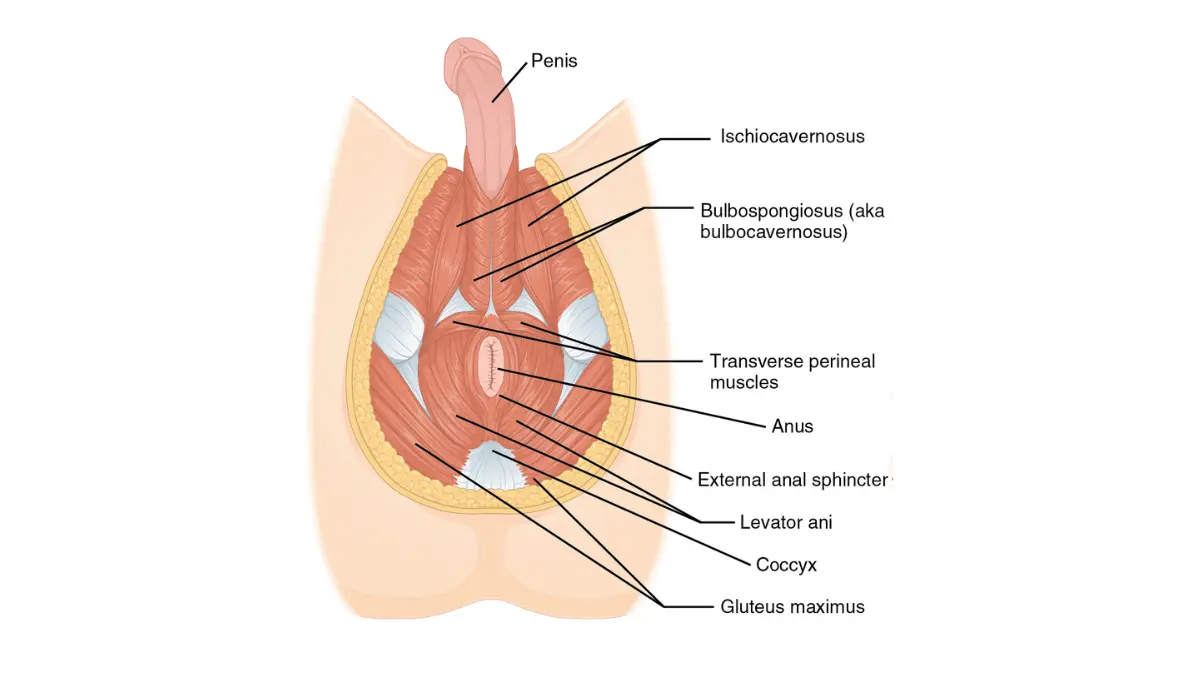
How long bladder control takes to return
Urinary incontinence is usually worst right after the catheter comes out, then improves over weeks to months. In robotic-surgery series, roughly 30% of men have full control by 3 months, about 58% by 6 months, and around 79% by 12 months; the pace varies with age, surgical technique, and anatomy.
📊 Clinical Data Point: Across the published research, 12-month continence rates after radical prostatectomy range from about 69% to 96%, depending largely on how “continent” is defined (no pads versus one safety pad) and on surgical technique — Source: systematic reviews indexed on PubMed. A minority of men have longer-lasting leakage.
Do pelvic floor (Kegel) exercises help?
Pelvic floor muscle training strengthens the muscles that control urine flow and can speed the return of continence. Evidence suggests starting 4 to 6 weeks before surgery and continuing afterward helps most, and these exercises are best learned from a pelvic-floor physical therapist rather than guessed at.
✅ Patient Action: Ask your urologist for a referral to a pelvic-floor physical therapist, and ask specifically: “When should I start pelvic floor exercises, and how will we measure whether they’re working?”
When to seek help
If leakage isn’t improving by several months, effective treatments exist, from continued therapy to procedures. In the meantime, many men use absorbent incontinence pads or guards to stay comfortable and active. (Some links on this page are affiliate links; they are product suggestions, not medical recommendations — ask your clinician or pelvic-floor therapist first.)
Recovering erectile function and sexual health
Erection changes after surgery are common, and recovery is real but slow — often the part that takes the most patience.
Will I be able to get erections again?
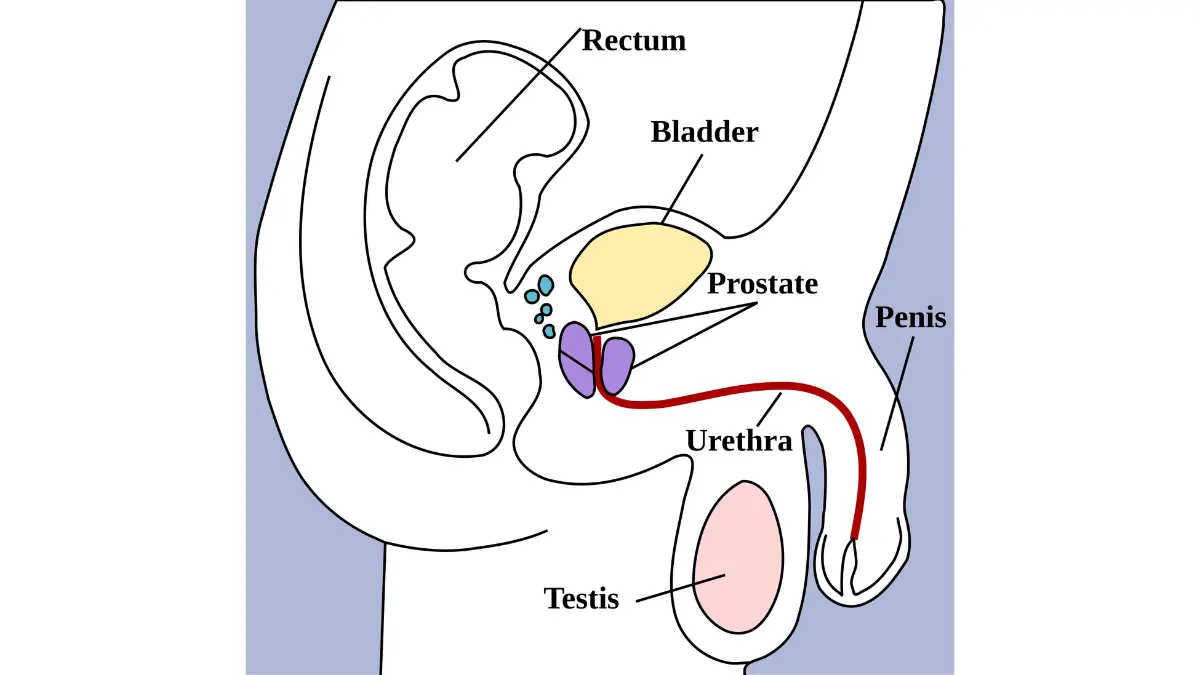
Whether erections return depends heavily on whether the nerves beside the prostate were spared and on how your erections were before surgery. According to the Prostate Cancer Foundation, reviews report that when both nerve bundles are spared, roughly 44% to 93% of men regain erections firm enough for intercourse; with one nerve spared, about 29% to 80% do. The wide ranges reflect differences in age, baseline function, and how much nerve was preserved.
🔬 How It Works: The nerves that control erections run in bundles on either side of the prostate. Even when a surgeon spares them, handling during surgery leaves them temporarily “stunned,” so blood flow to the penis recovers slowly as the nerves heal.
How long erectile recovery takes
Erectile dysfunction is usually most pronounced right after surgery, with the low point lasting up to about 4 months, then improving over 18 to 24 months — and sometimes up to 3 years. Medication classes such as PDE5 inhibitors and structured penile rehabilitation are commonly used to support recovery; a urologist or sexual-medicine specialist tailors these to you.
Treatments and fertility
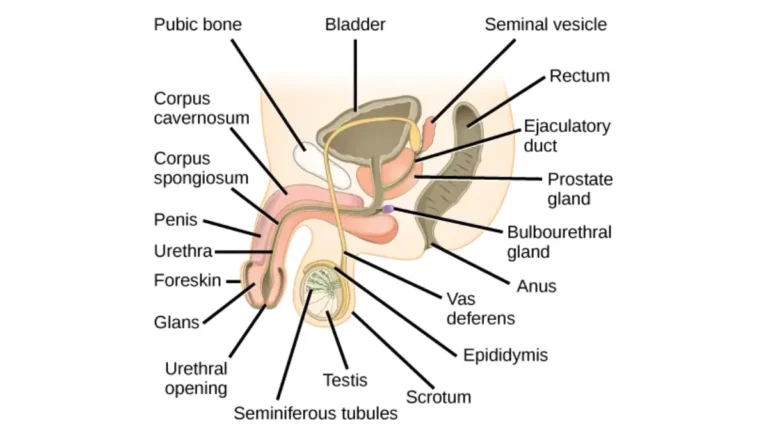
A radical prostatectomy ends natural fertility, because the pathway that carries sperm is removed.
✅ Patient Action: If having biological children matters to you, ask about sperm banking before surgery, and ask your surgeon: “Are you planning nerve-sparing on one or both sides in my case?”
Monitoring recovery: PSA tests after surgery
After surgery, a blood test for prostate-specific antigen (PSA) becomes the main way your team tracks whether all the cancer was removed.
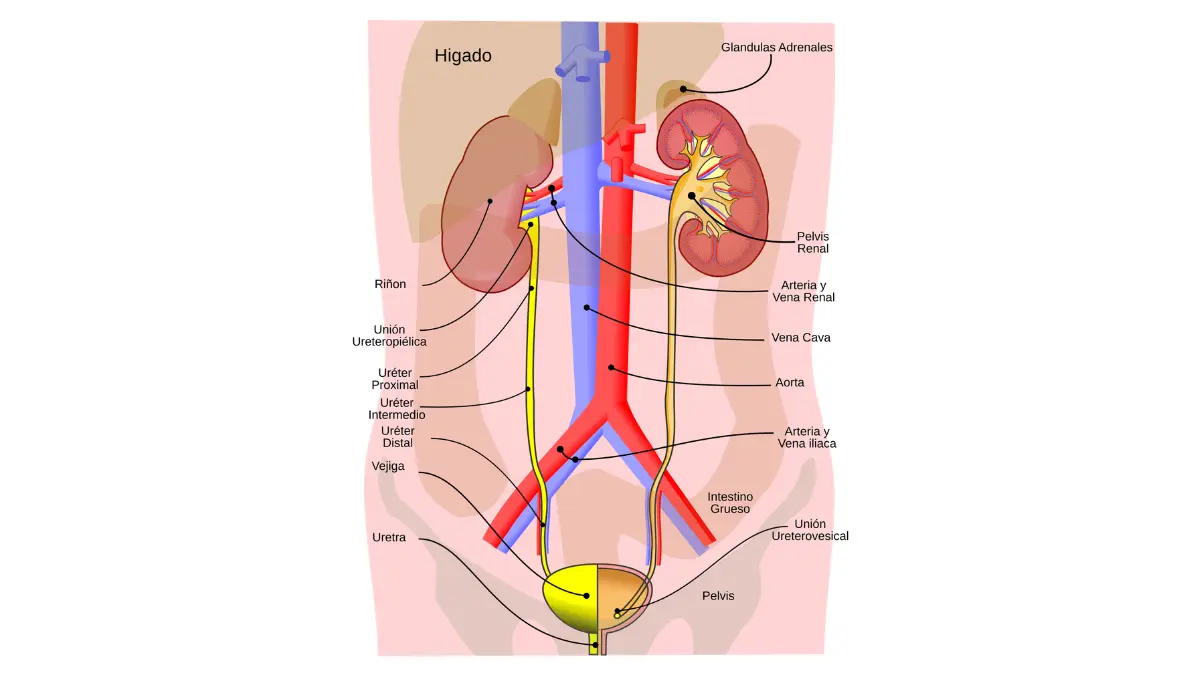
What a normal PSA is after surgery
After a radical prostatectomy, PSA should fall to undetectable — generally below 0.1 ng/mL with standard testing. A confirmed PSA of 0.2 ng/mL or higher is the most widely used definition of recurrence.
🔬 How It Works: The prostate makes nearly all of the PSA in your blood. Once it’s removed, that source is gone, so PSA should drop close to zero within weeks — which is why a measurable, rising level can signal that some prostate cells remain.
What a rising PSA means (biochemical recurrence)
📊 Clinical Data Point: The American Urological Association defines biochemical recurrence after surgery as a PSA of 0.2 ng/mL or higher, confirmed by a second test — Source: AUA guidance documented on PubMed.
A rising number does not mean treatment has failed. Options such as salvage radiation, sometimes with hormone therapy, are used when appropriate. We explain this further in our guide to a rising PSA after treatment.
Your follow-up schedule
PSA is typically checked periodically for years, on a schedule your team sets. Understanding what your PSA number means helps you read each result calmly.
✅ Patient Action: At your next visit, ask: “What is my target PSA, how often will it be checked, and at what number would we take action?”
Warning signs and complications to watch for
Most recoveries are smooth, but a short list of symptoms means you should call your team or seek urgent care rather than wait.
Call your doctor if you notice…
⚠️ Clinical Warning: Contact your surgical team or seek urgent care for a fever or other signs of infection, heavy bleeding, severe or worsening pain, calf swelling or chest symptoms that could signal a blood clot, wound problems, or an inability to urinate after the catheter is removed. These need prompt medical attention, not home management.
Surgical risks in context
Like any major operation, a radical prostatectomy carries risks including bleeding, infection, blood clots, and reactions to anesthesia. Less commonly, the intestine can be injured — slightly more often with robotic or laparoscopic surgery — or a pocket of lymph fluid called a lymphocele can form if lymph nodes were removed. Serious complications are uncommon, and your team screens for them at every follow-up.
Radical prostatectomy recovery: frequently asked questions
1. How long does recovery take after a radical prostatectomy?
Most men recover from a radical prostatectomy in stages: 1–2 days in hospital, the catheter out in about 1–2 weeks, light activity by 2–4 weeks, and normal daily activities by 4–6 weeks. Fuller internal healing continues over 3–6 months.
2. How long does the catheter stay in?
The urinary catheter usually stays in about 1–2 weeks after a radical prostatectomy, often around 7 days after robotic surgery, while the bladder-to-urethra connection heals. Your surgeon sets the exact timing and removes it once healing is on track.
3. How long does it take to regain bladder control?
Bladder control returns gradually — in robotic-surgery series, roughly 58% of men have control by 6 months and about 79% by 12 months, though this varies. Most see steady improvement; ask your urologist if leakage persists past several months.
4. Will I be able to get erections after surgery?
Often, yes, but slowly. With both nerve bundles spared, reviews report roughly 44–93% of men regain erections firm enough for intercourse, typically over 18–24 months. Discuss recovery options with your urologist or a sexual-medicine specialist.
5. When can I go back to work?
Desk workers often return 2–4 weeks after a radical prostatectomy, while physically demanding jobs may need 6 weeks or more. Driving usually resumes in 1–2 weeks, once you’re off prescription pain medicine. Confirm your timeline with your surgeon.
6. What is a normal PSA after radical prostatectomy?
After surgery, PSA should become undetectable — generally below 0.1 ng/mL. A confirmed PSA of 0.2 ng/mL or higher is the standard definition of biochemical recurrence. Ask your urologist what target and schedule apply to you.
7. What are the main side effects of radical prostatectomy?
The two most common long-term side effects are urinary incontinence and erectile dysfunction. Both are often temporary or improve over months, and effective treatments exist. Your care team can help you manage either one.
8. Is robotic prostatectomy recovery faster than open surgery?
Robotic surgery generally means less blood loss, less pain, a shorter hospital stay, and quicker early recovery. However, long-term continence, erection, and cancer outcomes are about the same as with open surgery.
9. Do pelvic floor exercises help after prostatectomy?
Yes — pelvic floor (Kegel) exercises can speed the return of bladder control, especially when started before surgery and continued afterward. They are best learned from a pelvic-floor physical therapist, so ask your urologist for a referral.
10. When can I drive, exercise, or lift after surgery?
Most men drive again in 1–2 weeks once off pain medication and resume light activity over 2–4 weeks. Avoid heavy lifting and strenuous exercise for about 4–6 weeks. Confirm specific limits with your surgeon.
11. What does a rising PSA after prostatectomy mean?
A rising PSA may signal biochemical recurrence (a confirmed level of 0.2 ng/mL or higher). It does not mean treatment has failed — salvage options such as radiation, sometimes with hormone therapy, are available. Your urologist will advise on next steps.
Recovering well — and what to do next
Recovery from a radical prostatectomy is a gradual, well-mapped process, and the worries that loom largest beforehand — leaking urine and erection changes — improve for most men over the months that follow. Knowing the timeline turns an anxious wait into a series of expected milestones.
The most useful things you can do are simple: keep every follow-up appointment, stay on schedule with your PSA tests, start pelvic-floor exercises with a therapist’s guidance, and call your team promptly about any warning sign. Your urologist knows your situation best and is your partner through each stage. Consider downloading our week-by-week recovery checklist to track your progress and the questions you want to ask.
About this content
How this article was put together: researched from recognised health sources, drafted with the help of AI tools, and edited by hand, with sources linked throughout.

Sameer Patel is the founder and editor of My Medicine Advisor. He is not a doctor or medical professional — before starting this site he worked in banking,…
Medical disclaimer
The content on MyMedicineAdvisor is provided for general informational and educational purposes only and is not a substitute for professional medical advice, diagnosis, or treatment. Health information on this website should not be used to diagnose, treat, cure, or prevent any condition without guidance from a qualified healthcare professional. Always seek the advice of your doctor, physician, or another licensed healthcare provider with any questions you may have regarding a medical condition, symptoms, medications, or treatment decisions.