
On This Page – Quick Medical Summary
Understanding Your HIV Test Results
Understanding Your HIV Test Results: The Basics
Your HIV test results reveal whether the human immunodeficiency virus is present in your body—but understanding what those results truly mean requires more than just reading “positive” or “negative.” Within 60 seconds of opening your results, you need clarity, not confusion. This guide decodes every aspect of HIV test results with 2026 medical data to give you immediate, actionable answers.
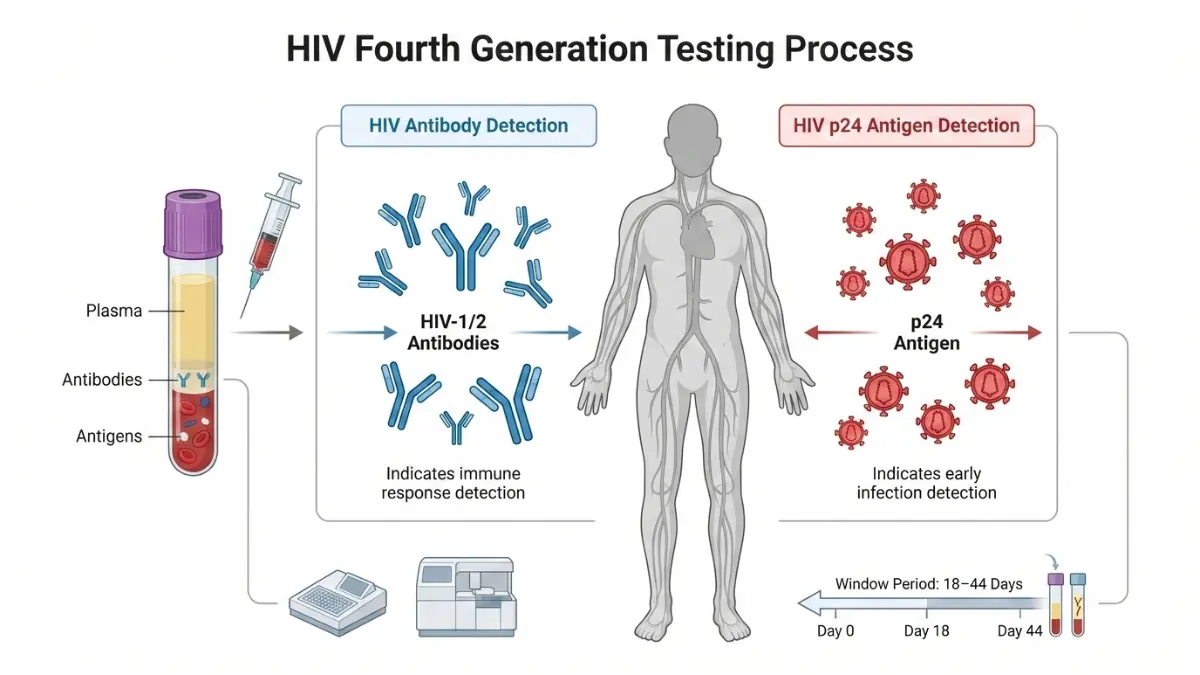
When you receive HIV test results, you’re getting information about antibodies, antigens, or viral genetic material detected in your blood or oral fluid. Modern testing technology has evolved dramatically, with fourth-generation tests now detecting infections as early as 18 days after exposure according to CDC HIV testing guidelines. Understanding your specific test type is crucial because timing directly affects accuracy.
What HIV Test Results Actually Tell You
HIV testing measures your body’s immune response to the virus or detects the virus itself. Your results fall into three categories: negative, positive, or indeterminate. Each outcome requires specific next steps, and understanding the window period—the time between infection and detection—is critical for accurate interpretation.
The window period varies by test type:
- Fourth-generation antibody/antigen tests: 18-44 days
- Antibody-only tests: 23-90 days
- RNA/NAT tests: 10-33 days
If you’re experiencing unusual symptoms after potential exposure, our Symptom Checker can help identify concerning patterns that warrant immediate medical consultation.
The Three Possible Outcomes Explained
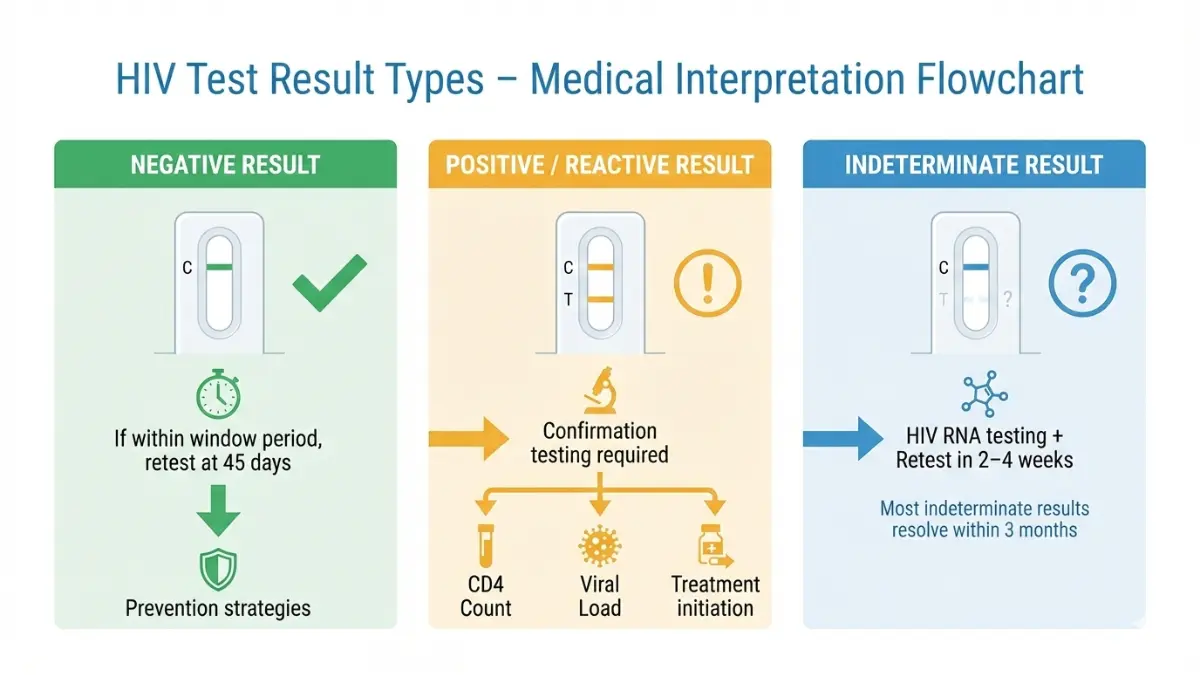
Negative results mean no HIV antibodies or antigens were detected at testing time. However, testing within the window period can produce false negatives. Positive results indicate HIV antibodies or antigens were detected and require confirmatory testing. Indeterminate results occur when test outcomes are unclear—this happens in roughly 2-4% of initial screenings and necessitates repeat testing.
Key Takeaway: No single test definitively diagnoses HIV infection. The National Institutes of Health testing protocols require follow-up confirmation for any positive result to eliminate false positives.
Why Timing Matters for Accurate Results
Testing too early after potential exposure is the primary cause of false negative HIV test results. Your immune system needs time to produce detectable antibodies—typically 2-6 weeks for most people using modern fourth-generation tests. The 2026 clinical standard recommends retesting 45 days post-exposure for conclusive results, though many infections are detectable much earlier.
What This Means For You: If you tested within 45 days of potential exposure and received a negative result, schedule a follow-up test after the window period closes. During this waiting period, practice prevention measures and consider post-exposure prophylaxis (PEP) if exposure occurred within the past 72 hours.
Decoding Each HIV Test Result Type
Decoding Each HIV Test Result: What They Really Mean
Each HIV test result tells a different story, and misinterpreting yours can lead to unnecessary anxiety or dangerous complacency. Understanding exactly what your specific result means—and what immediate actions to take—is essential for your health and peace of mind.
Negative Results: Understanding the Window Period
A negative HIV test result means the test found no detectable HIV antibodies, antigens, or viral RNA in your sample. For 2026, the most accurate fourth-generation tests can detect 99.7% of infections when used after the complete window period according to CDC laboratory testing standards.
Critical timing factors for negative results:
- Days 0-18: Too early for most tests to detect infection
- Days 18-44: Fourth-generation tests detect 95-99% of cases
- Day 45+: Nearly 100% detection rate achieved
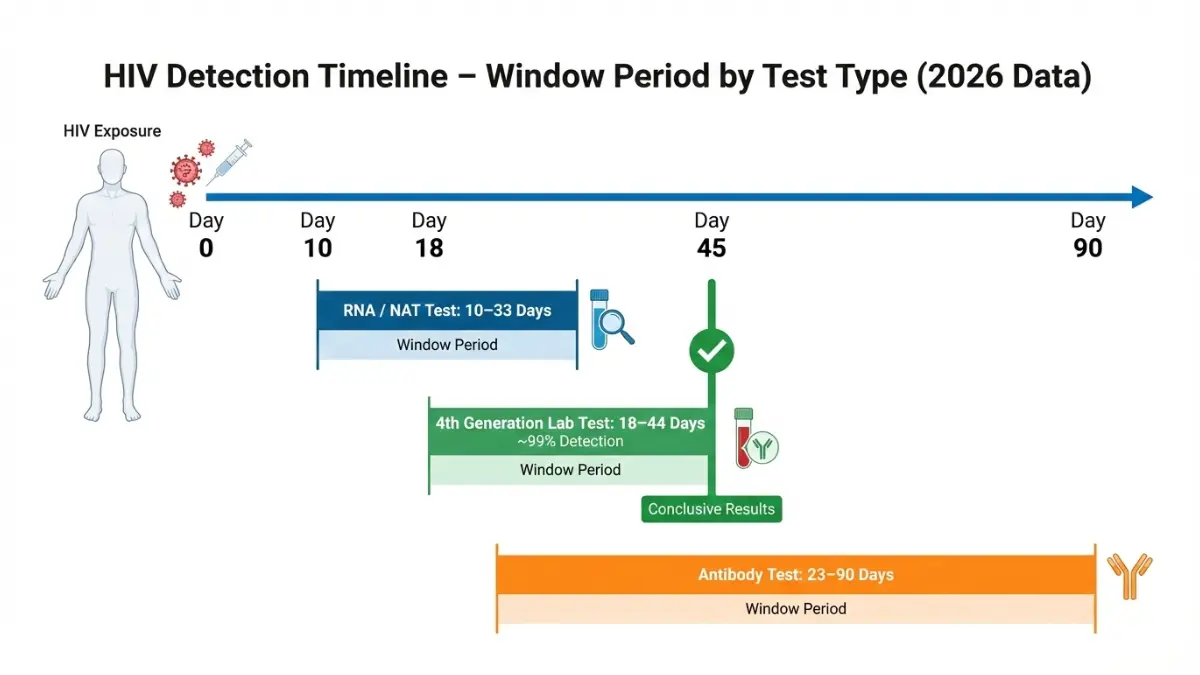
When to retest after negative results:
- Immediately if you had high-risk exposure within 72 hours (consider PEP)
- At 45 days post-exposure for conclusive results
- Every 3-6 months if you have ongoing risk factors
- After each new potential exposure
False negative results occur primarily during the window period. If you tested negative but had recent exposure—within the past 6 weeks—your result may not reflect current infection status. The window period varies individually based on immune system response, making follow-up testing essential.
What This Means For You: A negative result offers peace of mind only when testing occurs outside the window period. If you engage in regular high-risk activities, consider pre-exposure prophylaxis (PrEP) medication, which reduces HIV transmission risk by up to 99% when taken consistently.
Positive Results: Your Immediate Next Steps
A positive or “reactive” HIV test result indicates the test detected HIV antibodies, antigens, or viral genetic material. Important distinction: A single positive screening test is never considered diagnostic. Confirmatory testing is mandatory and typically happens automatically through your laboratory or healthcare provider.
The confirmation process involves:
- HIV-1/HIV-2 antibody differentiation test to distinguish virus types
- HIV-1 RNA testing if antibody results are negative or indeterminate
- Baseline viral load measurement to assess infection stage
According to Johns Hopkins HIV clinical guidelines, confirmation typically takes 1-7 days depending on testing location. During this period, anxiety is normal—but remember that false positive rates on screening tests range from 0.02-0.5%, meaning confirmatory testing occasionally reveals initial results were inaccurate.
U=U (Undetectable = Untransmittable) explained: Modern antiretroviral therapy (ART) can reduce viral loads to undetectable levels within 3-6 months. When your viral load remains undetectable for at least 6 months with consistent ART adherence, you cannot transmit HIV sexually—this is scientifically proven and endorsed by major health organizations worldwide.
If your test is confirmed positive:
- Viral load indicates amount of virus in blood
- CD4 count measures immune system strength
- Resistance testing identifies most effective medications
- Treatment initiation should begin as soon as possible
Similar to how understanding CBC blood test results helps monitor overall health, tracking your HIV-specific lab values becomes part of routine healthcare management.
Indeterminate Results: The Gray Zone Explained
Indeterminate HIV test results occur when screening tests produce unclear or conflicting signals. This happens in approximately 2-4% of initial screenings and doesn’t automatically indicate HIV infection. Multiple factors can cause indeterminate results beyond actual HIV infection.
Common causes of indeterminate results:
- Very early infection (window period testing)
- HIV vaccine clinical trial participation (antibodies from vaccine, not infection)
- Autoimmune conditions (lupus, rheumatoid arthritis producing cross-reactive antibodies)
- Recent influenza vaccination (temporary antibody interference)
- Pregnancy (immune system changes affecting test reactions)
- Technical issues with sample collection or processing
The standard protocol for indeterminate results involves HIV-1 RNA testing immediately, followed by repeat antibody testing at 2-4 week intervals. Most indeterminate results resolve within 1-3 months through follow-up testing as either definitively positive or negative.
Managing uncertainty during repeat testing:
- Practice prevention as if potentially infectious
- Avoid blood/organ donation until results clarify
- Inform sexual partners about uncertain status
- Consider PEP if exposure occurred within past 72 hours
What This Means For You: Indeterminate results create anxiety, but they’re usually resolved through systematic retesting. If you’re evaluating other health metrics like TSH levels or investigating concerning symptoms, comprehensive health assessment helps your provider interpret results accurately.
The 60-Minute Action Plan
Your 60-Minute Action Plan After Receiving Results
The first hour after receiving HIV test results is critical—not just medically, but emotionally and practically. This chronological protocol guides you through immediate steps whether your result is positive, negative, or indeterminate.
Minutes 0-20: Immediate Steps
Breathe and process. Receiving any medical test result triggers stress responses. Take 5 minutes to simply acknowledge your emotions without judgment. Whether relief, fear, confusion, or shock—all reactions are valid and normal.
Document your results completely:
- Test type (antibody, antigen/antibody, RNA)
- Date of test and date of sample collection
- Specific result (negative, reactive, indeterminate)
- Testing facility name and contact information
- Any identification numbers or lab codes
Identify your exact test type. Different HIV tests have different window periods and accuracy rates. Fourth-generation tests are most common in U.S. clinical settings, while rapid tests and home tests typically use antibody-only detection. Knowing your specific test type is essential for understanding accuracy and next steps.
If you tested during the window period: Your result may not reflect current infection status. Calculate days since potential exposure—if fewer than 45 days, plan retesting after complete window period regardless of current result.
Minutes 20-40: Critical Actions
Contact your healthcare provider immediately if results are positive or indeterminate. Most testing facilities provide same-day or next-day consultations for reactive results. If you used a home test, call the support hotline printed in your test kit (OraQuick: 1-866-436-7167).
For positive results, ask about:
- Confirmatory testing timeline and procedures
- PrEP for HIV-negative partners
- Baseline blood work scheduling (CD4 count, viral load, resistance testing)
- ART treatment initiation options
- Support services and counseling resources
For negative results within the window period:
- Schedule follow-up testing at day 45 post-exposure
- Discuss PEP if exposure occurred within past 72 hours (85% effective at preventing infection)
- Evaluate PrEP eligibility for ongoing risk reduction
Similar to monitoring vital health metrics with tools like our BMI Calculator, tracking HIV status requires regular follow-up when risk factors persist.
Partner notification considerations: Many jurisdictions offer partner services programs through health departments, where trained specialists help notify previous sexual or needle-sharing partners anonymously. According to CDC partner services guidelines, this critical public health intervention helps prevent ongoing transmission while protecting your privacy.
Minutes 40-60: Planning Next Steps
Schedule confirmation testing immediately if your result was positive or indeterminate. Most laboratories automatically perform confirmatory tests on reactive samples, but verify this is happening and get a timeline for final results (typically 3-7 days).
Activate your support system strategically:
- Medical support: Establish care with HIV specialist if positive
- Emotional support: Identify trusted friend, family member, or counselor
- Community support: Research local HIV support groups (many meet virtually)
- Financial support: Contact hospital financial counselors about assistance programs
Insurance and cost navigation basics:
- Most insurance plans cover HIV testing and treatment without copays under the Affordable Care Act
- Ryan White HIV/AIDS Program provides services for uninsured/underinsured individuals
- State AIDS Drug Assistance Programs (ADAP) offer medication coverage
- Patient assistance programs through pharmaceutical companies provide free ART medications
For positive results—understand treatment timeline:
- Week 1: Confirmation testing, baseline labs, treatment counseling
- Week 2-4: ART medication initiation, side effect monitoring
- Month 1-3: Viral load trending downward (typically 90-99% reduction)
- Month 3-6: Achieving undetectable status (goal: <200 copies/mL)
If you’re managing multiple health conditions, understanding various test results—like HbA1c levels or lipid profiles—helps you build comprehensive wellness strategies with your healthcare team.
What This Means For You: The first 60 minutes sets the trajectory for everything that follows. Taking immediate, organized action reduces anxiety and accelerates access to necessary medical care, whether that’s confirmation testing, treatment initiation, or appropriate prevention measures.
Test Accuracy & Reliability
How Accurate Are HIV Test Results? 2026 Data
Understanding HIV test accuracy helps interpret your results correctly and know when retesting is necessary. Modern testing technology has achieved remarkable precision, but no test is 100% accurate—especially when timing and test type factors aren’t optimal.
Fourth Generation Tests: The Gold Standard
Fourth-generation combination antigen/antibody tests represent current clinical standards in U.S. healthcare settings. These tests simultaneously detect HIV p24 antigen (appears 2-3 weeks post-infection) and HIV-1/HIV-2 antibodies (appear 3-6 weeks post-infection), providing earlier detection than previous test generations.
2026 accuracy data for fourth-generation tests:
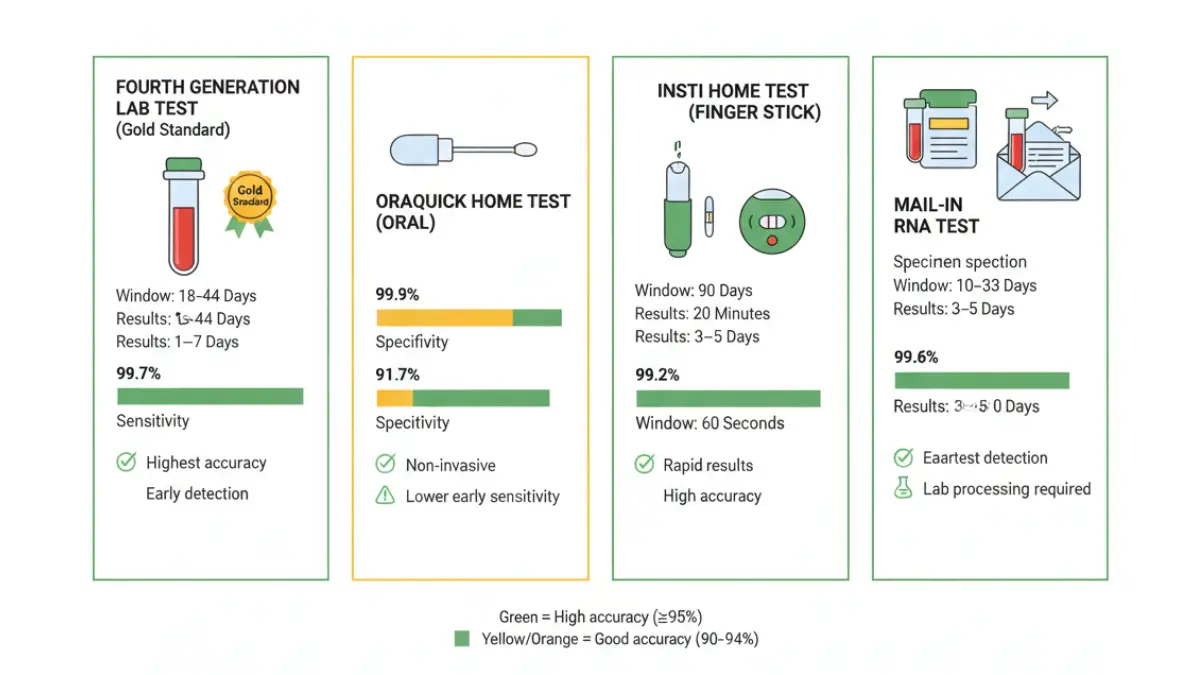
- Sensitivity: 99.7% (detects 997 of 1,000 actual infections)
- Specificity: 99.9% (correctly identifies 999 of 1,000 HIV-negative individuals)
- Window period: 18-44 days for 99% detection
- False positive rate: 0.02-0.05% (2-5 per 10,000 tests)
- False negative rate: 0.3% after window period
The FDA HIV test performance standards require extensive validation before approval, ensuring consistent accuracy across different populations and testing conditions.
False Positives & False Negatives: The Reality
False positive results occur when tests indicate HIV infection in someone who isn’t infected. While rare with modern tests, they happen more frequently in populations with low HIV prevalence. Statistical reality: in populations where 0.1% have HIV, a positive result has roughly 95% chance of being true positive after confirmation testing.
Factors increasing false positive risk:
- Recent influenza or hepatitis B vaccination
- Autoimmune disorders (lupus, rheumatoid arthritis, Sjögren’s syndrome)
- Liver disease or recent blood transfusions
- Participation in HIV vaccine trials
- Pregnancy (hormonal changes affecting test reactions)
False negative results almost always occur during the window period when infection is present but not yet detectable. Other rare causes include immunosuppression from chemotherapy or advanced AIDS preventing antibody production.
Why confirmatory testing is mandatory: No single screening test provides diagnostic certainty. The CDC-recommended testing algorithm uses multiple different test types—if screening is reactive, differentiation testing identifies HIV-1 vs HIV-2, and if that’s negative/indeterminate, RNA testing detects actual virus. This multi-step approach achieves >99.99% accuracy.
Home Tests vs Lab Tests: Accuracy Comparison
Home HIV tests offer privacy and convenience but have slightly different performance characteristics than laboratory tests. Understanding these differences helps you choose appropriate testing methods and interpret results correctly.
| Test Type | Sensitivity | Specificity | Window Period | Result Time |
|---|---|---|---|---|
| Fourth-Gen Lab Test | 99.7% | 99.9% | 18-44 days | 1-7 days |
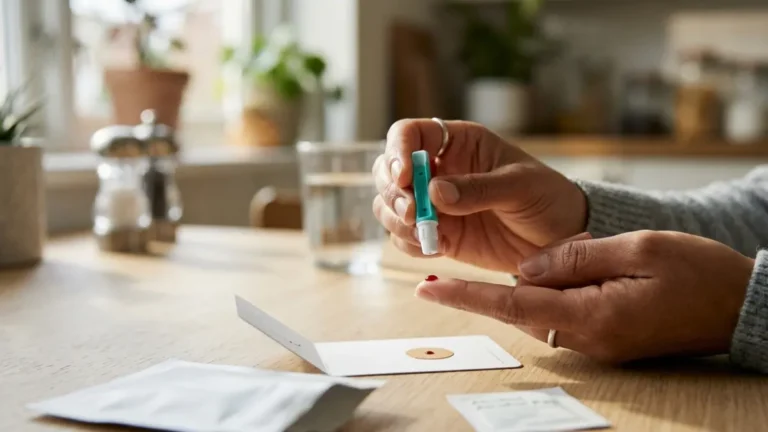
| OraQuick Home (oral) | 91.7% | 99.8% | 90 days | 20 minutes |
| INSTI Home (finger stick) | 99.2% | 99.6% | 60 days | 60 seconds |
| Mail-in RNA Test | 99.5% | 99.8% | 10-33 days | 3-5 days |
Proper usage is critical for accuracy. Home test errors usually result from:
- Timing: Testing within window period (most common error)
- Sample collection: Insufficient blood or oral fluid
- Reading results: Misinterpreting faint lines or reading outside time window
- Storage: Expired tests or improper temperature storage
Just as accurately tracking health metrics with tools like our Blood Sugar Converter requires proper technique, home HIV testing demands careful adherence to instructions. Studies from Johns Hopkins Public Health show user error accounts for 80% of home test inaccuracies.
What This Means For You: Laboratory fourth-generation tests provide highest accuracy, especially when testing 6-12 weeks post-exposure. Home tests offer valuable screening but should be confirmed with laboratory testing for any reactive result. Understanding test limitations helps you make informed decisions about timing and test selection.
Navigating the Healthcare System
Getting Confirmation Testing & Follow-Up Care
Understanding how to navigate HIV testing confirmation and care initiation helps you access necessary services quickly while protecting your privacy and managing costs effectively.
The Confirmation Testing Process
When screening tests are reactive, confirmation follows a standardized CDC algorithm. Your laboratory or healthcare provider automatically initiates this process—you typically don’t need to request it separately. Confirmation prevents false positive diagnoses and differentiates HIV-1 from HIV-2.
Standard confirmation sequence:
- HIV-1/HIV-2 antibody differentiation immunoassay distinguishes which virus type (if present)
- HIV-1 RNA/NAT testing if differentiation is negative or indeterminate, detecting actual virus
- Baseline clinical testing once confirmed: CD4 count, viral load, resistance genotyping, complete metabolic panel
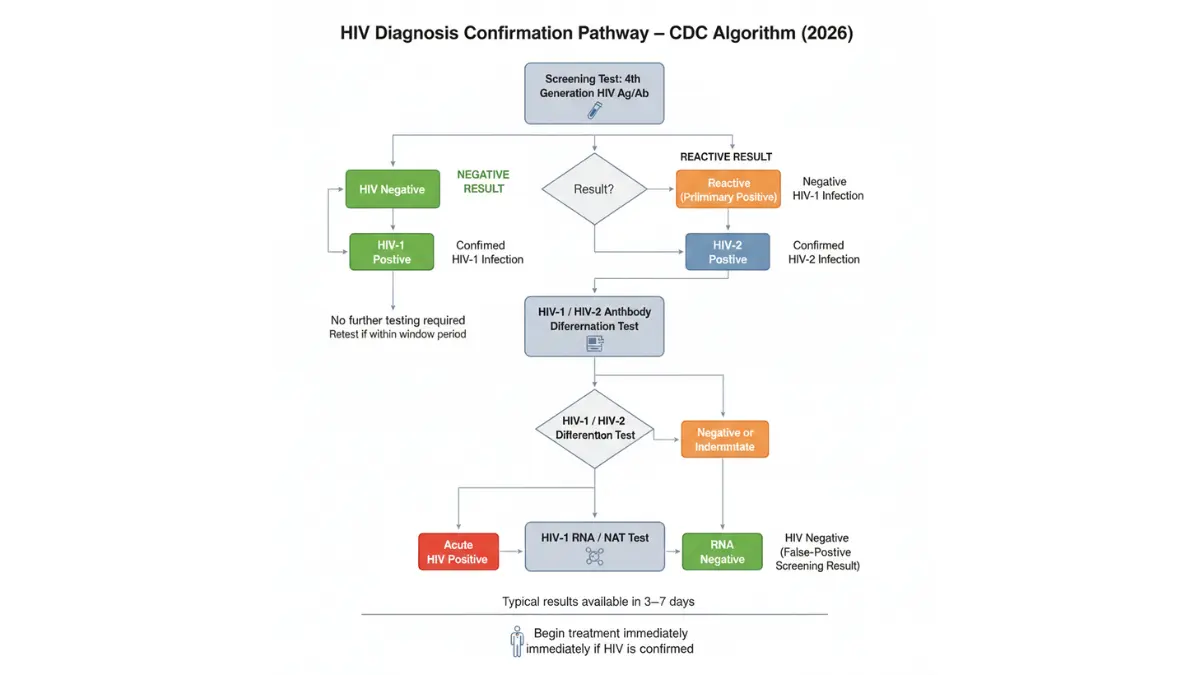
Expected timeline for confirmation results: 3-7 days in most U.S. clinical laboratories. Rapid confirmatory testing is available in some specialized clinics, providing same-day or next-day final results. During this waiting period, healthcare providers typically recommend treating yourself as potentially infectious—practicing safer sex and avoiding blood/organ donation.
Cost, Insurance & Access
HIV testing costs vary dramatically by location and provider, but numerous programs ensure access regardless of financial situation. Understanding available resources helps you get necessary care without overwhelming medical bills.
Average HIV testing costs in 2026:
- Fourth-generation lab test: $0-$80 (usually free with insurance)
- Rapid antibody test: $0-$40 (often free at community health centers)
- Home HIV test: $40-$60 (OraQuick, INSTI)
- RNA/NAT test: $100-$200 (usually covered when medically indicated)
- Confirmation testing: Typically covered by initial test cost or insurance
According to Healthcare.gov HIV services information, the Affordable Care Act mandates HIV screening coverage without copays for adults and adolescents at increased risk, plus all pregnant women.
Free or low-cost testing locations:
- Public health departments (every U.S. county)
- Community health centers and FQHC clinics
- LGBTQ+ community centers
- College/university health services
- Planned Parenthood facilities
- Mobile testing units at community events
If HIV-positive—treatment cost assistance:
- Ryan White HIV/AIDS Program: Covers treatment for uninsured/underinsured (approximately 540,000 Americans enrolled annually)
- State ADAP programs: Medication assistance in all 50 states plus territories
- Patient assistance programs: Direct from pharmaceutical manufacturers for those who qualify
- Insurance marketplace special enrollment: HIV diagnosis qualifies for enrollment outside annual period
Similar to navigating complex test interpretations like ECG abnormal results, understanding HIV care systems requires initial effort but provides long-term benefits through better access and lower costs.
Privacy Rights & Legal Protections
Your HIV status is protected health information under federal HIPAA regulations and additional state laws. Understanding your privacy rights helps you make informed decisions about testing location and disclosure.
Anonymous vs confidential testing:
- Anonymous testing: No personal identifying information collected; you receive code number for results
- Confidential testing: Your name attached to results in medical records, but protected by privacy laws
State reporting requirements: All U.S. states require laboratories and providers to report confirmed HIV diagnoses to state health departments for surveillance purposes. Personal identifiers are removed before data sharing with CDC. Partner notification laws vary by state—some require disclosure to sexual partners, others strongly encourage it but don’t mandate.
Employment and housing protections: The Americans with Disabilities Act prohibits discrimination based on HIV status in employment, housing, and public services. Healthcare providers cannot deny treatment based on HIV status.
What This Means For You: While HIV diagnosis triggers some mandatory reporting, your privacy is strongly protected under federal and state law. Choose testing locations based on your comfort level with anonymous vs confidential testing, knowing both provide legal privacy protections.
Living With Your Results
Moving Forward: Life After Testing
Your HIV test results mark a beginning, not an ending. Whether negative or positive, knowing your status empowers you to make informed health decisions and take control of your future.
If You’re HIV-Negative: Prevention Strategies
A negative HIV test result offers an opportunity to establish proactive prevention strategies that maintain your negative status long-term.
Consider PrEP (pre-exposure prophylaxis) if you have ongoing risk factors. Daily PrEP medication (typically Truvada or Descovy) reduces HIV transmission risk by 99% when taken consistently. According to CDC PrEP guidelines, PrEP is recommended for anyone with an HIV-positive partner, multiple sexual partners, inconsistent condom use, or injection drug use.
Establish regular testing schedules:
- Every 3 months: If you’re sexually active with multiple partners or use injection drugs
- Every 6-12 months: If you’re in a monogamous relationship with untested partner or have occasional risk exposures
- With each new partner: Before stopping condom use in relationship
Additional prevention tools:
- Consistent condom use for vaginal and anal sex
- Syringe service programs providing sterile injection equipment
- Post-exposure prophylaxis (PEP) for emergency situations (effective within 72 hours)
- Regular STI screening (having other STIs increases HIV transmission risk)
If You’re HIV-Positive: Treatment & Thriving
Modern HIV treatment has transformed the diagnosis from a death sentence into a manageable chronic condition. With proper care, people living with HIV achieve normal life expectancies and can live vibrant, healthy lives.
Antiretroviral therapy (ART) basics:
- Treatment start: Immediately upon diagnosis, regardless of CD4 count or viral load
- Medication regimen: Typically 1-3 pills daily (many single-tablet regimens available)
- Time to undetectable: Usually 3-6 months with >95% adherence
- Side effects: Generally mild with modern medications; manageable through medication adjustments
Life expectancy with treatment: A 20-year-old diagnosed with HIV today and starting treatment immediately has a near-normal life expectancy—living into their 70s according to data from NIH HIV treatment outcomes research. The critical factor is early diagnosis and consistent treatment adherence.
Building your care team:
- HIV specialist or infectious disease physician
- Primary care provider for general health
- Mental health counselor for adjustment support
- Care coordinator to help navigate appointments and services
- Peer support through local or online support groups
Maintaining overall wellness remains crucial—just as monitoring metrics through tools like our Water Intake Calculator or Sleep Calculator supports general health, comprehensive self-care enhances HIV treatment effectiveness and quality of life.
What This Means For You: HIV diagnosis is no longer the crisis it was decades ago. With immediate treatment access and commitment to medication adherence, you can achieve undetectable status, maintain excellent health, and live without transmitting HIV to partners. The path forward involves building a strong care team and connecting with supportive communities.
Frequently Asked Questions About HIV Test Results
1. How long after exposure can HIV be detected?
Fourth-generation tests detect HIV in 18-44 days for 99% of people, though some infections show up as early as 10 days. RNA tests can detect virus within 10-33 days. Testing immediately after exposure typically won’t detect infection—wait until at least day 18 for preliminary results and day 45 for conclusive results.
2. Can stress affect HIV test results?
No. Psychological stress doesn’t cause false positive or false negative HIV test results. However, severe immunosuppression from other conditions or medications can occasionally delay antibody production, potentially extending the window period.
3. Do I need to fast before an HIV test?
No fasting is required for HIV testing. HIV tests measure antibodies, antigens, or viral RNA—none of which are affected by food or drink consumption. Take your regular medications and eat normally before testing.
4. How soon can I retest after a negative result?
If you tested during the window period (within 45 days of exposure), retest at day 45 post-exposure. If you tested outside the window period and have new exposures, retest 45 days after each new potential exposure. If you have ongoing risk factors, test every 3-6 months.
5. Are home HIV tests as accurate as lab tests?
Home HIV tests are highly accurate when used correctly outside the window period—OraQuick has 91.7% sensitivity and 99.8% specificity, while INSTI achieves 99.2% sensitivity. However, home tests have longer window periods (60-90 days) compared to lab-based fourth-generation tests (18-44 days). Any reactive home test requires laboratory confirmation.
6. What does “reactive” mean on my test?
“Reactive” means your screening test detected HIV antibodies or antigens and requires confirmatory testing. It’s not a final diagnosis—roughly 2-5% of reactive screening tests are ultimately determined to be false positives after confirmation testing. Never assume you’re HIV-positive based solely on a reactive screening result.
7. Can medications affect HIV test results?
PrEP (pre-exposure prophylaxis) and PEP (post-exposure prophylaxis) don’t cause false positives but can suppress viral replication, potentially affecting RNA test accuracy. Other medications rarely impact HIV test results. Always inform your testing provider about all medications you’re taking, including over-the-counter drugs and supplements.
8. How do I tell my partner about positive results?
Many health departments offer partner services programs where trained specialists help notify previous sexual or needle-sharing partners anonymously. You can also disclose directly—consider having the conversation in person, allowing time for questions, and providing educational resources. Some states legally require disclosure before sexual contact.
9. Will insurance cover HIV testing?
Yes. The Affordable Care Act requires most insurance plans to cover HIV screening for adults and adolescents at increased risk without copays or deductibles. Medicare and Medicaid also cover HIV testing. If uninsured, public health departments and community health centers offer free or low-cost testing.
10. Can I get HIV from a blood test?
No. All modern medical facilities use sterile, single-use needles and equipment. It’s impossible to contract HIV from having blood drawn for testing. The needles are sealed in sterile packages, used once, and immediately disposed of in sharps containers following CDC infection control guidelines.
11. What’s the difference between HIV and AIDS?
HIV (human immunodeficiency virus) is the virus itself. AIDS (acquired immunodeficiency syndrome) is the most advanced stage of HIV infection, occurring when the immune system is severely damaged (CD4 count below 200 cells/mm³ or presence of opportunistic infections). With modern treatment, most people with HIV never progress to AIDS. Understanding this distinction—similar to differentiating between other progressive conditions covered in our health resources—helps reduce stigma and fear around HIV diagnosis.
Final Reminder: HIV testing is a powerful tool for protecting your health and the health of others. Whether your results are negative, positive, or indeterminate, immediate appropriate action ensures the best possible health outcomes. Connect with healthcare providers, access available resources, and remember that effective treatment and prevention tools make HIV a highly manageable condition in 2026.
About this content
How this article was put together: researched from recognised health sources, drafted with the help of AI tools, and edited by hand, with sources linked throughout.

Sameer Patel is the founder and editor of My Medicine Advisor. He is not a doctor or medical professional — before starting this site he worked in banking,…
Medical disclaimer
The content on MyMedicineAdvisor is provided for general informational and educational purposes only and is not a substitute for professional medical advice, diagnosis, or treatment. Health information on this website should not be used to diagnose, treat, cure, or prevent any condition without guidance from a qualified healthcare professional. Always seek the advice of your doctor, physician, or another licensed healthcare provider with any questions you may have regarding a medical condition, symptoms, medications, or treatment decisions.