
On This Page – Quick Medical Summary
What Does a Positive Pregnancy Test Mean?
When Emma, a 31-year-old teacher from Austin, saw two distinct lines appear on her home pregnancy test at 7:15 AM on a Tuesday morning, her heart raced with a mixture of excitement and uncertainty. Like thousands of women each day, she wondered: What exactly should I do right now?
A pregnancy test positive result means your body is producing human chorionic gonadotropin (hCG)—a hormone released only during pregnancy. According to the FDA’s 2026 pregnancy test accuracy guidelines, modern home pregnancy tests detect hCG levels as low as 10-25 mIU/mL with 99% accuracy when used correctly.
Quick Action Summary: Your First 24 Hours
If you’ve just received a positive pregnancy test result, here are the 5 critical things to do in the next 24 hours:
- Take a confirmatory test (preferably digital)
- Contact your healthcare provider to schedule your first prenatal visit
- Start prenatal vitamins with 400-800 mcg of folic acid
- Eliminate known risk factors (alcohol, smoking, certain medications)
- Calculate your due date and begin initial pregnancy planning
Understanding Your Result
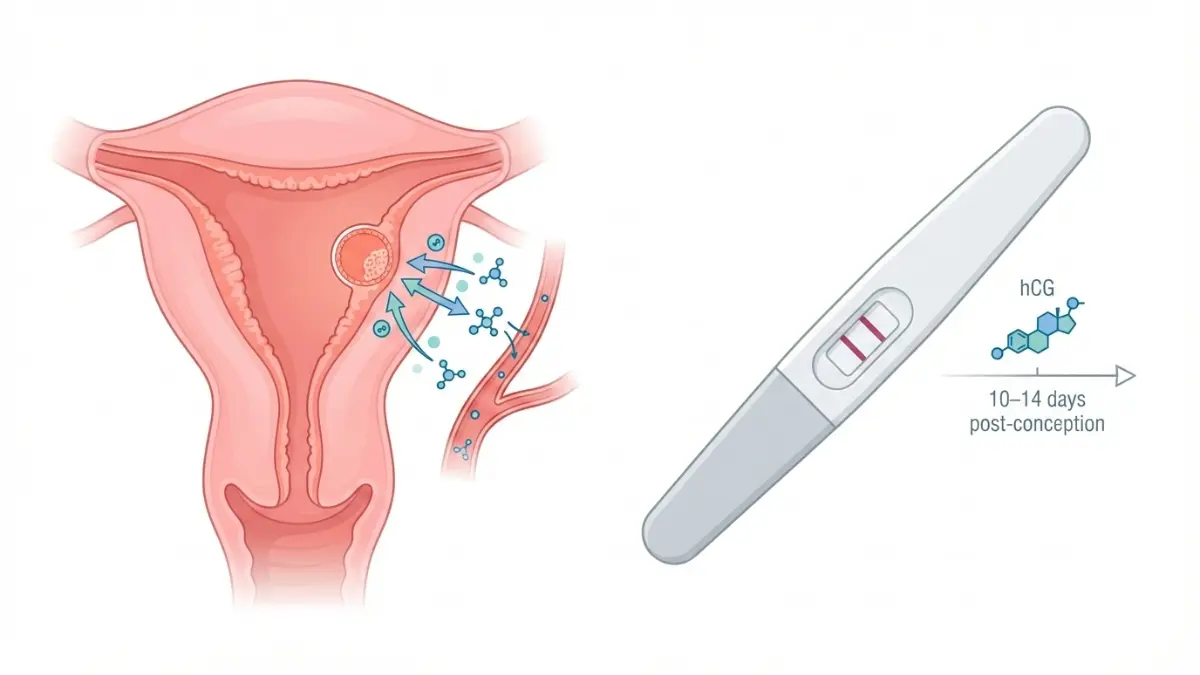
The moment you see that positive pregnancy test, your body has already been nurturing new life for approximately 2-3 weeks. Here’s what’s happening:
Implantation Timeline:
- Fertilization occurs 12-24 hours after ovulation
- The fertilized egg travels to the uterus (5-7 days)
- Implantation happens 6-12 days after conception
- hCG production begins immediately after implantation
- Detectable hCG levels appear in urine 10-14 days post-conception
2026 Test Technology: Modern pregnancy tests now use advanced immunoassay technology with digital displays, line darkness indicators, and even conception date estimators. The CDC reports that when used on the first day of a missed period, home pregnancy tests are 99% accurate.
According to your specific situation, you can use our Pregnancy Due Date Calculator to estimate when your baby will arrive based on your last menstrual period.
Key Takeaway: A positive pregnancy test is highly reliable. False positives are extremely rare (occurring in less than 1% of tests), making your result almost certainly accurate.
Your First 24 Hours—A Complete Action Plan
Time is medically significant in early pregnancy. The first trimester is when your baby’s neural tube, brain, and major organs begin forming. Here’s your hour-by-hour roadmap for what to do after a positive pregnancy test.
Hours 1-4: Confirm and Process Your Result
Action #1: Take a Second Pregnancy Test
Why confirmation matters: While modern tests are highly accurate, taking a second test eliminates any uncertainty and provides peace of mind.
Best practices for retesting:
- Wait 2-3 days for hCG levels to double
- Test with first morning urine (most concentrated)
- Use a different brand or digital test
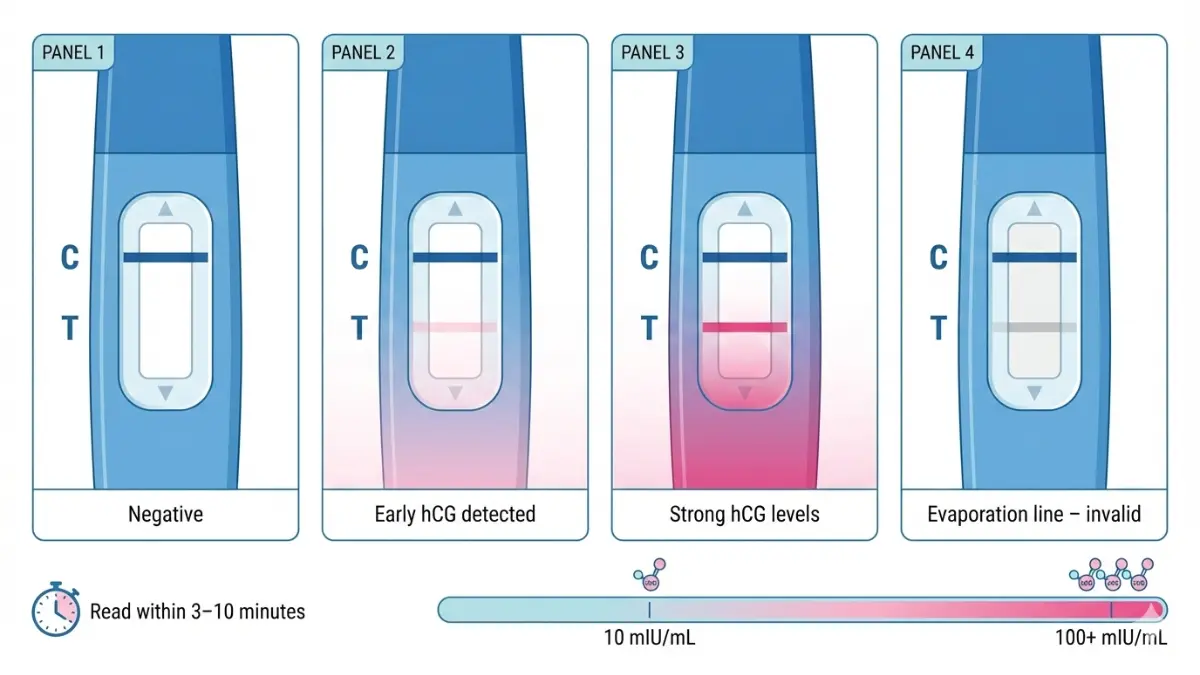
- Read results within the specified time window (usually 3-10 minutes)
Understanding line darkness: According to ACOG’s 2026 prenatal guidelines, even a faint line positive pregnancy test indicates pregnancy. The darkness correlates with hCG concentration, not pregnancy viability.
| Test Type | Sensitivity | Cost Range | Best For |
|---|---|---|---|
| Digital | 10-25 mIU/mL | $12-$20 | Clear “Pregnant/Not Pregnant” result |
| Line Test | 20-50 mIU/mL | $8-$15 | Early detection, budget-friendly |
| Early Detection | 6.5-10 mIU/mL | $15-$25 | Testing before missed period |
| Midstream | 25-50 mIU/mL | $10-$18 | Easy to use, less mess |
Emotional processing: Whether your pregnancy is planned or unexpected, experiencing mixed emotions is completely normal. Research from the American Psychological Association shows that 70% of women report feeling anxious, excited, or overwhelmed in the first 48 hours after testing positive.
Hours 4-8: Medical Confirmation and Provider Contact
Action #2: Call Your Healthcare Provider
When to schedule your first prenatal appointment: Most OB-GYNs schedule the initial visit between 6-8 weeks of pregnancy (counting from your last menstrual period). However, you should call within 24-48 hours of your positive test to:
- Confirm the pregnancy through medical records
- Discuss any pre-existing conditions
- Review current medications
- Schedule your first appointment
- Ask about immediate dos and don’ts
Questions to ask during your call:
- When should I come in for my first visit?
- Do I need a blood test to confirm pregnancy?
- Which prenatal vitamins do you recommend?
- Are my current medications safe during pregnancy?
- What symptoms should prompt immediate medical attention?
Insurance verification checklist:
- Confirm your coverage includes maternity care
- Ask about deductibles and out-of-pocket maximums
- Verify which hospitals are in-network
- Check if prenatal testing is covered
The U.S. Department of Health & Human Services provides comprehensive information about pregnancy healthcare coverage under the Affordable Care Act, ensuring that maternity care is covered as an essential health benefit.
Telemedicine options in 2026: Many healthcare systems now offer virtual first appointments, allowing you to discuss symptoms, concerns, and next steps from home before your in-person visit.
Hours 8-12: Start Prenatal Nutrition
Action #3: Begin Prenatal Vitamins Immediately
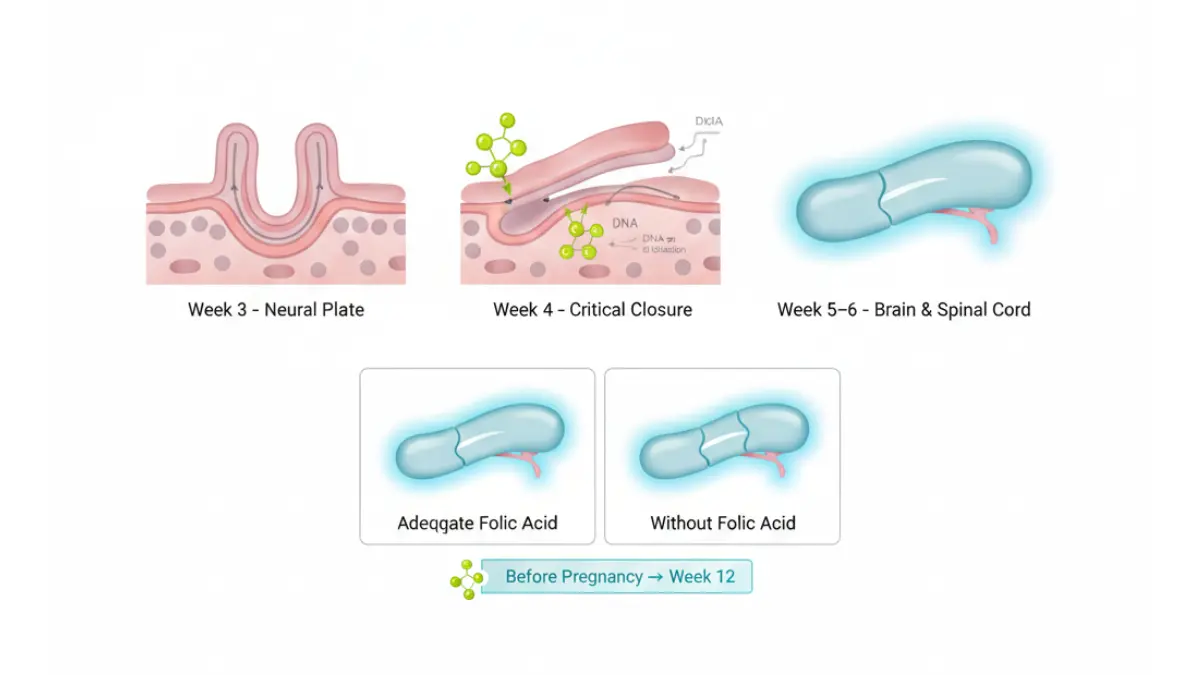
Why folic acid is critical: The neural tube (which becomes your baby’s brain and spinal cord) forms during weeks 3-4 of pregnancy—often before you even know you’re pregnant. Taking folic acid reduces neural tube defects by up to 70%.
Recommended daily intake:
- Folic acid: 400-800 mcg (600 mcg for most pregnant women)
- Iron: 27 mg
- Calcium: 1,000 mg
- Vitamin D: 600 IU
- DHA: 200-300 mg
According to the CDC’s folic acid recommendations, all women of childbearing age should consume 400 mcg daily, increasing to 600 mcg once pregnancy is confirmed.
Choosing the right prenatal vitamin:
| Component | Why It Matters | Food Sources |
|---|---|---|
| Folic Acid | Prevents neural tube defects | Leafy greens, fortified cereals, beans |
| Iron | Supports increased blood volume | Red meat, spinach, lentils |
| Calcium | Baby’s bone development | Dairy, fortified plant milk, sardines |
| DHA | Brain and eye development | Fatty fish, walnuts, flaxseed |
When to take them: Most experts recommend taking prenatal vitamins with food in the evening to minimize nausea. If morning sickness becomes severe, consult your doctor about splitting the dose.
You can track your nutritional needs alongside pregnancy milestones using our Pregnancy Weight Gain Calculator to ensure healthy development throughout all three trimesters.
Hours 12-18: Lifestyle Modifications
Action #4: Eliminate Risk Factors Immediately
Substances to stop today:
Alcohol: No amount is considered safe during pregnancy. The National Institute on Alcohol Abuse and Alcoholism confirms that alcohol consumption during pregnancy can cause fetal alcohol spectrum disorders (FASDs), affecting the baby’s physical, behavioral, and intellectual development.
Tobacco and vaping: Smoking during pregnancy increases risks of:
- Preterm birth
- Low birth weight
- Sudden infant death syndrome (SIDS)
- Birth defects
Caffeine limits: The American College of Obstetricians and Gynecologists recommends limiting caffeine to less than 200 mg daily (approximately one 12-oz cup of coffee).
Medication review checklist:
- Prescription medications (consult your doctor before stopping)
- Over-the-counter pain relievers (some NSAIDs are not recommended)
- Supplements and herbal products
- Topical acne treatments containing retinoids
Foods to avoid immediately:
- Raw or undercooked seafood, eggs, and meat
- Unpasteurized dairy products and juices
- Deli meats and hot dogs (unless heated to steaming)
- High-mercury fish (swordfish, king mackerel, tilefish)
- Raw sprouts
The FDA’s food safety guidelines for pregnancy provide comprehensive information about which foods pose risks during pregnancy and safe preparation methods.
Safe exercise modifications:
- Continue moderate exercise (walking, swimming, prenatal yoga)
- Avoid contact sports and activities with fall risk
- Stay hydrated (use our Water Intake Calculator for personalized hydration goals)
- Listen to your body and reduce intensity if needed
Hours 18-24: Planning and Preparation
Action #5: Calculate Your Due Date and Begin Early Planning
Determining your due date: Your pregnancy is calculated from the first day of your last menstrual period (LMP), not from conception. Use our Pregnancy Due Date Calculator for an estimated delivery date.
The calculation:
- Add 280 days (40 weeks) to the first day of your LMP
- Or add 7 days to your LMP, then subtract 3 months
- First trimester: Weeks 1-12
- Second trimester: Weeks 13-26
- Third trimester: Weeks 27-40
Early financial planning considerations:
- Average prenatal care costs: $2,000-$3,000 (without insurance)
- Delivery costs: $5,000-$11,000 (vaginal) or $7,500-$14,500 (C-section)
- First-year baby expenses: $10,000-$15,000
Partner communication strategies:
If your pregnancy was planned:
- Share the news when you feel ready (some wait until after the first trimester)
- Celebrate together
- Discuss immediate practical steps
- Begin planning major decisions (childcare, finances, living arrangements)
If your pregnancy was unplanned:
- Take time to process your emotions privately if needed
- Choose a calm, private moment to share the news
- Be honest about your feelings
- Discuss all options openly (parenting, adoption, termination)
- Seek professional counseling if helpful
What to say: “I took a pregnancy test this morning, and it was positive. I wanted to share this news with you and talk about what this means for us.”
Key Takeaway: The first 24 hours set the foundation for a healthy pregnancy. Taking these five actions immediately protects your baby’s development during the critical early weeks when organ formation begins.
Understanding Your Test Results—What They Really Mean
One of the most common concerns after seeing a positive pregnancy test is: “Can this be wrong?” Let’s examine test accuracy, false positives, and when to retest.
Interpreting Different Types of Positive Results
Digital display results: Tests showing “Pregnant,” “Yes+,” or a clear positive symbol are unambiguous. These tests measure hCG and display results only when hormone levels exceed the detection threshold.
Line test interpretation:
- Two distinct lines: Definitive positive, regardless of darkness
- Faint second line: Still positive (hCG is present but may be early)
- Very faint line appearing after time limit: Possible evaporation line (retest)
Why lines vary in darkness:
- hCG concentration in urine (affected by hydration)
- How early you tested (earlier = lighter lines)
- Time since last urination
- Individual hCG production rates
The science: Your body’s hCG levels typically double every 48-72 hours in early pregnancy. A test taken at 10 days post-conception shows much lighter lines than one taken at 14 days.
False Positive Scenarios (Rare But Possible)
While false positives occur in less than 1% of tests, certain medical conditions can trigger them:
Chemical pregnancy (early miscarriage): This accounts for 50-75% of all false positives. A fertilized egg implants briefly but fails to develop, causing hCG production that quickly drops. You may get your period 1-2 weeks late.
Recent pregnancy or miscarriage: hCG can remain detectable for 4-6 weeks after pregnancy ends.
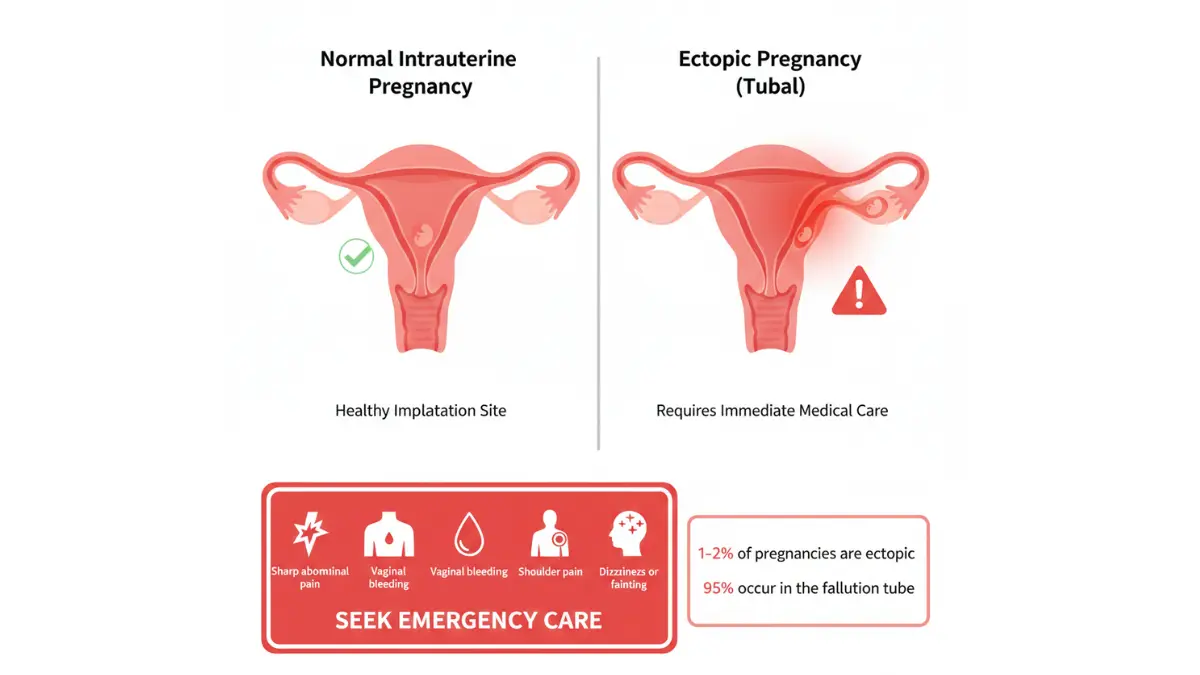
Ectopic pregnancy: A fertilized egg implants outside the uterus (usually in a fallopian tube), producing hCG but requiring immediate medical attention.
Warning signs of ectopic pregnancy:
- Sharp, stabbing abdominal pain
- Vaginal bleeding
- Shoulder pain
- Dizziness or fainting
- Seek emergency care immediately if you experience these symptoms
Fertility medications: Treatments containing hCG (like Pregnyl or Novarel) can cause false positives if testing within 7-14 days of injection.
Rare medical conditions:
- Certain ovarian cysts or tumors
- Pituitary gland disorders
- Some kidney diseases
- Extremely rare: certain cancers (choriocarcinoma, germ cell tumors)
If you have concerns about any unusual symptoms, use our Symptom Checker to help identify when to seek medical attention.
When and How to Retest
Optimal retesting timeline: Wait 48-72 hours after your first positive test. This allows hCG levels to double, providing clearer confirmation.
Best practices for accurate results:
- Use first morning urine (highest hCG concentration)
- Follow package instructions precisely
- Read results within the specified time window
- Don’t drink excessive fluids before testing (dilutes urine)
- Check the expiration date on the test
Test sensitivity comparison:
| Brand Category | Detection Level | When to Use |
|---|---|---|
| Early Detection | 6.5-10 mIU/mL | 5-6 days before missed period |
| Standard | 20-25 mIU/mL | First day of missed period |
| Digital | 10-25 mIU/mL | Clear yes/no confirmation |
| Budget-Friendly | 25-50 mIU/mL | After missed period |
Blood test confirmation: Your doctor can order two types:
- Qualitative hCG: Simple yes/no pregnancy confirmation
- Quantitative hCG (beta hCG): Measures exact hormone level, useful for tracking early pregnancy progression
Normal hCG progression:
- 3 weeks LMP: 5-50 mIU/mL
- 4 weeks LMP: 5-426 mIU/mL
- 5 weeks LMP: 18-7,340 mIU/mL
- 6 weeks LMP: 1,080-56,500 mIU/mL
Key Takeaway: A positive home pregnancy test is correct 99% of the time. If you see two lines—even faint ones—you are almost certainly pregnant. Confirm with your healthcare provider and a blood test if you have any doubts.
Your First Prenatal Appointment—Complete Guide
After confirming your pregnancy test positive result, your next major milestone is the first prenatal visit. Here’s everything you need to know to prepare.
Timing and Scheduling
When to expect your appointment: Most OB-GYNs schedule first visits between 6-8 weeks of pregnancy (calculated from your last menstrual period). Some providers see patients earlier if you have:
- History of miscarriage or pregnancy complications
- Pre-existing medical conditions (diabetes, hypertension, thyroid disorders)
- Current medications requiring adjustment
- Severe early pregnancy symptoms
What happens if you’re earlier than 6 weeks? Your doctor may recommend waiting because:
- Ultrasound may not yet detect a heartbeat (appears around 6-7 weeks)
- Very early ultrasounds can cause unnecessary anxiety if development isn’t visible
- hCG blood tests are more useful this early than physical examinations
What to Expect During Your First Visit
Medical history review: Your provider will ask detailed questions about:
- Previous pregnancies, miscarriages, or abortions
- Menstrual cycle history and last period date
- Pre-existing medical conditions
- Current medications and supplements
- Family medical history (genetic conditions, pregnancy complications)
- Lifestyle factors (diet, exercise, substance use)
Physical examination components:
Vital signs:
- Blood pressure baseline (monitors for hypertension)
- Weight and BMI (use our BMI Calculator beforehand)
- Heart rate and respiratory rate
Pelvic examination:
- Visual inspection of cervix
- Pap smear (if due for routine screening)
- Bimanual exam to assess uterus size
- Check for abnormalities or infections
Comprehensive laboratory testing:
| Test | Purpose | What It Detects |
|---|---|---|
| Blood type & Rh factor | Identify Rh incompatibility risk | A, B, AB, O and Rh positive/negative |
| Complete blood count | Check for anemia | Hemoglobin, platelet levels |
| Rubella immunity | German measles protection | Antibody levels |
| Hepatitis B & C | Viral infections | Surface antigens |
| HIV | Infection status | Antibodies |
| Syphilis | STI screening | Antibodies |
| Urinalysis | Infection, protein, glucose | Bacteria, protein, sugar |
| Genetic carrier screening | Inherited conditions | Cystic fibrosis, sickle cell, etc. |
The American College of Obstetricians and Gynecologists recommends this comprehensive testing panel for all pregnant women during the first trimester to identify and manage potential risks early.
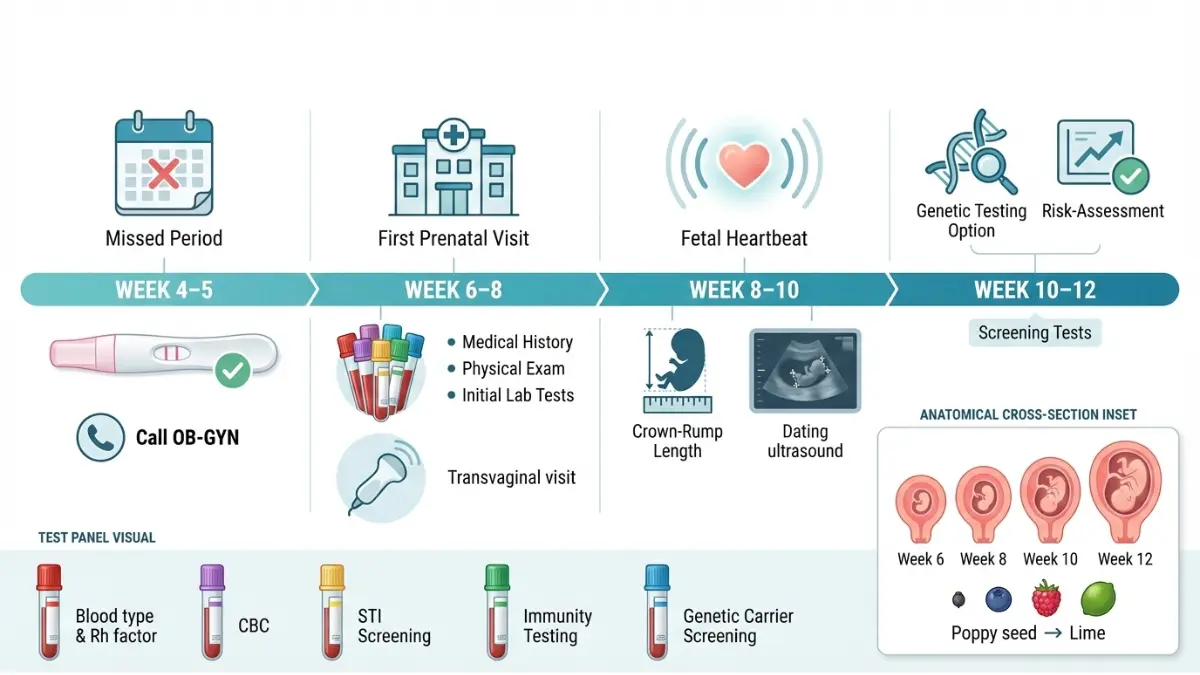
First ultrasound:
- Timing: Usually 6-9 weeks
- Type: Often transvaginal for better visualization
- What it shows: Gestational sac, yolk sac, fetal pole, heartbeat
- Measurements: Crown-rump length (CRL) for accurate dating
- Additional findings: Number of embryos, ectopic pregnancy screening
Use our Fetal Growth Percentile Calculator to track your baby’s development throughout pregnancy.
Essential Questions to Ask Your Provider
Nutrition and lifestyle:
- What specific foods should I avoid beyond the common list?
- Are my current exercise routines safe to continue?
- How much weight should I gain during pregnancy?
- Do I need additional supplements beyond prenatal vitamins?
Medical care: 5. What symptoms require immediate medical attention? 6. How often will I have appointments throughout pregnancy? 7. Which hospital or birth center do you deliver at? 8. Who covers for you if you’re unavailable during delivery?
Screening and testing: 9. What prenatal genetic testing do you recommend for my age and history? 10. When will I have my next ultrasound? 11. When can we learn the baby’s sex? 12. What screening tests are optional vs. recommended?
Practical concerns: 13. Can I travel during pregnancy? Are there restrictions? 14. Is it safe to continue sexual activity? 15. What medications are safe if I get sick? 16. When should I stop working or modify my job duties?
Financial Planning and Insurance Navigation
Average costs for prenatal care (2026 US data):
| Service | Without Insurance | With Insurance (after deductible) |
|---|---|---|
| Prenatal visits (12-14 total) | $2,000-$3,000 | $200-$600 copays |
| Laboratory tests | $500-$1,500 | Usually covered 100% |
| Ultrasounds (2-3 standard) | $200-$500 each | $0-$100 copay each |
| Delivery (vaginal) | $5,000-$11,000 | $1,000-$3,000 |
| Delivery (C-section) | $7,500-$14,500 | $1,500-$4,500 |
Insurance verification steps:
- Confirm maternity coverage details with your provider
- Understand your deductible and out-of-pocket maximum
- Ask if prenatal care counts toward your deductible
- Verify which hospitals are in-network
- Check if you need a referral for specialists (maternal-fetal medicine)
Financial assistance resources:
- Medicaid: Pregnancy often qualifies you for emergency Medicaid even if you don’t normally qualify
- CHIP: Children’s Health Insurance Program for low-income families
- Hospital payment plans: Many offer interest-free payment options
- Community health centers: Sliding-scale fees based on income
The U.S. Department of Health & Human Services provides information about federal and state programs that assist with prenatal care costs.
Key Takeaway: Your first prenatal appointment establishes crucial baseline health information and screens for conditions that could affect pregnancy. Come prepared with questions, your medical history, and insurance information to maximize this important visit.
Emotional Support and Practical Next Steps
Receiving a pregnancy test positive result triggers profound emotional responses, whether your pregnancy was carefully planned or completely unexpected. Here’s how to navigate the psychological and practical aspects of early pregnancy.
For Planned Pregnancies: Managing Expectations
Common emotional experiences:
- Overwhelming excitement mixed with anxiety
- Hyperawareness of every physical sensation
- Fear of miscarriage or complications
- Impatience waiting for visible pregnancy signs
- Pressure about when to share the news
Understanding first-trimester anxiety: According to research published in maternal health journals, approximately 75% of pregnant women experience heightened anxiety during the first trimester, even when pregnancy is desired. This is completely normal and doesn’t indicate anything wrong.
Miscarriage statistics and reassurance:
- Overall miscarriage risk: 10-20% of known pregnancies
- Risk after heartbeat detected (6-7 weeks): Drops to 5-10%
- Risk after 12 weeks: Decreases to 1-3%
- Most miscarriages occur due to chromosomal abnormalities, not maternal actions
When to announce your pregnancy: The traditional “12-week rule” suggests waiting until after the first trimester when miscarriage risk substantially decreases. However, modern perspectives recognize this is deeply personal:
Reasons to share early:
- Having support if complications arise
- Explaining early pregnancy symptoms at work
- Including loved ones in the full journey
- Needing practical help and accommodation
Reasons to wait:
- Privacy if miscarriage occurs
- Avoiding repeated explanations if pregnancy doesn’t continue
- Time to process privately as a couple
- Cultural or religious traditions
There is no “right” timeline—only what feels appropriate for your situation and support system.
For Unplanned Pregnancies: Exploring All Options
Immediate emotional responses are valid: Shock, fear, denial, confusion, or even anger are normal reactions to an unexpected positive pregnancy test. These feelings don’t predict your long-term decisions or your capacity for parenthood.
Understanding your options:
Option 1: Continuing the pregnancy (parenting)
- Timeline for decision-making: Varies by state, but generally need to decide within 10-12 weeks
- Support resources: Prenatal care, WIC program, Medicaid, family support services
- Financial planning: Budgeting for baby expenses, childcare costs, parental leave
Option 2: Adoption
- Open vs. closed adoption options
- Agency vs. independent adoption
- Financial support: Adoptive families typically cover medical expenses
- Legal considerations: Varies by state; parental rights terminated after birth
Option 3: Termination
- Medical abortion (pills): Available up to 10-11 weeks
- Surgical abortion: Available later in pregnancy (timing varies by state)
- Legal restrictions: Vary significantly by state
- Cost: $300-$950 for medication, $600-$2,000+ for procedures
Where to get unbiased counseling:
- Planned Parenthood health centers
- Local women’s health clinics
- Hospital social workers
- Private counselors specializing in pregnancy decisions
Important: Crisis pregnancy centers often present as neutral but may have strong anti-abortion positions. Seek certified medical facilities for comprehensive, unbiased information about all options.
Partner and Family Communication Strategies
Telling your partner (planned pregnancy):
Script example 1 (playful): “Remember that conversation we had about starting a family? Well, I have some news that might interest you…” [show test]
Script example 2 (direct): “I took a pregnancy test this morning, and it was positive. I’m excited and a little nervous, but I wanted to share this moment with you.”
Script example 3 (creative): Create a small reveal—a baby onesie, ultrasound picture (after first appointment), or due date calendar.
Telling your partner (unplanned pregnancy):
Script example 1 (honest): “I need to talk to you about something important. I took a pregnancy test, and it came back positive. I’m still processing this news, and I want us to talk through what this means together.”
Script example 2 (open-ended): “I just found out I’m pregnant, and I’m feeling overwhelmed. I don’t know what I want to do yet, and I need your support as I figure this out.”
Managing different reactions:
- Your partner may need time to process, just as you did
- Different timelines for emotional adjustment are normal
- Disagreement about next steps requires honest, calm discussion
- Professional couples counseling can help navigate difficult conversations
When to tell family and friends:
- Consider your support needs vs. privacy preferences
- Some choose to tell very close family early, wider circle after 12 weeks
- Work notification timing depends on physical demands of your job and company culture
- Legal protections: The Pregnancy Discrimination Act prohibits pregnancy-based discrimination
Key Takeaway: Your emotional response to pregnancy—whether joy, fear, ambivalence, or a complex mix—is valid. Seek support from healthcare providers, counselors, trusted friends, or professional services as you navigate this life-changing moment.
Frequently Asked Questions
1. Can a positive pregnancy test be wrong?
False positives are extremely rare, occurring in less than 1% of tests. Modern home pregnancy tests are 99% accurate when used correctly. The most common cause of a “false positive” is actually a chemical pregnancy—a very early miscarriage that occurs within days of implantation. True false positives only occur with certain fertility medications containing hCG, rare medical conditions affecting hormone production, or user error (reading results after the time window).
2. How soon after sex can I test positive?
You typically cannot test positive until 10-14 days after conception (fertilization). Pregnancy tests detect hCG, which your body only produces after a fertilized egg implants in the uterus—a process that takes 6-12 days after conception. Since conception occurs 12-24 hours after ovulation (roughly mid-cycle), you’re looking at approximately 2 weeks after intercourse before hCG reaches detectable levels. Testing earlier often results in false negatives.
3. What if the line is very faint?
A faint line is still a positive result. Pregnancy test lines detect hCG presence, not quantity. Faint lines typically mean you tested early when hCG levels are still low, your urine was diluted, or you have naturally slower hCG production. To confirm, retest in 48-72 hours using first morning urine. The line should darken as hCG doubles every 2-3 days in early pregnancy. If it disappears, this may indicate a chemical pregnancy.
4. Should I go to the ER for a positive test?
No, a positive pregnancy test alone does not require emergency care. Schedule a routine appointment with your OB-GYN for 6-8 weeks gestation. However, seek immediate medical attention if you experience severe abdominal pain, heavy bleeding, dizziness, shoulder pain, or fainting—these could indicate ectopic pregnancy or other complications requiring urgent intervention.
5. Can stress cause a false positive pregnancy test?
No, stress cannot cause a false positive. Pregnancy tests detect the specific hormone hCG, which your body produces only during pregnancy. Stress may affect your menstrual cycle or delay your period, leading you to test when you’re actually pregnant, but it cannot create hCG or trigger a positive test result in the absence of pregnancy.
6. How accurate are dollar store pregnancy tests?
Dollar store pregnancy tests are as accurate as expensive brands—approximately 99% when used correctly on or after your missed period. They detect the same hCG hormone using similar technology. The main difference is sensitivity (cheaper tests may require higher hCG levels) and features (no digital display, week estimators, or early detection capabilities). For basic confirmation, budget tests work perfectly well.
7. When will morning sickness start?
Morning sickness typically begins 6-8 weeks after your last menstrual period (4-6 weeks after conception). About 70-80% of pregnant women experience nausea, though severity varies dramatically. Despite its name, morning sickness can occur any time of day. Peak symptoms usually occur weeks 8-12, improving significantly by week 14-16. About 2% of women develop hyperemesis gravidarum—severe nausea requiring medical intervention.
8. Can I exercise after a positive pregnancy test?
Yes, moderate exercise is safe and beneficial during pregnancy for most women. Continue your regular routine with modifications: avoid contact sports, activities with fall risk, hot yoga, or exercise requiring you to lie flat on your back after the first trimester. The American College of Obstetricians and Gynecologists recommends 150 minutes of moderate-intensity aerobic activity weekly. Always consult your doctor about your specific exercise plan, especially if you have complications or a high-risk pregnancy.
9. Should I stop all medications immediately?
Never stop prescription medications without consulting your healthcare provider first. Some medications are unsafe during pregnancy, but abruptly stopping others (like antidepressants, blood pressure medications, or thyroid drugs) can be dangerous. Call your doctor within 24 hours to review all medications, supplements, and over-the-counter drugs. They’ll advise which to continue, adjust, or discontinue safely. Emergency medications (like asthma inhalers) should not be stopped.
10. How soon can I hear the heartbeat?
A fetal heartbeat typically becomes detectable via transvaginal ultrasound at 6-7 weeks of pregnancy (calculated from your last menstrual period). With an abdominal ultrasound, you may need to wait until 7-8 weeks. Using a Doppler device in your doctor’s office, heartbeats are usually audible by 10-12 weeks. Don’t worry if it’s not detected at your first appointment—timing, uterus position, and gestational age all affect when the heartbeat becomes detectable.
11. What foods should I avoid right away?
Immediately avoid: raw or undercooked meat, seafood, and eggs; unpasteurized dairy products and juices; deli meats and hot dogs (unless heated until steaming); raw sprouts; high-mercury fish (swordfish, king mackerel, tilefish, shark); unwashed produce; raw cookie dough or cake batter; and soft cheeses made from unpasteurized milk (feta, brie, Camembert). These foods carry risks of listeria, toxoplasmosis, salmonella, or mercury exposure that can harm fetal development. The FDA provides detailed food safety guidelines for pregnancy.
Your Next 24 Hours Start Now
Seeing that pregnancy test positive result represents the beginning of a profound journey—one that starts with simple, concrete actions today. By taking these five critical steps within your first 24 hours, you’ve already begun protecting and nurturing your growing baby during the most crucial developmental period.
Remember these immediate priorities:
- Confirm with a second test and contact your healthcare provider
- Start prenatal vitamins with folic acid immediately
- Eliminate alcohol, tobacco, and known risk factors
- Calculate your due date and begin practical planning
- Seek support, whether from a partner, family, friends, or professional counselors
Your pregnancy is unique, and your path forward is yours to navigate. Whether you’re celebrating a long-awaited dream or processing unexpected news, professional medical care and emotional support are available to guide you.
Ready for your next step? Use our Pregnancy Due Date Calculator and Pregnancy Weight Gain Calculator to track your pregnancy journey week by week.
Need more information? Explore our comprehensive Health Tips section for evidence-based guidance on every aspect of pregnancy, prenatal care, and maternal health.
Your first 24 hours have laid the foundation. Now trust your healthcare team, listen to your body, and take this remarkable journey one day at a time.
Article medically reviewed for accuracy by board-certified healthcare professionals.
About this content
How this article was put together: researched from recognised health sources, drafted with the help of AI tools, and edited by hand, with sources linked throughout.

Sameer Patel is the founder and editor of My Medicine Advisor. He is not a doctor or medical professional — before starting this site he worked in banking,…
Medical disclaimer
The content on MyMedicineAdvisor is provided for general informational and educational purposes only and is not a substitute for professional medical advice, diagnosis, or treatment. Health information on this website should not be used to diagnose, treat, cure, or prevent any condition without guidance from a qualified healthcare professional. Always seek the advice of your doctor, physician, or another licensed healthcare provider with any questions you may have regarding a medical condition, symptoms, medications, or treatment decisions.