
On This Page – Quick Medical Summary
If a colonoscopy is on your calendar, the question on your mind is probably simple: will I be awake, and will I feel it? Most people don’t realize colonoscopy sedation isn’t one fixed thing — it’s a range of options you can have a say in.
This guide is built to route you fast. Read on if you’re (1) anxious about being aware and want to be fully asleep, (2) weighing lighter “conscious” sedation against propofol, (3) hoping to skip sedation so you can drive yourself home, or (4) worried an anesthesia bill will land on a “free” screening.
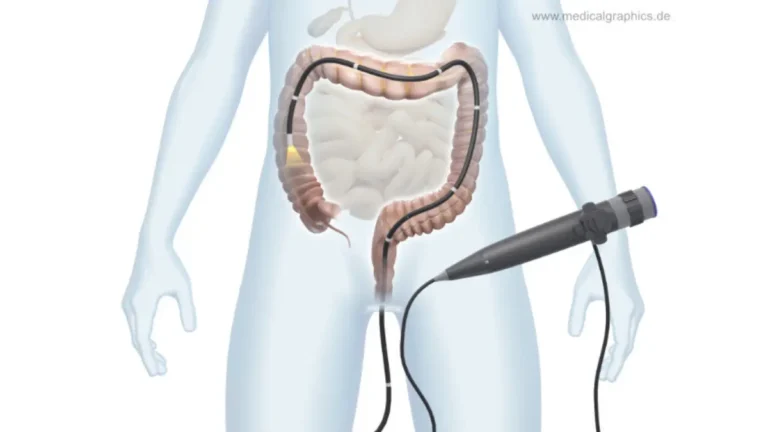
The short version: nearly everyone is kept comfortable, you usually have a choice, and the best option depends on your health, your nerves, and your budget. Seeing the whole procedure first helps, which our complete guide to colonoscopy prep, cost, and results covers alongside colorectal cancer screening basics from the National Cancer Institute.
ℹ️ Medical Disclaimer: This article is general educational information, not medical advice, and does not replace your gastroenterologist or anesthesia team. It does not diagnose conditions, recommend a specific sedative or dose, or guarantee insurance coverage — medication and procedure decisions belong to you and your clinicians, and coverage varies by plan. If you have a condition that affects sedation (heart or lung disease, sleep apnea, or a history of reactions to anesthesia), discuss it with a board-certified gastroenterologist or anesthesiologist before your procedure, and seek prompt care for any warning signs described below.
The levels of colonoscopy sedation, explained
Sedation runs along a recognized continuum, from barely-there relaxation to full anesthesia, and your colonoscopy can sit at different points on it. From lightest to deepest, the four levels are:
- Minimal (light) sedation: medication relaxes you, but you stay awake, can answer questions, and may feel some pressure or discomfort.
- Moderate (“conscious”) sedation: you feel drowsy, often drift in and out, and usually remember little or nothing, while still able to respond to a voice or light touch.
- Deep sedation / monitored anesthesia care (MAC): you sleep through the exam and almost certainly won’t remember it, though you’re not as far under as general anesthesia.
- General anesthesia: you’re fully unconscious with breathing support — rarely used for a routine colonoscopy and reserved for specific situations.
Most US patients receive moderate or deep sedation. Conscious sedation is sometimes called “twilight sleep” — a relaxed, hazy state where the procedure simply doesn’t register. These definitions follow the recognized levels of sedation described by MedlinePlus and the ASA.
🔬 How It Works: All of these medicines are given through an IV and act on the brain and nervous system to turn down awareness, memory, and the sensation of discomfort. The “level” is essentially how far that dial is turned — and trained staff adjust it in real time based on how you respond.
Knowing where you sit on this continuum is the first step; understanding what actually happens during a colonoscopy fills in the rest.
Which drugs are used for colonoscopy sedation?
The medications fall into two main approaches, matched to the level of sedation your team plans:
- Moderate sedation: a benzodiazepine — usually midazolam (brand name Versed) — paired with a short-acting opioid such as fentanyl. The first relaxes you and blunts memory; the second eases discomfort.
- Deep sedation (MAC): propofol, a fast-acting anesthetic that is not an opioid. It produces deeper sleep, works within minutes, and clears quickly.
🔬 How It Works: Midazolam and fentanyl act on separate targets — calming the brain and dampening pain signals — while propofol broadly quiets brain activity. Because propofol works fast and deep, it’s typically given by an anesthesia professional watching your breathing continuously, consistent with the FDA prescribing information for propofol.
A key safety detail: the benzodiazepine and opioid each have an antidote if you become over-sedated. Flumazenil reverses midazolam, and naloxone reverses opioids like fentanyl; propofol has no reversal agent, which is exactly why it’s titrated carefully by trained staff. Reassuringly, needing any reversal during moderate-sedation endoscopy is rare — on the order of 0.03% of cases, roughly 3 in 10,000.
🩺 Physician Note: This is general education — you don’t choose or dose these drugs yourself; your team selects and adjusts them in real time. Current professional guidance from the ASGE, with the AGA and ACG, supports trained gastroenterologists directing propofol in appropriate settings, not anesthesiologists alone.
✅ Patient Action: Before your procedure, tell your gastroenterologist or anesthesiologist if you have sleep apnea, significant heart or lung disease, or take regular opioids or benzodiazepines — and ask which sedation plan is safest for you. It also helps to confirm which medications to stop before your procedure.
Conscious sedation vs. propofol (MAC): how to choose
There’s no universal winner here — the right pick balances how fast you want to bounce back, how much you’d rather not feel, your health, and cost. Propofol generally means deeper sleep and a quicker, cleaner recovery; conscious sedation is a lighter touch that’s cheaper and gentler on breathing and blood pressure, with a small chance you’ll sense pressure.
Here’s how the two most common choices compare:
| Factor | Conscious (moderate) sedation | Propofol / MAC | Key clinical detail |
|---|---|---|---|
| Typical drugs | Midazolam + fentanyl | Propofol | Different classes; propofol isn’t an opioid |
| Who administers | Often the gastroenterologist | Anesthesia professional (anesthesiologist/CRNA) | Reflects propofol’s faster, deeper action |
| Awareness | May drift in and out; some recall possible | Asleep; recall very unlikely | Comfort vs. lighter footprint |
| Onset / recovery | Slower onset; grogginess can linger | Fast; many awake ~10–15 min after the drip stops | Propofol clears quickly |
| After-effects | More grogginess and nausea | Less nausea; quicker clear-headedness | Lower delirium risk in older adults |
| Main risks | Lighter effect on breathing/BP | More chance of lowered BP or slowed breathing | Both safe with proper monitoring |
| Cost note | No separate anesthesia bill if endoscopist gives it | Often a separate anesthesia line | See the cost section below |
Sources: ASA and ASGE patient and clinical guidance; Yale Medicine; MD Anderson. Recovery times are typical, not guaranteed. Propofol works within about five minutes and, after the drip stops, most people are fairly awake in 10–15 minutes; moderate-sedation drugs more often leave grogginess, nausea, and — in older adults — delirium.
Does deeper sedation find more? Possibly, for one specific lesion type.
📊 Clinical Data Point: In a 2024 registry study of 54,063 colonoscopies, serrated polyps — a flatter, easily-missed precancerous type — were detected in 34.0% of propofol cases versus 24.5% with moderate sedation, with the association holding for serrated polyps but not adenomas. Source: a 2024 registry study in Anesthesiology (Quaye et al.).
That’s an association, not proof that propofol prevents cancer — but it’s a real signal worth knowing. Sedation choice can also depend on how long the procedure itself is expected to take.
✅ Patient Action: Ask your gastroenterologist directly: “Given my health, do you recommend moderate sedation or propofol — and who will administer it?”
Can you have a colonoscopy without sedation?
Yes — and a small share of patients choose exactly that. Refusing sedation is uncommon in the US; in a 2016 national survey only about 2% went without, though many centers now offer an unsedated or “on-demand” minimal-sedation option for those who want it.
People skip sedation for practical reasons: wanting to drive themselves home, avoiding anesthesia-related complications, or steering clear of the opioids used in lighter sedation. The trade-off is honest — without sedation you may feel more pressure or cramping as the scope moves, and not everyone tolerates that comfortably.
🩺 Physician Note: An unsedated colonoscopy tends to suit motivated, well-prepared patients, and some find it easier than expected; others would rather not chance the discomfort. Neither choice is “braver” — it comes down to your tolerance and priorities.
Who it suits best is people who want zero downtime and a same-day return to driving and work. What to expect if you skip it is a fully alert exam, possible cramping, and the freedom to leave on your own.
✅ Patient Action: If this appeals to you, ask whether your center offers an unsedated or minimal-sedation colonoscopy and whether you’re considered a good candidate.
Recovery, side effects, and when to call your doctor
Recovery from colonoscopy sedation is usually quick, but feeling fine is not the same as being safe to drive. Here’s what to plan for.
How long it takes to wear off: with propofol, most people are awake within about 10–15 minutes of the IV stopping, and the heavier fog clears soon after; with moderate sedation, grogginess and mild nausea can hang on for several hours. Either way, expect some bloating or gas afterward, which walking helps.
Why you need a ride home: after any sedation you should not drive, take public transit alone, return to work, or make important decisions that day — arrange a responsible adult to take you home, and avoid driving for the rest of the day, commonly cited as about 24 hours. Centers will typically not let you leave alone, so set this up in advance. While organizing the day, review your pre-procedure fasting and diet instructions.
⚠️ Clinical Warning: Call your endoscopy center or seek urgent care if, after the procedure, you have severe or worsening abdominal pain, heavy rectal bleeding, a fever, persistent vomiting, or any trouble breathing. These can signal a rare complication and are not something to wait out at home.
Light spotting with your first bowel movement can be normal, especially after a polyp or biopsy; the warning signs above are different. Once results are back, our guide to what your colonoscopy results mean helps you read them.
Will sedation add to your colonoscopy bill?
This is where accurate information saves you money. Under the Affordable Care Act, a screening colonoscopy for average-risk adults is covered with no out-of-pocket cost on most plans, and federal guidance treats services bundled with it — including polyp removal — as integral parts of that screening. That bundle also covers anesthesia provided in connection with a preventive colonoscopy, and the USPSTF recommends average-risk screening start at age 45.
In plain terms, for an in-network screening colonoscopy on an ACA-compliant plan, the anesthesia generally should not generate a separate patient bill. Surprise anesthesia charges more often come from a diagnostic (not screening) procedure, an out-of-network anesthesia provider, a Medicare nuance, or a coding error.
🩺 Physician Note: Medicare has historically charged about 15% coinsurance if a polyp is removed during a screening colonoscopy, but that share is being phased out and is set to reach zero by 2030. Commercial plans should not charge for polyp removal during screening.
✅ Patient Action: Before your procedure, call your insurer and confirm it’s coded as screening, the facility and anesthesia provider are in-network, and polyp removal will stay at $0; ask your GI office who administers sedation. The American Cancer Society’s breakdown of screening coverage laws is a useful reference.
Colonoscopy sedation: frequently asked questions
1. Are you awake during a colonoscopy?
Usually you’re at least lightly asleep. With moderate (conscious) sedation you feel drowsy, drift in and out, and typically remember little; with deep sedation or propofol you sleep through it and almost certainly won’t recall it. A small number of people choose no sedation and stay fully awake throughout.
2. What kind of sedation is used for a colonoscopy?
Colonoscopy sedation spans four levels: minimal (light), moderate (“conscious”), deep sedation or monitored anesthesia care, and — rarely — general anesthesia. Most US patients receive moderate or deep sedation. The level you have determines how aware you are and who administers the medication during your procedure.
3. What drugs are used for colonoscopy sedation?
Two main approaches exist: moderate sedation usually combines midazolam (a benzodiazepine) with fentanyl (an opioid), while deep sedation uses propofol, a fast-acting anesthetic that isn’t an opioid. All are given through an IV by trained staff. Ask your care team which plan fits your health.
4. Is propofol or conscious sedation better for a colonoscopy?
Neither is universally better. Propofol means deeper sleep and faster, cleaner recovery but usually a separate anesthesia provider; conscious sedation is lighter and cheaper with less effect on breathing, though you may feel some pressure. Discuss the right fit with your gastroenterologist.
5. Can you have a colonoscopy without sedation?
Yes. About 2% of US patients go without, often to drive themselves home or avoid opioids, and many centers offer unsedated or on-demand minimal sedation. You may feel more pressure or cramping during the exam. Ask whether you’re a good candidate for an unsedated colonoscopy.
6. How long does it take to recover from colonoscopy sedation?
With propofol, most people are awake within about 10–15 minutes of the IV stopping, with fog clearing soon after; moderate-sedation grogginess can last several hours. Bloating and gas are common briefly. You’ll need someone to take you home regardless of how alert you feel.
7. Do you need someone to drive you home after a colonoscopy?
Yes, if you receive any sedation. The medications impair judgment and reaction time, so you shouldn’t drive, work, or make big decisions that day — and driving is commonly restricted for about 24 hours. Arrange a responsible adult before your appointment.
8. Does insurance cover anesthesia for a colonoscopy?
For an in-network screening colonoscopy on an ACA-compliant plan, anesthesia and polyp removal are generally covered with no separate patient cost as integral parts of the screening. Diagnostic procedures, out-of-network providers, or coding errors can trigger charges. Confirm coding and network status with your insurer beforehand.
9. Is colonoscopy sedation safe?
Yes, for most people, with trained monitoring. The main risks are slowed breathing or lowered blood pressure, watched continuously by staff, and reversal medications exist for the benzodiazepine and opioid. Needing reversal is rare. Share your health history with your care team to plan the safest approach.
10. Will I feel pain during a colonoscopy?
With sedation, most people feel little or nothing and remember little. Some pressure, cramping, or bloating from air is possible, and it’s more likely if you choose no sedation. Tell your team about anxiety or low pain tolerance so they can plan for it.
11. How long does propofol take to wear off?
Propofol acts within minutes and clears quickly — many people are awake roughly 10–15 minutes after the drip stops, with the heavier effects fading soon after. Some drowsiness can linger into the day, which is why a ride home is still required.
Choosing the right sedation for you
The “best” sedation isn’t a single answer — it’s the one that fits your comfort with being aware, your health profile, how fast you need to return to normal, and what your plan covers. Moderate sedation, propofol, and going without each have a genuine case, and you’re allowed to weigh in.
The most useful thing you can do is turn this into a short conversation at your pre-procedure call: which level is planned, who administers it, and how it will be billed. Walk in with those three answered and the day gets far less stressful.
✅ Patient Action: Bring a written list to your scheduling call — your planned sedation level, who administers it, your fasting timing, and your insurer’s coding confirmation.
About this content
How this article was put together: researched from recognised health sources, drafted with the help of AI tools, and edited by hand, with sources linked throughout.

Sameer Patel is the founder and editor of My Medicine Advisor. He is not a doctor or medical professional — before starting this site he worked in banking,…
Medical disclaimer
The content on MyMedicineAdvisor is provided for general informational and educational purposes only and is not a substitute for professional medical advice, diagnosis, or treatment. Health information on this website should not be used to diagnose, treat, cure, or prevent any condition without guidance from a qualified healthcare professional. Always seek the advice of your doctor, physician, or another licensed healthcare provider with any questions you may have regarding a medical condition, symptoms, medications, or treatment decisions.