
On This Page – Quick Medical Summary
Does a colonoscopy hurt? The honest short answer
If you are reading this the night before your colonoscopy, here is the reassurance you came for: for most people, the procedure itself does not hurt. You receive sedation that keeps you comfortable and usually erases any memory of the exam.
Where you are right now changes what you need. If your procedure is already booked, jump to what you’ll feel and how recovery works. If you are deciding whether to schedule at all, the screening and comfort section is for you. If your worry is being aware during the exam, the next section answers that head-on. And if you are helping a parent or partner prepare, the recovery and warning-sign sections will matter most.
The part most pages gloss over: the bowel prep the day before is what patients actually dislike — not the procedure. Once you’re sedated, the exam is usually quick and uneventful. This guide covers both halves of your question, drawing on the complete guide to colonoscopy prep, cost, and results.
ℹ️ Medical Disclaimer: This article is general education, not medical advice, and does not replace care from a licensed clinician. Decisions about sedation, anesthesia, the procedure itself, screening timing, and any medications you take or pause should be made with a board-certified gastroenterologist, your anesthesia provider, or your primary care physician who knows your full history.
Will you be awake during a colonoscopy?
Most people are not fully awake during a colonoscopy. Depending on the sedation used, you are either lightly relaxed, drowsy, or fully asleep — and the majority of patients remember none of it.
It helps to separate two things that sound the same but aren’t: being technically “awake” and being aware of discomfort. Lighter sedation can leave you rousable yet calm and largely without memory, while deeper sedation puts you fully to sleep. Monitored anesthesia care with propofol is the widely used standard in the United States for this exam.
🔬 How It Works: Sedatives reach your bloodstream through an IV and quietly dial down awareness and the sensation of discomfort. With propofol, most people are asleep within about five minutes and wake up roughly 10 to 15 minutes after the drip stops — which is why the exam can feel like it lasted only a moment.
The takeaway that calms most patients: “awake” in the medical sense does not mean lying there feeling everything. The level of sedation is chosen to keep you comfortable from start to finish.
Sedation options: conscious sedation vs. propofol
There is no single sedation used for every colonoscopy — you generally have a few options, and they differ in what you feel and what you remember. Knowing them lets you have a real conversation with your care team instead of leaving it entirely to chance. A deeper breakdown lives in our guide to colonoscopy sedation options.
| Sedation type | Typical medicines | What you feel | What you’ll remember | Best for |
|---|---|---|---|---|
| Moderate (conscious) sedation | Midazolam + fentanyl (IV) | Drowsy and relaxed; may notice mild pressure or cramping | Often little or nothing; some recall is possible | People who want lighter sedation or have certain heart/lung concerns |
| Deep sedation / MAC | Propofol (IV, given by an anesthesia professional) | Asleep, no awareness during the exam | Almost always nothing | Most US patients; anyone who wants to be fully asleep |
| General anesthesia | Reserved for special cases | Fully unconscious with breathing support | Nothing | Rare — complex airway issues or unusually long procedures |
| No sedation | None | Awake; may feel pressure, cramping, or gas | Everything, though many tolerate it well | Selected patients who prefer to skip sedation; less common in the US |
Synthesized from NIDDK (NIH), American Society of Anesthesiologists patient guidance, and published sedation literature.
⚠️ Clinical Warning: Propofol can lower blood pressure and slow breathing, which is exactly why an anesthesia professional monitors you throughout. If you have significant heart or lung disease, your team may favor conscious sedation — give them your full medical and medication history so they can choose safely.
✅ Patient Action: Ask your gastroenterologist or anesthesia provider: “Which sedation level is planned for me, and given my heart, lung, and medication history, is propofol or conscious sedation the safer choice?”
What a colonoscopy actually feels like
Under sedation, most people feel little to nothing during a colonoscopy. Some notice mild pressure, cramping, or a gassy fullness as the colon is gently inflated so the doctor can see the lining clearly.
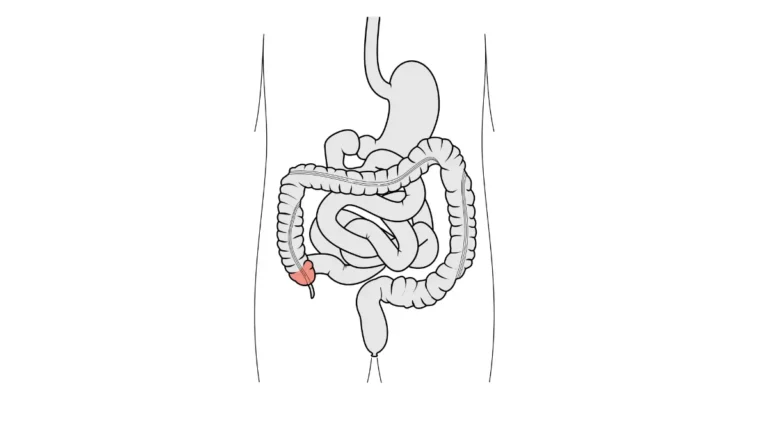
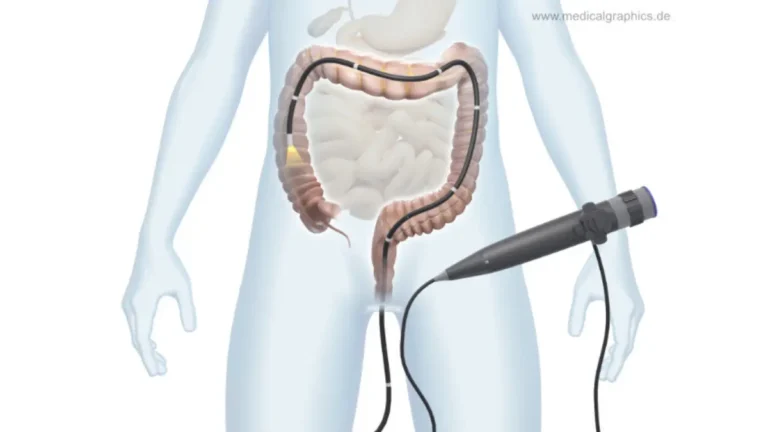
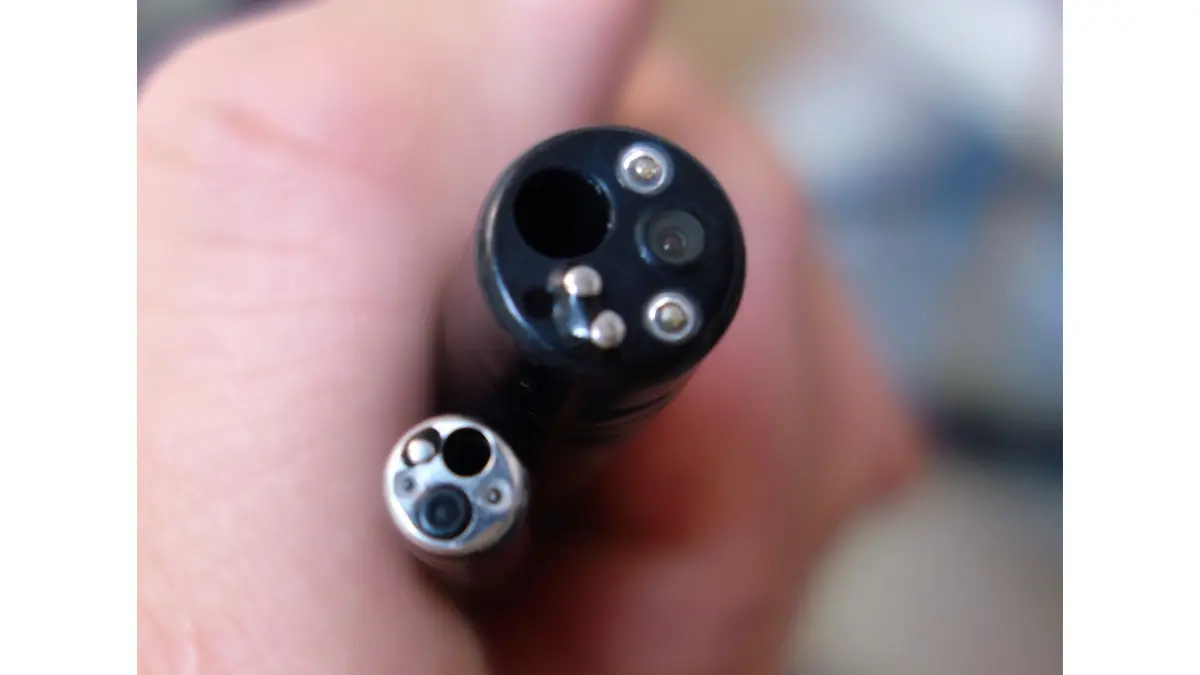
🔬 How It Works: To get a clear view, the doctor inflates your colon with air or carbon dioxide and guides a thin, flexible camera along its bends. That expansion is what can register as pressure or gas — not a sharp pain — and the sedation is there to keep even that sensation from bothering you. You can see the step-by-step in what actually happens during a colonoscopy.
Here is the honest reframe: for most patients, the bowel prep the day before is the genuinely unpleasant part, not the exam. The laxative routine empties the colon, and while it isn’t fun, planning ahead makes it far more manageable — start with how to prepare for a colonoscopy.
Recovery: what to expect after a colonoscopy
You will typically stay at the facility for about 30 to 60 minutes while the sedation wears off. Many people feel gas or bloating in the first hour, and most return to a normal diet and usual activities by the next day.
📊 Clinical Data Point: Plan for roughly 30–60 minutes of monitored recovery before discharge, with full recovery and a return to your normal diet usually by the following day — Source: NIDDK (NIH), Colonoscopy.
That trapped-gas feeling is normal and expected, and gentle walking helps move it along. If polyps were removed or a biopsy taken, a little light bleeding can also be normal in the hours afterward. Because the sedatives blunt your judgment and reflexes, you should not drive, and it’s wise to avoid important legal or financial decisions for about 24 hours.
✅ Patient Action: Arrange your ride home before the day of the exam — because of sedation you cannot drive yourself, and most centers will not discharge you to leave alone. For timing, see how long a colonoscopy and its recovery take.
Colonoscopy risks and warning signs to watch for
Serious complications from a colonoscopy are uncommon, and it helps to see the real numbers rather than a vague “it’s rare.” In a large analysis of routine outpatient colonoscopies:
- Bleeding occurred in about 1.6 per 1,000 procedures.
- Perforation — a tear in the colon wall — occurred in about 0.85 per 1,000.
- Procedure-related death was very rare, around 1 in 14,000.
📊 Clinical Data Point: Bleeding ≈1.6/1,000, perforation ≈0.85/1,000, and procedure-related death ≈1 in 14,000, with higher risk when polyps are removed, at older ages, and with lower-volume endoscopists — Source: a large analysis of outpatient colonoscopies in usual clinical practice (PubMed). Put in perspective: removing precancerous polyps during the exam is precisely how a colonoscopy helps prevent colorectal cancer in the first place.
Knowing the warning signs matters more than memorizing the odds. The complication that needs urgent attention usually announces itself in the hours to days afterward.
⚠️ Clinical Warning: After a colonoscopy, severe or worsening abdominal pain, a fever, dizziness or fainting, or heavy rectal bleeding are red flags — not normal recovery — and need prompt evaluation.
✅ Patient Action: If you develop severe abdominal pain, fever, dizziness, or heavy rectal bleeding after your colonoscopy, call your doctor or go to the emergency department right away — do not wait it out.
How to make your colonoscopy more comfortable
Much of your comfort comes down to a few things you can actually influence — your sedation choice, your prep, and your nerves. A little planning turns the whole experience from dreaded to routine.
Questions to ask about sedation. Confirm which sedation is planned and whether you can request deeper or lighter sedation based on your history. Your team may also ask you to pause certain medicines beforehand — review which medications to stop before a colonoscopy so nothing is a surprise.
Easing the prep and your nerves. Chilling the prep solution, using a straw, and staying near a bathroom make the bowel prep far more tolerable. Slow breathing and arriving early help with anxiety on the day.
When should you get screened? Current US guidance recommends starting screening at age 45 for adults at average risk.
🩺 Physician Note: The recommended start age for average-risk colorectal cancer screening was lowered from 50 to 45. A frequent point of confusion is assuming “awake” sedation means feeling everything — in practice, even lighter sedation is aimed squarely at keeping you comfortable.
✅ Patient Action: If you’re 45 or older — or younger with a family history of colorectal cancer or polyps — ask your primary care doctor, “Based on my history, when should I start screening and which test fits me best?” See the CDC’s guidance to begin screening at 45.
Colonoscopy pain and sedation: common questions
1. Does a colonoscopy hurt?
For most people, a colonoscopy does not hurt, because you receive sedation that keeps you comfortable and usually erases any memory of the exam. You may feel mild pressure, cramping, or gas as the colon is inflated, but sharp pain is not expected. The bowel prep the day before is the part patients tend to dislike most.
2. Will I be awake during a colonoscopy?
Most people are not fully awake during a colonoscopy. Depending on the sedation used, you may be lightly relaxed, drowsy, or fully asleep — and the majority remember none of it. Being technically “awake” under lighter sedation does not mean lying there feeling everything; the goal is comfort throughout.
3. What sedation will I get for a colonoscopy?
The common options are moderate (conscious) sedation using midazolam and fentanyl, or deep sedation/MAC using propofol given by an anesthesia professional. General anesthesia is rarely needed. Which one you receive depends on your health and your center’s practice; ask your gastroenterologist or anesthesia provider what is planned for you.
4. Is propofol or conscious sedation better for a colonoscopy?
Neither is universally “better.” Propofol (deep sedation) tends to mean no awareness and a fast, clear-headed recovery, but it requires an anesthesia professional. Conscious sedation is lighter and may carry less effect on blood pressure and breathing. The safer choice depends on your heart, lung, and medication history — discuss it with your care team.
5. Can I have a colonoscopy without sedation?
Yes, an unsedated colonoscopy is possible for some people, though it is less common in the United States. Without sedation you stay fully awake and may feel pressure, cramping, or gas, but many patients tolerate it and skip the recovery downtime. Whether it’s appropriate for you is a conversation to have with your gastroenterologist.
6. Will I remember the colonoscopy afterward?
Usually not. With deep sedation using propofol, patients are very unlikely to have any memory of the exam, and even moderate sedation often leaves little or no recall. This memory-blunting effect is one reason the procedure feels like it passed in a moment for most people.
7. Why do I have gas and bloating after a colonoscopy?
During a colonoscopy the colon is inflated with air or carbon dioxide for a clear view, and some of that lingers afterward. Gas and bloating in the first hour are normal and expected, not a sign that something is wrong. Gentle walking usually helps move the trapped gas along and eases the fullness.
8. Can I drive myself home after a colonoscopy?
No. Because sedation blunts your reflexes and judgment, you cannot drive after a colonoscopy and most centers will not discharge you to leave alone. Arrange a ride home before the day of the exam, and avoid important legal or financial decisions for about 24 hours.
9. How long does recovery take?
You’ll typically spend about 30 to 60 minutes in monitored recovery while the sedation wears off. Most people feel back to normal and can return to a regular diet by the next day. If polyps were removed or a biopsy was taken, light bleeding can be normal for a short time afterward.
10. Is a colonoscopy dangerous?
Serious complications are uncommon. In a large analysis of routine outpatient colonoscopies, bleeding occurred in about 1.6 per 1,000 procedures and perforation in about 0.85 per 1,000. Risk is higher when polyps are removed. Seek urgent care for severe pain, fever, or heavy bleeding, and discuss your personal risk with your doctor.
11. At what age should I start colonoscopy screening, and how often?
Current US guidance recommends average-risk colorectal cancer screening starting at age 45, with a colonoscopy generally repeated every 10 years if results are normal. People with a family history may start earlier and need colonoscopy specifically. The American Cancer Society outlines how often to repeat screening; confirm your schedule with your doctor.
The bottom line on colonoscopy comfort
Here is what you came to hear: with sedation, a colonoscopy is comfortable for most people, you very likely won’t remember it, and recovery is usually quick. The prep is the harder part — and it’s the part you can plan for.
Your next step depends on where you started. If your exam is booked, sort out your ride and your prep. If you’re weighing screening, check your timing and risk. And once you have results in hand, you can decode what each colonoscopy finding means or revisit the full colonoscopy prep, cost, and results guide. Not sure whether family history means you should start earlier? Our Genetic Risk Assessment Tool can help you frame that conversation with your doctor.
About this content
How this article was put together: researched from recognised health sources, drafted with the help of AI tools, and edited by hand, with sources linked throughout.

Sameer Patel is the founder and editor of My Medicine Advisor. He is not a doctor or medical professional — before starting this site he worked in banking,…
Medical disclaimer
The content on MyMedicineAdvisor is provided for general informational and educational purposes only and is not a substitute for professional medical advice, diagnosis, or treatment. Health information on this website should not be used to diagnose, treat, cure, or prevent any condition without guidance from a qualified healthcare professional. Always seek the advice of your doctor, physician, or another licensed healthcare provider with any questions you may have regarding a medical condition, symptoms, medications, or treatment decisions.