
On This Page – Quick Medical Summary
If you just turned 45 and got a screening reminder — or you keep seeing headlines about colon cancer in younger people — you’re in the right place. In 2021, the recommended age to start colorectal cancer screening dropped from 50 to 45, and that change is now standard across the US.
Where you go next depends on your situation:
- Average risk, wondering if you need screening now? Start with what changed and why (Sections 2–3).
- Family history or symptoms? The section on who should start earlier is for you (Section 4).
- Weighing whether colonoscopy is your only option? Jump to the test comparison (Section 5).
- Worried about the bill? The insurance section breaks down what’s covered (Section 6).
This guide explains why the age moved, whether it applies to you, and what screening actually costs — every figure tied to its source. For the full walkthrough of prep, cost, and results, see our complete colonoscopy guide. If this is your first time, here’s what to expect.
ℹ️ Medical Disclaimer: This article is educational and does not diagnose disease, recommend a specific screening test, prescribe treatment, or guarantee insurance coverage. Screening decisions, symptom evaluation, and questions about what your specific plan covers should be made with a board-certified primary-care physician or gastroenterologist and your insurer. If you have symptoms such as rectal bleeding, see a clinician promptly rather than waiting for a routine screening age.
What changed: the screening age moved from 50 to 45
For decades, routine screening started at 50. That changed on May 18, 2021, when the U.S. Preventive Services Task Force (USPSTF) lowered the recommended start age to 45 for adults at average risk. The American Cancer Society had already issued a qualified recommendation for age 45 back in 2018.
When the USPSTF lowered the age — and what “Grade B” means
The USPSTF gives each recommendation a letter grade reflecting how strong the evidence is. Screening for adults 45–49 carries a Grade B — moderate certainty of a moderate net benefit — while screening for ages 50–75 keeps the stronger Grade A.
🩺 Physician Note: The grade matters beyond the clinic. Because age-45 screening earned a Grade B, federal rules require most insurance plans to cover it without cost-sharing — the practical reason the lower age reached patients so quickly. Section 6 covers the details.
What counts as “average risk”
Average risk means you have no personal history of colorectal cancer, adenomatous polyps, or inflammatory bowel disease, and no family history of hereditary syndromes such as Lynch syndrome or familial adenomatous polyposis. If any of those apply to you, your starting age may be earlier — that’s the next section. You can read the USPSTF’s official screening recommendation for the full statement.
Why the age dropped: colon cancer is rising in younger adults
The age moved because the disease is moving. While colorectal cancer is falling in older adults, it’s climbing steadily in younger ones — and the guideline followed the data.
How fast early-onset colorectal cancer is rising
Early-onset colorectal cancer — diagnosed before 50 — has been increasing for years, even as overall rates decline.
📊 Clinical Data Point: From 2013 to 2022, colorectal cancer incidence rose about 3% per year in adults 20–49 and 0.4% per year in those 50–64, while falling 2.5% per year in adults 65 and older. Source: American Cancer Society, Colorectal Cancer Statistics 2026.
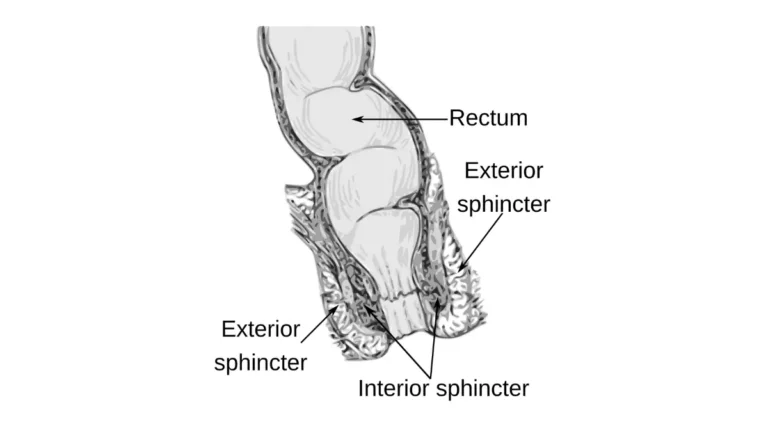
The increase is concentrated in the distal colon and the rectum, and rectal cancer now makes up roughly a third of all colorectal cancer diagnoses — up from about a quarter two decades ago.
Why this prompted the change
The most telling number for anyone turning 45: about half of all colorectal cancer diagnoses in people under 50 fall in the 45–49 age group — exactly the window the new guideline now covers. And roughly 3 in 4 colorectal cancers found under 50 are already advanced when caught, which is part of why earlier detection matters.
📊 Clinical Data Point: Colorectal cancer is now the second leading cause of cancer death in the US overall, and the number-one cause of cancer death in adults under 50. Source: American Cancer Society, Colorectal Cancer Statistics 2026.
If you want the symptom side of this trend, we cover colon cancer symptoms in people under 50 separately. For the full national picture, see the American Cancer Society’s 2026 statistics.
Do you need a colonoscopy at 45? Average risk vs. starting earlier
Whether 45 is your starting line depends on your risk category. The guideline sets 45 as the default for average-risk adults — but several factors move that line earlier.
If you’re at average risk
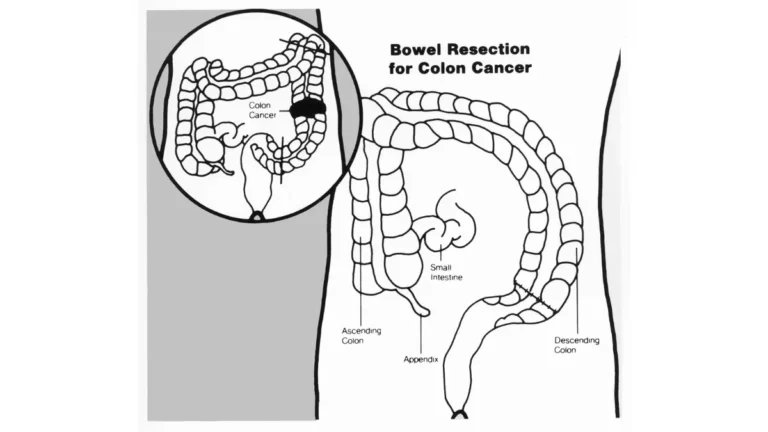
If you have no personal or family history that raises your risk, 45 is when routine screening begins. Screening is for people without symptoms; its job is to find precancerous colon polyps before they ever become cancer.
🔬 How It Works: Most colorectal cancers start as a small polyp on the colon’s lining that grows slowly over years. A colonoscopy can find and remove these polyps during the same procedure, interrupting that sequence before cancer develops. (More on what polyps mean for cancer risk.)
If you have a family history or other risk factors
People with inflammatory bowel disease, a personal or family history of colorectal polyps or cancer, or syndromes like Lynch syndrome or familial adenomatous polyposis are often advised to start earlier than 45 — and to screen more often. The right starting age in these cases is set individually with a clinician.
✅ Patient Action: If a parent, sibling, or child had colorectal cancer or advanced polyps, ask a gastroenterologist: “Given my family history, at what age should I start, and how often should I be screened?” You can also gauge your inherited risk before that visit.
If you have symptoms at any age
Screening guidelines assume you feel well. Symptoms — at any age, including under 45 — are a reason for prompt medical evaluation, not a reason to wait for a screening birthday. The CDC’s guidance on who should start earlier and what to raise with a doctor is a useful reference, and Section 7 covers the warning signs.
Is colonoscopy your only option at 45?
Colonoscopy gets the most attention, but it isn’t the only test the guideline endorses. Several options are recommended for average-risk adults — and the best one is the one you’ll actually complete.
Colonoscopy: the most complete test
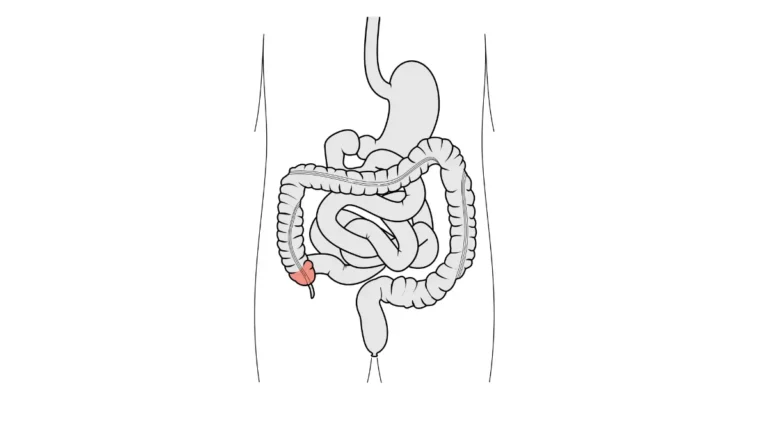
A colonoscopy both examines the entire colon and removes polyps during the same procedure, which is why it’s considered the most thorough option. For average-risk adults with a normal result, it’s repeated every 10 years. Here’s how to prepare for one.
Other recommended options
Stool-based tests and imaging are also accepted, each with a different trade-off in convenience, frequency, and what happens if the result is abnormal.
| Test | How often | What it involves | If the result is positive | Best for |
|---|---|---|---|---|
| Colonoscopy | Every 10 years | Sedation + full bowel prep | Polyps removed during the test | The most complete, longest-interval option |
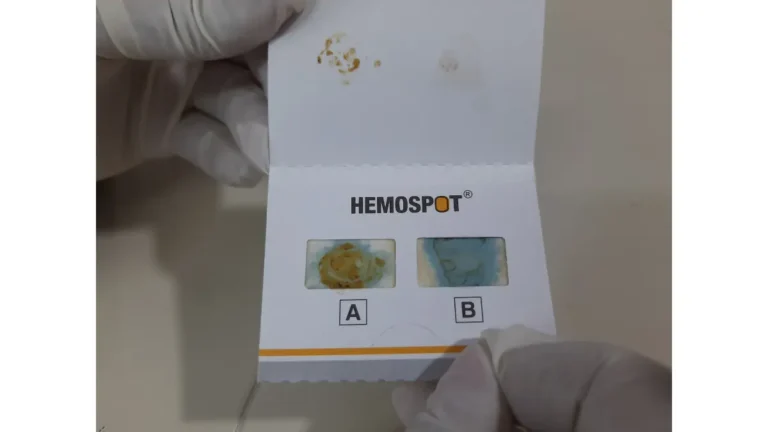
| FIT (stool test) | Every year | At-home stool sample, no prep | Needs a follow-up colonoscopy | Starting at home, yearly |
| Multi-target stool DNA | Every 3 years | At-home stool sample | Needs a follow-up colonoscopy | At-home testing, less often |
| CT colonography | Every 5 years | Imaging scan + bowel prep | Follow-up colonoscopy if polyps seen | Avoiding sedation |
| Blood-based test (Medicare, ages 45–85) | Every 3 years | Blood draw | Needs a follow-up colonoscopy | Declining other options |
Source: test options and intervals per the USPSTF (2021) and the American Cancer Society.
One point ties the table together: if any non-colonoscopy test is positive, the next step is a colonoscopy — and how often you’ll need repeat colonoscopies afterward depends on what’s found.
⚠️ Clinical Warning: At-home screening kits are a legitimate way to start, but a positive result is not a diagnosis — it must be followed by a colonoscopy. Skipping that follow-up defeats the entire purpose of screening, and a positive stool test left uninvestigated can mean a missed cancer.
Does insurance cover a colonoscopy at 45?
For most people with insurance, a screening colonoscopy at 45 is covered with no out-of-pocket cost. The reason traces directly back to that USPSTF Grade B.
Why it’s covered with no cost-sharing at 45
Under the Affordable Care Act, plans must cover USPSTF Grade A and B preventive services without copays, coinsurance, or deductibles. Because age-45 screening earned a Grade B, ACA-compliant plans have had to cover screening colonoscopy with no cost-sharing for plan years beginning on or after May 31, 2022.
That protection extends to the follow-up colonoscopy after a positive stool test — federal guidance treats it as an integral part of the screening process, not a separate test.
When you might still get a bill
The catch is how the procedure is coded. A colonoscopy can be billed as diagnostic rather than screening — for example, if you’re having it because of symptoms — which can bring cost-sharing back.
📊 Clinical Data Point: With Medicare, a screening colonoscopy is covered at no cost, but if a polyp is removed during the procedure, you may owe about 15% coinsurance on the physician’s services. Source: American Cancer Society.
✅ Patient Action: Before you book, call your insurer and ask: “Is this coded as preventive screening, and will I owe anything if a polyp is found and removed?” Getting the answer in writing can prevent a surprise bill. The ACS breakdown of screening coverage laws is a helpful primer.
Warning signs you shouldn’t wait on — at any age
Screening is for people who feel fine. If something feels wrong, that’s a different situation — and your age doesn’t change it.
Symptoms that warrant a prompt appointment
According to the CDC, symptoms that should prompt a conversation with a clinician include:
- Rectal bleeding — blood in or on your stool
- A change in bowel habits that doesn’t resolve
- Diarrhea, constipation, or a feeling that the bowel doesn’t fully empty
- Abdominal pain, aches, or cramps that don’t go away
- Unexplained weight loss
These symptoms have many causes, most of them not cancer — but they’re a reason to be evaluated rather than to wait. We cover bowel cancer symptoms worth acting on in more detail separately.
Why age shouldn’t delay evaluation
Because colorectal cancer is rising in younger adults — and tends to be found at a later stage in this group — symptoms under 45 deserve to be taken seriously rather than dismissed as “too young.”
✅ Patient Action: If you have ongoing rectal bleeding or a persistent change in bowel habits, see a primary-care physician or gastroenterologist and ask directly: “Could this need a diagnostic colonoscopy now, regardless of my age?” The CDC’s list of colorectal cancer symptoms is a reliable reference to review beforehand.
Colonoscopy at 45: frequently asked questions
1. Why did they lower the colonoscopy age to 45?
The USPSTF lowered the start age to 45 in 2021 because colorectal cancer is rising in younger adults. Incidence climbed about 3% per year in people 20–49, and roughly half of all under-50 diagnoses fall in the 45–49 group the new guideline now covers.
2. Is 45 too young for a colonoscopy?
No. For average-risk adults, 45 is now the recommended starting age for colorectal cancer screening, backed by both the USPSTF and the American Cancer Society. The change reflects rising disease in younger adults, not an overreaction.
3. Do I need a colonoscopy at 45 if I have no symptoms?
Screening is specifically for people without symptoms, so yes — average-risk adults are advised to begin at 45. Screening finds precancerous polyps before they cause any symptoms at all. Confirm your timing with your primary-care physician.
4. What if I have a family history of colon cancer?
A family history of colorectal cancer or advanced polyps often means starting before 45 and screening more often. The exact age is set individually. Ask a gastroenterologist when you should start given your specific family history.
5. Is colonoscopy the only screening option at 45?
No. Recommended average-risk options include colonoscopy, annual stool tests (FIT), multi-target stool DNA every 3 years, and CT colonography every 5 years. Any positive non-colonoscopy result, though, must be followed by a colonoscopy.
6. How often do I need a colonoscopy after 45?
For average-risk adults with a normal result, a colonoscopy is repeated every 10 years. That interval shortens if polyps are found or if you’re at higher risk. Your gastroenterologist sets the schedule based on your results.
7. Does insurance cover a colonoscopy at 45?
Usually yes. Because age-45 screening is a USPSTF Grade B service, ACA-compliant plans must cover screening colonoscopy with no cost-sharing for plan years beginning on or after May 31, 2022. Coverage details still vary by plan.
8. Why might I get a bill for a “free” screening colonoscopy?
A colonoscopy can be coded diagnostic rather than screening — for instance, if it’s done for symptoms — which can restore cost-sharing. With Medicare, removing a polyp during screening may add about 15% coinsurance. Confirm coding with your insurer first.
9. Should I get screened before 45?
Only if you’re at higher risk — such as a family history, inflammatory bowel disease, or a genetic syndrome — or if you have symptoms. Average-risk adults without symptoms start at 45. Ask your clinician whether earlier screening fits your history.
10. What are the warning signs of colon cancer at any age?
The CDC lists rectal bleeding, a lasting change in bowel habits, ongoing abdominal pain, a feeling of incomplete emptying, and unexplained weight loss. These usually have non-cancer causes but warrant evaluation. See a clinician promptly rather than waiting for a screening age.
11. Is colon cancer really rising in young people?
Yes. Colorectal cancer is now the leading cause of cancer death in US adults under 50, and incidence in people 20–49 has been rising about 3% per year. That trend is the main reason the screening age was lowered to 45.
The bottom line on screening at 45
The screening age dropped to 45 for a simple, sobering reason: colorectal cancer is rising in younger adults, and it’s now the leading cause of cancer death in people under 50. For average-risk adults, 45 is the new starting line — and for most insured people, screening at that age is covered with no cost-sharing.
Colonoscopy isn’t your only option, so the most useful next step is a short conversation about which test fits you. Bring your family history, ask which test makes sense, and ask what your plan covers.
For the full picture, see our complete colonoscopy guide, and here’s what your results will mean once you’re screened.
About this content
How this article was put together: researched from recognised health sources, drafted with the help of AI tools, and edited by hand, with sources linked throughout.

Sameer Patel is the founder and editor of My Medicine Advisor. He is not a doctor or medical professional — before starting this site he worked in banking,…
Medical disclaimer
The content on MyMedicineAdvisor is provided for general informational and educational purposes only and is not a substitute for professional medical advice, diagnosis, or treatment. Health information on this website should not be used to diagnose, treat, cure, or prevent any condition without guidance from a qualified healthcare professional. Always seek the advice of your doctor, physician, or another licensed healthcare provider with any questions you may have regarding a medical condition, symptoms, medications, or treatment decisions.