
On This Page – Quick Medical Summary
If you are over 75 and another colonoscopy reminder just arrived, you are likely asking a fair question: at this age, is it still worth doing? Major medical groups ask the same thing, and the honest answer depends far more on your health and life expectancy than on your age.
This guide is for three readers. If you are healthy and active in your late seventies — especially if never screened or overdue — screening may still genuinely help. If you are in your eighties or living with serious illness, the balance often shifts the other way. And if you are weighing this for a parent, the numbers below support an informed conversation. For the basics, see our complete guide to colonoscopy prep, cost, and results.
ℹ️ Medical Disclaimer: This article is general health education, not medical advice. Decisions about screening, the procedure, sedation, your medications, and coverage should be made with a board-certified gastroenterologist or primary care physician. If you have symptoms such as rectal bleeding, see a clinician promptly rather than waiting for a scheduled screening.
What screening guidelines say about colonoscopy after 75
There is no single age at which everyone must stop. The U.S. Preventive Services Task Force (USPSTF) recommends screening all adults aged 45 to 75, screening adults 76 to 85 selectively — based on health, prior screening, and preferences — and generally stopping after 85, as detailed in the U.S. Preventive Services Task Force recommendation.
📊 Clinical Data Point: The USPSTF grades colorectal cancer screening “A” for ages 50–75, “B” for 45–49, and “C” — selective — for 76–85. Source: USPSTF, 2021.
Ages 76–85: a selective, individual decision
A “C” grade means the average benefit is small and the choice should be tailored. A healthy, never-screened 77-year-old and a frail 84-year-old sit at very different points, though screening without symptoms is the goal for both.
After 85: when screening is generally not recommended
Beyond 85, most groups advise against routine screening, because the procedure’s risks outweigh a benefit that arrives too late to help.
Where the major guidelines agree and differ
The American Cancer Society, the AAFP, and the U.S. Multi-Society Task Force also individualize screening from 76 to 85, while the American College of Physicians leans toward stopping. The common thread: age alone should not decide it — much as it shapes when colon cancer screening usually begins.
Why your life expectancy matters more than your age
The most useful idea here is the gap between when screening’s harms happen and when its benefit arrives. Colorectal screening takes roughly 10 years to prevent one death, while the procedure’s risks occur right away.
🔬 How It Works: Screening prevents deaths by removing precancerous polyps before they become cancer, or catching cancer early. That polyp-to-cancer process unfolds over many years, which is why the payoff shows up about a decade later.
The 10-year lag time to benefit
A pooled analysis found it takes about 10 years for stool-based screening to prevent one colorectal cancer death per 1,000 people screened. That is why groups like the ACP and ACS use a life expectancy under 10 years as the point to consider stopping — the question shifts from age to “am I likely to live long enough to benefit?”
What life expectancy looks like at 75 and 80
These are averages; a healthy person sits above them, serious illness below.
📊 Clinical Data Point: At age 75, average remaining life expectancy is roughly 10.9 years for men and 12.7 for women. Source: Social Security Administration period life table, 2025.
Why a healthy 75-year-old and a frail one get different advice
A robust 75-year-old woman often clears the 10-year mark, so screening can pay off; someone with advanced heart failure may not. You can estimate your colorectal cancer risk before that conversation.
How colonoscopy risks change after 75
A colonoscopy is safe for most people, but its risks are not zero and climb with age. The main concerns for older adults are perforation (a tear in the colon wall), bleeding, and sedation complications.
📊 Clinical Data Point: In adults over 65, perforation occurs in about 7.8 per 10,000 colonoscopies and bleeding in about 23.5 per 10,000 — both higher after 80. Source: International Journal of Surgery meta-analysis, 2025.
Perforation and bleeding by age
Compared with ages 65 to 80, those over 80 had more than double the perforation risk in that review. Absolute numbers stay low but matter more when the benefit is marginal — see the full range of colonoscopy complications.
Heart and lung risks from sedation
Sedation strains the heart and lungs, and these events rise with age — one analysis found cardiopulmonary complications in roughly 29 per 1,000 colonoscopies among people in their eighties. Review your sedation options in advance.
Why the prep is harder on older bodies
The bowel preparation can cause dehydration and electrolyte shifts that older adults — especially those on blood pressure or heart medications — tolerate less easily.
⚠️ Clinical Warning: Blood thinners and antiplatelet medications raise bleeding risk if a polyp is removed. Never stop or adjust them on your own — ask the prescriber how to manage them around a colonoscopy.
✅ Patient Action: Ask your gastroenterologist: “Given my heart and lung health and my medications, is the sedation plan safe, and would a lower-risk screening test make more sense?”
When a colonoscopy after 75 is still worth it
Putting benefit timing and risk together, three factors do most of the work: overall health and life expectancy, prior screening history, and preferences.
When continuing screening makes sense
If you are in good health with a reasonable chance of living another decade — especially if never screened or overdue — screening can still prevent cancer in time to matter. A first-time colonoscopy at 76 carries more value than a tenth normal one.
When stopping is the evidence-based choice
With significant illness, limited life expectancy, or a long history of normal colonoscopies, the odds shift toward harm outweighing benefit. Stopping then is not giving up — and may mean rethinking how often you actually need a colonoscopy.
The difference between never screened and always normal
A lifetime of clean colonoscopies means low baseline risk and little to gain from the next test. Never having been screened makes an undetected problem more plausible, which can justify one well-considered exam even later in life.
✅ Patient Action: Bring the dates and results of past colonoscopies, and ask your primary care physician: “Based on my history and health, do I still benefit from another colonoscopy, or have I reached the point to stop?”
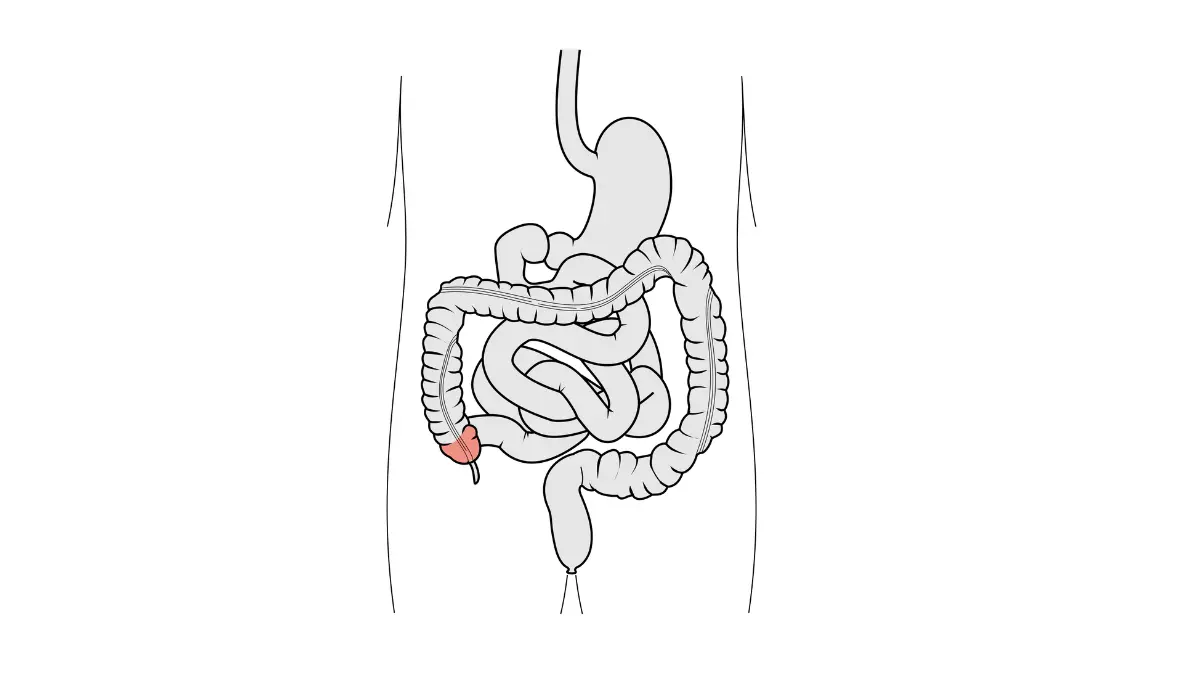
Adapted from Wikimedia Commons Blausen 0246 ColorectalCancer.png, licensed under CC BY 3.0.
Less invasive screening options to consider
If you want to keep screening but dread the prep and sedation, lower-burden options exist — each with one caveat.
Stool-based tests: FIT and stool-DNA
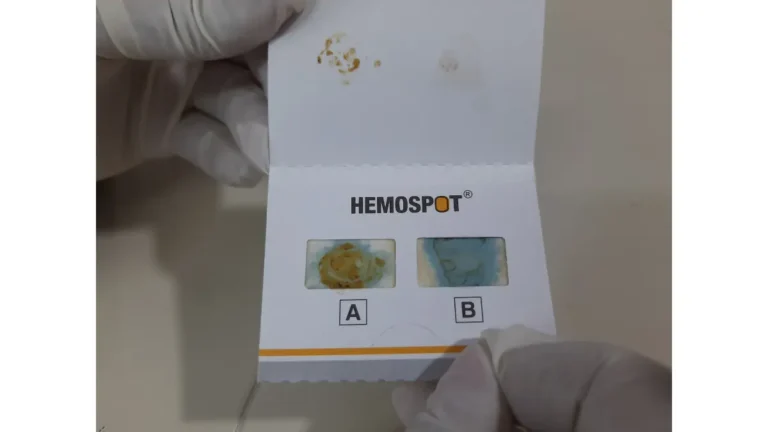
A fecal immunochemical test (FIT) checks a stool sample for hidden blood, done at home yearly. A stool-DNA test like Cologuard looks for blood and altered DNA, typically every three years. Neither needs prep or sedation.
CT colonography or virtual colonoscopy
This imaging scan builds a 3-D view of the colon. It still needs bowel prep but no sedation — an option for those who cannot tolerate a standard colonoscopy. The American Cancer Society’s breakdown of covered screening tests lists each test and its frequency.
The catch: a positive result still means a colonoscopy
Each test is a first step, not a replacement. An abnormal result must be followed by a colonoscopy — so the procedure is deferred to those who test positive, not avoided.
🩺 Physician Note: Guidelines are clear that any stool or imaging test’s benefit depends on completing a follow-up colonoscopy if the result is abnormal. If you would decline a colonoscopy regardless, that test offers little real value.
Talking to your doctor and the symptoms that change everything
Everything above is about screening — testing when you feel fine. The moment symptoms appear, the situation changes entirely, and age cutoffs no longer apply.
Symptoms that mean get evaluated regardless of age
Per the CDC’s list of colorectal cancer symptoms, signs that warrant prompt attention include:
- A change in bowel habits lasting more than a few days
- Blood in or on the stool, or rectal bleeding
- Diarrhea, constipation, or a feeling the bowel does not empty fully
- Abdominal pain, aches, or cramps that do not go away
- Unexplained weight loss
- Persistent fatigue or weakness, which can signal anemia from slow bleeding
These can have harmless causes like hemorrhoids, but only an evaluation can tell. A colonoscopy for symptoms is diagnostic, not screening — appropriate at any age. Review bowel symptoms you should never ignore and contact your doctor.
⚠️ Clinical Warning: Heavy rectal bleeding, severe abdominal pain, or bleeding with dizziness needs urgent care — go to an emergency department, not a future appointment.
Questions to ask, and a note for caregivers
If helping a parent decide, bring clear information and support their informed choice rather than override it. A capable adult who understands the trade-offs may continue or stop. The symptom checker can organize concerns before a visit, though it is no substitute for a clinician.
✅ Patient Action: Ask your primary care physician: “What is my estimated life expectancy, accounting for my health and not just my age — and given that, do screening’s benefits still outweigh the risks for me?”
Frequently asked questions
1. Is there an age limit for a colonoscopy?
There is no strict cutoff. Guidelines screen adults 76 to 85 selectively — weighing health, prior screening, and preferences — and generally advise stopping after 85. People of the same age can get different advice. Discuss your situation with your doctor.
2. Why does life expectancy matter for cancer screening?
Colorectal screening takes about 10 years to prevent one death, while procedure risks happen immediately. The benefit mainly reaches people likely to live that long, which is why guidelines focus on life expectancy, not age. Your physician can estimate your outlook.
3. Is a colonoscopy more dangerous after 75?
Risks stay low but rise with age. In adults over 65, perforation runs about 7.8 and bleeding about 23.5 per 10,000 procedures, both higher after 80, plus more heart and lung events. Ask your gastroenterologist about your personal risk.
4. Should I stop if all my past colonoscopies were normal?
A history of normal colonoscopies lowers ongoing risk and may support stopping or spacing out screening, especially with limited life expectancy. Someone never screened carries more undetected risk. Bring your screening history so your doctor can advise from your record.
5. What is a less invasive alternative for seniors?
Lower-burden options include the FIT stool test, stool-DNA tests like Cologuard, and CT colonography, none requiring sedation. The catch: any positive result still requires a follow-up colonoscopy. Ask your doctor which test fits your health.
6. Does Medicare cover a colonoscopy after 75?
Yes. Medicare covers screening colonoscopy with no upper age limit — generally every 10 years for average-risk people, or every two years if high risk — at no cost. A positive stool test triggers a covered follow-up colonoscopy. Confirm specifics with Medicare.
7. What symptoms mean I need a colonoscopy regardless of age?
Age limits do not apply with symptoms. The CDC lists rectal bleeding, a lasting change in bowel habits, unexplained weight loss, persistent abdominal pain, and unexplained fatigue as reasons to see a doctor. A colonoscopy for symptoms is diagnostic and appropriate at any age.
8. Is Cologuard a good option over 75?
Stool-DNA tests like Cologuard can be a lower-burden choice for some older adults, but a positive result still means a colonoscopy. Whether any screening helps depends on your health and life expectancy. Discuss with your doctor whether it fits.
9. At what age do doctors say to stop?
Most guidelines individualize screening for ages 76 to 85 and recommend stopping after 85. Some favor stopping earlier when life expectancy is under 10 years. There is no universal number — it is a personal decision made with your doctor.
10. How long before a colonoscopy pays off?
Research estimates it takes roughly 10 years for colorectal screening to prevent one death among a group screened. That delay is why the benefit is questionable for people unlikely to live that long, while the risks occur right away.
11. My healthy 82-year-old parent — should they still screen?
Possibly. A healthy 82-year-old with a 10-plus-year outlook and limited prior screening may still benefit, while significant illness shifts the balance toward stopping. Their doctor can weigh health, screening history, and preferences. Support their informed choice either way.
The bottom line
For most people over 75, the answer to “is it still worth it?” is not yes or no — it is “it depends on my health, not my age.” If you are well and likely to live another decade, especially if overdue, screening can still protect you. If you are living with serious illness or have many clean results behind you, choosing to stop is sound and evidence-based.
The most useful next step is a focused conversation: bring your past results, ask for an honest life-expectancy estimate, and ask whether the benefit still outweighs the risk for you. An informed “no” is as valid as an informed “yes” — and the choice should be yours, made with a doctor who knows your history.
About this content
How this article was put together: researched from recognised health sources, drafted with the help of AI tools, and edited by hand, with sources linked throughout.

Sameer Patel is the founder and editor of My Medicine Advisor. He is not a doctor or medical professional — before starting this site he worked in banking,…
Medical disclaimer
The content on MyMedicineAdvisor is provided for general informational and educational purposes only and is not a substitute for professional medical advice, diagnosis, or treatment. Health information on this website should not be used to diagnose, treat, cure, or prevent any condition without guidance from a qualified healthcare professional. Always seek the advice of your doctor, physician, or another licensed healthcare provider with any questions you may have regarding a medical condition, symptoms, medications, or treatment decisions.