
On This Page – Quick Medical Summary
If your lab slip says complete blood count (CBC) and you’re wondering whether to skip breakfast, here’s the short version: no, a standalone CBC does not require fasting. You can eat, drink, and take your usual medications before the test, because no special preparation is needed for a complete blood count.
This guide is for three kinds of readers. If a CBC is the only test you’re having, you can stop worrying and go eat — the next section explains why. If your CBC is bundled with other bloodwork, keep reading, because some of those other tests do require fasting, and it’s easy to assume the rule belongs to the CBC when it doesn’t. And if you already ate this morning and now you’re anxious about it, skip ahead to how to prepare — in most cases the CBC is completely unaffected.
The mix-up is common and understandable. Let’s sort out exactly when fasting matters, for how long, and what you’re allowed to have beforehand.
ℹ️ Medical Disclaimer: This article is general health education about blood test preparation — not medical advice, a diagnosis, or instructions for your specific tests. Fasting rules, medication guidance, and result interpretation depend on what your clinician ordered and your personal health history. Always follow the written instructions from the lab or the clinician who ordered your bloodwork, and ask them directly before changing any medication.
Why a CBC doesn’t require fasting
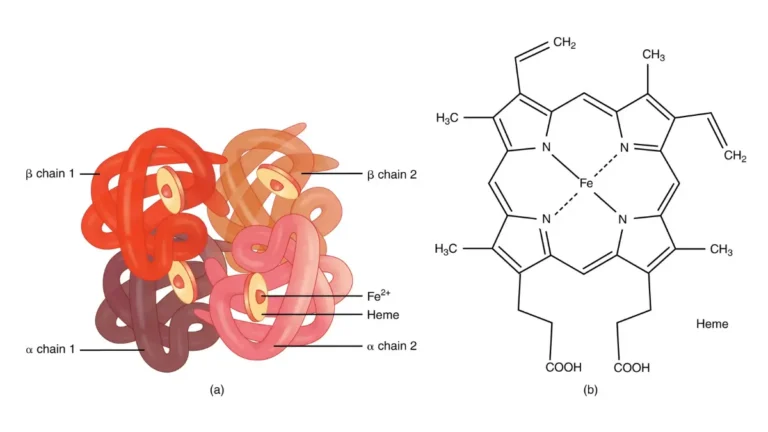
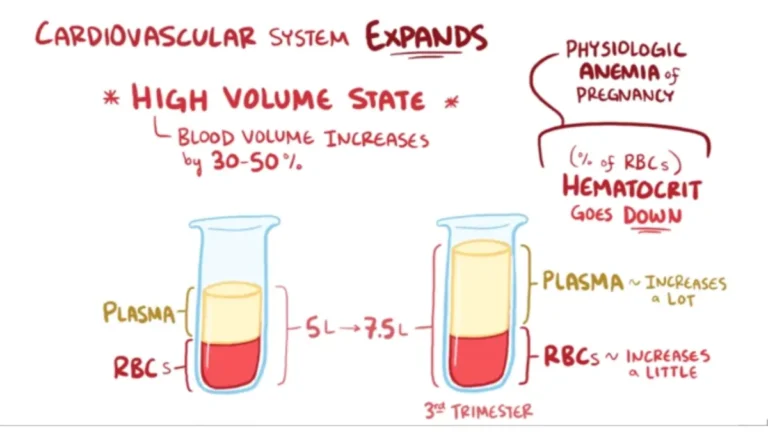
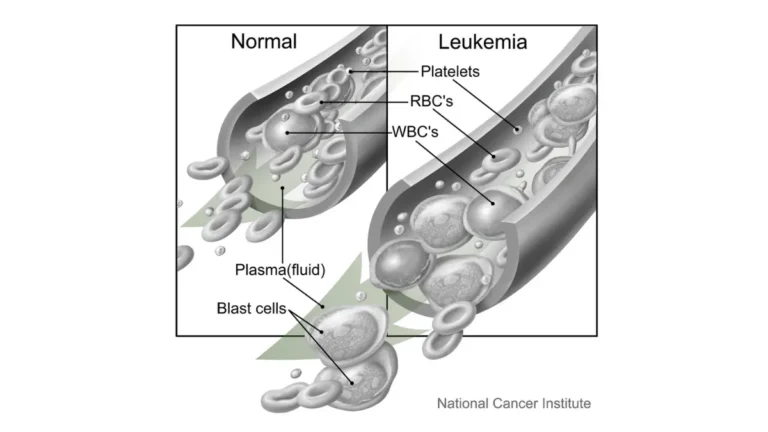
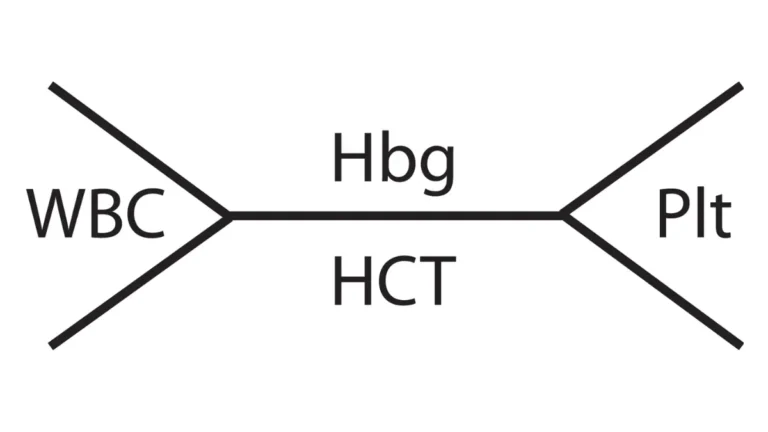
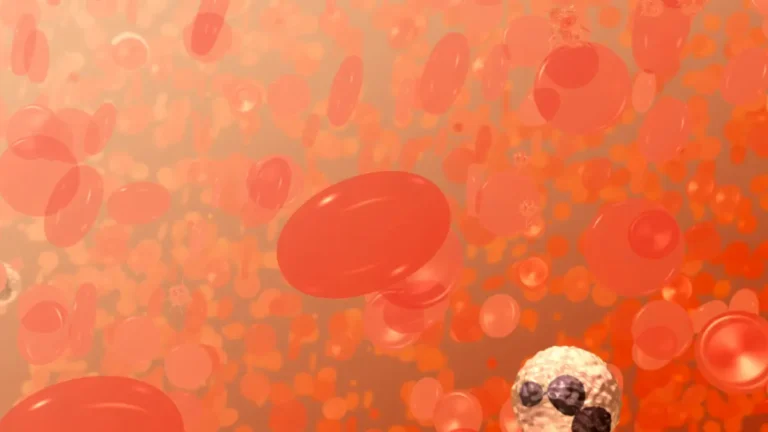
A complete blood count measures the cells circulating in your blood: red blood cells, white blood cells, hemoglobin, hematocrit, and platelets. These are physical counts and sizes of cells, and a recent meal doesn’t meaningfully change them. That’s why major medical references agree no special preparation is needed — you can eat, drink, and take your medications as usual.
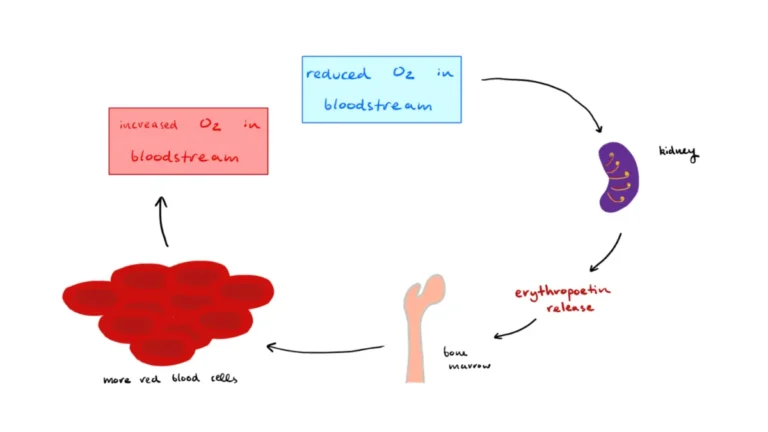
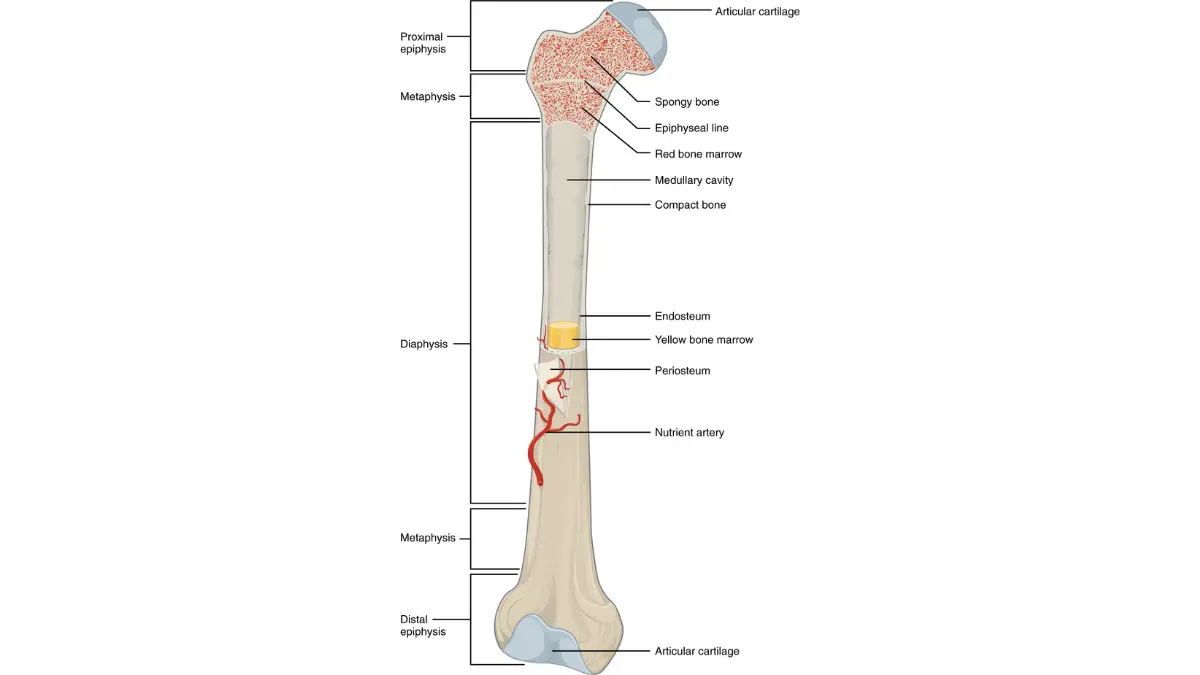
🔬 How It Works: Fasting matters for tests that measure things your body absorbs from food — like sugar (glucose) or fats (cholesterol), which stay elevated in your blood for hours after eating. A CBC counts blood cells, which your bone marrow produces on its own schedule. A sandwich doesn’t add red blood cells or platelets to your bloodstream, so the numbers a CBC reports stay reliable whether you’ve eaten or not.
The same holds for a CBC with differential, which simply breaks your white blood cell count into its individual types. It runs on the same blood sample and needs no fasting either.
If you want the bigger picture, our pillar guide covers what a complete blood count measures, and there’s a separate explainer on a CBC with differential.
When fasting is required: other tests ordered with your CBC
The fasting instruction you received almost always belongs to a different test drawn from the same blood sample. Several common blood tests do need an empty stomach for accurate results.
The tests most likely to require fasting include:
- Lipid panel (cholesterol and triglycerides) — typically 9 to 12 hours
- Fasting blood glucose — used to screen for diabetes or prediabetes; usually 8 to 12 hours
- Comprehensive metabolic panel (CMP) — because it includes a glucose measurement
- Renal (kidney) function panels and some iron studies — depending on the lab
- Certain liver function tests, but usually only when they’re part of a metabolic panel
| Test | Fasting needed? | Typical duration | Key detail for patients |
|---|---|---|---|
| Complete blood count (CBC) | No | None | Eat, drink, take meds as usual |
| Lipid panel (cholesterol) | Yes | 9–12 hours | Water allowed; often done in the morning |
| Fasting blood glucose | Yes | 8–12 hours | Screens for diabetes/prediabetes |
| Comprehensive metabolic panel | Yes (for glucose) | 8–12 hours | Bundles glucose with other chemistries |
| Iron studies | Sometimes | Per lab | Confirm with the ordering lab |
Sources: MedlinePlus (National Library of Medicine), Cleveland Clinic, and UPMC. Always confirm your specific instructions with the lab.
✅ Patient Action: Before your appointment, ask the lab or the clinician who ordered your bloodwork exactly which tests are on your requisition, and whether any of them require fasting. This one question removes the guesswork and prevents an unnecessary repeat draw.
You can see the full list of tests that need an empty stomach in the National Library of Medicine’s guide to fasting for a blood test.
How to prepare for a CBC (with or without fasting)
Preparation depends on whether your CBC is standing alone or traveling with a fasting test.
If you’re having only a CBC, there’s nothing special to do. Eat normally, stay hydrated, and take your regular medications unless a clinician has told you otherwise.
If you’re fasting for another test on the same draw, a few rules keep the results clean:
- Water is fine — and staying hydrated makes your veins easier to draw from.
- Skip caloric drinks — juice, soda, milk, and anything sweetened can affect results.
- Coffee and tea are debated. Some references advise plain water only; others allow black coffee or tea with no milk or sugar. The safest choice is water, and if you want coffee, confirm with your lab first.
- Keep taking prescription medications unless your clinician says to hold a dose.
🩺 Physician Note: A common point of confusion is assuming that “no food” also means “no water.” For nearly all fasting blood tests, plain water is not only allowed but encouraged — good hydration improves blood flow and makes the draw quicker and more comfortable.
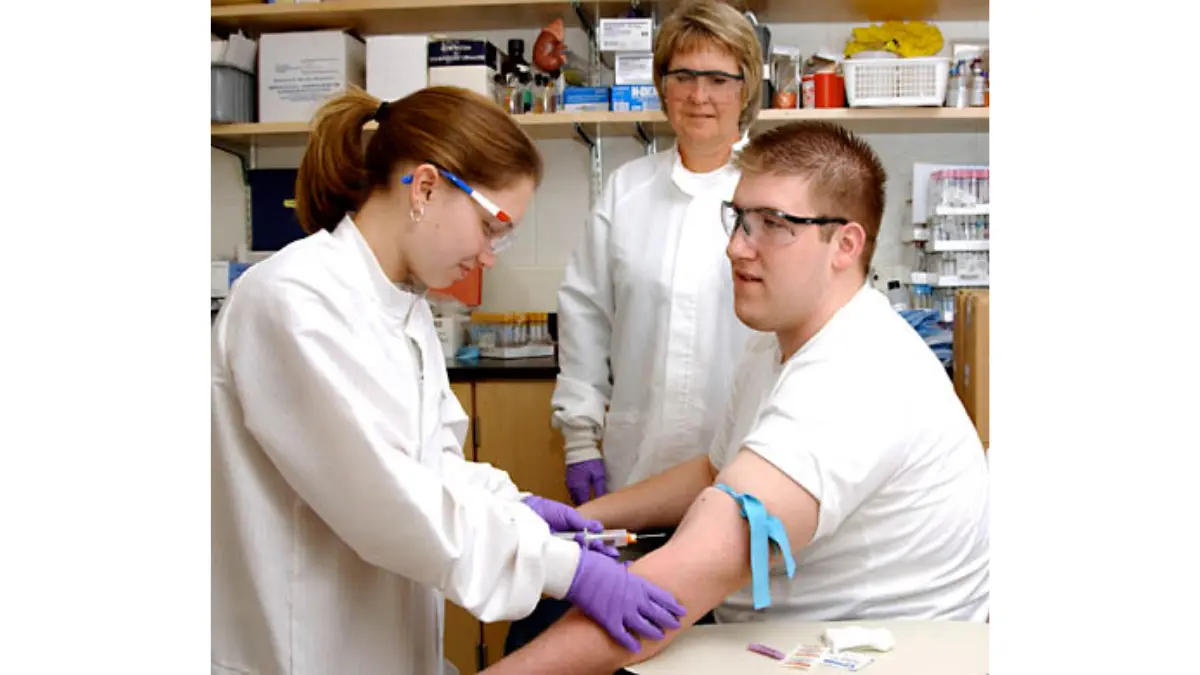
Accidentally ate before a fasting test? Tell the phlebotomist. Your CBC results are unaffected, and they’ll advise whether the fasting test needs rescheduling.
Does eating actually change your CBC results?
You may have seen a website or two claim you should fast for a CBC. Here’s the honest picture behind that.
Research on blood-test preparation has found that eating can cause small, short-lived shifts in some CBC values — minor changes in certain cell counts in the hours after a meal. Those shifts are measurable in a lab study, but they’re small enough that they don’t change how a standard CBC is interpreted. That’s precisely why the National Library of Medicine, Mayo Clinic, and Cleveland Clinic don’t ask patients to fast for a routine CBC.
There’s one practical exception. If your clinician is tracking subtle changes in your white blood cell count or another value across repeated tests, keeping your conditions consistent — for instance, always testing in the morning — can make those comparisons cleaner. That’s about consistency, not a fasting requirement.
For everyday testing, the takeaway is simple: a standalone CBC doesn’t need fasting, and eating beforehand won’t mislead your provider.
Special situations: pregnancy, children, and repeat testing
A few groups have specific questions worth answering directly.
Pregnancy. A CBC during pregnancy needs no fasting. However, prenatal care often includes a glucose screening for gestational diabetes, and some versions of that test do require fasting or timed drinks. Ask your obstetric provider which tests are scheduled and whether any need an empty stomach.
Children and infants. The rules are the same — a CBC needs no fasting for kids. In infants, the sample is usually taken from a small heel prick rather than the arm.
Medications and supplements. Some medications and supplements, including iron, can influence certain blood results. Tell your provider what you take, but don’t stop anything on your own without their guidance.
Repeat monitoring. If you’re getting CBCs regularly to track a condition or treatment, consistent timing helps your provider compare results fairly.
If a CBC was ordered to look into symptoms, our Symptom Checker can help you organize what to mention at your appointment.
Before your blood test: what to confirm
A short checklist prevents the two mistakes people actually make — fasting when they didn’t need to, and not fasting when a bundled test required it.
Before you go, confirm:
- Which tests are on your requisition. Ask the lab or ordering clinician, and whether any require fasting.
- How long to fast, if needed. Usually 8 to 12 hours; your provider will give the exact window.
- What you can have. Plain water is almost always fine; check on coffee and any medications.
If you slipped up and ate before a fasting test, don’t panic and don’t skip the appointment — tell the staff. The CBC portion is unaffected, and they’ll tell you whether anything needs to be repeated.
Fasting and CBC tests: frequently asked questions
1. Do you have to fast for a CBC blood test?
No. A standalone complete blood count does not require fasting — you can eat, drink, and take your usual medications beforehand. Fasting instructions typically belong to other tests ordered on the same blood draw, such as a lipid panel or glucose test. If you’re unsure what was ordered, ask the lab or the clinician who requested your bloodwork.
2. Can I drink water before a CBC?
Yes. Water is fine before a CBC, and it’s encouraged even when you’re fasting for other tests. Staying hydrated plumps up your veins, which makes the blood draw faster and more comfortable. The only fluids to avoid before a fasting test are caloric or sweetened drinks like juice, soda, and milk.
3. Can I drink coffee before a CBC test?
For a CBC alone, coffee is fine. If you’re fasting for a bundled test, guidance varies — some references say plain water only, while others allow black coffee or tea with no milk or sugar. The safest approach is water, and if you’d like coffee, confirm with your lab beforehand.
4. How long do I fast if other tests are ordered with a CBC?
Fasting for tests like a lipid panel or glucose test is usually 8 to 12 hours, and up to 9 to 12 hours for cholesterol testing. The CBC itself needs no fasting; the window applies to the other test. Your provider will tell you exactly how long to fast for what they ordered.
5. Does eating affect CBC results?
Eating can cause small, short-term shifts in some CBC values, but they’re minor and don’t change how a standard CBC is interpreted. That’s why major medical references don’t require fasting for a routine CBC. For repeated monitoring of a specific value, consistent timing can make comparisons cleaner, but that isn’t a fasting rule.
6. Can I take my medications before a CBC?
Generally, yes — keep taking your prescription medications before a CBC unless the clinician who ordered it tells you to hold a dose. Some medications and supplements can influence certain results, so tell your provider what you take. Never stop a prescribed medication on your own; ask the ordering clinician first.
7. Do I need to fast for a CBC with differential?
No. A CBC with differential is the same test as a standard CBC, with your white blood cells broken into their individual types. It runs on the same blood sample and needs no fasting. As with any bloodwork, follow the specific instructions your lab provides.
8. What blood tests require fasting?
The tests most likely to require fasting are lipid (cholesterol) panels, fasting blood glucose tests, and comprehensive metabolic panels, which include a glucose measurement. Some iron studies and kidney or liver panels may also call for it, depending on the lab. A CBC is not among them.
9. Can I eat before a CBC if I’m also getting a metabolic panel?
No. A comprehensive metabolic panel includes a glucose measurement that requires fasting, usually 8 to 12 hours, so you’d fast for that test. The CBC portion of your draw is unaffected by eating. Confirm the exact fasting window with the lab or your ordering clinician.
10. Should I fast before a CBC during pregnancy?
The CBC itself needs no fasting during pregnancy. However, prenatal testing often includes a glucose screening for gestational diabetes, and some versions of that test require fasting or timed instructions. Ask your obstetric provider which tests are scheduled and whether any need an empty stomach.
11. What if I accidentally ate before a fasting blood test?
Tell the phlebotomist or lab staff. Your CBC results won’t be affected, but a fasting test like a lipid panel or glucose test may need to be rescheduled to stay accurate. It’s a common slip, and the staff will let you know the best next step.
The bottom line
A standalone CBC needs no fasting — eat, drink, and take your medications as you normally would. If you were told to fast, that instruction belongs to another test sharing your blood draw, most often a lipid panel, glucose test, or metabolic panel, which typically call for 8 to 12 hours without food. The single most useful thing you can do is ask the lab or your ordering clinician exactly which tests are on your requisition and whether any require fasting.
Once your results are in, knowing how to read your CBC results turns a page of numbers into something you can actually use.
About this content
How this article was put together: researched from recognised health sources, drafted with the help of AI tools, and edited by hand, with sources linked throughout.

Sameer Patel is the founder and editor of My Medicine Advisor. He is not a doctor or medical professional — before starting this site he worked in banking,…
Medical disclaimer
The content on MyMedicineAdvisor is provided for general informational and educational purposes only and is not a substitute for professional medical advice, diagnosis, or treatment. Health information on this website should not be used to diagnose, treat, cure, or prevent any condition without guidance from a qualified healthcare professional. Always seek the advice of your doctor, physician, or another licensed healthcare provider with any questions you may have regarding a medical condition, symptoms, medications, or treatment decisions.