
On This Page – Quick Medical Summary
Seeing ALT flagged high can be unsettling, so start here. A high ALT means the liver enzyme alanine aminotransferase has leaked from stressed or injured liver cells into your blood — a signal that something is irritating the liver, not a diagnosis by itself.
Where you go next depends on your situation:
- Feel well and the number is only mildly above the range? This is common and often reversible — read on to place your number on the scale below.
- Have yellowing skin or eyes, new confusion, severe upper-right abdominal pain, dark urine, or vomiting blood? Don’t wait — go to the emergency section and seek care now.
- Reading someone else’s result as a caregiver? The severity table below shows how urgent it is.
A single mildly high ALT is usually not an emergency. This guide explains what your number means, what causes it, and when it needs same-day attention. ALT is one of several liver markers on your comprehensive metabolic panel results, and often the first thing people notice on an abnormal CMP report.
ℹ️ Medical Disclaimer: This article explains what a high ALT can mean; it does not diagnose disease, interpret your result, recommend treatment or medication, or replace the testing your clinician orders. Before acting on any result — or changing or stopping any medication — consult a licensed physician, ideally your primary care provider or a gastroenterologist/hepatologist, who can read your number alongside your history and other labs.
What is ALT and why does it show up in your blood?
Alanine aminotransferase is an enzyme found mainly inside liver cells, with smaller amounts in muscle, the heart, and the kidneys. Because it is concentrated in the liver, it is more liver-specific than its partner enzyme AST — and one of the most useful markers of liver injury.
What ALT does in a healthy liver
Inside a healthy liver cell, ALT helps convert protein building blocks into energy. Only a small amount escapes into the blood normally, which is why healthy ALT levels stay low and stable.
Why damaged liver cells raise your ALT
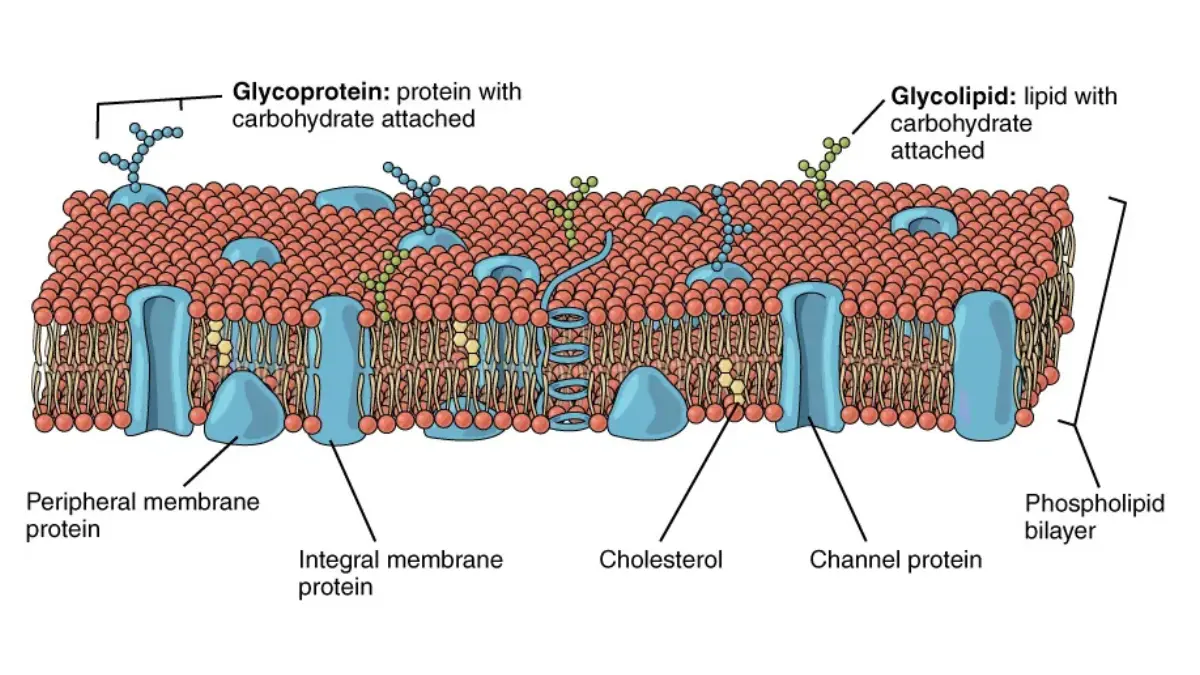
When liver cells are inflamed or injured, their membranes leak and ALT spills into the blood. A higher level reflects how much liver-cell irritation is happening — though the number alone doesn’t reveal the cause.
🔬 How It Works: Healthy liver cells hold onto ALT; injured cells leak it into the blood, which is what the test detects. That’s why ALT rises with damage but can’t name the cause on its own — that falls to the wider work-up, including the other liver markers on your CMP: AST, ALP, and bilirubin.
What counts as a high ALT level?
“High” is only meaningful relative to a reference range — and ranges differ between labs, so your own report is the first place to look.
Normal ALT range (and why it varies by lab)
Labs use different equipment and cutoffs. A commonly cited reference range is 7 to 56 U/L, with levels running higher in men; some labs report closer to 4 to 36 U/L. Your report lists your lab’s range, which you can compare against the typical normal ranges for a CMP. The NIH’s plain-language overview of the ALT blood test explains how labs measure it.
📊 Clinical Data Point: A national gastroenterology guideline proposed that a truly healthy ALT is about 29–33 IU/L for men and 19–25 IU/L for women, with higher levels worth assessing — thresholds that flag roughly a third of men and a quarter of women as elevated. Source: American College of Gastroenterology clinical guideline (Kwo et al.), 2017.
The ALT severity scale: borderline to massive
Clinicians grade elevations as multiples of the upper limit of normal (ULN), because the degree guides how fast to investigate.
| ALT elevation | How high (× upper limit of normal) | Key clinical detail |
|---|---|---|
| Borderline | Less than 2× ULN | Very common; often lifestyle- or metabolic-related |
| Mild | 2–5× ULN | Warrants evaluation for common liver causes |
| Moderate | 5–15× ULN | Overlaps mild and severe; needs prompter work-up |
| Severe | More than 15× ULN | Suggests significant liver injury |
| Massive | More than 10,000 IU/L | Signals acute, serious liver injury — urgent |
Source: American College of Gastroenterology clinical guideline (Kwo et al.), 2017.
Is an ALT of 70 or 100 high?
Read these against your lab’s ULN. Against a common upper limit near 40 U/L, an ALT around 70 sits under 2× (borderline), and around 100 is roughly 2–3× (mild). Neither points to acute liver failure, but both are worth rechecking and evaluating for a cause.
What causes a high ALT?
Most elevations trace to a short list, roughly by frequency:
- Fatty (metabolic) liver disease — most common
- Alcohol-related liver injury
- Viral hepatitis (especially B and C)
- Medications and supplements
- Recent intense exercise or muscle injury
The most common cause: metabolic (fatty) liver disease
The leading cause is fat building up in the liver — now called metabolic dysfunction–associated steatotic liver disease (MASLD), renamed from NAFLD in 2023.
📊 Clinical Data Point: MASLD (formerly NAFLD) is the most common chronic liver disease, affecting an estimated quarter to a third of adults, and is closely tied to metabolic risk factors. Source: NIDDK (NIH) and AASLD, 2023–2025.
It is strongly linked to metabolic syndrome — higher weight, blood sugar, blood pressure, and cholesterol. The NIH’s overview of nonalcoholic fatty liver disease, now referred to as MASLD, explains the connection. Since excess weight is a central driver, it can help to check your BMI.
Alcohol, viral hepatitis, and medications
Alcohol is directly toxic to liver cells, and regular heavy use is a common cause. Viral hepatitis B and C often cause quiet, long-running inflammation — the CDC recommends all adults be tested at least once for hepatitis B (and separately for hepatitis C), since many infections cause no symptoms for years. If testing is likely, it helps to know how a hepatitis panel result is read.
Many prescription and over-the-counter drugs, and some supplements, can raise ALT too.
⚠️ Clinical Warning: Don’t stop a prescribed medication on your own because of a liver-enzyme result — some are dangerous to stop abruptly. Bring a full list of everything you take, including supplements, to your prescriber or pharmacist.
Muscle, exercise, and the ALT vs AST clue
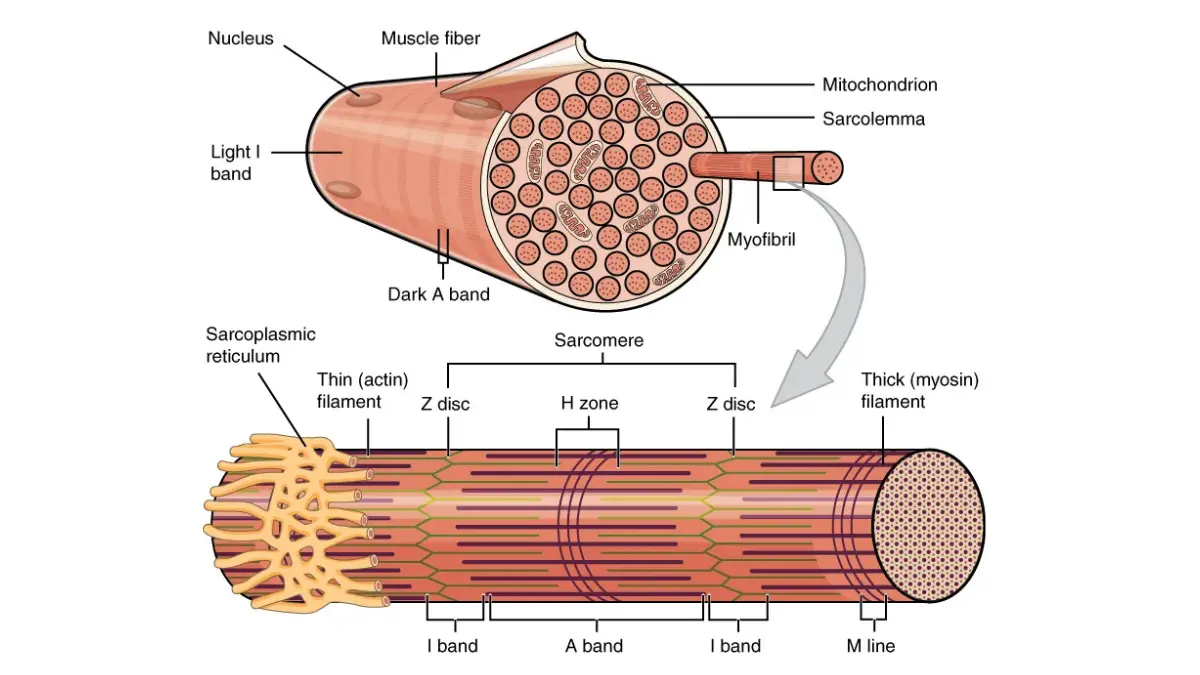
Because ALT also exists in muscle, a hard workout or injury can raise it temporarily. Doctors compare ALT with AST: a ratio below 1 (ALT higher) is typical of fatty liver and viral hepatitis, while above 2 points toward alcohol-related injury — a pattern known as the De Ritis ratio.
✅ Patient Action: Ask specifically: “Given my ALT and risk factors, should I be screened for fatty liver with an ultrasound, and tested for hepatitis B and C?”
What to do after a high ALT result
A single mildly high ALT rarely calls for panic — it calls for a plan.
Step 1: Don’t panic — plan a recheck
ALT can rise for temporary reasons, so a repeat test is often first. Your clinician may recheck it to see whether it is falling, stable, or climbing — and it helps to know how to read it in context of your full CMP results.
Step 2: Expect a fuller liver work-up
For persistent or higher elevations, expect more than one number: the rest of the liver panel, targeted tests for common causes, and often an ultrasound. To gauge urgency beforehand, you can review your symptoms — though it doesn’t replace medical evaluation.
Step 3: Address the modifiable drivers
While the cause is sorted out, the levers that most often help are reducing or pausing alcohol, reviewing medications and supplements with your clinician, and improving metabolic health. Since weight drives fatty liver, setting a realistic weight-loss target is a practical starting point.
Can a high ALT go back to normal?
Often, yes — but full normalization depends on the cause, so that is the variable to focus on.
When ALT usually improves
Elevations from fatty liver, alcohol, or a medication frequently improve once the driver is addressed. For fatty liver, even modest weight loss — commonly cited as around 5% of body weight, with more doing more — can lower liver fat and enzymes. The NIH’s guide to fatty liver disease and its outlook covers this diet-and-weight approach.
When it needs ongoing treatment or monitoring
Some causes need more than lifestyle change. Chronic viral hepatitis, autoimmune liver disease, and advanced damage require specific treatment and monitoring. A persistently unexplained ALT is followed over time, not assumed harmless.
✅ Patient Action: Ask two things: “What is the likely cause of my elevated ALT, and what target and recheck schedule should I aim for?”
When is a high ALT an emergency?
Most high ALT results are not urgent. A specific set of warning signs is.
Red-flag symptoms — seek care now
Get emergency care right away if a high ALT comes with any of these:
- Jaundice — yellowing of the skin or the whites of the eyes
- New confusion, drowsiness, or altered mental state
- Severe pain in the upper-right abdomen
- Dark, tea-colored urine
- Vomiting blood, or new swelling of the abdomen
These can signal the liver is losing function, not just leaking enzymes — and shouldn’t wait for a scheduled appointment.
Very high ALT and why the number can spike
An ALT in the thousands is a different situation from a mildly high result and points to acute liver injury.
📊 Clinical Data Point: In a hospital study of 182 people with an ALT above 1,000 IU/L, three causes accounted for about 90% of cases: reduced blood flow to the liver (~61%), drug-induced injury (~16%), and acute viral hepatitis (~12%). Source: peer-reviewed hospital cohort study of 182 patients, 2016.
⚠️ Clinical Warning: A markedly elevated ALT — especially with any red flag above — needs same-day evaluation even if you feel functional. This is general education, not a substitute for emergency care: if those symptoms are present, get seen now.
Frequently asked questions about high ALT
1. What does high ALT mean?
A high ALT means alanine aminotransferase, an enzyme concentrated in liver cells, has leaked into your blood because those cells are stressed or injured. It signals liver-cell irritation, not a specific diagnosis. The cause is found through further testing, so discuss your result with your clinician.
2. What is a normal ALT range?
Normal ALT ranges vary by lab; a common range is 7 to 56 U/L, and levels run higher in men. Some labs use roughly 4 to 36 U/L. A stricter, evidence-based healthy ALT is about 29–33 IU/L for men and 19–25 IU/L for women. Your report lists your lab’s range.
3. What is considered a high ALT level?
Clinicians grade a high ALT as multiples of the upper limit of normal: borderline under 2×, mild 2–5×, moderate 5–15×, severe above 15×, and massive above 10,000 IU/L. The degree of elevation guides how quickly it should be evaluated.
4. What causes high ALT?
The most common cause of high ALT is fatty (metabolic) liver disease, now called MASLD. Others include alcohol, viral hepatitis B and C, some medications and supplements, and recent intense exercise. Identifying the cause needs testing, so review your result and risk factors with your clinician.
5. Can high ALT go back to normal?
High ALT often returns toward normal once the cause is addressed — weight loss for fatty liver, or removing an offending drug or alcohol. Whether it fully normalizes depends on the cause: chronic hepatitis or advanced damage needs treatment. Ask your clinician about your target and timeline.
6. Is an ALT of 70 bad?
An ALT around 70 is generally a borderline elevation — under about 2× a common upper limit — not the range that signals acute injury. It is still worth rechecking and evaluating for a cause. Read it against your lab’s range and confirm the meaning with your clinician.
7. When should I go to the ER for high ALT?
Seek emergency care for a high ALT with jaundice, new confusion, severe upper-right abdominal pain, dark urine, or vomiting blood. A markedly elevated ALT — in the thousands — also warrants same-day evaluation even without symptoms, because it can reflect acute liver injury.
8. Does high ALT always mean liver disease?
No. Because ALT also exists in muscle, a hard workout or muscle injury can raise it temporarily without liver disease. Some medications can too. Still, a persistent high ALT should not be ignored, since it can reflect quiet liver inflammation. Confirm the cause with your clinician.
9. How do I lower my ALT levels?
Lowering a high ALT starts with the cause: reducing alcohol, reviewing medications and supplements with your clinician, and improving metabolic health. For fatty liver, even modest weight loss — often around 5% of body weight — can help. Do not stop prescribed medication on your own.
10. What’s the difference between ALT and AST?
ALT and AST are both liver enzymes, but ALT is more liver-specific, while AST also comes from muscle and the heart. When ALT is higher than AST, fatty liver is typical; AST much higher than ALT can point toward alcohol-related injury. Both are read together with your full results.
11. Can exercise or medications raise ALT?
Yes. Because ALT is present in muscle, intense exercise or a muscle injury can raise it temporarily, unrelated to the liver. Many drugs and some supplements can also raise ALT. If a medication may be involved, review it with your prescriber rather than stopping it yourself.
The bottom line on a high ALT result
A high ALT signals that liver cells are leaking an enzyme — how much it matters depends on how high it is, whether it persists, and whether symptoms are present. Most single, mildly elevated results are common and often reversible once the cause is addressed. The exceptions are the red flags in the previous section, which mean same-day care.
Your most useful next step is to bring your result to your clinician, who can read your number in context and decide whether to recheck or investigate. For how this fits with your other labs, see your comprehensive metabolic panel results.
About this content
How this article was put together: researched from recognised health sources, drafted with the help of AI tools, and edited by hand, with sources linked throughout.

Sameer Patel is the founder and editor of My Medicine Advisor. He is not a doctor or medical professional — before starting this site he worked in banking,…
Medical disclaimer
The content on MyMedicineAdvisor is provided for general informational and educational purposes only and is not a substitute for professional medical advice, diagnosis, or treatment. Health information on this website should not be used to diagnose, treat, cure, or prevent any condition without guidance from a qualified healthcare professional. Always seek the advice of your doctor, physician, or another licensed healthcare provider with any questions you may have regarding a medical condition, symptoms, medications, or treatment decisions.