
On This Page – Quick Medical Summary
You booked routine blood work and the order says CMP — or maybe BMP — and you want to know what the difference actually is and which one you need. Here’s the short answer: a comprehensive metabolic panel (CMP) measures 14 substances, a basic metabolic panel (BMP) measures 8, and a CMP is essentially a BMP plus six extra tests that check your liver and proteins.
Use this guide by your situation. If you’re holding a lab order and unsure why this panel was picked, start with which test you need. If you’re comparing the two before a physical, the side-by-side table below is for you. If you’re decoding a bill or an at-home lab menu, jump to cost and preparation. And if you’re waiting on results, the section on abnormal findings explains what they can — and can’t — tell you.
ℹ️ Medical Disclaimer: This article is general health education, not medical advice, diagnosis, or treatment. It does not replace evaluation by a licensed clinician. Which panel to order, whether you need to fast, and what any result means for you are decisions for your own health care provider. If you have a specific result or symptom that worries you, contact your provider or a board-certified physician before acting on anything you read here.
What’s the difference between a CMP and a BMP?
A comprehensive metabolic panel measures 14 substances in your blood, while a basic metabolic panel measures 8 — and every test in a BMP is also in a CMP. The CMP simply adds six more that look at liver function and blood proteins.
📊 Clinical Data Point: A CMP measures 14 substances; a BMP measures 8, all of which are shared with the CMP. — Source: MedlinePlus (NIH), 2025.
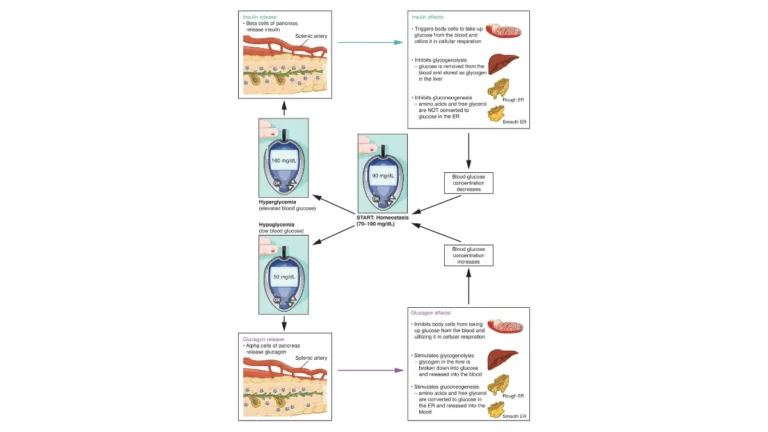
That means the two panels overlap completely on kidney function, blood sugar, calcium, and electrolytes. The difference is scope, not accuracy: a CMP gives a wider view by adding liver enzymes and proteins on top of everything a BMP already covers, as the NIH’s MedlinePlus overview of the comprehensive metabolic panel describes.
| Feature | BMP (basic) | CMP (comprehensive) |
|---|---|---|
| Number of tests | 8 | 14 |
| Kidney, glucose, calcium, electrolytes | Yes | Yes |
| Liver enzymes + proteins | No | Yes (6 added tests) |
| Best for patient profile | Focused checks; urgent electrolyte/kidney/glucose questions | Broader screening; liver and organ overview |
Source note: panel composition per MedlinePlus (NIH) and Cleveland Clinic.
What tests are in a CMP vs a BMP?
Both panels start from the same eight measurements, and a CMP layers six more on top. Knowing which is which makes your results far easier to read.
The 8 tests both panels share
A BMP measures glucose (blood sugar), calcium, four electrolytes — sodium, potassium, chloride, and bicarbonate (CO2) — plus two kidney markers, BUN (blood urea nitrogen) and creatinine. Most labs also automatically calculate an eGFR from your creatinine to estimate kidney filtration. You can see how these values fit together in the guide to your electrolyte results on a metabolic panel and the breakdown of how BUN and creatinine reflect kidney function.
The 6 extra tests only a CMP includes
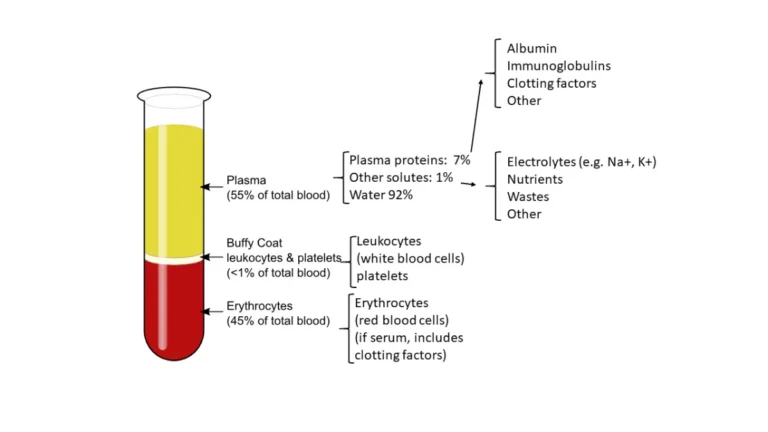
A CMP adds total protein, albumin, bilirubin, and three liver enzymes — ALP (alkaline phosphatase), ALT (alanine transaminase), and AST (aspartate aminotransferase). These reflect how your liver and proteins are doing, which a BMP does not assess. For a deeper look, see what the liver markers on a CMP mean and the full list of every CMP component.
🔬 How It Works: Liver enzymes normally live inside liver cells. When those cells are irritated or damaged, some enzymes leak into the bloodstream, so higher enzyme levels can be an early signal that the liver needs a closer look — a signal a BMP simply doesn’t capture.
What is a chem-7 or chem-8?
You may see a BMP called a “chem-7,” “chem-8,” or “electrolyte panel.” A chem-7 is the seven-test version without calcium; add calcium and it becomes a chem-8, which is today’s standard BMP.
Which blood test do you need — CMP or BMP?
The honest answer is that your clinician chooses, based on what needs checking — and “which one do I need” is a great question to bring to that conversation rather than to decide alone.
When a doctor typically orders a BMP
A BMP is common when liver information isn’t needed: routine checkups, urgent situations where electrolytes, kidney function, and glucose must be assessed quickly, and monitoring of long-standing conditions such as high blood pressure or kidney disease. Per MedlinePlus, it may also be ordered for general symptoms like fatigue, confusion, or breathing problems.
When a doctor typically orders a CMP
A CMP is chosen when a broader picture helps — an annual physical, screening or monitoring for liver disease, diabetes, or kidney disease, or checking whether a medication is affecting your liver or kidneys. If you’re also weighing a blood-count test, see how a CMP compares with a CBC.
Is a CMP “better” than a BMP?
🩺 Physician Note: A common point of confusion is treating a CMP as simply a “better” BMP. Clinically, it isn’t better or worse — it’s broader. The right panel is the one that answers your provider’s specific question, and ordering more tests than needed isn’t automatically an advantage.
✅ Patient Action: At your visit, ask your primary care provider: “Given my history and symptoms, do you need the liver and protein tests, or is a basic metabolic panel enough for what we’re checking?” If you arrived because of symptoms, you can also check whether your symptoms may warrant testing — though that’s a starting point, not a substitute for clinical evaluation.
How to prepare: fasting, cost, and getting tested
Preparation for both panels is simple, but a few specifics — especially around fasting — are worth getting right so your results are accurate.
Do you need to fast for a CMP or BMP?
Fasting is a clinical ordering decision, not a fixed rule. When it’s requested, it’s usually for 8 to 12 hours and mainly protects the accuracy of your glucose result; plain water is generally allowed, and your provider tells you exactly how long. The NIH’s guidance on fasting for a blood test explains this well, and you can also read whether you need to fast for a CMP and how to prepare for the test.
How much does each panel cost?
A BMP is usually modestly cheaper than a CMP because it includes fewer tests. Prices vary widely by lab and insurance, so treat any figure as a starting point and confirm your own cost directly.
✅ Patient Action: Before your draw, ask the ordering office or lab for the specific price under your plan, and confirm you won’t be billed for the full panel and its individual components separately — a CMP already bundles all of its parts.
Can you get one without a doctor’s order?
In most states, direct-to-consumer lab services let you order either panel without a physician’s order; you pay online and visit a partner lab. (Disclosure: some at-home and walk-in lab options are commercial services; a self-ordered test is one convenience option and is not a substitute for provider-ordered testing or for reviewing results with a clinician.)
What do abnormal CMP or BMP results mean?
An out-of-range value can feel alarming, but on its own it rarely means a diagnosis — it’s information your clinician reads in the context of your health, medications, and other results.
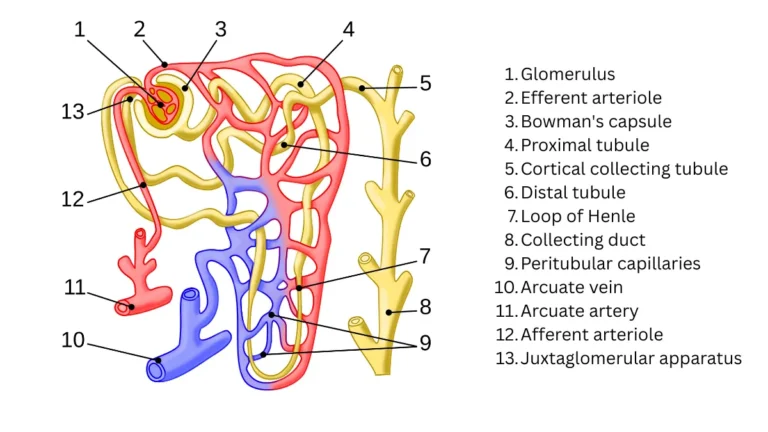
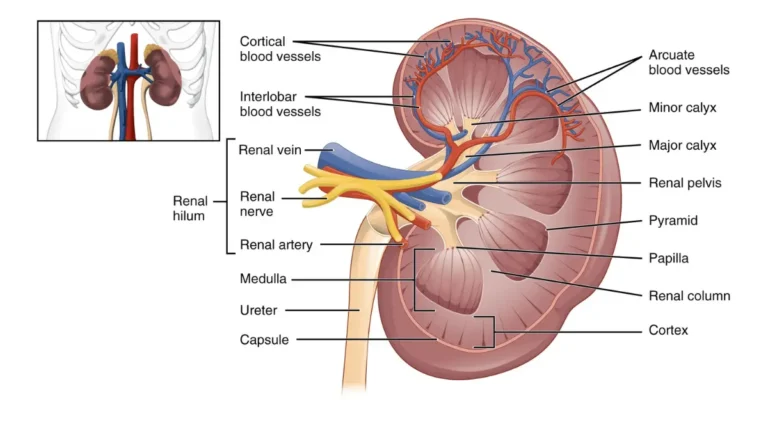
Broadly, abnormal results can point toward kidney issues (BUN, creatinine, eGFR), liver issues (ALT, AST, ALP, bilirubin, albumin — on a CMP only), blood-sugar concerns like diabetes, electrolyte imbalances, acid-base shifts, or calcium and bone-related changes. For a fuller walkthrough, see what abnormal CMP results can mean.
⚠️ Clinical Warning: A few metabolic values — for example, markedly abnormal potassium or glucose — can occasionally be urgent, which is why labs flag critical values directly to your provider. Most abnormal results are mild and not emergencies, but if your provider’s office calls about a result, return the call promptly rather than waiting.
One abnormal value is not a diagnosis
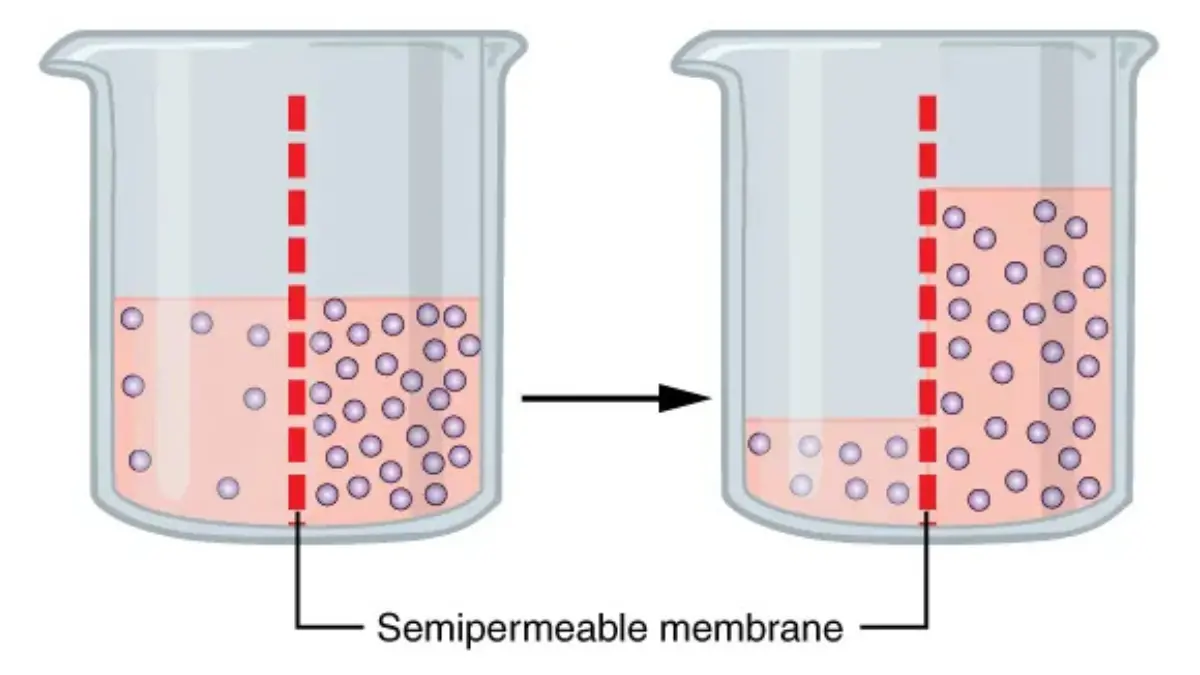
A single number outside the range often leads to a repeat test or an additional test rather than a conclusion, because timing, hydration, diet, and medications can all nudge results.
✅ Patient Action: If a value is flagged, ask the ordering provider: “What does this specific result mean in my case, and do we need to repeat it or add other tests before drawing any conclusion?”
Talking to your provider about which panel you need
Understanding the difference is most useful when it turns into a short, focused conversation at your appointment.
Questions to ask before your blood draw
Bring a few plain questions: Which panel am I getting, and why this one? Do I need to fast, and for how long? Are we checking my liver, or only kidneys, electrolytes, and glucose? Will these results be compared with any past blood work?
When to follow up on your results
Ask how and when you’ll get results, and what would count as a reason to come back in. Knowing the plan in advance turns a worrying wait into a clear next step, and it keeps the decision where it belongs — with you and your clinician together.
Frequently asked questions
1. What is the difference between a CMP and a BMP?
A CMP measures 14 substances and a BMP measures 8. A CMP includes every test in a BMP — kidney markers, glucose, calcium, and electrolytes — plus six more that check liver enzymes and proteins. The choice depends on whether liver information is needed, so ask your provider which fits your situation.
2. What extra tests does a CMP have that a BMP doesn’t?
A CMP adds six tests a BMP leaves out: total protein, albumin, bilirubin, and the liver enzymes ALP, ALT, and AST. These give a picture of liver function and blood proteins. Everything else — kidney markers, glucose, calcium, and electrolytes — is shared by both panels.
3. Is a CMP better than a BMP?
Neither is “better”; a CMP is broader. It adds liver and protein tests, while a BMP focuses on kidneys, electrolytes, glucose, and calcium. Ordering more tests than a situation calls for isn’t automatically an advantage. Your clinician chooses the panel that answers the specific question at hand.
4. Why would a doctor order a BMP instead of a CMP?
When liver evaluation isn’t needed, a BMP is enough — for routine checks, urgent electrolyte, kidney, or glucose questions, or monitoring conditions like high blood pressure. It has fewer tests and usually costs modestly less. Your provider decides based on your history and what’s being checked.
5. Do I need to fast for a CMP or BMP?
Sometimes. When fasting is requested it’s usually 8 to 12 hours, mainly to keep your glucose result accurate; plain water is generally allowed. Not every order requires it, so follow the specific instructions from the office that ordered your test.
6. How many tests are in a CMP vs a BMP?
A comprehensive metabolic panel measures 14 substances, and a basic metabolic panel measures 8. All 8 BMP tests are also part of a CMP, so the two panels differ by the six liver and protein tests a CMP adds.
7. Does a CMP check liver function?
Yes. A CMP includes ALT, AST, ALP, bilirubin, and albumin, which reflect liver function and are the tests a BMP does not include. This is often why a provider chooses a CMP over a BMP when a broader organ picture is wanted.
8. What is a chem-7 or chem-8?
“Chem-7” is a seven-test panel that does not include calcium; adding calcium makes it a “chem-8,” which matches today’s standard basic metabolic panel. Both are simpler than a comprehensive metabolic panel, which adds the liver and protein tests.
9. How much does a CMP cost compared to a BMP?
A BMP is generally a bit cheaper than a CMP because it runs fewer tests, but prices vary widely by lab and insurance. Confirm your specific cost with the lab and your insurer before testing, and make sure the panel and its components aren’t billed separately.
10. Can a CMP or BMP diagnose diabetes, kidney, or liver disease?
These panels can flag values linked to those conditions, but they don’t diagnose on their own; a single abnormal result often prompts a repeat or additional testing. Any abnormal finding should be interpreted by your clinician alongside your history and other results.
11. Can I get a CMP or BMP without a doctor’s order?
In most states, direct-to-consumer lab services let you order either panel without a physician’s order — you pay directly and visit a partner lab. Reviewing the results with a clinician is still the safest way to understand what they mean for you.
The bottom line on choosing your panel
A CMP is a BMP plus six liver and protein tests — 14 measurements versus 8 — so the difference is how wide a view your provider wants, not which test is more accurate. The “right” panel is simply the one ordered for what you’re checking, whether that’s a focused BMP or a broader CMP.
Use this as a starting point, then let your provider make the call for your situation. When you’re ready to read your numbers, the full walkthrough in understanding your comprehensive metabolic panel results takes it from here.
About this content
How this article was put together: researched from recognised health sources, drafted with the help of AI tools, and edited by hand, with sources linked throughout.

Sameer Patel is the founder and editor of My Medicine Advisor. He is not a doctor or medical professional — before starting this site he worked in banking,…
Medical disclaimer
The content on MyMedicineAdvisor is provided for general informational and educational purposes only and is not a substitute for professional medical advice, diagnosis, or treatment. Health information on this website should not be used to diagnose, treat, cure, or prevent any condition without guidance from a qualified healthcare professional. Always seek the advice of your doctor, physician, or another licensed healthcare provider with any questions you may have regarding a medical condition, symptoms, medications, or treatment decisions.