What Is CRP Test? Understanding the Basics
What Is a CRP Test and Why Does It Matter?
Sarah, a 42-year-old teacher from Boston, felt exhausted for months with persistent joint pain. Her doctor ordered a CRP test that revealed levels of 15 mg/L—three times higher than normal. This single blood test led to early detection of rheumatoid arthritis, allowing her to start treatment before permanent joint damage occurred. Today, Sarah manages her condition effectively and continues teaching full-time.
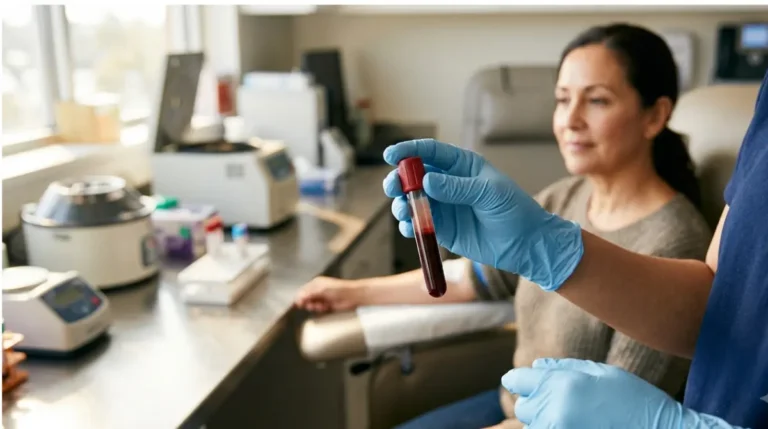
A CRP test measures c reactive protein levels in your blood to detect inflammation in your body. This simple blood test helps doctors identify infections, autoimmune diseases, and cardiovascular risks by measuring a protein your liver produces when inflammation is present.
Understanding C Reactive Protein
C reactive protein is a pentameric protein synthesized by your liver during inflammation, with a molecular weight of approximately 115 kDa. When your body experiences infection, injury, or chronic disease, your liver increases CRP production dramatically—sometimes up to 1,000-fold. Discovered in 1930 by William Tillett and Thomas Francis at Rockefeller University during their research on pneumococcal pneumonia patients, what is CRP became clearer as scientists learned it binds to the C-polysaccharide of bacterial cell walls.
The protein acts as your body’s alarm system, responding to inflammatory cytokines released by white blood cells. Whether you’re fighting a bacterial infection or managing an autoimmune disease, elevated CRP levels signal that something requires medical attention.
Why Doctors Order a CRP Blood Test
Your healthcare provider may order a crp blood test for several critical reasons:
- Detect active inflammation from bacterial or viral infections
- Monitor chronic conditions like inflammatory bowel disease, lupus, or rheumatoid arthritis
- Assess cardiovascular disease risk when combined with cholesterol screening
- Check for post-surgical infections to ensure proper healing
- Evaluate treatment effectiveness for inflammatory conditions
- Screen for sepsis in emergency situations—a life-threatening condition requiring immediate intervention
If you experience symptoms like unexplained fever, rapid heart rate, persistent joint pain, or extreme fatigue, your doctor may use this test alongside tools like the symptom checker to identify underlying inflammatory conditions affecting your heart rate zones and overall health.
Standard CRP Test vs hs-CRP Test: Key Differences
Understanding the difference between these two c reactive protein test types is essential:
| Test Type | Measurement Range | Primary Use | Best For |
|---|---|---|---|
| Standard CRP | 3-350 mg/L | Detecting acute inflammation | Infections, autoimmune flares, post-surgery monitoring |
| hs-CRP Test | 0.3-10 mg/L | Cardiovascular risk assessment | Heart disease prediction in healthy individuals |
The hs-CRP test (high-sensitivity C-reactive protein) detects much lower protein levels, making it specifically valuable for assessing cardiovascular risk in people without active infections. Standard CRP tests work better for detecting ongoing inflammatory conditions and acute infections.
Who Needs This Test?
According to the National Institutes of Health, you may benefit from CRP testing if you:
- Have chronic inflammatory conditions requiring regular monitoring
- Experience unexplained symptoms suggesting infection
- Possess cardiovascular risk factors like elevated cholesterol or obesity (check your BMI calculator results)
- Require post-operative infection surveillance
- Need treatment response evaluation for autoimmune diseases
The CRP blood test became standard practice in clinical medicine during the 1940s when researchers at Rockefeller Institute developed antibody-based testing methods, revolutionizing how physicians monitor inflammatory disease activity.
CRP Normal Range & Complete Levels Chart
Understanding Your CRP Test Results
Interpreting your CRP normal range requires understanding that levels fluctuate based on inflammation severity, underlying conditions, and individual health factors. While a crp blood test provides valuable diagnostic information, context matters—the same CRP level can mean different things depending on your symptoms and medical history.

Complete CRP Levels Chart
Your CRP levels chart interpretation depends on whether you’re monitoring inflammation or assessing cardiovascular risk:
| CRP Level (mg/L) | Classification | What It Indicates | Common Causes |
|---|---|---|---|
| <0.3 | Optimal | Minimal inflammation | Healthy baseline state |
| 0.3-1.0 | Normal/Low Risk | Slight elevation or normal variation | Minor stress, recent exercise |
| 1.0-3.0 | Mild Elevation | Low-grade inflammation | Obesity, smoking, periodontitis, diabetes |
| 3.0-10.0 | Moderate Elevation | Active inflammatory process | Autoimmune flares, viral infections |
| 10.0-100.0 | Marked Elevation | Significant inflammation or infection | Bacterial infections, rheumatoid arthritis, Crohn’s disease |
| >100.0 | Severe Elevation | Major inflammatory response | Sepsis, severe trauma, acute bacterial infections |
According to MedlinePlus guidelines, a value of 1.0 mg/dL or lower generally indicates healthy inflammatory status. However, interpreting high CRP levels requires your physician to consider your complete clinical picture, including symptoms, medical history, and other laboratory findings.
hs-CRP Cardiovascular Risk Categories
The hs-CRP test specifically measures low-level inflammation to predict cardiovascular disease risk. Research shows individuals with hs-CRP exceeding 3 mg/L face a 1.6-fold increased risk of ischemic heart disease compared to those below 1 mg/L:
| hs-CRP Level (mg/L) | Cardiovascular Risk | Action Required |
|---|---|---|
| <1.0 | Low Risk | Maintain healthy lifestyle habits |
| 1.0-3.0 | Moderate Risk | Implement preventive measures, monitor cholesterol |
| >3.0 | High Risk | Aggressive risk factor modification, medical intervention |
Studies published by the National Institutes of Health demonstrate that elevated CRP independently predicts heart failure risk after adjusting for traditional risk factors. Patients managing cardiovascular health should monitor their heart rate zones alongside CRP levels and consider using a BMI calculator since obesity significantly influences inflammatory markers.
Disease-Specific CRP Ranges
Different conditions produce characteristic c reactive protein elevation patterns:
| Condition | Typical CRP Range (mg/L) | Pattern |
|---|---|---|
| Bacterial Infections | 50-500+ | Rapid rise, sharp decline with treatment |
| Viral Infections | 10-40 | Moderate elevation, gradual resolution |
| Rheumatoid Arthritis | 10-100 | Fluctuates with disease activity |
| Lupus (SLE) | 5-50 | Variable, may remain normal during flares |
| Inflammatory Bowel Disease | 5-200 | Correlates with disease severity |
| Cardiovascular Disease | 3-10 | Persistently mild elevation |
| Post-Surgical | 50-150 | Peaks day 2-3, normalizes by day 7-10 |
According to NCBI research, CRP above 500 mg/L typically indicates severe bacterial infection requiring immediate medical attention. Conversely, some autoimmune conditions like lupus may show relatively normal CRP blood test results despite active disease.
Age and Gender Variations
CRP normal range can vary slightly by demographic factors:
- Adults: <3.0 mg/L generally considered normal
- Pregnancy: CRP increases naturally in the third trimester (up to 20 mg/L can be normal)
- Elderly: Baseline levels may run slightly higher (1.0-5.0 mg/L) due to age-related inflammation
- Gender: Women using oral contraceptives may show mild elevations
False Positive and False Negative Results
Your c reactive protein test accuracy can be affected by:
False Positives:
- Recent vigorous exercise
- Pregnancy
- Oral contraceptive use
- Hormone replacement therapy
- Chronic stress
False Negatives:
- Early infection (CRP takes 6-8 hours to rise)
- Some lupus patients despite active disease
- Immunosuppressant medications
💡 What This Means For You:
If your CRP results show mild elevation (3-10 mg/L) without obvious infection, discuss cardiovascular risk factors with your physician. Consider lifestyle modifications including anti-inflammatory dietary changes, regular exercise tracking with a calorie deficit calculator, and stress management. For significantly elevated levels above 100 mg/L, seek immediate medical evaluation to rule out serious infections.
High CRP Levels – Causes, Diseases & What Results Mean
What Do High CRP Levels Indicate?
High CRP levels signal active inflammation somewhere in your body, but elevated c reactive protein doesn’t specify the exact location or cause. Your physician must combine CRP results with symptoms, physical examination, and additional tests to determine the underlying condition driving inflammation.
Comprehensive Causes of Elevated CRP
Bacterial, Viral, and Fungal Infections
Infections trigger the most dramatic CRP inflammation responses. Bacterial infections typically produce CRP elevations between 50-500 mg/L, while viral infections cause more moderate increases of 10-40 mg/L. Research published by the National Institutes of Health demonstrates that CRP cutoff values above 67.4 mg/L in patients with comorbidities strongly predict bacterial infections requiring immediate treatment.
Common infectious causes include:
- Bacterial pneumonia (CRP often >100 mg/L)
- Urinary tract infections (CRP 20-100 mg/L)
- Sepsis (CRP frequently >150 mg/L)
- Tuberculosis (persistently elevated 50-200 mg/L)
- COVID-19 and respiratory viruses (CRP 10-80 mg/L depending on severity)
CRP Autoimmune Disease Connections
CRP autoimmune disease patterns vary significantly by condition. According to University of Alabama research, CRP plays a complex role in autoimmune disease onset and progression, with evidence showing it can both promote and suppress certain immune responses.
| Autoimmune Condition | CRP Pattern | Clinical Significance |
|---|---|---|
| Rheumatoid Arthritis | 10-100 mg/L during flares | Correlates strongly with joint damage progression |
| Systemic Lupus (SLE) | Often normal despite active disease | Poor inflammatory marker for lupus monitoring |
| Inflammatory Bowel Disease | 5-200 mg/L | Tracks disease severity and predicts relapse |
| Polymyalgia Rheumatica | 40-100 mg/L | Essential for diagnosis and monitoring |
| Ankylosing Spondylitis | 5-50 mg/L | Variable, not always elevated |
The Texas Medical Center study found that individuals with CRP autoimmune disease were 2.11 times more likely to be overweight, suggesting inflammation links obesity and autoimmune conditions—making tools like the BMI calculator valuable for risk assessment.
CRP Heart Disease Connection
The relationship between CRP heart disease and cardiovascular risk has become increasingly recognized. The 2019 ACC/AHA guidelines recommend hs-CRP testing for intermediate-risk patients, considering ≥2 mg/L a “risk enhancer” that guides statin therapy decisions.
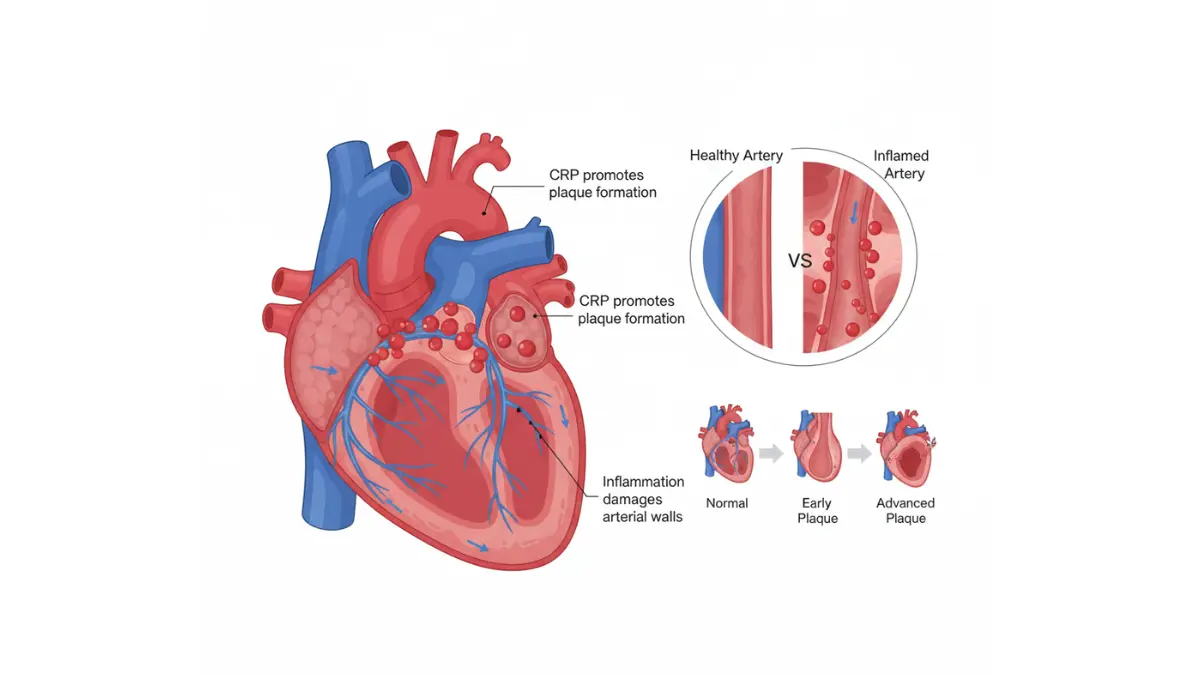
International cardiology consensus shows patients with hs-CRP above 3 mg/L face a 1.62-fold increased risk of cardiovascular events compared to those below 1 mg/L, according to NCBI research. This persistent low-grade CRP inflammation damages arterial walls, promotes plaque formation, and increases heart attack and stroke risk.
Monitoring your heart rate zones during exercise helps assess cardiovascular fitness alongside CRP tracking, especially for patients with elevated inflammatory markers.
Cancer and CRP Elevation
High CRP levels frequently accompany various cancers. A systematic review found increased circulating CRP concentrations associated with higher risk of incident cancer, with tumor growth causing tissue inflammation that elevates CRP production. Lung, colorectal, and lymphatic cancers particularly correlate with marked elevations.
Lifestyle Factors Affecting CRP
Several modifiable factors influence c reactive protein levels:
- Obesity: Each 5-point BMI increase raises CRP by approximately 0.5 mg/L
- Smoking: Increases baseline CRP by 1-3 mg/L
- Physical inactivity: Sedentary lifestyle promotes chronic low-grade inflammation
- Chronic stress: Elevates cortisol and inflammatory cytokines
- Poor sleep quality: Less than 6 hours nightly increases CRP
- High-sugar diet: Promotes insulin resistance and inflammation
Symptoms by CRP Severity Level
Mild Elevation (3-10 mg/L):
- Often asymptomatic
- Fatigue
- Mild joint stiffness
Moderate Elevation (10-50 mg/L):
- Fever (low-grade)
- Body aches
- Increased fatigue
- Joint or muscle pain
Marked Elevation (50-100 mg/L):
- High fever (>101°F)
- Significant pain
- Rapid heart rate
- Confusion or altered mental status
Severe Elevation (>100 mg/L):
- Sepsis symptoms
- Severe weakness
- Difficulty breathing
- Requires immediate emergency evaluation
Use the symptom checker if experiencing multiple symptoms alongside elevated CRP results.
Real Patient Story
John, a 55-year-old accountant, had no symptoms but showed hs-CRP of 8.5 mg/L during routine screening. Combined with elevated cholesterol, his physician prescribed statin therapy and recommended lifestyle changes. Within six months, John’s CRP dropped to 1.8 mg/L through Mediterranean diet adoption, regular exercise, and medication—potentially preventing a future heart attack.
💡 What This Means For You:
CRP 3-10 mg/L: Schedule follow-up with your doctor, assess cardiovascular risk factors, begin anti-inflammatory lifestyle modifications.
CRP 10-50 mg/L: Requires medical evaluation within 48-72 hours to identify cause; may indicate active infection or autoimmune flare.
CRP >50 mg/L: Seek immediate medical attention; likely indicates serious bacterial infection requiring prompt treatment.
CRP >100 mg/L: Emergency evaluation needed; high risk of sepsis or severe inflammatory condition.
CRP Blood Test Procedure – What to Expect
Understanding the Testing Process
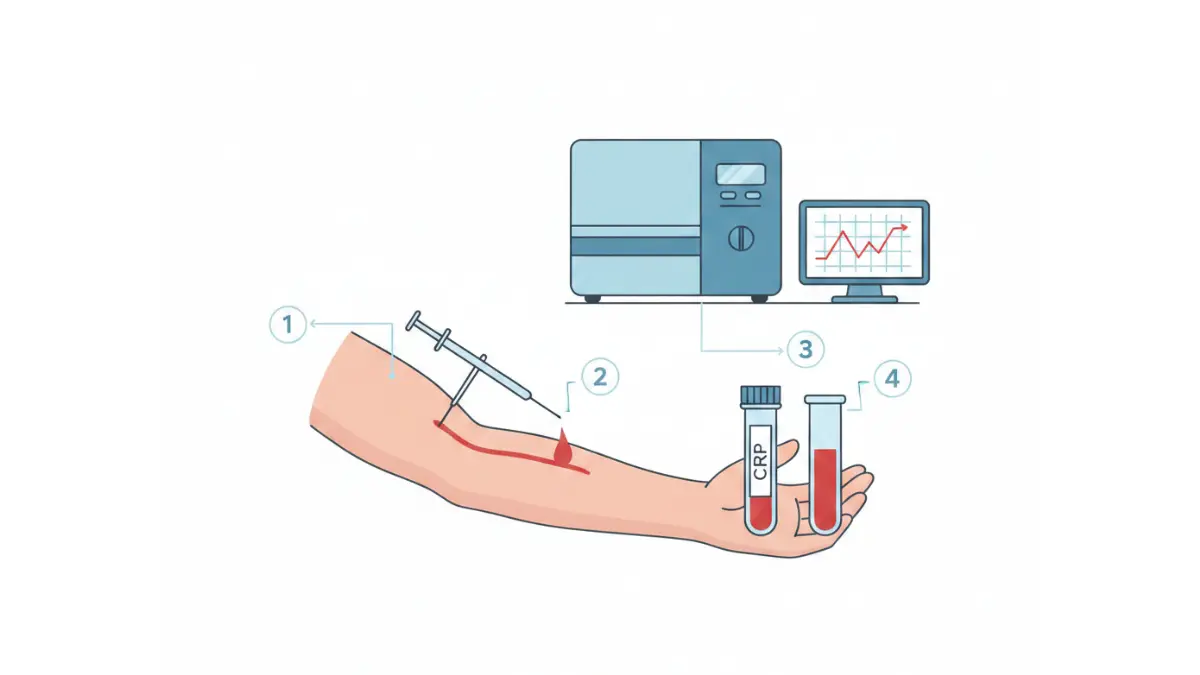
The CRP blood test procedure is straightforward, minimally invasive, and typically takes less than five minutes. Understanding what to expect can reduce anxiety and help you prepare appropriately.
Step-by-Step Blood Draw Procedure
According to MedlinePlus, a healthcare professional performs the c reactive protein test using standard venipuncture:
- Preparation: The phlebotomist identifies a suitable vein, typically in your inner elbow or back of hand
- Cleaning: The area is disinfected with an antiseptic wipe
- Blood collection: A small needle is inserted to collect 3-5 milliliters of blood into specialized tubes
- Pressure application: Cotton or gauze is applied with gentle pressure after needle removal
- Bandaging: A small bandage covers the puncture site
The CDC laboratory protocols specify that serum or plasma specimens remain stable for two months at 4°C, ensuring accurate results even if processing is slightly delayed.
Preparation Requirements
Unlike many blood tests, the crp blood test generally requires no special preparation. However, optimal timing can improve accuracy:
- No fasting required: You can eat normally before testing
- Medication continuation: Take prescribed medications as usual unless your doctor advises otherwise
- Optimal timing: Some physicians recommend testing when you’re not experiencing acute illness to establish baseline levels
- Avoid strenuous exercise: Research shows that high-impact physical activity preceding blood collection can temporarily elevate CRP levels
If you’re tracking fitness-related inflammation, monitoring your heart rate zones helps distinguish exercise-induced elevation from pathological causes.
Results Timeline and Interpretation
Most laboratories process CRP test samples within 24-72 hours using automated immunoturbidimetric assays specified by CDC methodologies. Your physician will contact you with results and interpretation based on your medical history and symptoms.
Cost Breakdown and Insurance Coverage
CRP blood test costs vary significantly by location and healthcare setting:
| Testing Location | Typical Cost | Insurance Coverage |
|---|---|---|
| Hospital Laboratory | $40-$100 | Usually covered with copay |
| Independent Lab | $25-$60 | Most plans cover as preventive care |
| Physician’s Office | $50-$90 | Coverage varies by plan |
| At-Home Collection Service | $35-$175 | May require prior authorization |
Major insurance providers typically cover c reactive protein test costs when medically necessary. Medicare Part B covers cardiovascular risk assessment including hs-CRP testing for eligible beneficiaries. If concerned about costs, discuss with your healthcare provider before testing—monitoring inflammation through lifestyle changes using tools like the calorie deficit calculator may be appropriate before additional testing.
Risks and Side Effects
The crp blood test carries minimal risks per MedlinePlus safety guidelines:
- Mild bruising at puncture site (5-10% of patients)
- Slight bleeding lasting 1-2 minutes
- Lightheadedness in sensitive individuals
- Infection (extremely rare with proper sterile technique)
- Hematoma formation if blood accumulates under skin
At-Home CRP Tests vs Laboratory Tests
At-home finger-prick CRP test kits have emerged as convenient alternatives. Clinical studies evaluating commercially available rapid CRP tests demonstrate good accuracy when used correctly, though they’re best suited for monitoring rather than initial diagnosis.
Comparison:
| Factor | Laboratory Testing | At-Home Testing |
|---|---|---|
| Accuracy | Gold standard (99%+) | Good (90-95%) when used properly |
| Cost | $25-$100 | $30-$80 per kit |
| Sample Type | Venous blood | Finger-prick capillary blood |
| Results Time | 24-72 hours | 5-15 minutes |
| Best For | Diagnosis, baseline testing | Monitoring chronic conditions |
When to Retest
For monitoring CRP inflammation in chronic conditions, physicians typically recommend retesting every 4-6 weeks during active treatment adjustments. Once stable, quarterly or biannual testing suffices. Use the symptom checker between scheduled tests if new symptoms develop.
💡 What This Means For You:
Schedule your CRP blood test when you’re not experiencing acute illness for the most accurate baseline. If uninsured, compare costs between independent laboratories and hospital systems—price differences can exceed $50. For chronic condition monitoring, discuss at-home testing options with your physician to reduce costs and improve convenience.
How to Lower CRP Levels Naturally – Evidence-Based Strategies
Proven Methods to Reduce Inflammation
Lowering high CRP levels requires a comprehensive approach combining dietary modifications, physical activity, weight management, stress reduction, and when necessary, medical interventions. Research demonstrates these strategies can reduce CRP inflammation by 20-60% within 3-6 months.
Anti-Inflammatory Mediterranean Diet
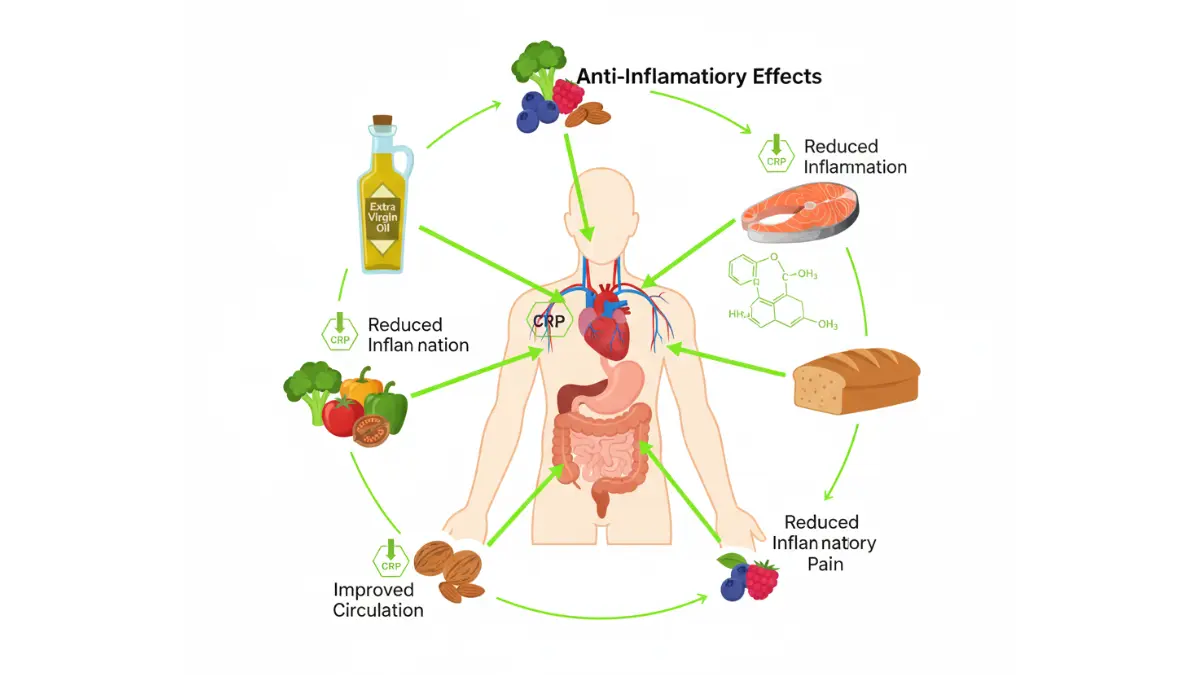
The Mediterranean diet represents the gold standard for reducing c reactive protein levels through nutrition. A landmark study published by NIH found that greater adherence to Mediterranean eating patterns correlates with significantly lower CRP concentrations, with the effect particularly pronounced in those consuming more vegetables, fruits, dairy products, and fish.
Research from PubMed demonstrates that consuming a Mediterranean diet reduces CRP by 26.1% even without weight loss, though combining this dietary pattern with weight reduction magnifies the anti-inflammatory impact.
Evidence Strength: Strong (Multiple RCTs, Level 1A Evidence)
Core Mediterranean Foods to Emphasize:
- Extra virgin olive oil: 3-4 tablespoons daily (primary fat source)
- Fatty fish: Salmon, mackerel, sardines, herring (3-4 servings weekly for omega-3 fatty acids)
- Colorful vegetables: 5-7 servings daily (especially leafy greens, tomatoes, bell peppers)
- Fresh fruits: Berries, citrus, apples (3-4 servings daily)
- Nuts and seeds: Walnuts, almonds (1 ounce/28g daily)
- Whole grains: Quinoa, brown rice, whole wheat (replacing refined carbohydrates)
- Legumes: Lentils, chickpeas, beans (3-4 servings weekly)
Foods to Minimize:
- Processed meats and red meat (limit to <2 servings monthly)
- Refined sugars and sweetened beverages
- Trans fats and highly processed foods
- Excessive alcohol (limit to 1 glass wine daily with meals)
Use the macro calculator to determine optimal macronutrient ratios while following Mediterranean principles, or try the keto calculator if combining low-carbohydrate approaches with anti-inflammatory eating.
Exercise Protocol for CRP Reduction
Louisiana State University research demonstrates that combined endurance and resistance training significantly decreases CRP inflammation independent of cardiovascular fitness changes. Study participants reduced CRP levels by an average of 2.1 mg/L through structured exercise programs.
Evidence Strength: Strong (RCTs, Level 1B Evidence)
Optimal Exercise Framework:
- Aerobic activity: 150 minutes moderate-intensity or 75 minutes vigorous-intensity weekly
- Resistance training: 2-3 sessions weekly targeting major muscle groups
- Consistency matters: Regular activity more important than intensity
- Avoid overtraining: Excessive high-intensity exercise temporarily elevates CRP
Track your cardiovascular training zones with the heart rate zone calculator and monitor running workouts using the pace calculator to maintain appropriate intensity levels.
Weight Management and Body Composition
Every 5-point BMI reduction lowers CRP by approximately 0.5 mg/L, according to Loma Linda University studies. Waist circumference reduction proves particularly powerful—participants losing ≥8.5 cm waist circumference showed dramatically greater reductions in inflammatory markers.
Evidence Strength: Strong (Multiple prospective studies, Level 2A Evidence)
Calculate your current status using the BMI calculator and body fat calculator, then establish sustainable weight loss goals with the weight loss calculator and calorie deficit calculator. Consider intermittent fasting calculator guidance if time-restricted eating appeals to you.
Stress Reduction and Sleep Optimization
NIH research on sleep and inflammation reveals that chronic sleep disruption elevates CRP levels persistently throughout day and night periods. Additionally, PubMed studies show both insufficient sleep (<6 hours) and excessive sleep (>9 hours) associate with elevated inflammatory markers.
Evidence Strength: Moderate (Observational studies, Level 2B Evidence)
Stress Management Strategies:
- Sleep hygiene: 7-8 hours nightly (use sleep calculator for optimal timing)
- Meditation: 10-20 minutes daily reduces cortisol and inflammatory cytokines
- Yoga: 3-4 sessions weekly combining movement and mindfulness
- Deep breathing exercises: 5 minutes before stressful situations
Evidence-Based Supplement Protocols
Omega-3 Fatty Acids (EPA/DHA): Canadian research published in PMC demonstrates omega-3 supplementation reduces CRP by 23% after 6 months, with participants having high initial CRP (>2 mg/L) experiencing greater reductions (~2.0 mg/L decrease).
- Dosage: 2-4 grams daily combined EPA/DHA
- Evidence Strength: Strong (RCTs, Level 1B Evidence)
Curcumin (Turmeric Extract): Meta-analysis findings show curcumin decreases CRP by 3.67 mg/L compared to placebo, with doses ≤1,000 mg/day proving most effective after >10 weeks intervention.
- Dosage: 500-1,000 mg daily with black pepper (enhances absorption)
- Evidence Strength: Moderate (Multiple trials, Level 1B Evidence)
Vitamin C: Loma Linda research suggests vitamin C may reduce elevated CRP in athletes and active individuals.
- Dosage: 500-1,000 mg daily
- Evidence Strength: Preliminary (Limited studies, Level 2B Evidence)
Probiotics: Gut microbiome modulation shows promise for inflammatory marker reduction.
- Evidence Strength: Emerging (Early studies, Level 2B Evidence)
Medical Treatments for CRP Reduction
Statins: NIH meta-analysis confirms statins decrease CRP levels by up to 60%, with high-intensity statin treatment proving most effective. Research shows statins reduce both hs-CRP and standard CRP in cardiovascular disease patients, particularly those with baseline CRP >3 mg/L.
Disease-Specific Medications:
- DMARDs (rheumatoid arthritis): Target underlying autoimmune inflammation
- Biologics: TNF-alpha inhibitors dramatically reduce CRP in inflammatory conditions
- Aspirin: Low-dose daily aspirin modestly reduces CRP in cardiovascular patients
Patient Transformation Story
Maria, 48, presented with CRP of 12 mg/L, obesity (BMI 34), and prediabetes. Her physician prescribed a comprehensive intervention: Mediterranean diet, 150 minutes weekly walking, stress reduction through yoga, and omega-3 supplementation. Six months later, Maria achieved:
- CRP reduced to 2.8 mg/L (77% decrease)
- 28-pound weight loss
- Normal fasting glucose
- Improved energy and joint pain resolution
Her success came from consistency—how to lower CRP requires sustained lifestyle changes, not quick fixes.
💡 What This Means For You:
CRP 3-10 mg/L: Start with diet and exercise modifications. Adopt Mediterranean eating patterns, aim for 30 minutes daily activity, and target 5-10% weight loss if overweight.
CRP 10-50 mg/L: Combine aggressive lifestyle intervention with medical evaluation. Consider omega-3 supplementation (2-4g daily) and discuss medication options with your physician.
CRP >50 mg/L: Requires medical treatment for underlying condition. Lifestyle modifications remain important but secondary to treating acute inflammation or infection.
CRP Test & Disease Monitoring – Clinical Applications
Using CRP to Monitor Treatment Effectiveness
The CRP test serves as a powerful tool for tracking disease progression and evaluating treatment response across multiple medical conditions. Clinical research published by NIH emphasizes that clinicians use CRP values to monitor disease progression, guide treatment strategies, and identify potential complications in real-time.
Disease-Specific Monitoring Protocols
Rheumatoid Arthritis Treatment Response
Studies demonstrate that patients with Crohn’s disease receiving infliximab therapy show strong correlation between baseline CRP levels exceeding 15 mg/dL and treatment ineffectiveness. In rheumatoid arthritis, decreasing c reactive protein levels indicate successful DMARD therapy, while persistently elevated levels suggest the need for treatment adjustment.
Cardiovascular Disease Risk Stratification
The hs-CRP test helps cardiologists stratify patients for aggressive preventive interventions. Monitoring hs-CRP alongside cholesterol profiles and heart rate variability provides comprehensive cardiovascular risk assessment.
Inflammatory Bowel Disease Flare Detection
IBD specialists use serial CRP blood test measurements to detect disease flares before symptoms worsen, allowing preemptive treatment escalation.
Post-Surgical Infection Detection
NIH research on severe pneumonia reveals that daily c reactive protein test monitoring after antibiotic therapy identifies treatment failure by day 3—patients showing >50% CRP decline demonstrate 96% survival rates, while those with persistent elevation face significantly worse outcomes.
CRP vs ESR: Comparison Table
| Marker | Response Time | Half-Life | Best For | Limitations |
|---|---|---|---|---|
| CRP | Rises within 4-6 hours | 18 hours | Acute inflammation, treatment monitoring | Non-specific location |
| ESR | Rises within 24-48 hours | Several days | Chronic inflammatory conditions | Affected by age, gender, anemia |
Academic research shows CRP performs better than ESR for rheumatoid arthritis monitoring, coinciding more closely with clinical parameters like tender joint count and swelling.
Limitations of CRP Testing
While valuable, the CRP test has constraints:
- Non-specific: Cannot pinpoint inflammation location
- Variable response: Some lupus patients show normal CRP despite active disease
- Confounding factors: Obesity, pregnancy, medications affect baseline levels
- Requires clinical context: Must interpret alongside symptoms and imaging
Future of CRP Testing
FDA-cleared point-of-care devices like the ProciseDx CRP Assay deliver quantitative results in under 5 minutes, revolutionizing primary care applications. International expert guidance shows Norway reimburses CRP point-of-care testing in 60% of respiratory infection consultations, reducing unnecessary antibiotic prescriptions by 30%.
Artificial intelligence integration promises personalized CRP interpretation considering individual inflammatory profiles, genetic factors assessed through genetic risk tools, and longitudinal patterns.
Global Guideline Differences
United States: American Heart Association recommends hs-CRP for intermediate cardiovascular risk patients
Europe: European Society of Cardiology uses hs-CRP more selectively, emphasizing traditional risk factors
Asia: Growing adoption for infectious disease management and sepsis prediction
💡 What This Means For You:
Ask your doctor these questions:
- What CRP level indicates my treatment is working?
- How often should I retest CRP for my condition?
- Are my symptoms consistent with my CRP results?
- Would point-of-care testing benefit my ongoing monitoring?
Consider using the health tips section for additional inflammatory condition management strategies.
⚠️ MEDICAL DISCLAIMER:
This article is for educational purposes only and does not constitute medical advice. CRP test results must be interpreted by qualified healthcare professionals in the context of your complete medical history, symptoms, and other diagnostic findings. Never start, stop, or modify treatments based solely on CRP levels without consulting your physician. If you experience severe symptoms or CRP exceeds 100 mg/L, seek immediate medical evaluation. For personalized health guidance, visit mymedicineadvisor.com and consult with board-certified medical experts.
11 Frequently Asked Questions About CRP Test
1. What is a CRP test and why is it ordered?
A CRP test measures c reactive protein levels in your blood to detect inflammation. Doctors order this blood test to diagnose infections, monitor chronic inflammatory conditions like rheumatoid arthritis and inflammatory bowel disease, assess cardiovascular disease risk using hs-CRP, check for post-surgical complications, and evaluate how well treatments are working. The test helps identify inflammation but doesn’t pinpoint the exact location or cause.
2. What is a normal CRP level?
A CRP normal range is generally below 3.0 mg/L for adults. Optimal levels fall below 1.0 mg/L, indicating minimal inflammation. For cardiovascular risk assessment using hs-CRP test, levels below 1.0 mg/L indicate low risk, 1.0-3.0 mg/L moderate risk, and above 3.0 mg/L high risk. Values above 10 mg/L typically indicate active infection or inflammatory disease requiring medical evaluation.
3. What does high CRP mean?
High CRP levels indicate inflammation from infections (bacterial, viral), autoimmune diseases (rheumatoid arthritis, lupus, IBD), cardiovascular disease, cancer, obesity, or tissue injury. Levels of 3-10 mg/L suggest mild inflammation, 10-100 mg/L indicate moderate to marked inflammation, and values above 100 mg/L signal severe infection or sepsis requiring immediate medical attention. Your doctor will investigate the underlying cause through additional testing.
4. How can I lower my CRP levels naturally?
How to lower CRP naturally involves adopting a Mediterranean diet rich in fish, olive oil, vegetables, and nuts; exercising 150 minutes weekly with combined aerobic and resistance training; losing 5-10% body weight if overweight; getting 7-8 hours of sleep nightly; managing stress through meditation or yoga; and taking omega-3 supplements (2-4g daily). These strategies can reduce CRP by 20-60% within 3-6 months when combined consistently.
5. What’s the difference between CRP and hs-CRP tests?
Standard CRP test measures 3-350 mg/L and detects acute inflammation from infections, autoimmune flares, and post-surgical complications. The hs-CRP test (high-sensitivity) measures 0.3-10 mg/L and specifically assesses cardiovascular disease risk in otherwise healthy individuals. Hs-CRP detects much lower protein levels, making it ideal for heart disease prediction, while standard CRP works better for diagnosing active inflammatory conditions.
6. How is a CRP blood test performed?
A CRP blood test requires a simple blood draw from a vein in your arm, taking less than 5 minutes. No fasting or special preparation is needed, though avoiding strenuous exercise 24 hours before testing improves accuracy. A healthcare professional collects 3-5 milliliters of blood, and results are typically available within 24-72 hours. The procedure carries minimal risks—only slight bruising or brief discomfort at the puncture site.
7. How much does a CRP test cost?
CRP test costs range from $25-$100 depending on location. Independent laboratories charge $25-$60, physician offices $50-$90, and hospital labs $40-$100. Most insurance plans cover the c reactive protein test when medically necessary with standard copays. Medicare Part B covers cardiovascular risk assessment including hs-CRP for eligible beneficiaries. At-home CRP testing kits cost $30-$80 but may require prior insurance authorization.
8. What are symptoms of high CRP levels?
Mild CRP inflammation (3-10 mg/L) often causes no symptoms or just fatigue and stiffness. Moderate elevation (10-50 mg/L) produces low-grade fever, body aches, and joint pain. Marked elevation (50-100 mg/L) causes high fever above 101°F, significant pain, and rapid heart rate. Severe elevation above 100 mg/L indicates potential sepsis with confusion, difficulty breathing, and severe weakness requiring emergency medical evaluation immediately.
9. Can stress increase CRP levels?
Yes, chronic stress elevates c reactive protein through increased cortisol and inflammatory cytokine production. Sleep disruption from stress particularly impacts CRP—getting less than 6 hours or more than 9 hours nightly associates with higher inflammatory markers. Managing stress through 7-8 hours quality sleep, daily meditation (10-20 minutes), regular yoga practice, and deep breathing exercises can reduce CRP levels by 15-30% over several months.
10. How long does it take to lower CRP levels?
Lowering high CRP levels timelines vary by cause and intervention. Bacterial infections treated with antibiotics show 50% CRP decline within 3 days. Lifestyle modifications (diet, exercise, weight loss) typically reduce CRP inflammation by 20-40% within 8-12 weeks, with maximum benefits at 6 months. Statin medications can decrease CRP by up to 60% within 3-6 months. Consistency matters more than speed—sustainable changes produce lasting results.
11. When should I get my CRP retested?
Retest frequency depends on your condition. For monitoring chronic inflammatory diseases like rheumatoid arthritis or IBD, retest every 4-6 weeks during treatment adjustments, then quarterly when stable. For cardiovascular risk assessment, annual or biannual hs-CRP test suffices for healthy individuals. After acute infections, retest 2-4 weeks post-treatment to confirm resolution. If implementing lifestyle changes to lower CRP levels, retest after 3 months to evaluate intervention effectiveness.
About this content
How this article was put together: researched from recognised health sources, drafted with the help of AI tools, and edited by hand, with sources linked throughout.

Sameer Patel is the founder and editor of My Medicine Advisor. He is not a doctor or medical professional — before starting this site he worked in banking,…
Medical disclaimer
The content on MyMedicineAdvisor is provided for general informational and educational purposes only and is not a substitute for professional medical advice, diagnosis, or treatment. Health information on this website should not be used to diagnose, treat, cure, or prevent any condition without guidance from a qualified healthcare professional. Always seek the advice of your doctor, physician, or another licensed healthcare provider with any questions you may have regarding a medical condition, symptoms, medications, or treatment decisions.