Metabolic Syndrome: 5 Signs You’re At High Risk
Metabolic syndrome affects approximately 40% of American adults over age 40, significantly increasing cardiovascular disease risk by 2-fold and type 2 diabetes risk by 5-fold. Most people don’t realize they have this cluster of conditions until serious complications like heart attack or stroke develop, making early detection critical for prevention.
The Wake-Up Call Nobody Expects
Maria, a 47-year-old marketing executive, considered herself relatively healthy despite carrying extra weight around her midsection. During a routine physical, her doctor noticed something alarming: her waist circumference measured 38 inches, her blood pressure read 138/88 mmHg, and her fasting blood sugar sat at 108 mg/dL. Maria had metabolic syndrome—a diagnosis she’d never heard of, but one that placed her at severe risk for cardiovascular complications similar to those seen in myocardial infarction patients. Within six months of lifestyle changes, Maria reversed three of her five risk factors.
Understanding What Is Metabolic Syndrome
Metabolic syndrome, also known as insulin resistance syndrome, represents a cluster of interconnected conditions that occur together, dramatically elevating the risk of heart disease, stroke, and type 2 diabetes. According to National Heart, Lung, and Blood Institute guidelines, this condition isn’t a single disease but rather a constellation of metabolic abnormalities that share a common root cause: insulin resistance.
The diagnosis requires meeting at least three of five specific criteria, which include abdominal obesity, elevated blood pressure, high blood sugar, high triglycerides, and low HDL “good” cholesterol. Recent 2022 updated diagnostic criteria from international expert consensus panels now emphasize central obesity as a primary requirement, plus two additional metabolic disturbances.
Key Takeaway: Having just one or two of these conditions already increases health risks, but when three or more cluster together, the danger multiplies exponentially. The metabolic syndrome diagnosis serves as an urgent warning sign—your body’s metabolic processes are breaking down, and intervention is needed now.
What makes metabolic syndrome particularly dangerous is its silent progression. Many people using body composition tools discover they’ve been carrying excess visceral fat for years without realizing how it disrupts insulin function and blood sugar regulation. CDC prevalence data shows rates increased from 25.3% in 1988–1994 to over 34% by 2012, with current estimates suggesting nearly 4 in 10 adults now meet diagnostic criteria.
The encouraging news: metabolic syndrome is reversible through targeted lifestyle interventions, and early detection dramatically improves outcomes.
5 Warning Signs You’re At High Risk for Metabolic Syndrome
Understanding metabolic syndrome symptoms begins with recognizing the five interconnected conditions that define this diagnosis. The National Heart, Lung, and Blood Institute establishes specific thresholds for each risk factor, and meeting three or more places you in the high-risk category. These warning signs often develop silently over years, making proactive screening essential.
Sign #1: Abdominal Obesity (Excess Belly Fat)
Abdominal obesity represents the most visible metabolic syndrome symptom and serves as the primary driver of insulin resistance. According to NIH diagnostic guidelines, a waist circumference exceeding 40 inches (102 cm) for men or 35 inches (88 cm) for women indicates central adiposity.
This isn’t simply about overall weight—it’s specifically about visceral fat accumulating around internal organs. When you calculate your body fat percentage, you’re measuring a critical metabolic indicator, as belly fat metabolic syndrome creates a cascade of hormonal disruptions.
Why central obesity matters: Visceral fat cells actively produce inflammatory cytokines and free fatty acids that flood the bloodstream, overwhelming the liver and triggering insulin resistance. This “apple-shaped” body pattern poses significantly higher cardiovascular disease risk than “pear-shaped” lower-body fat distribution.

What This Means For You: Measure your waist circumference at the narrowest point between your ribcage and hip bones, standing upright without holding your breath. If you exceed the thresholds, reducing just 5-10% of your body weight can dramatically improve metabolic markers, similar to strategies used for managing PCOS-related metabolic issues.
Sign #2: Elevated Blood Pressure (Hypertension)
High blood pressure qualifying for metabolic syndrome diagnosis means readings of 130/85 mmHg or higher, or currently taking antihypertensive medications. This represents a lower threshold than traditional hypertension diagnosis (140/90 mmHg), reflecting the syndrome’s compounded cardiovascular risks.
The connection between insulin resistance and blood pressure stems from several mechanisms. Excess insulin promotes sodium retention in kidneys, increases sympathetic nervous system activity, and causes arterial wall thickening—all elevating pressure within blood vessels.
Most concerning: high blood pressure rarely produces noticeable symptoms until damage occurs. Research from the NIH shows that individuals with metabolic syndrome face 2-3 times greater risk of developing cardiovascular complications compared to those without the syndrome.

What This Means For You: Home blood pressure monitoring provides crucial data for early detection. Track readings twice daily for one week, and if averages consistently exceed 130/85 mmHg, consult your healthcare provider. Natural blood pressure management strategies combined with weight loss can reverse this metabolic syndrome symptom.
Sign #3: High Blood Sugar (Impaired Glucose Metabolism)
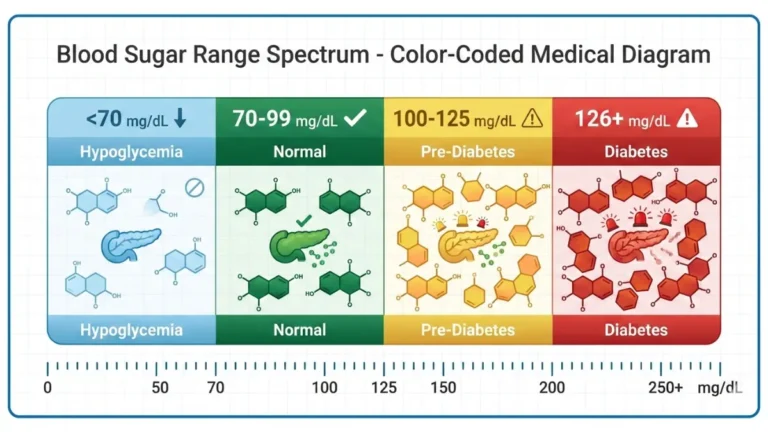
Fasting blood glucose levels of 100 mg/dL or higher indicate impaired glucose metabolism, one of the most dangerous metabolic syndrome symptoms. This threshold represents prediabetes—a critical window where intervention can prevent progression to type 2 diabetes.
Insulin resistance creates this elevated blood sugar. When muscle and fat cells become resistant to insulin’s signals, glucose cannot enter cells efficiently, causing blood sugar to accumulate in the bloodstream. The pancreas compensates by producing more insulin, creating a vicious cycle that eventually exhausts insulin-producing beta cells.
Early warning signs of high blood sugar include increased thirst, frequent urination, unexplained fatigue, and blurred vision. However, many people using blood sugar tracking tools discover elevated readings without experiencing any noticeable metabolic syndrome symptoms.
What This Means For You: Request a fasting glucose test and hemoglobin A1C at your annual physical. Values of 100-125 mg/dL (fasting) or A1C of 5.7-6.4% indicate prediabetes requiring immediate lifestyle intervention. Advanced AI-powered diabetes management approaches now enable precise tracking and personalized treatment strategies.
Sign #4: High Triglyceride Levels
Triglycerides measuring 150 mg/dL or higher signify dyslipidemia characteristic of metabolic syndrome. These blood fats, produced when the liver converts excess calories (especially from refined carbohydrates and alcohol) into stored energy, become dangerously elevated in insulin resistance syndrome.
Clinical research published through NIH databases demonstrates that high triglycerides combined with low HDL cholesterol—termed “atherogenic dyslipidemia”—creates particularly hazardous conditions for cardiovascular disease and stroke. This lipid pattern promotes formation of small, dense LDL particles that easily penetrate arterial walls, accelerating atherosclerosis.
Unlike cholesterol, which requires steady levels for hormone production and cell membrane function, chronically elevated triglycerides serve no beneficial purpose and indicate metabolic dysfunction.
What This Means For You: A standard lipid panel ordered during routine checkups measures triglycerides alongside cholesterol. Reducing refined carbohydrates, added sugars, and alcohol while increasing omega-3 fatty acids can lower triglycerides by 20-30% within weeks. Consider tracking your macronutrient intake to optimize dietary composition for metabolic health.
Sign #5: Low HDL “Good” Cholesterol
HDL cholesterol below 40 mg/dL for men or below 50 mg/dL for women represents the final diagnostic criterion for metabolic syndrome. HDL performs critical protective functions—transporting cholesterol away from arterial walls back to the liver for disposal, reducing inflammation, and preventing oxidation of LDL cholesterol.
Insulin resistance specifically suppresses HDL production while accelerating its breakdown, creating the dangerous combination of low protective cholesterol alongside elevated harmful lipids. Data from NHLBI studies confirms that each 1 mg/dL decrease in HDL cholesterol increases cardiovascular risk by 2-3%.
The metabolic syndrome diagnosis requires meeting three of these five criteria, but research shows that having even one or two significantly elevates long-term health risks.
What This Means For You: If blood tests reveal you meet three or more of these thresholds, immediate action is warranted. The encouraging news: metabolic syndrome treatment through lifestyle modification can reverse these conditions. Calculating your ideal weight and creating a structured plan using a calorie deficit approach provides the foundation for metabolic recovery.
What Causes Metabolic Syndrome? Understanding Your Risk
Metabolic syndrome causes stem from a complex interplay between genetic predisposition, lifestyle factors, and biological aging processes. However, research from the National Heart, Lung, and Blood Institute identifies insulin resistance as the primary underlying driver connecting all five diagnostic criteria.
Primary Driver: Insulin Resistance
Insulin resistance represents the metabolic dysfunction at the heart of this syndrome. Normally, insulin acts as a key that unlocks cells, allowing glucose to enter for energy production. In insulin resistance syndrome, cells become less responsive to insulin’s signals, forcing the pancreas to produce increasingly higher amounts to maintain normal blood sugar levels.
NIH studies examining insulin resistance mechanisms reveal that accumulation of fat metabolites—including fatty acyl CoAs and diacylglycerol—inside muscle and liver cells disrupts insulin signaling pathways. This lipid-induced interference prevents the insulin receptor from properly activating glucose transport, creating a vicious cycle where excess calories convert to fat storage, which further impairs insulin function.

Belly fat metabolic syndrome creates particularly dangerous conditions because visceral adipose tissue actively secretes inflammatory compounds called adipokines. These molecules travel through the bloodstream, promoting insulin resistance in distant organs while simultaneously triggering the liver to overproduce triglycerides and glucose.
Major Metabolic Syndrome Risk Factors
Age and Demographics: Metabolic syndrome risk factors include advancing age as a primary consideration. CDC prevalence data demonstrates that for every 10-year increase in age, odds of developing metabolic syndrome increase by 50-73%, with rates particularly elevated after age 50. This age-related vulnerability reflects declining physical activity, hormonal changes, and accumulated effects of dietary patterns.
Genetic Predisposition: Family history significantly influences metabolic syndrome causes—individuals with parents or siblings who have type 2 diabetes face substantially higher risk. Assessing your genetic risk profile provides valuable insight into inherited susceptibility, though genetics account for approximately 50% of risk while lifestyle factors determine the remainder.
Physical Inactivity: Sedentary behavior represents one of the most modifiable metabolic syndrome risk factors. Lack of regular physical activity reduces muscle glucose uptake capacity, promotes visceral fat accumulation, and decreases beneficial HDL cholesterol production.
Related Medical Conditions: Several interconnected health issues accelerate metabolic syndrome development:
- Polycystic Ovary Syndrome (PCOS): Women with PCOS face 2-4 times higher risk of metabolic syndrome due to underlying insulin resistance
- Obstructive Sleep Apnea: Poor sleep quality and sleep-disordered breathing patterns worsen insulin resistance and glucose intolerance
- Nonalcoholic Fatty Liver Disease: Excess liver fat both results from and contributes to insulin resistance syndrome
- Inflammatory Conditions: Chronic inflammation measured through CRP testing correlates strongly with metabolic syndrome severity
Regional and Socioeconomic Variations
Metabolic syndrome prevalence varies significantly across ethnic backgrounds, with Hispanic, African American, and South Asian populations showing elevated rates compared to non-Hispanic whites. Additionally, lower socioeconomic status increases risk through limited access to nutritious foods, safe exercise environments, and preventive healthcare services.
Understanding these metabolic syndrome causes and risk factors empowers targeted prevention strategies tailored to individual circumstances.
How Is Metabolic Syndrome Diagnosed? Tests You Need
Metabolic syndrome diagnosis requires comprehensive evaluation combining physical measurements with laboratory analysis. The National Heart, Lung, and Blood Institute recommends specific diagnostic protocols that identify individuals meeting three or more of the five established criteria.
The 5 Essential Diagnostic Tests
Your healthcare provider performs a metabolic syndrome test using the following measurements:
| Test Component | Diagnostic Threshold | What It Measures |
|---|---|---|
| Waist Circumference | ≥40 inches (men) ≥35 inches (women) | Central abdominal obesity and visceral fat accumulation |
| Blood Pressure | ≥130/85 mmHg or taking antihypertensive medication | Arterial pressure indicating cardiovascular strain |
| Fasting Glucose | ≥100 mg/dL or taking glucose-lowering medication | Blood sugar control and insulin resistance |
| Triglycerides | ≥150 mg/dL or taking lipid-lowering medication | Elevated blood fats from metabolic dysfunction |
| HDL Cholesterol | <40 mg/dL (men) <50 mg/dL (women) or taking medication | Protective cholesterol levels |
Updated 2022 Criteria: Recent international consensus emphasizes central obesity as a primary requirement, plus two additional metabolic abnormalities, rather than any three of five factors. This refinement recognizes abdominal obesity as the key driver of insulin resistance syndrome.
Initial Laboratory Investigations
NIH clinical guidelines specify that metabolic syndrome test panels should include fasting blood glucose, hemoglobin A1C for diabetes screening, and complete lipid profile measuring total cholesterol, LDL, HDL, and triglycerides. Patients must fast 12-14 hours before blood collection to ensure accurate glucose and triglyceride readings.
If your symptom assessment suggests metabolic concerns, request these tests at your next appointment. Many individuals discover elevated values without experiencing obvious metabolic syndrome symptoms, making routine screening essential for adults over age 40 or those with family history of type 2 diabetes.
What to Expect at Your Appointment
Metabolic syndrome diagnosis begins with a comprehensive physical examination including waist measurement at the narrowest point between ribs and hips. Your provider checks blood pressure readings taken on both arms while seated. Similar to how blood tests reveal multiple health markers, the metabolic syndrome test provides a complete metabolic profile showing interconnected risk factors.
Questions to Ask Your Healthcare Provider:
- Should I undergo additional testing for insulin resistance or prediabetes?
- What is my 10-year cardiovascular disease risk score?
- Do I need referral to an endocrinologist or cardiologist?
- Which interventions should I prioritize first?
Insurance Coverage Note: Most health insurance plans cover metabolic syndrome testing as part of preventive care for adults. Medicare includes these blood tests in annual wellness visits for beneficiaries age 65 and older.
Key Takeaway: Early metabolic syndrome diagnosis enables intervention before irreversible complications develop. Studies show that detecting and treating metabolic syndrome in the prediabetes stage can reduce type 2 diabetes progression by 58% through lifestyle modifications alone.
Metabolic Syndrome Treatment: Evidence-Based Strategies That Work
Metabolic syndrome treatment prioritizes lifestyle modifications as the cornerstone intervention, with medications added when necessary to manage specific risk factors. The National Heart, Lung, and Blood Institute emphasizes that heart-healthy lifestyle changes represent the first-line approach, capable of reversing multiple metabolic abnormalities simultaneously.
Weight Loss: The Most Powerful Intervention
Weight loss metabolic syndrome treatment achieves remarkable results when patients reduce body weight by just 7-10% of their starting weight. Landmark research from the NIH Diabetes Prevention Program demonstrates that this level of weight reduction decreases type 2 diabetes incidence by 58% in high-risk individuals.

What This Means For You: If you weigh 200 pounds, losing 14-20 pounds can dramatically improve insulin resistance, blood pressure, triglycerides, and HDL cholesterol. Calculate your target weight loss goals to establish realistic milestones over 6-12 months. Even a 5% reduction yields measurable metabolic improvements.
Metabolic Syndrome Diet: Nutrition Strategies
The metabolic syndrome diet emphasizes specific nutritional patterns proven to reduce insulin resistance and cardiovascular risk:
Mediterranean Diet Approach:
- Abundant vegetables, fruits, whole grains, and legumes
- Healthy fats from olive oil, nuts, and fatty fish rich in omega-3s
- Moderate portions of lean protein
- Limited red meat, refined carbohydrates, and added sugars
DASH Diet for Blood Pressure:
- Reduces sodium intake to under 2,300 mg daily (ideally 1,500 mg)
- Emphasizes potassium-rich foods like bananas, sweet potatoes, spinach
- Includes low-fat dairy products for calcium and protein
Practical Implementation: Track your macronutrient distribution using nutrition calculators to ensure adequate protein intake (25-30% of calories), moderate healthy fats (25-35%), and controlled carbohydrates (40-50%) focused on fiber-rich sources. Avoid liquid calories from sugary beverages, which spike blood sugar and contribute to belly fat metabolic syndrome accumulation.
| Foods to Emphasize | Foods to Limit |
|---|---|
| Leafy greens, colorful vegetables | Refined grains (white bread, white rice) |
| Berries, apples, citrus fruits | Sugary snacks and desserts |
| Salmon, mackerel, sardines | Processed meats (bacon, sausage) |
| Nuts, seeds, avocados | Trans fats and fried foods |
| Beans, lentils, chickpeas | Sugar-sweetened beverages |
| Whole grains (quinoa, oats, brown rice) | Excessive alcohol |
Exercise Prescription for Metabolic Health
NIH guidelines for physical activity and obesity management recommend at least 150-250 minutes weekly of moderate-intensity exercise to prevent weight gain and improve metabolic syndrome symptoms. For weight loss metabolic syndrome reversal, 60 minutes daily of moderate activity provides optimal results.
Aerobic Exercise Benefits:
- Improves insulin sensitivity within days
- Lowers blood pressure by 5-7 mmHg
- Increases HDL cholesterol by 5-10%
- Reduces triglycerides by 20-30%
Resistance Training Advantages:
- Builds lean muscle mass that burns more calories at rest
- Enhances glucose uptake by muscle cells
- Reduces visceral abdominal obesity specifically
Sample Weekly Exercise Plan:
- Monday/Wednesday/Friday: 30-45 minutes brisk walking or cycling
- Tuesday/Thursday: 20-30 minutes strength training (major muscle groups)
- Saturday: 60 minutes recreational activity (hiking, swimming, sports)
- Sunday: Active recovery (gentle yoga, stretching)
Use a heart rate zone calculator to optimize workout intensity for fat burning (60-70% of maximum heart rate) while building cardiovascular fitness.
Medical Treatments for Metabolic Syndrome
When lifestyle modifications alone prove insufficient, metabolic syndrome treatment incorporates targeted medications:
For Insulin Resistance and High Blood Sugar:
- Metformin reduces hepatic glucose production and improves insulin sensitivity
- GLP-1 receptor agonists (semaglutide, liraglutide) promote weight loss while lowering blood sugar
- SGLT2 inhibitors improve glucose control and protect cardiovascular health
For Dyslipidemia (High Triglycerides/Low HDL):
- Statins lower LDL cholesterol and reduce cardiovascular events
- Fibrates specifically target triglyceride reduction
- Omega-3 fatty acid supplements (prescription-strength) decrease triglycerides by 25-30%
For High Blood Pressure:
- ACE inhibitors or ARBs provide cardiovascular protection
- Thiazide diuretics effectively lower blood pressure
- Calcium channel blockers offer additional options
Transparency Note: All medications carry potential side effects and require medical supervision. Consult with healthcare providers about drug interactions before starting new treatments, especially if taking multiple medications.
Metabolic Syndrome Prevention Through Lifestyle
Metabolic syndrome prevention follows the same principles as treatment—maintaining healthy weight through balanced nutrition and regular physical activity proves far more effective than addressing established disease. Early intervention during the prediabetes stage offers the greatest opportunity for complete metabolic recovery without long-term medication dependence.
Can You Reverse Metabolic Syndrome? Your Action Plan
Metabolic syndrome is reversible with commitment to lifestyle changes. According to the National Heart, Lung, and Blood Institute, individuals who address the underlying causes through weight loss, dietary improvements, and regular exercise can normalize all five diagnostic criteria within months. This represents one of the most encouraging aspects of metabolic syndrome—early intervention prevents progression to irreversible conditions like type 2 diabetes and cardiovascular disease.
Starting Your Prevention Journey Today
Metabolic syndrome prevention begins with small, sustainable changes rather than drastic overnight transformations. Calculate your basal metabolic rate to understand daily calorie needs, then create a modest 300-500 calorie deficit through diet and activity. Ensure adequate protein intake for muscle preservation during weight loss, targeting 0.8-1.0 grams per pound of ideal body weight.
Focus on metabolic syndrome prevention strategies that fit your lifestyle:
- Replace sedentary screen time with 10-minute walking breaks after meals
- Swap sugary beverages for water, herbal tea, or sparkling water with lemon
- Add one serving of vegetables to each meal
- Practice stress reduction techniques to lower cortisol, which worsens insulin resistance
- Prioritize 7-8 hours of quality sleep nightly
Long-Term Outlook: Real Success Stories
Clinical data shows remarkable reversal rates when patients adhere to comprehensive lifestyle modifications. Within 3-6 months, most individuals see significant improvements: waist circumference decreases by 2-4 inches, blood pressure drops 10-15 mmHg, triglycerides fall 30-40%, and fasting glucose normalizes to prediabetes or healthy ranges.
Research demonstrates that reducing cardiovascular disease risk through metabolic syndrome treatment produces benefits equivalent to adding 5-7 years of healthy life expectancy. You genuinely have the power to change your health trajectory through informed action.
When to Seek Medical Attention
Contact your healthcare provider immediately if you experience:
- Chest pain, pressure, or discomfort radiating to arms or jaw
- Sudden severe headache or vision changes
- Unexplained shortness of breath or leg swelling
- Fasting blood sugar consistently above 125 mg/dL
- Blood pressure readings exceeding 180/120 mmHg
Schedule routine screening for metabolic syndrome diagnosis if you’re over age 40, have family history of type 2 diabetes, or carry excess abdominal obesity. Early detection enables intervention before complications develop.
Frequently Asked Questions About Metabolic Syndrome
1. What exactly is metabolic syndrome?
Metabolic syndrome is a cluster of five conditions (abdominal obesity, high blood pressure, high blood sugar, high triglycerides, low HDL cholesterol) that occur together, increasing your risk of heart disease, stroke, and type 2 diabetes by 2-5 times.
2. What are the 5 signs of metabolic syndrome?
The five diagnostic signs are: waist circumference ≥40 inches (men) or ≥35 inches (women), blood pressure ≥130/85 mmHg, fasting glucose ≥100 mg/dL, triglycerides ≥150 mg/dL, and HDL cholesterol <40 mg/dL (men) or <50 mg/dL (women).
3. Can you reverse metabolic syndrome naturally?
Yes, metabolic syndrome is reversible through lifestyle changes including 7-10% body weight loss, Mediterranean or DASH diet, 150+ minutes weekly of exercise, stress management, and adequate sleep—often within 3-6 months.
4. What is the main cause of metabolic syndrome?
The primary cause is insulin resistance, where cells become less responsive to insulin, typically triggered by excess abdominal obesity, physical inactivity, poor diet, genetic predisposition, and aging.
5. How do doctors test for metabolic syndrome?
Doctors measure waist circumference, check blood pressure, and order fasting blood tests for glucose, triglycerides, and HDL cholesterol. Meeting three or more of the five diagnostic thresholds confirms metabolic syndrome.
6. What foods should I avoid with metabolic syndrome?
Avoid refined carbohydrates (white bread, white rice), sugary beverages and desserts, processed meats, trans fats, fried foods, and excessive alcohol—all worsen insulin resistance and abdominal obesity.
7. Is metabolic syndrome the same as prediabetes?
No, but they often overlap. Prediabetes refers specifically to elevated blood sugar (100-125 mg/dL), while metabolic syndrome requires three of five criteria. About 85% of people with metabolic syndrome also have prediabetes.
8. What is the best diet for metabolic syndrome?
The Mediterranean diet and DASH diet are most effective, emphasizing vegetables, fruits, whole grains, lean proteins, healthy fats (olive oil, nuts, fatty fish), and limiting sodium, added sugars, and refined carbohydrates.
9. How long does it take to reverse metabolic syndrome?
With consistent lifestyle changes—including diet, exercise, and weight loss—most people see significant improvements in 3-6 months, with complete reversal possible within 6-12 months depending on severity.
10. Does metabolic syndrome increase cancer risk?
Yes, metabolic syndrome increases risk for certain cancers including liver, colorectal, pancreatic, breast (postmenopausal), and endometrial cancers due to chronic inflammation, insulin resistance, and hormonal imbalances.
11. Can thin people have metabolic syndrome?
Yes, approximately 10-20% of normal-weight individuals develop “metabolically obese normal weight” (MONW) syndrome due to visceral fat accumulation around organs despite normal BMI, often from poor diet and inactivity.
About this content
How this article was put together: researched from recognised health sources, drafted with the help of AI tools, and edited by hand, with sources linked throughout.

Sameer Patel is the founder and editor of My Medicine Advisor. He is not a doctor or medical professional — before starting this site he worked in banking,…
Medical disclaimer
The content on MyMedicineAdvisor is provided for general informational and educational purposes only and is not a substitute for professional medical advice, diagnosis, or treatment. Health information on this website should not be used to diagnose, treat, cure, or prevent any condition without guidance from a qualified healthcare professional. Always seek the advice of your doctor, physician, or another licensed healthcare provider with any questions you may have regarding a medical condition, symptoms, medications, or treatment decisions.