
On This Page – Quick Medical Summary
If you are holding a lab report with a value circled in red, or a provider told you your hemoglobin is “a little low,” you are in the right place. Here is the fact that clears up most of the confusion: several values on a complete blood count have different normal ranges for women than for men, so a result that looks low against a generic chart may be perfectly normal for you.
Use this guide by your situation. If you just want to check your numbers, the chart in the next section is female-specific. If you are pregnant or trying to conceive, the pregnancy section explains why your ranges shift. If you are perimenopausal or past menopause — or researching fatigue and heavy periods — later sections cover what changes and when a result is worth a call.
A normal range is a population reference, not a personal diagnosis; your own report and your provider’s read of it are what matter. For the bigger picture, see our overview of what a complete blood count measures and what it can’t tell you. You can also read what the test involves and why it’s ordered from the National Library of Medicine.
ℹ️ Medical Disclaimer: This article is general health education about complete blood count reference ranges. It does not diagnose anemia or any other condition, interpret your specific results, or recommend treatment, medication, or supplements. Reference ranges vary between laboratories, and a single out-of-range value is not a diagnosis. Talk with a board-certified physician — your primary care provider, gynecologist, or a hematologist — about what your own results mean before making any health decision.
CBC normal ranges for women: the full chart
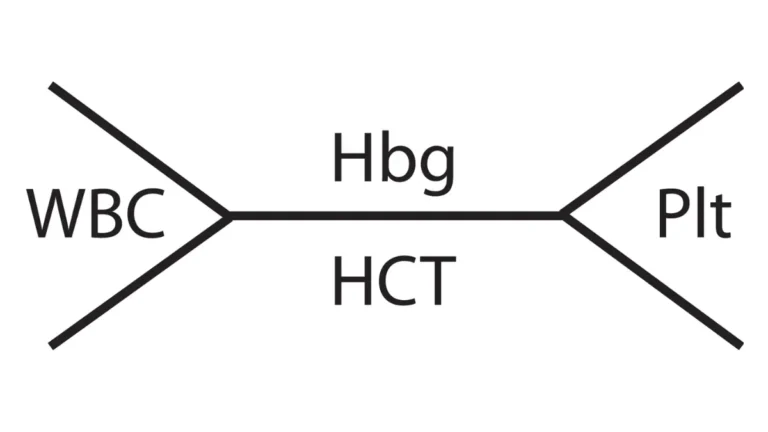
Here are the standard reference ranges a woman’s CBC results are compared against, with the male ranges alongside so you can see exactly where they differ. Only three values — hemoglobin, hematocrit, and red blood cell count — carry a distinct female range; the rest are generally reported the same for everyone.
| Blood value | Normal range (women) | Male range (for comparison) | What it tells you |
|---|---|---|---|
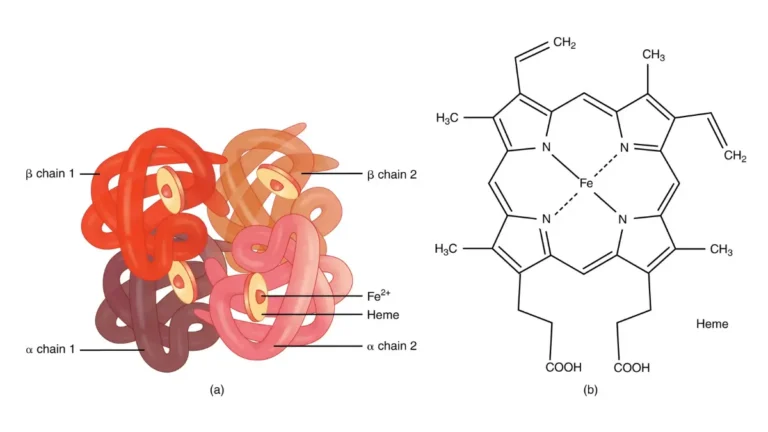
| Hemoglobin (Hgb) | 12–16 g/dL | 13–18 g/dL | Oxygen-carrying protein; low levels point to anemia |
| Hematocrit (Hct) | 36–48% | 40–55% | Share of blood made up of red cells |
| Red blood cell (RBC) count | 4.2–5.4 million/µL | 4.6–6.2 million/µL | Number of red cells |
| White blood cell (WBC) count | 4,500–11,000/µL | Same | Infection-fighting immune cells |
| Platelet count | 150,000–400,000/µL | Same | Cells that help blood clot |
| Red cell indices (MCV / MCH / MCHC) | 80–100 fL / 27–32 pg / 32–36 g/dL | Same | Size and hemoglobin content of red cells |
Source: reference ranges from the National Library of Medicine (MedlinePlus), reviewed October 2024. Ranges vary slightly by laboratory.
The three values with lower female ranges reflect real physiology, covered next. Everything else — white cells, platelets, and the indices (MCV, MCH, MCHC) — uses one reference range regardless of sex.
One caution before you compare: the range printed on your own report is the one that applies to you. Different labs use slightly different equipment and cutoffs, so a value flagged at one lab might sit inside the range at another. For the all-ages version, see our full CBC reference chart for adults; for the exact figures above, the National Library of Medicine’s reference ranges.
Why are women’s CBC ranges lower than men’s?
The lower female ranges for hemoglobin, hematocrit, and RBC count are not a quirk of the chart — they reflect two consistent biological differences. Understanding them helps a normal-but-lower result stop feeling like a problem.
The first is menstrual blood loss. Monthly bleeding, repeated over years, draws down the body’s iron stores, and iron is the raw material red cells need to build hemoglobin. This is also why iron deficiency is the most common cause of low hemoglobin in women who menstruate.
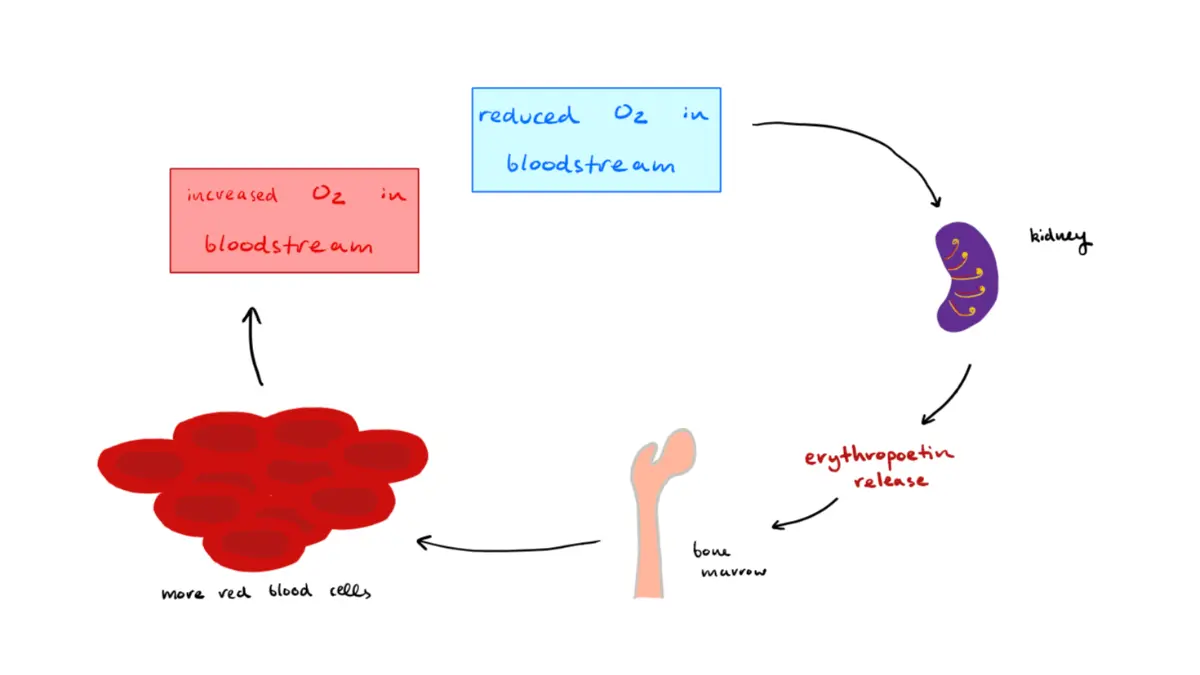
The second is hormonal. Testosterone, which men carry at much higher levels, stimulates the kidney hormone erythropoietin and drives more red-cell production, nudging men’s baseline higher.
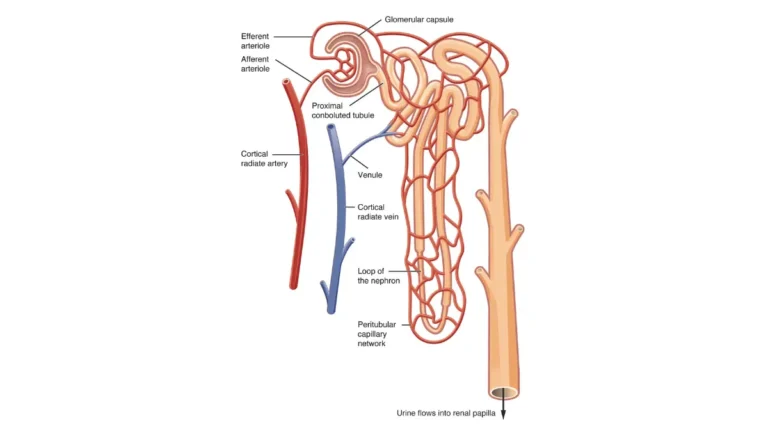
🔬 How It Works: Erythropoietin is a hormone your kidneys release that tells your bone marrow to make red blood cells. Higher testosterone raises that signal, so men produce more red cells on average — which is why their reference ranges for hemoglobin, hematocrit, and RBC sit above the female ranges.
These are population averages, not rules about any one person. A healthy woman can sit anywhere within the female range, and being near the lower end is not automatically anemia. For a closer look at the two most sex-specific values, see our explainer on the difference between hemoglobin and hematocrit. The World Health Organization’s sex-specific hemoglobin cutoffs are summarized in this clinical reference on CBC interpretation.
How your period, pregnancy, and menopause change CBC results
A woman’s CBC is not fixed — it shifts with the menstrual cycle and across life stages, and knowing the direction of each shift helps you tell whether a flagged value has a simple explanation.
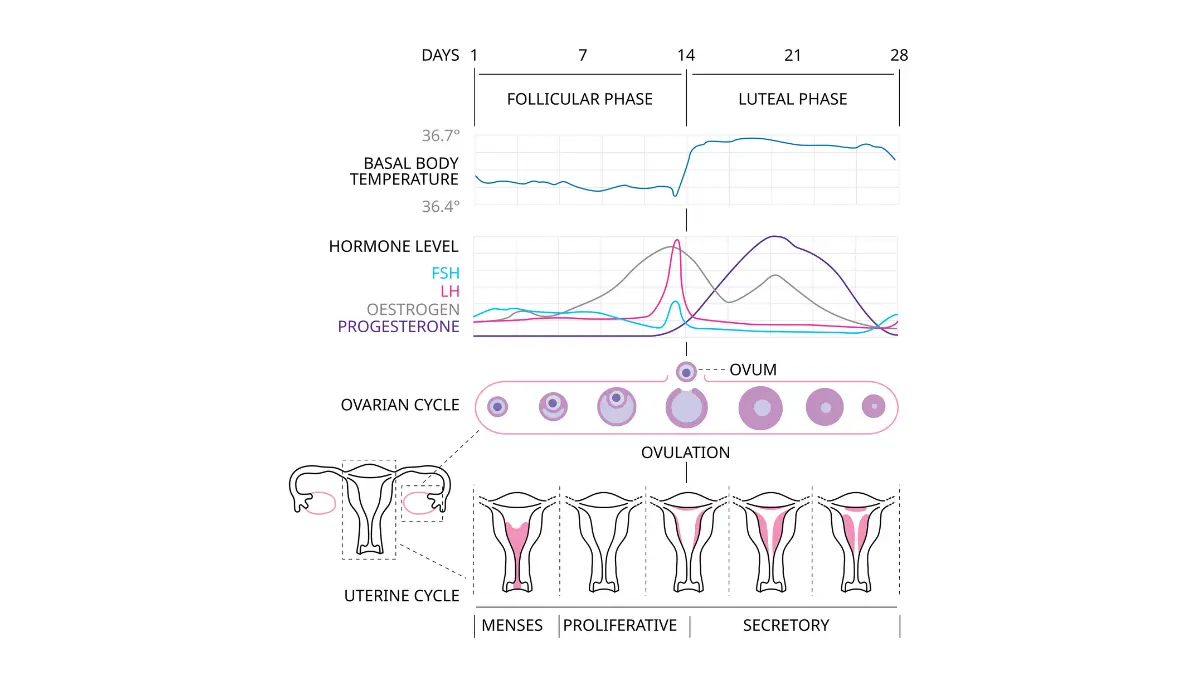
Adapted from Wikimedia Commons Menstrual Cycle, licensed under CC BY-SA 4.0.
Your menstrual cycle
Having your period is one of the everyday factors that can move CBC results. Heavy or long periods sustained over time can lower red blood cell, hemoglobin, and hematocrit values by depleting iron.
Pregnancy
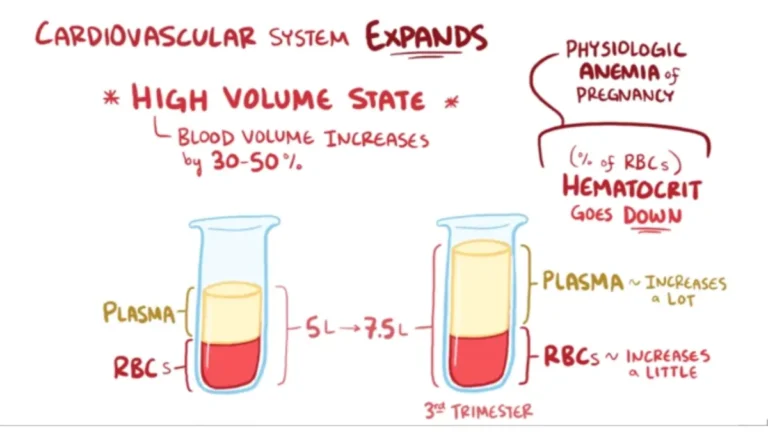
Pregnancy lowers hemoglobin and hematocrit for a normal reason: blood plasma volume expands faster than red-cell mass, which dilutes the concentration. Because of this, the hemoglobin threshold used in pregnancy is typically lowered to around 10 g/dL rather than 12. Pregnancy can also lower the platelet count, usually mildly, which is one reason your prenatal team tracks these values.
✅ Patient Action: If you are pregnant, ask your OB-GYN or midwife: “Are my hemoglobin and platelet trends expected for my trimester?” — rather than comparing your numbers to the non-pregnant chart. For the pregnancy-specific ranges, see our guide to CBC reference ranges during pregnancy and what can drive a low platelet count.
Perimenopause and after menopause
Once periods stop, monthly iron loss ends, so postmenopausal hemoglobin and hematocrit tend to drift upward toward the ranges seen in men.
⚠️ Clinical Warning: Because menstrual blood loss is no longer a factor after menopause, new anemia — or any postmenopausal vaginal bleeding — should be evaluated by a clinician to rule out a non-menstrual cause, rather than assumed to be normal.
What abnormal CBC results mean for women
Most out-of-range CBC values fall into a few recognizable patterns, and the most common one in women is a low result pointing toward anemia. This section explains what low and high results generally suggest, and when a flagged value is worth a call.
Low results and anemia
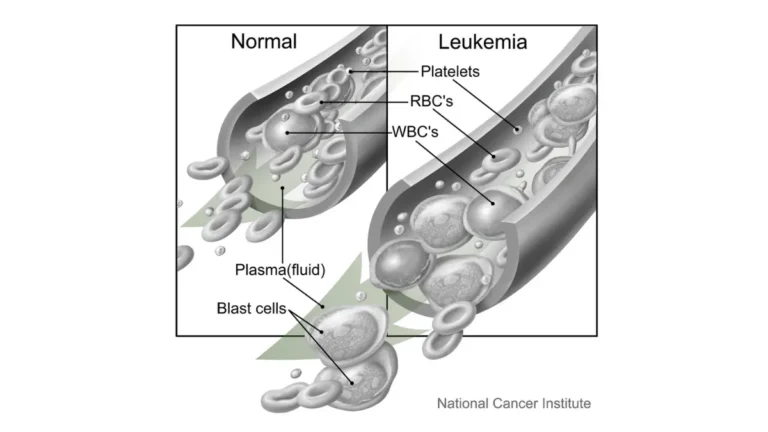
A low hemoglobin, hematocrit, or RBC count is the CBC signature of anemia. In non-pregnant women, a hemoglobin below 12 g/dL is the standard threshold that defines it, per CDC and World Health Organization criteria. The most frequent cause in menstruating women is iron deficiency — often from heavy periods or low dietary iron — though chronic conditions and other deficiencies also contribute.
High results
Higher-than-normal red cell values more often reflect something temporary or external. Dehydration is a common one, because less plasma makes cells look concentrated; smoking, lung or heart conditions, and living at high altitude can also raise these values.
When to call your doctor
Symptoms that pair with anemia — ongoing fatigue, unusual paleness, shortness of breath on mild exertion, or a racing heartbeat — are worth prompt attention.
✅ Patient Action: If your hemoglobin is low, ask your primary care provider or gynecologist: “Could this be iron-deficiency anemia, and should I have my iron and ferritin levels checked?” That single question moves you from a flagged number to a next step.
For low values in depth, see low hemoglobin and anemia, and to make sense of the other lines on your report, how to read your CBC results. If you are weighing symptoms, our symptom checker is an educational starting point — not a diagnosis.
How common are abnormal CBC results in women?
If your CBC flagged low, national data show you are far from alone — and that women are affected much more than men. That context matters, because a common, treatable finding is easier to act on calmly than to panic over.
📊 Clinical Data Point: In the CDC’s 2021–2023 national survey, anemia affected 13.0% of females versus 5.5% of males age 2 and older — Source: CDC National Center for Health Statistics, Data Brief No. 519 (December 2024).
Among women in the peak reproductive years, the rate is higher still: 14.0% of women ages 20–59 and 17.4% of girls ages 12–19 were anemic in the same data. Prevalence also varies by group, reaching 31.4% in Black non-Hispanic women compared with 8.3% in White non-Hispanic women — a reminder that individual risk differs.
The trend has been rising, too: among women ages 15–49, anemia prevalence climbed from 7.8% in 2000 to 11.5% in 2018. Iron deficiency remains the leading driver. None of this diagnoses your result, but it explains why a low hemoglobin in a woman is one of the most common and manageable findings on a CBC. You can review the full figures in the CDC’s national anemia data brief.
How to read your results without over- or under-reacting
One flagged value on a CBC rarely tells the whole story, and knowing how clinicians actually weigh results can keep a borderline number from ruining your week. Two principles do most of the work.
First, a single out-of-range value is usually read in context, not in isolation. Providers look at the pattern across related values, your symptoms, and — when available — how a number compares to your previous results.
🩺 Physician Note: Current clinical guidance emphasizes that a lone borderline value is interpreted alongside the full picture — the differential, prior CBCs, and symptoms — and that reference intervals are lab-specific. A repeat test or a blood-smear review is a routine next step for an unexplained result, not a cause for alarm.
Second, your lab’s reference range is the one that counts. Because ranges differ slightly between laboratories, the numbers printed beside your results are more meaningful than any general chart, including the one above.
The practical takeaway: note anything outside your lab’s range, bring your report — and any earlier CBCs — to your provider, and let the full context guide interpretation. A borderline value is common, and it is read in context, not as a verdict.
Frequently asked questions about CBC ranges for women
1. What is a normal CBC range for a woman?
For women, the main sex-specific ranges are hemoglobin 12–16 g/dL, hematocrit 36–48%, and red blood cell count 4.2–5.4 million/µL. White blood cells (4,500–11,000/µL) and platelets (150,000–400,000/µL) use the same reference range as men. Your lab’s printed range is the one that applies to you.
2. What is a normal hemoglobin level for a female?
A normal hemoglobin for a non-pregnant woman is 12 to 16 g/dL, according to the National Library of Medicine. In pregnancy the lower limit drops to about 10 g/dL because blood volume expands. A hemoglobin below 12 g/dL generally defines anemia in non-pregnant women; discuss a low result with your provider.
3. What is a normal hematocrit for a woman?
A normal hematocrit for women is 36% to 48%, compared with 40% to 55% for men. Hematocrit is the share of your blood made up of red blood cells, so it tracks closely with hemoglobin. A low value can signal anemia and is worth reviewing with your clinician.
4. Why are women’s normal blood ranges lower than men’s?
Women’s hemoglobin, hematocrit, and RBC ranges run lower for two reasons: recurring menstrual blood loss lowers iron stores over time, and men’s higher testosterone drives more red-cell production. These are population averages, so a healthy woman can sit anywhere within the female range without it meaning anything is wrong.
5. Does having your period affect CBC results?
Yes. Having your period is one of the everyday factors that can affect CBC results, and heavy or prolonged periods over time can lower hemoglobin, hematocrit, and red blood cell values by depleting iron. If your periods are heavy and your hemoglobin is low, mention both to your provider.
6. What CBC levels indicate anemia in women?
In non-pregnant women, a hemoglobin below 12 g/dL is the standard threshold for anemia, per CDC and WHO criteria, usually alongside low hematocrit and RBC count. Iron deficiency is the most common cause in women who menstruate. Anemia is a sign rather than a diagnosis in itself — see your clinician to find the cause.
7. What is a normal white blood cell count for a woman?
A normal white blood cell count is 4,500 to 11,000 cells/µL, the same range for women and men. White cells fight infection, so a high count often points to infection or inflammation and a low count to other causes. Persistent abnormal counts should be evaluated by your provider.
8. What is a normal platelet count for a female?
A normal platelet count is 150,000 to 400,000 per µL, the same reference range for women and men. Platelets help your blood clot, and pregnancy can lower the count, usually mildly. A result outside this range — high or low — is worth discussing with your clinician to identify the reason.
9. Do CBC normal ranges change during pregnancy?
Yes. Pregnancy lowers hemoglobin and hematocrit because plasma volume expands and dilutes red cells, so the hemoglobin threshold in pregnancy drops to around 10 g/dL rather than 12. Platelet counts can also dip. Ask your prenatal provider whether your values are expected for your trimester.
10. Do CBC ranges change after menopause?
After menopause, monthly iron loss from periods stops, so hemoglobin and hematocrit tend to drift upward toward the ranges seen in men. Because blood loss is no longer a monthly factor, any new anemia or postmenopausal bleeding should be evaluated by a clinician rather than assumed to be normal.
11. What is a normal RBC count for a woman?
A normal red blood cell count for women is 4.2 to 5.4 million cells/µL, compared with 4.6 to 6.2 million for men. RBC count is one of the three values with a distinct female range. On its own it does not diagnose anemia, but a low result alongside low hemoglobin points toward it.
Your next step
Your CBC’s female ranges are different for real physiological reasons, and a single value outside them is common — not a verdict. The practical next step is simple: compare your results to your own lab’s reference range, note anything outside it, and bring the report, along with any earlier CBCs, to your provider. If your hemoglobin is low, asking about iron and ferritin testing is a concrete place to start. For the full picture of what each value on your report means, our overview of what a complete blood count can and can’t tell you walks through the rest.
About this content
How this article was put together: researched from recognised health sources, drafted with the help of AI tools, and edited by hand, with sources linked throughout.

Sameer Patel is the founder and editor of My Medicine Advisor. He is not a doctor or medical professional — before starting this site he worked in banking,…
Medical disclaimer
The content on MyMedicineAdvisor is provided for general informational and educational purposes only and is not a substitute for professional medical advice, diagnosis, or treatment. Health information on this website should not be used to diagnose, treat, cure, or prevent any condition without guidance from a qualified healthcare professional. Always seek the advice of your doctor, physician, or another licensed healthcare provider with any questions you may have regarding a medical condition, symptoms, medications, or treatment decisions.