
On This Page – Quick Medical Summary
A comprehensive metabolic panel (CMP) is one of the most common blood tests ordered at a checkup, and it can flag early signs of several conditions — most often diabetes, kidney disease, and liver disease. But a single out-of-range number on a CMP is rarely a diagnosis on its own. This guide covers exactly what a CMP can and cannot detect, and what to do with a flagged result.
Where you are right now shapes what you need:
- Your test is ordered but not yet done → start with what a CMP measures and the conditions it screens for.
- A result came back flagged in your patient portal → skip to what an abnormal result actually means, and when a value is urgent.
- You’re managing a known condition → see how a CMP is used to monitor diabetes, kidney, and liver health over time.
For the full marker-by-marker walkthrough, see our complete guide to reading your comprehensive metabolic panel results.
ℹ️ Medical Disclaimer: This article is educational and does not diagnose any condition, interpret your results, or recommend treatment, medication, or testing decisions. A comprehensive metabolic panel is a screening tool — only the provider who ordered your test can interpret your results. If a value is flagged critical, or you have concerning symptoms, contact your provider or seek urgent care. Product mentions are labeled, not medical recommendations.
What a CMP measures — 14 tests in 5 groups
A comprehensive metabolic panel measures 14 substances in a single blood sample, grouped into five areas that each reflect a different part of your body.
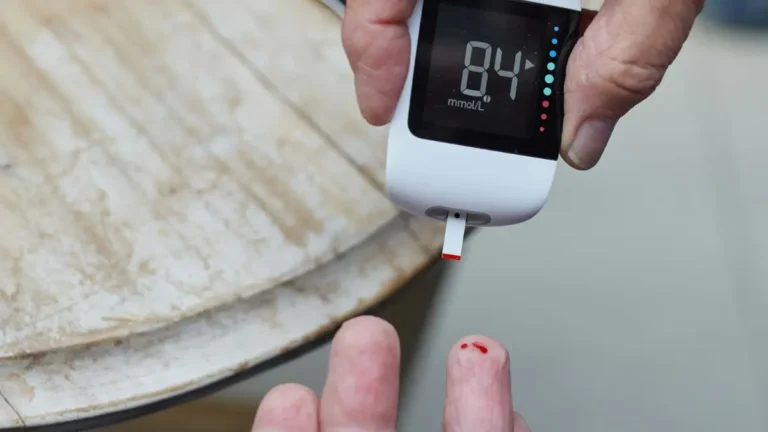
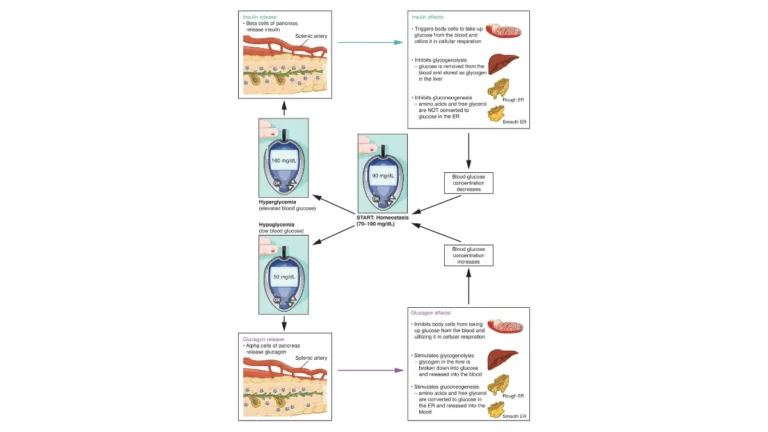
- Blood sugar: glucose, your body’s main energy source.
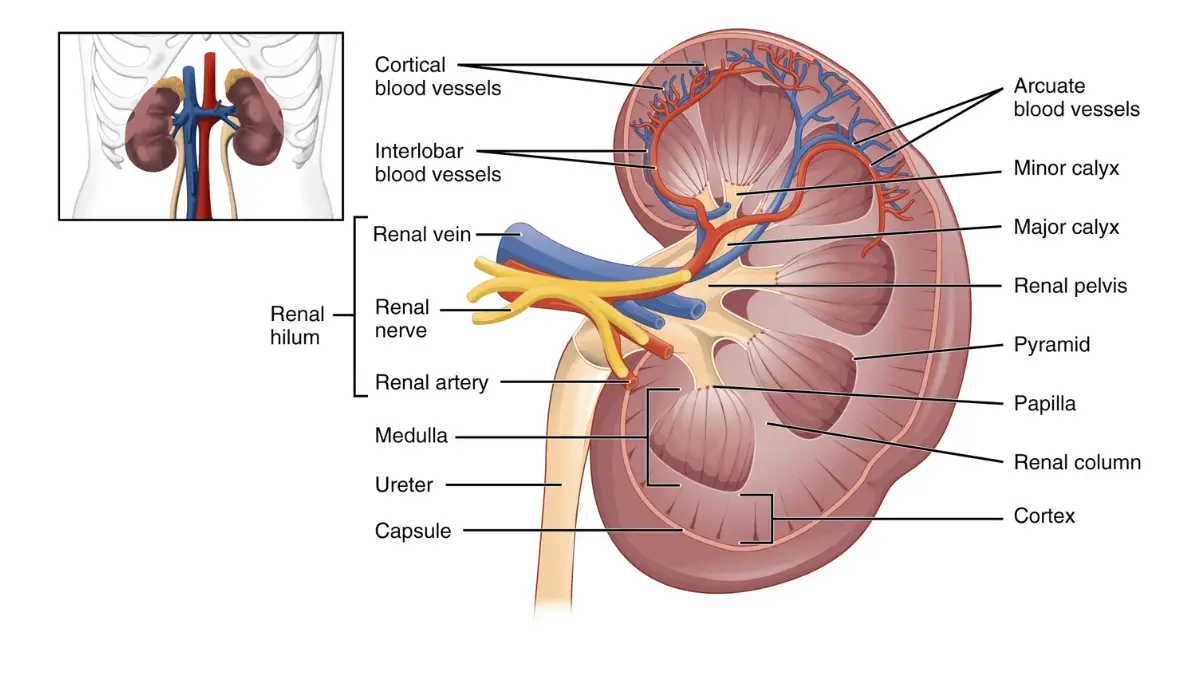
- Kidney markers: blood urea nitrogen (BUN) and creatinine, waste products your kidneys filter out.
- Liver markers: the enzymes ALP, ALT, and AST, plus bilirubin.
- Proteins: albumin and total protein.
- Electrolytes and calcium: sodium, potassium, chloride, bicarbonate (CO2), and calcium.
📊 Clinical Data Point: A CMP measures 14 substances; a basic metabolic panel (BMP) includes 8 of those same tests — Source: MedlinePlus, National Library of Medicine (NIH).
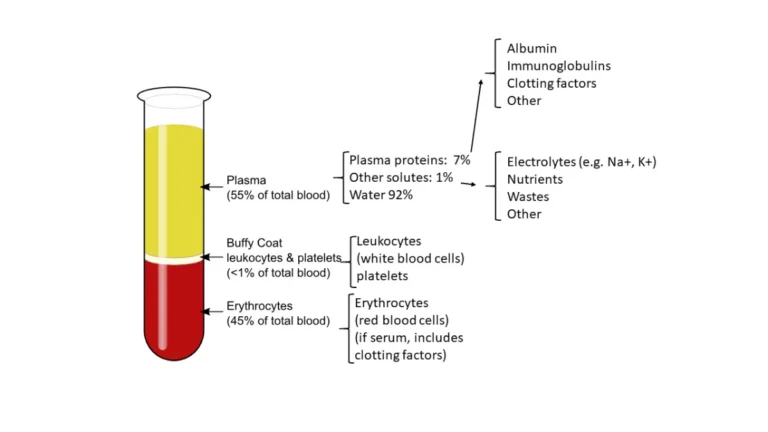
🔬 How It Works: Your blood carries the byproducts of everything your organs do — filtering waste, processing sugar, breaking down proteins. Measuring those byproducts from one draw gives your provider a broad snapshot of how your metabolism and major organs are working, without imaging or an invasive procedure.
You can see the full breakdown in our guide to the components of a CMP, and the National Library of Medicine’s overview of the test describes the same 14-substance panel.
What conditions a CMP can help detect
A CMP can help detect or monitor several conditions, depending on which group of results falls out of range.
Blood sugar → diabetes and prediabetes
A high glucose result can be an early sign of diabetes or prediabetes. Elevated fasting glucose often points to type 2, while very high levels can indicate type 1 — but a CMP screens rather than confirms, so a provider follows up with an HbA1c. See what a high glucose result means.
Kidney markers → kidney disease
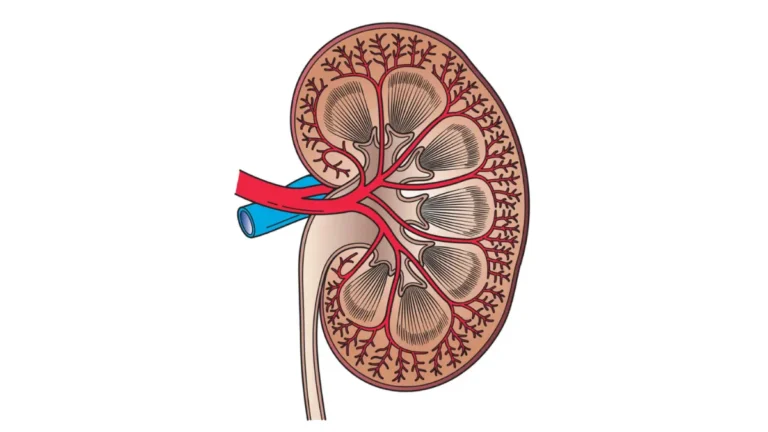
High BUN and creatinine can signal that your kidneys aren’t filtering waste efficiently, which may reflect kidney disease. Because early kidney disease is often silent, these markers are a key way it gets caught. See how a CMP checks your kidneys.
Liver markers → liver disease
Abnormal ALT, AST, ALP, or bilirubin — and low albumin — can point to liver inflammation or disease, read as a pattern rather than one value. See what the CMP liver enzymes show.
Electrolytes, calcium, and protein → imbalances and gland or nutrition issues
Out-of-range sodium, potassium, chloride, or bicarbonate can indicate a fluid, acid-base, or kidney problem. Abnormal calcium points to the parathyroid glands, bones, kidneys, or vitamin D — not the thyroid; high calcium can be an early sign of hyperparathyroidism. See what your calcium and protein results mean.
✅ Patient Action: If one group is flagged, ask the provider who ordered your CMP which specific follow-up test confirms it — an HbA1c for glucose, an eGFR for kidney function, or a PTH test for high calcium.
What an abnormal CMP result actually means
An abnormal CMP result does not necessarily mean you have a disease. Results can fall outside the reference range for reasons that have nothing to do with illness.
Why one value isn’t a diagnosis
Reference ranges are built so that a small share of perfectly healthy people fall just outside them. A single flagged number is a prompt for a closer look, not a verdict. See what an abnormal CMP result means.
Everyday things that skew results
Food, dehydration, medications, and even which lab ran the test can shift your numbers. Ranges differ between labs, so compare your value only to the range printed on your report. Most CMPs are drawn fasting because eating raises glucose.
What your provider does next
Your provider weighs your result against your symptoms, history, and other tests, and may order a repeat or a more specific test to confirm or rule out a condition.
🩺 Physician Note: A common point of confusion is treating a reference range like a diagnostic threshold. Lab software flags any value outside the range, but clinicians weigh how far outside it is, whether it fits a pattern across markers, and whether it has changed from earlier results.
What a CMP does not detect
A CMP is broad, but it has clear limits — and knowing them prevents both false reassurance and false alarm.
Not a cancer screening test
A CMP is not a cancer screening test. Its results can’t diagnose cancer, and normal values don’t rule it out. Cancer screening relies on dedicated tests matched to specific cancers.
Not a thyroid or cholesterol test
A CMP does not measure thyroid hormones (TSH, T4, or T3). It also does not include cholesterol — that requires a separate lipid panel. Occasionally a CMP value hints at a thyroid issue, but confirming one needs specific thyroid testing.
Not a blood-cell count
A CMP does not count your red cells, white cells, or platelets. That is a complete blood count (CBC), a different test often drawn at the same visit. See how a CBC differs from a CMP.
For thyroid, cholesterol, cancer risk, or anemia concerns, ask your provider which specific test answers your question — a CMP won’t.
What to do with your CMP results
Reading a CMP is easier once you know the layout of each result line.
How to read your report
Each line shows the test name, your value, the units, the lab’s reference range, and a high/low flag. Compare your number only to the range on your own report. See how to read your CMP results line by line.
Questions worth asking
- Which specific value is out of range, and by how much?
- Does it fit a pattern with my other markers?
- Do I need a repeat test, and when?
When family history matters
A family history of diabetes, kidney disease, or liver conditions can change how closely your provider watches certain markers and how often you retest. Our genetic risk assessment tool can help you map that history before a visit.
✅ Patient Action: Bring a list of your current medications and any family history of diabetes, kidney, or liver disease to the appointment where you review your CMP — both change how a borderline result is read.
When CMP results need urgent attention
Most CMP results are not emergencies, but some can be — and labs mark these as critical for a reason.
Results that mean “call now”
Severely out-of-range electrolytes (such as potassium), blood sugar, or kidney and liver markers can be medically urgent. If your report labels a value critical or panic, or you have symptoms alongside a flagged result, that’s a signal to act rather than wait. Our guide explains which CMP values are considered critical.
Why fast action can matter
Some chemistry imbalances affect the heart, breathing, or brain and are treated urgently once identified. Never self-interpret a critical flag — contact your care team or emergency services promptly.
⚠️ Clinical Warning: A result flagged critical or panic by the lab — or any flagged result with symptoms such as confusion, severe weakness, chest pain, trouble breathing, or a very fast or irregular heartbeat — warrants immediate medical attention. Call your provider or emergency services rather than waiting.
Frequently asked questions
1. Can a CMP detect diabetes?
Yes. A CMP measures glucose, and a high result can be an early sign of diabetes or prediabetes. It screens rather than diagnoses, so your provider confirms with an HbA1c or repeat test before drawing conclusions.
2. Can a CMP detect kidney disease?
A CMP can help detect kidney disease: high BUN and creatinine suggest your kidneys aren’t clearing waste well, and early kidney disease is often silent. It screens rather than confirms, so ask your provider whether an eGFR or repeat test is needed.
3. Can a CMP detect liver disease?
Yes. A CMP includes liver markers — ALT, AST, ALP, and bilirubin — and abnormal levels or low albumin can point to liver inflammation or disease. That flags a problem to investigate, not a diagnosis; your provider decides on any confirmatory testing.
4. Can a CMP detect cancer?
No — a CMP is not a cancer screening test. Its results can’t diagnose cancer, and normal values don’t rule it out. Cancer screening uses dedicated tests; ask your provider which screening is right for you.
5. Does a CMP test thyroid function?
No. A CMP doesn’t measure thyroid hormones like TSH, T4, or T3. A value may occasionally hint at a thyroid issue, but confirming one needs specific thyroid testing — ask your provider about a thyroid function test.
6. Does a CMP include a cholesterol test?
No — cholesterol isn’t part of a CMP. Measuring cholesterol and triglycerides needs a separate lipid panel, often ordered alongside a CMP. If cardiovascular risk is your concern, ask your provider to add a lipid panel.
7. What does an abnormal CMP result mean?
An abnormal CMP result means a value fell outside the lab’s reference range — not necessarily that you’re ill. Food, hydration, medications, and lab differences all shift results. Your provider may repeat or add a specific test to confirm or rule out a condition.
8. What is the difference between a CMP and a BMP?
A CMP measures 14 substances; a basic metabolic panel (BMP) includes 8 of them. The CMP adds liver enzymes and proteins — ALT, AST, ALP, bilirubin, albumin, and total protein — so it also assesses your liver. Compare them in the NLM’s BMP overview.
9. What does abnormal calcium on a CMP mean?
Abnormal calcium on a CMP can point to a parathyroid disorder, bone or kidney issue, or vitamin D problem — not the thyroid, which a CMP doesn’t test. High calcium can signal hyperparathyroidism; your provider may order a PTH test to clarify.
10. How often should you get a CMP?
It depends on your health and risk. A CMP is common at annual checkups and more frequent when monitoring a condition like diabetes, kidney, or liver disease. There’s no single schedule — the provider who ordered it sets the timing.
11. Is a CMP the same as a metabolic screen or chem-14?
Yes. “Chemistry panel,” “chem-14,” “chemistry screen,” and “metabolic screen” are common names for the same comprehensive metabolic panel. Different labs use different labels, but the test measures the same 14 substances across five groups.
The bottom line on what a CMP detects
A comprehensive metabolic panel is a broad first look at your metabolism and organ health. It can flag early signs of diabetes, kidney disease, liver disease, and electrolyte, calcium, or protein imbalances — and, just as usefully, it tells you what to investigate next.
What it isn’t is a cancer, thyroid, cholesterol, or blood-cell test, and one out-of-range value is rarely a diagnosis on its own. The most useful step with any flagged result is to review it with the provider who ordered it and ask which follow-up test, if any, confirms what the CMP suggested.
For a marker-by-marker walkthrough of every value, see our complete guide to your comprehensive metabolic panel results.
About this content
How this article was put together: researched from recognised health sources, drafted with the help of AI tools, and edited by hand, with sources linked throughout.

Sameer Patel is the founder and editor of My Medicine Advisor. He is not a doctor or medical professional — before starting this site he worked in banking,…
Medical disclaimer
The content on MyMedicineAdvisor is provided for general informational and educational purposes only and is not a substitute for professional medical advice, diagnosis, or treatment. Health information on this website should not be used to diagnose, treat, cure, or prevent any condition without guidance from a qualified healthcare professional. Always seek the advice of your doctor, physician, or another licensed healthcare provider with any questions you may have regarding a medical condition, symptoms, medications, or treatment decisions.