
On This Page – Quick Medical Summary
Why your doctor ordered a CMP with your medication
Being told to get a comprehensive metabolic panel alongside a new prescription can feel like a warning. It usually isn’t. A CMP with your medication is routine, proactive safety monitoring — a way for your prescriber to watch the organs and body chemistry a drug can affect, often before you’d notice anything yourself.
You’re doing the right thing by looking into it. Completing the test is how a small change gets caught while it’s still easy to manage, and the rest of this guide maps your medication to the exact markers behind the order.
ℹ️ Medical Disclaimer: This article is general health education. It cannot diagnose a condition, interpret your specific results, or tell you whether to start, stop, or change any medication, dose, or monitoring schedule — those decisions belong to your prescribing clinician or pharmacist, who knows your full history. If you have questions about a test your doctor ordered, an abnormal result, or a medication side effect, contact the clinician who prescribed it. For urgent symptoms, seek emergency care.
What a CMP measures — and why those markers matter for medications
A comprehensive metabolic panel is a single blood draw that reports 14 substances, and they sort into five groups that map neatly onto the systems medications tend to stress.
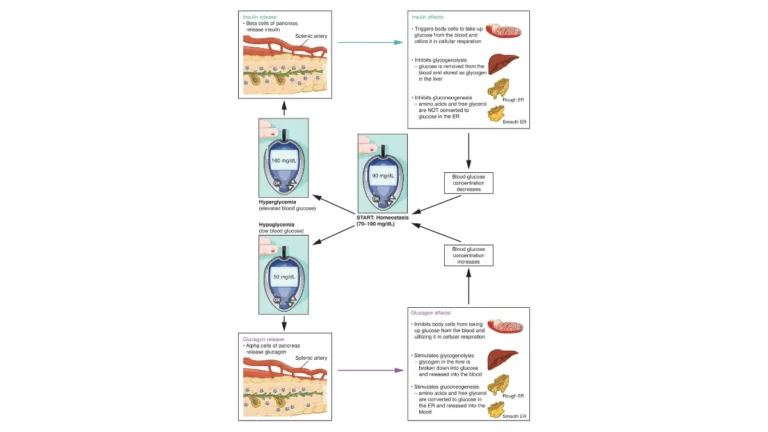
- Blood sugar (glucose): your body’s main energy source, and the value most drug and diet changes move first.
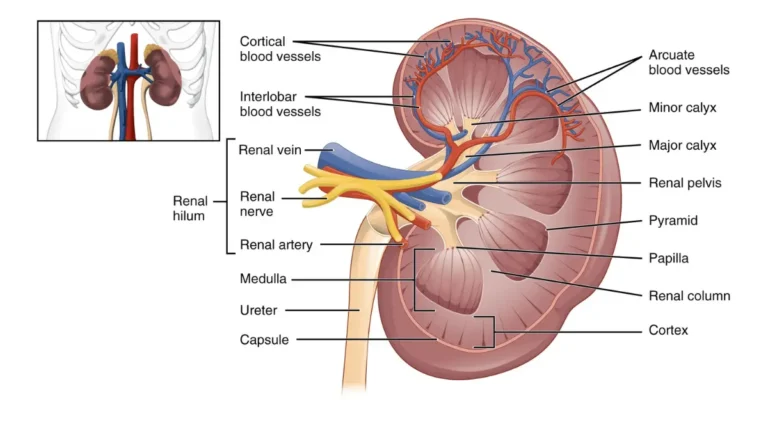
- Kidney markers: blood urea nitrogen (BUN) and creatinine, which reflect how well your kidneys filter waste.
- Liver markers: the enzymes ALT, AST, and ALP, plus bilirubin, which rise when liver cells are stressed or irritated.
- Electrolytes: sodium, potassium, bicarbonate, and chloride — the charged minerals that keep fluids, nerves, and heart rhythm steady.
- Proteins and a mineral: albumin and total protein, plus calcium.
These groupings come from the National Library of Medicine’s overview of what a comprehensive metabolic panel measures.
The reason a CMP pairs so often with medication is that these five groups are exactly where drug effects tend to show up first. A kidney or liver working under extra load, or an electrolyte or glucose level nudged off balance, usually appears as a number on a lab report before it becomes something you feel. That early signal is the entire point of the test.
How medications can affect your kidneys, liver, and body chemistry
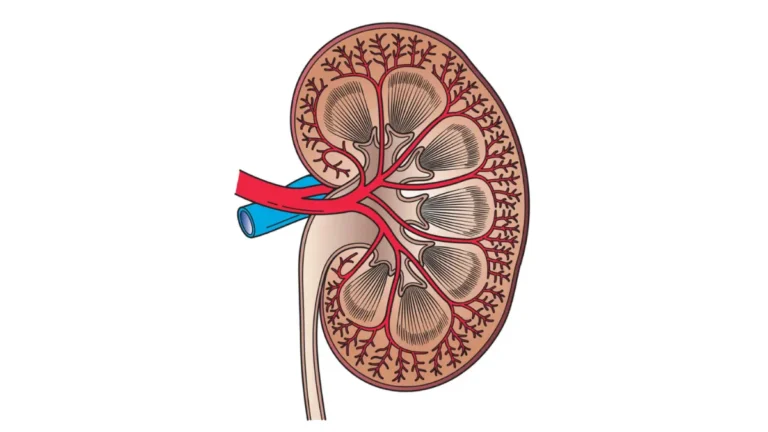
Almost every medication you swallow passes through the same two organs on its way out of your body, which is why a blood test that watches them makes sense.
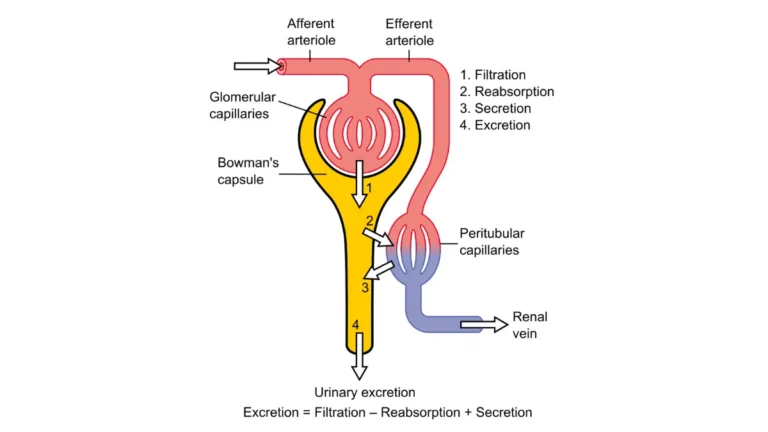
🔬 How It Works: After a drug is absorbed, the liver chemically breaks much of it down, and the kidneys filter the drug and its byproducts out through your urine. If a drug irritates liver cells, enzymes like ALT can leak into the blood and rise. If it makes the kidneys work harder or reduces their filtering, waste markers like creatinine climb. Some drugs also shift the balance of electrolytes or nudge blood sugar as a side effect of how they act.
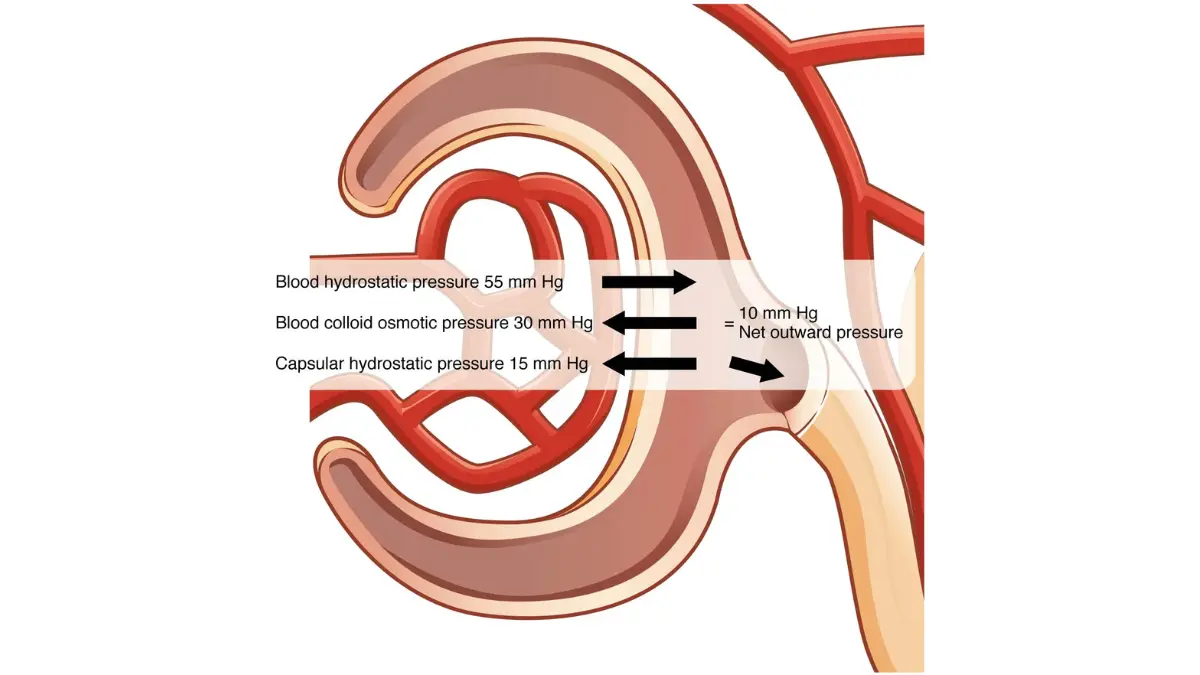
That is the whole logic of medication monitoring: catch a change in one of these markers early, while it’s still a number on a page rather than a symptom. A CMP can show that a drug is stressing the kidneys through BUN and creatinine or the liver through its enzymes well before most people would feel unwell.
None of this means your medication is harming you. It means your prescriber has a simple, reliable way to make sure it isn’t — and a clear signal to act on if something starts to drift.
Common medications that need a CMP — and what each one is watched for
Different drugs stress different markers, so a CMP is tailored to what your specific medication can affect. Here are the common ones and the reason each is monitored.
| Medication class | CMP marker(s) watched | Why it’s monitored | Key clinical detail |
|---|---|---|---|
| Statins (cholesterol) | Glucose | Can modestly raise blood sugar and HbA1c | Routine liver-enzyme monitoring is no longer required — see below |
| ACE inhibitors / ARBs (blood pressure) | Potassium, creatinine | Can raise potassium and reduce kidney filtration | Often checked before starting and again after |
| Diuretics — thiazide/loop (blood pressure, fluid) | Potassium, sodium, glucose | Can deplete potassium and sodium; may raise glucose | Baseline, then periodic checks |
| Metformin (type 2 diabetes) | Kidney function (creatinine/eGFR) | The kidneys clear metformin; reduced function changes its safety | Kidney function guides use — see below |
| Corticosteroids (e.g., prednisone) | Glucose | Increase insulin resistance and liver glucose output | Effect is dose-related; can occur even without diabetes |
Sources: FDA Drug Safety Communications (statins, 2012; metformin, 2016); diuretic lab-monitoring per standard drug-reference guidance; corticosteroid–glucose effect per peer-reviewed clinical literature (glucocorticoid-induced hyperglycemia). Full detail in the verification ledger.
The statin row is worth a closer look, because it’s where many sources are out of date.
📊 Clinical Data Point: In February 2012, the FDA removed the recommendation for routine periodic liver-enzyme monitoring in patients taking statins — Source: FDA Drug Safety Communication, 2012. Testing is now advised before starting a statin and only as clinically indicated afterward, because serious statin-related liver injury is rare and unpredictable, and routine testing didn’t reliably catch it.
That same FDA safety-label update for statins noted statins can slightly raise blood sugar and HbA1c — which is why glucose, not liver enzymes, is the marker most relevant to routine statin monitoring. If yours comes back elevated, here’s what a high glucose reading on a CMP can mean.
Blood pressure and diuretic medicines are watched mainly through potassium: ACE inhibitors and ARBs can raise it, while many diuretics can lower it. Either shift shows up in the electrolyte section of a CMP.
Metformin is monitored through kidney function, because your kidneys clear it from your body.
🩺 Physician Note: Current FDA guidance uses estimated kidney filtration (eGFR), calculated from your creatinine, to guide metformin use, and the drug is contraindicated once kidney function falls below a defined threshold. The specific numbers and any dose decision belong to your prescriber, not a general article — you can read the FDA’s updated metformin kidney guidance directly.
✅ Patient Action: Ask your prescriber or pharmacist: “Given my specific medication and dose, which CMP markers should we watch, and how often?”
What an abnormal CMP result means when you’re on medication
An out-of-range value on a CMP is a starting point for a conversation, not a verdict — and it doesn’t automatically mean your medication is harming you.
Plenty of everyday things move these numbers. A slightly high potassium can come from the timing of your blood draw or a potassium-rich meal; a mildly elevated liver enzyme can follow a hard workout or a couple of drinks the night before; mild dehydration can nudge kidney markers. The National Library of Medicine notes that one abnormal result doesn’t by itself confirm a condition, and clinicians often repeat the test or add others before drawing any conclusion.
The single most important rule: don’t stop or change your medication on your own because of a lab value. Stopping some medications abruptly carries more risk than the abnormal number itself.
✅ Patient Action: Bring the specific result to the clinician who prescribed the drug and ask: “Could my medication be causing this marker, and what’s the plan — recheck, adjust, or leave it?”
If your potassium is the flagged value, it helps to know what can push potassium high; for the wider view, here’s how to approach making sense of an abnormal CMP result marker by marker.
How often you’ll need a CMP on medication, and how to prepare
Most medication monitoring follows a simple rhythm: a baseline test before you start, then follow-ups on a schedule your prescriber sets.
How often depends on the specific drug, your kidney and liver status, and how long you’ve been stable — which is why there’s no single universal interval, and why your prescriber, not a chart online, sets yours. A brand-new prescription is often checked sooner and more frequently than long-term, stable therapy.
Do you need to fast? Sometimes. Many CMP orders ask for an 8–12 hour fast with water only, mainly to keep the glucose reading clean, but plenty are drawn non-fasting depending on why the test was ordered — so the rule that matters is the one on your order sheet. If it says nothing, ask the clinic rather than guess. There’s a fuller guide to whether you need to fast for a CMP.
One practical habit for anyone on long-term medication: keep the same prep each time — same fasting window, morning draw — so your values are comparable from visit to visit. If your report lists glucose in mmol/L instead of mg/dL, our blood sugar converter translates between the two.
Warning signs that need attention, not just a routine recheck
Most monitoring results are unremarkable, but a few symptoms mean you shouldn’t wait for the next scheduled draw.
⚠️ Clinical Warning: Certain signs can point to a marker that has moved into a dangerous range and need prompt medical attention rather than a routine recheck: yellowing of the skin or eyes, dark urine, or severe abdominal pain (possible liver injury); marked muscle weakness or an irregular or slow heartbeat (possible very high or very low potassium); or extreme thirst, confusion, and greatly reduced urination (possible dehydration or kidney trouble). If you have chest pain, fainting, or trouble breathing, treat it as an emergency and call your local emergency number.
These are general signals, not a diagnosis — and every specific medication comes with its own warning label worth reading. The point is to know the difference between “mention it at the next visit” and “call now.”
✅ Patient Action: For sudden or severe symptoms like those above, call your prescriber the same day or seek emergency care — don’t wait for the lab. For milder concerns, ask your pharmacist which side effects your specific drug is most likely to cause. You can also review which CMP values are considered critical.
Common questions about a CMP for medication monitoring
1. Why did my doctor order a CMP with my new medication?
A CMP for medication monitoring lets your prescriber check the organs and chemistry your drug can affect — mainly your kidneys, liver, electrolytes, and blood sugar — often before any symptom appears. It’s routine, proactive safety monitoring, not a sign something is wrong. Ask your prescriber which markers apply to your specific medication.
2. What does a CMP test for when monitoring medication?
A CMP measures 14 substances grouped into blood sugar (glucose), kidney markers (BUN and creatinine), liver markers (ALT, AST, ALP, bilirubin), electrolytes (sodium, potassium, bicarbonate, chloride), and proteins plus calcium. For medication monitoring, the relevant markers depend on your drug — the panel gives your clinician a broad snapshot in one blood draw.
3. Which medications require a comprehensive metabolic panel?
Common ones include statins (watched for blood sugar), ACE inhibitors, ARBs, and diuretics for blood pressure (potassium and kidney function), and metformin for type 2 diabetes (kidney function). Corticosteroids can raise blood sugar too. Your prescriber decides which markers your specific drug and dose require, and how often to check.
4. Can medications cause an abnormal CMP result?
Yes — but an abnormal CMP result doesn’t automatically mean your medication is harming you. Diet, hydration, the timing of your draw, exercise, and other conditions can all move these values. Clinicians often repeat the test or add others before drawing conclusions. Bring any flagged result to the clinician who prescribed the drug.
5. Do statins require routine liver blood tests?
No longer routinely. In 2012 the FDA removed the recommendation for routine periodic liver-enzyme monitoring on statins; a baseline test before starting and testing as clinically indicated afterward is now standard, because serious liver injury is rare and unpredictable. Statins can raise blood sugar, so glucose is the more relevant marker. Confirm your plan with your prescriber.
6. Why do I need blood tests on blood pressure medication?
ACE inhibitors and ARBs can raise potassium and affect kidney filtration, while many diuretics can lower potassium and sodium — all visible on a CMP. That’s why potassium and kidney markers are checked, often before starting and again after. Your prescriber sets the schedule based on your kidney function and other medications.
7. Does metformin require kidney monitoring?
Yes. Because your kidneys clear metformin, kidney function guides whether it’s safe to use — the FDA’s 2016 guidance uses estimated filtration (eGFR, calculated from creatinine) rather than creatinine alone. The specific thresholds and any dose decision belong to your prescriber. Kidney function is typically checked before starting and periodically thereafter.
8. Do I need to fast for a CMP?
Sometimes. Many CMP orders ask for an 8–12 hour fast with water only, mainly to keep the glucose reading accurate, but plenty are drawn non-fasting depending on why the test was ordered. Follow the instructions on your order sheet; if it doesn’t specify, ask the clinic rather than guess before your appointment.
9. How often should I get a CMP while on medication?
There’s no single universal interval. How often depends on the specific drug, your kidney and liver status, and how long you’ve been stable — a new prescription may be checked sooner and more often than long-term stable therapy. Your prescriber sets your schedule; follow the timing on your lab orders.
10. Should I stop my medication if my CMP is abnormal?
No — never stop or change a medication on your own based on a lab value. Stopping some medications abruptly is riskier than the abnormal number itself. An out-of-range result is a reason to ask your prescriber a specific question, not to self-adjust. Contact the clinician who prescribed it before making any change.
11. Can a CMP show whether my medication is working?
For most drugs, a CMP monitors safety — organ and chemistry effects — rather than whether the medication is working. Exceptions exist where the CMP marker is also the treatment target, such as glucose in diabetes. Your prescriber interprets your results in the context of your specific medication and goals.
The bottom line on a CMP with your medication
Getting a CMP with a medication isn’t a red flag — it’s your prescriber doing exactly what good care looks like: watching the systems a drug can affect so a small shift gets caught early. What’s checked depends on your drug: glucose for statins, potassium and kidney function for blood-pressure medicines and diuretics, kidney function for metformin.
If a value comes back off, it rarely means the medication is harming you, and it’s never a reason to stop on your own — it’s a reason to ask a specific question at your next visit. Complete the test, keep your prep consistent, and bring your results and your questions to the clinician who knows your history. For the marker-by-marker picture, see your complete CMP results guide.
About this content
How this article was put together: researched from recognised health sources, drafted with the help of AI tools, and edited by hand, with sources linked throughout.

Sameer Patel is the founder and editor of My Medicine Advisor. He is not a doctor or medical professional — before starting this site he worked in banking,…
Medical disclaimer
The content on MyMedicineAdvisor is provided for general informational and educational purposes only and is not a substitute for professional medical advice, diagnosis, or treatment. Health information on this website should not be used to diagnose, treat, cure, or prevent any condition without guidance from a qualified healthcare professional. Always seek the advice of your doctor, physician, or another licensed healthcare provider with any questions you may have regarding a medical condition, symptoms, medications, or treatment decisions.