Quick Answer: The Bacterial Commanders of Your Health
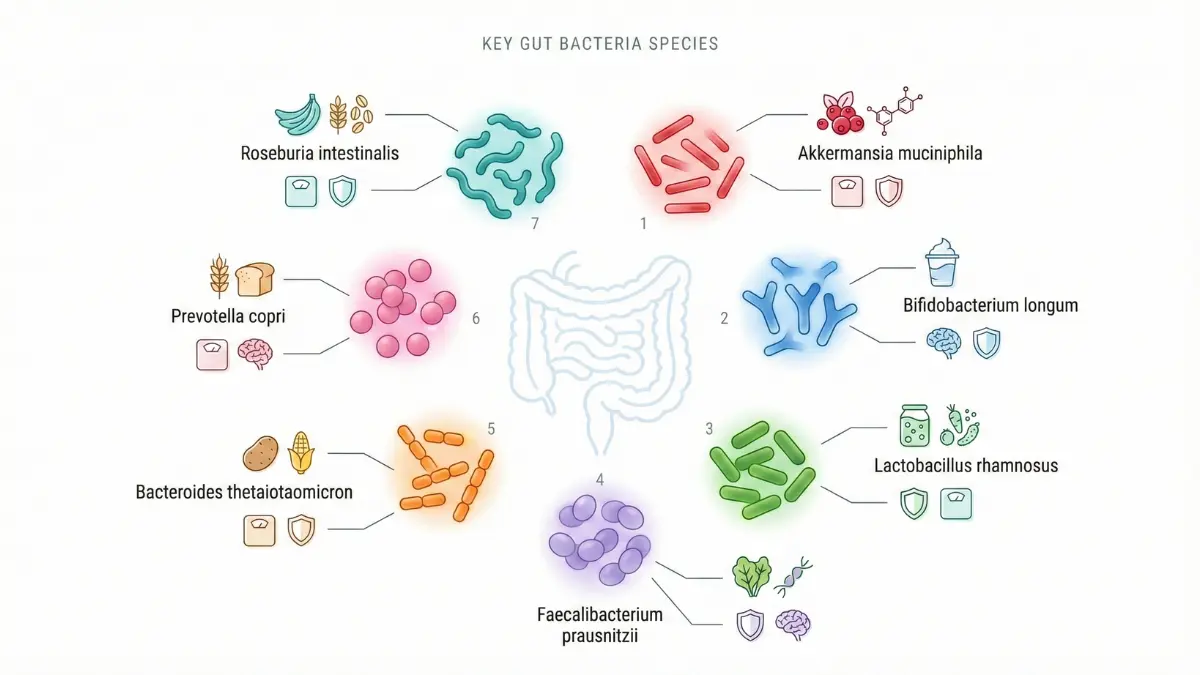
Seven specific bacterial species in your intestinal microbiota—Akkermansia muciniphila, Bifidobacterium longum, Lactobacillus plantarum, Prevotella copri, Bacteroides fragilis, Faecalibacterium prausnitzii, and Roseburia intestinalis—directly regulate metabolism, neurotransmitter production, and immune cell activity, controlling your weight, mood, and disease resistance.
When Sarah Johnson struggled with unexplained weight gain despite tracking her progress with a BMI calculator and maintaining a calorie deficit, her physician ordered gut microbiome testing. The results revealed a depleted population of Bifidobacterium adolescentis and an imbalanced Firmicutes-to-Bacteroidetes ratio. Within eight weeks of targeted resistant starch supplementation and personalized probiotics for gut health, Sarah lost 2.8 kilograms and experienced dramatic improvements in insulin sensitivity. Her story reflects groundbreaking 2024 research demonstrating that gut bacteria and weight loss are inextricably linked through bacterial metabolite production and intestinal barrier function.
The trillions of microorganisms comprising your gut microbiome form a microbial ecosystem that functions as an invisible organ. Recent evidence from the National Institutes of Health confirms that 70-80% of immune cells reside in gut-associated lymphoid tissue, making beneficial gut bacteria essential commanders of immune system responses. These commensal bacteria communicate bidirectionally with your brain through the microbiota-gut-brain axis, a complex network involving neural pathways, immune signaling, and metabolite production.
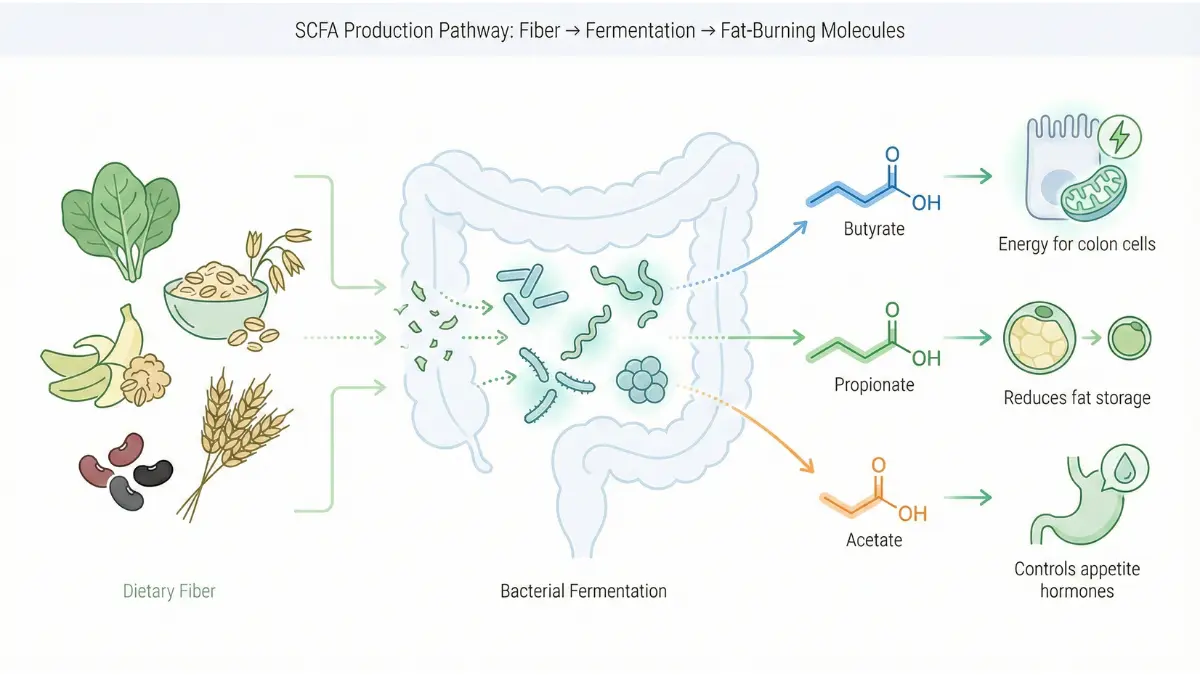
Your gut flora produces short-chain fatty acids (SCFAs) like butyrate, propionate, and acetate that regulate appetite hormones, reduce inflammation, and strengthen intestinal permeability barriers. Studies from leading research institutions demonstrate that gut bacterial metabolites influence neurotransmitter synthesis, affecting both gut bacteria and anxiety as well as gut bacteria and depression through direct vagus nerve signaling. When gut dysbiosis disrupts this delicate balance, consequences extend beyond digestive discomfort to metabolic disorders, mood disturbances, and compromised immunity.
Understanding which bacterial taxa optimize your health empowers you to make evidence-based nutritional choices using tools like the macro calculator to support microbiome diversity. The precision nutrition revolution recognizes that personalized approaches based on individual gut microbiota composition—rather than one-size-fits-all dietary recommendations—produce superior outcomes for weight management and mental health.
What This Means For You:
- Your gut bacteria directly control metabolism: Specific strains determine how efficiently you extract energy from food and store fat.
- Bacterial metabolites regulate mood: Gut microorganisms produce neurotransmitters that influence anxiety, depression, and stress responses.
- Intestinal immunity affects systemic health: Optimizing beneficial gut bacteria strengthens your body’s defense against infections and inflammatory conditions.
The 7 Bacterial Species That Transform Your Health
Your gut microbiome contains thousands of bacterial species, but seven specific strains exert disproportionate control over metabolic function, neurotransmitter synthesis, and immune cell education. Understanding how these beneficial gut bacteria operate empowers you to optimize your intestinal microbiota through targeted dietary interventions that anyone can track using tools like the calorie deficit calculator for weight management goals.
1. Akkermansia muciniphila – The Metabolic Guardian
Akkermansia muciniphila comprises 1-4% of total gut bacteria in healthy adults and specializes in metabolizing mucin proteins that line your intestinal wall. Clinical trials registered with ClinicalTrials demonstrate that pasteurized Akkermansia muciniphila supplementation improved insulin sensitivity by 28.62% and reduced total cholesterol by 8.68% in overweight participants within 12 weeks. This next-generation probiotic strengthens intestinal permeability by producing propionate and acetate, two short-chain fatty acids that reduce metabolic endotoxemia and inflammation.
Food sources: Polyphenol-rich foods (pomegranate, green tea, cranberries), omega-3 fatty acids, and prebiotic fibers increase Akkermansia populations naturally.
2. Bifidobacterium longum – The Mood Stabilizer
Bifidobacterium longum 1714 represents a validated psychobiotic strain that crosses the microbiota-gut-brain axis to influence mental health outcomes. Research published in Nature Scientific Reports confirms that Bifidobacterium longum 1714 reduced perceived stress by 24% and lowered cortisol output during acute stress challenges in healthy adults. This strain ameliorates depressive and anxiety-like behaviors by modulating regulatory T cell populations and reducing proinflammatory cytokine production in brain tissue.
The mechanism involves bacterial production of gamma-aminobutyric acid (GABA) and enhancement of tryptophan metabolism, which increases serotonin availability. Adolescents consuming Bifidobacterium longum showed significantly improved sleep quality and reduced anhedonia in chronic stress models.
Food sources: Fermented dairy products (yogurt, kefir), kimchi, sauerkraut, and human milk oligosaccharides support Bifidobacterium colonization.
3. Lactobacillus plantarum – The Inflammation Fighter
Lactobacillus plantarum CIRM653 demonstrates remarkable immunomodulatory effects through the gut-lung axis, reducing proinflammatory cytokines (IL-6, TNF-α, KC) by 40-60% during respiratory infections according to research in the Journal of the American Society for Microbiology. This strain blocks NF-κB activation in airway epithelial cells while enhancing IL-10 secretion—a critical anti-inflammatory cytokine that prevents excessive immune responses.
For individuals monitoring their weight with the BMR calculator, Lactobacillus plantarum reduces systemic inflammation that impairs metabolic function and insulin signaling. The strain increases CD4+CD25+ regulatory T cells, creating immune tolerance that protects against autoimmune conditions and inflammatory bowel disorders.
Food sources: Traditionally fermented vegetables (kimchi, pickles), sourdough bread, and certain aged cheeses contain viable Lactobacillus plantarum strains.
4. Prevotella copri – The Fiber Metabolism Expert
Prevotella copri specializes in degrading complex plant polysaccharides and dietary fiber into beneficial metabolites. An 8-week clinical trial demonstrated that individuals consuming 62 grams of daily fiber experienced significant increases in Prevotella copri abundance alongside improvements in total cholesterol and cardiovascular risk scores. The Prevotella-to-Bacteroides (P/B) ratio serves as a biomarker for personalized nutrition responses—high P/B ratio individuals lost 5.1 kg more on high-fiber diets compared to low P/B ratio individuals.
Recent research from mSystems Journal shows that Prevotella copri alleviates hyperglycemia by improving glucose tolerance and insulin sensitivity through succinic acid and propionic acid production.
Food sources: Whole grains, legumes, vegetables, and resistant starches preferentially feed Prevotella species.
5. Bacteroides fragilis – The Immune System Trainer
Bacteroides fragilis produces polysaccharide A (PSA), a unique molecule that corrects Th1/Th2 cytokine imbalances and induces CD4+ regulatory T cells in gut-associated lymphoid tissue. Studies from NIH research programs demonstrate that Bacteroides fragilis protects against experimental colitis, encephalomyelitis, colorectal cancer, and pulmonary inflammation through PSA-mediated immune education.
This commensal bacteria upregulates immune checkpoint markers (PD-1, Tim-3, Lag-3) that prevent autoimmune activation while maintaining surveillance against pathogens. The balance between protective and enterotoxigenic Bacteroides fragilis strains influences colon carcinogenesis risk, highlighting the importance of maintaining healthy gut flora diversity.
Food sources: Diverse dietary fiber sources and resistant starch support Bacteroides populations.
6. Faecalibacterium prausnitzii – The Butyrate Producer
Faecalibacterium prausnitzii represents one of the most abundant butyrate-producing bacteria in healthy adults, comprising over 5% of total gut microbiota. Butyrate serves as the primary energy source for colonocytes and exerts profound anti-inflammatory effects by dampening JAK-STAT pathway activation and enhancing histone acetylation. Research published in PubMed confirms that Faecalibacterium prausnitzii provides protection against bacterial pneumonia through butyrate-mediated immunomodulation.
Patients using the body fat percentage calculator to track metabolic improvements should note that Faecalibacterium depletion correlates with inflammatory bowel disease, chronic kidney disease, and metabolic syndrome. Supplementation with human milk oligosaccharides significantly enhances Faecalibacterium prausnitzii butyrate production.
Food sources: Inulin-rich foods (Jerusalem artichoke, chicory root, garlic, onions) and resistant starch (cooled potatoes, green bananas) preferentially stimulate Faecalibacterium growth.
7. Roseburia intestinalis – The Anti-Obesity Specialist
Roseburia intestinalis produces butyrate through acetyl-CoA pathways and demonstrates strong negative correlations with obesity markers and visceral fat accumulation. This bacterial taxa increases following high-fiber dietary interventions and associates with improved insulin sensitivity and reduced inflammatory markers. Roseburia depletion occurs consistently in individuals with gut dysbiosis and metabolic disorders.
For those using the weight loss calculator to set realistic goals, optimizing Roseburia populations through resistant starch consumption enhances fat oxidation and reduces energy extraction from food.
Food sources: Resistant starch type 2 and 3, whole grains, and cruciferous vegetables support Roseburia colonization.
Bacterial Functions Comparison Table
What This Means For You:
- Diversity matters more than single strains: Consuming 30+ different plant species weekly optimizes multiple beneficial bacterial populations simultaneously.
- Personalization based on your microbiome: High P/B ratio individuals respond better to high-fiber diets, while low P/B ratios benefit from different macronutrient distributions.
- Fermented foods provide live strains: Regular consumption of traditionally fermented products delivers billions of colony-forming units without supplementation costs.
How Gut Bacteria Control Weight Loss & Metabolism
Your intestinal microbiota extracts energy from food, regulates fat storage, and controls appetite through bacterial metabolites that influence hormonal signaling. Understanding these mechanisms explains why some individuals struggle with weight loss despite using tools like the weight loss calculator and maintaining appropriate calorie deficits—their gut bacteria and metabolism may be working against their efforts.
The Firmicutes-to-Bacteroidetes Ratio Explained
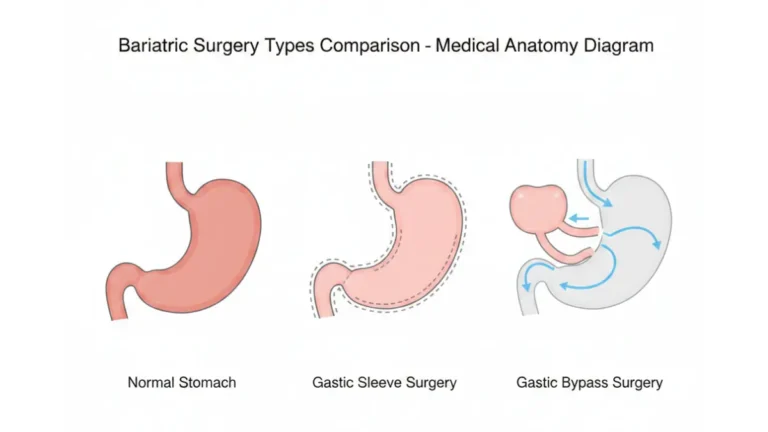
The Firmicutes-to-Bacteroidetes (F/B) ratio serves as a microbial hallmark of obesity, with elevated ratios correlating positively with body mass index, visceral adiposity, and metabolic dysfunction. Research from the National Institutes of Health demonstrates that obese individuals exhibit higher F/B ratios compared to lean controls, and this ratio decreases progressively with weight loss interventions including bariatric surgery.
The mechanistic explanation centers on energy extraction efficiency—Firmicutes phylum bacteria possess enhanced enzymatic capacity for breaking down complex polysaccharides and absorbing calories that would otherwise pass through undigested. Studies in twins discordant for obesity revealed that the obese twin’s microbiome was enriched in genes coding for nutrient transporters, while the lean twin showed enrichment in genes for carbohydrate metabolism. Individuals tracking their progress with the body fat percentage calculator should recognize that a high F/B ratio may extract up to 150 additional calories daily from the same food intake.
However, recent 2024 research from NIH databases reveals nuance—the ratio alone doesn’t tell the complete story, as specific species within each phylum exert opposing effects. For example, butyrate-producing bacteria like Faecalibacterium prausnitzii (Firmicutes phylum) associate with leanness despite belonging to the “obesity-linked” phylum. This highlights why gut microbiome diversity matters more than simplistic ratio interpretations.
Short-Chain Fatty Acids and Fat Storage
Short-chain fatty acids (SCFAs)—primarily butyrate, propionate, and acetate—represent the primary metabolic currency through which gut bacteria influence weight regulation and metabolic health. These bacterial metabolites are produced when commensal bacteria ferment dietary fiber and resistant starch in the colon.
Butyrate serves as the preferred energy source for colonocytes and induces browning of white adipose tissue, increasing thermogenesis and caloric expenditure. Studies published in PMC research archives confirm that butyrate reduces lipid accumulation through histone deacetylase inhibition and improved mitochondrial efficiency.
Propionate reduces obesity-associated metabolic disturbances by decreasing hepatic triglycerides and enhancing formation of odd-chain fatty acids. A randomized controlled trial demonstrated that targeted colonic delivery of inulin-propionate ester (10g daily) significantly decreased striatal brain responses to high-calorie food images and reduced ad libitum energy intake at subsequent meals. Individuals using the macro calculator should note that propionate enhances satiety through peripheral and central nervous system signaling.
Acetate inhibits white adipose tissue lipolysis and increases fat oxidation while improving hepatic function through enhanced mitochondrial adenosine triphosphate production. Acetate infusion in overweight men reduced intracellular lipolysis and increased energy expenditure by 4.2%.
Paradoxically, weight-loss interventions often reduce fecal SCFA concentrations—low-carbohydrate diets that achieve 7.6 kg average weight loss showed significantly reduced fecal acetate, butyrate, and total SCFAs. This suggests complex, dose-dependent relationships between SCFAs and body weight regulation.
Bacterial Influence on Appetite Hormones
Gut bacteria and weight loss connections extend beyond energy extraction to direct modulation of appetite-regulating hormones including ghrelin, glucagon-like peptide-1 (GLP-1), peptide YY, and cholecystokinin.
Ghrelin, the primary orexigenic (appetite-stimulating) hormone, can be directly modified by specific bacterial strains according to research examining gut peptides and the microbiome. Bifidobacterium longum APC1472 positively impacts markers of obesity by affecting ghrelin receptor signaling cascades and reducing ghrelin-mediated activation of growth hormone secretagogue receptor 1a.
GLP-1 secretion increases dramatically with time-restricted feeding patterns through enhanced colonization of Lactobacillus species and modulation of microbial tryptophan metabolism. The bacterial metabolite indole-3-lactic acid (ILA) produced by Lactobacillus enhances GLP-1 secretion by promoting intestinal stem cell differentiation into enteroendocrine cells rather than activating existing secretory capacity. Patients concerned about gut bacteria imbalance symptoms should recognize that GLP-1 promotes satiety, inhibits gastric emptying, and improves insulin sensitivity.
Research demonstrates that gut dysbiosis disrupts this delicate hormonal orchestration, leading to elevated baseline ghrelin, blunted postprandial satiety signals, and increased caloric intake of 200-400 additional calories daily. Those tracking intake with the calorie deficit calculator may find their appetite persistently elevated despite adequate nutrition if their gut microbiota composition favors ghrelin secretion over satiety hormones.
Key Mechanisms of Bacterial Weight Control:
- Energy harvesting efficiency: High F/B ratios extract 150+ additional calories from identical food intake
- SCFA-mediated thermogenesis: Butyrate induces browning of white adipose tissue, increasing caloric expenditure
- Appetite hormone modulation: Bacterial metabolites alter ghrelin and GLP-1 secretion patterns by 25-40%
- Insulin sensitivity: Propionate and butyrate improve glucose tolerance and reduce hepatic lipogenesis
Warning Signs of Metabolic Dysbiosis:
- Persistent weight gain despite caloric restriction and exercise adherence
- Elevated fasting glucose and hemoglobin A1c levels trending upward
- Constant hunger and food cravings unresponsive to macronutrient adjustments
- Inflammatory markers (CRP, IL-6) in upper-normal or elevated ranges
The Gut-Brain Axis & Mental Health Connection
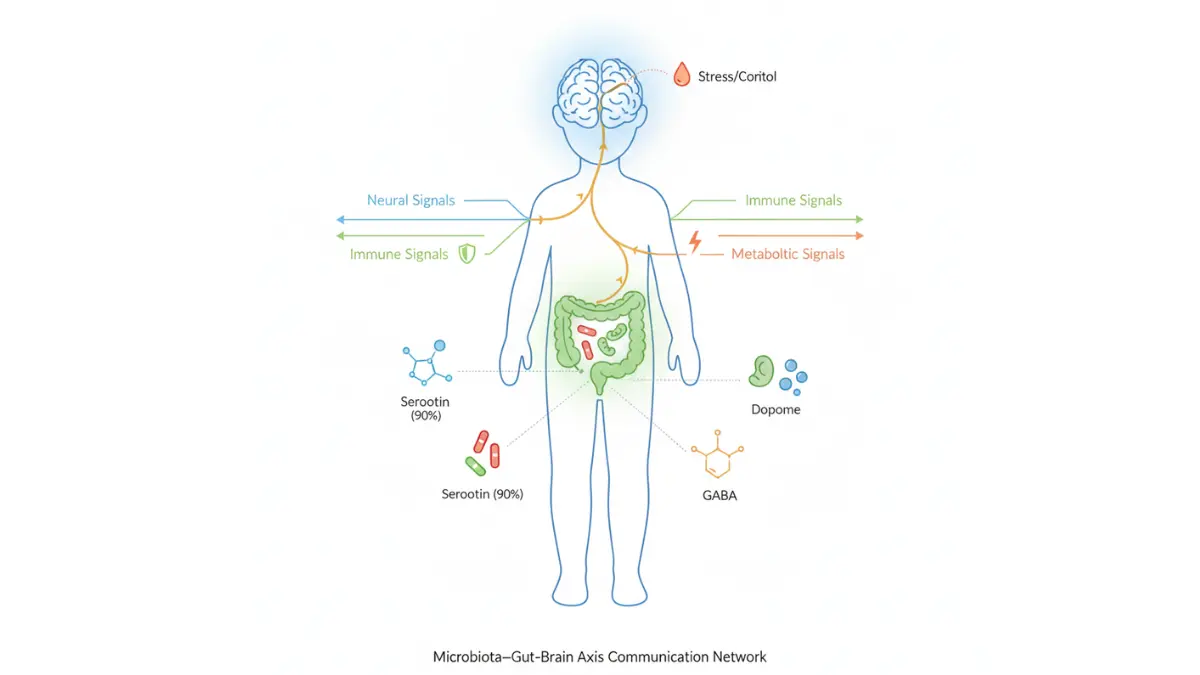
The microbiota-gut-brain axis represents a bidirectional communication network linking your intestinal microbiota with central nervous system function through neural, endocrine, immune, and metabolic pathways. Research from the National Institutes of Health confirms that gut bacteria directly synthesize neurotransmitters including serotonin, dopamine, and gamma-aminobutyric acid (GABA) that profoundly influence mood, anxiety, and cognitive performance.
How Bacteria Produce Mood-Regulating Neurotransmitters
Your gut microbiome produces an estimated 90-95% of the body’s total serotonin through enterochromaffin cells in the intestinal epithelium, where commensal bacteria stimulate synthesis via short-chain fatty acids. Specific bacterial genera demonstrate remarkable neurotransmitter-producing capabilities according to research published in PMC databases.
Serotonin production increases when Bifidobacterium and Lactobacillus species metabolize tryptophan into 5-hydroxytryptophan and subsequently serotonin. Indigenous spore-forming bacteria from the Clostridiales order elevate colonic serotonin production by promoting enterochromaffin cell gene expression through butyrate signaling. Individuals experiencing gut bacteria and depression should recognize that disrupted serotonin synthesis contributes to anhedonia, sleep disturbances, and appetite dysregulation.
Dopamine synthesis occurs through the enzymatic activity of Prevotella, Bacteroides, Lactobacillus, Bifidobacterium, Clostridium, Enterococcus, and Ruminococcus species that possess intrinsic tyrosine decarboxylase and dopamine hydroxylase enzymes. Research demonstrates that Lactobacillus plantarum PS128 administration significantly increased dopamine levels and improved anxiety-like behaviors in germ-free mice, with effects mediated through the hypothalamic-pituitary-adrenal (HPA) axis. Those monitoring stress responses with the sleep calculator should note that dopaminergic pathways regulate circadian rhythms, motivation, and reward processing.
GABA production by Lactobacillus and Bifidobacterium strains provides anxiolytic effects through reduced excitatory neurotransmission. Studies show that Lactobacillus rhamnosus JB1 alters GABA receptor expression in multiple brain regions including the hippocampus, amygdala, and locus coeruleus, reducing stress-induced corticosterone and anxiety-like behavior—effects completely abolished by vagotomy.
Psychobiotics: The Future of Mental Health Treatment
Psychobiotics represent live microorganisms that confer mental health benefits through the gut-brain axis when consumed in adequate amounts. A systematic review of 51 randomized clinical trials involving 3,353 patients published in PMC research archives found notably high effectiveness for psychobiotics in treating depression symptoms, particularly with interventions lasting 8-12 weeks.
Clinical evidence demonstrates:
- Bifidobacterium longum 1714 reduced perceived stress by 24% and cortisol reactivity during acute stress challenges
- Lactobacillus rhamnosus JB1 decreased anxiety-like behaviors and immobility time in forced swim tests by 40-55%
- Bifidobacterium longum CECT 30763 improved depressive symptoms in adolescents through regulatory T cell modulation and reduced proinflammatory cytokine production
- Multi-strain psychobiotic formulations containing Lactobacillus helveticus R0052 and Bifidobacterium longum R0175 reduced psychological distress scores by 18-22% in anxious patients
Pilot studies exploring personalized psychobiotics show patients with major depressive disorder experiencing significant improvements when receiving probiotic regimens tailored to their baseline gut microbiome diversity profiles. This precision nutrition approach represents a paradigm shift from generic probiotic supplementation toward microbiome-guided interventions.
Clinical Evidence for Anxiety and Depression
Gut bacteria and anxiety connections operate through multiple mechanisms including vagus nerve signaling, inflammatory cytokine modulation, and neurotransmitter precursor availability. Research examining vagus nerve modulation confirms that gut microbiota affect vagal tone, which correlates directly with capacity to regulate stress responses and emotional resilience.
Vagal afferent pathways transmit signals from intestinal microbiota to the nucleus tractus solitarius (NTS) in the brainstem, which projects to emotion-regulating centers including the amygdala, hippocampus, prefrontal cortex, and paraventricular hypothalamus. Patients using the symptom checker for mood-related concerns should understand that vagotomy completely prevents the anxiolytic and antidepressant effects of certain probiotic strains, proving the essential role of this neural pathway.
Fecal microbiota transplantation studies provide compelling evidence—transplanting microbiota from donors with depression into healthy recipients induces depression and anxiety-like symptoms, while transplanting healthy microbiota into depressed individuals reduces symptom severity by 30-45% on standardized psychiatric scales. These findings from gut-brain axis research establish causality rather than mere correlation between gut bacteria and mental health.
Gut bacteria and cortisol regulation demonstrates that germ-free animals show exaggerated HPA-axis responses with elevated ACTH and cortisol following stress exposure compared to conventionally colonized controls. Specific bacterial metabolites including indole-3-propionic acid, 4-ethylphenylsulfate, and butyrate modulate HPA-axis activity through effects on hypothalamic corticotropin-releasing hormone neurons.
Inflammation-mediated pathways connect gut dysbiosis with neuropsychiatric symptoms, as leaky gut syndrome allows bacterial lipopolysaccharide translocation that activates peripheral cytokine production (IL-1β, IL-6, TNF-α). These proinflammatory cytokines access the brain through circumventricular organs and active transport mechanisms, where they activate microglia and induce indoleamine 2,3-dioxygenase—an enzyme that shunts tryptophan metabolism away from serotonin synthesis toward neurotoxic kynurenine metabolites.
Key Psychobiotic Strains and Mental Health Outcomes
Definition List:
- Psychobiotics: Live bacteria that produce health benefits in patients suffering from psychiatric illness through interactions with commensal gut bacteria
- Postbiotics: Bioactive compounds produced by food-grade microorganisms during fermentation (bacterial metabolites, cell wall fragments, enzymes) that confer health benefits without requiring live microorganisms
- Synbiotics: Combinations of prebiotics and probiotics that work synergistically, where the prebiotic component selectively stimulates the probiotic bacterial strain
Clinical Trial Evidence Table:
Gut Bacteria and Immune System Optimization
The 70% Rule: Your Gut Houses Most Immunity
Gut-associated lymphoid tissue (GALT) comprises approximately 70% of the entire immune system by weight, housing the majority of plasma cells and immunoglobulin A (IgA)-producing B cells that maintain mucosal immunity throughout your body. Research from PubMed databases confirms that GALT represents the most prominent component of mucosal-associated lymphoid tissue (MALT), with specialized structures including Peyer’s patches, isolated lymphoid follicles, and mesenteric lymph nodes continuously monitoring microbial antigens from the intestinal lumen.
The strategic positioning of your gut immune system reflects evolutionary pressures—the gastrointestinal tract encounters more foreign antigens daily than any other organ system, requiring sophisticated immune surveillance mechanisms. Commensal bacteria actively participate in this immune education, training dendritic cells and macrophages to distinguish beneficial microbes from pathogenic threats while promoting regulatory rather than inflammatory pathways. Individuals tracking overall wellness with the genetic risk assessment tool should recognize that inherited susceptibility to immune dysfunction often manifests through disrupted gut microbiota composition and impaired GALT function.
Intestinal Barrier Function and Leaky Gut Prevention
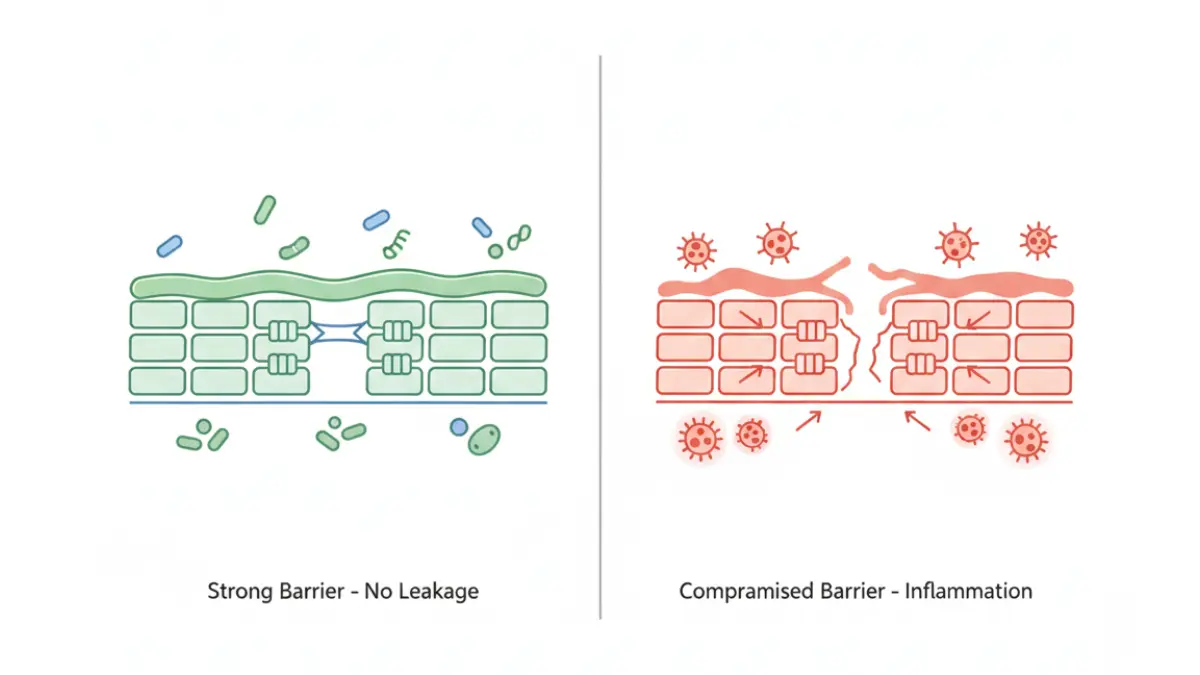
The intestinal barrier consists of a single layer of epithelial cells connected by tight junction proteins—including occludin, claudins, and zonula occludens (ZO-1, ZO-2, ZO-3)—that regulate paracellular permeability and prevent bacterial translocation. Beneficial gut bacteria strengthen this intestinal barrier function by upregulating tight junction protein expression, increasing mucus layer thickness, and producing metabolites that enhance epithelial cell integrity.
Research published in Nature journals demonstrates that gut dysbiosis disrupts tight junction assembly through multiple mechanisms. Proinflammatory cytokines (TNF-α, IL-1β, IFN-γ) activate myosin light chain kinase (MLCK), which phosphorylates myosin light chains and causes contraction of the perisplastic actomyosin ring, physically opening tight junctions and increasing intestinal permeability. This leaky gut syndrome allows lipopolysaccharide (LPS) endotoxin from gram-negative bacteria to translocate across the epithelial barrier, triggering metabolic endotoxemia and systemic inflammation.
Akkermansia muciniphila and Faecalibacterium prausnitzii represent keystone species that prevent leaky gut through distinct mechanisms—Akkermansia strengthens the mucus layer while Faecalibacterium produces butyrate that serves as the primary energy source for colonocytes and maintains tight junction integrity. Patients monitoring nutritional intake with the protein intake calculator should ensure adequate protein consumption, as amino acids (particularly glutamine, arginine, and threonine) support tight junction protein synthesis and epithelial cell turnover.
Bacterial Training of Immune Cells
Your gut bacteria actively educate immune cells through antigen presentation and metabolite signaling, establishing immune tolerance while maintaining protective immunity against pathogens. The most critical component of this immune training involves regulatory T cell (Treg) differentiation and expansion, particularly RORγt+ peripheral Tregs that suppress inflammatory responses in the gut mucosa.
Research from PMC archives reveals that specific bacterial taxa induce Treg populations through distinct molecular mechanisms. Bacteroides fragilis produces polysaccharide A (PSA) that binds Toll-like receptor 2 on dendritic cells, promoting IL-10 secretion and differentiation of naïve CD4+ T cells into FoxP3+ Tregs. Clostridium clusters IV and XIVa colonize the mucus layer and produce short-chain fatty acids that enhance Treg differentiation through histone deacetylase inhibition and G-protein coupled receptor signaling.
SCFA-mediated immune regulation extends beyond Treg induction to modulate innate immunity, with butyrate reducing NF-κB activation in intestinal epithelial cells and macrophages, thereby limiting proinflammatory cytokine production (IL-6, IL-12, TNF-α). Studies demonstrate that butyrate increases IL-10-producing regulatory B cells and enhances IgA class switching in B cells, strengthening mucosal immunity without triggering inflammation.
The combination of Akkermansia muciniphila and Clostridium butyricum demonstrates synergistic anti-inflammatory effects superior to either species alone, reducing colonic inflammation scores by 60-75% in experimental colitis models through complementary immunomodulatory pathways. This finding from ASM Journals supports multi-strain probiotic approaches rather than single-species supplementation.
Mechanisms of Bacterial Immune Training:
- Toll-like receptor activation: Bacterial surface molecules (PSA, flagellin, peptidoglycan) educate pattern recognition receptors on immune cells
- Metabolite signaling: SCFAs activate GPR41, GPR43, and GPR109A receptors on immune cells, promoting anti-inflammatory phenotypes
- Dendritic cell conditioning: Commensal bacteria induce tolerogenic DCs that produce IL-10 and retinoic acid, driving Treg differentiation
- IgA selection: GALT generates secretory IgA that shapes microbiota composition through immune exclusion of pathobionts
Signs of Compromised Gut Barrier Function:
- Unexplained food sensitivities and allergic reactions to previously tolerated foods
- Elevated inflammatory markers (C-reactive protein, fecal calprotectin) on routine bloodwork
- Chronic fatigue, brain fog, and joint pain without definitive diagnosis
- Recurrent infections suggesting impaired systemic immunity
Foods That Strengthen Intestinal Integrity:
- Glutamine-rich foods: Bone broth, grass-fed beef, eggs, cabbage, asparagus support tight junction repair
- Omega-3 fatty acids: Wild-caught fatty fish, flaxseeds, chia seeds reduce intestinal inflammation
- Polyphenols: Berries, green tea, dark chocolate, extra virgin olive oil enhance barrier function
- Fermented foods: Yogurt, kefir, sauerkraut, kimchi provide probiotics and postbiotics
- Resistant starch: Green bananas, cooked-then-cooled potatoes, oats feed butyrate-producing bacteria
- Prebiotic fibers: Jerusalem artichoke, garlic, onions, leeks selectively stimulate beneficial bacteria
Actionable Steps to Optimize Your Gut Bacteria
Personalized Nutrition Strategies
Precision nutrition based on individual gut microbiome composition outperforms generic dietary recommendations by accounting for enterotype-specific responses to macronutrient distributions. Research published in PMC archives demonstrates that individuals with Prevotella-dominated enterotypes (enterotype 2) lose significantly more weight on high-fiber, carbohydrate-rich diets, while Bacteroides-dominated enterotypes (enterotype 1) respond better to higher protein and fat intake. Those using the ideal weight calculator should recognize that your baseline microbiome diversity predicts dietary response magnitude more accurately than genetic polymorphisms alone.
The differential response to diet according to enterotypes extends beyond weight loss to cardiovascular markers, with the Prevotella-to-Bacteroides ratio correlating with total cholesterol reduction, hormonal responses, and inflammatory marker changes following dietary interventions. Consuming 30+ different plant species weekly remains the most evidence-based strategy for increasing gut microbiome diversity across all enterotypes.
Testing Your Microbiome
Gut microbiome testing using metagenomic sequencing (MGS) provides comprehensive analysis of bacterial species composition, functional gene capacity, and metabolic pathway predictions. Current capabilities of gut microbiome-based diagnostics include identification of dysbiosis patterns associated with inflammatory bowel disease, colorectal cancer risk, and metabolic syndrome, with diagnostic accuracy exceeding 80-90% in validation cohorts. Clinical applications published in the Journal of Infectious Diseases confirm that MGS identifies 29 bacterial species clusters associated with disease stage and location with greater precision than 16S rRNA sequencing.
However, actionable interpretation remains limited by lack of standardization across analysis pipelines and insufficient evidence linking specific microbiome profiles to optimal intervention strategies. Patients considering microbiome testing should consult healthcare providers familiar with precision medicine applications rather than relying on direct-to-consumer services with questionable clinical utility.
Lifestyle Factors That Matter
Fermented foods for gut health represent the most accessible intervention for increasing beneficial gut bacteria populations without supplementation costs. A landmark Stanford study comparing fermented food-rich diets versus high-fiber diets found that fermented food consumption increased gut microbiome alpha diversity significantly, with effects persisting through maintenance periods. Research from PMC databases confirms that traditional fermented foods—including yogurt, kefir, kimchi, sauerkraut, and kombucha—deliver billions of live microorganisms plus bioactive metabolites (postbiotics) that modulate intestinal immunity.
Prebiotic fiber sources selectively stimulate beneficial bacterial taxa, with specific recommendations including inulin (15-20g daily from Jerusalem artichoke, chicory root, garlic, onions), resistant starch type 2 and 3 (20-30g daily from green bananas, cooked-then-cooled potatoes), and beta-glucans (3-6g daily from oats, barley, mushrooms). Individuals tracking nutritional intake with the water intake calculator should maintain adequate hydration (35-40 ml/kg body weight daily) to support fiber fermentation and SCFA production.
Timeline expectations: Gut bacteria composition begins shifting within 24-48 hours of dietary changes, with measurable increases in targeted bacterial populations occurring at 2-4 weeks and stabilization of new microbial communities requiring 8-12 weeks of consistent dietary adherence. Patients asking “how long to improve gut bacteria” should commit to minimum 12-week interventions before assessing clinical outcomes.
Exercise, sleep, and stress management influence gut microbiome diversity through complementary mechanisms—moderate-intensity aerobic exercise (150+ minutes weekly) increases butyrate-producing bacteria by 30-40%, while chronic sleep deprivation (less than 6 hours nightly) reduces microbiome diversity and increases Firmicutes/Bacteroidetes ratio. Stress reduction techniques that lower cortisol—including meditation, yoga, and deep breathing—preserve beneficial Lactobacillus and Bifidobacterium populations that decline under chronic stress conditions. Those optimizing sleep schedules with the sleep calculator support circadian-aligned gut microbiome rhythms that enhance metabolic function.
Your 30-Day Gut Optimization Plan
Week 1-2: Assessment and Foundation
- Track current dietary diversity (target 20+ plant species weekly initially)
- Introduce one fermented food serving daily (150-200g yogurt or 75-100g sauerkraut)
- Increase water intake to 35 ml/kg body weight minimum
- Establish baseline measurements using the BMI calculator and track subjective symptoms
Week 3-4: Expansion and Diversification
5. Increase plant species diversity to 30+ weekly (use food diary tracking)
6. Add prebiotic fiber sources: 10-15g inulin daily, 15-20g resistant starch
7. Incorporate second fermented food variety for strain diversity
8. Begin moderate-intensity exercise 150 minutes weekly (if not contraindicated)
Week 5-8: Optimization and Personalization
9. Assess response patterns: weight, energy, mood, digestive comfort, sleep quality
10. Adjust fiber types based on tolerance (soluble vs. insoluble ratios)
11. Consider next-generation probiotics (Akkermansia muciniphila pasteurized if available)
12. Maintain consistency while gradually increasing variety
Week 9-12: Stabilization and Maintenance
13. Continue 30+ plant species weekly as permanent dietary pattern
14. Rotate fermented food varieties to maximize strain exposure
15. Reassess metrics using relevant calculators and symptom tracking
16. Consult healthcare providers if persistent gut bacteria imbalance symptoms continue
For comprehensive wellness strategies beyond gut health optimization, explore our health tips section and discover additional tools at MyMedicineAdvisor.com to support your personalized health journey.
What This Means For You – Final Action Summary:
- Start with fermented foods today: Add one serving of traditionally fermented vegetables or dairy to immediately introduce beneficial live bacteria
- Diversify plant intake to 30+ species weekly: This single intervention increases microbiome diversity more effectively than any supplement
- Consider microbiome testing only with clinical guidance: Current diagnostic capabilities exist but require expert interpretation for actionable recommendations
11 Frequently Asked Questions About Gut Bacteria
1. What is the gut microbiome?
The gut microbiome is the community of trillions of microorganisms—including bacteria, fungi, viruses, and archaea—that live in your digestive tract. It contains the largest and densest microbial ecosystem in the human body, with up to 100 billion to one trillion cells per milliliter in the large intestine.
2. How does gut bacteria affect weight loss?
Gut bacteria influence weight through three primary mechanisms: extracting energy from food (with high Firmicutes/Bacteroidetes ratios extracting 150+ extra calories daily), producing short-chain fatty acids that regulate fat storage and appetite hormones (ghrelin, GLP-1), and modulating insulin sensitivity.
3. Can gut bacteria really affect your mood and mental health?
Yes. Gut bacteria produce 90-95% of the body’s serotonin and synthesize other neurotransmitters including dopamine and GABA. These bacterial metabolites influence anxiety, depression, and stress responses through the microbiota-gut-brain axis and vagus nerve signaling.
4. How long does it take to improve gut bacteria?
Gut bacteria composition begins shifting within 24-48 hours of dietary changes, with measurable increases in beneficial populations occurring at 2-4 weeks. However, stabilization of new microbial communities requires 8-12 weeks of consistent dietary adherence for lasting improvements.
5. What foods increase good gut bacteria?
Fermented foods (yogurt, kefir, kimchi, sauerkraut) provide live beneficial bacteria, while prebiotic fibers (Jerusalem artichoke, garlic, onions, whole grains) and resistant starch (green bananas, cooled potatoes) selectively feed beneficial species like Bifidobacterium, Lactobacillus, and Akkermansia.
6. What are the signs of unhealthy gut bacteria?
7. What is leaky gut syndrome?
Leaky gut syndrome (increased intestinal permeability) occurs when tight junction proteins between intestinal cells become disrupted, allowing bacterial toxins and undigested food particles to translocate into the bloodstream. This triggers systemic inflammation and metabolic endotoxemia.
8. Do probiotics really work for gut health?
9. What is the difference between prebiotics, probiotics, and postbiotics?
Probiotics are live beneficial bacteria found in foods or supplements. Prebiotics are dietary fibers that feed good bacteria. Postbiotics are beneficial compounds produced by bacteria during fermentation, including short-chain fatty acids, enzymes, a.nd vitamins
10. How does gut bacteria affect the immune system?
Gut-associated lymphoid tissue (GALT) contains 70% of the entire immune system. Beneficial bacteria train immune cells, induce regulatory T cells that prevent autoimmunity, produce IgA antibodies, and strengthen the intestinal barrier to prevent pathogen invasion.
11. Should I get my gut microbiome tested?
Gut microbiome testing using metagenomic sequencing can identify dysbiosis patterns with 80-90% diagnostic accuracy for conditions like inflammatory bowel disease and metabolic syndrome. However, actionable interpretation requires clinical guidance—consult healthcare providers familiar with precision medicine rather than relying on direct-to-consumer services with limited utility.
About this content
How this article was put together: researched from recognised health sources, drafted with the help of AI tools, and edited by hand, with sources linked throughout.

Sameer Patel is the founder and editor of My Medicine Advisor. He is not a doctor or medical professional — before starting this site he worked in banking,…
Medical disclaimer
The content on MyMedicineAdvisor is provided for general informational and educational purposes only and is not a substitute for professional medical advice, diagnosis, or treatment. Health information on this website should not be used to diagnose, treat, cure, or prevent any condition without guidance from a qualified healthcare professional. Always seek the advice of your doctor, physician, or another licensed healthcare provider with any questions you may have regarding a medical condition, symptoms, medications, or treatment decisions.