
The Hidden Danger
Asbestosis Symptoms: When 20-Year Delay Turns Deadly
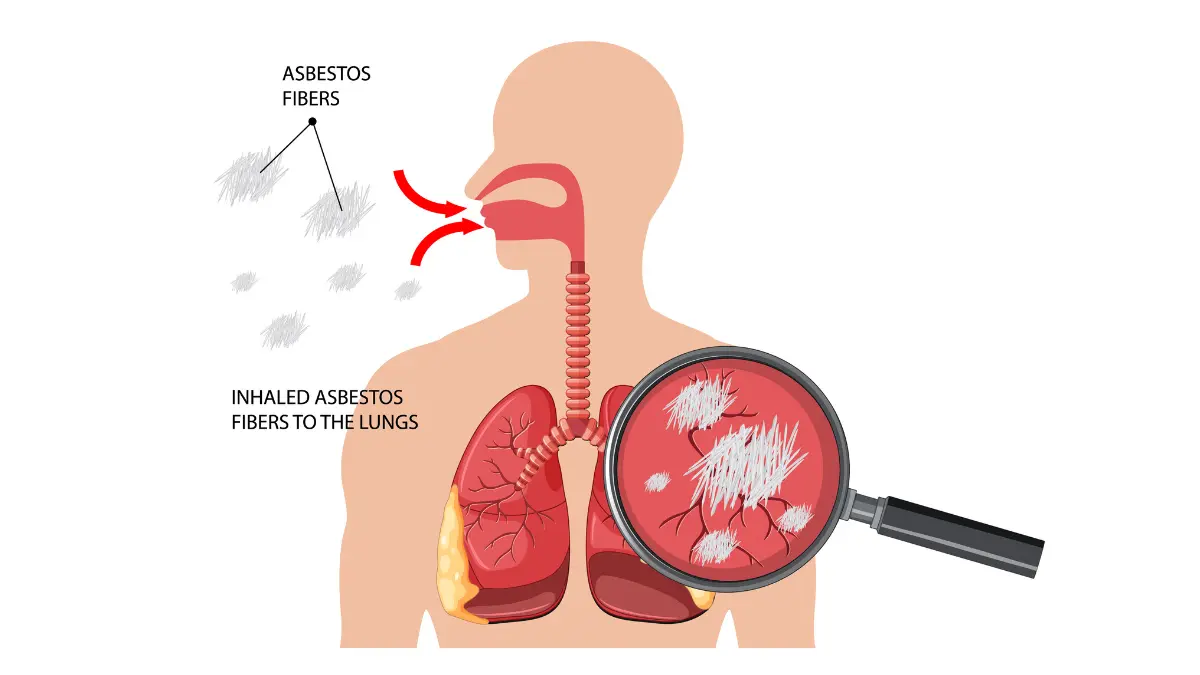
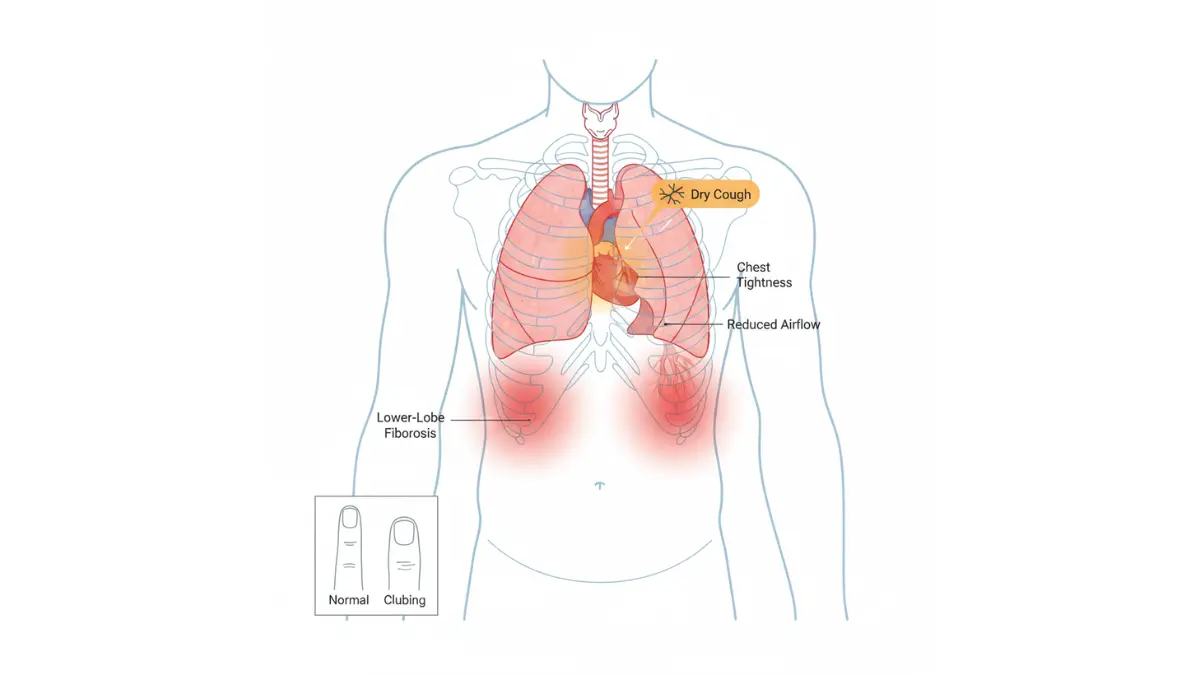
Asbestosis symptoms typically include persistent shortness of breath, chronic dry cough, chest tightness, and fatigue that develop 10 to 40 years after asbestos exposure. These early asbestosis symptoms often mimic normal aging or other lung conditions, making early detection critical for managing this progressive and irreversible lung disease.
The Silent Killer Hiding in Your Lungs
Michael Torres spent 15 years as a shipyard insulator in the 1980s, breathing in microscopic asbestos fibers daily without protective equipment. At age 62, he noticed himself winded after climbing stairs—something he dismissed as getting older. Within months, the breathlessness became constant. His doctor’s diagnosis shocked him: severe asbestosis. Twenty-three years had passed since his last day around asbestos, yet the invisible fibers had been silently scarring his lungs the entire time.
Michael’s story isn’t unique. According to research on asbestos-related lung disease, the latency period between exposure and clinical symptoms ranges from two to four decades, with most patients developing noticeable asbestosis symptoms 20 to 30 years post-exposure. This deadly delay occurs because asbestos fibers lodge deep in lung tissue, triggering chronic inflammation and progressive scarring (pulmonary fibrosis) that accumulates over decades without warning signs.
Why the 20-Year Delay Makes Asbestosis Deadly
The health effects of asbestos exposure don’t appear immediately because lung tissue has remarkable reserve capacity. You can lose significant lung function before experiencing breathlessness. By the time asbestos exposure symptoms become noticeable—persistent cough, chest pain, or difficulty breathing—the lung scarring is already advanced and irreversible.
This insidious progression makes early recognition critical. If you worked in construction, shipyards, automotive repair, or other high-risk industries before the 1980s, understanding what asbestosis symptoms look like could save your life. Even secondhand exposure from contaminated work clothes can cause disease decades later.
Our comprehensive symptom checker tool can help you evaluate respiratory symptoms, but any persistent breathing difficulties warrant immediate medical evaluation, especially with past asbestos exposure.
Medical Disclaimer: This article is for educational purposes only and does not constitute medical advice. Always consult a qualified healthcare professional for diagnosis and treatment of respiratory symptoms or asbestos-related conditions.
Understanding Asbestosis Symptoms – Early to Advanced
What Are Early Asbestosis Symptoms?
Early asbestosis symptoms are deceptively mild and often dismissed as normal aging or seasonal allergies. According to clinical assessment guidelines from the CDC’s Agency for Toxic Substances and Disease Registry, most patients remain asymptomatic for 20 to 30 years after initial exposure, with the disease silently progressing during this latency period.
Initial Warning Signs (10-20 Years Post-Exposure)
The earliest detectable asbestosis symptoms typically emerge during physical exertion when oxygen demands increase:
- Subtle breathlessness during activities you previously handled easily (climbing stairs, brisk walking, yard work)
- Mild chest tightness that feels like a band around your ribcage
- Persistent fatigue unrelated to sleep quality or activity level
- Occasional dry cough without mucus production
- Decreased exercise tolerance noticed gradually over months
Research published in the National Institutes of Health archives indicates that these subtle early asbestosis symptoms often go unrecognized because they develop incrementally rather than suddenly. Many patients attribute shortness of breath to being “out of shape” rather than lung scarring.
What This Means For You: If you have a history of asbestos exposure and notice progressive breathlessness over 3-6 months, schedule a pulmonary evaluation immediately. Early detection through our symptom checker can prompt timely medical assessment, though it cannot replace professional diagnosis.
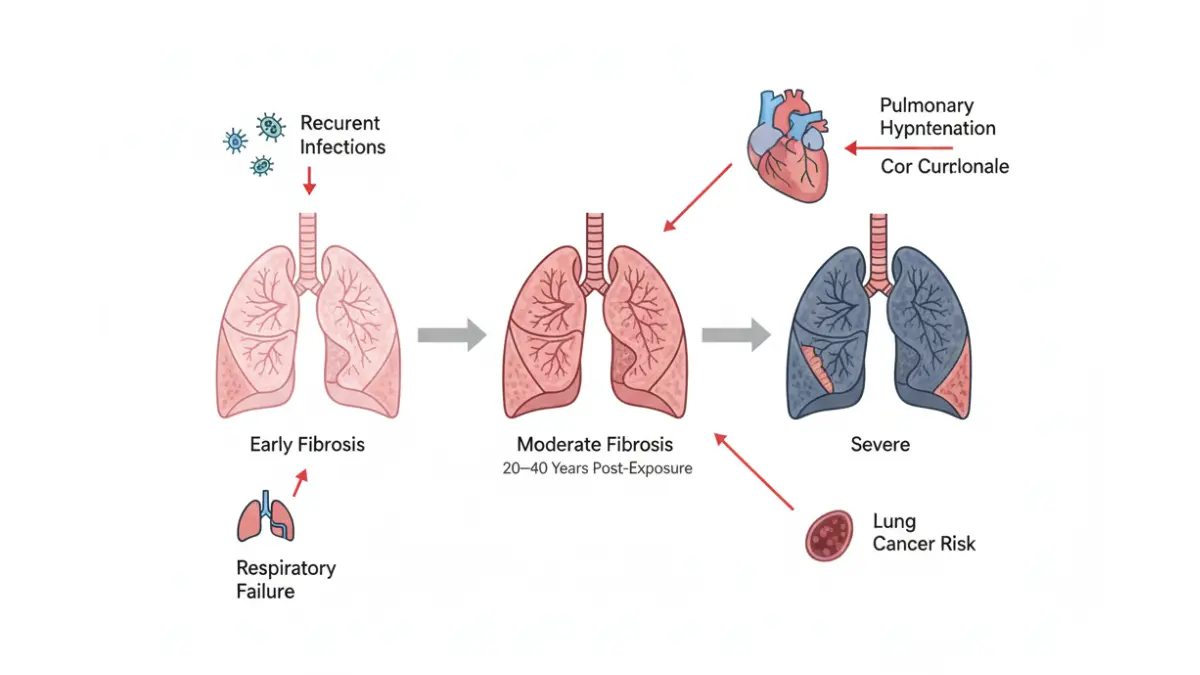
Progressive Asbestosis Symptoms (20-40 Years)
As pulmonary fibrosis advances, asbestosis symptoms become more pronounced and interfere with daily activities:
- Persistent dry cough that doesn’t respond to over-the-counter medications
- Shortness of breath at rest, not just during exertion
- Chest pain or discomfort, particularly when breathing deeply
- Clubbed fingers and toes – fingertips that appear wider and rounder than normal (present in 32-42% of advanced cases)
- Dry crackling sounds (bibasilar rales) audible during inhalation
- Unintended weight loss from reduced appetite and increased breathing effort
The ATSDR self-care guide for asbestos-related illness emphasizes that these progressive symptoms indicate significant lung tissue scarring. At this stage, the lungs have thickened from “the thinness and stretchiness of a balloon to that of an orange peel.”
| Early Symptoms | Advanced Symptoms |
|---|---|
| Breathlessness during exercise | Breathlessness at rest |
| Occasional dry cough | Persistent, chronic cough |
| Mild chest tightness | Severe chest pain |
| Normal finger appearance | Digital clubbing (32-42% of cases) |
| Activities of daily living unaffected | Cannot perform basic tasks without oxygen |
| No weight changes | Unintended weight loss |
Severe/End-Stage Asbestosis Symptoms
When lung scarring becomes extensive, life-threatening complications emerge:
- Respiratory failure requiring supplemental oxygen therapy
- Signs of cor pulmonale (right-sided heart failure): swollen ankles, jugular vein distension, bluish lips or fingernails (cyanosis)
- Extreme fatigue even with minimal activity
- Coughing up blood in rare cases
- Inability to lie flat without severe breathlessness
According to NIH research on fatal asbestosis cases, end-stage patients may experience rapidly progressive respiratory failure requiring mechanical ventilation or lung transplant consideration.
Key Takeaway: Asbestosis symptoms typically progress slowly over decades, but approximately 20% of patients experience rapid deterioration once symptoms become apparent. Monitoring your heart rate zones during activity can help detect declining cardiovascular-respiratory function early.
Asbestosis Symptoms vs Normal Aging
Many patients struggle to distinguish asbestosis symptoms from age-related changes or chronic obstructive pulmonary disease (COPD). Here’s what sets asbestosis apart:
Asbestosis characteristics:
- Confirmed occupational or environmental asbestos exposure history
- Dry cough without mucus (unlike COPD’s productive cough with phlegm)
- Progressive breathlessness that worsens steadily over years
- Crackling lung sounds on examination
- Restrictive lung pattern on pulmonary function tests
COPD differences:
- Primarily caused by smoking, not asbestos
- Productive cough with mucus (clear, white, yellow, or green)
- Wheezing sounds rather than crackling
- Obstructive lung pattern on testing
- Different chest X-ray findings
Clinical research confirms there is no direct connection between asbestos exposure and COPD development—they are distinct conditions with different pathologies. However, smoking dramatically worsens asbestosis prognosis and should be avoided entirely.
Causes, Risk Factors & The Deadly Latency Period
What Causes Asbestosis and Who Is at Risk?
How Asbestos Causes Lung Scarring
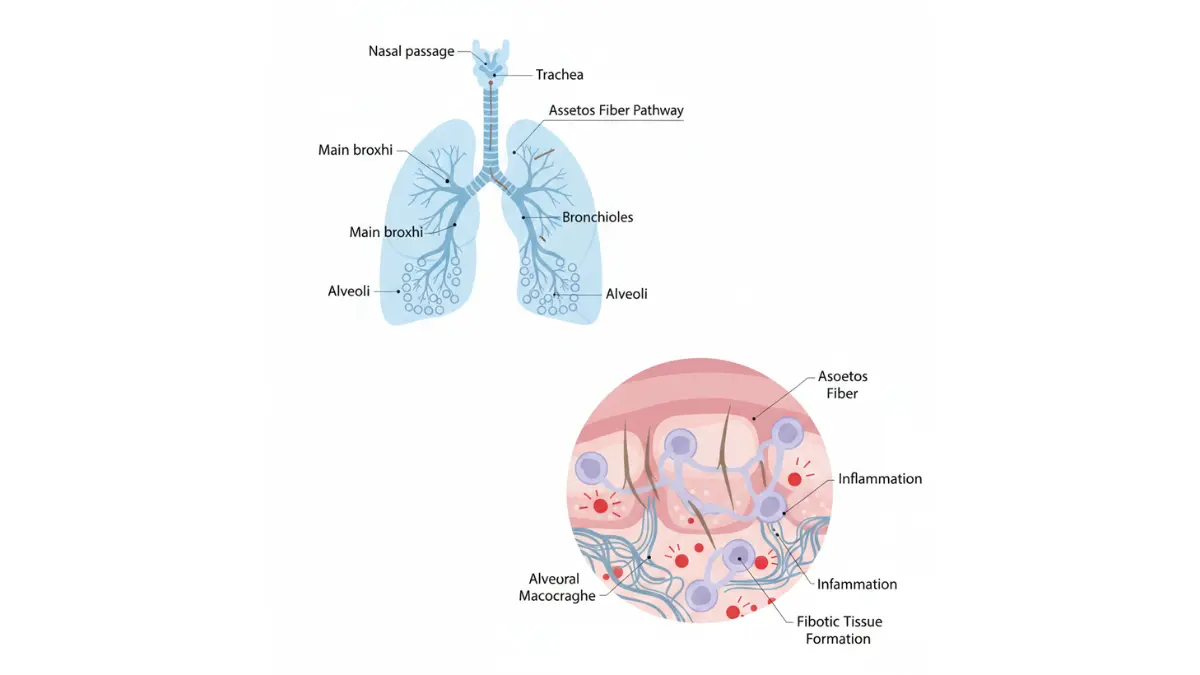
Asbestosis develops when microscopic asbestos fibers—ranging from 5 to 200 micrometers in length—penetrate deep into lung tissue and trigger an irreversible inflammatory cascade. According to research published by the National Institutes of Health, these long, thin fibers become trapped at the terminal respiratory bronchioles and alveolar spaces, where they’re too large for immune cells to clear effectively.
The pathological mechanism involves frustrated phagocytosis: alveolar macrophages attempt to engulf the fibers but fail due to their size, releasing inflammatory mediators, tumor necrosis factor-alpha (TNF-α), and reactive oxygen species in the process. This chronic inflammation stimulates excessive collagen production, causing pulmonary fibrosis asbestos-related scarring that progressively stiffens lung tissue. The National Academies of Sciences reports that cigarette smoke dramatically enhances fiber penetration into airway epithelium, accelerating lung scarring asbestos damage by up to 50-90 times compared to non-smokers.
High-Risk Occupations (Occupational Lung Disease)
Asbestosis causes are almost exclusively linked to occupational exposure, with OSHA documentation confirming that heavy exposures predominantly occur in construction, shipyards, and manufacturing sectors before the 1980s regulatory changes.
| Industry/Occupation | Exposure Level | Typical Exposure Duration | Relative Risk |
|---|---|---|---|
| Shipyard workers (insulators, pipefitters) | Very High | 10-30 years | 8-10x higher |
| Construction (demolition, renovation) | High | 5-20 years | 6-8x higher |
| Asbestos mining and milling | Very High | 15-40 years | 10-15x higher |
| Automotive mechanics (brake/clutch repair) | Moderate | 10-25 years | 3-5x higher |
| Power plant workers | Moderate-High | 15-30 years | 5-7x higher |
| Textile manufacturing (asbestos products) | High | 10-25 years | 7-9x higher |
| Railroad workers | Moderate | 20-35 years | 3-4x higher |
Secondhand exposure risk: Family members who handled contaminated work clothes face asbestosis risk factors at approximately 20-30% the level of direct occupational exposure. If you’ve experienced any occupational exposure, using our genetic risk assessment tool alongside medical evaluation can help stratify your overall health risk profile.
Why the 20-40 Year Delay Turns Deadly
The latency period for asbestosis symptoms represents one of medicine’s most insidious disease patterns. CDC clinical guidelines document that radiographic changes commonly appear within 20 years, but clinical manifestations typically emerge 20 to 40 years post-exposure, with asbestosis appearing earliest in those with the highest exposure levels.
This deadly delay occurs because:
- Silent accumulation: Fibers permanently lodge in lung tissue, triggering inflammation that compounds over decades without symptoms
- Functional reserve: Lungs possess 8-10 times the capacity needed for rest, masking dysfunction until 50-60% of tissue is scarred
- Progressive nature: Even after exposure ends, the fibrosis continues advancing as chronic inflammation persists
- Dose-dependent timing: Higher cumulative exposure (measured in fiber-years) shortens latency periods
Research from CDC disease mechanism studies confirms the latency period commonly ranges from 15 to 20 years after initial exposure, with some cases developing after just one year of heavy exposure or 5-10 years of moderate exposure.
Key Warning: The absence of early asbestosis symptoms does NOT mean safety. Anyone with exposure history should undergo baseline chest imaging and pulmonary function testing, regardless of symptom status.
Asbestosis Risk Factors That Worsen Prognosis
Beyond exposure intensity, specific factors dramatically increase chronic lung disease asbestos severity:
- Cigarette smoking: Creates synergistic toxicity, multiplying lung cancer risk by 50-90 fold compared to asbestos alone
- Cumulative exposure duration: Each additional year of exposure increases fiber burden exponentially
- Fiber type: Amphibole asbestos (amosite, crocidolite) causes more aggressive disease than chrysotile due to greater biopersistence
- Age at first exposure: Younger workers accumulate higher lifetime burdens with longer disease progression time
- Lack of respiratory protection: OSHA regulations implemented mandatory protective equipment only after 1994, leaving decades of unprotected workers
Maintaining optimal respiratory health through our BMI calculator and avoiding additional lung irritants becomes critical for those with exposure history.
Diagnosis – How Doctors Detect Asbestosis
How Is Asbestosis Diagnosed? (Complete Diagnostic Process)
Asbestosis diagnosis requires a multi-step approach combining occupational history, clinical examination, imaging studies, and pulmonary function testing. According to CDC clinical assessment protocols, the most crucial diagnostic tests are chest radiographs and pulmonary function tests, which together identify restrictive lung patterns characteristic of asbestosis.
Medical History & Physical Examination
The diagnostic process begins with thorough documentation of asbestos exposure history—including occupation, duration, intensity, and timeline of exposure. Physicians specifically investigate work in shipyards, construction, automotive repair, or other high-risk industries between the 1940s and 1980s.
During physical examination, doctors use a stethoscope to detect bibasilar inspiratory crackles (fine “Velcro-like” rales) at the lung bases, present in 60-80% of asbestosis cases. These distinctive crackling sounds occur when scarred alveoli snap open during inhalation. Digital clubbing—enlarged, rounded fingertips—may also be visible in 32-42% of advanced cases.
Anyone concerned about respiratory symptoms should start with our symptom checker tool before scheduling professional evaluation, though this cannot replace clinical assessment.
Imaging Tests for Asbestosis
Chest X-ray findings:
Standard posteroanterior chest radiographs reveal characteristic patterns of lung scarring, including:
- Irregular linear opacities (small lines) predominantly in lower lung zones
- “Ground-glass” appearance from diffuse interstitial fibrosis
- “Honeycomb lung” pattern in severe cases showing destroyed, cystic lung architecture
- Pleural plaques (calcified thickening of chest wall lining) in 50-60% of cases
However, chest X-rays have limitations: studies show false-negative rates up to 20% in early asbestosis.
High-Resolution CT (HRCT) advantages:
Research published in the American Journal of Roentgenology demonstrates that HRCT detects parenchymal abnormalities in 33% of patients with normal chest radiographs, making it 50% more sensitive than standard X-rays for detecting early pulmonary fibrosis asbestos changes.
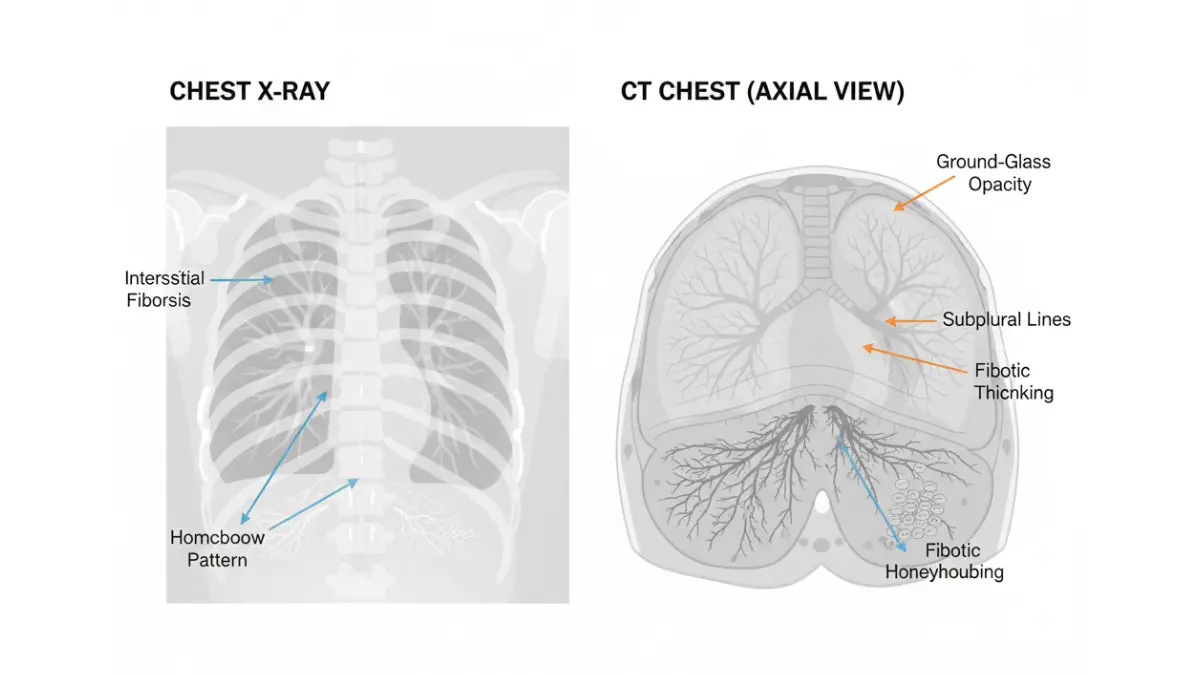
HRCT findings include:
- Subpleural curvilinear lines
- Septal thickening
- Parenchymal bands
- Ground-glass attenuation with reticulation
Pulmonary Function Tests (PFTs)
Spirometry and diffusion capacity testing identify the restrictive ventilatory pattern that defines asbestosis. According to ATSDR testing guidelines, abnormal pulmonary function tests appear in 50-60% of asbestosis patients, with characteristic findings including:
- Reduced forced vital capacity (FVC) – total lung volume decreases as scarring stiffens tissue
- Normal or preserved FEV1/FVC ratio – distinguishes asbestosis from obstructive diseases like COPD
- Decreased diffusion capacity (DLCO) – impaired oxygen transfer across thickened alveolar membranes
- Reduced total lung capacity (TLC) on full pulmonary function testing
Research from CDC pleural fibrosis studies confirms that pleural fibrosis independently predicts restrictive lung function patterns, with diffuse pleural thickening causing twice the spirometric impairment of localized plaques.
Tracking your cardiovascular-respiratory fitness through our heart rate zone calculator can help monitor declining exercise capacity between medical evaluations.
Advanced Diagnostic Methods
Lung biopsy indications:
Surgical or bronchoscopic lung biopsy is rarely necessary but may be performed when diagnosis remains uncertain despite imaging and clinical findings. Histopathology reveals characteristic interstitial fibrosis with asbestos bodies (golden-brown, dumbbell-shaped structures representing fibers coated with iron-protein complexes).
Asbestos fiber burden analysis:
Mineralogical analysis of bronchoalveolar lavage (BAL) fluid or lung tissue quantifies asbestos fiber concentration. According to NIH diagnostic research, asbestos bodies in sputum or BAL correlate with exposure intensity and disease severity, though their presence alone doesn’t confirm asbestosis diagnosis without clinical and radiographic correlation.
| Diagnostic Criteria | United States (ATS/OSHA) | International (Helsinki Criteria) |
|---|---|---|
| Exposure History | Documented occupational exposure ≥ 5-10 years | Minimum latency 10 years post-exposure |
| Imaging Requirement | Bilateral lower-zone interstitial opacities (ILO ≥1/0) | Chest X-ray or HRCT showing fibrosis |
| Pulmonary Function | Restrictive pattern with reduced DLCO | FVC < 80% predicted or DLCO < 80% |
| Biopsy Requirement | Not required if clinical + radiographic correlation | Required only if diagnosis uncertain |
| Pleural Plaques | Supportive but not diagnostic | Increases diagnostic confidence |
Treatment, Management & Life Expectancy
Asbestosis Treatment Options: What Works and What Doesn’t
No Cure – But Effective Symptom Management
Asbestosis treatment options remain limited because lung scarring is irreversible. According to CDC patient management guidelines, there is no specific effective treatment to reverse asbestosis, and the rate of disease progression varies significantly between individuals. However, comprehensive asbestosis management strategies can slow progression, relieve symptoms, and significantly improve quality of life.
The fundamental truth patients must understand: once asbestos fibers cause pulmonary fibrosis, the scarring is permanent. Treatment focuses on preventing further lung damage and managing asbestosis complications rather than curing the underlying disease.
Primary Treatment Approaches
Oxygen Therapy for Asbestosis
Supplemental oxygen represents the cornerstone of asbestosis treatment options for patients with advanced disease. Research documented in MedlinePlus medical resources confirms that patients with hypoxemia (low blood oxygen) at rest, during exercise, or during sleep benefit from continuous home oxygen therapy, which can prevent or attenuate cor pulmonale (right-sided heart failure).
Oxygen is delivered through:
- Nasal cannula (thin tubing with nostril prongs) for mild-moderate needs
- Oxygen masks for higher flow requirements
- Portable concentrators for maintaining mobility and quality of life
Monitoring your cardiovascular response during activities using our heart rate zone calculator helps determine when oxygen supplementation becomes necessary during exertion.
Pulmonary Rehabilitation Programs
Evidence-based pulmonary rehabilitation combines supervised exercise training, breathing techniques, and patient education. These structured programs improve exercise tolerance, reduce breathlessness perception, and enhance daily functioning despite irreversible lung damage.
Medications for Symptom Relief
While no medications reverse lung scarring, several help manage asbestosis symptoms:
- Bronchodilators (inhaled beta-agonists) ease airway constriction
- Aerosol medicines thin lung secretions for easier clearance
- Inhaled corticosteroids may reduce inflammation in some patients
- Pain management for chest discomfort
The CDC self-care guide for asbestos-related illness emphasizes aggressive treatment of respiratory infections with antibiotics, as pneumonia can rapidly deteriorate lung function in compromised patients.
| Disease Stage | Primary Treatment | Oxygen Therapy | Additional Interventions |
|---|---|---|---|
| Early (Asymptomatic) | Annual monitoring, smoking cessation | Not required | Influenza/pneumococcal vaccines, avoid further exposure |
| Moderate (Symptomatic) | Pulmonary rehabilitation, bronchodilators | PRN (as needed) during exercise | Chest physiotherapy, nutritional support |
| Severe (Advanced Fibrosis) | Continuous oxygen therapy, disability assessment | 24-hour supplemental oxygen | Lung transplant evaluation, palliative care consultation |
Advanced Interventions
Lung Transplant Criteria
For patients with end-stage asbestosis and severe respiratory failure unresponsive to medical management, lung transplantation offers the only potential for restored lung function. However, strict eligibility criteria limit candidates: age typically under 65, absence of other major organ dysfunction, and sufficient physical conditioning to withstand surgery.
Experimental Therapies
Research into antifibrotic medications (pirfenidone, nintedanib) originally developed for idiopathic pulmonary fibrosis shows preliminary promise, though these remain investigational for asbestosis treatment options.
Asbestosis Management at Home
Lifestyle Modifications for Disease Control
The CDC management protocols outline essential self-care strategies:
- Eliminate all exposure sources: Remove patient from ongoing occupational or environmental asbestos contact immediately
- Smoking cessation: Cigarettes accelerate lung scarring and multiply lung cancer risk 50-90 fold
- Infection prevention: Annual influenza vaccines and pneumococcal vaccination per CDC schedules
- Nutritional optimization: Maintain healthy body weight using our BMI calculator to support respiratory muscle function
- Adequate hydration: Calculate daily needs with our water intake calculator to help thin mucus secretions
- Quality sleep hygiene: Use our sleep calculator to optimize rest periods, as respiratory effort increases during sleep
What This Means For You: Your daily choices dramatically impact disease progression. Smoking cessation alone can extend asbestosis life expectancy by 5-10 years compared to continued smoking. Every respiratory infection risks permanent lung function decline, making preventive care absolutely critical.
Asbestosis Life Expectancy & Prognosis
Asbestosis prognosis varies widely depending on disease severity at diagnosis, continued exposure, smoking status, and comorbidities. According to NIH pneumoconiosis research, the latent period between asbestos exposure and clinical disease typically spans 20-40 years, with asbestosis life expectancy after symptom onset ranging from 10 to 20 years with appropriate management.
Survival Statistics:
- Mild asbestosis: Near-normal life expectancy with monitoring (15-30 years post-diagnosis)
- Moderate asbestosis: 10-20 years average survival
- Severe asbestosis: 5-10 years, with most deaths from respiratory failure or cor pulmonale
- Asbestosis with lung cancer: 12-18 months median survival
Factors improving asbestosis prognosis:
- Early diagnosis before severe symptoms
- Immediate smoking cessation
- No ongoing asbestos exposure
- Aggressive infection management
- Pulmonary rehabilitation participation
| Condition | Median Life Expectancy | Disease Type | Primary Cause of Death |
|---|---|---|---|
| Asbestosis (Mild-Moderate) | 10-20 years post-diagnosis | Non-malignant pulmonary fibrosis | Respiratory failure, cor pulmonale |
| Asbestosis (Severe) | 5-10 years post-diagnosis | Advanced pulmonary fibrosis | Respiratory failure, pneumonia |
| Mesothelioma | 12-21 months | Malignant cancer of pleura | Respiratory failure, metastasis |
| Asbestosis + Lung Cancer | 12-18 months | Combined fibrosis + malignancy | Cancer progression |
Managing Asbestosis Complications
Research in the NCBI StatPearls database documents that asbestosis complications increase with exposure duration and intensity:
Respiratory Failure: Progressive scarring reduces oxygen exchange capacity, eventually requiring mechanical ventilation in end-stage disease.
Pulmonary Hypertension & Cor Pulmonale: Scarred lung tissue increases blood vessel resistance, forcing the right heart to work harder until it fails, causing leg swelling, jugular vein distension, and liver congestion.
Lung Cancer Risk: Asbestosis increases lung cancer asbestosis risk 5-10 fold even without smoking; combined with cigarettes, risk multiplies 50-90 fold.
Recurrent Pneumonia: Impaired mucus clearance and reduced immune function in scarred lungs create vulnerability to bacterial and viral infections.
Asbestosis vs Mesothelioma, Prevention & When to Seek Help
Asbestosis vs Mesothelioma: Critical Differences
Understanding the distinction between these two asbestos-related conditions is crucial for patients and families. According to CDC mesothelioma basics, mesothelioma forms in the tissue lining internal organs (the mesothelium), while asbestosis causes scarring within lung tissue itself.
Side-by-Side Comparison
| Characteristic | Asbestosis | Mesothelioma |
|---|---|---|
| Disease Type | Non-cancerous pulmonary fibrosis | Malignant cancer of pleural/peritoneal lining |
| Latency Period | 20-30 years post-exposure | 20-60 years (median: 32-40 years) |
| Primary Symptoms | Progressive shortness of breath, dry cough, chest tightness | Chest pain, pleural effusion, dyspnea, weight loss |
| Median Life Expectancy | 10-20 years with management | 12-21 months (varies by subtype) |
| Treatment Approach | Symptom management, oxygen therapy, pulmonary rehab | Surgery, chemotherapy, radiation, immunotherapy |
| Progression | Slow, progressive lung scarring | Aggressive tumor growth and metastasis |
| Cure Possibility | No cure; irreversible fibrosis | No cure; treatment extends survival |
Research published in NIH studies on asbestos carcinogenesis reveals that chronic inflammation from persistent asbestos fibers drives both conditions through different mechanisms—fibrosis in asbestosis versus oncogenic transformation in mesothelioma.
Can You Have Both?
Yes. Approximately 15-20% of patients with severe asbestosis eventually develop mesothelioma or lung cancer. Having asbestosis signals significant asbestos exposure, which elevates your risk for all asbestos-related malignancies. These are independent conditions; asbestosis never “turns into” mesothelioma, but both can coexist in heavily exposed individuals.
Regular screening through comprehensive symptom evaluation helps detect concerning changes, though imaging surveillance remains the gold standard for at-risk patients.
Asbestosis Prevention Strategies
Workplace Safety Protocols
The OSHA asbestos standards emphasize there is no “safe” level of asbestos exposure for any fiber type. Employers must implement comprehensive protection measures:
- Engineering controls: Ventilation systems, wet methods to suppress dust, enclosed processes
- Personal protective equipment (PPE): HEPA-filtered respirators (not dust masks), protective clothing, decontamination facilities
- Medical surveillance: Annual chest X-rays and pulmonary function testing for exposed workers per OSHA medical guidelines
- Exposure monitoring: Air sampling to ensure levels remain below permissible exposure limits (0.1 fibers/cubic centimeter)
- Worker training: Hazard recognition, proper work practices, decontamination procedures
Home Renovation Precautions
According to EPA asbestos protection guidance, homes built before 1980 likely contain asbestos in insulation, floor tiles, roofing, siding, and pipe wrapping. The EPA’s 2024 ban on chrysotile asbestos uses prohibits new asbestos products, but legacy materials remain widespread.
Critical prevention steps:
- Never disturb suspected materials yourself—hire certified asbestos abatement professionals
- Wet cleaning only: Never dry sweep or vacuum suspected asbestos dust
- Contain work areas: Seal renovation zones with plastic sheeting
- Proper disposal: Follow local regulations for asbestos waste (never regular trash)
- Avoid tracking contamination: Remove shoes and clothing before entering living spaces
For those maintaining overall health while managing exposure risks, our BMI calculator and health resources provide comprehensive wellness guidance.
What This Means For You: If you live in a pre-1980 home or work in construction, demolition, or renovation, assume asbestos presence until proven otherwise. A single exposure incident can initiate disease processes that manifest decades later.
When to See a Doctor
Red Flag Asbestosis Symptoms Requiring Immediate Evaluation:
- Progressive shortness of breath worsening over weeks to months
- Persistent dry cough lasting more than 8 weeks
- Unexplained chest pain or tightness
- Coughing up blood (hemoptysis)
- Clubbing of fingers or toes
- Unintended weight loss with respiratory symptoms
- Extreme fatigue limiting daily activities
Screening Recommendations for High-Risk Individuals:
According to OSHA medical surveillance protocols, anyone with occupational asbestos exposure should undergo:
- Baseline evaluation: Comprehensive history, chest X-ray, pulmonary function tests
- Annual monitoring: Repeat imaging and spirometry to detect early changes
- Symptom surveillance: Report any new respiratory symptoms immediately
Action Steps for Your Doctor Appointment
Come prepared to maximize your evaluation:
- Document exposure history: List all jobs, dates, types of asbestos exposure (construction, shipyard, automotive, military service)
- Symptom timeline: Track when breathlessness began, activities affected, progression rate
- Bring records: Previous chest X-rays, employment records, military service documentation
- Family history: Note any lung diseases or cancers in relatives
- Smoking status: Current/former smoker status critically impacts risk assessment
Our comprehensive symptom checker tool can help organize your symptoms before your appointment, ensuring you communicate all relevant information effectively.
Living With Asbestosis – Final Takeaways
Support Resources:
- CDC asbestos information hotline for exposure guidance
- American Lung Association support groups for chronic lung disease patients
- Social Security Disability benefits for advanced cases limiting work capacity
- Veterans Affairs benefits for service-related exposure
Quality of Life Strategies:
- Pace activities: Use energy conservation techniques learned in pulmonary rehabilitation
- Stay current on vaccines: Annual influenza and pneumococcal boosters prevent dangerous infections
- Optimize nutrition: Adequate protein and calories support respiratory muscle strength—calculate needs with our macro calculator
- Mental health support: Depression and anxiety commonly accompany chronic breathlessness; seek counseling
Regular Monitoring Importance:
Even with stable asbestosis symptoms, annual chest imaging remains critical for detecting complications: pleural thickening progression, lung cancer development, or mesothelioma emergence. Early detection of these secondary conditions dramatically improves treatment options and asbestosis prognosis.
The CDC’s comprehensive asbestos health information emphasizes that vigilance and prevention represent your most powerful tools against asbestos-related diseases. For personalized wellness guidance supporting your respiratory health journey, explore our complete health resources and calculators.
11 FAQs About Asbestosis Symptoms
1. What are the main asbestosis symptoms?
The primary asbestosis symptoms include persistent shortness of breath (especially during physical activity), chronic dry cough, chest tightness or pain, fatigue, and crackling sounds in the lungs. In advanced cases, patients may develop clubbed fingers, unintended weight loss, and bluish discoloration of lips or fingernails.
2. How long after asbestos exposure do symptoms appear?
Asbestosis symptoms typically appear 20 to 40 years after initial asbestos exposure, with most patients developing noticeable symptoms 20 to 30 years post-exposure. This lengthy latency period occurs because lung scarring accumulates silently over decades before causing detectable breathing difficulties.
3. Can asbestosis be cured?
No, asbestosis cannot be cured because the lung scarring (pulmonary fibrosis) is permanent and irreversible. Treatment focuses on managing symptoms, slowing disease progression, preventing complications, and improving quality of life through oxygen therapy, pulmonary rehabilitation, and medications.
4. What is the life expectancy with asbestosis?
Asbestosis life expectancy varies from 10 to 20 years after diagnosis for mild to moderate cases, while severe asbestosis typically results in 5 to 10 years survival. Factors improving prognosis include early diagnosis, smoking cessation, no ongoing exposure, and aggressive infection management.
5. What’s the difference between asbestosis and mesothelioma?
Asbestosis is non-cancerous lung scarring (pulmonary fibrosis) with a 10-20 year survival rate, while mesothelioma is an aggressive cancer of the tissue lining organs with only 12-21 months median survival. Both are caused by asbestos exposure but affect different lung structures and require different treatments.
6. What are the early warning signs of asbestosis?
Early asbestosis symptoms include subtle breathlessness during activities like climbing stairs, mild chest tightness, persistent fatigue, occasional dry cough without mucus, and gradually decreased exercise tolerance. These symptoms often develop so slowly that patients initially attribute them to normal aging or being out of shape.
7. How is asbestosis diagnosed?
Asbestosis diagnosis involves documented exposure history, physical examination (listening for lung crackles), chest X-ray or high-resolution CT scan showing lung scarring, and pulmonary function tests revealing restrictive lung patterns. In rare cases, lung biopsy may be needed to confirm the diagnosis.
8. Who is at highest risk for developing asbestosis?
Workers with heavy occupational asbestos exposure are at highest risk, including shipyard workers, construction workers in demolition/renovation, asbestos miners, automotive mechanics (brake repair), power plant workers, and textile manufacturing employees who worked before the 1980s. Family members exposed to contaminated work clothes also face elevated risk.
9. Can you prevent asbestosis?
Yes, asbestosis prevention requires avoiding asbestos exposure through proper workplace safety (HEPA respirators, ventilation, wet methods), hiring certified professionals for home asbestos removal, never disturbing pre-1980 building materials that may contain asbestos, and following all OSHA and EPA safety guidelines.
10. Does smoking make asbestosis worse?
Yes, smoking dramatically worsens asbestosis by accelerating lung scarring and multiplying lung cancer risk by 50-90 times compared to asbestos exposure alone. Smoking cessation is critical and can extend asbestosis life expectancy by 5-10 years while significantly reducing complications.
11. When should I see a doctor about asbestosis symptoms?
See a doctor immediately if you have asbestos exposure history and experience progressive shortness of breath, persistent dry cough lasting over 8 weeks, unexplained chest pain, coughing up blood, clubbed fingers/toes, or unintended weight loss. High-risk individuals should undergo baseline screening even without symptoms.
About this content
How this article was put together: researched from recognised health sources, drafted with the help of AI tools, and edited by hand, with sources linked throughout.

Sameer Patel is the founder and editor of My Medicine Advisor. He is not a doctor or medical professional — before starting this site he worked in banking,…
Medical disclaimer
The content on MyMedicineAdvisor is provided for general informational and educational purposes only and is not a substitute for professional medical advice, diagnosis, or treatment. Health information on this website should not be used to diagnose, treat, cure, or prevent any condition without guidance from a qualified healthcare professional. Always seek the advice of your doctor, physician, or another licensed healthcare provider with any questions you may have regarding a medical condition, symptoms, medications, or treatment decisions.