
On This Page – Quick Medical Summary
Bowel Cancer Symptoms: 9 Red Flags You Should Never Ignore
Bowel cancer symptoms include persistent rectal bleeding, unexplained changes in bowel habits lasting more than two weeks, chronic abdominal pain, unintentional weight loss, and iron deficiency anemia. Sarah Mitchell, a 38-year-old marketing executive from Boston, dismissed her occasional rectal bleeding as hemorrhoids for seven months. When she finally saw blood in her stool consistently and felt persistent fatigue that affected her daily runs, she visited her doctor—only to receive a stage 3 colorectal cancer diagnosis.
The Reality Check: Why Every Symptom Matters Now
Colorectal cancer rates among adults under 50 have surged by 20% over the past two decades, making bowel cancer symptoms recognition critical for every age group. The Centers for Disease Control and Prevention reports that when caught early through symptom awareness or screening, colorectal cancer has a 90% five-year survival rate. Yet nearly half of patients experience warning signs 3 to 24 months before diagnosis—symptoms often dismissed as digestive issues, stress, or normal aging.
Understanding these early signs of bowel cancer isn’t about creating anxiety. It’s about empowering action. Research from the National Cancer Institute shows that individuals who recognize colorectal cancer symptoms early and seek evaluation within two weeks of persistent symptoms have significantly better treatment outcomes.
What This Article Covers
This comprehensive guide examines 9 critical bowel cancer symptoms backed by international medical research and patient outcome data. You’ll discover:
- The exact warning signs that signal potential bowel cancer, from rectal bleeding patterns to subtle fatigue indicators
- Timing intelligence showing when symptoms typically appear and how long is too long to wait
- Risk factors you can control and those requiring enhanced surveillance
- Actionable next steps including when to contact your physician and which screening tests detect early-stage disease
Whether you’re experiencing concerning digestive changes or want to understand your bowel cancer risk profile using our Genetic Risk Assessment Tool, this evidence-based resource provides the clarity you need.
Important Medical Disclaimer
This article is for educational purposes and does not constitute medical advice. If you’re experiencing persistent symptoms described in this guide, consult a healthcare provider immediately. Early detection saves lives—never delay seeking professional evaluation when bowel cancer symptoms persist beyond two weeks.
Sarah’s Story: Why Symptoms Matter
Sarah’s experience mirrors that of thousands diagnosed annually. Like many younger adults, she assumed colorectal cancer “only happened to older people.” She ignored the rectal bleeding, attributing it to stress from her demanding job and irregular eating patterns that affected her calorie intake. The chronic fatigue she felt? She blamed her busy schedule and poor sleep quality tracked by her Sleep Calculator.
By the time Sarah sought medical attention, her tumor had grown and spread to nearby lymph nodes. Fortunately, aggressive treatment combining surgery and chemotherapy put her into remission. Today, she advocates for symptom awareness, especially among people under 50 who represent the fastest-growing demographic of colorectal cancer patients.
Her message is clear: Know the 9 red flag bowel cancer symptoms, and never dismiss persistent changes in your body.
The 9 Red Flag Symptoms (Comprehensive Breakdown)
9 Warning Signs of Bowel Cancer You Should Never Ignore
Recognizing bowel cancer symptoms early dramatically improves survival outcomes. These nine red flags represent the most significant colorectal cancer warning signs documented in medical literature. If you experience any of these symptoms persistently for more than two weeks, medical evaluation is essential.

1. Rectal Bleeding or Blood in Stool
Rectal bleeding is the strongest predictor of colorectal cancer, particularly when blood appears mixed with stool rather than on the surface. Research published by the National Cancer Institute found that rectal bleeding had the most significant association with early-onset colorectal cancer diagnosis among all symptoms studied.
Blood appearance matters for assessment:
- Bright red blood: Often indicates rectal or lower colon tumors
- Dark, tarry stools (melena): Suggests bleeding higher in the digestive tract
- Blood mixed with stool: Carries higher cancer risk than surface bleeding
Studies from the National Institutes of Health show that approximately 5.4% of patients with blood mixed in stool have colorectal cancer, rising to 10.2% when combined with dark blood. Critically, patients with hemorrhoids can still have cancer—never assume bleeding is benign without medical evaluation.
What This Means For You: Any rectal bleeding lasting more than a few days requires colonoscopy or flexible sigmoidoscopy evaluation, regardless of age. Don’t dismiss bleeding as hemorrhoids without professional confirmation.
2. Persistent Changes in Bowel Habits
Bowel movement changes lasting more than two weeks represent a critical bowel cancer symptom. The CDC identifies persistent diarrhea, constipation, or alternating patterns as key colorectal cancer warning signs.
Concerning changes include:
- Diarrhea or loose stools persisting beyond 2-3 weeks
- New-onset constipation without dietary changes
- Alternating diarrhea and constipation
- Feeling of incomplete evacuation after bowel movements
- Increased frequency or urgency
| Normal Variation | Concerning Change |
|---|---|
| Occasional constipation with diet changes | Persistent constipation >2 weeks despite fiber intake |
| Brief diarrhea with viral illness | Chronic diarrhea >3 weeks without explanation |
| Bowel movements 3x/day to 3x/week | Sudden increase to >6x/day or decrease to <1x/week |
| Temporary changes with travel/stress | Alternating patterns lasting >1 month |
Use our Symptom Checker to track bowel habit changes and identify patterns worth discussing with your physician.
What This Means For You: Document the frequency, consistency, and duration of bowel changes. Patterns lasting beyond two weeks warrant gastroenterology consultation, particularly if you’re under 50 and experiencing colon cancer symptoms.
3. Abdominal Pain or Cramping That Won’t Go Away
Chronic abdominal pain ranks among the most common bowel cancer symptoms in early-onset cases. Research shows 11.6% of patients under 50 with colorectal cancer reported persistent abdominal pain as their primary symptom.
Pain characteristics in colorectal cancer:
- Location: Lower abdomen, often cramping or sharp
- Duration: Intermittent or constant pain lasting weeks
- Timing: May worsen after eating or before bowel movements
- Associated symptoms: Bloating, gas, or bowel movement changes
Unlike typical digestive discomfort that resolves within days, bowel cancer-related pain persists and may gradually intensify. The pain often results from partial bowel obstruction or tumor pressure on surrounding tissues.
What This Means For You: Abdominal pain lasting more than two weeks, especially when combined with other symptoms on this list, requires immediate medical evaluation. Don’t wait for pain to become severe.
4. Unexplained Weight Loss
Unintentional weight loss exceeding 10 pounds without dietary changes or increased physical activity signals potential colorectal cancer. Cancer-related weight loss occurs through multiple mechanisms including reduced appetite, metabolic changes, and nutrient malabsorption.
Key weight loss indicators:
- Loss of 5% or more of body weight in 6-12 months
- Decreased appetite without intentional dieting
- Clothes fitting loosely without lifestyle changes
- Weight loss despite normal or increased eating
Calculate your healthy weight range using our BMI Calculator and track changes with the Weight Loss Calculator to identify concerning patterns.
What This Means For You: Unexplained weight loss combined with any other bowel cancer symptom requires urgent evaluation. Document your weight weekly and report losses exceeding 5 pounds to your healthcare provider.
5. Feeling That Bowel Doesn’t Empty Completely (Tenesmus)
Tenesmus—the persistent sensation of incomplete bowel evacuation—frequently indicates rectal cancer. Patients describe this as feeling they need to have a bowel movement even immediately after going, with straining producing little or no stool.
This symptom results from rectal tumors creating a false sensation of fullness or obstruction. Unlike irritable bowel syndrome, where tenesmus fluctuates with stress or diet, cancer-related tenesmus persists and progressively worsens.
What This Means For You: If you consistently feel you haven’t fully emptied your bowels after 2-3 weeks, schedule a gastroenterology appointment. This symptom has strong association with rectal cancer specifically.
6. Chronic Fatigue and Weakness
Persistent fatigue unrelieved by rest affects many colorectal cancer patients months before diagnosis. This exhaustion differs from typical tiredness—it’s profound weakness limiting daily activities and not improving with adequate sleep.
Cancer-related fatigue characteristics:
- Extreme tiredness disproportionate to activity level
- Inability to complete normal daily tasks
- No improvement with rest or sleep
- Associated with pale skin, dizziness, or shortness of breath
Chronic fatigue in bowel cancer typically stems from iron deficiency anemia caused by occult (hidden) bleeding. The gradual blood loss depletes iron stores, reducing oxygen-carrying capacity and causing systemic weakness.
What This Means For You: Fatigue lasting more than 2-3 weeks without explanation should prompt blood testing for anemia and further investigation, especially when combined with other bowel cancer symptoms.
7. Iron Deficiency Anemia
Iron deficiency anemia represents the second strongest association with early-onset colorectal cancer after rectal bleeding. Research from Washington University School of Medicine found that iron deficiency anemia significantly increases colorectal cancer risk in younger adults.
The National Institutes of Health explains that colorectal tumors cause chronic microscopic bleeding, depleting iron stores over months. Approximately 80% of colorectal cancer patients develop absolute iron deficiency from tumor-related blood loss.
Anemia symptoms to watch for:
- Pale skin, nail beds, or inner eyelids
- Shortness of breath with minimal exertion
- Rapid or irregular heartbeat
- Cold hands and feet
- Brittle nails or hair loss
Blood test markers indicating iron deficiency:
- Hemoglobin <12 g/dL (women) or <13 g/dL (men)
- Ferritin <30 ng/mL
- Low transferrin saturation
What This Means For You: Men and non-menstruating women with newly diagnosed iron deficiency anemia should undergo colonoscopy to rule out colorectal cancer. Request complete blood count (CBC) testing if experiencing fatigue and other symptoms.
8. Narrow or Ribbon-Like Stools
Stool shape changes—particularly narrowing to pencil-thin or ribbon-like consistency—can indicate bowel obstruction from tumor growth. As colorectal tumors enlarge, they reduce the colon’s diameter, causing stools to narrow as they pass through constricted areas.
When stool shape signals concern:
- Consistently narrow stools for more than 1-2 weeks
- Progressive narrowing over several weeks
- Accompanied by abdominal cramping or bloating
- Combined with other bowel cancer symptoms
Not all narrow stools indicate cancer. Temporary narrowing can occur with hemorrhoids, dietary changes, or benign strictures. However, persistent narrowing warrants investigation.
What This Means For You: If stool consistently appears thinner than normal for more than two weeks, particularly with additional symptoms, schedule gastroenterology evaluation. Document stool appearance and frequency.
9. Abdominal Bloating with Nausea or Vomiting
Severe abdominal distension accompanied by nausea and vomiting may signal bowel obstruction—a serious complication of advanced colorectal cancer. The NIH reports that bowel obstruction symptoms include pronounced cramping, severe bloating, and inability to pass gas or stool.
Bowel obstruction warning signs requiring immediate care:
- Severe abdominal swelling and pain
- Inability to pass gas for 24+ hours
- Vomiting with complete constipation
- Progressive worsening of symptoms
Large-bowel obstruction from colorectal cancer typically develops gradually, with symptoms appearing later as the tumor grows. Early recognition and intervention prevent life-threatening complications.
What This Means For You: Severe bloating with vomiting and complete inability to have bowel movements constitutes a medical emergency. Seek immediate emergency department evaluation—bowel obstruction requires urgent treatment.
Understanding Risk Factors & Who Gets Bowel Cancer
Who Is at Risk? Understanding Your Colorectal Cancer Profile
While anyone can develop bowel cancer, certain risk factors significantly elevate your likelihood of experiencing colorectal cancer symptoms. Understanding your personal risk profile empowers proactive screening and early detection when bowel cancer is most treatable.
Age and the Early-Onset Colorectal Cancer Crisis
Traditional colorectal cancer screening begins at age 50, but alarming trends show a 20% increase in early-onset cases among adults under 45 over the past two decades. This shift prompted the Centers for Disease Control and Prevention to lower the recommended screening age to 45 years for average-risk individuals.
Research published in medical journals reveals that younger adults often experience more aggressive colorectal cancer and delayed diagnosis because both patients and physicians don’t suspect cancer. Many dismiss bowel cancer symptoms as stress, hemorrhoids, or irritable bowel syndrome—a dangerous assumption costing critical early detection time.
| Age Group | Colorectal Cancer Risk | Screening Recommendation |
|---|---|---|
| Under 45 | Rising incidence (20% increase) | Screen if symptoms present or high-risk factors |
| 45-49 | Moderate risk | Begin screening at age 45 |
| 50-75 | Higher risk (peak incidence) | Regular screening every 10 years (colonoscopy) |
| 76+ | Individualized based on health | Discuss with physician |
What This Means For You: Never dismiss persistent bowel cancer symptoms based on age alone. If you’re under 50 and experiencing any of the nine red flags discussed earlier, especially symptoms that mirror colon cancer in younger adults, request colonoscopy evaluation regardless of age.
Family History and Genetic Syndromes
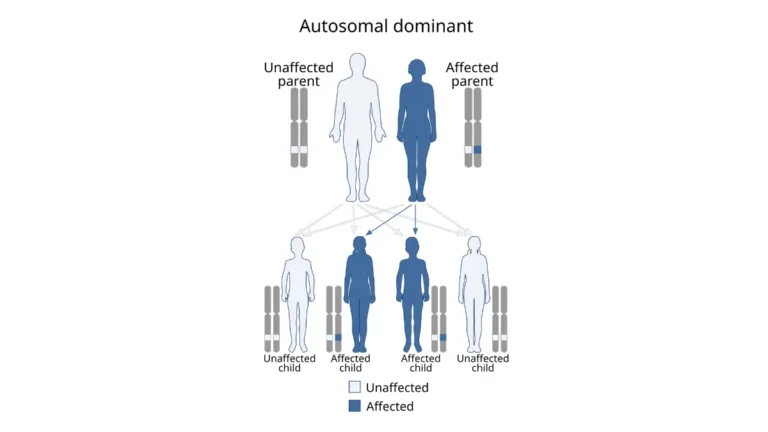
Hereditary factors account for approximately 5-10% of all colorectal cancers. The two most common genetic syndromes dramatically increase bowel cancer risk:
Lynch Syndrome (Hereditary Nonpolyposis Colorectal Cancer)
Lynch syndrome represents the most common hereditary colorectal cancer syndrome, affecting approximately 1 in 300 individuals. According to the National Cancer Institute, people with Lynch syndrome face up to 80% lifetime risk of developing colorectal cancer, often before age 50.
Lynch syndrome results from inherited mutations in DNA mismatch repair genes. Individuals with this condition require colonoscopy screening beginning at age 20-25 or 2-5 years before the youngest family diagnosis.
Familial Adenomatous Polyposis (FAP)
FAP causes hundreds to thousands of polyps in the colon and rectum, with nearly 100% lifetime colorectal cancer risk by age 40 if untreated. The National Institutes of Health reports that FAP patients typically develop polyps during teenage years and require prophylactic colectomy (surgical colon removal) to prevent inevitable cancer.
First-Degree Relative History
Having a parent, sibling, or child with colorectal cancer doubles to triples your risk. Risk increases further when:
- Multiple family members have colorectal cancer
- Diagnosis occurred before age 50
- Family history includes multiple cancer types
Use our Genetic Risk Assessment Tool to evaluate your hereditary risk profile and determine whether genetic counseling is appropriate.
What This Means For You: Discuss family cancer history with your physician. If you have a first-degree relative diagnosed with colorectal cancer, begin screening at age 40 or 10 years before their diagnosis age—whichever comes first.
Inflammatory Bowel Disease (IBD) Connection
Patients with inflammatory bowel disease—including Crohn’s disease and ulcerative colitis—face significantly elevated colorectal cancer risk. Research published by the National Institutes of Health shows IBD patients have one-third higher colorectal cancer risk than the general population.
Chronic intestinal inflammation drives cancer development through multiple mechanisms, including DNA damage from oxidative stress and inflammatory molecule activation. The duration and extent of inflammation directly correlate with cancer risk—patients with pancolitis (entire colon involvement) for 8-10 years face substantially higher risk.
IBD surveillance recommendations:
- Begin colonoscopy screening 8-10 years after IBD diagnosis
- Continue surveillance every 1-3 years depending on risk factors
- Watch for bowel cancer symptoms including new rectal bleeding or worsening abdominal pain
What This Means For You: If you have IBD and develop new bowel cancer symptoms beyond your typical disease patterns, contact your gastroenterologist immediately. Don’t assume symptoms represent IBD flares without evaluation.
Lifestyle Risk Factors You Can Control
While genetic factors are unchangeable, modifiable lifestyle factors contribute significantly to colorectal cancer risk:
Diet and nutrition:
- High red and processed meat consumption increases risk by 20-30%
- Low fiber intake reduces protective effects of whole grains, fruits, and vegetables
- Limited calcium and vitamin D may elevate risk
Body composition and physical activity:
- Obesity (particularly abdominal obesity) increases colorectal cancer risk by 30-50%
- Physical inactivity contributes to metabolic dysfunction and inflammation
- Calculate your healthy weight range with our BMI Calculator and track nutritional needs using the Macro Calculator
Tobacco and alcohol:
- Smoking increases colorectal cancer risk by 18%
- Heavy alcohol consumption (3+ drinks daily) elevates risk significantly
Metabolic conditions:
- Type 2 diabetes associated with 30% higher colorectal cancer risk
- Metabolic syndrome contributes through insulin resistance and chronic inflammation
What This Means For You: Address modifiable risk factors through evidence-based lifestyle changes. Increasing fiber intake to 25-35 grams daily, maintaining healthy body weight, exercising 150+ minutes weekly, and limiting red meat to 2-3 servings weekly all reduce colorectal cancer risk.
When Symptoms Appear & Timing Intelligence
Critical Timing: When Do Bowel Cancer Symptoms Appear?
Understanding when bowel cancer symptoms emerge—and how long patients wait before seeking care—provides crucial insight into improving survival outcomes. Research reveals a critical window where early action dramatically changes prognosis.
The 3-Month to 2-Year Warning Window
Groundbreaking research from the National Cancer Institute documents that four specific bowel cancer symptoms appear 3 months to 2 years before diagnosis in early-onset colorectal cancer patients. These red-flag symptoms include:
- Abdominal pain (appeared 11.6% of cases, median 7 months before diagnosis)
- Rectal bleeding (shortest warning window, median 7 months before diagnosis)
- Diarrhea (median diagnostic delay extending beyond one year)
- Iron deficiency anemia (second strongest predictor after rectal bleeding)
Nearly 50% of younger adults with colorectal cancer experienced symptoms within three months of diagnosis. However, the median diagnostic delay from first symptom to cancer diagnosis was 4.8 months—critical time when early-stage cancer progresses to more advanced disease.
Research published by the National Institutes of Health found that physician-related diagnostic delays comprised 46% of all delays, averaging 18 weeks from initial medical contact to diagnosis. Patients often receive misdiagnoses of hemorrhoids, irritable bowel syndrome, or stress-related digestive issues—dismissals that cost valuable treatment time.
What This Means For You: If you experience persistent bowel cancer symptoms for more than two weeks, insist on thorough evaluation including colonoscopy. Early diagnosis transforms survival outcomes, particularly for younger adults where diagnostic suspicion remains low.
Early Stage vs. Advanced Stage Symptoms
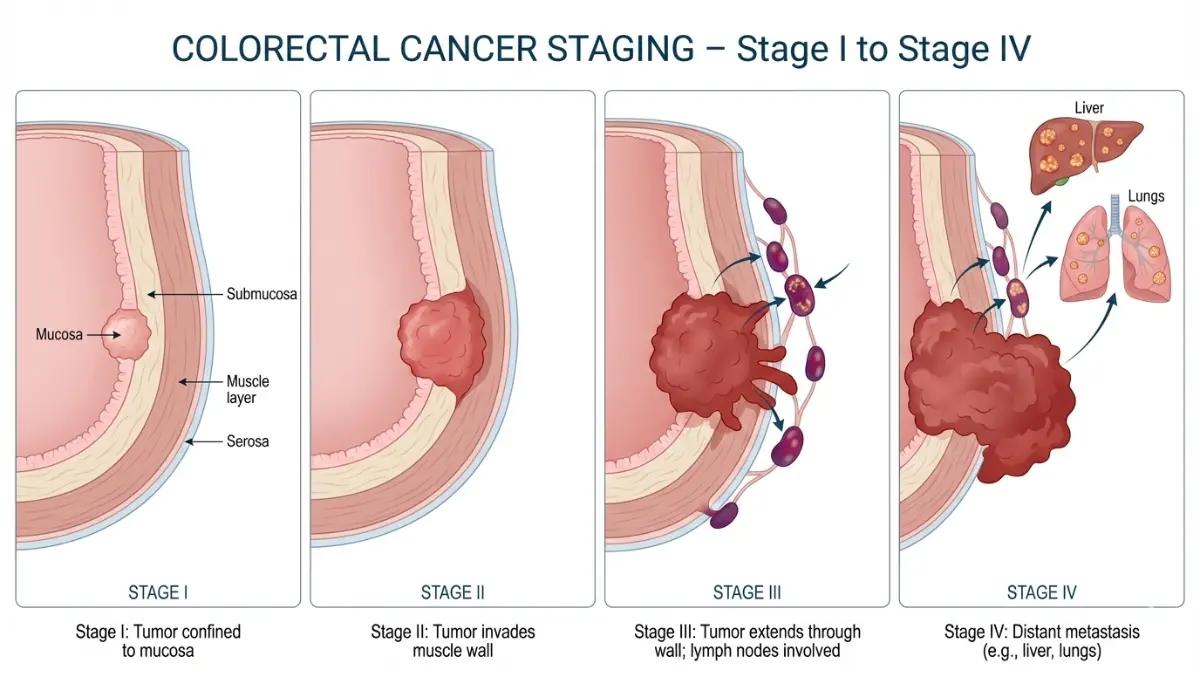
Colorectal cancer staging directly impacts both symptom severity and survival rates. Data from the National Cancer Institute’s SEER database reveals stark differences in survival based on detection stage.
Stage I-II colorectal cancer frequently produces minimal or no symptoms, underscoring why screening remains critical even without warning signs. When detected at localized stages through screening colonoscopy, 5-year survival exceeds 90%.
Conversely, metastatic colorectal cancer (Stage IV) presents with pronounced symptoms but carries only 12-14% five-year survival despite aggressive treatment. This dramatic survival difference—from 92% to 12%—highlights why symptom recognition and prompt evaluation saves lives.
What This Means For You: Don’t wait for severe symptoms to seek screening. Early-stage colorectal cancer remains highly curable when detected before symptoms appear. If you’re 45+ or have risk factors discussed in Section 3, schedule screening colonoscopy regardless of symptom presence.
Symptom Combinations That Increase Cancer Risk
Single symptoms rarely confirm colorectal cancer, but multiple concurrent symptoms significantly elevate risk. Research shows that specific symptom combinations warrant urgent evaluation:
High-risk symptom combinations:
- Rectal bleeding + abdominal pain: Strongest association with colorectal cancer diagnosis
- Iron deficiency anemia + bowel habit changes: Suggests chronic occult bleeding
- Unexplained weight loss + persistent fatigue + rectal bleeding: Multiple systemic indicators
- Three or more symptoms lasting >2 weeks: Requires immediate colonoscopy evaluation
Patients experiencing isolated rectal bleeding have approximately 5.4% colorectal cancer probability, but this increases to 10.2% when dark blood mixes with stool. Adding additional symptoms like abdominal pain or weight loss compounds risk exponentially.
Use our Symptom Checker to track symptom patterns and duration. Documenting when each symptom began, severity progression, and associated factors provides critical diagnostic information for your physician.
What This Means For You: The two-week rule applies—any combination of bowel cancer symptoms persisting beyond 14 days requires medical evaluation. Don’t dismiss symptom clusters as stress, aging, or benign digestive issues without professional confirmation. Early detection through symptom awareness saves lives, particularly in early-onset cases where screening hasn’t yet begun.
Screening, Diagnosis & When to See a Doctor
What to Do If You Have Symptoms: Screening and Diagnosis
Recognizing bowel cancer symptoms represents only the first step—knowing when and how to seek medical evaluation determines whether early detection occurs. Understanding screening options and diagnostic processes empowers informed healthcare decisions.
When to Contact Your Doctor Immediately
The two-week rule applies to all persistent bowel cancer symptoms: any warning sign lasting more than 14 days requires medical evaluation. The Centers for Disease Control and Prevention emphasizes that younger adults should never dismiss symptoms based on age alone.
Contact your doctor immediately if you experience:
- Rectal bleeding or blood in stool persisting more than 3 days
- Bowel habit changes lasting beyond 2 weeks
- Abdominal pain that progressively worsens or doesn’t resolve
- Unexplained weight loss exceeding 5 pounds in 4-6 weeks
- Combination of 2+ symptoms regardless of duration
Seek emergency care for:
- Severe abdominal distension with inability to pass gas or stool (bowel obstruction)
- Vomiting with complete constipation
- Profuse rectal bleeding causing dizziness or weakness
- Severe abdominal pain with fever
Track your symptoms using our Symptom Checker before your appointment. Documenting symptom onset, frequency, severity, and patterns provides critical diagnostic information that helps physicians determine appropriate testing urgency.
What This Means For You: Don’t wait for severe symptoms to worsen. Early medical consultation, especially for patients under 50 experiencing persistent symptoms, significantly improves outcomes through earlier diagnosis and treatment initiation.
Screening Tests That Detect Colorectal Cancer
The CDC recommends that adults begin colorectal cancer screening at age 45 and continue through age 75. Multiple screening options exist, each with distinct advantages for early cancer detection.
Colonoscopy remains the gold standard for colorectal cancer screening because it both detects and removes precancerous polyps during the same procedure. The CDC reports that removing polyps during colonoscopy prevents approximately 76-90% of colorectal cancers.
FIT testing offers convenient at-home screening for patients without symptoms or high-risk factors. However, positive FIT results require follow-up colonoscopy for definitive diagnosis.
High-risk patients require earlier and more frequent screening:
- Family history: Begin at age 40 or 10 years before youngest relative’s diagnosis
- Lynch syndrome: Colonoscopy every 1-2 years starting at age 20-25
- Inflammatory bowel disease: Colonoscopy 8 years after diagnosis, then every 1-3 years
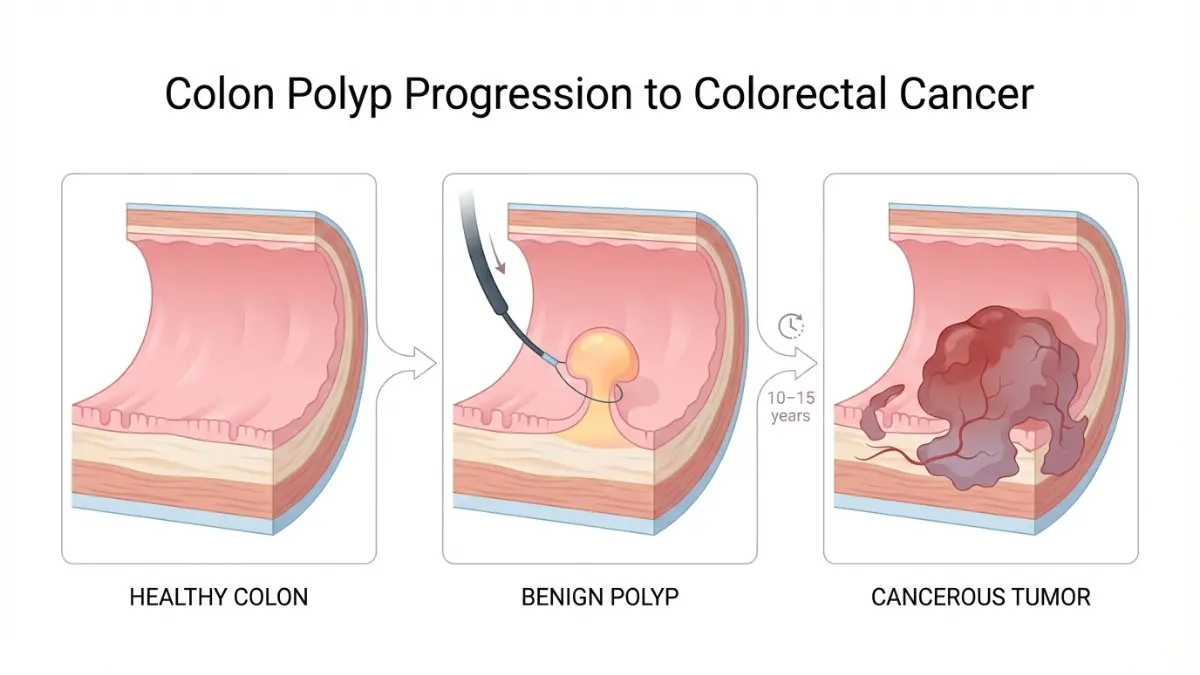
What This Means For You: Don’t delay screening because you feel healthy. Most early-stage colorectal cancers produce no symptoms—screening detects cancer before symptoms develop, when treatment success rates exceed 90%.
What Happens During Diagnosis
When bowel cancer symptoms prompt evaluation, physicians follow systematic diagnostic protocols to confirm or exclude colorectal cancer.
Initial evaluation includes:
- Medical history review: Symptom timeline, family history, risk factor assessment
- Physical examination: Abdominal palpation, digital rectal exam
- Blood tests: Complete blood count (CBC) for anemia, liver function tests, carcinoembryonic antigen (CEA) tumor marker
Understanding blood test results helps identify concerning patterns. Our CBC Blood Test Results guide explains what different values indicate about your health status.
Diagnostic imaging and procedures:
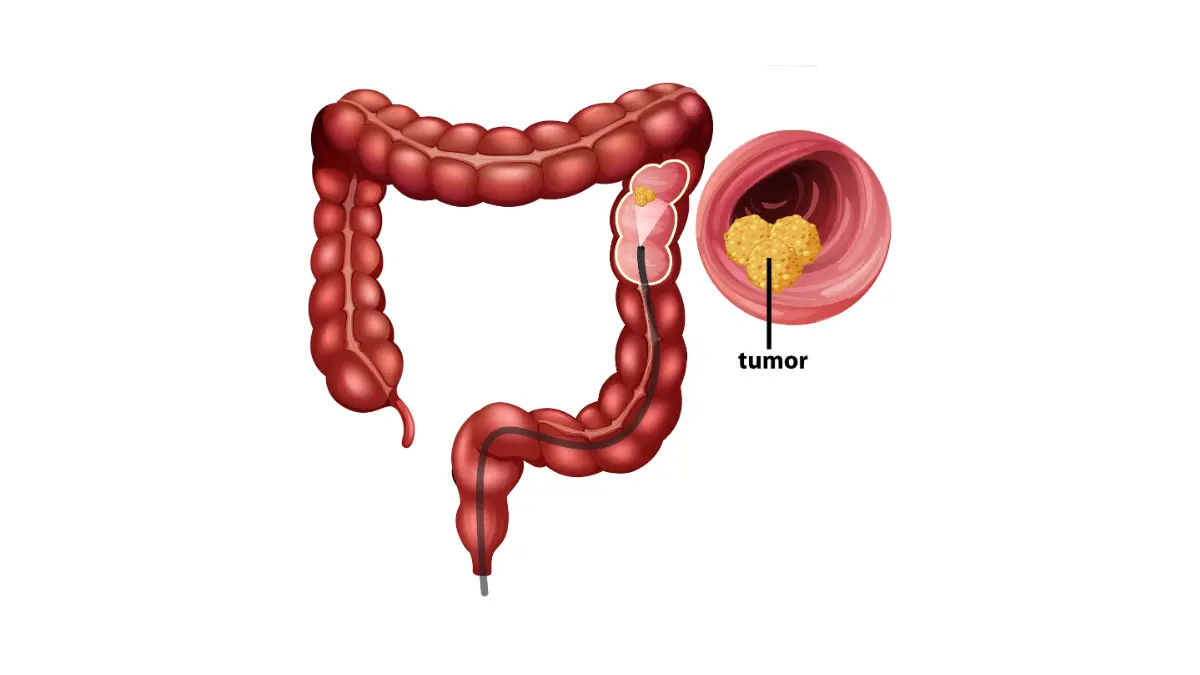
- Colonoscopy with biopsy: Definitive diagnostic procedure visualizing entire colon and collecting tissue samples for pathological analysis
- CT scan: Evaluates tumor extent and checks for metastatic spread to liver, lungs, or other organs
- MRI: Particularly useful for rectal cancer staging and surgical planning
- PET scan: Advanced imaging for detecting distant metastases in select cases
Staging process determines treatment:
After colorectal cancer diagnosis, physicians assign a stage (I-IV) based on tumor size, lymph node involvement, and metastasis presence. Staging directly determines treatment approach and prognosis, with stage I cancers having 92% five-year survival versus 14% for stage IV.
Timeline expectations from symptom to diagnosis:
- Initial consultation: Within 1-2 weeks of contacting physician
- Colonoscopy scheduling: 2-4 weeks for symptomatic patients (expedited if alarm symptoms present)
- Biopsy results: 3-7 days after colonoscopy
- Complete staging: 1-2 weeks after diagnosis confirmation
What This Means For You: Understanding the diagnostic timeline reduces anxiety and helps you advocate for appropriate urgency. If you have multiple bowel cancer symptoms or high-risk factors, request expedited colonoscopy scheduling rather than waiting standard timeframes.
Prevention, Survival & Living With Risk
Reducing Your Risk: Prevention Strategies That Work
While genetics play a role in colorectal cancer development, evidence-based lifestyle modifications significantly reduce bowel cancer risk. Research demonstrates that up to 50% of colorectal cancers could be prevented through modifiable risk factor management.
Evidence-Based Prevention Methods
The Centers for Disease Control and Prevention identifies five primary strategies for reducing colorectal cancer risk:
Dietary modifications:
- Increase fiber intake to 25-35 grams daily: Whole grains, fruits, vegetables, and legumes provide protective fiber that reduces bowel transit time and may bind carcinogens
- Eat colorful vegetables and fruits: Cruciferous vegetables (broccoli, Brussels sprouts, cauliflower) contain compounds that may inhibit cancer cell growth
- Limit red and processed meat: Restrict consumption to 2-3 servings weekly maximum; processed meats carry highest risk
- Choose healthy fats: Omega-3 fatty acids from fish, nuts, and seeds show protective effects
- Adequate calcium and vitamin D: Dairy products, fortified foods, and supplementation when indicated
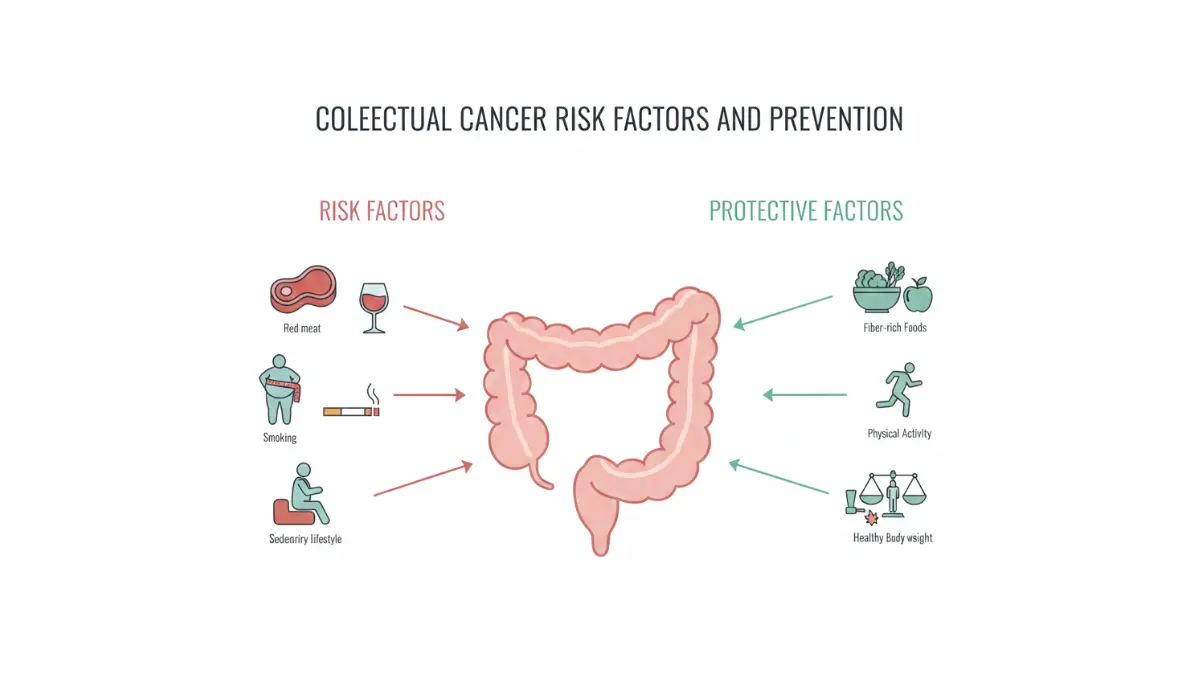
Calculate your optimal nutritional needs using our Protein Intake Calculator and Macro Calculator to ensure balanced intake supporting cancer prevention.
Physical activity and weight management:
- Exercise 150+ minutes weekly: Moderate-intensity aerobic activity reduces colorectal cancer risk by 20-30%
- Maintain healthy body weight: Obesity increases colorectal cancer risk by 30-50%; weight loss in overweight individuals lowers risk
- Reduce sedentary time: Even with regular exercise, prolonged sitting increases risk
Lifestyle modifications:
- Avoid tobacco products: Smoking increases colorectal cancer risk by 18%
- Limit alcohol consumption: More than 2 drinks daily for men or 1 for women elevates risk
- Consider aspirin therapy: For high-risk patients, low-dose aspirin (75-100mg daily) may reduce colorectal cancer risk by 25-40%, though bleeding risks require physician consultation
What This Means For You: Prevention starts today. Small dietary changes—adding one serving of vegetables daily, replacing red meat with fish twice weekly, or walking 30 minutes five days weekly—compound over time to substantially reduce colorectal cancer risk.
Survival Rates and What They Mean
Understanding colorectal cancer survival rates provides both hope and urgency for early detection. Five-year survival varies dramatically by stage at diagnosis:
Stage-specific 5-year survival rates:
- Stage I (localized, inner colon layers): 91-92%
- Stage II (through colon wall, no lymph nodes): 81-83%
- Stage III (spread to lymph nodes): 37-64% depending on extent
- Stage IV (metastatic disease): 4-14%
These statistics underscore a critical reality: colorectal cancer detected at localized stages has over 90% survival, while metastatic disease carries less than 15% five-year survival. The difference between stage I and stage IV survival exceeds 75 percentage points—a gap closed only through early detection via screening or symptom recognition.
Recent treatment advances improving outcomes:
- Targeted therapies (cetuximab, bevacizumab) for advanced disease
- Immunotherapy for microsatellite instability-high (MSI-H) tumors
- Minimally invasive surgical techniques reducing recovery time
- Personalized treatment based on tumor genetic profiling
What This Means For You: These survival statistics aren’t meant to frighten—they’re meant to empower. Recognizing bowel cancer symptoms early, beginning screening at age 45, and seeking immediate evaluation for persistent warning signs transforms prognosis from poor to excellent.
Living With High Risk: What You Need to Know
Individuals with elevated colorectal cancer risk require enhanced vigilance beyond standard screening protocols.
Enhanced surveillance for high-risk patients:
- Lynch syndrome carriers: Colonoscopy every 1-2 years starting age 20-25
- Personal history of polyps: Follow-up colonoscopy in 3-5 years depending on polyp characteristics
- Inflammatory bowel disease: Surveillance colonoscopy every 1-3 years after 8 years of disease
- Strong family history: Begin screening 10 years before youngest affected relative’s diagnosis age
Communicating cancer risk with family members:
If you’re diagnosed with colorectal cancer, especially before age 60, inform first-degree relatives (parents, siblings, children) immediately. They should begin screening earlier and may benefit from genetic counseling to assess hereditary syndrome risk. Use our Genetic Risk Assessment Tool to evaluate whether genetic testing is appropriate.
Mental health support matters:
Living with high cancer risk or recovering from colorectal cancer diagnosis creates significant psychological stress. Anxiety about symptoms, fear of recurrence, and lifestyle adjustment challenges are normal responses requiring support. Consider connecting with cancer support groups, mental health professionals specializing in oncology, or exploring evidence-based anxiety reduction strategies.
Sarah’s Story: The Power of Early Action
Remember Sarah from our introduction—the 38-year-old who dismissed her bowel cancer symptoms for seven months? After completing treatment, Sarah now advocates tirelessly for symptom awareness. Her colonoscopy revealed a stage III tumor requiring surgery and chemotherapy, but she achieved remission.
Sarah’s message resonates powerfully: “I thought I was too young for colon cancer. I thought the bleeding was hemorrhoids. I thought the fatigue was just stress. Every assumption cost me months when early treatment would have meant better outcomes.” Today, Sarah emphasizes the two-week rule—any persistent bowel cancer symptom lasting more than 14 days requires medical evaluation, regardless of age.
Her story illustrates why combining symptom recognition with regular screening saves lives. Early detection through awareness transformed Sarah’s prognosis from uncertain to hopeful.
What This Means For You: You now understand the nine critical bowel cancer symptoms, when they appear, who faces elevated risk, and exactly when to seek medical care. Share this knowledge with family and friends. Advocate for yourself if symptoms persist. Begin screening at 45 or earlier with risk factors. Early action—whether through symptom recognition or preventive screening—remains your most powerful tool against colorectal cancer.
Frequently Asked Questions About Bowel Cancer Symptoms
1. What are the first signs of bowel cancer?
The earliest signs of bowel cancer include rectal bleeding or blood in stool, persistent changes in bowel habits lasting more than two weeks, and chronic abdominal pain or cramping. Many patients also experience unexplained fatigue and iron deficiency anemia months before diagnosis.
2. How long can you have bowel cancer without knowing?
Bowel cancer can develop silently for years without symptoms, particularly in early stages. Research shows that warning signs typically appear 3 months to 2 years before diagnosis, though some patients remain asymptomatic until advanced stages.
3. What does bowel cancer stomach pain feel like?
Bowel cancer abdominal pain typically presents as persistent cramping or sharp pain in the lower abdomen that doesn’t resolve. Unlike temporary digestive discomfort, this pain lasts for weeks and may worsen after eating or before bowel movements.
4. Can bowel cancer symptoms come and go?
Yes, bowel cancer symptoms can fluctuate in intensity, appearing intermittently rather than constantly. However, the pattern persists over weeks to months rather than resolving completely, distinguishing it from temporary digestive issues.
5. At what age should I worry about bowel cancer symptoms?
While colorectal cancer traditionally affects adults over 50, cases in people under 45 have increased by 20% in recent decades. Anyone experiencing persistent bowel cancer symptoms for more than two weeks should seek medical evaluation regardless of age.
6. Is blood in stool always cancer?
No, blood in stool is not always cancer—hemorrhoids, anal fissures, and inflammatory bowel disease cause most cases. However, approximately 5-10% of patients with rectal bleeding have colorectal cancer, so medical evaluation is essential to determine the cause.
7. How do you rule out bowel cancer?
Colonoscopy remains the gold standard for ruling out bowel cancer, allowing direct visualization of the entire colon and tissue biopsy if needed. Additional tests include FIT (fecal immunochemical test), CT colonography, and blood tests for anemia.
8. Can you have bowel cancer with normal bowel movements?
Yes, early-stage bowel cancer can exist without bowel movement changes, especially if the tumor is small or located in areas that don’t obstruct stool passage. This is why screening colonoscopy at age 45 is recommended even without symptoms.
9. What is the survival rate for bowel cancer if caught early?
When detected at stage I (localized disease), bowel cancer has a 91-92% five-year survival rate. Early detection through screening or symptom recognition dramatically improves outcomes compared to late-stage diagnosis.
10. How quickly does bowel cancer spread?
Bowel cancer progression varies significantly—some tumors grow slowly over 10-15 years from polyp to cancer, while others progress more rapidly. Early-onset colorectal cancers tend to be more aggressive, making prompt evaluation of symptoms critical.
11. Should I get a colonoscopy if I have bowel cancer symptoms?
Yes, persistent bowel cancer symptoms—including rectal bleeding, bowel habit changes, abdominal pain, or unexplained weight loss lasting more than two weeks—warrant colonoscopy evaluation. Don’t wait for symptoms to worsen; early diagnosis saves lives.
About this content
How this article was put together: researched from recognised health sources, drafted with the help of AI tools, and edited by hand, with sources linked throughout.

Sameer Patel is the founder and editor of My Medicine Advisor. He is not a doctor or medical professional — before starting this site he worked in banking,…
Medical disclaimer
The content on MyMedicineAdvisor is provided for general informational and educational purposes only and is not a substitute for professional medical advice, diagnosis, or treatment. Health information on this website should not be used to diagnose, treat, cure, or prevent any condition without guidance from a qualified healthcare professional. Always seek the advice of your doctor, physician, or another licensed healthcare provider with any questions you may have regarding a medical condition, symptoms, medications, or treatment decisions.