
On This Page – Quick Medical Summary
When Jennifer opened her patient portal at 7 AM, she stared at her COVID antibody test results: IgG 2.1, IgM negative. Her first thought? “Is this good or bad?” If you’re reading this with your own test results in hand, feeling the same confusion, you’re not alone.
Here’s what your COVID antibody numbers mean: Values below 0.8 U/mL indicate no detectable antibodies, while 0.8-1.4 U/mL falls in a borderline range. Numbers from 1.4-10 U/mL show a positive but low antibody response, 10-100 U/mL indicates moderate levels, 100-800 U/mL represents strong immunity, and values above 800 U/mL (up to 2,500+) demonstrate very high antibody levels from recent vaccination or infection.
Why Understanding Your COVID Antibody Results Matters in 2026
Your antibody test numbers tell a story about your immune system’s encounter with SARS-CoV-2. Whether you’ve been vaccinated, recovered from infection, or both, these values help you and your doctor make informed decisions about booster timing, travel safety, and protecting vulnerable family members.
The Centers for Disease Control and Prevention emphasizes that antibody testing serves as one piece of the immunity puzzle—not a complete picture. However, understanding what your specific numbers mean can reduce anxiety and guide practical health decisions.
What You’ll Learn in This Guide
This comprehensive breakdown covers:
- How to interpret IgG, IgM, and spike protein antibody levels
- What numbers like 1.4, 100, and 2,500 actually indicate
- When your antibody levels suggest you need a booster
- Real patient examples with actionable next steps
- 2026-specific data on current COVID variants
Similar to understanding other lab results like TSH levels or CBC test values, COVID antibody numbers require context to interpret correctly.
Medical Disclaimer: This article provides educational information about COVID antibody test results. It is not a substitute for professional medical advice, diagnosis, or treatment. Always consult your healthcare provider about your specific test results and health decisions.
Understanding COVID Antibody Test Basics
What Are COVID Antibodies and Why Test for Them?
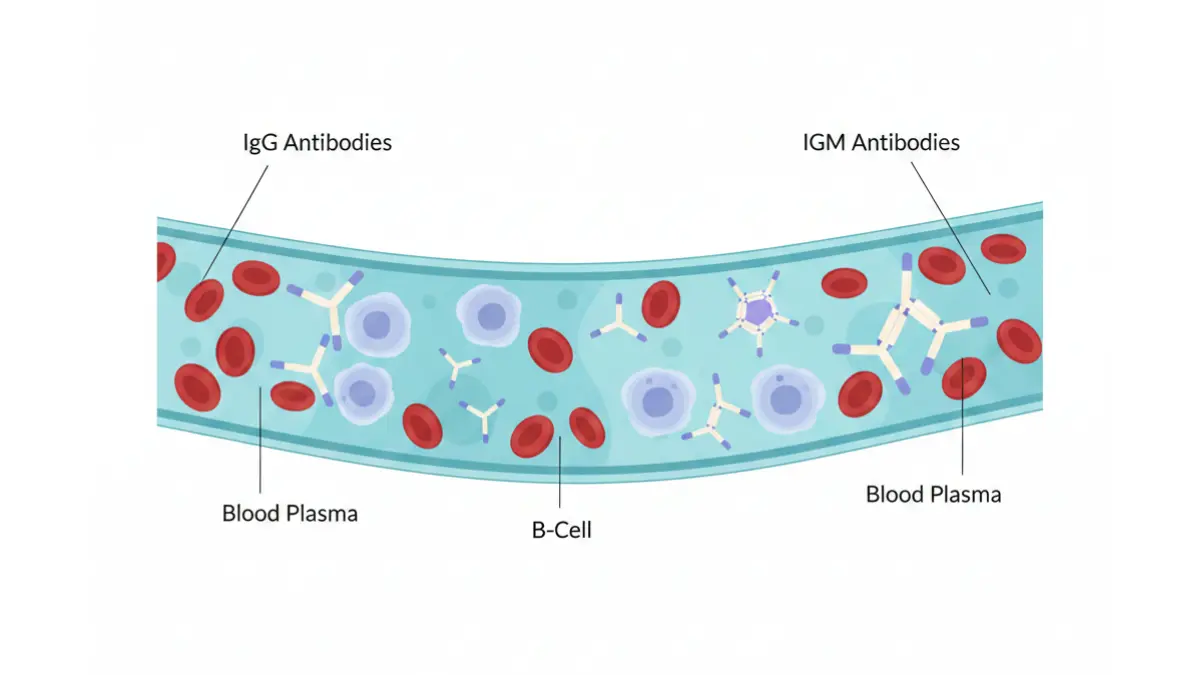
Antibodies are specialized proteins your immune system produces when it detects the SARS-CoV-2 virus—either through infection or vaccination. Think of them as your body’s security guards that remember past intruders and prepare to fight them off if they return.
The National Institutes of Health research shows that antibody production typically begins 5-10 days after exposure. These proteins circulate in your bloodstream, ready to neutralize the virus before it can cause severe illness.
Types of COVID Antibodies: IgG, IgM, and Spike Protein
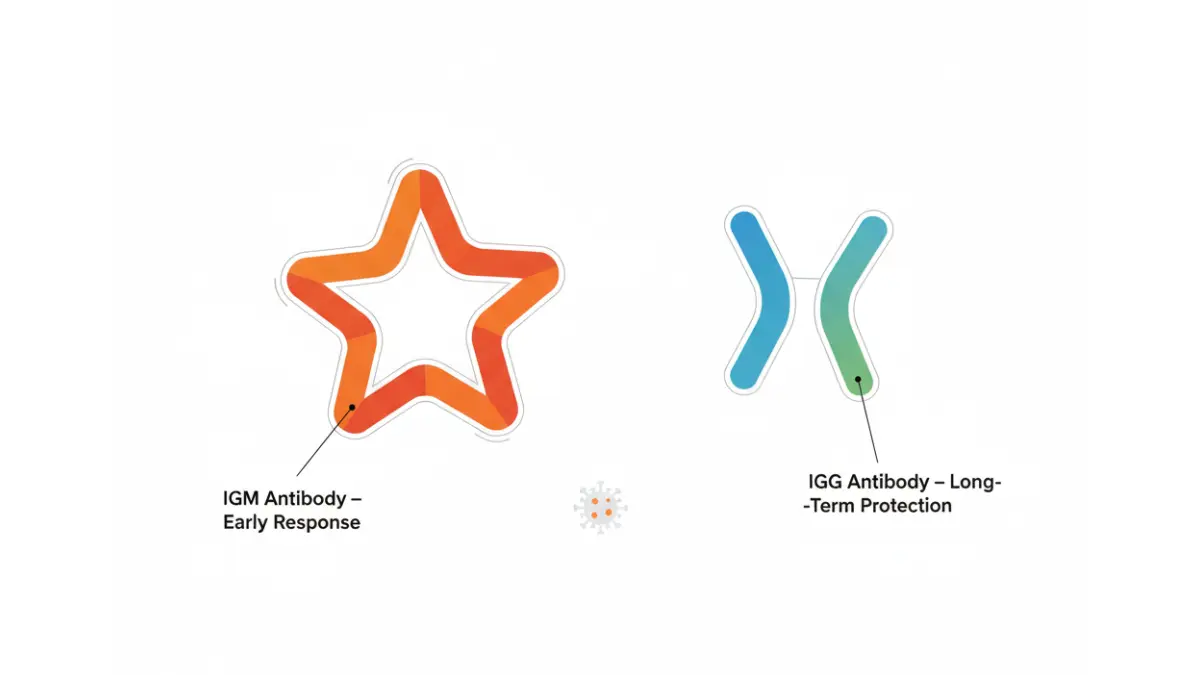
Your body produces several types of antibodies in response to COVID-19:
IgM Antibodies (Early Response)
- Appear first, usually 5-7 days after infection
- Indicate recent or active infection
- Typically decline after 4-8 weeks
- Shorter-lived protection
IgG Antibodies (Long-Term Response)
- Develop 2-3 weeks after infection or vaccination
- Provide longer-lasting immunity
- Can persist for months to years
- Most commonly measured in antibody tests
Spike Protein Antibodies
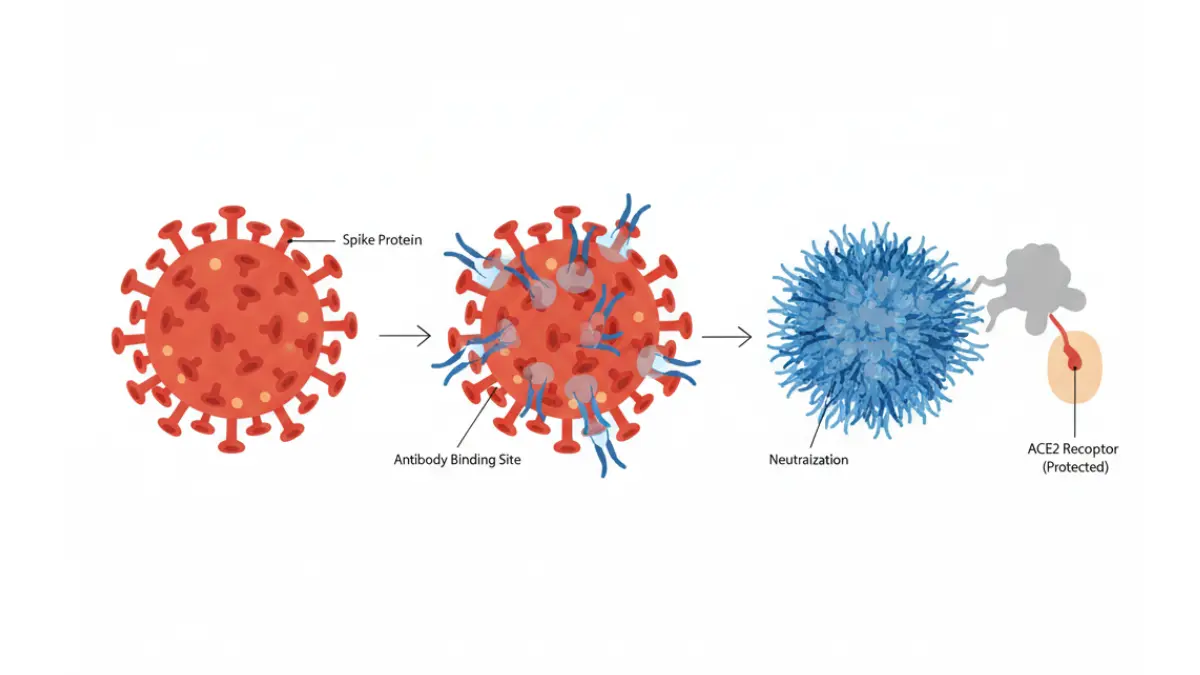
- Target the virus’s spike protein specifically
- Generated by both infection and mRNA vaccines
- Measured to assess vaccine response
- Key indicator of neutralizing capacity
When Antibodies Appear After Infection or Vaccination
Understanding the timeline helps interpret your results accurately. According to Johns Hopkins Medicine, antibody development follows predictable patterns:
| Timeline | IgM Level | IgG Level | What It Means |
|---|---|---|---|
| Days 0-4 | Negative | Negative | Too early to detect |
| Days 5-14 | Rising | Low/Negative | Acute infection phase |
| Days 15-30 | Peak | Rising | Active antibody production |
| Days 31-90 | Declining | Peak | Recent infection/vaccination |
| 3-6 months | Negative | Moderate | Established immunity |
| 6-12 months | Negative | Lower | Waning immunity |
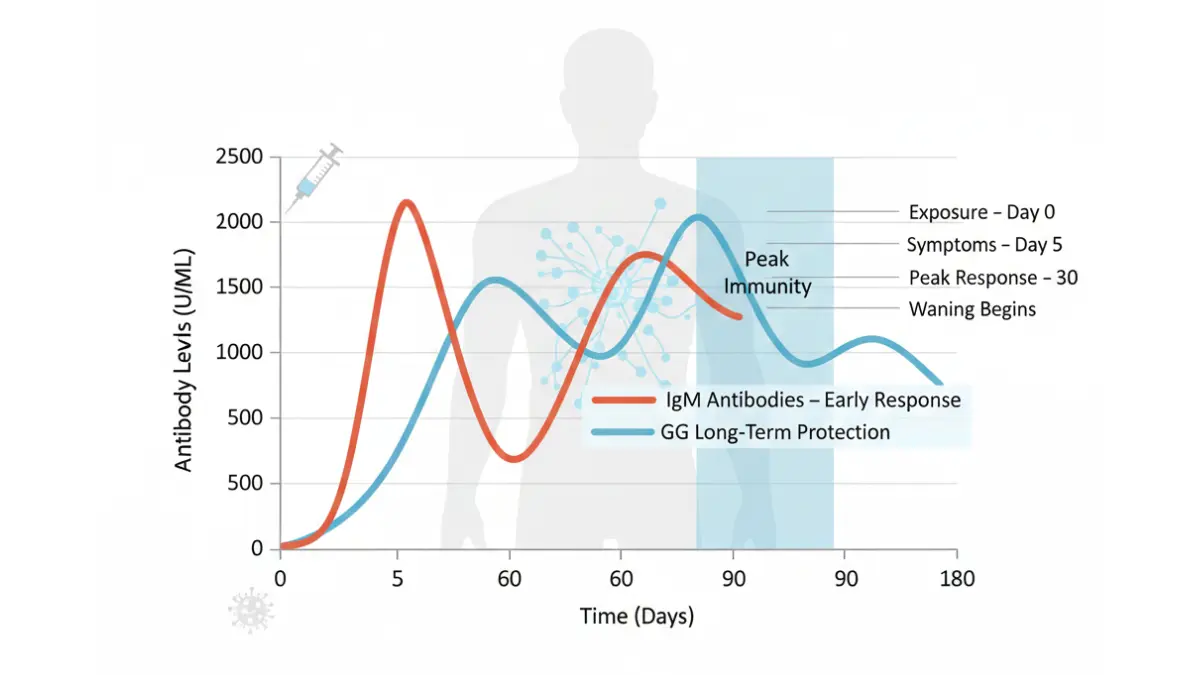
Michael, a 42-year-old teacher, tested 10 days after COVID symptoms started. His IgM was positive but IgG remained negative—perfectly normal timing. When he retested at 4 weeks, his IgG had risen to 85 U/mL while IgM was declining.
The key is testing at the right time. Just as checking your blood sugar levels requires proper timing, antibody tests work best when performed 2-3 weeks after suspected exposure or vaccination to allow adequate antibody development.
If you’ve experienced recent symptoms, our Symptom Checker can help determine whether COVID testing might be appropriate before antibody testing.
COVID Antibody Number Ranges Explained
What Your COVID Antibody Test Numbers Actually Mean
The most confusing part of receiving antibody test results isn’t getting the numbers—it’s understanding what they mean for your health. Let’s decode the specific values you might see on your lab report.
IgG Antibody Levels: Complete Range Breakdown
Most COVID antibody tests report results in Units per milliliter (U/mL) or Arbitrary Units per milliliter (AU/mL). The Food and Drug Administration provides standardization guidelines for interpreting these measurements.
| Antibody Level (U/mL) | Result Category | Interpretation | Likely Scenario |
|---|---|---|---|
| <0.8 | Negative | No antibodies detected | Never infected/vaccinated or fully waned |
| 0.8-1.4 | Borderline | Equivocal result | Early antibody development or very low levels |
| 1.4-10 | Positive (Low) | Weak antibody response | Distant infection (6+ months) or poor vaccine response |
| 10-100 | Positive (Moderate) | Good antibody response | Recent vaccination or infection (3-6 months) |
| 100-800 | Positive (Strong) | Robust antibody response | Recent booster or active infection recovery |
| 800-2,500 | Positive (Very Strong) | Excellent antibody response | Peak immunity (1-3 months post-exposure) |
| >2,500 | Maximum Limit | Exceeds reporting range | Very recent vaccination or hybrid immunity |
Real Patient Examples: What These Numbers Mean
Case 1: Rachel’s Result – IgG 3.2, IgM Negative
Rachel, a 38-year-old nurse, received her results 8 months after her last COVID booster. Her IgG level of 3.2 U/mL indicated waning antibody levels. Her doctor recommended considering another booster, especially given her healthcare exposure risk.
What this means: Low positive results suggest previous immunity that’s declining. While some protection remains, enhanced protection through boosting may be beneficial for high-risk individuals.
Case 2: David’s Result – IgG 450, IgM Positive
David tested 3 weeks after recovering from COVID-19 symptoms. His high IgG combined with positive IgM showed recent active infection. His antibody levels indicated strong natural immunity development.
What this means: High IgG plus positive IgM confirms recent infection with robust antibody response. No immediate vaccination needed; retest in 3-6 months to monitor levels.
Case 3: Lisa’s Result – IgG 0.5, IgM Negative
Lisa, who avoided both infection and vaccination, showed no detectable antibodies. Her healthcare provider strongly recommended the updated 2026 vaccine for protection against current variants like JN.1.
What this means: Negative results indicate no immunity from previous infection or vaccination. Vaccination is strongly recommended, particularly for individuals with health conditions that might be tracked using tools like our BMI Calculator.
IgM Antibody Results: Positive vs Negative
IgM testing provides additional context about infection timing:
IgM Positive:
- Indicates infection within the past 4-8 weeks
- Suggests active or recent antibody production
- May require confirmatory PCR testing if symptoms present
- Understanding COVID PCR results alongside antibody tests provides complete picture
IgM Negative:
- No recent acute infection
- Either never infected, distant infection, or vaccination-only immunity
- Normal finding 2+ months post-infection
Lab Variations: Quest vs LabCorp vs Others
Different testing laboratories use varying measurement scales. Quest Diagnostics reports up to 800 AU/mL with a positive cutoff at ≥0.8, while LabCorp’s semi-quantitative test reports up to 2,500 U/mL. Understanding these variations prevents confusion when comparing results from different facilities.
COVID Antibody Levels After Vaccination vs Infection
How Vaccination and Natural Infection Affect Your Antibody Numbers
The source of your antibodies—whether from vaccines, natural infection, or both—significantly impacts the numbers you’ll see on test results. Research from Harvard Medical School demonstrates distinct antibody patterns based on exposure type.
Typical Antibody Levels After COVID Vaccines (2026 Data)
mRNA vaccines (Pfizer-BioNTech and Moderna) typically generate robust antibody responses within 2-4 weeks. The updated 2026 formulations target currently circulating variants including JN.1 and XBB sublineages.
Expected antibody levels post-vaccination:
- 1-2 months after vaccination: 500-1,000 AU/mL (typical range)
- 3-4 months after vaccination: 200-500 AU/mL (gradual decline)
- 5-6 months after vaccination: 100-300 AU/mL (continued waning)
- 6+ months after vaccination: 50-150 AU/mL (significantly reduced)
These ranges vary based on age, immune system function, and prior exposure history. Individuals managing chronic conditions that affect immunity may see lower responses, similar to how metabolic factors tracked through our Metabolic Syndrome screening can impact overall health outcomes.
Natural Infection Antibody Patterns
COVID-19 infection typically produces different antibody patterns compared to vaccination. Natural infection generates antibodies against multiple viral proteins, including both spike and nucleocapsid proteins.
Post-infection antibody ranges:
- Mild infection: 100-500 AU/mL at peak (2-4 weeks post-symptoms)
- Moderate infection: 500-1,500 AU/mL at peak
- Severe infection: 1,500-2,500+ AU/mL at peak
- Asymptomatic infection: 50-200 AU/mL (often lower, may go undetected)
Hybrid Immunity: Vaccinated + Infected Numbers
The most robust antibody responses occur in individuals with hybrid immunity—those who’ve been both vaccinated and naturally infected. The National Institute of Allergy and Infectious Diseases confirms this provides superior protection.
Hybrid immunity typical ranges:
- Peak levels: 800-2,500+ AU/mL
- 6-month levels: 300-800 AU/mL (higher persistence than infection or vaccination alone)
- Duration: Extended protection lasting 12+ months
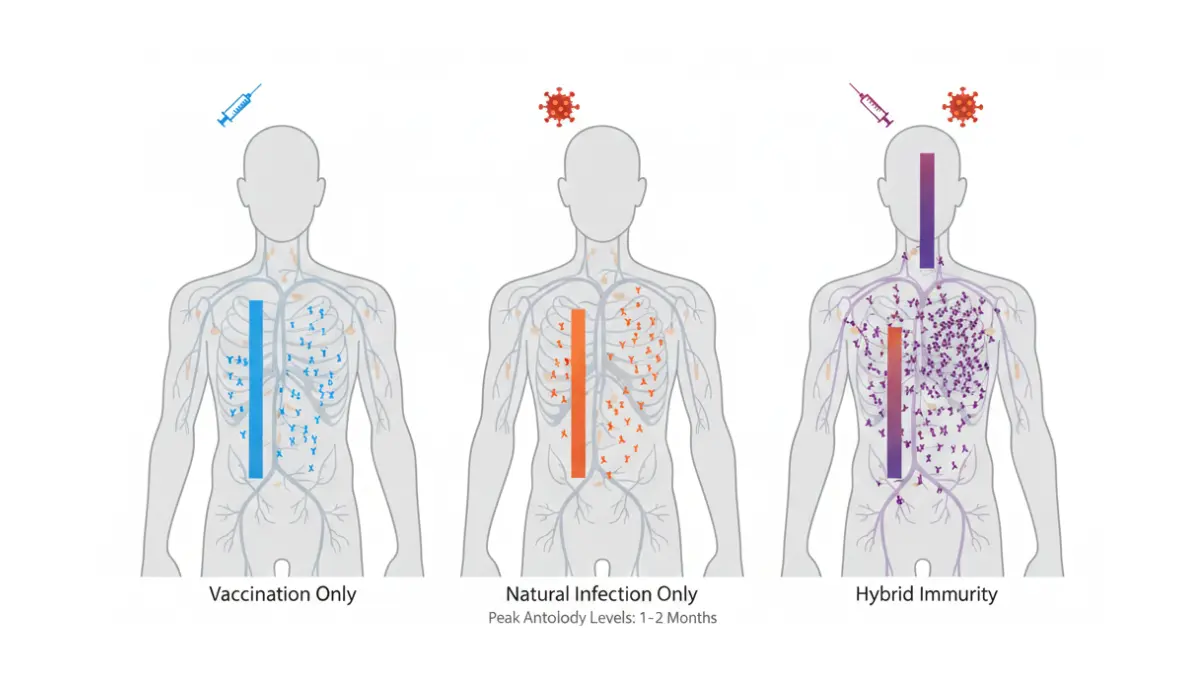
Carlos, a 55-year-old with two vaccinations who then contracted COVID-19, showed antibody levels of 1,850 AU/mL three weeks after recovery—significantly higher than vaccination alone would produce.
How Long Do Antibody Levels Last?
Antibody persistence varies considerably between individuals. Current 2026 data shows:
| Time Period | Vaccination Only | Infection Only | Hybrid Immunity |
|---|---|---|---|
| 1-3 months | High (500-1000) | Moderate-High (300-800) | Very High (1000-2500+) |
| 4-6 months | Moderate (200-500) | Moderate (200-500) | High (500-1000) |
| 7-12 months | Low-Moderate (100-300) | Low-Moderate (100-300) | Moderate-High (300-600) |
| 12+ months | Low (50-150) | Low (50-150) | Moderate (200-400) |
Key factors affecting antibody persistence:
- Age (older adults may see faster decline)
- Immune system health (check using our Genetic Risk Assessment Tool)
- Underlying health conditions
- Time since last exposure
- Variant type encountered
Understanding your antibody trajectory helps time booster doses optimally, similar to how monitoring other lab values like HbA1c levels guides diabetes management decisions.
2026 Variant Protection Updates
Current circulating variants require updated protection strategies. The JN.1 variant and its descendants show some immune evasion, meaning previous antibody levels may provide less protection than against earlier strains. The CDC’s January 2026 guidelines recommend booster consideration when antibody levels fall below 100 U/mL, particularly for high-risk populations.
What to Do Based on Your Antibody Results
Your Action Plan: What Your COVID Antibody Numbers Mean for You
Now that you understand your numbers, the critical question becomes: what should you do? Here’s your evidence-based action plan based on specific antibody level ranges.
When to Consider a Booster Shot
The decision to get a booster depends on multiple factors beyond just your antibody number. CDC booster guidelines emphasize both antibody levels and individual risk factors.
Booster Decision Matrix:
| Your IgG Level | Time Since Last Vaccine/Infection | Recommended Action |
|---|---|---|
| <10 U/mL | >6 months | Booster recommended – Low protection |
| 10-100 U/mL | >6 months | Consider booster – Moderate protection waning |
| 10-100 U/mL | <6 months | Monitor – Adequate recent protection |
| 100-800 U/mL | >9 months | Consider booster – Strong but declining |
| 100-800 U/mL | <6 months | Wait – Excellent protection |
| >800 U/mL | Any timeframe | Wait – Peak immunity present |
Additional considerations:
- High-risk occupations (healthcare, teaching)
- Underlying health conditions
- Immunocompromised status
- Upcoming travel to high-transmission areas
- Living with vulnerable individuals
If Your Results Are Borderline (0.8-1.4 U/mL)
Borderline results create the most uncertainty. Here’s how to navigate this gray zone:
Immediate steps:
- Verify test timing – Was testing done too early (less than 2 weeks post-exposure)?
- Check test type – Different assays have different sensitivity levels
- Consider retesting – Repeat in 2-4 weeks to see if levels are rising or falling
- Assess symptoms – Recent illness suggests rising antibodies
Marcus received a borderline result of 1.2 U/mL six weeks after vaccination. His doctor recommended retesting in 3 weeks. The second test showed 8.5 U/mL, confirming a delayed but adequate antibody response.
What to Do If You Have No Antibodies
An antibody level below 0.8 U/mL indicates no detectable immunity from previous infection or vaccination. This finding requires action:
Your 3-step plan:
- Schedule vaccination immediately – Unvaccinated individuals should receive the updated 2026 COVID vaccine series
- Practice enhanced precautions – Mask in crowded indoor spaces, improve ventilation
- Retest 4 weeks post-vaccination – Confirm adequate antibody response developed
For individuals with complex health conditions, understanding baseline health through tools like our Symptom Checker helps identify any issues that might affect vaccine response.
Special Considerations for Immunocompromised Individuals
People with weakened immune systems require modified interpretation of antibody results. Conditions affecting immunity include:
- Active cancer treatment
- Organ transplant recipients on immunosuppressants
- HIV with low CD4 counts
- Autoimmune diseases on biologic therapies
- Chronic kidney disease
For immunocompromised patients:
- Target antibody levels may need to be higher (>200 U/mL)
- More frequent boosters may be necessary (every 4-6 months)
- Consider monoclonal antibody treatment discussions
- Additional protection strategies remain crucial regardless of antibody levels
Similar to how hepatitis panel results require special interpretation in immunocompromised patients, COVID antibody levels need adjusted thresholds for these populations.
Questions to Ask Your Doctor
Bring these evidence-based questions to your next appointment:
✓ “Which specific antibody test did I receive?” (spike vs nucleocapsid, quantitative vs qualitative)
✓ “How does my number compare to expected levels for my age and health status?”
✓ “Based on my antibody level, when should I get my next booster?”
✓ “Should I retest, and if so, when?”
✓ “Do my other health conditions affect how we interpret these results?”
✓ “Are there any activities I should avoid given my current antibody status?”
Having your results alongside other relevant health metrics—such as those from our CBC blood test guide—helps your doctor make comprehensive recommendations.
Frequently Asked Questions About COVID Antibody Numbers
1. Is 1.4 a good COVID antibody level?
A level of 1.4 U/mL sits right at the positive threshold cutoff. It indicates minimal antibody presence—enough to be considered positive but quite low. Most people with strong immunity have levels above 10 U/mL. Consider retesting in 2-4 weeks or discussing booster vaccination with your healthcare provider.
2. What does IgG 100 mean?
An IgG level of 100 U/mL represents a moderate-to-strong antibody response. This typically indicates vaccination within the past 4-6 months or recovery from infection within a similar timeframe. At this level, you likely have good protection against severe disease, though protection against mild infection may be lower.
3. Can I have antibodies without testing positive for COVID?
Yes, absolutely. Many COVID infections are asymptomatic—estimates suggest 30-40% of cases produce no noticeable symptoms. If you developed antibodies without knowing you were infected, you’ll test positive for antibodies despite never having a confirmed COVID diagnosis. Vaccination also produces antibodies without infection.
4. Do high antibody numbers mean I’m immune to COVID?
High antibody numbers indicate strong immune response, but “immune” is misleading. Even with antibody levels above 2,500 U/mL, breakthrough infections remain possible, especially with newer variants. However, high antibody levels significantly reduce your risk of severe disease, hospitalization, and death. Think of antibodies as armor—excellent protection but not impenetrable.
5. How often should I test antibody levels?
For most people, testing every 6 months provides adequate monitoring. However, immunocompromised individuals might benefit from testing every 3-4 months. There’s no medical necessity for monthly testing unless you’re participating in research studies. Focus testing around major decisions like international travel or before visiting vulnerable family members.
6. What’s the difference between 800 and 2,500 U/mL?
Both represent very high antibody levels indicating excellent recent immune response. The difference is magnitude—2,500 U/mL suggests more recent vaccination or infection (typically within 4-8 weeks) while 800 U/mL might indicate 8-12 weeks post-exposure. Practically, both provide strong protection; the higher number doesn’t necessarily mean better long-term immunity.
7. Can antibody tests detect all COVID variants?
Most current antibody tests detect antibodies against the spike protein, which remains relatively conserved across variants. However, immune evasion by new variants means your antibodies might be less effective against newer strains even if detected. Tests don’t distinguish which variants your antibodies can neutralize—just that antibodies are present.
8. Why did my antibody level decrease over time?
Antibody levels naturally decline after vaccination or infection—this is normal immune system behavior. Your body doesn’t maintain peak antibody production indefinitely. Instead, immune memory cells remain ready to rapidly produce new antibodies if you encounter the virus again. Declining antibodies don’t mean disappearing immunity, just a shift to memory-based protection.
9. Are negative results after vaccination normal?
It’s uncommon but possible. About 5-10% of people may test negative on certain antibody tests even after successful vaccination. This can happen if the test measures nucleocapsid antibodies (only from infection) rather than spike protein antibodies (from vaccination). Always verify which specific antibody type your test measures before interpreting results.
10. What’s considered a protective antibody level in 2026?
There’s no universally agreed “protective threshold” because protection exists on a spectrum. However, research suggests levels above 100 U/mL correlate with significantly reduced severe disease risk. The absence of a specific cutoff reflects immunity’s complexity—antibodies are just one component alongside T-cells and B-cells that tests don’t measure.
11. Should I get tested before traveling internationally?
Antibody testing before travel can inform personal risk assessment but isn’t typically required for entry to most countries in 2026. If traveling to high-transmission areas or visiting vulnerable relatives, knowing your antibody status helps gauge whether a pre-travel booster makes sense. Focus more on vaccination status than specific antibody numbers for travel decisions.
Understanding Your COVID Antibody Numbers: Key Takeaways
Your COVID antibody test results provide valuable insight into your immune response history. Whether you see 1.4, 100, or 2,500 on your lab report, context matters more than the number alone.
Remember these essential points:
✓ Numbers below 0.8 U/mL indicate no detectable antibodies—vaccination recommended
✓ Levels between 1.4-100 U/mL suggest previous immunity that may be waning
✓ Results above 100 U/mL indicate strong recent immune response
✓ Antibody levels naturally decline over time—this doesn’t mean immunity disappears
✓ Your personal health status, age, and risk factors matter as much as the numbers
Jennifer from our opening story? After understanding her 2.1 result indicated low but present antibodies from a vaccination 10 months prior, she scheduled a booster and felt empowered rather than anxious. Understanding your numbers transforms confusion into informed action.
Take your results to your healthcare provider, ask specific questions using our guide above, and make decisions based on your complete health picture. Antibody testing is one tool among many—alongside vaccination status, exposure history, and overall health—that helps you navigate COVID protection in 2026.
For more guidance on interpreting medical test results, explore our comprehensive guides on STI test results and vitamin D levels.
Stay informed, stay protected, and remember: understanding your numbers is the first step toward confident health decisions. Visit MyMedicineAdvisor for more evidence-based health guidance you can trust.
About this content
How this article was put together: researched from recognised health sources, drafted with the help of AI tools, and edited by hand, with sources linked throughout.

Sameer Patel is the founder and editor of My Medicine Advisor. He is not a doctor or medical professional — before starting this site he worked in banking,…
Medical disclaimer
The content on MyMedicineAdvisor is provided for general informational and educational purposes only and is not a substitute for professional medical advice, diagnosis, or treatment. Health information on this website should not be used to diagnose, treat, cure, or prevent any condition without guidance from a qualified healthcare professional. Always seek the advice of your doctor, physician, or another licensed healthcare provider with any questions you may have regarding a medical condition, symptoms, medications, or treatment decisions.