
On This Page – Quick Medical Summary
What Is Buccal Fat Removal? The Celebrity-Trendy Cheek Surgery Explained
Buccal fat removal, also known as buccal lipectomy or cheek reduction surgery, is a cosmetic surgical procedure that permanently removes the buccal fat pad—a naturally occurring pocket of fat located in the lower cheeks between the facial muscles. The 20-30 minute outpatient buccal fat removal procedure creates a more sculpted, contoured facial appearance by reducing cheek fullness and enhancing cheekbone definition.
When 32-year-old model Chrissy Teigen casually revealed on Instagram in 2021 that she “did that buccal fat removal thing,” the cosmetic procedure exploded into mainstream awareness. Supermodel Bella Hadid’s razor-sharp cheekbones sparked similar speculation, though she’s never confirmed the surgery. Now in 2026, searches for buccal fat removal celebrities and buccal fat removal before and after images have skyrocketed as patients seek the sculpted “model face” aesthetic.
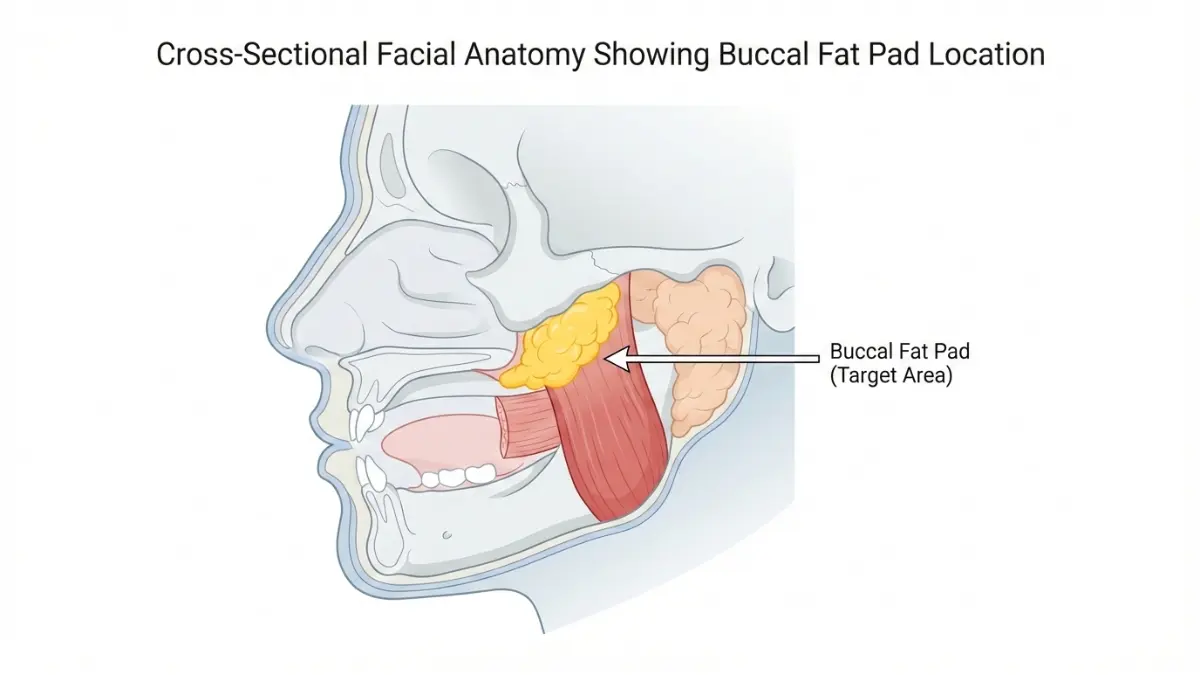
Understanding the Buccal Fat Pad Anatomy
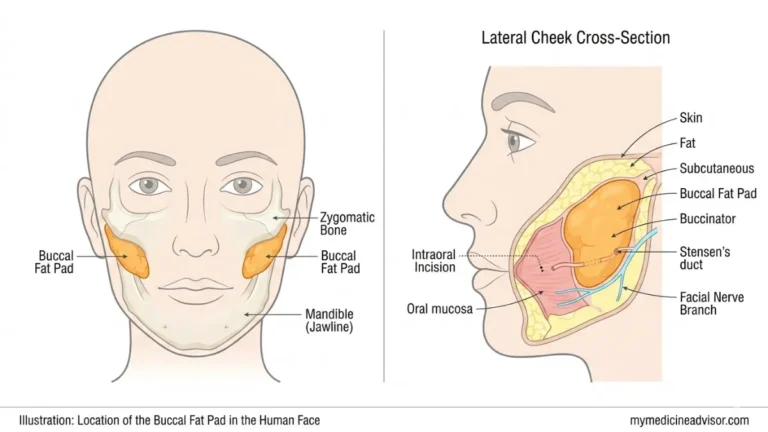
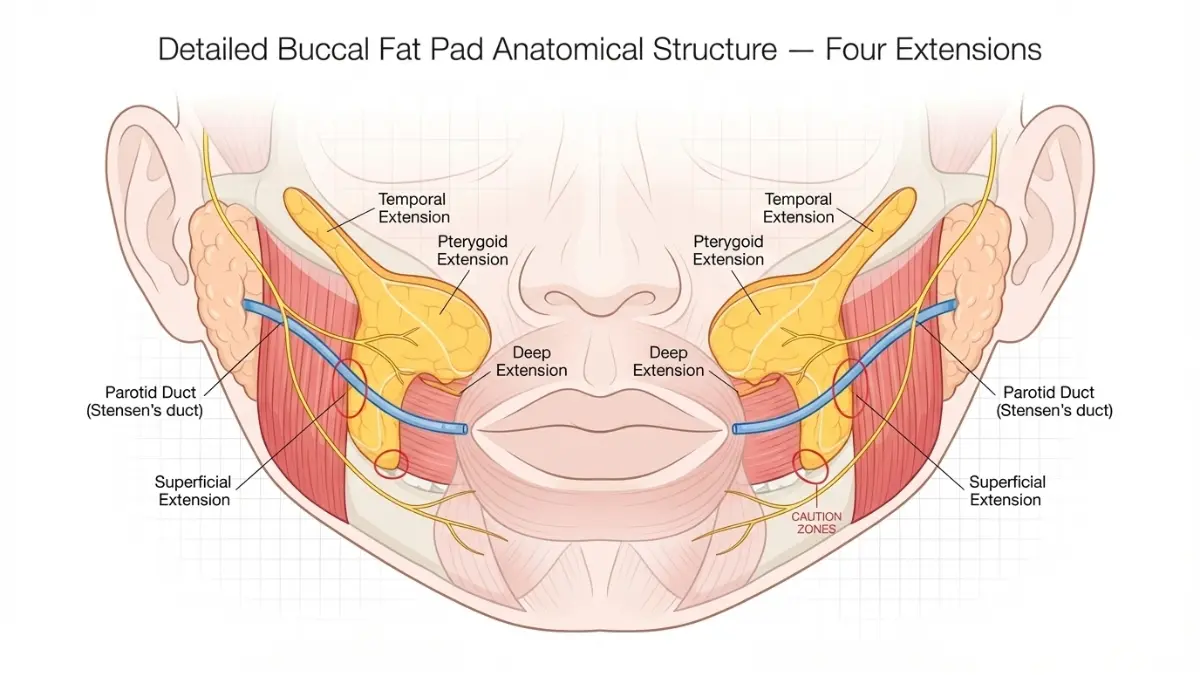
The buccal fat pad is a biconvex adipose tissue structure uniquely positioned along the anterior border of the masseter muscles. According to research published by the National Institutes of Health, this anatomically complex fat pad consists of a central body with four extensions that significantly determine facial contour and cheek fullness. Unlike subcutaneous facial fat that changes with weight fluctuations, the buccal fat pad remains relatively stable regardless of your body composition.
The buccal fat pad facilitates gliding movements of facial masticatory muscles and contributes substantially to the appearance of “baby face” or overly round cheeks. Patients with higher overall body fat percentages measured through a body fat calculator often mistakenly believe weight loss alone will slim their cheeks, but the buccal fat pad persists even at lower weights.
The Buccal Fat Removal Procedure Step-by-Step
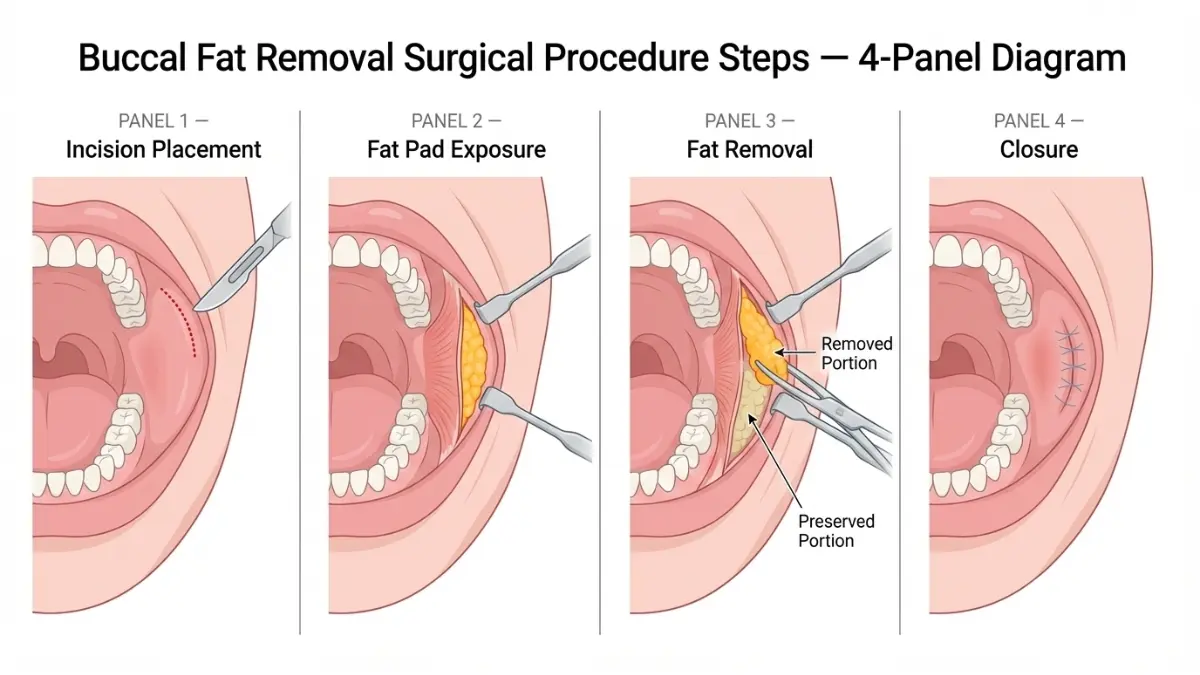
The buccal fat removal surgery typically follows this protocol established by cosmetic surgery safety standards:
- Anesthesia administration: Local anesthesia with sedation or general anesthesia depending on patient preference and surgeon recommendation
- Incision placement: Small 2-3 cm incision made inside the mouth above the second upper molar to eliminate visible scarring
- Fat pad access: Surgeon carefully exposes the buccal fat pad capsule between facial muscles
- Selective removal: 40-60% of the fat pad is extracted (never the entire pad to prevent excessive hollowing)
- Closure: Dissolvable sutures close the internal incision
- Duration: Complete procedure typically takes 20-60 minutes per side
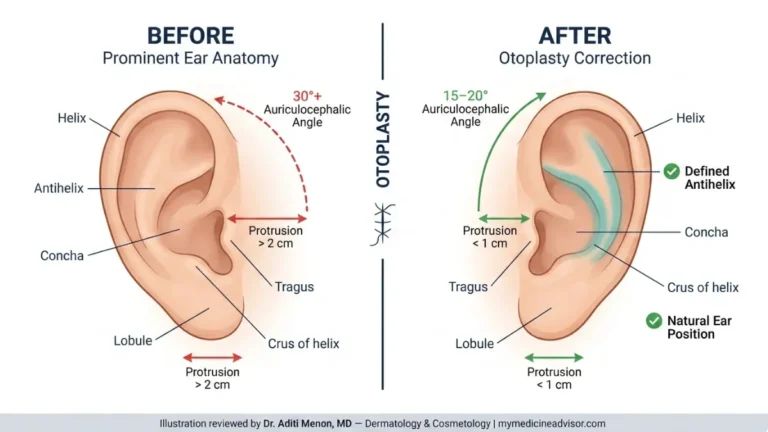
This cheek reduction surgery is performed as an outpatient procedure, allowing patients to return home the same day. Unlike more extensive facial surgeries like rhinoplasty or otoplasty, buccal fat removal requires no external incisions.
Who Should Get Buccal Fat Removal? (Ideal Candidate Profile)
Board-certified plastic surgeons evaluate these critical factors when determining buccal fat removal age eligibility and candidacy:
✅ Ideal Candidates:
- Ages 20-40 years with fully developed facial structure
- Stable body weight for at least 6-12 months verified through tools like a BMI calculator
- Persistent cheek fullness despite maintaining healthy weight
- Round or “baby face” appearance that bothers the patient
- Good skin elasticity for proper redraping after fat removal
- Realistic expectations about buccal fat removal results
❌ Poor Candidates:
- Under age 18-20 (facial bones still developing)
- Over age 50 (natural age-related fat loss may cause gaunt appearance)
- Already thin or hollow facial features
- Active facial infections or oral health issues
- Unrealistic expectations about facial transformation
- Smokers (increases cosmetic surgery complication risks significantly)
Similar to other facial cosmetic procedures like liquid rhinoplasty or blepharoplasty, proper candidate selection dramatically impacts satisfaction rates and long-term outcomes.
Buccal Fat Removal vs Other Facial Contouring Options
| Procedure | Target Area | Permanence | Anesthesia | Recovery Time |
|---|---|---|---|---|
| Buccal fat removal | Lower cheek fat pads | Permanent | Local/General | 7-10 days |
| Facial liposuction | Subcutaneous fat (entire face) | Permanent | Local/General | 10-14 days |
| Kybella injections | Submental/cheek fat | Semi-permanent | None (topical) | 3-5 days |
| Dermal fillers | Cheekbone enhancement (illusion of slimming) | Temporary (6-18 months) | None (topical) | 1-2 days |
The buccal lipectomy specifically addresses the isolated fat compartment between facial muscles, making it fundamentally different from general facial liposuction or non-surgical alternatives. Patients pursuing comprehensive facial transformation often combine this with blepharoplasty for upper facial refinement.
Celebrity Influence on Buccal Fat Removal Trends
Beyond Chrissy Teigen’s confirmation and Bella Hadid’s speculated results, buccal fat removal celebrities reportedly include Zoe Kravitz, Sophie Turner, Anya Taylor-Joy, and Kendall Jenner—though most remain unconfirmed. The procedure’s surge in popularity directly correlates with the “Instagram face” beauty standard emphasizing sharp cheekbones and sculpted jawlines visible in filtered photos.
However, plastic surgeons increasingly warn about the buccal fat removal aging consequences that many young patients fail to consider before undergoing this irreversible procedure. Unlike weight management strategies tracked through a weight loss calculator, buccal fat removal cannot be reversed if aesthetic preferences change.
Buccal Fat Removal Cost Breakdown
How Much Does Buccal Fat Removal Cost? Real Pricing + Hidden Fees
The average buccal fat removal cost ranges from $2,500 to $20,000 in the United States, with most patients paying approximately $4,669 for the procedure in 2026. This dramatic price variation stems from surgeon expertise, geographic location, facility type, and the complexity of each individual case—factors that researchers at Loma Linda University found significantly correlate with local economic conditions rather than simple supply and demand.
True Buccal Fat Removal Cost Components
Understanding what drives buccal fat removal cost requires breaking down every expense. Many patients discover unexpected fees after their initial consultation, creating financial stress during the recovery period.
Complete Cost Breakdown Table:
| Cost Component | Price Range (USD) | What It Includes |
|---|---|---|
| Surgeon’s fee | $1,500 – $15,000 | Board certification, experience level, reputation |
| Anesthesia | $500 – $1,500 | General or local with sedation, anesthesiologist expertise |
| Facility fee | $500 – $3,000 | Operating room, equipment, nursing staff |
| Pre-operative tests | $200 – $800 | Blood work, medical clearance, imaging if needed |
| Post-op medications | $50 – $200 | Antibiotics, pain relievers, anti-inflammatory drugs |
| Follow-up visits | $0 – $500 | Usually included, but verify with surgeon |
| Compression garments | $30 – $100 | Facial support accessories for optimal healing |
The surgeon’s fee constitutes the largest portion of buccal fat removal cost, with board-certified plastic surgeons typically charging 40-60% more than non-certified providers. This premium reflects extensive training in facial anatomy and lower complication rates.
Geographic Buccal Fat Removal Cost Variations
Buccal fat removal cost near me searches reveal stunning regional disparities. Patients in major metropolitan areas pay substantially more than those in smaller cities, primarily driven by real estate expenses and cost-of-living indices.
United States Regional Pricing (2026):
- New York City: $4,000 – $8,500
- Los Angeles, California: $6,000 – $12,000
- Miami, Florida: $3,500 – $7,200
- Houston, Texas: $2,500 – $5,500
- Chicago, Illinois: $5,000 – $9,700
California consistently ranks as the most expensive state for buccal fat removal procedures, with average costs reaching $6,500. Texas and Florida offer more affordable options, averaging $2,972 and $3,680 respectively.
For patients struggling with these costs, similar considerations apply to other elective procedures like gastric sleeve surgery or LASIK, where geographic location dramatically influences final pricing.
International Buccal Fat Removal Cost Comparison
Medical tourism for buccal fat removal surgery continues growing as patients seek affordable alternatives:
- Turkey: $1,700 – $4,400 (cheapest option)
- Brazil: $2,000 – $5,700
- Greece: $1,700 – $3,600
- United Kingdom: $2,500 – $6,500
- Canada: $2,200 – $5,500
While international pricing appears attractive, patients must factor in travel expenses, accommodation, follow-up care limitations, and potential complications requiring additional treatment in their home country.
Buccal Fat Removal Insurance Coverage Reality
Medicare and most private insurance companies classify buccal fat removal as cosmetic surgery excluded from coverage under the Social Security Act. The cosmetic surgery exclusion applies to “any surgical procedure directed at improving appearance,” regardless of the patient’s psychological distress, as outlined in Medicare billing and coding guidelines.
Buccal fat removal insurance coverage may only apply if the procedure addresses medical necessity such as trauma reconstruction or congenital deformity requiring functional correction. Purely aesthetic concerns—even when documented by mental health professionals—rarely qualify for insurance reimbursement.
When Buccal Fat Removal Cost Might Be Covered
Exceptional circumstances where insurance may provide partial coverage:
- Traumatic facial injury requiring buccal fat pad repositioning
- Severe facial asymmetry from congenital conditions
- Tumor removal necessitating buccal fat pad reconstruction
- Post-cancer reconstruction after cheek tissue removal
Documentation from multiple specialists and pre-authorization are essential for these rare approval scenarios.
Buccal Fat Removal Financing Options
Since insurance typically doesn’t cover buccal fat removal costs, patients explore alternative financing strategies. The No Surprises Act now mandates that surgeons provide good faith cost estimates for self-pay patients before performing any non-emergent cosmetic procedure.
Medical Credit Cards & Payment Plans
- CareCredit: 6-24 month interest-free financing for qualified applicants
- Prosper Healthcare Lending: Fixed-rate loans from $1,000-$40,000
- Alphaeon Credit: Cosmetic surgery-specific financing with promotional periods
- In-house payment plans: Many practices offer 3-12 month installment options
Buccal fat removal payment plans require credit checks, with approval rates varying by credit score and debt-to-income ratios. Interest rates range from 0% promotional periods to 24.99% APR for lower credit scores.
HSA/FSA Eligibility for Buccal Fat Removal
Health Savings Accounts (HSAs) and Flexible Spending Accounts (FSAs) cannot be used for purely cosmetic buccal fat removal procedures. These tax-advantaged accounts only cover medically necessary treatments, not aesthetic enhancements.
However, if your procedure qualifies as reconstructive (trauma, congenital deformity, disease), HSA/FSA funds may be eligible after obtaining proper documentation and insurance pre-authorization.
Hidden Buccal Fat Removal Cost Factors
⚠️ Hidden Fee Alert:
- Revision surgery: 11-15% of patients require touch-ups ($2,000-$8,000 additional)
- Complication treatment: Infections, hematomas, or nerve issues add $1,500-$5,000
- Time off work: Lost wages during 7-14 day recovery period
- Travel costs: For consultations and follow-ups with distant surgeons
- Special dietary needs: Liquid/soft food supplies during recovery
Patients should budget an additional 15-20% above quoted buccal fat removal costs to cover unexpected expenses. Similar to panniculectomy or bariatric surgery costs, the initial quote rarely represents the complete financial commitment.
Board-Certified Buccal Fat Removal Surgeon Cost Difference
Board-certified plastic surgeons charge 35-60% more than non-certified providers, but this premium correlates with substantially lower complication rates and revision needs. The American Board of Plastic Surgery certification requires rigorous training and ethical standards that significantly impact patient outcomes.
Social media-famous surgeons with celebrity clientele may charge $15,000-$40,000 for buccal fat removal procedures—nearly 10x the national average. While their marketing emphasizes exclusive results, research shows board certification matters more than Instagram followers for actual surgical outcomes.
Disclaimer: This article is for educational purposes, not medical advice. Always consult a board-certified plastic surgeon for personalized evaluation.
7 Buccal Fat Removal Risks Every Patient Must Know Before Surgery
A groundbreaking 2025 study published in the National Library of Medicine found that one in four patients experience complications after buccal fat removal procedures. The most common buccal fat removal complications include facial swelling (38.40%), trismus or lockjaw (30.09%), pain (19.41%), facial asymmetry (11.65%), hematoma formation (5.83%), and infection (0.48%). Understanding these buccal fat removal risks before committing to surgery can prevent devastating long-term consequences that many young patients fail to anticipate.
Risk #1: Premature Aging & Facial Hollowing (Long-Term Risk)
The most alarming buccal fat removal side effects emerge years after surgery when natural aging accelerates facial volume loss. Patients who undergo the procedure in their 20s often experience severe facial hollowing by their 40s, creating a gaunt, skeletal appearance that prematurely ages them by 10-15 years.
Why This Happens:
- Buccal fat pad removal is permanent and irreversible
- Natural aging already reduces facial fat volume by 30-40% between ages 30-50
- Removing buccal fat compounds this effect, leaving no cushioning as skin loses elasticity
- The procedure removes structural support that maintains youthful facial contours
Buccal Fat Removal Aging Concerns:
Young celebrities who underwent the procedure now face intense public scrutiny as their faces appear increasingly hollow with age. This “buccal fat removal 10 years later” phenomenon has sparked warnings from board-certified plastic surgeons who now refuse to perform the procedure on patients under 30.
Dermal fillers can temporarily address hollowing, but patients spend $2,000-$8,000 annually for maintenance—far exceeding the original surgery cost over a lifetime. Unlike procedures such as nose job surgery where revisions are possible, buccal fat removal cannot be reversed.
Risk #2: Facial Asymmetry & Uneven Results
Facial asymmetry ranks as the second most common buccal fat removal complication, occurring in 11.65% of cases. This happens when surgeons remove unequal amounts of fat from each cheek or when one side heals differently than the other.
Prevention Strategies:
- Choose surgeons who use precise measurement protocols
- Request pre-operative 3D imaging to visualize expected results
- Understand that minor pre-existing facial asymmetry may worsen post-surgery
- Discuss revision policies before initial procedure
Revision surgery to correct asymmetry costs $3,000-$10,000 additional and carries its own complication risks. Similar to other facial procedures like liquid rhinoplasty, asymmetry represents one of the most psychologically distressing outcomes patients experience.
Risk #3: Nerve Damage & Facial Paralysis
The buccal branch of the facial nerve runs dangerously close to the buccal fat pad, creating significant risk for iatrogenic facial nerve injury during surgery. Research on facial surgery complications shows that the buccal nerve branch faces moderately high injury risk during procedures accessing this anatomical region.
Types of Nerve Damage:
- Temporary neuropraxia: Numbness or tingling lasting 2-6 months (most common)
- Permanent sensory loss: Persistent numbness in cheeks, gums, or lips
- Motor dysfunction: Inability to smile symmetrically or control facial expressions
- Complete facial nerve palsy: Rare but devastating paralysis requiring reconstructive surgery
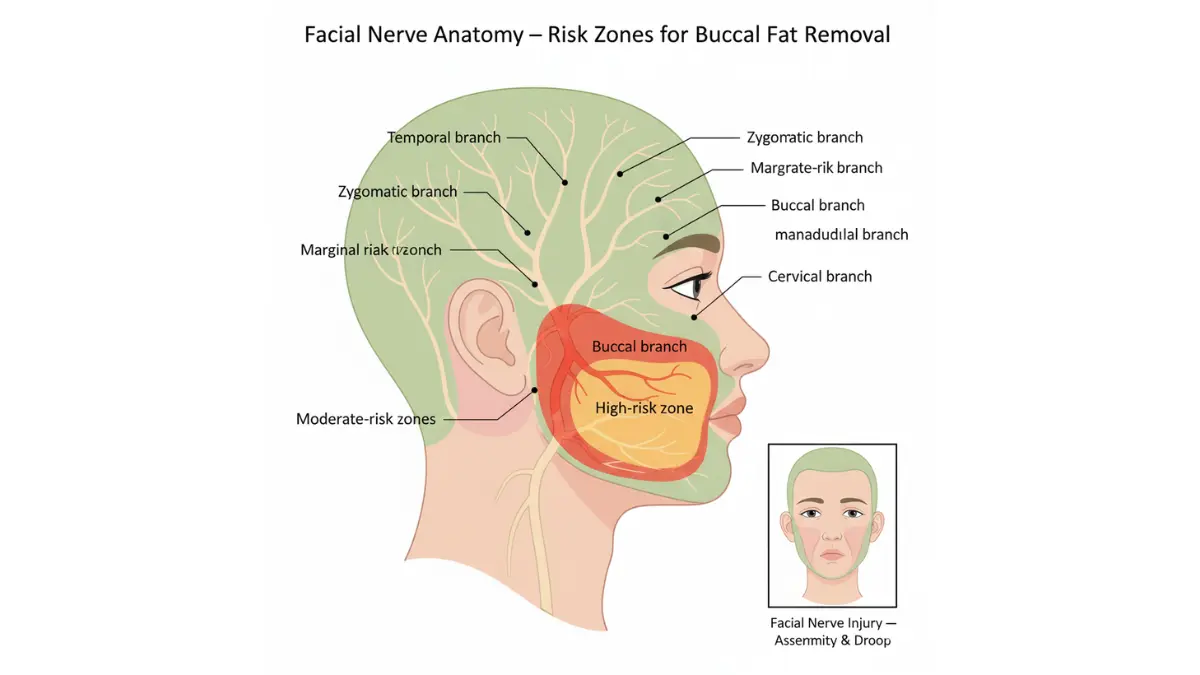
Studies on facial nerve trauma reveal that while most post-surgical nerve dysfunction resolves within 4-6 months, approximately 1.82% of patients experience permanent facial nerve palsy. Women appear more susceptible to post-operative facial nerve complications than men.
Risk #4: Infection & Post-Op Complications
While infection rates for buccal fat removal remain relatively low at 0.48%, the intraoral incision site creates unique contamination risks. The mouth harbors over 700 bacterial species, making surgical wound infection prevention crucial.
Common Infection Warning Signs:
- Fever above 101°F (38.3°C)
- Excessive swelling that worsens after day 3
- Foul-smelling drainage from incision sites
- Severe pain unrelieved by prescribed medications
- Redness spreading beyond the surgical area
Research from the Surgical Care Improvement Project demonstrates that up to 60% of surgical site infections can be prevented through proper prophylactic antibiotic protocols and sterile technique. Patients experiencing concerning post-operative symptoms should use a symptom checker and contact their surgeon immediately.
Risk #5: Excessive Fat Removal (Irreversible Damage)
The buccal fat removal gone wrong scenarios most frequently result from surgeons removing too much fat during the initial procedure. Unlike liposuction where some fat cells regenerate, the buccal fat pad does not grow back once removed.
Consequences of Over-Removal:
- Severe facial hollowing appearing years before natural aging would cause it
- “Skeletal” or “sunken” cheek appearance
- Inability to achieve natural facial expressions
- Limited correction options (only temporary fillers available)
Conservative surgeons remove only 40-50% of each buccal fat pad, preserving volume for future aging. Aggressive removal of 70-80% of the pad creates irreversible hollow cheeks that patients deeply regret.
Risk #6: Salivary Gland & Parotid Duct Damage
The parotid duct (Stensen’s duct) courses through the cheek in close proximity to the buccal fat pad, creating risk for accidental injury during surgery. Damage to this structure causes significant complications including chronic dry mouth, difficulty swallowing, and recurrent salivary gland infections.
Parotid Duct Injury Symptoms:
- Persistent dry mouth (xerostomia)
- Painful swelling in front of the ear
- Difficulty producing saliva when eating
- Recurrent parotid gland infections requiring antibiotics
Repairing parotid duct injuries requires microsurgical techniques with outcomes varying considerably based on the extent of initial damage.
Risk #7: Trismus, Hematoma & Seroma Formation
Trismus (lockjaw or restricted jaw opening) affects 30.09% of buccal fat removal patients, making eating, speaking, and oral hygiene challenging for weeks after surgery. This complication results from inflammation of the masseter muscle adjacent to the surgical site.
Additional Common Complications:
- Hematoma: Blood collection under the skin occurring in 5.83% of cases, potentially requiring drainage
- Seroma: Clear fluid accumulation that can cause prolonged swelling
- Edema: Facial swelling affecting 38.40% of patients, taking 3-6 months to fully resolve
- Pain: Significant discomfort reported by 19.41% of patients beyond expected post-surgical soreness
Minimizing Your Buccal Fat Removal Risks
Evidence-Based Prevention Strategies:
✅ Verify surgeon credentials through the American Board of Plastic Surgery database
✅ Request complication rates specific to that surgeon’s buccal fat removal procedures
✅ Optimize pre-surgical health including smoking cessation 6+ weeks before surgery
✅ Follow antibiotic protocols precisely as prescribed to prevent infection
✅ Attend all follow-up appointments for early complication detection
✅ Consider age carefully – waiting until age 30+ reduces regret rates significantly
What This Means For You:
The 25% complication rate for buccal fat removal significantly exceeds many other cosmetic procedures. Before proceeding, patients should thoroughly understand that the procedure’s irreversible nature means complications cannot be easily corrected. Board-certified surgeons recommend exhausting non-surgical alternatives first and waiting until facial maturity (age 28-30+) to minimize long-term regret.
Buccal Fat Removal Recovery: Day-by-Day Timeline & What to Expect
The buccal fat removal recovery timeline extends far longer than most patients anticipate, with full results taking 3-6 months to emerge and final assessment not possible until 12 months post-surgery. Understanding this extended healing process prevents premature dissatisfaction and unnecessary anxiety during the gradual transformation period.
Days 1-7: Immediate Post-Op Recovery Period
The first week after buccal fat removal surgery represents the most challenging recovery phase. Patients experience peak facial swelling, significant discomfort, and must adhere to strict dietary restrictions to allow proper healing.
Week One Recovery Protocol:
- Swelling: Peaks at days 2-3, with 38.40% of patients experiencing significant facial edema
- Pain management: Moderate to severe discomfort in 19.41% of cases, requiring prescribed analgesics
- Diet: Strict liquid-only nutrition for 48-72 hours, then gradual soft food introduction
- Oral hygiene: Gentle antibacterial mouthwash after every meal to prevent infection
- Activity restrictions: No exercise, bending, or activities that increase blood pressure
- Work absence: Most patients require 5-7 days off work for initial healing
Buccal Fat Removal Pain Expectations:
Unlike other facial surgeries, buccal fat removal pain stems primarily from internal oral incisions rather than external wounds. Patients describe sensations of tightness, pressure, and difficulty opening the mouth (trismus) affecting 30.09% of cases. Adequate rest tracked through a sleep calculator significantly impacts healing speed and pain reduction during this critical period.
Weeks 2-4: Intermediate Healing Phase
By week two, the most dramatic swelling begins subsiding, though residual puffiness obscures the true surgical results. This frustrating period causes many patients to question whether the procedure worked, but patience remains essential.
Weeks 2-4 Milestones:
- Transition from soft foods to normal diet (avoid crunchy/hard foods until week 4)
- Return to work and light daily activities
- Swelling reduction of approximately 50-60%
- Jaw mobility improves as trismus resolves
- Social activities resume with residual swelling still visible
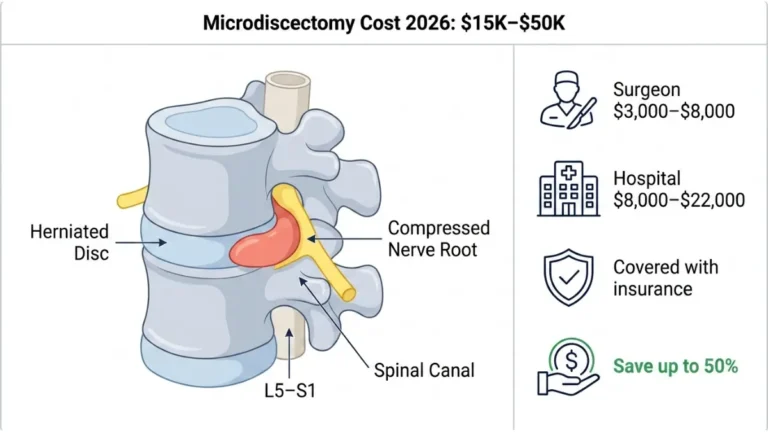
Most patients can see friends and family by day 10-14, though subtle swelling remains apparent in photographs. Similar to recovery from procedures like microdiscectomy surgery, patience during this intermediate phase prevents complications from premature activity resumption.
Months 3-6: Results Emergence Period
The buccal fat removal results timeline frustrates many patients because the final outcome doesn’t emerge until 3-6 months post-surgery. During this period, subtle changes continue as residual swelling completely resolves and facial tissues settle into their new contours.
Three-to-Six Month Transformation:
- Month 3: 80-85% of final results visible, though subtle swelling persists
- Month 4-5: Facial contours become increasingly defined and symmetrical
- Month 6: True surgical outcome fully apparent; ideal time for buccal fat removal before and after photo comparison
Research from the National Center for Biotechnology Information emphasizes that premature assessment before 6 months leads to unnecessary patient anxiety and unrealistic revision requests.
Years 1-10: Long-Term Aging Impact
The most controversial aspect of buccal fat removal concerns the buccal fat removal 10 years later phenomenon that many young patients ignore during consultation. Natural facial aging already depletes fat volume, and surgical removal compounds this effect dramatically.
Long-Term Buccal Fat Removal Aging Concerns:
- Year 1-3: Results appear ideal; patients highly satisfied with sculpted appearance
- Year 5-7: Early signs of facial hollowing emerge as natural aging reduces remaining fat
- Year 10+: Severe gaunt appearance develops; patients appear 10-15 years older than actual age
Celebrity cases and patient testimonials increasingly document the buccal fat removal regret that surfaces years after initial satisfaction. Unlike temporary procedures, the permanent nature of fat pad removal means these aging consequences cannot be reversed without expensive, ongoing filler treatments.
Buccal Fat Removal Before and After: Setting Realistic Expectations
Authentic buccal fat removal before and after photographs should span at least 6-12 months to accurately represent final results. Surgeons who show only 4-6 week post-op images mislead patients about the true outcome and healing timeline.
What Realistic Results Look Like:
- Subtle cheek contouring (not dramatic hollowing)
- Enhanced cheekbone prominence
- More defined jawline appearance
- Maintained facial youthfulness and fullness
- Natural facial expressions preserved
Patients seeking the extreme “model cheekbones” popularized by celebrities often experience the highest buccal fat removal regret rates because such dramatic results require excessive fat removal that accelerates aging.
Optimizing Your Buccal Fat Removal Results
Evidence-Based Recovery Optimization:
✅ Maintain stable weight: Weight fluctuations after surgery affect facial appearance significantly
✅ Follow dietary guidelines precisely during the first 2 weeks to prevent complications
✅ Attend all follow-up appointments for early issue detection and optimal healing
✅ Avoid smoking and alcohol for minimum 4 weeks post-surgery
✅ Practice excellent oral hygiene to prevent infection at incision sites
✅ Protect skin from sun damage which accelerates visible aging
✅ Consider delayed complementary procedures like dermal fillers only after 12+ months
What This Means For You:
The extended buccal fat removal recovery timeline requires patience and realistic expectations. Patients who understand that final results emerge gradually over 6-12 months experience higher satisfaction rates than those expecting immediate transformation. Most importantly, evaluating long-term aging implications before committing to this irreversible procedure prevents the devastating regret many patients experience years later.
Buccal Fat Removal Alternatives: 5 Options Compared (Surgical & Non-Surgical)
Before committing to irreversible buccal fat removal surgery, patients should thoroughly explore buccal fat removal alternatives that offer facial contouring with less risk and greater flexibility. Non-surgical buccal fat removal options have advanced significantly in 2026, providing temporary solutions that allow patients to preview results before making permanent decisions.
Non-Surgical Buccal Fat Removal Options
The growing awareness of buccal fat removal regret has driven demand for reversible alternatives that achieve similar aesthetic goals without surgical intervention.
1. Kybella (Deoxycholic Acid) Injections
Kybella, FDA-approved for submental fat reduction, is increasingly used off-label for cheek contouring. The injectable treatment destroys fat cells through a synthetic form of deoxycholic acid, a naturally occurring molecule that breaks down dietary fat.
- Treatment sessions: 2-4 appointments spaced 4-6 weeks apart
- Cost: $600-$1,800 per session (total: $1,200-$7,200)
- Results timeline: Gradual reduction over 8-12 weeks
- Permanence: Fat cells destroyed permanently, but new weight gain creates new cells
- Downtime: 3-7 days of swelling and tenderness
2. Strategic Dermal Filler Placement
Counterintuitively, adding volume to specific facial areas creates the illusion of slimmer cheeks without removing any fat. Board-certified dermatologists strategically place hyaluronic acid fillers along the cheekbones and jawline to enhance definition.
- Treatment duration: 20-45 minutes per session
- Cost: $800-$2,500 per treatment area
- Results longevity: 12-24 months before touch-ups needed
- Reversibility: Can be dissolved immediately with hyaluronidase if unsatisfied
- Downtime: Minimal; 1-3 days of potential bruising
3. Radiofrequency Skin Tightening (Renuvion/J-Plasma)
Advanced radiofrequency devices tighten skin and mildly reduce fat through controlled thermal energy, creating a subtle lifting and contouring effect. This technology works best for patients with mild cheek fullness rather than significant buccal fat pad volume.
- Treatment sessions: 1-3 appointments for optimal results
- Cost: $1,500-$4,500 per treatment area
- Results: Gradual improvement over 3-6 months
- Maintenance: Annual touch-ups recommended
- Downtime: None to minimal
Buccal Fat Removal vs Liposuction (Key Differences)
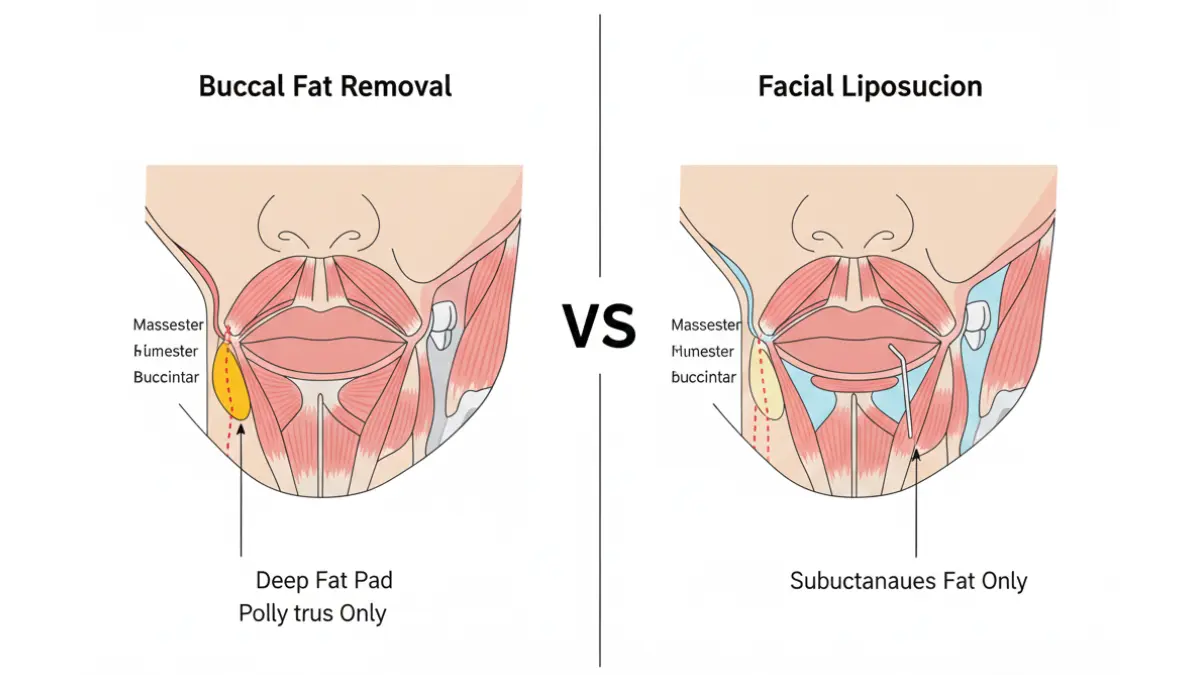
Many patients confuse buccal fat removal with facial liposuction, but these procedures target fundamentally different fat compartments and produce distinct results.
Critical Distinctions:
| Feature | Buccal Fat Removal | Facial Liposuction |
|---|---|---|
| Target | Deep buccal fat pad only | Subcutaneous fat (under skin) |
| Incision | Inside mouth (intraoral) | Under chin or behind ears |
| Weight sensitivity | Results stable regardless of weight | Changes with weight fluctuations |
| Aging impact | Accelerates hollowing over time | Minimal long-term aging effect |
| Recovery | 7-10 days | 10-14 days |
| Cost range | $2,500-$20,000 | $2,000-$5,500 |
| Reversibility | Impossible to reverse | Fat can be grafted back |
Facial liposuction proves more appropriate for patients whose cheek fullness stems from subcutaneous fat rather than the buccal fat pad itself. Similar to distinctions between liquid rhinoplasty and surgical nose jobs, choosing the correct procedure type determines outcome satisfaction.
Lifestyle Modifications for Natural Face Slimming
Before any cosmetic intervention, patients should explore whether overall body composition changes might address their concerns. Research from the National Institutes of Health confirms that while the buccal fat pad resists weight loss, surrounding facial fat responds to nutritional and exercise interventions.
Evidence-Based Natural Approaches:
- Strategic weight management: Losing 10-15 pounds of body fat through a calorie deficit can significantly slim facial appearance for overweight individuals
- Sodium reduction: Decreasing dietary sodium intake below 2,300mg daily reduces facial water retention and puffiness
- Hydration optimization: Consuming adequate water calculated through a water intake calculator paradoxically reduces facial bloating
- Facial exercises: While controversial, targeted facial muscle training may provide modest contouring effects over 6-12 months
Patients who achieve their ideal weight but still have round cheeks likely have prominent buccal fat pads requiring surgical intervention rather than lifestyle changes.
Combined Procedure Strategies
Some patients pursue buccal fat removal alongside complementary facial surgeries to achieve comprehensive facial transformation. However, combining procedures increases complication risks and extends recovery substantially.
Common Combination Approaches:
- Facelift + buccal fat removal: Creates dramatic lower face contouring ($15,000-$35,000 total)
- Chin augmentation + cheek reduction: Balances facial proportions for improved profile ($8,000-$18,000)
- Rhinoplasty + buccal fat removal: Comprehensive facial harmony ($12,000-$30,000)
Board-certified surgeons typically recommend staging procedures at least 6-12 months apart to minimize risks and allow proper evaluation of each intervention’s results. Similar to recovery planning for knee replacement surgery, adequate healing time between procedures prevents complications.
Alternative Comparison Decision Matrix
| Option | Cost | Downtime | Permanence | Risk Level | Reversibility | Best For |
|---|---|---|---|---|---|---|
| Buccal fat removal | $2,500-$20,000 | 7-10 days | Permanent | Moderate-High | None | Prominent buccal pads, age 30+ |
| Kybella injections | $1,200-$7,200 | 3-7 days | Semi-permanent | Low-Moderate | None | Mild-moderate fullness |
| Dermal fillers | $800-$2,500 | 1-3 days | Temporary (12-24 months) | Low | Complete | Testing desired look |
| RF tightening | $1,500-$4,500 | None-minimal | Temporary (12-18 months) | Very Low | N/A | Skin laxity, mild fullness |
| Facial liposuction | $2,000-$5,500 | 10-14 days | Permanent | Moderate | Partial (fat grafting) | Subcutaneous fat, not buccal pad |
| Weight loss | Free-$500 | N/A | Sustainable | Very Low | Complete | Overall body fat reduction |
What This Means For You:
Exploring buccal fat removal alternatives before committing to surgery allows patients to make informed decisions without permanently altering facial structure. Non-surgical options provide valuable preview experiences, helping patients determine whether they truly want the sculpted cheek look long-term. Given the one-in-four complication rate and irreversible nature of surgical removal, exhausting conservative alternatives first represents the safest approach.
Is Buccal Fat Removal Worth It? Expert Verdict + Patient Regret Analysis
The buccal fat removal worth it question has no universal answer—satisfaction depends entirely on age, facial structure, realistic expectations, and long-term vision. While some patients achieve their dream cheekbone definition and maintain satisfaction for decades, others experience devastating regret as premature aging accelerates and irreversible hollowing emerges.
The Case FOR Buccal Fat Removal (When It Works)
Buccal fat removal delivers outstanding results for carefully selected candidates who meet strict criteria and maintain realistic expectations. Patients in this category typically report high satisfaction rates extending beyond 10 years post-surgery.
✅ Ideal Success Scenarios:
- Ages 30-40 with persistent cheek fullness despite maintaining healthy weight for 2+ years
- Naturally round facial structure confirmed through 3D imaging analysis
- Stable lifestyle with commitment to weight maintenance within 10-pound range
- Realistic expectations understanding results emerge gradually over 6-12 months
- Conservative fat removal (40-50% of pad) preserving volume for future aging
- Complementary facial features including strong bone structure and adequate skin elasticity
Psychological Benefits Research:
Studies on cosmetic surgery satisfaction reveal that patients who thoroughly research procedures, consult multiple surgeons, and wait 6-12 months before committing experience significantly higher long-term satisfaction than impulsive decision-makers. The permanent facial contouring provides lasting confidence improvements when performed on appropriate candidates at optimal ages.
The Case AGAINST Buccal Fat Removal (Red Flags)
The growing buccal fat removal regret phenomenon stems from young patients underestimating how dramatically natural aging depletes facial fat volume. What appears sculpted at age 25 becomes gaunt and skeletal by age 40.
❌ High-Risk Regret Factors:
- Under age 30: Facial structure still maturing; premature removal guarantees accelerated aging appearance
- Already slim facial features: Excessive removal creates immediate hollowing with no fat reserves
- Trend-driven motivation: Desire to emulate filtered Instagram photos or celebrity looks
- Unrealistic timeline expectations: Expecting immediate dramatic transformation
- Weight instability: Plans to lose significant weight post-surgery affecting final appearance
- Excessive removal requests: Demanding 70-80% fat pad extraction for extreme results
Buccal Fat Removal Regret: Why Patients Experience Dissatisfaction
The most common buccal fat removal regret triggers involve timing, over-removal, and failure to anticipate natural aging processes. Online forums and plastic surgery regret communities document thousands of patient stories sharing similar themes.
Common Regret Triggers:
- Too young at surgery: Underwent procedure at ages 20-25 before facial maturity
- Excessive fat removal: Surgeon removed 70-80% of pad creating immediate hollowing
- Beauty standard changes: Instagram trends shifted from sculpted to fuller, youthful faces
- Natural aging amplification: Lost remaining facial fat in 30s/40s creating premature elderly appearance
- Filler dependency: Spending $3,000-$8,000 annually on temporary fillers to restore lost volume
- Social media documentation: Permanent before/after evidence showing progressive facial hollowing
Real Patient Regret Account:
“I had buccal fat removal at 23 because I wanted sharp cheekbones like the models on Instagram. Ten years later at 33, I look 45. My face is gaunt and skeletal. I spend thousands on fillers trying to undo what I did, but nothing replaces that natural fat pad. Biggest regret of my life.”
Choosing a Board-Certified Buccal Fat Removal Surgeon
Surgeon selection represents the single most critical factor determining outcome satisfaction and complication avoidance. Board certification through the American Board of Plastic Surgery requires rigorous training far exceeding non-certified providers.
Essential Surgeon Vetting Criteria:
✅ Board certification verification through official ABPS database (not just “board eligible”)
✅ Minimum 50+ buccal fat removal procedures performed with documented outcomes
✅ Hospital surgical privileges confirming peer review and credentialing standards
✅ Conservative removal philosophy refusing excessive extraction requests
✅ Transparent complication rates willing to discuss revision statistics openly
✅ Age-appropriate candidacy standards refusing surgery on patients under 28-30
✅ 3D imaging technology for pre-operative planning and realistic expectation setting
✅ Comprehensive consultation process lasting 45-60 minutes minimum
Red Flag Warning Signs:
❌ Social media-famous surgeon prioritizing follower count over medical credentials
❌ Offers dramatic discounts or “limited time” pricing creating urgency
❌ Dismisses age concerns or encourages surgery for patients under 25
❌ Promises specific results or shows only best-case before/after photos
❌ Rushes consultation or pressures same-day procedure booking
❌ Cannot provide clear complication rate statistics
❌ Performs surgery in non-accredited facilities
Buccal Fat Removal Consultation: 15 Critical Questions
Patients should arrive at consultations with written questions ensuring thorough evaluation and transparent communication.
Essential Consultation Questions:
- How many buccal fat removal procedures have you performed in the past 12 months?
- What percentage of candidates do you refuse due to inappropriate candidacy?
- Can I see before/after photos of patients with similar facial structure to mine?
- What percentage of the buccal fat pad do you recommend removing in my case?
- How do you determine the appropriate amount to remove?
- What are your complication rates for infection, asymmetry, and nerve damage?
- What percentage of your patients require revision surgery?
- How many patients have expressed regret 5-10 years post-surgery?
- What is your policy on revisions if I’m unsatisfied with results?
- Am I a good candidate based on my age, facial structure, and goals?
- What alternatives would you recommend I explore first?
- How will this procedure affect my facial appearance as I age?
- What happens if I gain or lose significant weight after surgery?
- What is the total cost including all follow-up appointments and medications?
- Can you provide references from patients who had surgery 5+ years ago?
Surgeons who enthusiastically answer these questions demonstrate transparency and patient-centered care. Those who deflect, minimize concerns, or become defensive reveal prioritization of profits over optimal outcomes.
Final Verdict: Should YOU Get Buccal Fat Removal?
Decision-Making Framework:
Use this scoring system to assess appropriateness (1 point per “yes” answer):
- ☐ Age 30 or older with fully mature facial structure
- ☐ Persistent cheek fullness despite 2+ years at stable, healthy weight
- ☐ Consulted with 3+ board-certified plastic surgeons
- ☐ Researched procedure for 6+ months without impulsive decision-making
- ☐ Fully understand recovery timeline requires 6-12 months for final results
- ☐ Accept that results are permanent and irreversible
- ☐ Considered and rejected non-surgical alternatives
- ☐ Have realistic expectations about subtle, natural-looking improvement
- ☐ Committed to weight stability within 10-pound range long-term
- ☐ Financial resources for potential revision or filler treatments
Score Interpretation:
- 8-10 points: Strong candidate with realistic expectations; proceed with qualified surgeon
- 5-7 points: Moderate candidate; wait 6-12 months and reassess
- 0-4 points: Poor candidate; explore alternatives or reconsider entirely
What This Means For You: Action Steps
If Considering Buccal Fat Removal:
- Schedule consultations with 2-3 board-certified plastic surgeons specializing in facial procedures
- Document current appearance with standardized photos from multiple angles in consistent lighting
- Calculate total financial commitment including surgery, time off work, and potential complications
- Review authentic patient testimonials focusing on 5-10 year post-surgery experiences
- Consider 6-month waiting period from initial consultation to surgery to prevent impulsive decisions
- Explore non-surgical alternatives including strategic weight management and dermal filler trials
- Assess long-term vision honestly evaluating how you want your face to look at ages 40, 50, 60+
If You’ve Already Had Buccal Fat Removal:
For patients experiencing buccal fat removal regret or dissatisfaction, limited correction options exist. Dermal fillers provide temporary volume restoration lasting 12-24 months but require ongoing investment. Fat grafting offers longer-lasting results but cannot perfectly replicate the unique anatomical properties of the original buccal fat pad. Consultation with board-certified facial plastic surgeons specializing in revision procedures provides the most comprehensive evaluation of available options.
Final Disclaimer: This article is for educational purposes, not medical advice. Buccal fat removal represents a permanent, irreversible alteration to facial anatomy with significant long-term implications. Always consult multiple board-certified plastic surgeons and thoroughly research all alternatives before proceeding. Patient regret rates increase substantially for individuals under age 30 or those seeking extreme results. The decision to undergo this procedure should never be made impulsively or based solely on social media trends.
Frequently Asked Questions about Buccal Fat Removal
1. How much does buccal fat removal cost?
Buccal fat removal costs range from $2,500 to $20,000 in the United States, with an average price of $4,669. Cost varies by surgeon expertise, geographic location, and facility type.
2. Is buccal fat removal permanent?
Yes, buccal fat removal is completely permanent and irreversible. Once the buccal fat pad is removed, it does not regenerate or grow back.
3. How long is buccal fat removal recovery?
Initial recovery takes 7-10 days, but full results emerge over 3-6 months. Most patients return to work within 5-7 days post-surgery.
4. Does buccal fat removal hurt?
Moderate pain affects 19.41% of patients during the first 3-5 days. Prescribed pain medications manage discomfort effectively during initial recovery.
5. What is the best age for buccal fat removal?
Ages 30-40 provide optimal results with lowest regret rates. Surgeons typically refuse patients under 25-28 due to premature aging risks.
6. Does insurance cover buccal fat removal?
No, insurance excludes buccal fat removal as cosmetic surgery. Coverage only applies in rare cases of trauma reconstruction or congenital deformities.
7. Can buccal fat removal be reversed?
No, the procedure cannot be reversed once performed. Fat grafting and dermal fillers offer only temporary, imperfect correction options.
8. How long do buccal fat removal results last?
Results last permanently, but natural aging causes additional facial fat loss over time. Many patients experience excessive hollowing 10-15 years post-surgery.
9. What are the risks of buccal fat removal?
Major risks include facial asymmetry (11.65%), nerve damage, infection (0.48%), premature aging, and excessive hollowing. One in four patients experiences complications.
10. Is buccal fat removal worth it?
Worth depends on age, facial structure, and expectations. Patients over 30 with realistic goals report high satisfaction; those under 25 frequently experience regret.
11. How do I find a qualified buccal fat removal surgeon?
Verify board certification through the American Board of Plastic Surgery, confirm 50+ procedures performed, and review 5-10 year patient outcomes. Avoid social media-famous surgeons prioritizing followers over credentials.
About this content
How this article was put together: researched from recognised health sources, drafted with the help of AI tools, and edited by hand, with sources linked throughout.

Sameer Patel is the founder and editor of My Medicine Advisor. He is not a doctor or medical professional — before starting this site he worked in banking,…
Medical disclaimer
The content on MyMedicineAdvisor is provided for general informational and educational purposes only and is not a substitute for professional medical advice, diagnosis, or treatment. Health information on this website should not be used to diagnose, treat, cure, or prevent any condition without guidance from a qualified healthcare professional. Always seek the advice of your doctor, physician, or another licensed healthcare provider with any questions you may have regarding a medical condition, symptoms, medications, or treatment decisions.