On This Page – Quick Medical Summary
When John, a 54-year-old construction manager from Phoenix, was told his Stage III desmoplastic melanoma had a high risk of returning after surgery, his oncologist recommended something he hadn’t expected: radiation therapy for melanoma. “I thought radiation was only for internal cancers,” he said. He’s not alone.
Radiation therapy for melanoma uses high-energy rays or particles to destroy cancer cell DNA — preventing cells from dividing and growing. While melanoma is considered relatively radioresistant compared to other cancers, radiation remains a powerful, evidence-backed option in specific clinical situations.
According to published NIH research on the role of radiotherapy in melanoma management, approximately 23% of all melanoma patients should receive at least one course of radiation therapy during their treatment journey.
Key Takeaway: Radiation therapy for melanoma is not a universal first-line treatment — but in the right clinical scenario, it is indispensable.
Understanding where radiation fits in your complete melanoma treatment options can significantly impact your outcomes and quality of life.
When Is Radiation Therapy Used for Melanoma?
Radiation for skin cancer is not prescribed routinely for melanoma. It becomes a targeted, strategic intervention in five specific clinical situations.
5 Key Indications for Melanoma Radiation Treatment
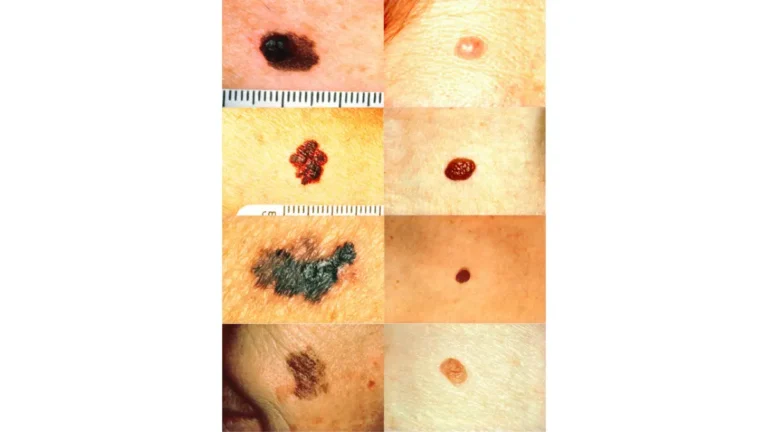
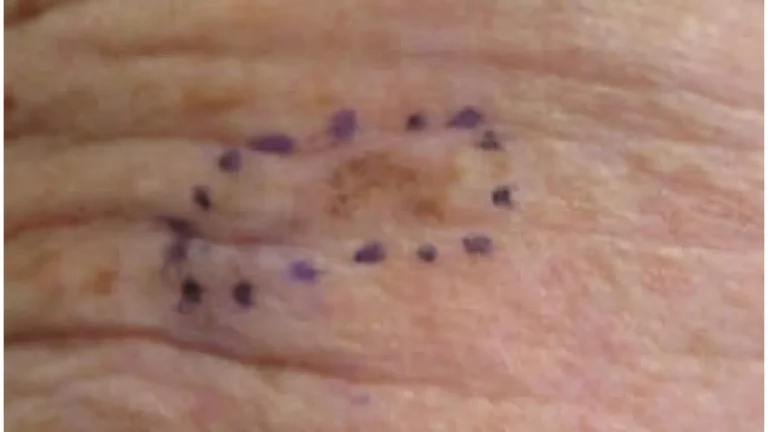
1. Early-Stage Inoperable Melanoma When surgery is medically unsafe or technically impossible due to tumor location, radiation therapy for melanoma serves as the primary treatment — particularly for lentigo maligna (LM) and lentigo maligna melanoma (LMM) on the face.
2. Adjuvant Therapy After Surgery (High Recurrence Risk) Post-surgical radiation is recommended when local recurrence risk is elevated. Red-flag factors include:
- Desmoplastic melanoma — a subtype that spreads microscopically beyond visible margins
- Breslow depth >4 mm
- Clark Level V tumor invasion
- Positive or close surgical resection margins
3. Post-Lymphadenectomy (Nodal Basin) Following sentinel lymph node biopsy and lymph node dissection, adjuvant radiation significantly reduces regional recurrence — especially with extranodal extension, multiple positive nodes, or nodes >3 cm in size.
4. Metastatic Melanoma — Palliative Radiation For Stage 4 melanoma that has spread to the brain, bones, spine, or liver, palliative radiation therapy for melanoma focuses on symptom control: relieving pain, reducing tumor pressure, and preventing neurological decline.
5. Post-Surgery Recurrence When melanoma returns to skin or lymph nodes after initial treatment, radiation effectively controls local disease — especially when reoperation carries unacceptable risk.
Melanoma Subtype Radiation Reference Table
| Melanoma Subtype | Radiation Used? | Primary Indication |
|---|---|---|
| Desmoplastic Melanoma | ✅ Commonly | Adjuvant post-surgery |
| Ocular / Uveal Melanoma | ✅ Yes | Plaque brachytherapy (primary) |
| Mucosal Melanoma | ✅ Yes | Inoperable primary tumors |
| Acral Lentiginous | ⚠️ Selective | Recurrence, palliation |
| Superficial Spreading | ⚠️ Rarely | Surgery contraindicated only |
| Nodular Melanoma | ⚠️ Selective | High-risk adjuvant cases |
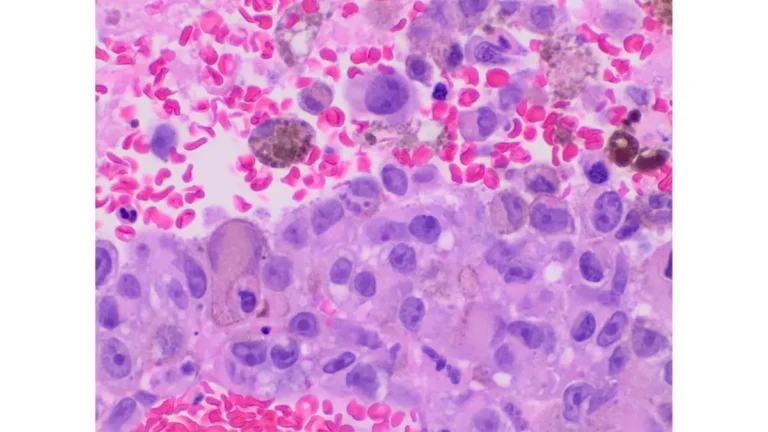
The American Cancer Society’s melanoma radiation therapy guide confirms that adjuvant radiation is frequently recommended after surgery for desmoplastic melanoma due to its characteristic microscopic spread beyond the surgical field.

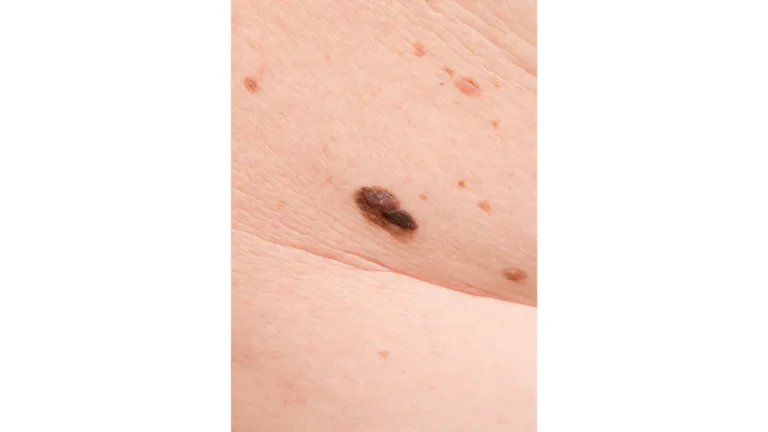
Adapted from Wikimedia Commons – Lentigo Maligna Melanoma, licensed under CC BY-SA 4.0.
What This Means For You: If your pathology report mentions desmoplastic melanoma, positive margins, or extranodal extension, ask your oncologist directly: “Should I receive adjuvant radiation therapy?”
6 Types of Radiation Therapy for Melanoma — Explained
Not all melanoma radiation treatment is the same. The type prescribed depends on tumor location, stage, size, and treatment goal (curative vs. palliative). Here are the six primary types used in 2026.
1. External Beam Radiation Therapy (EBRT)
The most widely used form of radiation for skin cancer. A linear accelerator outside the body directs high-energy X-ray beams at the tumor. Used for primary skin tumors, lymph node basins, and bone metastases. Typical course: 10–30 sessions over several weeks.
2. Intensity-Modulated Radiation Therapy (IMRT)
IMRT uses computer-controlled beams that sculpt precisely around the tumor’s shape, delivering higher doses to the target while sparing nearby healthy tissue. It is the preferred technique for head and neck melanoma, where critical structures like nerves and salivary glands must be protected.
3. Stereotactic Radiosurgery (SRS) / Gamma Knife
Despite the name, no surgery is involved. SRS focuses hundreds of converging radiation beams on a single brain tumor with submillimeter precision. The Gamma Knife platform is one of the most advanced delivery systems. In 2026, SRS is the preferred treatment for melanoma brain metastases, favored over whole-brain radiation therapy (WBRT) for its superior accuracy and significantly lower risk of cognitive side effects.
4. Stereotactic Body Radiation Therapy (SBRT)
SBRT applies the same high-precision, high-dose concept as SRS but targets body tumors — in the lungs, spine, or liver. It delivers ablative radiation doses in just 1–5 sessions, making it ideal for oligometastatic melanoma (1–5 discrete tumor sites). Per the AIM at Melanoma Foundation’s treatment overview, SBRT is increasingly used in patients with limited metastatic disease where local control could improve overall outcomes.
5. Proton Therapy
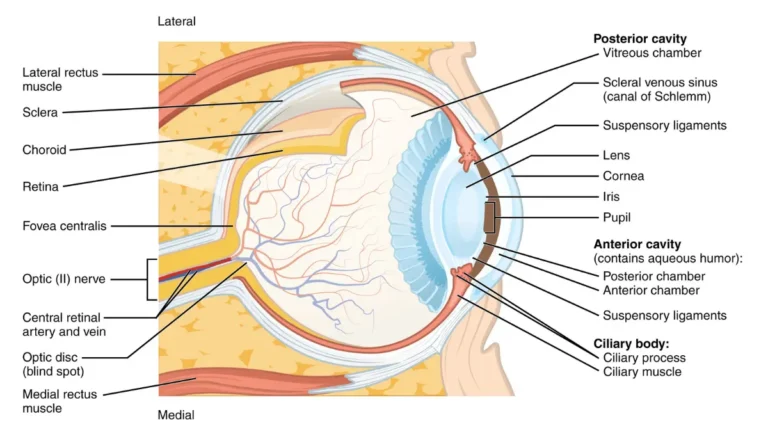
Proton beams deposit their maximum energy at the tumor depth via the Bragg Peak effect — stopping sharply, with minimal dose beyond the target. Proton therapy is the standard of care for ocular (uveal) melanoma, protecting the optic nerve, macula, and surrounding ocular structures from radiation damage.
6. Plaque Brachytherapy (Internal Radiation)
A radioactive plaque — containing iodine-125 or ruthenium-106 seeds — is surgically sutured directly onto the eye over the choroidal melanoma for 4–7 days, then removed. According to NIH Bookshelf research on cutaneous and ocular melanoma radiation, this approach achieves approximately 90% local tumor control for medium-sized uveal melanoma, with only ~5% of patients requiring subsequent enucleation.
Master Comparison: All 6 Types of Radiation for Melanoma
| Type | Best For | Sessions | Goal | 2026 Status |
|---|---|---|---|---|
| EBRT | Skin, lymph nodes, bone | 10–30 | Curative / Palliative | Standard |
| IMRT | Head/neck melanoma | 15–25 | Curative | Standard |
| SRS / Gamma Knife | Brain metastases | 1–5 | Curative / Palliative | Preferred |
| SBRT | Lung, spine, liver mets | 1–5 | Curative / Palliative | Growing use |
| Proton Therapy | Ocular/uveal melanoma | 4–5 | Curative | Specialized |
| Brachytherapy | Uveal / choroidal melanoma | 4–7 days | Curative | Standard |

Adapted from Wikimedia Commons – Comparison of dose distributions, licensed under CC BY-SA 2.0.
2026 Technology Update: MR-guided radiation therapy (MRgRT) — which uses real-time MRI imaging during treatment delivery — is in active clinical trials for melanoma. It may become a new standard for moving or difficult-to-target tumors within the next 2–3 years.
Radiation + Immunotherapy for Melanoma — The 2026 Breakthrough
This is the section every major website has failed to cover — and it may be the most important development in melanoma radiation therapy in a decade.

Adapted from OpenStax Anatomy and Physiology 2e, Chapter 21.3, licensed under CC BY 4.0.
The Abscopal Effect: How Radiation Can Awaken Your Immune System
When radiation kills a tumor, it releases tumor-specific antigens — fragments the immune system can recognize as cancer “wanted posters.” When combined with checkpoint inhibitor immunotherapy (like pembrolizumab or nivolumab), this process can trigger a systemic immune attack on distant, untreated tumors — even those far from the radiation field.
This is called the abscopal effect, and it is fundamentally changing how oncologists approach metastatic melanoma radiation treatment in 2026.
What the 2025–2026 Clinical Evidence Shows
- SBRT + Anti-PD-1 combination has demonstrated measurably improved systemic tumor control in oligometastatic melanoma patients across multiple Phase II trials
- Pembrolizumab + SRS for brain metastases showed significantly higher intracranial response rates versus SRS alone in 2025 ASCO data presentations
- Multiple active trials recruiting patients are listed on ClinicalTrials.gov — including combinations of SBRT with nivolumab and pembrolizumab
According to Memorial Sloan Kettering Cancer Center, select patients at MSK now receive radiation in combination with immunotherapy or targeted drug therapies to achieve a more durable systemic response.
Who May Benefit Most
- Patients with oligometastatic melanoma (1–5 metastatic sites)
- Patients already receiving pembrolizumab (Keytruda) or nivolumab (Opdivo)
- Patients with brain metastases receiving concurrent checkpoint inhibitor therapy
⚠️ Critical Warning: Combining radiation therapy with immunotherapy can significantly amplify side effects, including immune-related adverse events. This approach requires joint coordination between your radiation oncologist and medical oncologist — never initiate or stop either treatment without a combined specialist consultation.
What This Means For You: If you’re on immunotherapy and have a localized tumor that isn’t responding, ask your oncologist directly: “Could a focused radiation session trigger the abscopal effect in my case?”
If you’re currently on checkpoint inhibitors, understanding how immunotherapy works for melanoma is essential before any combined approach is considered.
Side Effects of Radiation Therapy for Melanoma — Complete 2026 Management Guide
Side effects depend almost entirely on which body area receives radiation. Not every patient experiences every effect listed here.

Adapted from OpenStax Anatomy and Physiology 2e, Chapter 5.1, licensed under CC BY 4.0.
Short-Term Side Effects by Treatment Location
| Area Treated | Common Side Effects | When They Appear | Duration |
|---|---|---|---|
| Skin / Primary Site | Redness, peeling, sunburn-like irritation | Week 1–2 | 2–6 weeks post-treatment |
| Brain (SRS / WBRT) | Fatigue, headache, temporary hair loss, nausea | During / after sessions | Weeks to months |
| Lymph nodes (neck/axilla) | Skin changes, stiffness, possible lymphedema | Week 2–4 | May be long-lasting |
| Bone metastases | Fatigue, short pain flare (1–3 days), nausea | Immediately | Days |
| Spine (SBRT) | Fatigue, esophageal soreness if near chest | Week 1 | 2–4 weeks |
Long-Term and Late-Onset Side Effects
These are rarely discussed in standard patient handouts — but you need to know them:
- Telangiectasia — small, visible broken blood vessels in treated skin
- Skin fibrosis — firmness or tightening of irradiated tissue over months
- Lymphedema — fluid swelling in the arm or leg; rates range from 10–30% depending on site, according to NIH PMC research on radiation in cutaneous melanoma
- Neurocognitive decline — a significant risk with whole-brain radiation therapy (WBRT); a primary reason SRS is now preferred for brain metastases in eligible patients
- Secondary radiation-induced malignancy — extremely rare, occurring in <1% of patients
🛡️ Side Effects Management Guide — What to Actually Do
Skin Irritation:
- Apply fragrance-free, alcohol-free moisturizer (aqueous cream or calendula-based) twice daily
- Wear loose, soft cotton clothing over the treated skin area
- Strictly avoid direct sun exposure on the irradiated field during and after treatment
Fatigue:
- Light-to-moderate walking 20–30 minutes daily maintains energy without overtaxing the body
- Use our Heart Rate Zone Calculator to identify a safe, low-intensity exercise zone appropriate during active radiation treatment
Nausea:
- Eat small, frequent meals every 2–3 hours rather than large meals
- Ginger tea and bland, low-fat foods can significantly reduce treatment-related nausea
- Ask your oncology nurse about antiemetic prescriptions — many are covered under your plan
Brain Swelling (Post-SRS / Post-WBRT):
- Dexamethasone is routinely prescribed — take exactly as directed and never stop abruptly (taper required)
- Steroid use raises blood glucose — monitor carefully and use our Blood Sugar Converter to track readings in your preferred units
Lymphedema:
- Begin compression garments and lymphatic drainage massage early — do not wait for worsening
- Refer to a certified lymphedema therapist (CLT) at the first sign of swelling
Hydration:
- Radiation increases fluid demands — maintain adequate daily water intake using our Water Intake Calculator for a personalized hydration goal
🚨 Call Your Oncologist Immediately If You Experience:
- Sudden severe headache or vision changes after brain radiation
- High fever (>38.5°C / 101.3°F) during any treatment week
- Open wounds, blistering, or deep skin breakdown in the radiation field
- New numbness, weakness, or difficulty walking after spinal SBRT
According to Cancer Research UK’s melanoma radiotherapy guide, most acute side effects resolve within weeks of completing treatment — though some late effects may develop months afterward and require specialist follow-up.
What to Expect — Preparing for Radiation & Your Recovery Timeline
Starting radiation therapy feels daunting for most patients. Here’s exactly what happens — step by step — so there are no surprises.
The Simulation Appointment: Your Starting Point
Before a single dose of radiation is delivered, you attend a radiation simulation session — a treatment planning CT scan that:
- Maps the precise 3D location of your tumor
- Creates custom body molds or frames to keep you motionless during each session
- Marks your skin with small permanent alignment dots
Expect a 1–3 week gap between your referral and your first treatment session while your radiation team finalizes the dosing and targeting plan.
5 Questions to Ask Your Radiation Oncologist Before Starting
- Is the goal of my radiation curative, adjuvant, or palliative?
- Which radiation type will I receive, and why is it best for my specific melanoma?
- How many sessions will I need, and over how many weeks?
- What side effects are most likely based on my treatment area?
- Will my radiation be coordinated with BRAF-targeted therapy or immunotherapy I’m already receiving?
Week-by-Week Treatment Snapshot
Week 1: Minimal side effects for most patients. The setup process takes the longest (20–30 min); the actual treatment delivery is typically just 2–5 minutes.
Weeks 2–3: Side effects begin to peak. Skin changes in the treatment field become visible. Fatigue progressively increases.
Final Week: Cumulative fatigue is most pronounced. Most patients report the greatest tiredness in this period — plan lighter activity and more rest.
Post-Treatment Recovery Timeline
| Timeframe | What to Expect |
|---|---|
| First 2 weeks post-treatment | Acute side effects begin resolving |
| 1–3 months | Follow-up CT, MRI, or PET scan scheduled |
| 3–6 months | Formal treatment response assessment |
| 6–12 months | Ongoing monitoring; late effects surveillance |
Nutrition During Radiation Treatment
Adequate protein supports tissue repair, immune function, and wound healing throughout radiation therapy. Target 1.2–1.5g of protein per kg of body weight daily — calculate your personalized goal using our Protein Intake Calculator.
Maintain a stable, healthy body weight during treatment; unexplained weight loss is a red flag to report to your team. Track your BMI at regular intervals.
Feeling anxious before and during treatment is entirely normal. Connecting with a cancer counselor, patient support group, or a social worker at your treatment center can make a measurable difference in how you experience treatment.
For a complete picture of outcomes, our melanoma survival rate by stage guide provides the latest 2026 data.
Per the National Cancer Institute’s official melanoma treatment guidelines, decisions about radiation therapy for melanoma — including type, timing, and dose — should be made by a multidisciplinary team including a radiation oncologist, medical oncologist, and surgical oncologist working together.
Frequently Asked Questions — Radiation Therapy for Melanoma
1. Does radiation therapy cure melanoma?
Radiation can be curative in specific situations — including lentigo maligna, ocular melanoma (via brachytherapy), and isolated brain metastases (via SRS). For most advanced melanomas, radiation controls disease or relieves symptoms rather than providing a cure.
2. How many radiation sessions are needed for melanoma?
It depends on the type and goal. SRS/SBRT: 1–5 sessions. Adjuvant EBRT: 10–30 fractions over several weeks. Brachytherapy for ocular melanoma: 4–7 continuous days.
3. Is radiation therapy painful for melanoma?
The treatment itself is completely painless — similar to receiving an X-ray. Some patients experience skin irritation or a temporary discomfort in the days following sessions, depending on the treated area.
4. Can radiation be used for Stage 4 melanoma?
Yes. Palliative radiation therapy for Stage 4 melanoma is widely used to shrink brain tumors, relieve bone pain, and decompress spinal lesions — significantly improving quality of life even when cure is not possible.
5. What is the difference between SRS and SBRT for melanoma?
SRS targets brain tumors with high-dose, highly focused radiation in 1–5 sessions. SBRT targets body tumors (lungs, spine, liver) using the same concept — precision, high dose, and few sessions — outside the brain.
6. Does radiation cause hair loss in melanoma patients?
Only in the treated area. Brain radiation may cause temporary or permanent hair loss in that specific region. For most patients, hair regrows after treatment ends, though some degree of permanent thinning is possible after WBRT.
7. Can melanoma come back after radiation therapy?
Yes. Radiation significantly reduces local recurrence risk but does not eliminate it entirely. The overall recurrence risk varies by stage, location, and melanoma subtype.
8. How does radiation work with immunotherapy for melanoma?
When combined with checkpoint inhibitors, radiation may trigger the abscopal effect — using immune activation against distant tumors. Active clinical trials are ongoing as of 2026, showing promising results for oligometastatic patients.
9. What is the success rate of SRS for melanoma brain metastases?
SRS achieves local tumor control rates of approximately 70–90% for small brain metastases, with a significantly lower risk of neurocognitive side effects compared to whole-brain radiation therapy.
10. How long does fatigue last after melanoma radiation therapy?
Acute fatigue typically peaks in the final week of treatment and resolves within 2–6 weeks post-treatment for most patients. Fatigue lasting several months is more common after brain radiation.
11. Is radiation therapy for melanoma covered by insurance?
In the United States, radiation therapy for melanoma is generally covered by Medicare, Medicaid, and most private health insurance plans when medically indicated. Always confirm your specific session limits, prior authorization requirements, and cost-sharing amounts with your insurer before starting treatment.
⚠️ Medical Disclaimer: This article is for educational and informational purposes only. It does not constitute medical advice, diagnosis, or a treatment recommendation. Always consult a board-certified radiation oncologist or oncology specialist before making any treatment decisions. Every melanoma case is unique, and treatment plans should be individualized by a qualified multidisciplinary team.
For more expert-reviewed melanoma content, explore our full health resource library at mymedicineadvisor.com.
About this content
How this article was put together: researched from recognised health sources, drafted with the help of AI tools, and edited by hand, with sources linked throughout.

Sameer Patel is the founder and editor of My Medicine Advisor. He is not a doctor or medical professional — before starting this site he worked in banking,…
Medical disclaimer
The content on MyMedicineAdvisor is provided for general informational and educational purposes only and is not a substitute for professional medical advice, diagnosis, or treatment. Health information on this website should not be used to diagnose, treat, cure, or prevent any condition without guidance from a qualified healthcare professional. Always seek the advice of your doctor, physician, or another licensed healthcare provider with any questions you may have regarding a medical condition, symptoms, medications, or treatment decisions.