
On This Page – Quick Medical Summary
A colonoscopy itself usually takes about 30 to 60 minutes, but you should plan to spend roughly 2 to 3 hours at the center once check-in, sedation, and recovery are added in. That gap between the two numbers is where most of the confusion comes from.
How you use the rest of this guide depends on where you are right now. If you’re booking your first colonoscopy, the hour-by-hour timeline below tells you how much of your day to set aside. If you’re the person driving someone home, the recovery section matters to you, because the 24-hour window shapes your timing too. And if your own exam ran longer than expected and you’re worried something was wrong, the section on what changes the length will likely settle your mind.
For the bigger picture beyond timing, our complete colonoscopy guide covering prep, cost, and results walks through the whole process. Here, we answer one question: how long does a colonoscopy take, from the moment you arrive to the moment you head home?
ℹ️ Medical Disclaimer: This article is general educational information, not medical advice, diagnosis, or treatment. Colonoscopy timing, sedation, screening intervals, and recovery instructions vary by person and by facility. Always follow the specific guidance of your own board-certified gastroenterologist, and seek prompt medical care for any warning signs described below.
What happens during the procedure — and why timing varies
The minutes inside a colonoscopy are spent on two phases: guiding the scope in, then slowly drawing it back out.
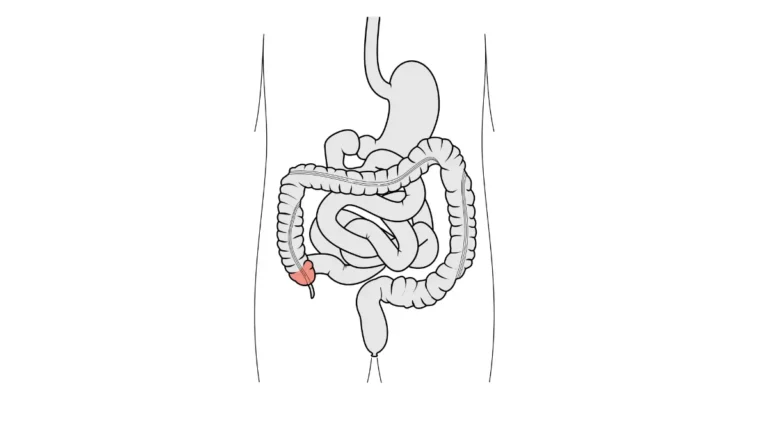
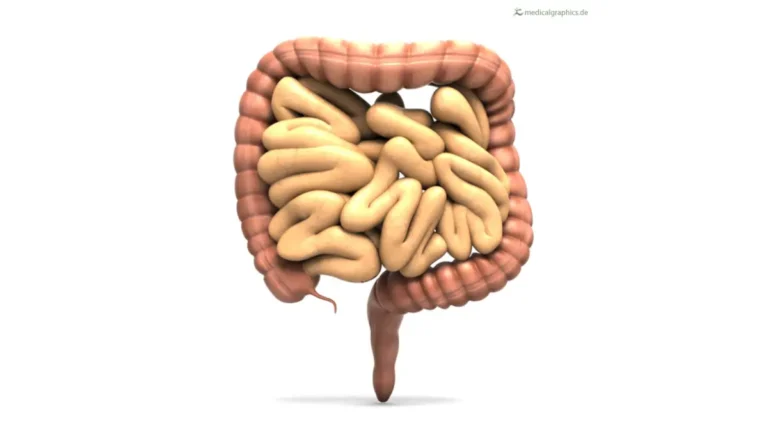
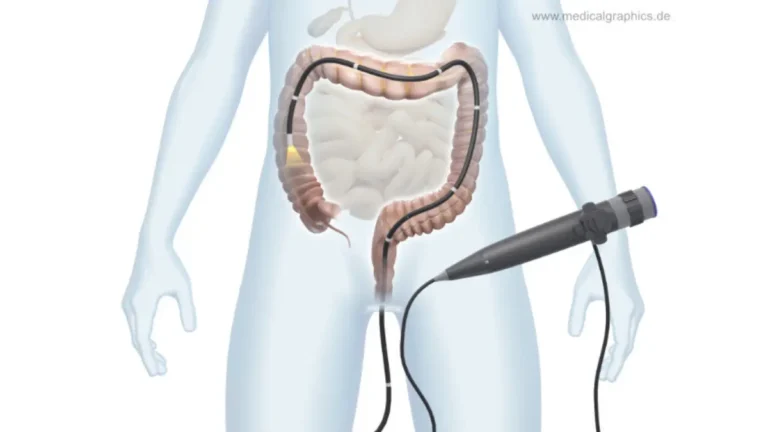
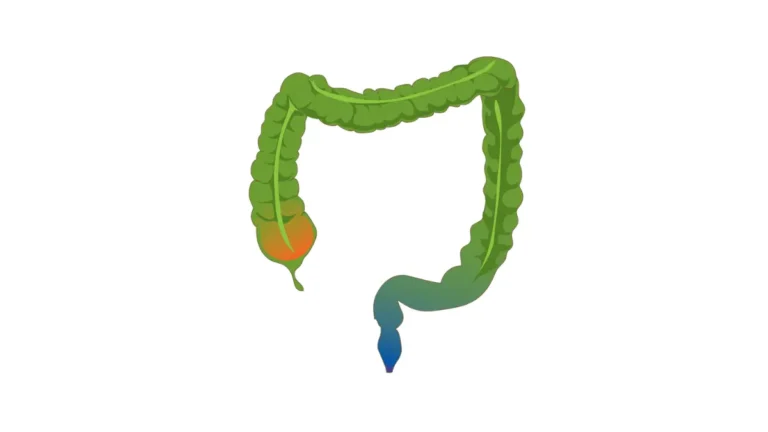
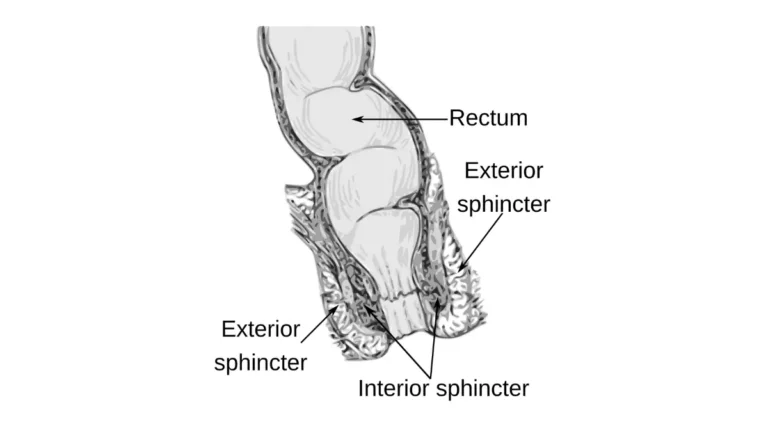
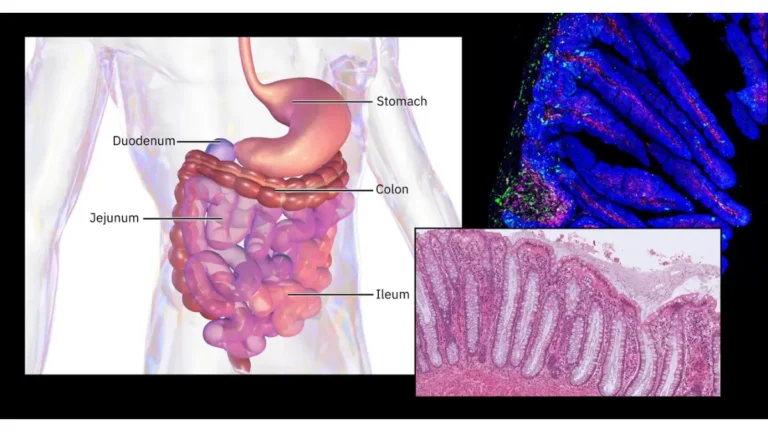
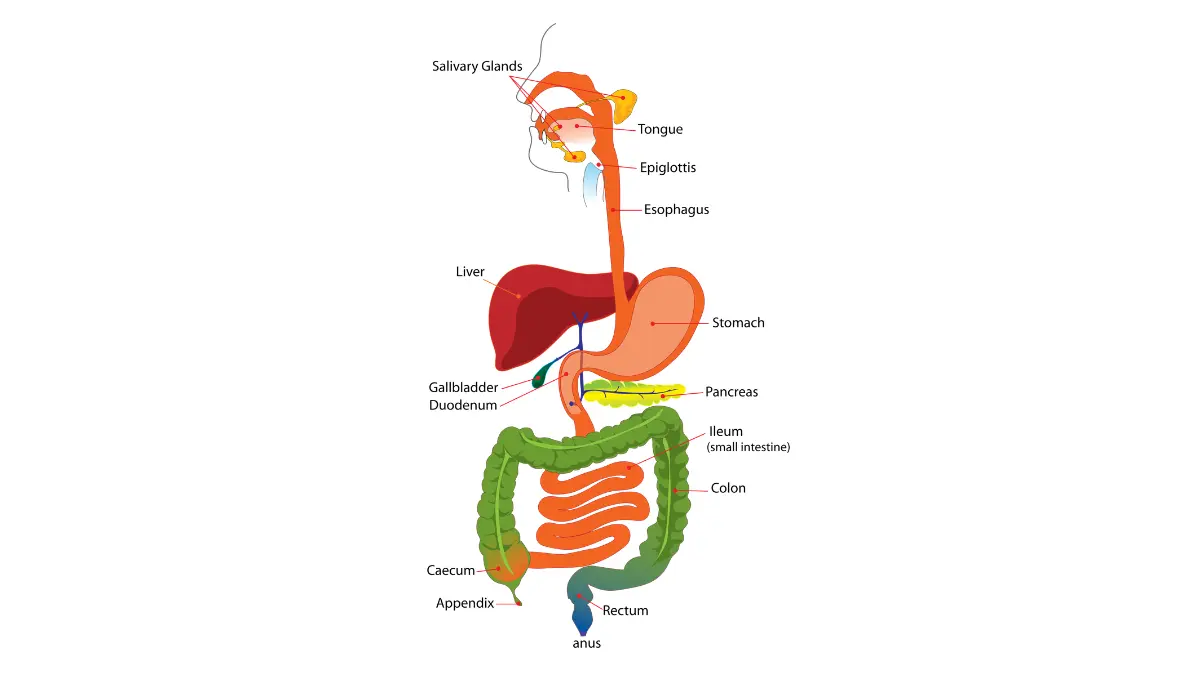
A thin, flexible tube called a colonoscope is passed through the rectum and advanced to the far end of the colon. A small amount of carbon dioxide gently inflates the colon so the lining is easier to see. Reaching the far end, called the cecum, takes several minutes — but the careful look happens on the way back.
Why the withdrawal phase sets the clock
🔬 How It Works: Most of the actual inspection happens as the scope is withdrawn, not as it goes in. The doctor moves slowly, washing and suctioning fluid and examining each fold of the colon wall for polyps — small growths that can be removed on the spot.
That slow withdrawal is deliberate, and it is measured.
📊 Clinical Data Point: Professional guidelines set a minimum scope-withdrawal time of about 6 minutes — not counting any polyp removal — to allow thorough inspection of the colon. — Source: U.S. Multi-Society Task Force on Colorectal Cancer / American College of Gastroenterology; the benchmark traces to research published in the New England Journal of Medicine (2006).
So a longer exam is often a more careful one, not a sign of trouble. To see the full play-by-play, read our guide to what actually happens during a colonoscopy.
Your colonoscopy day, hour by hour
The procedure is short, but the appointment around it follows a predictable rhythm you can plan against.
Here is how a typical day unfolds:
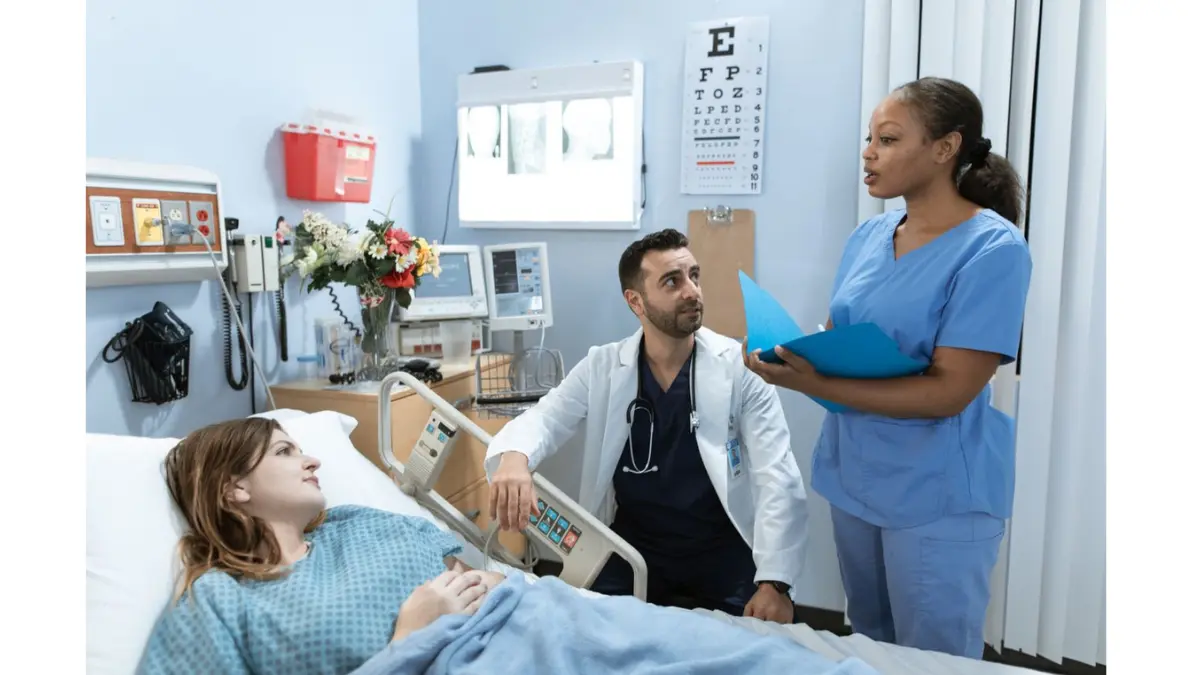
- Arrive about an hour early. Most centers ask you to check in roughly 60 minutes before your scheduled time for paperwork and pre-procedure questions.
- Get prepped. A nurse places an IV, which is used to give the sedating medication.
- The exam. Under sedation, the procedure itself runs about 30 to 60 minutes.
- Recover. You’ll spend roughly the first hour in a recovery area while the sedation wears off and your vital signs are monitored.
- Head home. Once you’re alert, your doctor reviews what they found, and your ride takes you home.
Altogether, plan for about 2 to 3 hours at the facility.
The day-of timeline depends on doing the bowel prep correctly the day before. Our guide on how to prepare for your colonoscopy covers that step by step, and the National Institutes of Health publishes a helpful patient overview of the colonoscopy procedure worth reading beforehand. A separate guide explains which medications to pause before your procedure.
✅ Patient Action: Arrange your ride home before the day of the procedure. Because of the sedation, you cannot drive yourself or take public transit alone, and most centers will not start the exam without a confirmed escort.
What makes a colonoscopy take longer (or shorter)
If your exam runs 20 minutes or stretches past an hour, several ordinary factors explain the difference.
The biggest one is what the doctor finds along the way:
- Polyps and biopsies add time. Removing a polyp or taking a tissue sample adds a few minutes each, and complex polyp removal can push the exam toward the 45- to 60-minute range.
- Bowel-prep quality changes everything. A thoroughly cleaned colon is faster to examine; leftover residue slows the exam and can occasionally mean it has to be repeated.
- Anatomy and history matter. A longer or more looped colon, or prior abdominal surgery, can make the scope harder to advance.
📊 Clinical Data Point: Polyps are found in roughly 30% of routine colonoscopies, and removing them — which adds time — is the part of the exam that actually lowers future cancer risk. — Source: Cleveland Clinic.
This is why prep is worth the effort. Our guides on what to eat and avoid before a colonoscopy and on comparing prep options like SUTAB and liquid preps can help you get a cleaner result and a smoother, faster exam.
How long recovery takes — and why you can’t drive
The exam ends, but the sedation keeps working for the rest of the day, which shapes your recovery timeline.
You’ll spend about the first hour in a recovery area, waking up while staff monitor you. Most people feel groggy and a little bloated from the air used during the exam, and this eases within a few hours.
The 24-hour rule
The sedative takes about 24 hours to fully clear your system. Even when you feel alert, your reflexes and judgment are affected.
⚠️ Clinical Warning: For about 24 hours after sedation, do not drive, drink alcohol, operate machinery, or make important decisions. Lingering sedation impairs you even when you feel normal, which is why a responsible adult must take you home.
Your doctor usually shares what they saw as soon as you’re awake. If a sample was sent to the lab, biopsy results typically take about 1 to 2 weeks. For help making sense of the report, see our guide to what each colonoscopy finding means.
How this fits your screening schedule
A few hours every several years buys a lot of protection, which is easier to accept once you see how rarely most people repeat it.
For adults at average risk, colorectal cancer screening is recommended to start at age 45. A colonoscopy with a normal result is then typically repeated every 10 years.
📊 Clinical Data Point: Major U.S. guidelines recommend average-risk adults begin colorectal cancer screening at age 45 and continue through age 75 (when life expectancy is greater than 10 years); a normal colonoscopy is generally repeated every 10 years. — Sources: American Cancer Society (2026 guideline); U.S. Preventive Services Task Force, via the CDC.
People at higher risk — for example, a family history of colorectal cancer or advanced polyps — often start earlier and repeat more often, frequently every 5 years, on a schedule their doctor sets.
You can read the American Cancer Society’s screening recommendations and the CDC’s overview of colorectal screening tests for the full guidance. A colorectal cancer risk estimate can help you gauge whether to start before 45, and a related test covered in our sigmoidoscopy results guide examines only part of the colon on a different interval.
✅ Patient Action: Ask your gastroenterologist or primary care doctor which start age and screening interval fit your personal and family history — the 10-year interval applies only to a normal, average-risk result.
Normal after-effects vs. when to call your doctor
Most after-effects of a colonoscopy are mild and short-lived, but a few signs deserve a prompt call.
In the first day, mild gas, bloating, and cramping from the air used during the exam are common and ease on their own. A small amount of light spotting can be normal if a polyp was removed.
Signs that need a call or emergency care
Some symptoms are not routine. Contact your care team promptly — or seek emergency care — for any of the following:
- Heavy or persistent rectal bleeding, or passing large blood clots
- Severe or worsening abdominal pain, or a firm, swollen belly
- Fever, chills, or feeling generally unwell
⚠️ Clinical Warning: Severe abdominal pain, heavy bleeding, or fever after a colonoscopy can signal a rare but serious complication and are not symptoms to wait out. Seek emergency care, and contact the center that performed your procedure.
✅ Patient Action: Before you leave, ask the staff exactly which symptoms should prompt a phone call versus an emergency visit, and save the center’s after-hours number in your phone.
Colonoscopy timing: frequently asked questions
1. How long does a colonoscopy take?
The procedure itself usually takes about 30 to 60 minutes. Plan to spend roughly 2 to 3 hours total at the center once you add check-in, sedation, and recovery time. A shorter or longer exam is usually normal and depends mainly on what the doctor finds.
2. How long is the whole appointment, start to finish?
Most people are at the facility about 2 to 3 hours. You typically arrive an hour early for check-in, the exam runs 30 to 60 minutes, and recovery takes about another hour before your ride takes you home. Confirm the exact arrival time when you schedule.
3. How long does a colonoscopy take if they remove polyps?
Removing polyps or taking biopsies adds a few minutes each and can push the exam toward the 45- to 60-minute range. Polyps are found in roughly 30% of routine colonoscopies, and removing them is the exam doing its job. Your doctor will explain what was found.
4. How long does it take to recover from a colonoscopy?
You’ll spend about the first hour in a recovery area while the sedation wears off, and you’ll likely feel groggy. The sedative takes about 24 hours to fully clear, so plan a quiet rest of the day. Follow your center’s specific discharge instructions.
5. Why can’t I drive for 24 hours after a colonoscopy?
Sedation slows your reflexes and judgment for the rest of the day, even when you feel fine, so driving, working, or making important decisions is unsafe for about 24 hours. Arrange for a responsible adult to drive you home in advance.
6. How long should I take off work for a colonoscopy?
Plan for the full day. Between the 2 to 3 hours at the center and the 24-hour sedation window, most people take the day of the procedure off. If your job involves driving or safety-sensitive tasks, confirm timing with your care team.
7. Will I be awake during a colonoscopy, and does it hurt?
Most people receive sedation and remember little or nothing, and many report minimal discomfort. You may feel mild pressure or bloating from the air used to inflate the colon. Sedation options vary, so discuss what to expect with your doctor beforehand.
8. How long does colonoscopy prep take?
Bowel prep spans the day — and sometimes the evening — before your procedure, usually a clear-liquid diet plus a laxative solution often split into two doses. Good prep matters, because leftover residue can lengthen the exam or require a repeat. Follow your prescribed prep exactly.
9. How often do I need a colonoscopy?
For average-risk adults, screening starts at age 45, and a normal colonoscopy is typically repeated every 10 years. Polyps or higher personal or family risk shorten that interval, often to every 5 years, on a schedule your gastroenterologist sets for you.
10. How long until I get my colonoscopy results?
Your doctor usually shares what they saw right after you wake up. If tissue was sent for biopsy, those results typically take about 1 to 2 weeks to come back. Ask your care team when and how you’ll receive them.
11. Is a 15-minute colonoscopy too quick, or a 1-hour one bad?
Neither is automatically a problem. A shorter exam can mean a clear, easy-to-navigate colon, while a longer one often means careful inspection or polyp removal. Guidelines recommend at least about 6 minutes of careful scope withdrawal for a thorough look.
The bottom line on colonoscopy timing
A colonoscopy is a short procedure wrapped in a longer appointment. The exam itself runs about 30 to 60 minutes, but plan for 2 to 3 hours at the center and a quiet rest of the day afterward while the sedation clears.
The single most important thing to arrange ahead of time is your ride home. Everything else — the prep, the paperwork, the recovery hour — follows a predictable rhythm once you know what to expect.
If you’ve been putting off scheduling, the time cost is smaller than it feels, and the protection lasts for years. For the full picture on getting ready, what it costs, and what your results mean, start with our complete colonoscopy guide.
About this content
How this article was put together: researched from recognised health sources, drafted with the help of AI tools, and edited by hand, with sources linked throughout.

Sameer Patel is the founder and editor of My Medicine Advisor. He is not a doctor or medical professional — before starting this site he worked in banking,…
Medical disclaimer
The content on MyMedicineAdvisor is provided for general informational and educational purposes only and is not a substitute for professional medical advice, diagnosis, or treatment. Health information on this website should not be used to diagnose, treat, cure, or prevent any condition without guidance from a qualified healthcare professional. Always seek the advice of your doctor, physician, or another licensed healthcare provider with any questions you may have regarding a medical condition, symptoms, medications, or treatment decisions.