
On This Page – Quick Medical Summary
If you just had a colonoscopy and the doctor mentioned polyps — or you’re staring at a pathology report full of unfamiliar words — it’s normal to feel a jolt of worry. Here’s the reassurance most people need first: most colon polyps are not cancer, and removing them during the exam is exactly how a colonoscopy helps prevent colon cancer.
Where you go next depends on your result:
- Your result was normal or “negative” → start with what a clean result means and when you’ll come back.
- Polyps were found and removed → see what that means and how to read your pathology report.
- You’re still waiting on the biopsy → see how long results take and how you’ll be told.
- Your report mentions something beyond polyps → see abnormal findings and when to follow up promptly.
This guide walks through each colonoscopy result in plain language, with every figure tied to a named medical authority. It complements our complete guide to colonoscopy prep, cost, and results, and if you’re reading before your procedure, our explainer on what the procedure itself feels like.
ℹ️ Medical Disclaimer: This article explains colonoscopy results, polyp types, and general surveillance timing for educational purposes only. It is not a diagnosis, a treatment plan, or a substitute for your own pathology report and care team. The meaning of any specific finding, your surveillance interval, and any medication or procedure decision must be confirmed with the gastroenterologist who performed your colonoscopy before you act on them.
What a normal (negative) colonoscopy result means
A normal colonoscopy result — sometimes called a “negative” result — means the doctor examined the full lining of your colon and rectum and found no polyps, no cancer, and no other significant abnormality. For an average-risk adult with a complete, well-prepared exam, the next screening colonoscopy is generally recommended in 10 years.
What “no polyps found” actually tells you
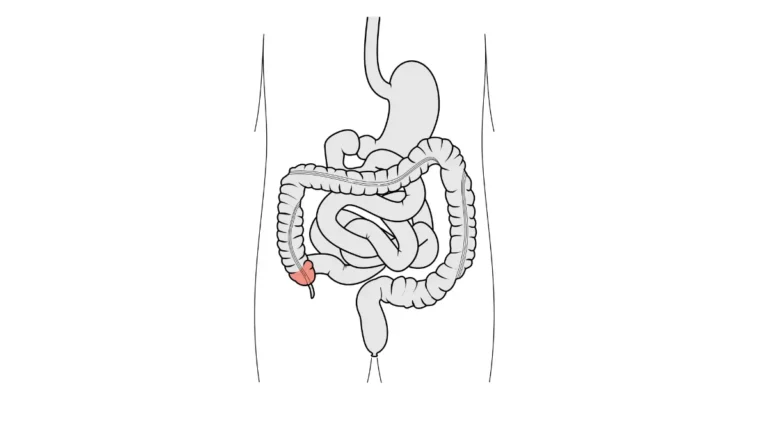
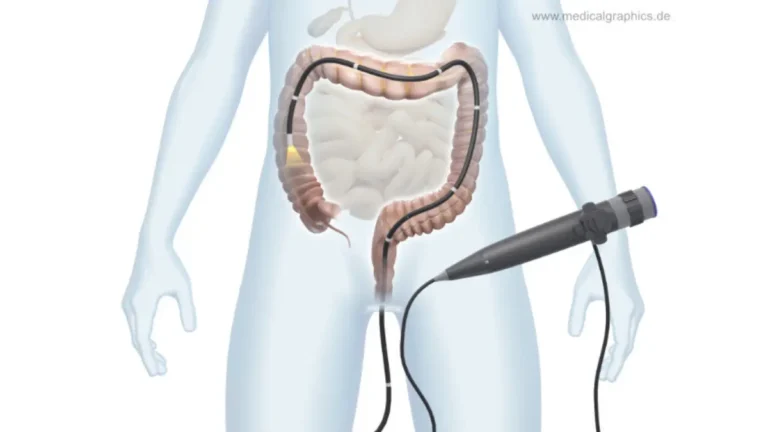
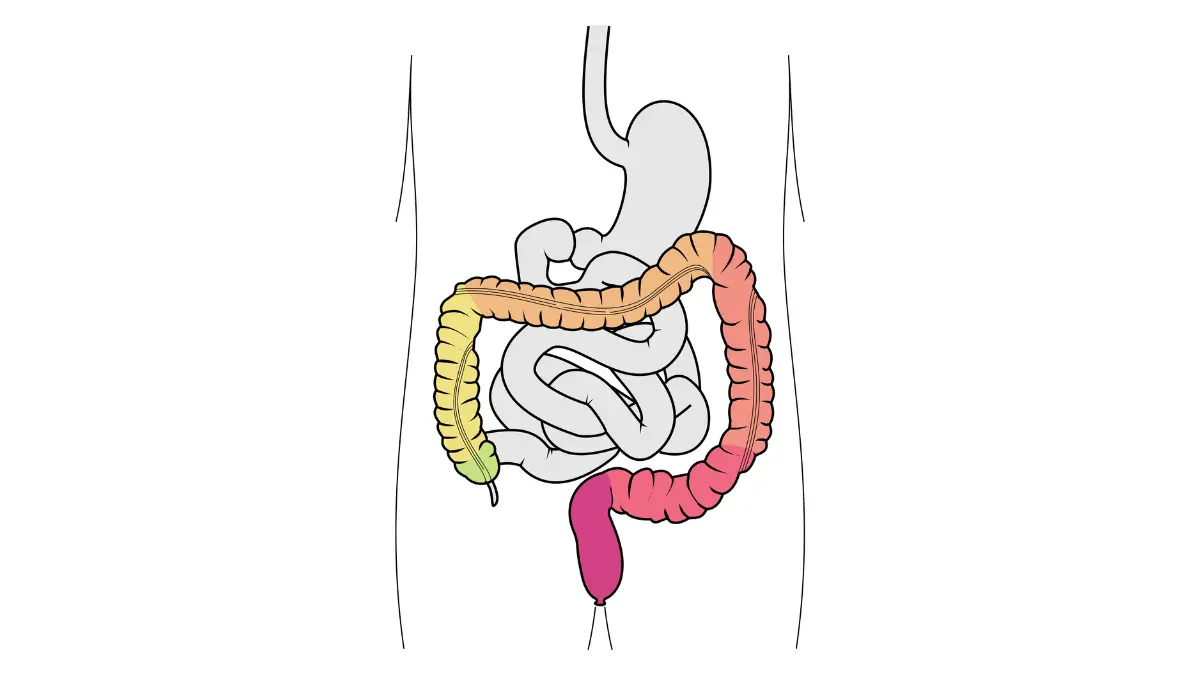
A clean result reflects what was visible during a complete exam reaching the cecum, the far end of the colon. Two things make that result more reliable: adequate bowel prep, so the lining is clearly seen, and a thorough, unhurried examination. Quality matters here — a careful exam lowers the chance a small polyp was missed.
When you’ll need your next colonoscopy if it’s normal
📊 Clinical Data Point: For average-risk adults, the next screening colonoscopy is recommended 10 years after a normal exam — Source: 2020 US Multi-Society Task Force (USMSTF); recommended screening ages are 45 to 75 per the USPSTF.
That 10-year interval assumes average risk. A personal or family history of colorectal cancer or advanced polyps, certain genetic conditions, or a less-than-complete exam can shorten it — and your gastroenterologist makes that call. You can review the broader screening framework through CDC colorectal cancer screening guidance.
What it means when polyps are found
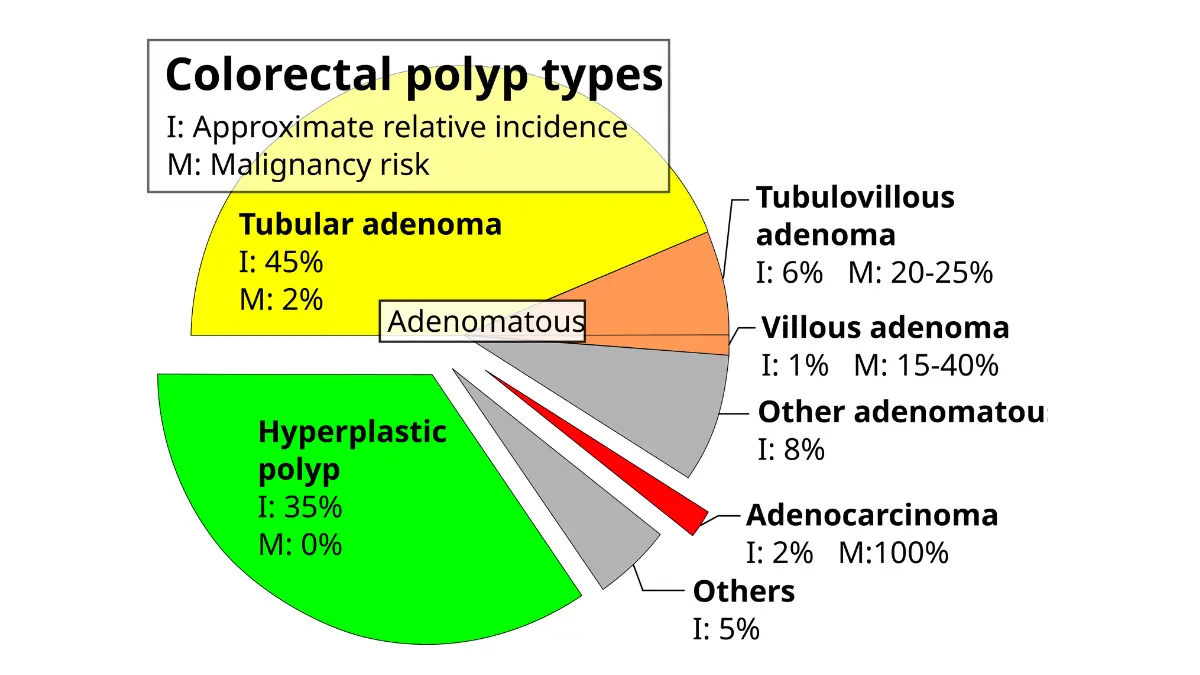
Finding polyps is one of the most common colonoscopy outcomes — and, in most cases, it’s the test doing its job. A polyp is a small growth on the colon’s lining, and the great majority are benign. The pathology report, covered next, confirms exactly what type yours were.
Does finding polyps mean I have cancer?
No. Finding polyps does not mean you have cancer. Most polyps are benign, and many of the rest are caught at a pre-cancerous stage, long before they could ever become a problem. A small number are advanced, and rarely a polyp already contains cancer — but your pathology report and gastroenterologist clarify which applies to you.
Why removing polyps prevents cancer
🔬 How It Works: Many colorectal cancers develop slowly from a type of polyp called an adenoma, through a process called the adenoma-carcinoma sequence. This change typically unfolds over roughly 10 years. Because it is so gradual, removing adenomas during a colonoscopy interrupts the process — which is how the procedure lowers colorectal cancer risk.
Not every polyp is pre-cancerous. Hyperplastic polyps, for instance, carry very low risk, while adenomas and sessile serrated lesions are the types followed more closely.
How to read your colonoscopy pathology report
Your pathology report describes the polyps that were removed and examined under a microscope. Understanding a few key terms helps you read your own result, though your gastroenterologist sets the plan based on the full picture.
Polyp types: adenoma vs. hyperplastic vs. sessile serrated
| Term on your report | Plain meaning | Key clinical detail |
|---|---|---|
| Tubular adenoma | The most common adenoma | Low-risk when small (under 10 mm) |
| Tubulovillous / villous adenoma | An adenoma with a more advanced growth pattern | Followed more closely than tubular |
| Sessile serrated lesion (SSL/SSP) | A flat serrated polyp | Can be pre-cancerous; followed like an adenoma |
| Hyperplastic polyp | A common, usually harmless polyp | Very low cancer risk, especially when small |
Source: American Cancer Society, “Understanding Your Pathology Report: Colon Polyps.”
What “dysplasia” (low-grade vs. high-grade) means
Dysplasia describes how abnormal the cells look. Low-grade dysplasia is the milder, more common finding. High-grade dysplasia signals a more advanced pre-cancerous change — but it is still pre-cancer, not cancer, and is typically managed with closer follow-up.
Size, number, and “advanced adenoma” explained
Three details drive what happens next: how many polyps were found, how large the largest one was, and the histology. An advanced adenoma generally means an adenoma 10 mm or larger, or one with villous or tubulovillous features, or one with high-grade dysplasia.
✅ Patient Action: When you review your report, ask your gastroenterologist: “Given my polyp type, size, number, and any dysplasia, what is my personal surveillance interval?”
For a deeper walkthrough of pathology terminology, see our guide on how to read a pathology report, step by step, and the full polyp glossary in the American Cancer Society’s guide to colon-polyp pathology reports.
How long colonoscopy results take and how you’ll get them
Colonoscopy results usually arrive in two stages, and knowing the difference can ease the wait.
Same-day findings vs. the pathology (biopsy) wait
Your doctor can typically tell you what they saw right after the procedure, once the sedation wears off — including whether polyps were found and removed. The biopsy results for those polyps take longer. In typical practice this is usually about one to two weeks, though it varies by lab and by practice, so a few extra days is not a cause for alarm. The pathology timeline is covered in more depth in how long biopsy results take and how to read them.
How your results are usually communicated
How you’re told varies: many practices use a patient portal, while others call or share results at a follow-up visit. If you haven’t heard within about two weeks, it’s reasonable to call the office and ask.
First time through this process? Our guide on how a first colonoscopy appointment works walks through the visit, and MedlinePlus covers what to expect after a colonoscopy.
When you’ll need your next colonoscopy
The biggest practical question after polyps is when to come back. The intervals below are the general guidance most US gastroenterologists follow, from the 2020 US Multi-Society Task Force (USMSTF) guidelines — but your own doctor sets your personal interval based on your full history and findings.
Surveillance intervals by what was found (2020 USMSTF)
| What was found | General surveillance interval |
|---|---|
| Normal exam, no polyps (average risk) | 10 years |
| 1–2 small tubular adenomas (under 10 mm) | 7–10 years |
| 3–4 small adenomas (under 10 mm) | 3–5 years |
| 5–10 adenomas (under 10 mm) | 3 years |
| Adenoma 10 mm or larger | 3 years |
| Adenoma with villous features or high-grade dysplasia | 3 years |
| More than 10 adenomas | 1 year, plus consider genetic evaluation |
Source: 2020 US Multi-Society Task Force on Colorectal Cancer post-polypectomy guidelines. Small hyperplastic polyps in the rectum and sigmoid generally follow the 10-year interval; small sessile serrated lesions are typically every 5–10 years.
Notably, the 2020 guidelines lengthened two common intervals: 1–2 small adenomas moved from 5–10 years to 7–10, and 3–4 small adenomas moved from 3 years to 3–5. So an older recommendation you may remember could differ from current guidance.
Why your interval may differ from the general guideline
Several factors can shorten your personal interval: a family or personal history of colorectal cancer, prior advanced polyps, certain inherited conditions, incomplete polyp removal, or a poorly prepared or incomplete exam.
✅ Patient Action: Ask your gastroenterologist: “Based on exactly what was found in my colonoscopy, when should my next one be — and does my family history shorten that?”
When it’s time, our guide to preparing for your next surveillance colonoscopy walks through it, and you can read the 2020 US Multi-Society Task Force surveillance guidelines directly.
When colonoscopy results are abnormal beyond polyps
A colonoscopy can reveal findings other than polyps — most of them manageable, and none of them a reason to panic before you have the full picture from your doctor.
Other findings: inflammation, diverticulosis, and incomplete removal
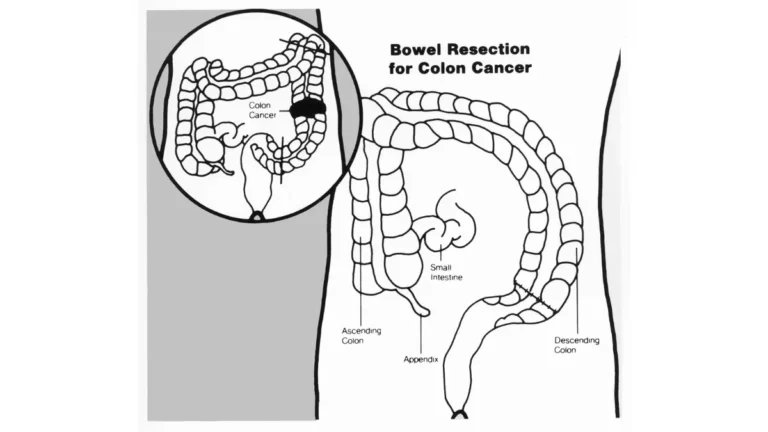
Common non-cancer findings include diverticulosis (small pouches in the colon wall) and signs of inflammation, which may prompt evaluation for a condition such as inflammatory bowel disease. Sometimes a polyp is too large to remove in one session and needs a repeat procedure or a referral. In a minority of cases, a polyp already contains cancer, or the exam finds a suspicious area that needs a biopsy and prompt specialist follow-up.
When results mean you should follow up promptly
⚠️ Clinical Warning: Contact your gastroenterologist promptly if your report notes a finding that “could not be fully removed,” a suspicious mass, or invasive cancer — or if you develop new symptoms such as rectal bleeding, persistent abdominal pain, or unexplained weight loss after your procedure. Timely follow-up of an abnormal result matters, because colorectal cancer is among the most common and serious cancers in the US.
Higher personal risk can change your follow-up, too. If colorectal cancer runs in your family, you can assess your family-history risk, and our guide to colon cancer warning signs, including under 50 covers symptoms worth knowing.
Colonoscopy results: frequently asked questions
1. What is a normal colonoscopy result?
A normal (negative) colonoscopy result means no polyps, no cancer, and no other significant abnormality were seen during a complete exam. For an average-risk person, the USMSTF and USPSTF recommend the next screening colonoscopy in about 10 years, assuming good preparation and a complete exam to the cecum.
2. Should I worry if they found polyps?
Usually not. Most colon polyps found during a colonoscopy are benign, and removing them is how the test helps prevent colorectal cancer. A small number are advanced, which simply means closer follow-up. The pathology report confirms the polyp type, and your gastroenterologist explains what your findings mean.
3. Does having polyps mean I have cancer?
No. Most polyps are not cancer. Some adenomas can slowly progress toward cancer over roughly 10 years, which is why they are removed and examined. A minority are advanced, and rarely a polyp already contains cancer — your pathology report and gastroenterologist clarify which applies to you.
4. How long do colonoscopy biopsy results take?
Your doctor can usually tell you what they saw right after the procedure. Biopsy (pathology) results on any removed polyps typically take about one to two weeks, though this varies by lab and practice. If you haven’t heard within about two weeks, it’s reasonable to call the office to follow up on your colonoscopy results.
5. What does a tubular adenoma mean on my report?
A tubular adenoma is the most common type of adenoma. When small (under 10 mm), it is considered low-risk. It’s a polyp with some potential to change over many years, which is why it’s removed. Ask your gastroenterologist what your specific adenoma means for your surveillance interval.
6. What’s the difference between a hyperplastic polyp and an adenoma?
Hyperplastic polyps are generally benign with very low cancer risk, especially when small and in the lower colon. Adenomas are the polyps that can slowly progress toward cancer, so they are followed more closely. Sessile serrated lesions are also followed more like adenomas. Your pathology report specifies which type you had.
7. When do I need my next colonoscopy after polyps are removed?
It depends on what was found. Per the 2020 USMSTF guidelines, 1–2 small adenomas generally mean 7–10 years; 3–4 mean 3–5 years; and larger, more numerous, or higher-risk findings mean 3 years or sooner. Your gastroenterologist sets your personal interval based on your full history.
8. What does high-grade dysplasia mean in a colon polyp?
Dysplasia means abnormal cells. High-grade dysplasia indicates a more advanced pre-cancerous change — but it is still pre-cancer, not cancer, and does not mean the polyp had spread. It typically shortens the recommended surveillance interval, often to about 3 years. Discuss your specific result with your gastroenterologist.
9. Can polyps come back after they’re removed?
New polyps can form over time, which is why surveillance colonoscopies are scheduled — this is normal and expected. Removing a polyp doesn’t guarantee that none will appear later, and your recommended interval is set precisely to catch any new ones early. Following the interval your gastroenterologist recommends is the best protection.
10. What happens if my colonoscopy is abnormal but not cancer?
Non-cancer findings like diverticulosis or signs of inflammation are common and may prompt further evaluation. Sometimes a polyp needs a repeat procedure to remove fully. Your report notes these findings, and your gastroenterologist explains the specific next step. Contact your care team with questions about your colonoscopy results.
11. How will I be told my colonoscopy results?
It varies by practice — often through a patient portal, a phone call, or a follow-up visit. Immediate visual findings are usually shared right after the procedure, once sedation wears off; pathology results come later. If results don’t arrive within about two weeks, contact the practice to follow up.
Your results in plain terms — and your next step
Most colonoscopy results are far less alarming than the unfamiliar words suggest. A normal exam points to a long gap before the next one; found-and-removed polyps usually mean the test did exactly what it’s meant to do; and your pathology report, read alongside your gastroenterologist, gives you the real picture.
The single most useful thing you can do now is confirm one number — your personal next-colonoscopy date — and the reasons behind it. To see how results fit into the wider process, our complete colonoscopy guide covers prep, cost, and results from start to finish.
About this content
How this article was put together: researched from recognised health sources, drafted with the help of AI tools, and edited by hand, with sources linked throughout.

Sameer Patel is the founder and editor of My Medicine Advisor. He is not a doctor or medical professional — before starting this site he worked in banking,…
Medical disclaimer
The content on MyMedicineAdvisor is provided for general informational and educational purposes only and is not a substitute for professional medical advice, diagnosis, or treatment. Health information on this website should not be used to diagnose, treat, cure, or prevent any condition without guidance from a qualified healthcare professional. Always seek the advice of your doctor, physician, or another licensed healthcare provider with any questions you may have regarding a medical condition, symptoms, medications, or treatment decisions.