
On This Page – Quick Medical Summary
Shield blood test vs. colonoscopy: which colon cancer test is right for you?
If you’ve heard about a blood test for colon cancer and wondered whether it can replace the prep and sedation of a colonoscopy, you’re asking the right question — and the honest answer depends on who you are.
This guide is written for three readers. If you’re at average risk and have been putting off screening, the Shield blood test may be a real option worth understanding. If you have symptoms like rectal bleeding or a change in bowel habits, or you’re at higher risk from prior polyps, inflammatory bowel disease, or a family history of colorectal cancer, this comparison will show you why a colonoscopy is still the test you need. And if you’re simply due for screening and weighing your choices, you’ll get a clear, sourced side-by-side.
The Shield blood test vs. colonoscopy decision isn’t about which test is “better” in the abstract — it’s about which one fits your risk and the screening you’ll actually complete. For the full picture of the procedure itself, see our complete guide to colonoscopy, and for the range of options, the CDC’s overview of screening tests.
ℹ️ Medical Disclaimer: This article explains and compares colorectal cancer screening options — including a diagnostic procedure (colonoscopy), a blood-based screening test, and related insurance coverage — for general education only. It is not a diagnosis, a screening recommendation for your situation, or a substitute for personalized care. Which test is right for you depends on your individual risk, and any positive screening result requires medical follow-up. Consult a board-certified gastroenterologist or your primary care clinician before making a screening decision.
How the Shield blood test and a colonoscopy actually work
The two tests answer the same question — is there cancer or precancer in your colon? — but they go about it in completely different ways.
Shield: a blood draw that reads tumor DNA
The Shield test is a single blood draw done in a doctor’s office. The FDA approved it in July 2024 as the first blood test cleared as a primary screening option for colorectal cancer in average-risk adults age 45 and older.
🔬 How It Works: As tumors and precancerous growths develop, they shed tiny fragments of DNA into the bloodstream, called cell-free DNA. The Shield test looks for specific genetic changes and abnormal methylation patterns in that DNA that signal colorectal cancer. The sample goes to a lab, and results come back in about two weeks.
Colonoscopy: a camera that can find and remove polyps
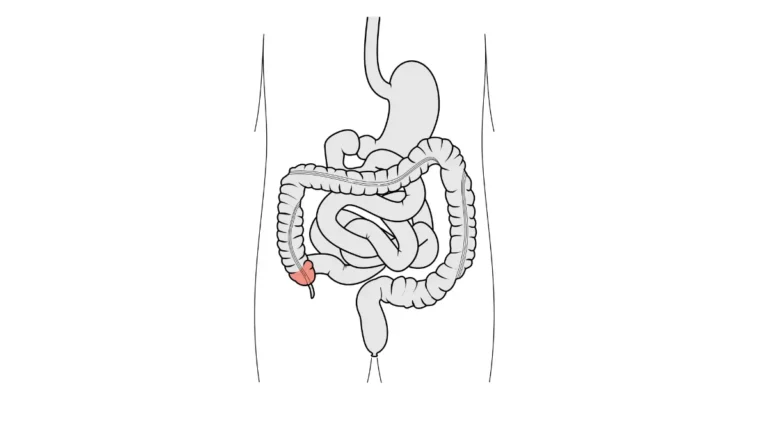
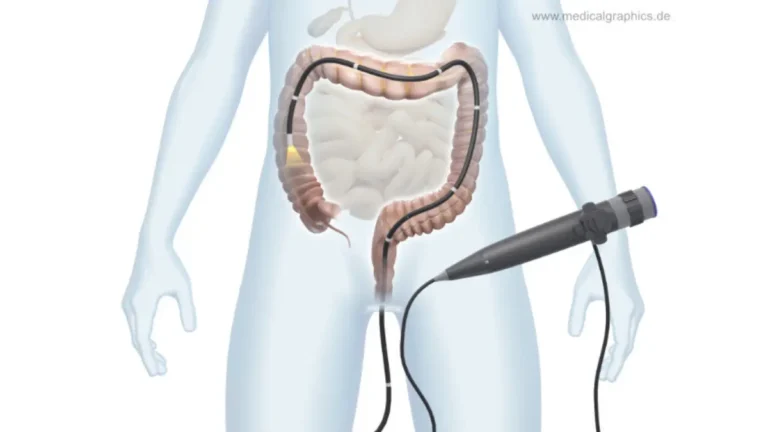
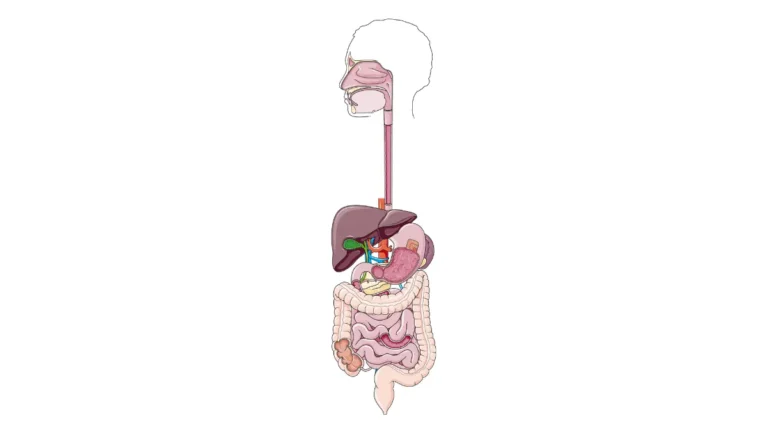
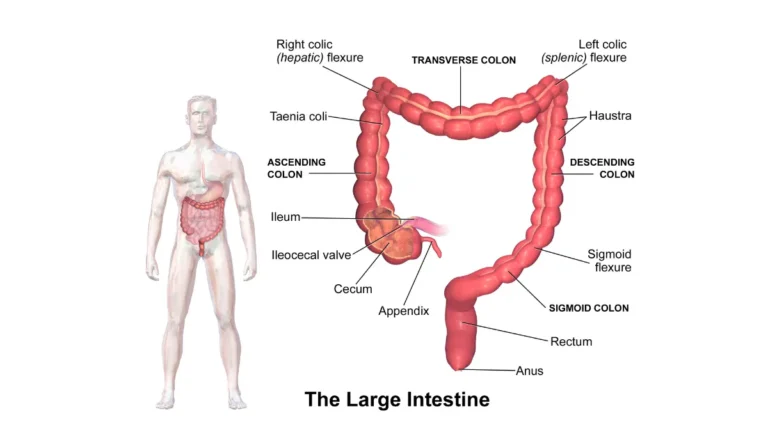
A colonoscopy uses a thin, flexible scope with a camera to look directly at the entire lining of the colon and rectum. It requires bowel prep beforehand and sedation during the procedure.
The defining difference is what happens when something is found: if the doctor sees a polyp, they can remove it in the same procedure. Seeing and acting at once is what separates a colonoscopy from any test that only reports a result.
How accurate is the Shield blood test compared to a colonoscopy?
Here is the honest comparison, with the numbers that matter for your decision.
In the ECLIPSE trial — a study of more than 20,000 average-risk adults published in 2024 — the Shield blood test detected 83% of colorectal cancers and 13% of advanced precancerous polyps, with a specificity of 90%, according to the National Cancer Institute’s summary of the results.
📊 Clinical Data Point: Shield detected 83% of colorectal cancers and 13% of advanced precancerous polyps, with 90% specificity, in the ECLIPSE trial. — Source: National Cancer Institute, 2024.
What sensitivity and specificity mean
Sensitivity is how often a test correctly catches cancer when it’s present; specificity is how often it correctly returns negative when there’s no cancer. A sensitivity of 83% means the test misses roughly 1 in 6 cancers — and 13% sensitivity for precancerous polyps means it misses nearly 9 in 10. The test’s own prescribing information also notes limited detection of early Stage I cancer, the most curable stage.
Side-by-side: Shield vs. colonoscopy
| Factor | Shield blood test | Colonoscopy | Key clinical detail |
|---|---|---|---|
| Detects existing cancer | ~83% | Very high (reference standard) | Colonoscopy is the test all others are measured against |
| Detects advanced precancer | ~13% | Detects and removes most | Only colonoscopy removes polyps |
| Specificity | ~90% | — | A positive Shield needs a confirming colonoscopy |
| What it does | Detects | Detects and prevents | The core difference |
Source: National Cancer Institute / ECLIPSE trial (Shield figures); colonoscopy is the recognized reference standard for comparison.
Detection vs. prevention: the difference that matters most
This is the single most important thing to understand before you choose, and it’s the part most comparisons skip.
A colonoscopy doesn’t just find cancer — it can stop cancer from forming. When the doctor removes a precancerous polyp, that growth can no longer progress into cancer over the following years. Decades of follow-up from the National Polyp Study found that removing these polyps cut colorectal cancer deaths by roughly half. (For the biology behind that, see how polyps turn into cancer.)
The Shield blood test works differently. It is designed to detect cancer that already exists, and as the numbers show, it finds only about 13% of advanced precancerous polyps. A normal Shield result is reassuring about cancer you might have right now — but it does little to clear away the growths that could become cancer later.
🩺 Physician Note: Major guidelines describe blood-based tests as detection tools, not prevention tools. The American Cancer Society notes they are less likely to find precancerous growths, which limits their potential to prevent colorectal cancer — one reason colonoscopy remains the reference standard.
Put simply: a colonoscopy looks for cancer and removes the seeds of future cancer in one visit. A blood test mainly looks for cancer that is already there.
Who should choose the Shield blood test — and who shouldn’t
The right test depends on your risk and your willingness to be screened at all.
When Shield is a reasonable choice
The American Cancer Society added blood-based tests to its 2026 guidelines, but as a non-preferred option — meant mainly for average-risk people who won’t complete a stool test or a visual exam, per the American Cancer Society’s screening recommendations. For someone who would otherwise skip screening entirely, a blood test that catches most cancers is far better than no screening at all.
Shield also isn’t the only non-invasive choice. You can compare a colonoscopy with the Cologuard stool DNA test or the FIT stool test, both of which detect more precancer than a blood test.
When a colonoscopy is the better choice
If you want the best chance to both detect cancer early and prevent it, a colonoscopy is the stronger test. The same is true if you’ve had an abnormal stool test, or if you’d prefer the longest gap between screenings.
Who should not rely on Shield
Shield is for average-risk adults only — if you’re unsure where you fall, a genetic risk assessment can help frame the conversation, and you can read why screening now starts at age 45. It is not appropriate if you:
- Have symptoms such as rectal bleeding, abdominal pain, or a change in bowel habits
- Have a personal history of colorectal cancer, adenomatous polyps, or inflammatory bowel disease
- Have a family history or a hereditary syndrome such as Lynch syndrome
- Need a surveillance colonoscopy to monitor known findings
✅ Patient Action: Before choosing, ask your primary care clinician or gastroenterologist: “Based on my personal and family history, am I average risk or higher — and does that change which screening test is appropriate for me?”
Cost, coverage, and convenience: Shield vs. colonoscopy
Beyond accuracy, cost and convenience shape which test people actually finish.
Medicare covers the Shield test once every three years for eligible average-risk beneficiaries, with the deductible and coinsurance waived, under Medicare’s coverage rules for blood-based screening. If a blood test isn’t covered by your plan, Shield’s cash price is $1,495.
📊 Clinical Data Point: Shield cash price: $1,495. Medicare covers it once every 3 years for eligible beneficiaries; to qualify for coverage, a blood test must meet a minimum of 74% sensitivity and 90% specificity for colorectal cancer. — Source: CMS National Coverage Determination 210.3; Guardant Health, 2024.
Here is the catch most articles miss: because the U.S. Preventive Services Task Force has not yet added blood tests to its colorectal cancer screening recommendation, these tests don’t automatically qualify for the no-cost-sharing coverage the Affordable Care Act requires of private plans for top-rated preventive services. Your out-of-pocket cost on a commercial plan can therefore vary.
| Factor | Shield blood test | Colonoscopy |
|---|---|---|
| Out-of-pocket if uncovered | $1,495 cash | Varies; generally higher |
| Medicare | Covered every 3 yrs, no cost-share | Covered |
| Prep | None | Bowel prep + sedation |
| Repeat interval | Every 3 years | Every 10 years |
A colonoscopy asks for a day of bowel prep and sedation, but with a normal result it’s repeated only every 10 years. Shield needs no prep — just a blood draw — but is repeated every 3 years.
What your result means — and the safety facts to know
A screening result is a starting point, not the final word, and misreading it is the real danger.
If your Shield test is positive
A positive Shield result is not a cancer diagnosis. It means you need a follow-up colonoscopy to find out what triggered the result. Skipping that step defeats the purpose of screening.
If your Shield test is negative
A negative result lowers the odds you have cancer right now, but it isn’t a guarantee — the test misses some cancers and most precancerous polyps. Continue screening on schedule, and don’t dismiss new symptoms because a past test was clear.

Adapted from Wikimedia Commons Checking Blood Sample, licensed under CC BY 2.0.
⚠️ Clinical Warning: A positive blood-based screening test requires a timely colonoscopy to confirm or rule out cancer; the result alone diagnoses nothing. A negative result does not rule out colorectal cancer or advanced polyps, so report any rectal bleeding, persistent abdominal pain, or change in bowel habits to your clinician regardless of a prior normal test.
Colonoscopy’s risks in perspective
A colonoscopy carries small risks, mainly bleeding or, rarely, a perforation — on the order of a few events per 1,000 procedures when polyps are removed, as covered in the risks of a colonoscopy in more detail. For most average-risk adults, those risks are low and weighed against the procedure’s ability to prevent cancer.
✅ Patient Action: If your screening result is positive, ask your gastroenterologist: “How soon should my follow-up colonoscopy be scheduled, and what should I do in the meantime?”
Shield blood test vs. colonoscopy: frequently asked questions
1. Is the Shield blood test as good as a colonoscopy?
Not for prevention. In the Shield blood test vs. colonoscopy comparison, a colonoscopy both detects cancer and removes precancerous polyps, while Shield detects about 83% of cancers but only 13% of advanced precancer. For average-risk people who would otherwise skip screening, Shield is still far better than nothing. Discuss your risk with your clinician.
2. How accurate is the Shield blood test?
In the ECLIPSE trial, the Shield blood test detected 83% of colorectal cancers and 13% of advanced precancerous polyps, with 90% specificity. That means it misses roughly 1 in 6 cancers and most precancer, and its detection of early Stage I cancer is limited. A positive result needs a confirming colonoscopy.
3. Does the Shield test detect polyps?
Only a small share. The Shield test detects about 13% of advanced precancerous polyps, compared with a colonoscopy, which finds and removes the large majority. This gap is the main reason a blood test detects cancer but does little to prevent it. For polyp removal, a colonoscopy is needed.
4. How much does the Shield blood test cost?
If it isn’t covered by your insurance, the Shield blood test has a cash price of $1,495. Many people pay less or nothing through coverage. Medicare covers it every three years for eligible beneficiaries with no cost-sharing, while private-plan coverage varies. Confirm your specific coverage with your plan before testing.
5. Is the Shield test covered by Medicare or insurance?
Medicare covers the Shield blood test once every three years for eligible average-risk beneficiaries, with the deductible and coinsurance waived. Private coverage is less certain, because blood tests aren’t yet in the USPSTF recommendation that triggers no-cost-sharing coverage under the Affordable Care Act. Check with your plan.
6. Who should use Shield instead of a colonoscopy?
The American Cancer Society suggests a blood test mainly for average-risk adults who won’t complete a stool test or colonoscopy. If a Shield blood test is the only screening someone will accept, it’s a reasonable choice. Anyone with symptoms or higher risk should have a colonoscopy instead. Ask your clinician which fits your risk.
7. How often do you need the Shield blood test?
The Shield blood test is repeated every three years for average-risk adults, the interval Medicare uses for coverage. By comparison, a colonoscopy with a normal result is repeated every 10 years. A shorter interval doesn’t make a blood test more thorough — it reflects that it detects, rather than removes, what it finds.
8. What happens if the Shield test is positive?
A positive Shield blood test is not a diagnosis; it signals that you need a timely follow-up colonoscopy to find and, if needed, remove what caused the result. Without that colonoscopy, a positive blood test cannot benefit you. Contact your gastroenterologist promptly to schedule the follow-up procedure.
9. Can the Shield test miss cancer?
Yes. The Shield blood test misses roughly 1 in 6 colorectal cancers and most precancerous polyps, and its detection of early Stage I cancer is limited. A negative result lowers but does not eliminate the chance of cancer. Continue screening on schedule and report new symptoms to your clinician even after a normal result.
10. Is the Shield blood test FDA approved?
Yes. The FDA approved the Shield blood test in July 2024 as the first blood test cleared as a primary screening option for colorectal cancer in average-risk adults age 45 and older. It has since been added to NCCN and American Cancer Society guidelines as a non-preferred option. It is not approved for high-risk individuals.
11. Can I use Shield if I’m high-risk or have had polyps before?
No. The Shield blood test is for average-risk adults only. If you’ve had colorectal cancer, adenomatous polyps, inflammatory bowel disease, a hereditary syndrome, or you need surveillance, a colonoscopy is the appropriate test — not a blood test. Ask your gastroenterologist about the right screening schedule for your history.
The bottom line on choosing your screening
The Shield blood test vs. colonoscopy choice comes down to a tradeoff: a colonoscopy finds cancer and removes the polyps that cause it, while a blood test mainly detects cancer that is already present and misses most precancer. For people who would get a colonoscopy, it remains the stronger test. For those who would otherwise skip screening entirely, a blood test is far better than nothing — and the worst choice of all is no screening.
Bring your personal and family history to your clinician and decide together which test fits. Whatever you choose, getting screened is what protects you.
About this content
How this article was put together: researched from recognised health sources, drafted with the help of AI tools, and edited by hand, with sources linked throughout.

Sameer Patel is the founder and editor of My Medicine Advisor. He is not a doctor or medical professional — before starting this site he worked in banking,…
Medical disclaimer
The content on MyMedicineAdvisor is provided for general informational and educational purposes only and is not a substitute for professional medical advice, diagnosis, or treatment. Health information on this website should not be used to diagnose, treat, cure, or prevent any condition without guidance from a qualified healthcare professional. Always seek the advice of your doctor, physician, or another licensed healthcare provider with any questions you may have regarding a medical condition, symptoms, medications, or treatment decisions.