
On This Page – Quick Medical Summary
How long does a CBC take to come back?
A complete blood count (CBC) takes only a few minutes to draw, and results usually reach you within about 1 to 3 days — sometimes the same day. The lab often runs the test itself in a matter of hours; most of the wait comes from sample transport, result review, and how your clinic releases it.
Where you had the blood test done changes the timing, so find your situation below:
- In an emergency room or hospital: results are typically ready within roughly an hour, because the lab is on-site and prioritizes urgent samples.
- At a routine checkup or clinic: expect same-day to a few days, depending on whether the office uses its own lab or sends samples out.
- Waiting at home and worried: a delay of a day or two is almost always routine, not a sign of bad news.
- A caregiver checking on a family member: the same timelines apply, and results are released to the patient’s provider and portal, not to callers.
This guide walks through what happens to your sample, realistic timing by setting, and when a delay is actually worth a phone call.
ℹ️ Medical Disclaimer: This article is general health education, not a diagnosis, a treatment plan, or an interpretation of your personal results. A CBC is one tool among many, and abnormal values do not confirm any condition on their own. For questions about your results, the reason a test was ordered, or any symptom you’re worried about, consult your primary care provider or the ordering clinician; for a suspected blood disorder, ask whether a referral to a hematologist is appropriate.
What actually happens to your blood after the draw
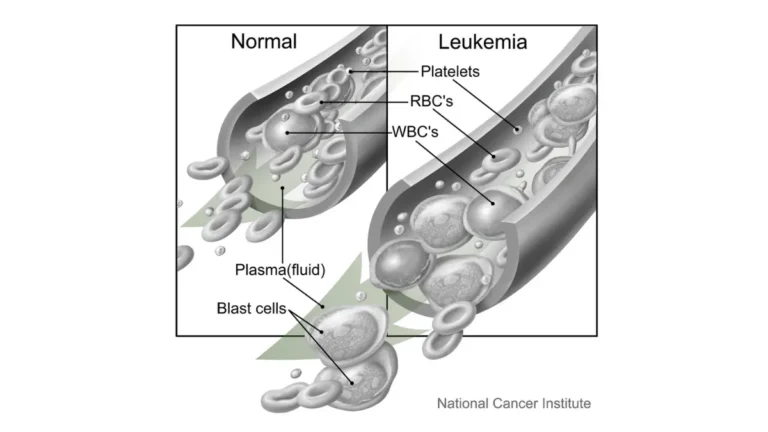
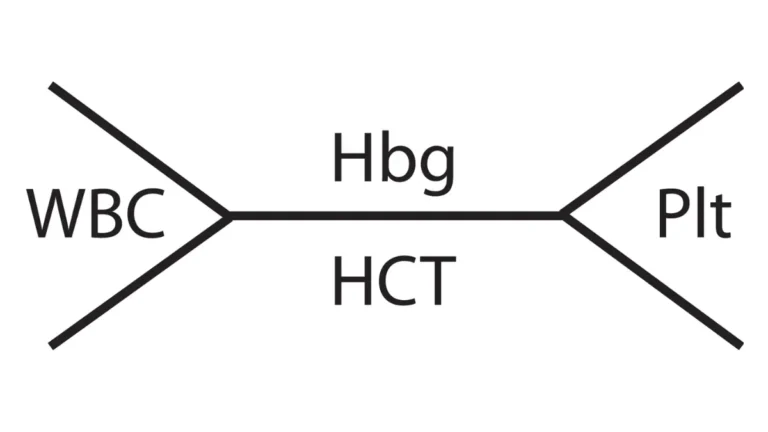
Understanding the path your sample takes explains why the wait ranges from an hour to a few days. A CBC measures your red blood cells, white blood cells, platelets, hemoglobin, and hematocrit — you can see the full breakdown in the National Library of Medicine’s overview of the complete blood count. The blood draw itself usually takes under five minutes and needs no special preparation.
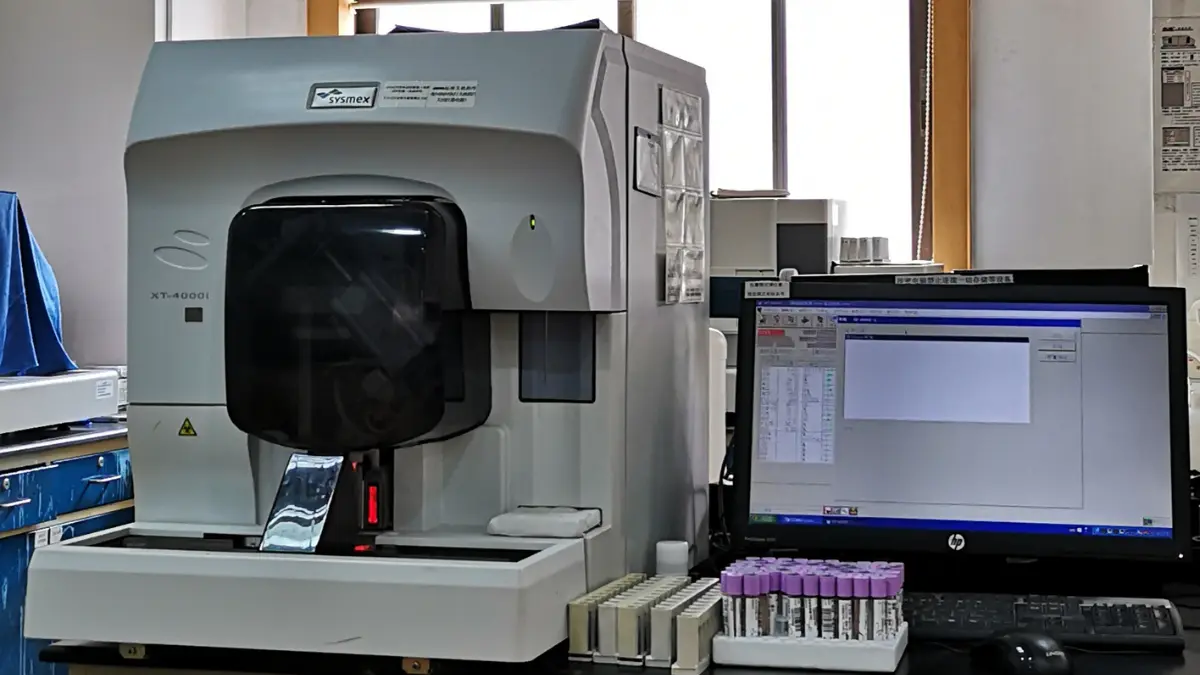
🔬 How It Works: After a phlebotomist fills the tube, your sample is labeled and sent to the lab, where an automated hematology analyzer counts and sizes each cell type in minutes. The machine flags anything that looks unusual, and a technologist verifies the numbers before they are released.
Most samples never need a person to look at the cells directly. When counts are flagged or abnormal, though, the lab may prepare a peripheral blood smear — a drop of blood examined under a microscope — or report a CBC with differential that breaks white cells into their five types. If you want the details of that add-on, see our guide to what a CBC with differential shows.
That extra manual step is a quality check, not a problem, and it is one reason some results take longer than others. Knowing how to prepare for a CBC test also helps make sure nothing delays your draw.
Typical CBC turnaround time by setting
Turnaround depends heavily on where your blood is processed. The table below shows realistic ranges from draw to results being available — these are typical, not guaranteed, and individual timing varies by lab.
| Setting | Typical turnaround | Key clinical detail |
|---|---|---|
| Emergency room / STAT | ~30–60 minutes | On-site lab; urgent samples prioritized |
| Hospital inpatient | ~1–2 hours | Run in-house, posted to the chart |
| Outpatient clinic, in-house lab | Same day to ~24 hours | No transport delay |
| Clinic sending to a reference lab | ~1–3 days | Send-out adds ~1–2 business days |
Ranges reflect general patient-education guidance from health systems and laboratories; your lab’s timing may differ.
The STAT turnaround in urgent settings is fast because the analysis step itself is quick. To put a number on that step alone:
📊 Clinical Data Point: One peer-reviewed hospital audit of an oncology department, conducted during the COVID-19 pandemic, measured a median in-lab CBC turnaround of about 56 minutes, with 82% of samples resulted in under 90 minutes. — Source: peer-reviewed audit indexed by the National Library of Medicine.
Read that figure carefully. It is a single lab’s internal processing time for the analysis phase only — not a universal standard — and it does not include the time for a result to be reviewed and reach you. The full hospital turnaround audit describes the methodology.
Why your CBC results are taking longer than expected
A result that runs past your expected window almost always has an ordinary, non-medical explanation. The most common reasons a CBC lags are process-related:
- Your sample was sent to an outside lab. Send-outs add roughly one to two business days for transport and processing.
- A weekend or holiday fell in between. Many non-urgent results are released on business days.
- The lab is running a high volume. Backlogs can push routine results back a day.
- Your provider reviews results before release. Some clinics hold results until a clinician has looked at them.
Result-related reasons can also add time. When a value is flagged — such as a high white blood cell count — the lab may repeat the run or prepare a manual smear to confirm the finding before reporting it.
A flag simply means the lab is double-checking, not that a diagnosis has been made. If your results show a flagged value once they arrive, our guide to what a high white blood cell count means explains how those numbers are interpreted.
How you’ll get your CBC results — and when to check
Most results reach you through a patient portal, a provider phone call, or both. Knowing where to look saves you from refreshing your inbox for days.
Portals like MyChart often post lab values automatically, sometimes before your clinician has reviewed them. That means you might see a number without the context to interpret it — which is normal, and a good reason to wait for your provider’s note. When your results arrive, our guide to how to read your CBC results walks through each value, and a normal CBC range chart shows where typical adult ranges fall.
A common mistake is treating silence as reassurance. “No news is good news” is not reliable, because results can be delayed, misrouted, or simply not yet reviewed.
✅ Patient Action: If the timeframe your clinic gave you has passed, call the ordering provider’s office and ask two things — “Are my CBC results back?” and “Has the clinician reviewed them?” Do not assume a delay means everything is fine.
CBC turnaround vs other common blood tests
If your CBC was drawn alongside other tests, timing can differ from tube to tube — and a slower companion test does not mean anything is wrong with your CBC. A CBC is one of the most common blood tests, as noted in MedlinePlus’s blood count tests overview, and it is usually among the faster routine results.
Tests that tend to come back on a similar timeline:
- A CBC and a basic metabolic panel, often within a day
- A lipid panel, typically within a day or so
Tests that usually take longer:
- Cultures, which need days to grow before they can be read
- Genetic tests and some hormone panels, which are frequently sent to specialized labs
Biopsy and pathology results follow their own, longer schedule; if you are waiting on tissue results too, see our guide to how long biopsy results take. The takeaway is simple: match your expectation to the specific test, not to the fastest one in the batch.
When a delay actually matters — and when to follow up
For most people waiting on a routine CBC, a delay of a day or two is completely normal and not a reason to worry. The healthy response is patience first, then a phone call if the promised window passes.
There is one important exception, and it is not about the paperwork — it is about how you feel.
⚠️ Clinical Warning: A blood test is never the thing to wait on in an emergency. If you have severe or worsening symptoms — heavy bleeding, a high fever with shaking chills, chest pain, trouble breathing, or new confusion — seek care immediately rather than waiting for CBC results.
If you feel well and results are simply slow, follow up with the office that ordered the test. If you are weighing whether a symptom needs attention while you wait, our symptom checker can help you think through next steps, though it does not replace a clinician’s judgment.
✅ Patient Action: For a simple delay, call the ordering clinic and confirm your results are back and reviewed; for urgent or worsening symptoms, contact your provider or emergency services now — do not wait on any lab result.
Frequently asked questions
1. How long does a CBC take to get results?
A CBC usually takes about 1 to 3 days from draw to results being available, and sometimes the same day. The blood draw itself takes only a few minutes; most of the wait comes from transport, verification, and how your clinic releases results, rather than the analysis, which is often finished in hours.
2. How long does the actual CBC test — the blood draw — take?
The blood draw for a CBC usually takes under five minutes, according to the National Library of Medicine, and needs no special preparation. A phlebotomist collects one small tube from a vein in your arm. The waiting you experience afterward is lab processing and result-release time, not the draw itself.
3. Can you get same-day CBC results?
Yes. When a clinic uses its own in-house lab, CBC results can be ready the same day, often within a few hours. Same-day results are most common in hospitals, urgent care, and clinics with on-site labs; offices that send samples to an outside reference lab typically take longer.
4. How long do CBC results take in the ER?
In an emergency room, CBC results are typically available within roughly 30 to 60 minutes. Emergency and hospital labs are on-site and prioritize urgent, or STAT, samples. That speed is possible because the lab runs the sample immediately instead of batching or shipping it elsewhere.
5. Why are my CBC results taking longer than expected?
The most common reasons are non-medical: your sample was sent to an outside lab, a weekend fell in between, the lab has a backlog, or your provider reviews results before releasing them. A flagged or abnormal value can also add time, because the lab may repeat the test or check a smear to confirm it.
6. Does a delay in CBC results mean something is wrong?
Usually not. A delay of a day or two is almost always routine — transport, review, and release timing, not a warning sign. Results are not held back because news is bad. If your clinic’s stated timeframe passes, call to confirm the result is back and has been reviewed with your provider.
7. How will I be notified of my CBC results?
Most results arrive through a patient portal, a call or message from your provider, or both. Portals may post values automatically, sometimes before a clinician has reviewed them, so a number without context is normal. Wait for your provider’s interpretation, and follow up if you do not hear back in the expected window.
8. Does a CBC with differential take longer than a regular CBC?
It can take slightly longer. A CBC with differential separates white blood cells into their five types, and if any value is flagged, the lab may examine a peripheral blood smear under a microscope. That manual step is a quality check that adds time but improves accuracy for unusual results.
9. Do abnormal CBC results take longer?
Often, yes. When a result is flagged as abnormal, the lab may repeat the run or prepare a manual smear to confirm the finding before reporting it, which adds time. A flag means the lab is verifying the number, not that a diagnosis has been made. Ask the ordering provider what a specific flagged value means in your case.
10. How does CBC turnaround compare to other blood tests?
A CBC is among the faster routine tests, usually back within a day when run in-house, similar to a basic metabolic panel. Cultures take days because cells must grow first, and genetic or specialized panels are often sent out. A slower companion test does not indicate a problem with your CBC.
11. Do I need to prepare for a CBC?
Usually no special preparation is needed for a CBC, according to the National Library of Medicine. If your provider ordered other tests at the same time — such as a glucose or lipid panel — you may be asked to fast. Follow the specific instructions your clinic gives you for the full set of tests.
The bottom line on CBC timing
A CBC is quick to draw, quick to run, and usually back in your hands within about 1 to 3 days — often sooner. The number on your report matters more than the wait to get it, and a short delay is almost always routine rather than a red flag.
If your expected window passes, call the office that ordered the test and ask whether your results are back and reviewed. For the full picture of what this test can and cannot reveal, see our pillar guide to what a complete blood count can and can’t tell you.
About this content
How this article was put together: researched from recognised health sources, drafted with the help of AI tools, and edited by hand, with sources linked throughout.

Sameer Patel is the founder and editor of My Medicine Advisor. He is not a doctor or medical professional — before starting this site he worked in banking,…
Medical disclaimer
The content on MyMedicineAdvisor is provided for general informational and educational purposes only and is not a substitute for professional medical advice, diagnosis, or treatment. Health information on this website should not be used to diagnose, treat, cure, or prevent any condition without guidance from a qualified healthcare professional. Always seek the advice of your doctor, physician, or another licensed healthcare provider with any questions you may have regarding a medical condition, symptoms, medications, or treatment decisions.