
On This Page – Quick Medical Summary
You booked routine blood work, opened your lab order or patient portal, and saw two tests side by side: a CBC and a CMP. If you’re wondering why you need both — or whether two tests means something is wrong — you’re in the right place, and the short answer is reassuring. Ordering both together is standard, not a warning sign.
Here’s the one-line difference, and how to use this guide. A complete blood count counts the cells in your blood; a comprehensive metabolic panel measures 14 chemistry substances that reflect your organs and metabolism. If you already have results and want to interpret a number, jump to the pillar guide on what your complete blood count can and can’t tell you. If you’re preparing for the draw, the preparation section covers fasting. If you’re worried about what a result might mean, the final section handles that honestly.
Both tests use a single, ordinary blood draw, and both are among the most common tests ordered at a checkup. This guide walks through what each measures, how they differ, which you might need, and — just as important — what they can’t tell you.
ℹ️ Medical Disclaimer: This article is general health education, not medical advice, and does not diagnose disease, interpret your individual results, recommend treatment, or replace testing your provider has ordered. Laboratory reference ranges vary between labs, and any abnormal or borderline result should be read in the context of your history by the clinician who ordered it. Speak with your primary care provider or the ordering clinician before making decisions based on any blood test.
What a CBC (complete blood count) actually measures
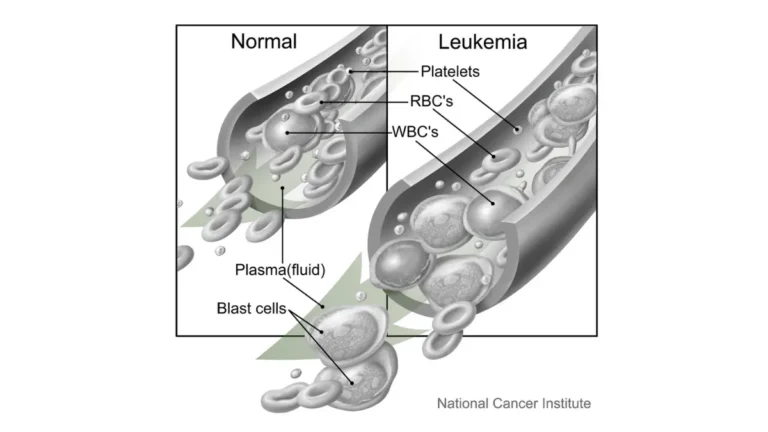
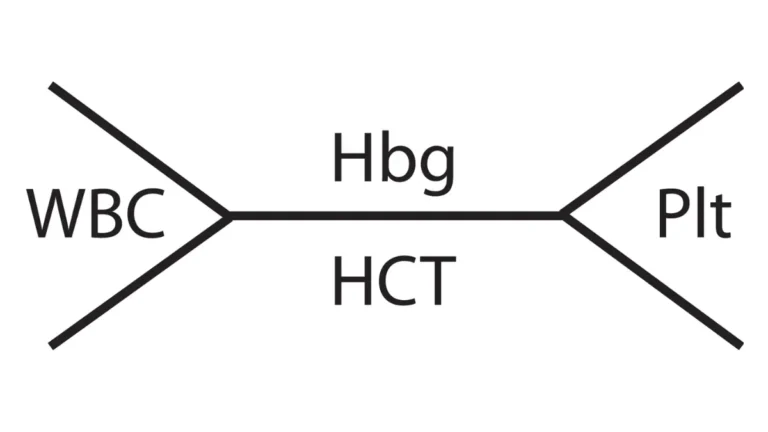
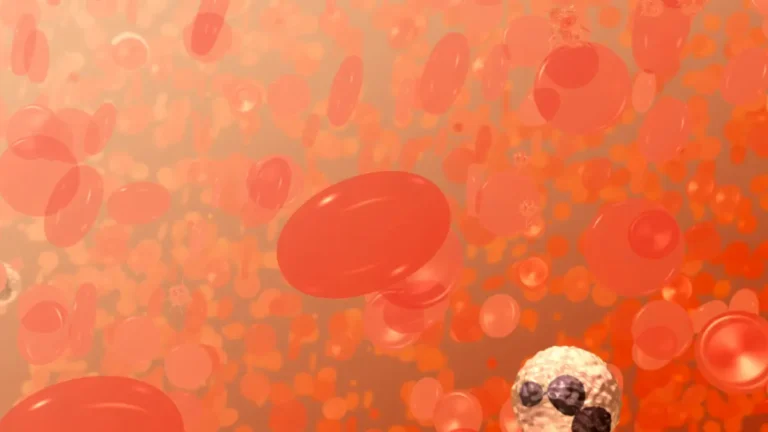
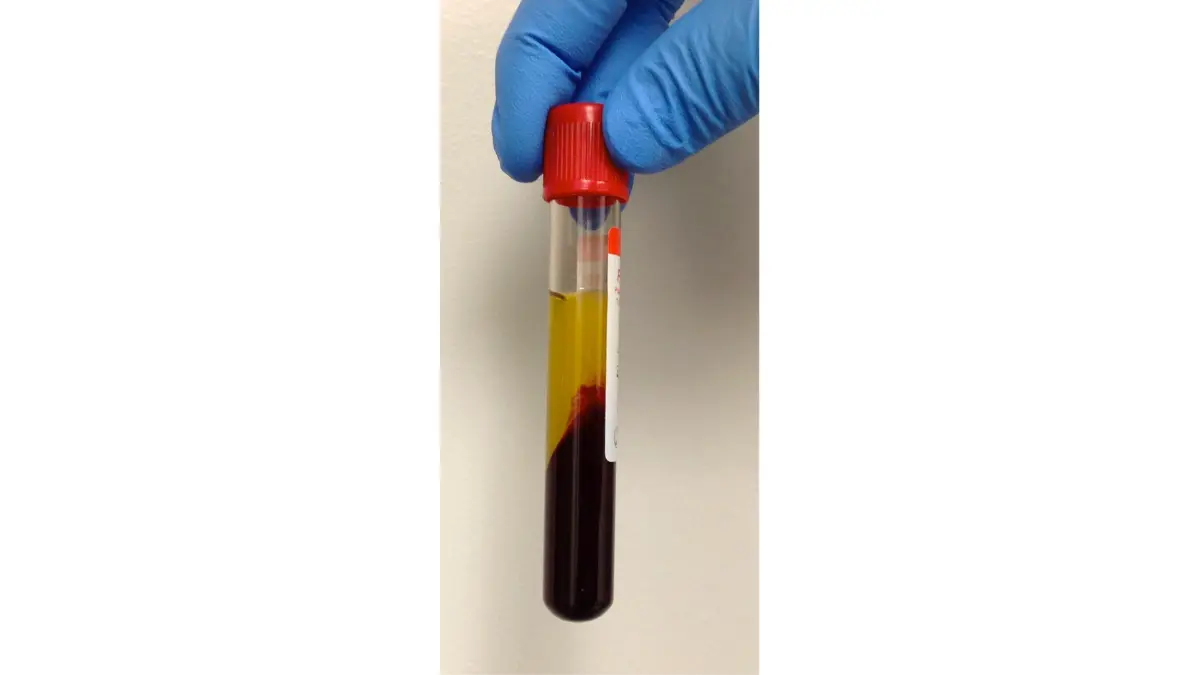
A complete blood count is a census of the cells circulating in your blood. It reports three main cell types plus several measurements that describe your red cells in detail. Together they give your provider a broad read on infection, anemia, and blood-cell disorders.
The three cell types a CBC counts:
- Red blood cells (RBCs), which carry oxygen from your lungs to the rest of your body.
- White blood cells (WBCs), which fight infection and drive your immune response.
- Platelets, which help your blood clot and stop bleeding.
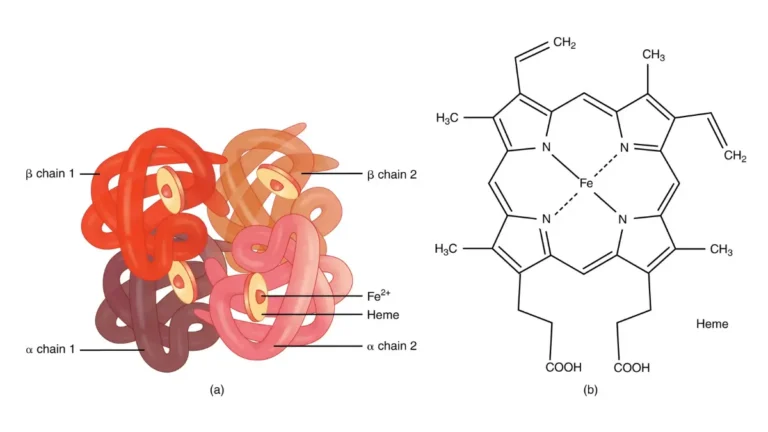
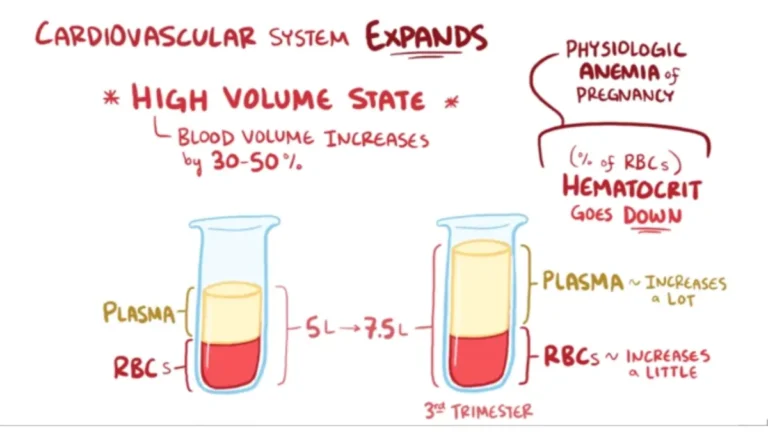
Beyond the counts, a CBC measures hemoglobin (the iron-rich protein in red cells that carries oxygen), hematocrit (the share of your blood made up of red cells), and red-cell indices such as mean corpuscular volume, the average size of your red cells. According to the NIH’s MedlinePlus overview of the complete blood count, low red cells, hemoglobin, or hematocrit can point to anemia or dehydration, while an abnormal white cell count can signal infection or an immune or bone-marrow issue. If you want to see how two of these overlap, our guide on how hematocrit and hemoglobin differ breaks it down.
🔬 How It Works: A standard CBC reports the total white blood cell count. A separate version, a “CBC with differential,” splits that total into the five white-cell types — neutrophils, lymphocytes, monocytes, eosinophils, and basophils — because each reacts to different problems, so the mix itself is a clue.
Read more about the five white blood cell types a differential counts if a differential appears on your order.
What a CMP (comprehensive metabolic panel) tests for
A comprehensive metabolic panel measures 14 substances that reflect how your organs and metabolism are working. Where a CBC counts cells, a CMP reads your blood chemistry. It’s often called a “chem 14,” a chemistry panel, or simply a metabolic panel.
📊 Clinical Data Point: A comprehensive metabolic panel measures 14 substances in the blood — Source: NIH MedlinePlus (Comprehensive Metabolic Panel), verified 2026.
Grouped by what they check, the 14 are:
- Blood sugar: glucose, your body’s main energy source.
- A mineral: calcium, essential for nerve, muscle, and heart function.
- Electrolytes: sodium, potassium, chloride, and carbon dioxide (bicarbonate), which manage fluid balance and pH.
- Kidney markers: blood urea nitrogen (BUN) and creatinine, waste products your kidneys filter out.
- Proteins: albumin and total protein, made largely in the liver.
- Liver markers: the enzymes ALP, ALT, and AST, plus bilirubin, a waste product from the breakdown of old red cells.
Per MedlinePlus’s breakdown of the comprehensive metabolic panel, these results give a picture of liver function, kidney function, blood sugar, and fluid and electrolyte balance. If your panel flags the liver enzymes, our guide on how to read liver function results goes deeper, and what a normal fasting glucose looks like covers the sugar side.
🔬 How It Works: Liver enzymes like ALT and AST mostly live inside liver cells. When those cells are inflamed or damaged, the enzymes leak into the bloodstream — so higher enzyme levels in your blood can signal the liver is under stress.
CBC vs CMP: the differences at a glance
The simplest way to hold the two apart: a CBC counts cells, a CMP measures chemistry. They’re separate tests that answer different questions, which is why providers often run them together. The table lines them up.
| Feature | CBC — complete blood count | CMP — comprehensive metabolic panel |
|---|---|---|
| What it measures | Blood cells: red cells, white cells, platelets, plus hemoglobin, hematocrit, red-cell indices | 14 chemistry substances: glucose, calcium, electrolytes, kidney and liver markers, proteins |
| What it can flag | Anemia, infection, immune and blood-cell disorders | Liver, kidney, blood-sugar, and electrolyte or fluid problems |
| Fasting needed | No | Often yes — commonly about 8 hours; follow your provider’s instructions |
| Commonly ordered when | Checking fatigue, frequent infections, pallor, unexplained bruising | Screening or monitoring diabetes, liver or kidney disease, medication effects |
| Also called | Full blood count, blood cell count | Chem 14, chemistry panel, metabolic panel |
| Key clinical detail | Only a “CBC with differential” splits white cells into their five types | A basic metabolic panel is a shorter, 8-test version of this panel |
Sources: NIH MedlinePlus — Complete Blood Count; Comprehensive Metabolic Panel; Basic Metabolic Panel. Verified 2026.
Does a CMP include a CBC? No. They’re separate tests measuring different things — a CMP contains no cell counts, and a CBC contains no chemistry values. If you need both, both have to be ordered.
CMP vs BMP — what’s the difference? A basic metabolic panel includes 8 of the 14 tests in a CMP; the CMP adds six more — albumin, total protein, and the liver markers ALT, AST, ALP, and bilirubin. A CMP is essentially a BMP plus proteins and liver enzymes, as how a basic metabolic panel compares lays out.
🩺 Physician Note: A common point of confusion is assuming the “comprehensive” panel must include the blood count. It doesn’t. Guidelines treat the two as complementary — cells from the CBC, chemistry from the CMP — not interchangeable.
Which test do you need — CBC, CMP, or both?
Which test you need depends on the question your provider is trying to answer, and often the answer is both. You generally don’t choose this yourself; your provider matches the test to your symptoms and history. Here’s the rough logic they use.
Situations that point to a CBC — drawn from MedlinePlus’s stated uses — include fatigue, frequent or unexplained infections, pale skin, easy bruising, or monitoring a known anemia or immune condition. Because a CBC reads your blood cells, it’s the tool for those cell-related questions.
Situations that point to a CMP include screening for or monitoring diabetes, liver disease, or kidney disease, and checking for medication side effects — the uses MedlinePlus lists for the panel. Because a CMP reads organ and metabolic chemistry, it answers those questions instead.
Providers often order both together to get a broad baseline in one draw — cells from the CBC, chemistry from the CMP. Not sure which your symptoms point toward? Our symptom checker can help you organize what to raise before your visit.
✅ Patient Action: At your appointment, ask your primary care provider directly: “Based on my symptoms and history, do I need a CBC, a CMP, or both — and should any of it be a fasting draw?” That one question settles the test, the reason, and the prep at once.
How to prepare for a CBC or CMP
Preparation is where the two tests differ most in practice, and it comes down to fasting. Getting this right prevents a repeat draw. The rules are short.
Do you need to fast? You don’t need to fast for a CBC. A CMP is often done fasting — commonly no food or drink except water for about 8 hours beforehand, mainly so the glucose reading is accurate — but fasting requirements vary by provider and order, so confirm with whoever ordered the test. Our guide on whether you need to fast for a CBC covers the cell-count side in detail.
What the blood draw involves: both tests use one ordinary blood draw from a vein in your arm. You may feel a brief prick or sting, and afterward there can be minor throbbing or a small bruise that clears within a few days, as MedlinePlus describes. It’s a low-risk, routine procedure.
How soon results come back varies by lab — often the same day to around 24 hours, sometimes longer if a sample needs extra handling. For the cell-count side specifically, see how long CBC results take to come back. Ask your lab or clinic when and how you’ll receive results so you’re not left guessing.
What your results can — and can’t — tell you
This is the part most pages skip: a blood panel is powerful, but it has real limits, and knowing them protects you. A normal result is reassuring, not a guarantee — and an abnormal value is a prompt for follow-up, not a diagnosis.
Many everyday factors can push a value outside the reference range with no disease present — diet, activity, medications, hydration, even a menstrual period, per MedlinePlus. Reference ranges also vary between labs, so read your result against the range printed on your own report. A single out-of-range number usually means “look closer,” not “something is wrong.”
Can a CBC or CMP detect cancer? Mostly no. As the National Cancer Institute’s explanation of how a CBC is used in diagnosis notes, a CBC can help diagnose some cancers — especially leukemias — but most cancers, including solid tumors like lung, breast, or colon, don’t show up on routine blood work. An abnormal count has many benign causes and always needs follow-up; our guides on what a normal CBC means if you’re worried about cancer and how a CBC can flag leukemia go further.
⚠️ Clinical Warning: A normal CBC or CMP does not rule out cancer and is not a substitute for recommended cancer screening — such as colonoscopy, mammography, or lung CT for those eligible. Don’t skip or delay a screening your provider recommends because routine blood work looked normal.
CBC vs CMP: frequently asked questions
1. What’s the main difference between a CBC and a CMP?
A CBC counts the cells in your blood — red cells, white cells, and platelets — while a CMP measures 14 chemistry substances reflecting your liver, kidneys, blood sugar, and electrolytes. In the CBC vs CMP comparison, one reads cells and the other reads body chemistry, which is why they’re often ordered together.
2. Does a CMP include a CBC?
No. A comprehensive metabolic panel and a complete blood count are separate tests measuring different things. A CMP contains no cell counts and a CBC contains no chemistry values, so if your provider wants both, each has to be ordered separately.
3. What does a CBC test for?
A CBC, or complete blood count, checks your red blood cells, white blood cells, and platelets, along with hemoglobin and hematocrit. It’s used to look for or monitor conditions such as anemia, infection, immune disorders, and blood-cell problems, giving a broad read on blood health.
4. What does a CMP test for?
A comprehensive metabolic panel measures 14 substances — glucose, calcium, electrolytes, kidney markers, proteins, and liver markers. It gives a picture of your liver function, kidney function, blood sugar, and fluid and electrolyte balance, often as part of a routine checkup.
5. What’s the difference between a BMP and a CMP?
A basic metabolic panel includes 8 of the 14 tests in a comprehensive metabolic panel. The CMP adds six more — albumin, total protein, and the liver markers ALT, AST, ALP, and bilirubin — so a CMP is essentially a BMP plus proteins and liver enzymes.
6. Do I need to fast before a CBC or CMP?
You don’t need to fast for a CBC. A CMP is often done fasting — commonly about 8 hours with only water — mainly for an accurate glucose reading, though this varies by provider. Confirm fasting instructions with whoever ordered the test before your draw.
7. Why would my doctor order both a CBC and a CMP?
Because they answer different questions from a single blood draw. The CBC reads your blood cells while the CMP reads your organ and metabolic chemistry, so both together give a broad baseline. Your provider interprets the results together in the context of your history.
8. Can a CBC or CMP detect cancer?
Mostly no. A CBC can help diagnose some cancers, especially leukemias, but most cancers — including solid tumors — don’t appear on routine blood work, and a normal result doesn’t rule cancer out. Any abnormal value needs follow-up testing; discuss cancer concerns and screening with your provider.
9. Does a CBC check kidney or liver function?
No — that’s the CMP’s job. A CBC counts blood cells and doesn’t measure organ chemistry, while kidney markers (BUN, creatinine) and liver markers (ALT, AST, ALP, bilirubin) are part of the comprehensive metabolic panel. The two tests cover different territory, so both are often ordered.
10. How long do CBC and CMP results take?
It varies by lab. Results are often available the same day to around 24 hours, though some samples take longer if extra handling is needed. Ask your clinic or lab when and how you’ll get your results so you know what to expect.
11. Are CBC and CMP the same as a “chem 14”?
“Chem 14” is another name for the comprehensive metabolic panel — the 14-substance chemistry test — not the CBC. A complete blood count is a separate test that counts blood cells. So a chem 14 is the CMP, while the CBC stands on its own.
The bottom line on CBC vs CMP
The distinction is simple once it clicks: in the CBC vs CMP pairing, a complete blood count counts your blood cells while a comprehensive metabolic panel measures 14 chemistry substances across your organs and metabolism. Seeing both on one order is routine, not a red flag — they simply answer different questions from a single draw.
Two next steps are worth taking. If you have a report in front of you, walk through it with our guide on how to read a full CBC report and the pillar overview of what your complete blood count can and can’t tell you. And bring your actual results to the provider who ordered them — reference ranges vary by lab, and your numbers mean the most in the context only they have.
About this content
How this article was put together: researched from recognised health sources, drafted with the help of AI tools, and edited by hand, with sources linked throughout.

Sameer Patel is the founder and editor of My Medicine Advisor. He is not a doctor or medical professional — before starting this site he worked in banking,…
Medical disclaimer
The content on MyMedicineAdvisor is provided for general informational and educational purposes only and is not a substitute for professional medical advice, diagnosis, or treatment. Health information on this website should not be used to diagnose, treat, cure, or prevent any condition without guidance from a qualified healthcare professional. Always seek the advice of your doctor, physician, or another licensed healthcare provider with any questions you may have regarding a medical condition, symptoms, medications, or treatment decisions.