On This Page – Quick Medical Summary
Melanoma clinical trials are research studies testing new treatments for skin cancer. In 2026, more than 500 melanoma trials are actively recruiting in the United States — yet only 1 in 20 cancer patients ever enrolls. This guide shows you exactly how to find open trials, determine whether you qualify, and take your first concrete step.
What Are Melanoma Clinical Trials — And Why 2026 Is a Turning Point
Marcus, a 47-year-old high school teacher from Phoenix, was diagnosed with Stage III melanoma in late 2023. His oncologist had cycled through two lines of standard immunotherapy without lasting success. Rather than defaulting to chemotherapy, Marcus enrolled in a Phase 3 personalized mRNA vaccine trial at MD Anderson. By early 2026, imaging confirmed a 68% reduction in tumor burden. His story isn’t unique — it’s a preview of what’s becoming possible.
Melanoma clinical trials are carefully regulated research studies designed to test new drugs, treatment combinations, biologics, or therapeutic strategies in human volunteers. They operate under strict ethical and scientific protocols reviewed by the FDA, IRBs, and independent data safety monitoring boards.
According to the Melanoma Research Alliance, more than 500 melanoma-focused trials are currently recruiting patients in the US. Yet enrollment remains critically low — mainly because patients don’t know these trials exist, or assume they won’t qualify.
Why does 2026 mark a turning point? Three developments are reshaping the landscape:
- Personalized mRNA vaccines entering Phase 3 for high-risk resected melanoma
- CAR-T cell therapy advancing from Phase 1 into early Phase 2 for metastatic disease
- Next-generation checkpoint combinations specifically designed for patients who failed PD-1 therapy
The Skin Cancer Foundation estimates that melanoma accounts for the majority of skin cancer deaths despite representing less than 5% of all skin cancer cases — making every advance in clinical research critically important.
Whether you’re newly diagnosed or have been navigating treatment for years, understanding melanoma symptoms, stages, and your full range of treatment options is the essential foundation before evaluating clinical trial eligibility.
💡 What This Means For You: At any stage of melanoma — from Stage IIB to Stage IV — you may qualify for a clinical trial offering access to treatments not yet available to the general public, often at no out-of-pocket cost.
Phase 1, 2, 3, and 4 Clinical Trials — Decoded for Patients
Most patients hear “clinical trial” and think it means being a test subject for something unproven. The reality is far more structured. The FDA defines four distinct phases of clinical research, each with specific goals, patient populations, and levels of evidence.
| Phase | Primary Goal | # of Participants | Best Patient Fit |
|---|---|---|---|
| Phase 1 | Safety & optimal dosing | 20–80 | Exhausted standard options; higher uncertainty acceptable |
| Phase 2 | Effectiveness testing | 100–300 | Stage III–IV; prior treatment failure |
| Phase 3 | vs. Current standard of care | 300–3,000 | Any stage; access to potentially superior first-line treatment |
| Phase 4 | Post-approval monitoring | Thousands | Long-term safety tracking after FDA approval |

Adapted from National Cancer Institute (@nci) / Unsplash, licensed under Unsplash License.
The critical patient insight: Most people benefit most from Phase 2 or Phase 3 melanoma clinical trials. In Phase 3, you receive either the investigational treatment or the current best-available standard therapy — never an inactive placebo when an effective treatment exists.
MedlinePlus, run by the National Library of Medicine, is an excellent resource for understanding melanoma treatment terminology before reviewing trial protocols.
For patients navigating advanced melanoma stages, Phase 3 trials represent the most clinically meaningful option — directly comparing a promising new treatment against what your oncologist would otherwise prescribe.
5 Groundbreaking Melanoma Clinical Trials Recruiting in 2026
Melanoma has driven the entire checkpoint inhibitor revolution. Treatments first pioneered for melanoma patients are now being tested across more than 30 other cancer types. Yet approximately 50% of patients still don’t respond to current immunotherapy regimens — which is exactly why 2026’s trial pipeline is generating genuine clinical excitement.
Here are five landmark melanoma clinical trials currently enrolling US patients:
| # | Trial | Approach | Phase | Who Qualifies |
|---|---|---|---|---|
| 1 | KEYNOTE-942 (P3) | mRNA-4157 neoantigen vaccine + pembrolizumab | Phase 3 | High-risk resected Stage IIB–IV, post-surgery |
| 2 | SUPRAME | IMA203 TCR-T cell therapy vs. investigator choice | Phase 3 | Previously treated unresectable/metastatic cutaneous melanoma |
| 3 | HARMONY | Fianlimab + cemiplimab vs. Opdualag | Phase 3 | Unresectable Stage III–IV, no prior checkpoint therapy |
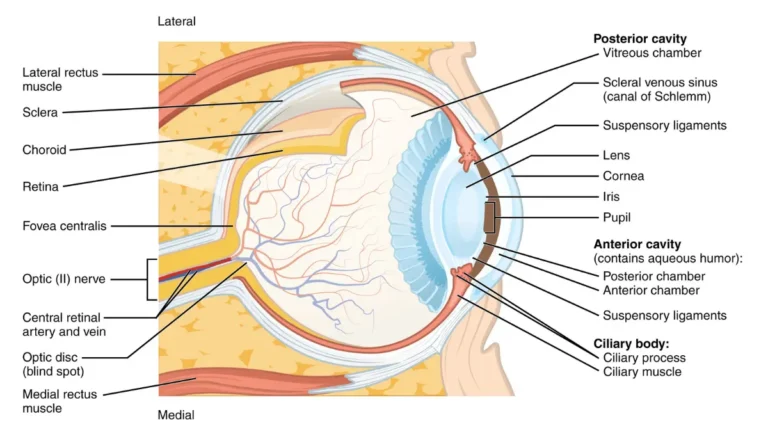
| 4 | OptimUM-10 | Darovasertib | Phase 3 | Primary non-metastatic uveal (ocular) melanoma |
| 5 | IL13Rα2 CAR-T | Modified CAR-T cell immunotherapy | Phase 1/2 | Stage IIIC–IV metastatic melanoma; prior treatment failure |
Trial 1 — Personalized mRNA Vaccine (KEYNOTE-942 P3): This trial manufactures a vaccine unique to each patient’s tumor mutation profile. Combined with pembrolizumab, Phase 2 data showed a 44% reduction in recurrence risk versus pembrolizumab alone. This is arguably the most significant advance in melanoma treatment in the past decade.
Trial 3 — HARMONY (Fianlimab + Cemiplimab): Regeneron’s Phase 3 trial tests a novel LAG-3 plus PD-1 blocking combination against the currently approved Opdualag regimen. Phase 1 data showed a 57% objective response rate, with 25% achieving complete responses in advanced melanoma patients.
Trial 5 — CAR-T Cell Therapy: Modified T cells extracted from the patient’s own blood are engineered to target melanoma antigens. This approach has produced remarkable results in blood cancers and is now entering solid tumor trials. Patients with Stage IV metastatic melanoma who have failed prior therapies are the primary candidates.
For patients with BRAF V600 mutations — present in approximately 50% of all melanoma cases — targeted combination therapy trials run in parallel. Our detailed guide to BRAF targeted therapy for melanoma explains how mutation status guides both standard treatment and clinical trial matching.
To understand how trial enrollment compares to standard care outcomes, review the current melanoma survival rate data by stage before your next oncology appointment.
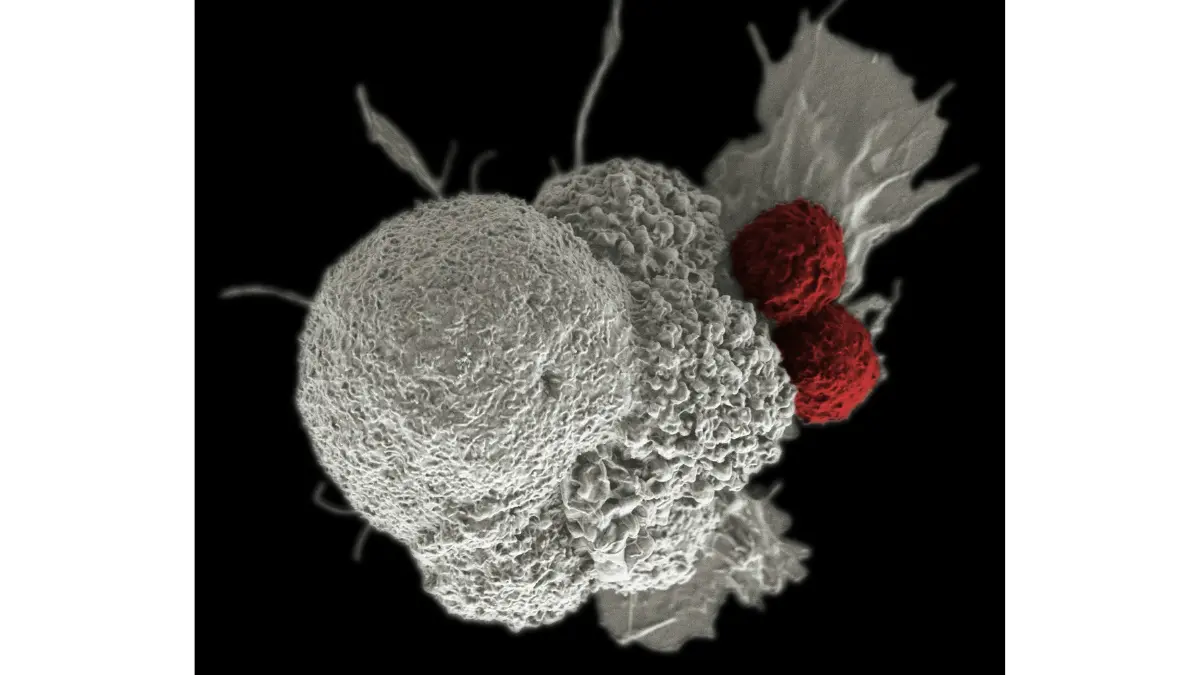
Adapted from National Cancer Institute (@nci) / Unsplash, licensed under Unsplash License.
💡 What This Means For You: If you have metastatic melanoma and prior PD-1 therapy has failed, ask your oncologist specifically about SUPRAME (TCR-T cell therapy) and the CAR-T cell trials. Both are currently recruiting and represent the frontline of next-generation melanoma treatment.
How to Find Open Melanoma Clinical Trials Near You — 5 Proven Methods
The biggest barrier to trial enrollment isn’t eligibility. It’s awareness. Here’s a proven system for finding melanoma clinical trials in 2026.
Step 1 — Search ClinicalTrials.gov
ClinicalTrials.gov is the world’s largest registry of federally and privately supported clinical research. Every FDA-regulated trial must be registered here.
Use these filters for best results:
- Condition: Melanoma
- Recruitment Status: Recruiting
- Location: Your city, state, or ZIP code
- Phase: 2 or 3 (most relevant for patients)
- Age and Prior Treatment: Match to your profile
Each listing includes contact details for the study coordinator. You can reach out directly or ask your oncologist to make the referral.
Step 2 — Use Melanoma-Specific Trial Matching Tools
- Melanoma Research Foundation Trial Finder — Free, confidential, personalized matching through EmergingMed. Recommended for Stage II–IV patients.
- Melanoma Research Alliance Trial Locator — Matches you against 500+ actively recruiting melanoma trials. Print results or contact coordinators directly.
- AI-Powered Matching Platforms — Tools like Antidote and TrialSpark use your diagnosis details, mutation status, and treatment history to shortlist relevant trials within minutes.
Step 3 — Request a Referral to an NCI-Designated Cancer Center
NCI-Designated Cancer Centers run more melanoma clinical trials than any other type of institution. The top five for melanoma research include:
- MD Anderson Cancer Center — Houston, TX
- Memorial Sloan Kettering Cancer Center — New York, NY
- Dana-Farber Cancer Institute — Boston, MA
- Mayo Clinic — Rochester, MN / Scottsdale, AZ
- UCSF Helen Diller Family Comprehensive Cancer Center — San Francisco, CA
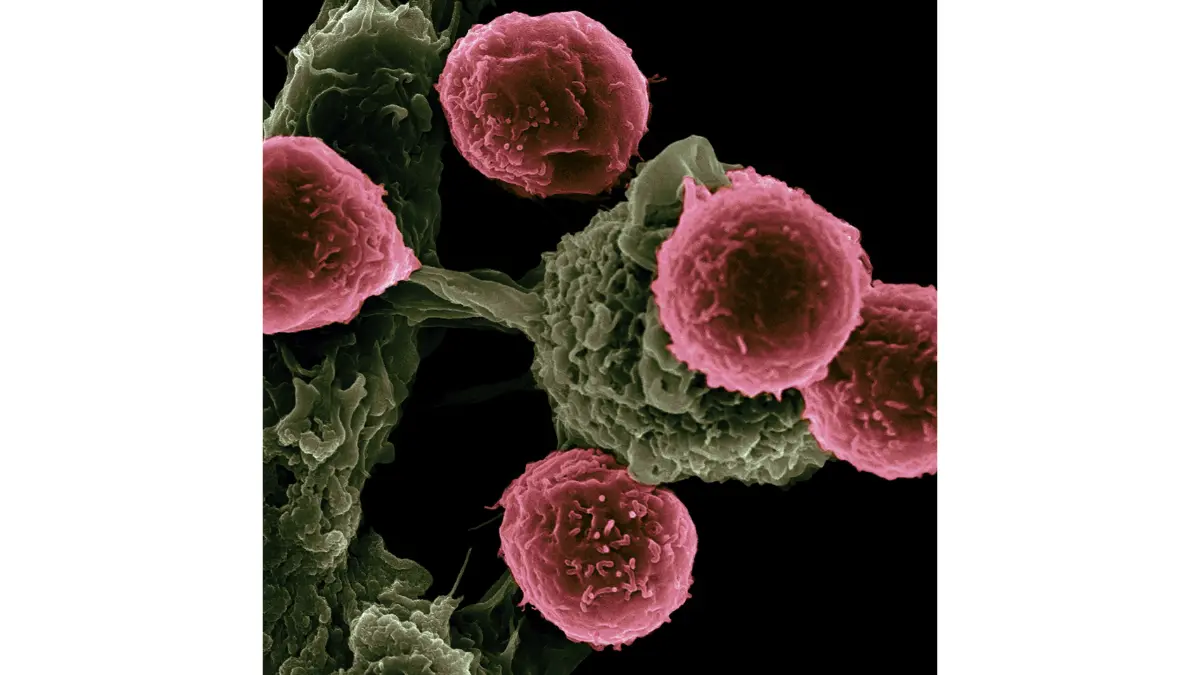
Adapted from National Cancer Institute (@nci) / Unsplash, licensed under Unsplash License.
Step 4 — Get Biomarker Testing Before You Search
Mutation status is your trial passport. Before searching, ask your oncologist for:
- BRAF V600E/V600K — unlocks targeted therapy trials
- NRAS mutation testing
- NF1 mutation status
- c-KIT mutations (especially relevant for acral or mucosal melanoma)
Knowing your mutation profile before searching ClinicalTrials.gov dramatically narrows your eligible trial list and prevents wasted time.
Step 5 — Explore Virtual and Decentralized Trial Options
A growing number of 2026 melanoma trials offer telehealth check-ins, home nursing visits, and remote monitoring. Patients in rural areas or those with limited mobility should specifically ask coordinators about decentralized trial options that reduce the need for frequent in-person visits.
If you’ve recently noticed new or worsening melanoma warning signs, document them with photographs and dates — this clinical timeline is frequently required during the formal trial screening process.
Melanoma Clinical Trial Eligibility: Do You Qualify?
Eligibility criteria are not arbitrary barriers. They exist to protect patients and ensure research results are scientifically valid. Understanding common criteria in advance saves weeks of delay.
Inclusion Criteria by Melanoma Stage
| Melanoma Stage | Typical Trial Eligibility |
|---|---|
| Stage IIB–IIC | Adjuvant trials post-surgery; high recurrence risk patients |
| Stage III (resected) | mRNA vaccine trials; adjuvant immunotherapy combinations |
| Stage III (unresectable) | First-line checkpoint inhibitor combination trials |
| Stage IV (metastatic) | First-line, second-line, CAR-T, mRNA vaccine, oncolytic virus trials |
| Prior PD-1 failure | Next-generation checkpoint, TCR-T cell, and TLR agonist trials |
| BRAF V600+ mutation | BRAF/MEK targeted therapy combination trials |
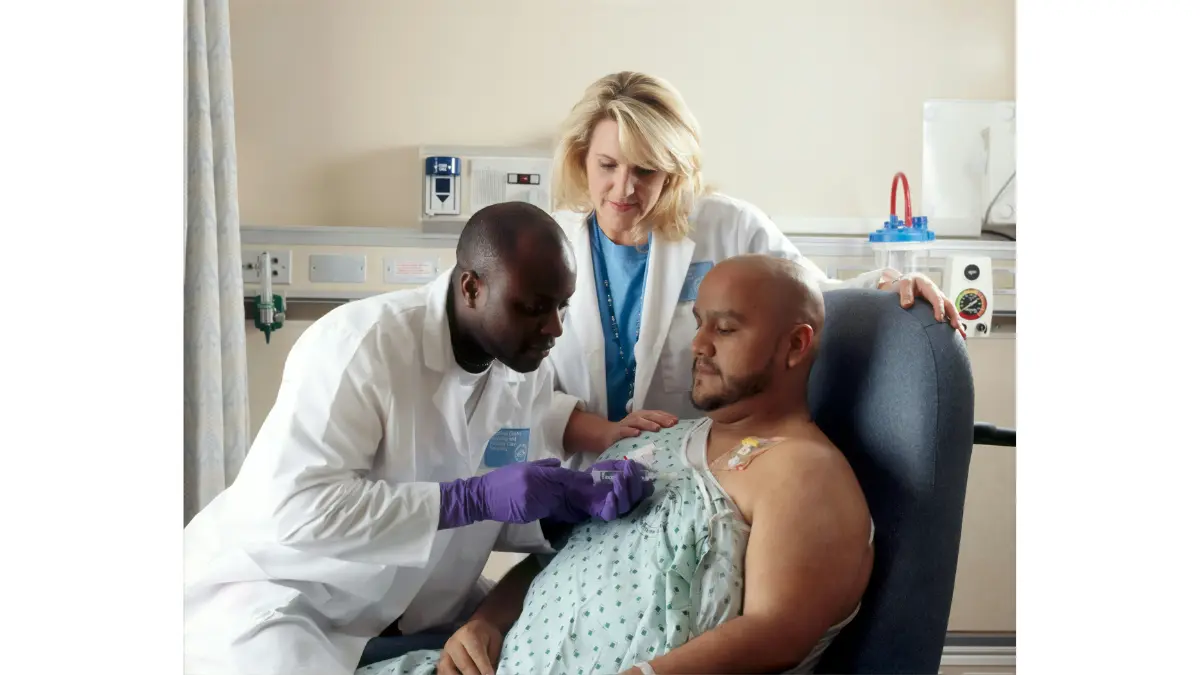
Adapted from National Cancer Institute (@nci) / Unsplash, licensed under Unsplash License.
Common Exclusion Criteria — What May Disqualify You
- Active autoimmune disease requiring systemic immunosuppressive treatment
- Serious organ dysfunction (hepatic, renal, or cardiac impairment)
- Active, untreated brain metastases (exclusion varies by trial)
- Pregnancy or breastfeeding
- Anticancer treatment received within 4 weeks of enrollment
- Certain concomitant medications that interact with the trial drug
Being excluded from one trial does not mean exclusion from all trials. Criteria vary substantially between studies — one trial’s exclusion criterion is often another trial’s inclusion criterion.
Documents and Tests to Prepare Before Your Consultation
- Confirmed pathology report: Histology, Breslow thickness, ulceration status, mitotic rate
- BRAF/NRAS mutation test results — request this immediately if not yet obtained
- Recent bloodwork: CBC, comprehensive metabolic panel, liver function tests
- Current medication list (including all supplements and over-the-counter drugs)
- ECOG Performance Status — your oncologist can formally assess this
- Imaging from the last 3 months: CT, PET-CT, or MRI
Review our guide to melanoma blood tests and biomarkers to understand which lab values are most scrutinized during trial screening. If your family history raises questions about genetic risk, our resource on hereditary melanoma and genetic susceptibility provides critical context. You can also use our Genetic Risk Assessment Tool to evaluate your personal genetic risk profile before meeting with your oncology team.
Questions to Ask Your Oncologist — Pre-Trial Checklist
Adapted from ASCO’s cancer.net clinical trials guidance:
- “What is my BRAF mutation status, and which trials does it open for me?”
- “Which Phase 2 or 3 melanoma clinical trials match my stage and treatment history right now?”
- “Are there decentralized or virtual trial options available from my location?”
- “What are the specific side effects, visit schedule, and time commitment?”
- “Will my insurance or the trial sponsor cover all trial-related treatment costs?”
- “What happens to my standard-of-care access if I withdraw from the trial?”
💡 What This Means For You: Your oncologist is your most powerful navigator. Bring this checklist to your next appointment and ask directly: “Which recruiting melanoma clinical trials match my disease profile right now?”
Are Melanoma Clinical Trials Free? Costs, Rights & What to Expect
What Trials Typically Cover at No Charge
Most melanoma clinical trials provide the following at no cost to participants:
- The investigational drug, vaccine, or cell therapy
- All trial-related laboratory tests, imaging, and procedures
- Close medical monitoring throughout the treatment phase
- Many trials also reimburse travel and lodging expenses
What You May Still Pay
Routine care costs — standard office visits, non-trial imaging, or unrelated prescriptions — may still be billed to your insurance. Request a complete cost breakdown in writing before signing the consent form.
Insurance, Medicare & Medicaid Coverage
The Affordable Care Act requires most private insurers to cover routine care costs for patients enrolled in approved clinical trials. Medicare has covered clinical trial-related routine costs since 2000. Medicaid coverage varies by state — always verify before enrolling.
For patients receiving immunotherapy for melanoma outside of a trial, insurance navigation remains equally critical and the same principles apply.
Your Patient Rights in a Clinical Trial
All US clinical trials operate under strict ethical and legal protections. Your core rights include:
- Informed consent is required before any procedures — you must fully understand everything you’re agreeing to
- Freedom to withdraw at any time, for any reason, with no impact on your ongoing standard care
- IRB oversight — every trial is independently reviewed to protect participant safety
- HIPAA protections for all personal health data collected during the study
- Access to trial results upon completion
The National Institutes of Health provides comprehensive guidance on your rights and protections in federally regulated clinical research.
Enrollment Timeline — Step by Step
| Stage | Timeframe | What Happens |
|---|---|---|
| Pre-Screening | 1–2 weeks | Records review; initial eligibility check by trial team |
| Formal Screening | 2–4 weeks | Blood tests, imaging, biopsy review, ECOG assessment |
| Informed Consent | 1 session | Full review of protocol; sign consent form |
| Treatment Phase | Months to years | Scheduled visits or remote check-ins; close monitoring |
| Follow-Up Phase | 1–5 years | Long-term safety and efficacy monitoring |
Average time from initial inquiry to enrollment: 4–8 weeks for most Phase 2–3 trials.
Frequently Asked Questions: Melanoma Clinical Trials 2026
1. What are melanoma clinical trials?
They are structured research studies testing new treatments or strategies for melanoma in human volunteers, under regulatory oversight designed to improve patient outcomes.
2. Are there melanoma clinical trials open in 2026?
Yes. Over 500 melanoma trials are actively recruiting in 2026, including Phase 3 trials for mRNA vaccines, CAR-T cell therapies, and novel LAG-3 plus PD-1 checkpoint combinations.
3. How do I find melanoma clinical trials near me?
Search ClinicalTrials.gov using “melanoma” + “recruiting,” or use the Melanoma Research Foundation’s free trial finder. Your oncologist can also refer you directly.
4. Who qualifies for a melanoma clinical trial?
Eligibility depends on your stage, BRAF mutation status, prior treatments, organ function, and ECOG performance status. Criteria vary widely by trial.
5. Can Stage 2 melanoma patients join clinical trials?
Yes. Stage IIB and IIC patients with high recurrence risk frequently qualify for adjuvant trials, including the major KEYNOTE-942 Phase 3 mRNA vaccine trial.
6. Are melanoma clinical trials free?
The investigational treatment and trial-related testing are provided at no charge. Routine care costs may apply and are typically covered by insurance or Medicare.
7. What is the BRAF mutation, and why does it matter?
Around 50% of melanomas carry a BRAF V600 mutation. This opens access to specific BRAF-targeted therapy trials and narrows your matched trial list significantly.
8. How long does a melanoma clinical trial last?
Treatment phases range from several months to years. Long-term follow-up monitoring can continue for up to five years after treatment ends.
9. Can I join a trial if I already had immunotherapy?
It depends on the trial. Some specifically require prior PD-1 therapy failure as an inclusion criterion. Others exclude it. Eligibility matching by your oncologist resolves this quickly.
10. What happens if a clinical trial doesn’t work?
You can withdraw at any time without penalty and return to standard-of-care treatment. Participation never forfeits access to other approved therapies.
11. How is a clinical trial different from standard melanoma treatment?
Standard treatment uses only FDA-approved therapies. A clinical trial provides access to investigational treatments that may prove superior — with intense medical monitoring and no out-of-pocket costs for trial-specific drugs or procedures.
Medical disclaimer
The content on MyMedicineAdvisor is provided for general informational and educational purposes only and is not a substitute for professional medical advice, diagnosis, or treatment. Health information on this website should not be used to diagnose, treat, cure, or prevent any condition without guidance from a qualified healthcare professional. Always seek the advice of your doctor, physician, or another licensed healthcare provider with any questions you may have regarding a medical condition, symptoms, medications, or treatment decisions.