On This Page – Quick Medical Summary
Can melanoma come back after treatment? Yes — melanoma recurrence is when cancer returns after initial treatment. It can reappear at the original site, in nearby lymph nodes, or in distant organs like the lungs or brain. Most recurrences happen within 5 years, but melanoma can return 10, 15, or even 25 years later. Knowing the warning signs and your personal risk level is the most powerful tool you have.
Marcus, a 48-year-old teacher from Texas, finished his Stage II melanoma treatment and was told he was “clear.” Three years later, during a routine self-check, he noticed a firm, painless lump near his armpit. It was melanoma — back in his lymph nodes.
He caught it early. He’s now five years cancer-free.
His story is not rare. According to research reviewed by the National Cancer Institute, melanoma recurrence affects a significant proportion of survivors — and early detection makes a life-changing difference.
This guide covers everything you need to know: warning signs by location, your stage-specific recurrence risk, a step-by-step self-exam protocol, 2026 treatment options, and how to protect your mental and physical health after melanoma. For a broader overview, visit our complete melanoma guide.
What Is Melanoma Recurrence — And Why Does It Happen?
The Biology Behind Recurrent Melanoma
Melanoma recurrence means cancer has returned after treatment aimed at eliminating it. Even when surgery appears successful, microscopic cancer cells can survive — too small to be detected by imaging or blood tests. These dormant cells can remain inactive for years before multiplying into a detectable tumor.
This is not a treatment failure. It is a biological reality of how melanoma behaves, particularly in higher-stage cases.
Research published in PMC (National Institutes of Health) confirms that melanoma has a high metastatic potential and can spread via lymphatic vessels or hematogenous (bloodstream) pathways — making recurrence biologically complex.
Understanding which type of recurrence has occurred determines your entire treatment path.
The 3 Types of Melanoma Recurrence — Compared
| Type | Where It Returns | Common Signs | First-Line Treatment |
|---|---|---|---|
| Local Recurrence | Scar or original site | New mole/nodule near surgery site | Wide local excision |
| Regional (Lymph Node) Recurrence | Nearest lymph nodes | Swollen, hard, or painless lump | Lymph node dissection + systemic therapy |
| Distant (Systemic) Recurrence | Lungs, liver, brain, bone, GI tract | Fatigue, weight loss, headaches, bone pain | Immunotherapy / targeted therapy |
Understanding how a sentinel lymph node biopsy can reveal early regional spread is critical — especially for Stage II+ survivors.
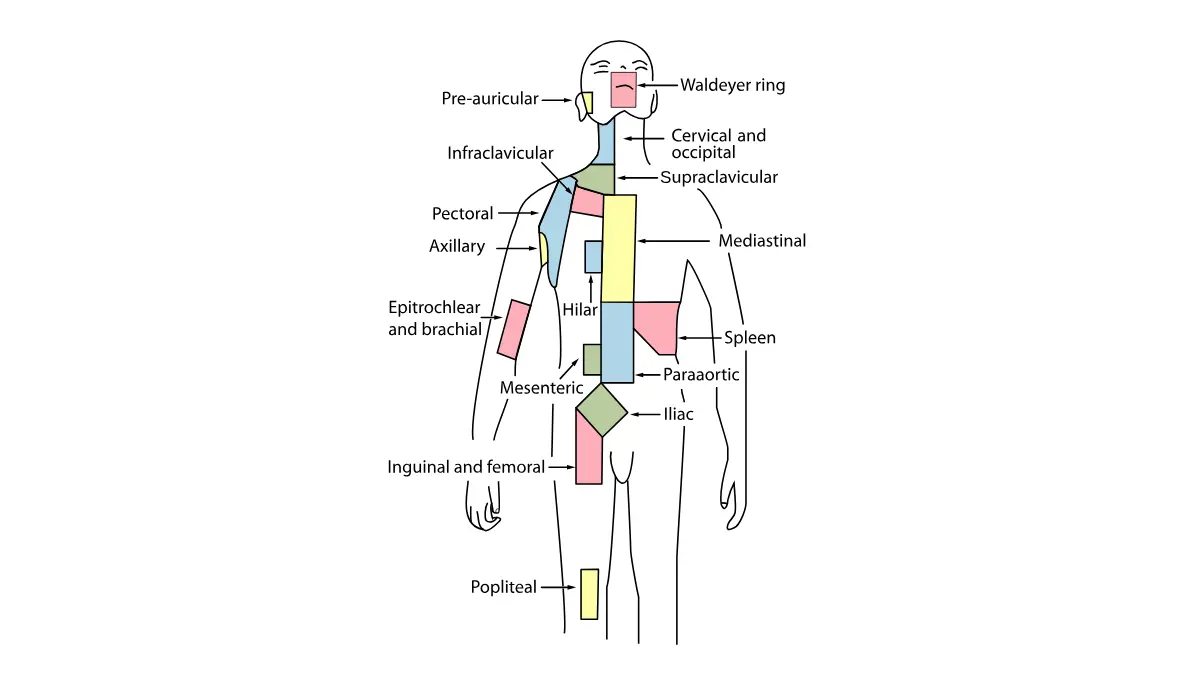
⚠️ In-Transit Metastasis: A specialized form where cancer spreads through lymphatic channels but appears as new skin nodules between the original site and the regional lymph nodes. These require unique treatments like isolated limb perfusion or TVEC injections.
12 Warning Signs of Melanoma Recurrence (By Location)
Signs of Local Recurrence — Near Your Scar
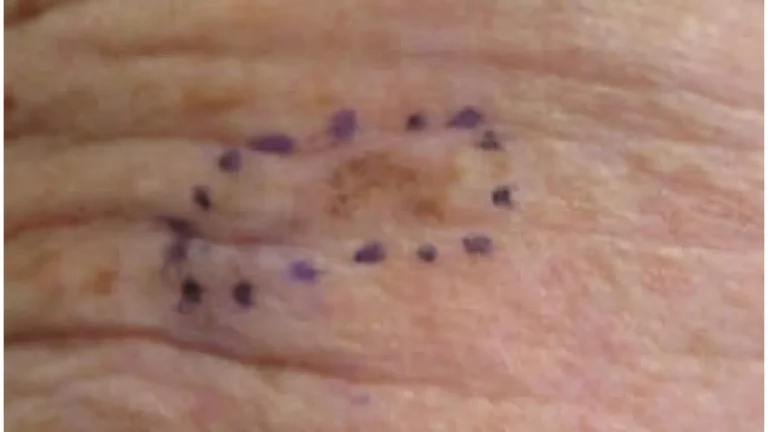
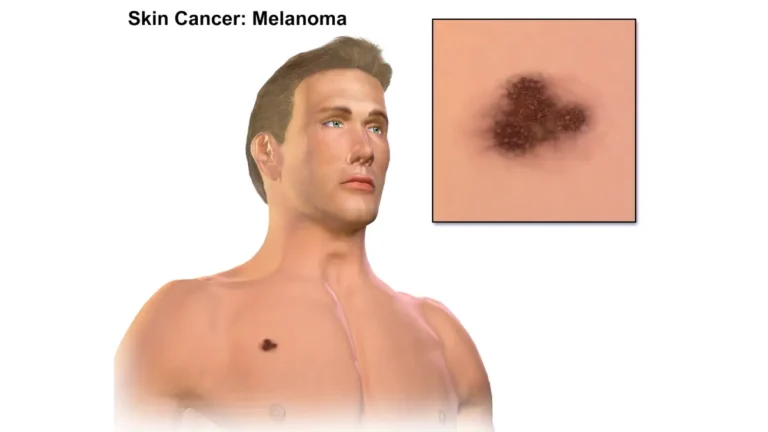
- A new dark spot, mole, or raised nodule near the surgical scar
- Skin thickening or redness around the original wound site
- A lump under the skin that feels firm and doesn’t move
- A sore that doesn’t heal near the excision area
Signs of Regional (Lymph Node) Recurrence
- A painless, hard lump in the armpit, groin, or neck
- Swelling of one limb (arm or leg) without explanation
- Tenderness or aching in lymph node areas
- Visible skin nodules between the original site and lymph nodes
Signs of Distant (Systemic) Recurrence
- Persistent, unexplained fatigue lasting weeks
- Unintentional weight loss of 5%+ body weight
- Shortness of breath or a chronic dry cough (lung involvement)
- New or worsening headaches, vision changes, or seizures (brain)
- Bone pain, especially at night or at rest
- Abdominal pain, nausea, or jaundice (liver or GI tract)
Familiarize yourself with the full spectrum of melanoma warning signs and symptoms — this knowledge is your first line of defense.
⚡ What This Means For You: If you notice any of these signs, do not wait for your next scheduled appointment. Call your dermatologist or oncologist the same day. Earlier detection directly correlates with better survival outcomes.
Who Is At Highest Risk? Melanoma Recurrence Risk by Stage (2026 Data)
Stage-by-Stage Recurrence Probability Table
According to AJCC (American Joint Committee on Cancer) data, your melanoma stage at diagnosis is the single most important predictor of recurrence:
| AJCC Stage | 5-Year Recurrence Risk | Key Driver |
|---|---|---|
| Stage I | ~9–12% | Low Breslow thickness |
| Stage IIA | ~21.6% | Moderate thickness |
| Stage IIB | ~35.1% | Thicker + possible ulceration |
| Stage IIC | ~45.3% | High-risk features present |
| Stage IIIA | ~48% | Lymph node involvement |
| Stage IIIB | ~71% | Multiple node involvement |
| Stage IIIC | ~85% | Extensive regional spread |
Check our detailed melanoma survival rates by stage guide for long-term prognosis data.
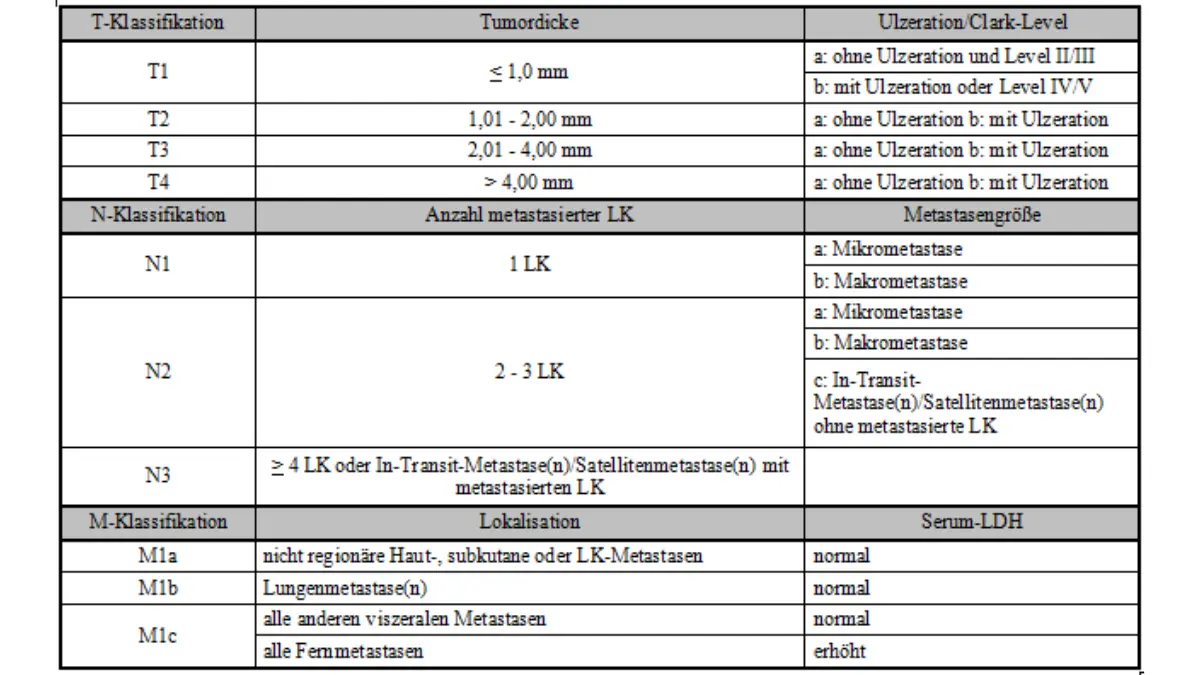
Key Tumor Factors That Increase Recurrence Risk
- Breslow thickness > 4mm — thicker tumors carry significantly higher recurrence rates
- Ulceration — melanoma that bled or scabbed before removal is at higher risk
- High mitotic rate — rapid cell division signals aggressive behavior
- Lymphovascular invasion — cancer cells detected in blood or lymph vessels
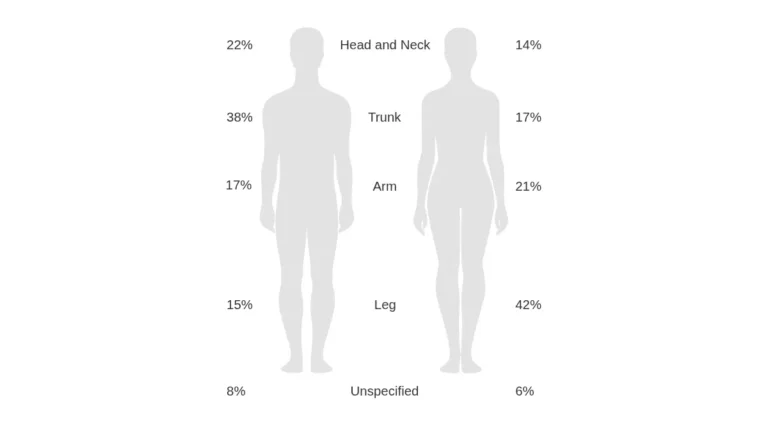
- Location — head and neck melanomas recur more frequently than limb melanomas
- Satellite lesions — microscopic tumor deposits near the primary site
Genetic & Personal Risk Factors
- BRAF V600E mutation — present in ~50% of melanomas; linked to specific recurrence patterns and targeted therapy response (learn more about BRAF-targeted therapy for melanoma)
- Age at diagnosis — older patients face higher recurrence risk
- Compromised immune system — immunosuppressed individuals face elevated risk
- Family history — hereditary melanoma syndromes increase lifetime recurrence risk; explore whether melanoma is hereditary
If you have a family history of melanoma, use our Genetic Risk Assessment Tool to evaluate your inherited risk profile.
⚠️ Late Recurrence Alert: A 2024 study found that 18% of early-stage melanomas recurred after 5 years post-diagnosis — confirming melanoma can return a decade or more later. Never consider yourself “done” with monitoring.
How Melanoma Recurrence Is Detected — Your 2026 Surveillance Roadmap
Stage-Based Follow-Up Schedule
The American Cancer Society recommends a surveillance schedule tailored to your stage:
| Stage | Year 1 | Year 2 | Years 3–5 | Year 5+ |
|---|---|---|---|---|
| Stage I/II (low-risk) | Every 6–12 months | Every 6–12 months | Annually | Annually |
| Stage II (high-risk) | Every 3–4 months | Every 4–6 months | Every 6 months | Annually |
| Stage III | Every 3 months | Every 3–4 months | Every 4–6 months | Annually |
Imaging may include ultrasound (for lymph node monitoring), CT scan, PET-CT, or MRI — depending on your stage and symptoms. Understanding your melanoma blood test and biomarker options is also part of modern surveillance.
7-Step Monthly Self-Exam Protocol for Melanoma Survivors
The American Academy of Dermatology confirms that 73% of melanoma recurrences are first detected by patients themselves — not doctors.
Perform this check monthly, in good lighting, using two mirrors:
- Full body scan — examine every inch of skin front and back
- Scar and surrounding skin — check 5–10cm radius around your surgical site for new spots, lumps, or color changes
- Lymph node palpation — gently feel armpits, groin, and neck for firm, painless lumps
- Scalp check — use a comb and have a partner check areas you can’t see
- Hands, feet, and nails — examine between toes, soles, and under nails for dark streaks
- Systemic symptom log — note any persistent fatigue, pain, or unexplained changes
- Document and report — photograph any new spot; report any change to your physician within 48 hours
Use our Symptom Checker to track and document new or changing symptoms between appointments.
Melanoma Recurrence Treatments in 2026 — What Oncologists Are Recommending Now
Treatment by Recurrence Type
| Recurrence Type | Primary Treatments | 2026 Updates |
|---|---|---|
| Local | Wide local excision, adjuvant therapy | Pembrolizumab adjuvant approved for high-risk local recurrence |
| Regional (nodes) | Lymph node dissection + immunotherapy | Nivolumab + ipilimumab combination strengthened |
| Distant | Immunotherapy, targeted therapy, radiation | Combination ICI regimens showing improved response rates |
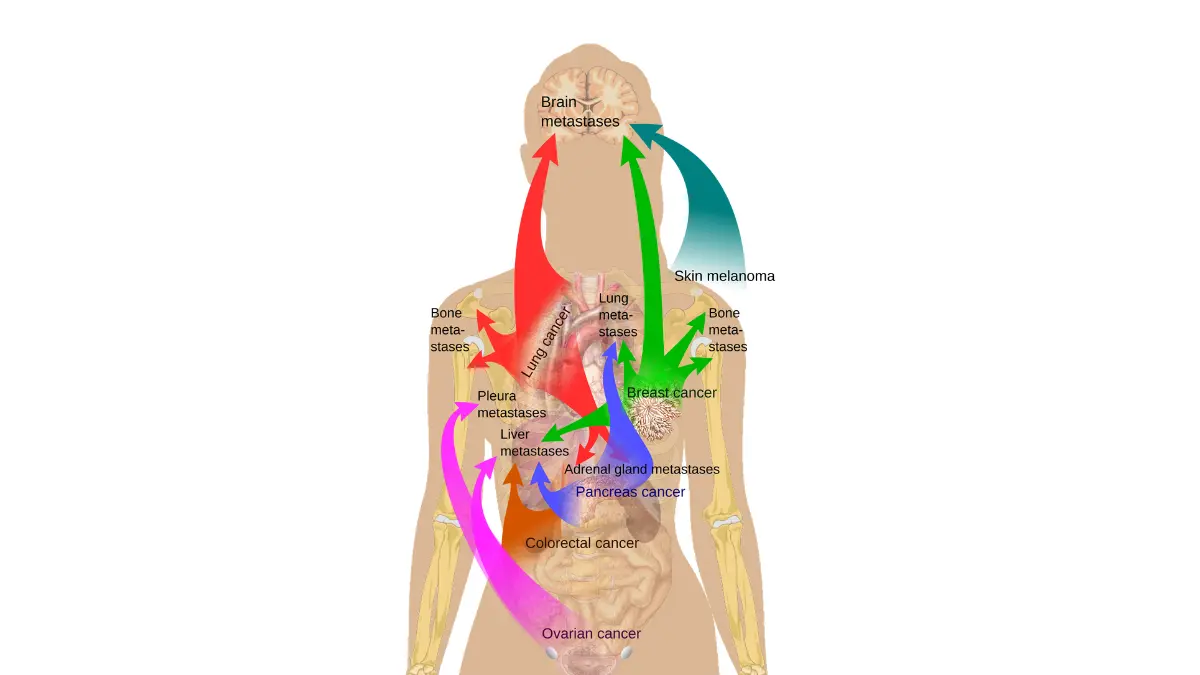
Surgery: The Starting Point for Localized Recurrence
For isolated local recurrences, wide local excision remains the first-line approach — removing the lesion with clear margins. If lymph nodes are involved, therapeutic lymph node dissection is performed.
Immunotherapy: The 2026 Game-Changer
Immunotherapy for melanoma has transformed recurrence treatment in the past three years.
- Pembrolizumab (Keytruda) — FDA-approved as adjuvant therapy for Stage IIB, IIC, and III melanoma after surgery. This is the most significant 2026 update: patients who previously had no post-surgical options now have evidence-based preventive therapy.
- Nivolumab (Opdivo) — approved for Stage III adjuvant treatment and distant recurrence
- Ipilimumab + Nivolumab combination — used for Stage IV (distant recurrence) with strong response data
- TVEC (Talimogene Laherparepvec) — injectable oncolytic virus therapy for in-transit or skin recurrences; injected directly into accessible lesions
The FDA’s oncology approvals page tracks the latest immunotherapy indications for melanoma.
Targeted Therapy: For BRAF-Mutated Recurrences
If your melanoma carries a BRAF V600E mutation (confirmed by molecular testing), your oncologist may recommend:
- Dabrafenib + Trametinib (BRAF + MEK inhibitor combination)
- Typically used for Stage III adjuvant treatment or distant recurrence
- Particularly effective for rapid tumor reduction before immunotherapy
In-Transit Recurrence: Specialized Options
- Isolated Limb Perfusion (ILP) / Isolated Limb Infusion (ILI) — delivers high-dose chemotherapy directly into the affected limb
- Electrochemotherapy — combines chemotherapy drugs with electrical pulses for small skin lesions
- Laser therapy — for small, superficial in-transit lesions
Clinical Trials in 2026
New treatments — including next-generation checkpoint inhibitors, cancer vaccines, and CAR-T cell therapies — are actively enrolling. Search current melanoma clinical trials on our site, or browse ClinicalTrials.gov for trials enrolling near you.
💬 Questions to Ask Your Oncologist:
- Am I eligible for adjuvant pembrolizumab?
- Should I have BRAF mutation testing?
- Is there a clinical trial I qualify for?
- What imaging schedule do you recommend for my stage?
After Melanoma Recurrence — Protecting Your Body, Mind & Future
Evidence-Based Recurrence Prevention
While no method guarantees prevention, these steps — backed by the Skin Cancer Foundation — meaningfully reduce your risk:
- Daily SPF 50+ broad-spectrum sunscreen — reapply every 90 minutes outdoors
- UPF 50+ clothing, wide-brimmed hats, UV-blocking sunglasses
- Avoid tanning beds entirely — categorized as a Group 1 carcinogen by the WHO
- Avoid direct sun between 10am–2pm when UV intensity peaks
- Maintain a healthy weight — obesity is associated with immune dysregulation; track your weight with our BMI Calculator
Sleep, Hydration & Immune Health
Your immune system is your primary defense against dormant cancer cells. Research consistently links poor sleep to impaired immune surveillance.
- Aim for 7–9 hours per night — calculate your optimal sleep schedule with our Sleep Calculator
- Stay hydrated — use our Water Intake Calculator to track your daily needs
- Regular moderate exercise (not overtraining) supports natural killer cell activity
Managing Fear of Recurrence (FOR) — The Psychological Reality
Fear of recurrence is clinically recognized, affecting up to 70% of cancer survivors. It is not weakness — it is a normal neurological response to a real threat.
What helps:
- Cognitive Behavioral Therapy (CBT) — the most evidence-supported approach for FOR management
- Mindfulness-Based Stress Reduction (MBSR) — shown to reduce anxiety scores in melanoma survivors
- Structured worry time — contain anxiety to a designated 15-minute daily period
- Peer support groups — Melanoma Research Foundation offers survivor communities and resources
- Professional support — if fear is interfering with daily life, speak with an oncology-specialized psychologist
The Cancer.Net (ASCO) guide on fear of recurrence provides validated coping strategies developed by oncology psychologists.
Your Next Steps — Action Checklist
✅ Book your next follow-up appointment today — don’t delay ✅ Set a monthly self-exam date in your phone calendar ✅ Ask your oncologist about eligibility for adjuvant pembrolizumab ✅ Download or print the ABCDE melanoma check guide ✅ Check your BRAF mutation status if not already tested ✅ Share your recurrence risk level with one trusted person who can monitor changes with you ✅ Search current clinical trials at ClinicalTrials.gov
Frequently Asked Questions — Melanoma Recurrence
1. What are the first signs of melanoma recurrence?
The earliest signs include a new skin nodule or dark spot near the surgery scar, a painless lump in a nearby lymph node, or unexplained fatigue. Report any skin or lymph node change to your doctor within 48 hours.
2. What is the melanoma recurrence rate by stage?
Stage I carries approximately 9–12% five-year recurrence risk. Stage IIC reaches 45.3%, Stage IIIB approximately 71%, and Stage IIIC up to 85%. Higher stage = significantly higher risk.
3. Can melanoma come back 10 or more years later?
Yes. Studies confirm melanoma can return 10, 15, or even 25 years post-treatment due to cellular dormancy. This is why annual skin exams are recommended for life.
4. How often should melanoma survivors have follow-up appointments?
High-risk patients should be seen every 3 months in Year 1, every 4–6 months in Years 2–3, then every 6 months through Year 5, and annually thereafter.
5. Where does melanoma most commonly recur?
Local recurrence at the original scar is most common overall. Regional lymph node recurrence is most common in early-stage melanoma. Distant recurrence (lungs, liver, brain) is more frequent in advanced-stage disease.
6. Can Stage I melanoma come back?
Yes, though the risk is lower — approximately 9–12% over 5 years. Even Stage I patients require ongoing annual monitoring and monthly self-exams.
7. What is in-transit melanoma recurrence?
In-transit recurrence occurs when melanoma spreads through the lymphatic system and forms new skin nodules between the original site and the nearest lymph node region. It requires specialized treatments including TVEC injection or isolated limb perfusion.
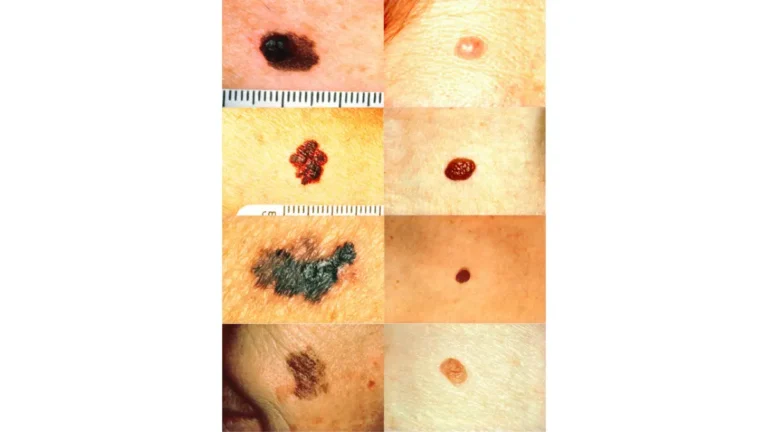
8. What does recurrent melanoma look like on the skin?
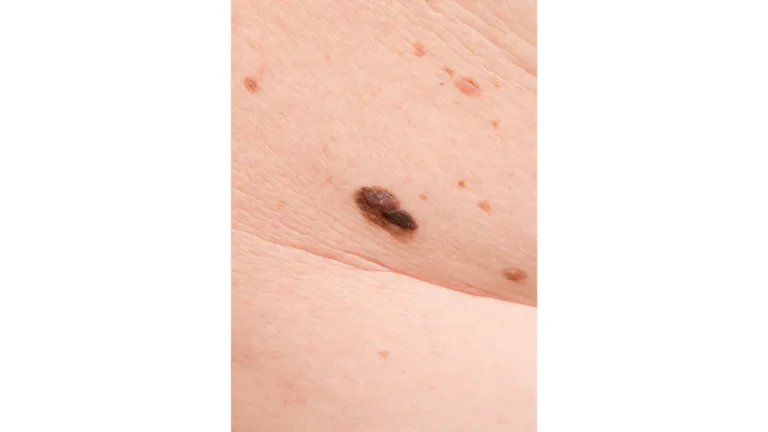
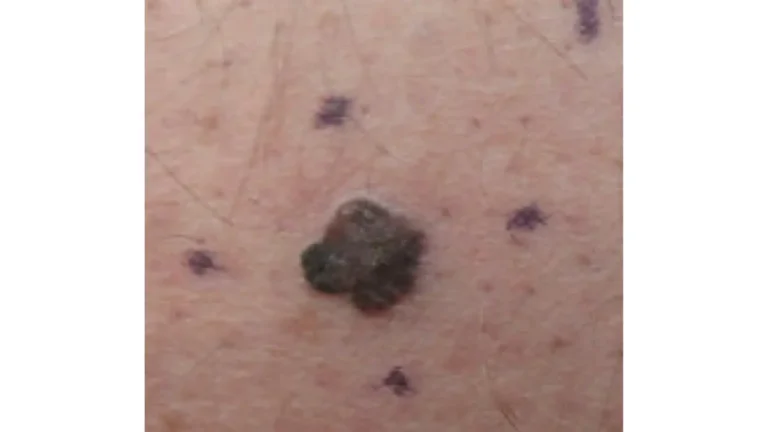
It may appear as a new pigmented or skin-colored nodule, a dark spot near the scar, or a firm lump beneath the skin. It can also be flesh-colored (amelanotic) — making visual detection harder.
9. Is recurrent melanoma curable?
Local and regional recurrences are often treatable with surgery and adjuvant therapy. Distant (Stage IV) recurrence is more challenging but is no longer uniformly fatal — modern immunotherapy has produced long-term remission in a meaningful proportion of patients.
10. What blood tests can detect melanoma recurrence?
No single blood test definitively detects recurrence. LDH (lactate dehydrogenase) is commonly monitored. Circulating tumor DNA (ctDNA) liquid biopsy is emerging as a promising surveillance tool in 2026 clinical settings.
11. How do I reduce my risk of melanoma coming back?
Daily SPF 50+ sunscreen, complete avoidance of tanning beds, monthly self-exams, regular dermatology follow-ups, adjuvant therapy if eligible, maintaining a healthy immune system through sleep and exercise, and stress management all reduce recurrence risk.
📋 Medical Disclaimer: This article is for educational purposes only and does not constitute medical advice. Always consult a board-certified dermatologist or oncologist for diagnosis, surveillance planning, and treatment decisions specific to your case.
Medical disclaimer
The content on MyMedicineAdvisor is provided for general informational and educational purposes only and is not a substitute for professional medical advice, diagnosis, or treatment. Health information on this website should not be used to diagnose, treat, cure, or prevent any condition without guidance from a qualified healthcare professional. Always seek the advice of your doctor, physician, or another licensed healthcare provider with any questions you may have regarding a medical condition, symptoms, medications, or treatment decisions.