
On This Page – Quick Medical Summary
If you are reading this after a relative’s diagnosis, an unexpected PSA result, or a milestone birthday that put prostate health on your mind, you probably want one thing first: a straight answer about what causes prostate cancer, and whether anything you did brought it on.
Here is the honest starting point. A risk factor raises your odds of a disease; it does not directly cause it, and most men who have one — or even several — never develop prostate cancer.
This guide sorts the six most-discussed risk factors by what the evidence actually supports. If you are weighing your own risk, the age, race, and family-history sections matter most. If a close relative was diagnosed, the inherited-gene section speaks to you. And if you have been carrying guilt over a past choice, the final section — what does not cause prostate cancer — was written for you.
ℹ️ Medical Disclaimer: This article is general education, not medical advice. It does not diagnose disease, recommend treatment, or replace a conversation with your own clinician about screening, genetic testing, or care decisions. For personal risk assessment or any decision about PSA testing or genetic counseling, consult a board-certified urologist or your primary care physician.
What actually causes prostate cancer?
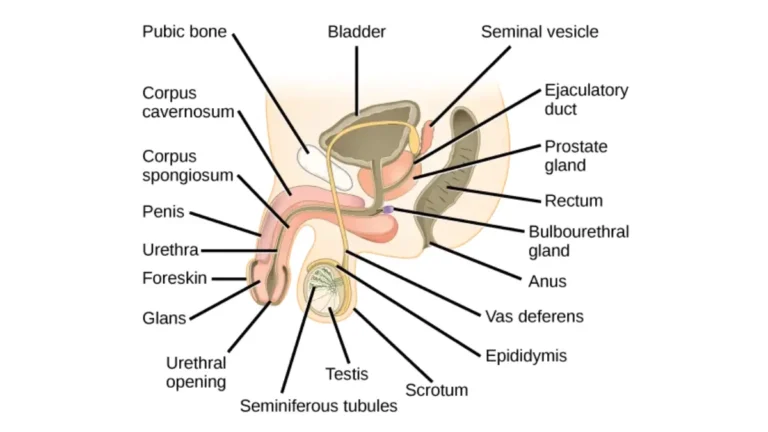
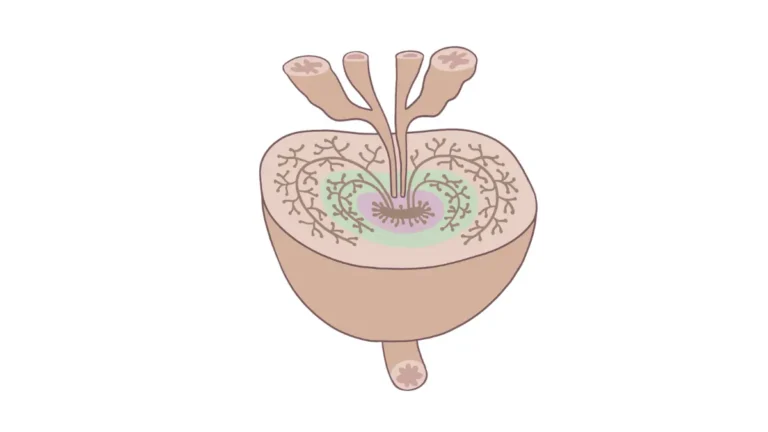
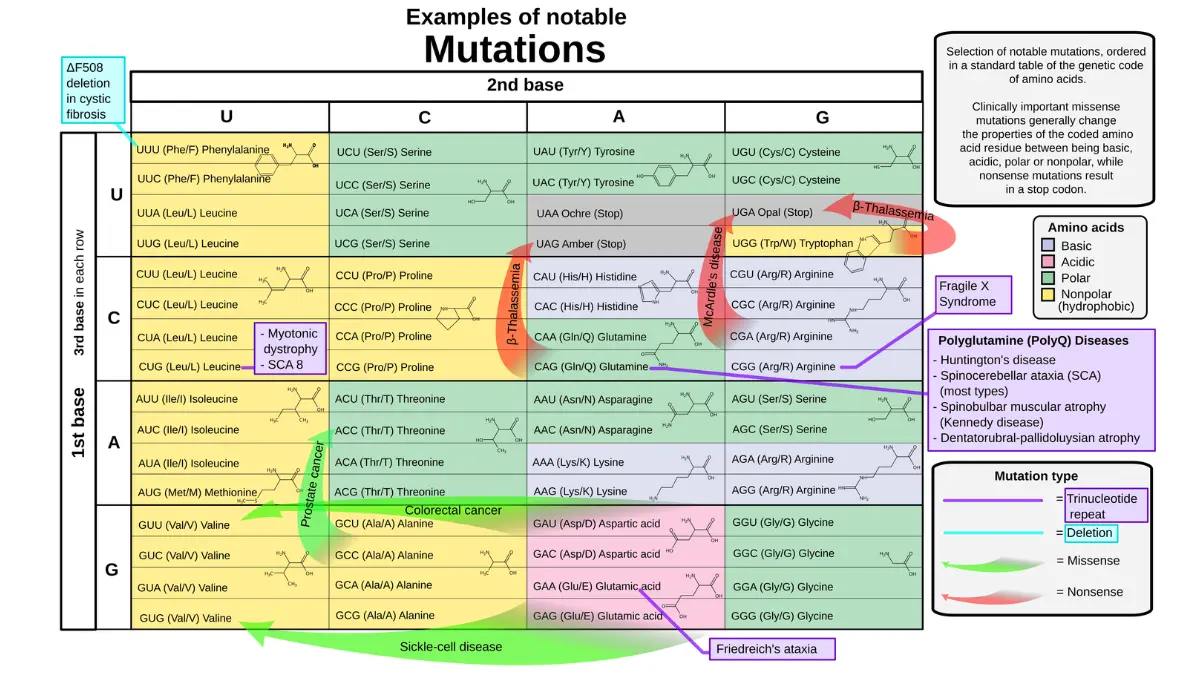
Prostate cancer begins when cells in the prostate gland develop changes, called mutations, in their DNA.
Those genes normally tell a cell when to grow, divide, and stop; when the instructions break, cells can grow out of control and form a tumor. In most cases, the exact reason those changes happen is not known.
🔬 How It Works: Your DNA carries the instructions that control cell growth and repair. A few gene changes are inherited from a parent, but most of the DNA changes behind prostate cancer are acquired during a man’s lifetime — and researchers still cannot point to a single trigger for them.
Why a risk factor is not a cause
This distinction matters for your peace of mind. Risk factors like age or family history shift the odds, but they do not flip a switch — plenty of higher-risk men never get the disease, and some men with no known risk factors do.
For the full picture of how the disease develops, is staged, and is treated, see our main guide to prostate cancer signs, stages, and treatment.
Risk factors you can’t change: age and race
Two of the strongest risk factors are entirely outside your control, and both are worth understanding plainly.
1. Age — the single biggest risk factor
Age is the most important risk factor for prostate cancer. The disease is rare before 40, and the risk climbs sharply after 50.
📊 Clinical Data Point: About 6 in 10 prostate cancers are diagnosed in men 65 or older, and the average age at diagnosis is about 67 — only about 1% are found before age 50. — Source: American Cancer Society, 2026; Siegel et al., Cancer Statistics 2026
For context, about 1 in 8 men will be diagnosed in their lifetime — roughly 333,830 new U.S. cases are expected in 2026, making it the most common cancer in American men after skin cancer. Most men diagnosed do not die from it; more than 3.5 million American men with a prostate cancer history are alive today.
2. Race and ethnicity — why some men face higher risk
Race also shapes risk in ways researchers are still working to explain. Prostate cancer is more common in African American men and in Caribbean men of African ancestry, and it tends to appear at younger ages; it is less common in Asian American, Hispanic, and Latino men than in non-Hispanic White men.
📊 Clinical Data Point: Black men are more likely to develop prostate cancer and are more than twice as likely to die from it than other men. — Source: CDC, 2025
The reasons likely involve a mix of access to care, socioeconomic factors, and biology that is still under study — not any single cause. You can read more in the American Cancer Society’s overview of prostate cancer risk factors, national prostate cancer statistics from the NCI, and the CDC’s summary of prostate cancer in Black men.
✅ Patient Action: If you are Black or have a father or brother who had prostate cancer, ask your primary care provider or a urologist this at your next visit: “Given my risk profile, should I begin PSA screening discussions at 45 instead of 50?”
When prostate cancer runs in the family
For some men, prostate cancer clusters in the family tree — a sign that inherited factors are at play.
3. Family history
Having a family history of prostate cancer raises your risk, though most cases still occur in men with no affected relatives.
📊 Clinical Data Point: A father or brother with prostate cancer more than doubles a man’s risk, and the risk is higher with an affected brother than an affected father — and higher still with several relatives or young-onset cases. — Source: American Cancer Society
4. Inherited gene changes
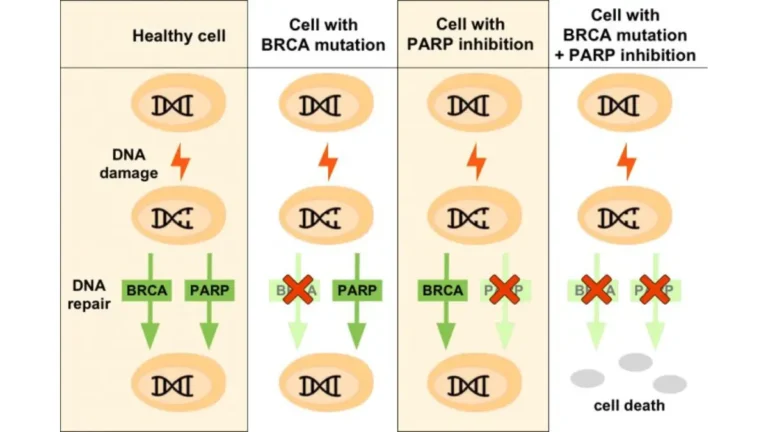
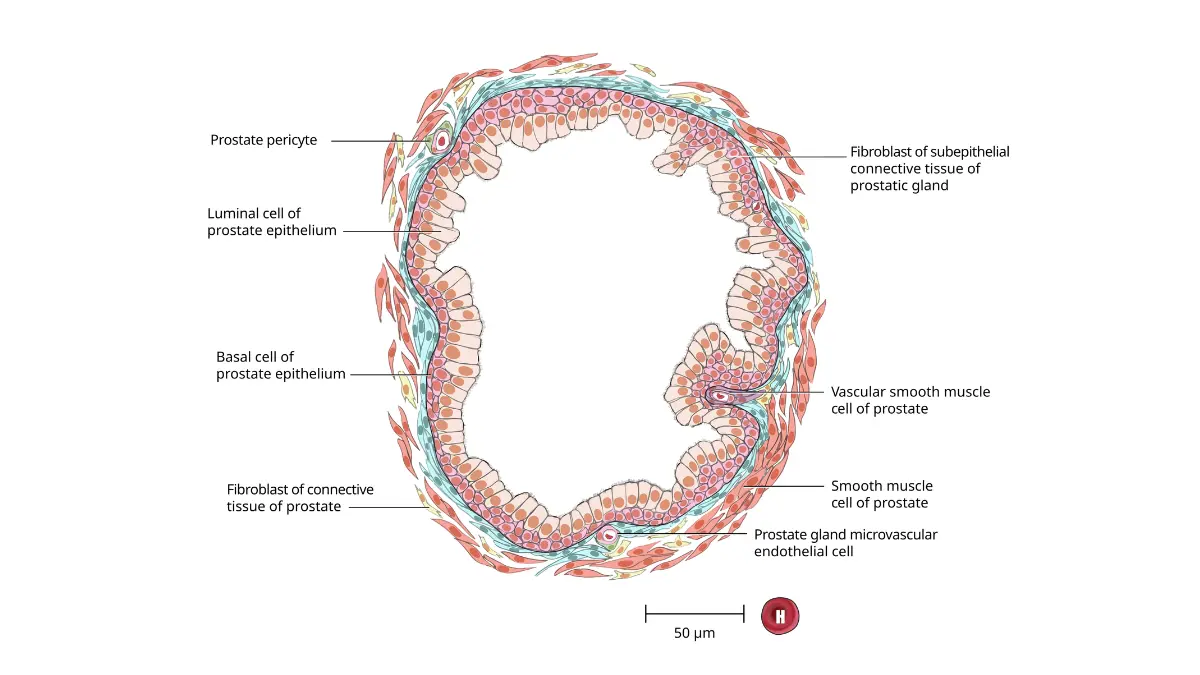
A smaller share of prostate cancers trace to specific inherited gene mutations passed down in families. The best known are BRCA1 and BRCA2 — the same genes linked to breast and ovarian cancer — with BRCA2 carrying the stronger prostate cancer risk. Men with Lynch syndrome (also called HNPCC) also face higher risk.
These inherited variants account for only a small percentage of prostate cancers overall, so a clear family pattern matters more than any single gene.
✅ Patient Action: If prostate cancer, breast cancer, ovarian cancer, or a known BRCA mutation runs in your family, ask your doctor about a referral for genetic counseling, and read more on genetic counseling and testing for prostate cancer risk. You can also estimate how your family history factors in with our genetic risk assessment tool.
Diet, weight, and exposures: what the evidence actually shows
The last two factor groups are the ones most often overstated online. Here, the honest answer is “possible, not proven.”
5. Diet, weight, and lifestyle
Diet has been studied heavily, with inconsistent results. Men who consume a lot of dairy may have a slightly higher risk, and high calcium intake has been questioned, though most studies find no link at normal dietary levels.
Obesity does not appear to raise the overall risk of getting prostate cancer, but it is linked to more aggressive disease and possibly death from it. Smoking is not clearly tied to getting prostate cancer, though some research links it to dying from it.
6. Chemical and environmental exposures
Certain environmental exposures may raise risk, but the evidence is limited. Studies point to arsenic in water, some chemicals firefighters encounter, and Agent Orange — which the National Academies rate as having “limited or suggestive” evidence of a link.
| Risk factor | Evidence strength | What the research shows |
|---|---|---|
| Age | Well established | Risk rises sharply after 50 |
| Race / ethnicity | Well established | Higher in Black men; more than 2× mortality |
| Family history | Well established | A father or brother more than doubles risk |
| Inherited genes (BRCA2, Lynch) | Well established | A small share of cases, but a clear risk |
| Diet / obesity / smoking | Not proven for overall risk | Possible link to aggressive disease only |
| Chemical exposures | Limited / suggestive | Arsenic, firefighting, Agent Orange |
Source: American Cancer Society prostate cancer risk-factor and prevention guidance, 2026.
Can you lower your risk — and what should you do now?
Understanding your risk is only useful if it points to a sensible next step.
There is no guaranteed way to prevent it
Honesty first: there is no sure way to prevent prostate cancer, and the strongest risk factors cannot be changed. Some evidence suggests regular physical activity, a healthy weight, and a diet rich in fruits and vegetables (while limiting red and processed meats and sugary drinks) may help lower overall cancer risk.
Smart next steps based on your risk
The highest-value action for higher-risk men is an informed screening conversation, not a guarantee. Per the American Cancer Society’s screening recommendations, these discussions should begin at age 50 for average risk, 45 for higher-risk men (Black men or those with a first-degree relative diagnosed before 65), and 40 for men with several affected relatives or a BRCA mutation.
✅ Patient Action: Bring this exact question to your next appointment: “Based on my age, race, and family history, when should I start PSA screening — and is genetic counseling right for me?” It helps to first understand what a high PSA result can and can’t tell you and how PSA levels are interpreted by age.
What does NOT cause prostate cancer
If you have been blaming yourself, this section may bring relief — several widely feared “causes” are not supported by the evidence.
Vasectomy, sex, and ejaculation
A vasectomy has been studied for decades; some research suggested a slightly higher risk while other studies found none, and no firm link is established. Sexual activity, frequency of ejaculation, and sexually transmitted infections have not been shown to cause prostate cancer, though research on infection-related inflammation continues.
An enlarged prostate (BPH) and prostatitis
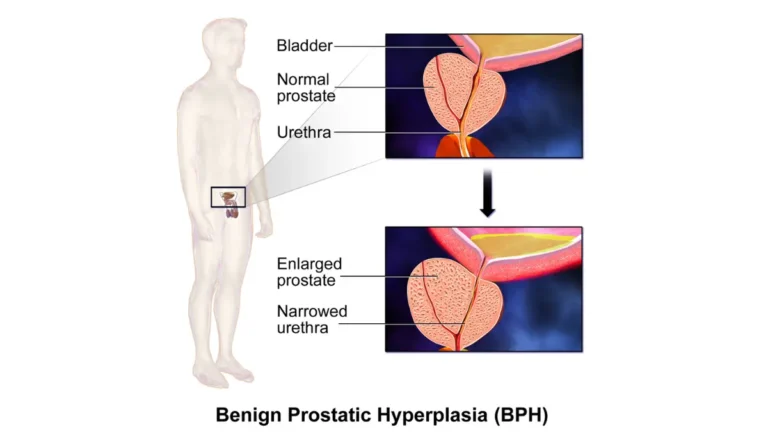
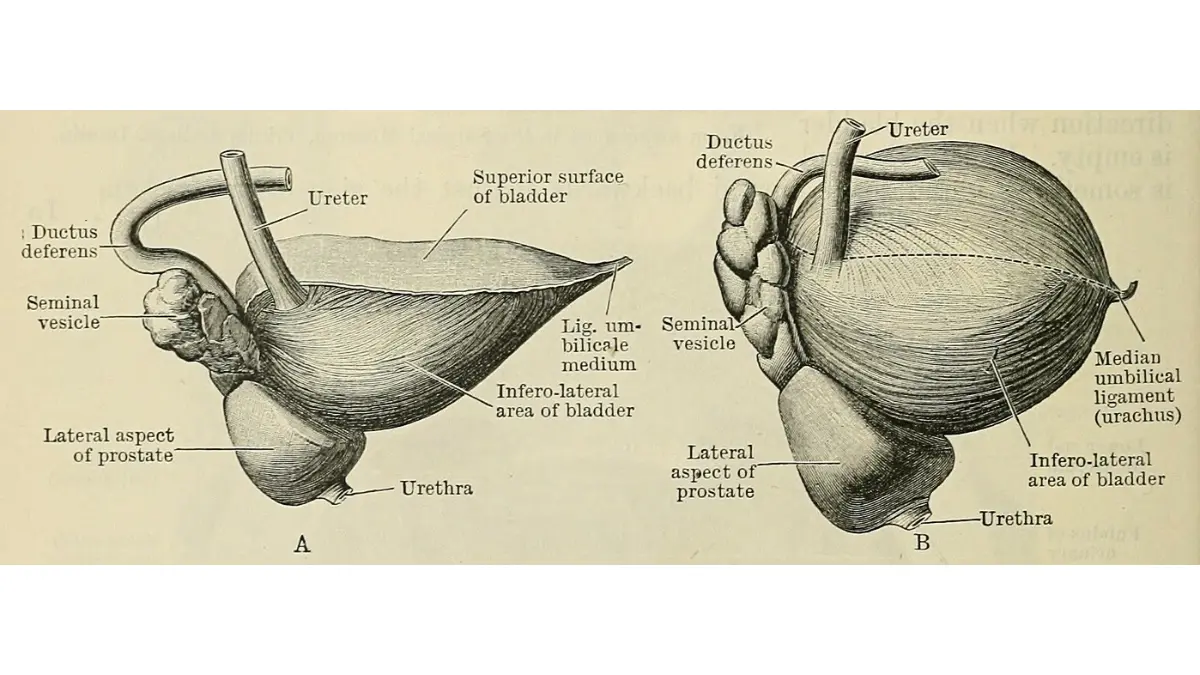
Having an enlarged prostate, known as benign prostatic hyperplasia or BPH, is a separate, non-cancerous condition — it does not turn into prostate cancer. Prostatitis (inflammation of the prostate) has shown a possible but unproven link and remains an active area of research.
The bottom line on prostate cancer risk
Four risk factors are well established — age, race, family history, and inherited gene mutations — while diet, weight, and chemical exposures remain uncertain, and common worries like vasectomy and an enlarged prostate are not proven causes. Most men with risk factors never develop the disease.
The most useful thing you can do is know your risk and act on it: if you are higher-risk, start the screening conversation earlier. For the complete picture, read our full guide to prostate cancer signs, stages, and treatment and learn the early signs of prostate cancer worth watching for.
Frequently asked questions about prostate cancer causes
1. What is the main cause of prostate cancer?
Prostate cancer develops when cells in the prostate gland acquire DNA changes that let them grow uncontrollably. In most men, the exact trigger for those changes is unknown. Risk factors such as age, race, and family history raise the odds but do not directly cause the disease.
2. At what age does prostate cancer risk increase?
Prostate cancer risk rises sharply after age 50. The disease is rare before 40, about 6 in 10 cases are diagnosed in men 65 or older, and the average age at diagnosis is around 67. Only about 1% of cases are found before age 50.
3. Is prostate cancer hereditary?
It can run in families. A father or brother with prostate cancer more than doubles your risk, and the risk is higher with an affected brother or several affected relatives. Still, most prostate cancers occur in men with no family history of the disease.
4. Does a BRCA gene mutation increase prostate cancer risk in men?
Yes. Inherited BRCA1 and especially BRCA2 mutations raise prostate cancer risk, though they account for only a small share of cases. Lynch syndrome also increases risk. If these run in your family, ask your doctor about genetic counseling to understand your options.
5. Why are Black men at higher risk of prostate cancer?
Black men are more likely to develop prostate cancer and are more than twice as likely to die from it than other men, according to the CDC. The reasons likely involve a mix of access to care, socioeconomic, and biological factors still under study. Earlier screening discussions are often recommended.
6. Can diet or dairy cause prostate cancer?
The evidence is weak and inconsistent. Men who consume a lot of dairy may have a slightly higher risk, and high calcium intake has been questioned, but most studies find no link at normal dietary levels. No food has been proven to directly cause prostate cancer.
7. Does obesity increase prostate cancer risk?
Obesity does not appear to raise the overall risk of getting prostate cancer. However, it is linked to a higher risk of aggressive, faster-growing disease and possibly to dying from it. Maintaining a healthy weight is sensible for overall health, even if it is not a guaranteed safeguard.
8. Does a vasectomy cause prostate cancer?
Most evidence does not show that a vasectomy causes prostate cancer. Some studies suggested a slightly higher risk while others found none, and no firm link has been established. Research on this question is ongoing, but a vasectomy is not considered a proven cause.
9. Can an enlarged prostate turn into prostate cancer?
No. An enlarged prostate, known as benign prostatic hyperplasia or BPH, is a separate, non-cancerous condition and does not become prostate cancer. The two can cause similar urinary symptoms, however, so any new symptoms should be evaluated by a clinician to find the cause.
10. Does masturbation or frequent ejaculation affect prostate cancer risk?
Masturbation and frequency of ejaculation are not established causes of prostate cancer. Sexual activity has not been shown to increase risk. If you have concerns about prostate health or new symptoms, a urologist can give you guidance based on your individual situation.
11. Can prostate cancer be prevented?
There is no sure way to prevent prostate cancer, and the strongest risk factors cannot be changed. Regular physical activity, a healthy weight, and a diet rich in fruits and vegetables may help lower overall cancer risk. For higher-risk men, earlier screening discussions matter most.
About this content
How this article was put together: researched from recognised health sources, drafted with the help of AI tools, and edited by hand, with sources linked throughout.

Sameer Patel is the founder and editor of My Medicine Advisor. He is not a doctor or medical professional — before starting this site he worked in banking,…
Medical disclaimer
The content on MyMedicineAdvisor is provided for general informational and educational purposes only and is not a substitute for professional medical advice, diagnosis, or treatment. Health information on this website should not be used to diagnose, treat, cure, or prevent any condition without guidance from a qualified healthcare professional. Always seek the advice of your doctor, physician, or another licensed healthcare provider with any questions you may have regarding a medical condition, symptoms, medications, or treatment decisions.