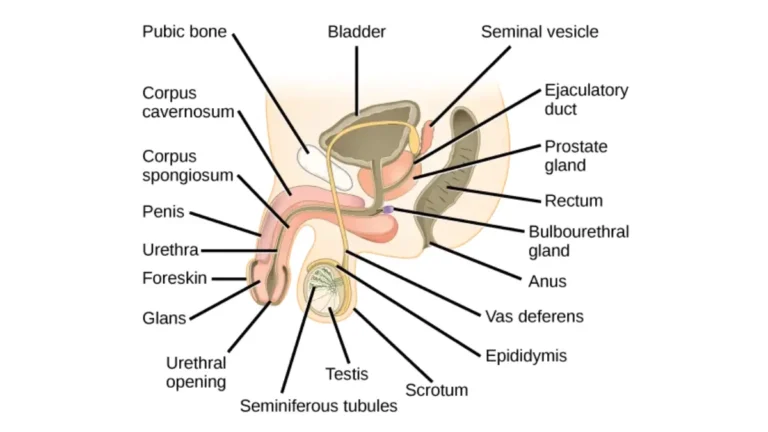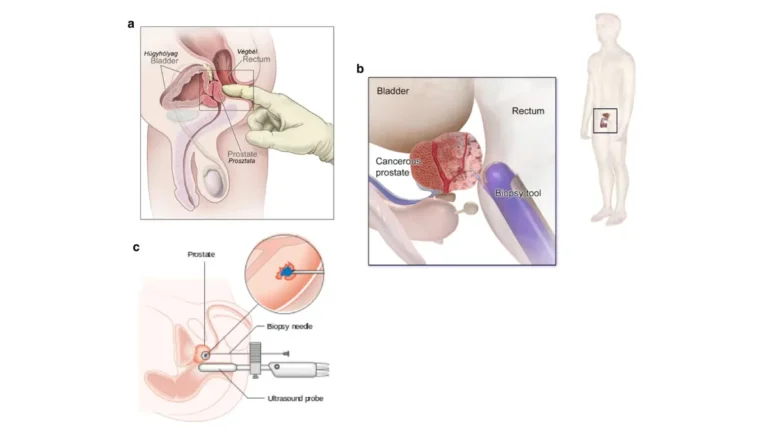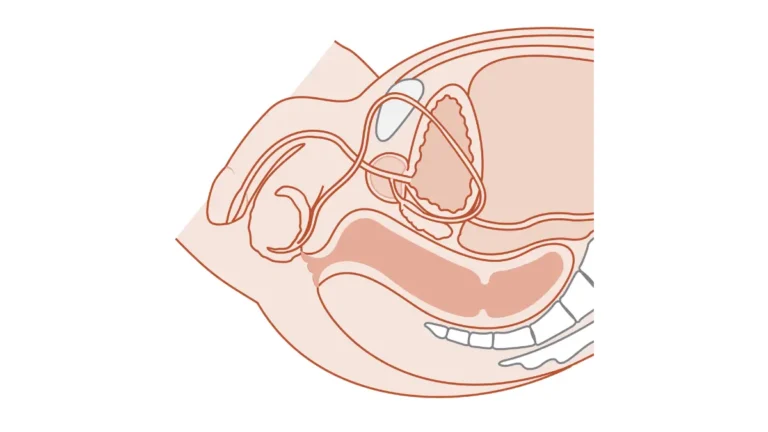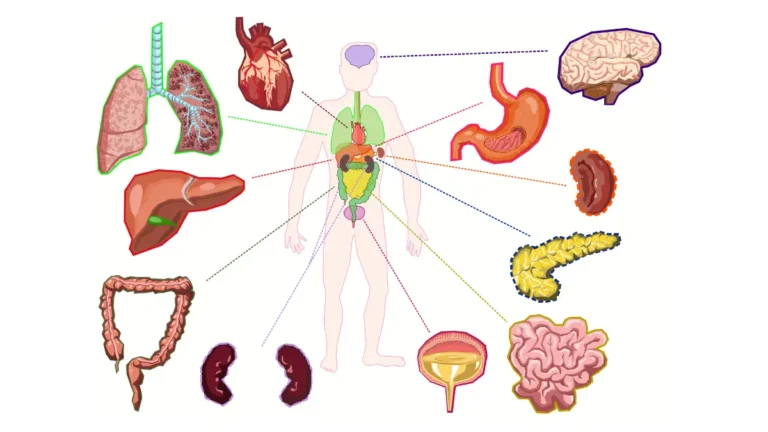

On This Page – Quick Medical Summary
A prostate cancer diagnosis brings a hard question close behind it: what will treatment do to daily life? Prostate cancer side effects come from two sources — the cancer itself and the treatments used to control it — and the two that men report most, fatigue and pain, are also among the most manageable.
Where you are right now shapes what you need:
- Newly diagnosed and comparing options? Start with which treatment causes which side effect.
- In active treatment? Skip ahead to managing fatigue and managing pain.
- Caring for someone? The management steps and the urgent red-flag list are written for you too.
- Worried a symptom is serious right now? Go straight to the urgent-care section.
Most side effects ease with time or respond to treatment. Knowing what to expect — and what to act on — is the first step toward staying in control.
ℹ️ Medical Disclaimer: This article explains prostate cancer side effects for general education. It cannot diagnose your condition, prescribe or adjust any medication, or replace your oncology team. Decisions about treatment, pain medicine, hormone therapy, procedures, and insurance should be made with a board-certified urologist, radiation oncologist, or medical oncologist who knows your case. If you have a medical emergency, call your local emergency number.
Which treatments cause which side effects
Every prostate cancer treatment trades some benefit for some risk, and the side effects tend to cluster by treatment type. Surgery (radical prostatectomy) and radiation therapy mainly affect urinary, bowel, and sexual function. Hormone therapy — also called androgen deprivation therapy (ADT) — works through the whole body, bringing hot flashes, bone loss, and fatigue, while chemotherapy and advanced disease add their own effects.
| Treatment | Common side effects | Typical timing | Usually temporary or lasting |
|---|---|---|---|
| Surgery (prostatectomy) | Urinary incontinence, erectile dysfunction | Right after surgery | Often improve over months; can be lasting |
| Radiation (EBRT/brachytherapy) | Bowel and urinary irritation, erectile dysfunction, fatigue | During and the weeks after; ED develops slowly | Many ease; some lasting |
| Hormone therapy (ADT) | Hot flashes, fatigue, bone loss, low libido | Weeks into treatment, ongoing | Often last while on treatment |
| Chemotherapy | Fatigue, nausea, hair loss, low blood counts | During treatment cycles | Usually temporary |
| Advanced disease | Bone pain | Variable | Treatable with ongoing management |
Side-effect patterns drawn from the American Cancer Society and the Prostate Cancer Outcomes Study.
📊 Clinical Data Point: In 15-year follow-up from the Prostate Cancer Outcomes Study, erectile dysfunction affected roughly 87% of men after surgery and 94% after radiation — a difference that was not statistically significant. — Source: Prostate Cancer Outcomes Study, 15-year follow-up (Resnick et al., NEJM, 2013)
🔬 How It Works: Prostate cancer cells use testosterone to grow, so hormone therapy works by lowering testosterone. That same drop is what drives ADT’s side effects — hot flashes, bone thinning, fatigue, and low libido — because testosterone affects far more than the prostate.
Because surgery and radiation affect function differently, many men weigh surgery against radiation before deciding, and each has its own recovery path — from recovering from prostate surgery to managing the effects of radiation therapy for prostate cancer. For a fuller picture of what radiation can cause, the American Cancer Society’s overview of radiation side effects is a reliable starting point.
Why fatigue is the most common side effect
Cancer-related fatigue is the single most common side effect men report, and it is not ordinary tiredness — it is a deep exhaustion that rest does not fully fix. It comes from several sources at once: the drop in testosterone from hormone therapy, anemia, disrupted sleep from hot flashes, inflammation, and the body’s work of healing.
📊 Clinical Data Point: A 2021 meta-analysis of about 4,800 men with prostate cancer found cancer-related fatigue in roughly 40% overall — about 42% with hormone therapy, 40% with radiation, and 21% after surgery. — Source: meta-analysis, World Journal of Clinical Cases, 2021
🔬 How It Works: Fatigue during cancer treatment is rarely one problem. Lower testosterone, a lower red-blood-cell count, broken sleep from night sweats, and inflammatory signals released during treatment can each sap energy — and they often stack on top of one another.
How long fatigue lasts depends on the treatment. Radiation fatigue tends to peak near the end of treatment and ease over the following weeks and months, though an estimated one in four to one in three men report it lingering past a year. Fatigue from hormone therapy (ADT) for prostate cancer usually continues for as long as treatment does.
✅ Patient Action: If your fatigue is sudden or severe, ask your oncologist to check your blood counts for anemia — a treatable cause of fatigue that is easy to overlook.
For practical, prostate-aware guidance, the National Cancer Institute’s guide to cancer fatigue is worth reading alongside this.
Understanding pain from prostate cancer
Here is a fact that surprises many men: early prostate cancer usually causes no pain at all. When prostate cancer pain does appear, it most often comes from one of two places — a side effect of treatment, or cancer that has spread to the bones.
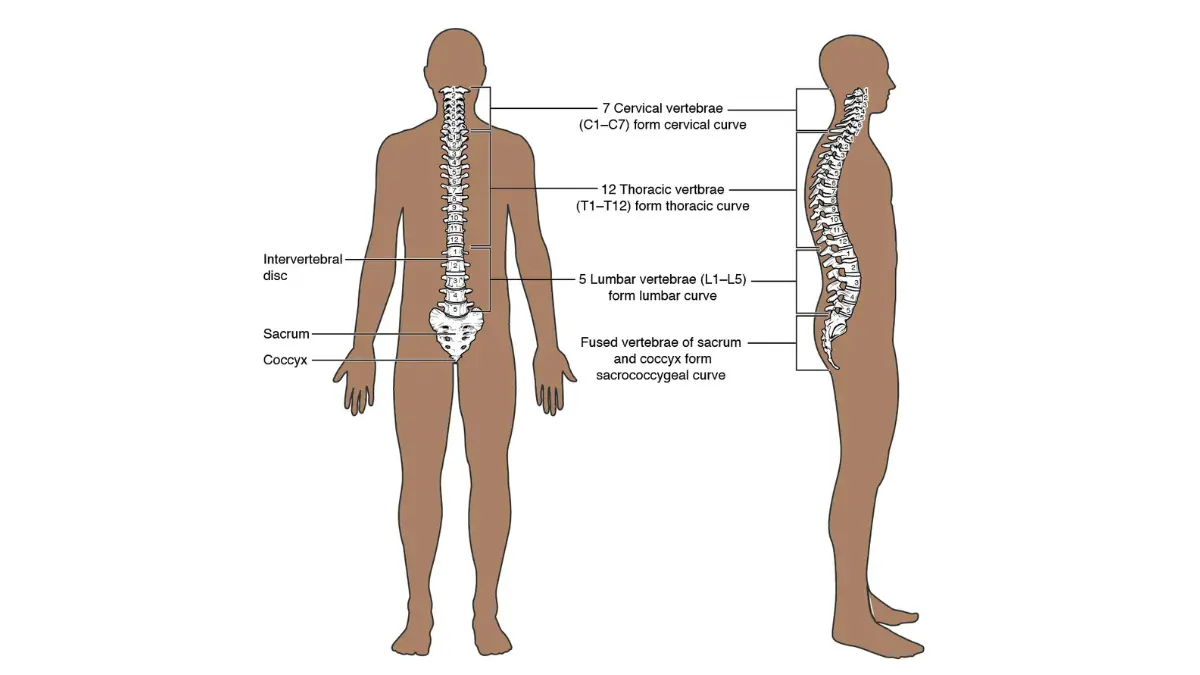
Prostate cancer most commonly spreads to bone, and bone metastases can cause aching or deep pain, often in the back, hips, or pelvis. Bone involvement can also weaken bone and, in serious cases, press on the spinal cord.
🔬 How It Works: When prostate cancer cells settle in bone, they disrupt the normal balance of bone breakdown and rebuilding. That can cause pain, raise fracture risk, and — in the spine — lead to pressure on the spinal cord, which is why new back pain in someone with advanced prostate cancer is taken seriously.
The reassuring part is that prostate cancer pain is treatable. Bone pain in particular responds to a range of approaches covered in the next section, and the NCI’s guide to controlling cancer pain explains how a pain-control plan is built. Pain that points to spread is also why understanding life with stage 4 prostate cancer matters for some men.
⚠️ Clinical Warning: New or worsening back pain — especially with leg weakness, numbness, or new trouble controlling your bladder or bowels — can signal spinal cord compression, an emergency. Do not wait to see if it passes; seek care the same day.
How to manage cancer-related fatigue
The most effective step against cancer-related fatigue is one that feels counterintuitive when you are exhausted: movement. Across the major guidelines, exercise has the strongest evidence for reducing fatigue during and after treatment.
- Move regularly. Guidelines point to about 150 minutes a week of moderate aerobic activity plus light strength work, scaled to what you can manage. Walking counts.
- Protect your sleep. Treat hot flashes and night sweats with your team, and keep a steady schedule — a consistent sleep routine helps.
- Conserve energy. Prioritize what matters most each day, and rest before you are depleted rather than after.
- Consider mind-body and talk therapies. Cognitive behavioral therapy, mindfulness, and movement-based practices such as tai chi are recommended in current guidelines.
🩺 Physician Note: Current guidelines emphasize that medication is not the first answer for cancer-related fatigue. The 2024 ASCO–SIO guideline actually advises against routinely using supplements like L-carnitine or wakefulness drugs for fatigue, pointing instead to exercise and behavioral approaches as the best-supported options.
⚠️ Clinical Warning: If your cancer has spread to bone, do not start a new exercise program without your team’s input. Some movements raise fracture risk, and your plan should be adjusted to protect your bones.
✅ Patient Action: Ask your oncology team to help you set a realistic weekly activity goal — and if you have bone metastases, ask specifically which movements are safe for you.
How pain and other side effects are treated
Prostate cancer pain and the other major side effects each have real, established treatments — and the right one depends on the cause, which is why these are decisions for your care team. For bone pain, doctors draw on several categories: pain medicines (analgesics), bone-targeted drugs, and targeted (palliative) radiation to a painful spot.
Bone-targeted agents — bisphosphonates such as zoledronic acid, and denosumab — are used to strengthen bone and reduce skeletal complications like fractures. Their effect on pain itself is more modest, and they carry specific risks.
🔬 How It Works: Bone-targeted drugs slow the cells that break down bone. By calming that overactive breakdown around tumor sites, they lower the risk of fractures and other skeletal complications — though they help pain only modestly and are one tool within a broader plan.
⚠️ Clinical Warning: Bone-targeted drugs can rarely cause osteonecrosis of the jaw, and bisphosphonates can affect the kidneys. A dental check-up before starting these medicines is standard — and tell every dentist and doctor that you take them.
For the day-to-day effects, urinary incontinence is usually treated first with pelvic-floor (Kegel) exercises, while persistent leakage can be managed with procedures or devices — covered in detail in managing urinary incontinence after prostatectomy. Erectile dysfunction has several treatment options, explained in erectile dysfunction after prostate cancer treatment. Hot flashes and bone loss from hormone therapy can also be eased — exercise helps, and specific medicines exist; the American Cancer Society’s guide to hormone therapy outlines the options.
✅ Patient Action: Before starting any bone-targeted drug, ask your oncologist whether you need a dental exam first — and ask which specific medicine they recommend and why.
Side effects that need urgent medical care
Most side effects are handled at routine visits, but a few are urgent. Knowing these warning signs ahead of time means you can act fast if they appear. Seek urgent care for any of these:
- New or worsening back pain with leg weakness, numbness, or new bladder or bowel control problems — possible spinal cord compression
- Inability to urinate at all
- Heavy or persistent rectal or urinary bleeding
- A high fever, shaking chills, or other signs of infection — especially during chemotherapy
- Severe pain that your current medicine is not controlling
⚠️ Clinical Warning: Spinal cord compression is a true emergency. If pressure on the spinal cord is not relieved quickly, weakness or loss of bladder and bowel control can become permanent. New back pain plus any leg weakness or numbness in someone with prostate cancer warrants same-day evaluation.
✅ Patient Action: Ask your oncology team now for their after-hours number and a clear list of symptoms that should trigger a call or an ER visit — and keep it somewhere you can find fast.
Frequently asked questions
1. What are the most common side effects of prostate cancer treatment?
The most common prostate cancer side effects are urinary and sexual changes after surgery or radiation, hot flashes and bone loss from hormone therapy, and fatigue across nearly all treatments. Advanced disease can also cause bone pain. Which ones you face depends on your specific treatment plan.
2. Why does prostate cancer treatment cause fatigue?
Fatigue comes from several sources at once: lower testosterone from hormone therapy, anemia, disrupted sleep from hot flashes, inflammation, and the body’s healing work. Because these stack together, cancer-related fatigue is often deeper than ordinary tiredness and is not fully relieved by rest.
3. How long does fatigue last after prostate cancer treatment?
It depends on the treatment. Radiation fatigue usually peaks near the end of treatment and eases over the following weeks to months, though some men report it lasting past a year. Hormone therapy fatigue tends to continue for as long as treatment does.
4. Does early prostate cancer cause pain?
Usually no — early prostate cancer typically causes no pain. When prostate cancer pain appears, it most often comes from a treatment side effect or from cancer that has spread to bone. New bone or back pain should always be evaluated promptly, so discuss any new pain with your care team.
5. How is bone pain from prostate cancer treated?
Doctors use several approaches: pain medicines, bone-targeted drugs such as zoledronic acid or denosumab, and targeted (palliative) radiation to a painful area. The right combination depends on the cause and your overall plan. Bone-targeted drugs carry specific risks, so discuss the options with your oncologist.
6. What are the main side effects of hormone therapy (ADT)?
Hormone therapy lowers testosterone, which commonly causes hot flashes, fatigue, bone thinning, reduced libido, and breast tenderness or growth. Some men also notice weight or mood changes. These effects often last while treatment continues but can frequently be managed — ask your care team which apply to you.
7. Do urinary and erection problems go away after prostate cancer treatment?
Often they improve over months, but they can be lasting, and the pattern differs by treatment — incontinence and erectile dysfunction are more common early after surgery than radiation. Both have real treatments, from pelvic-floor exercises to medications and procedures. Discuss your options with a urologist.
8. What’s the best way to manage cancer-related fatigue?
Exercise has the strongest evidence for easing cancer-related fatigue, alongside protecting sleep, conserving energy, and behavioral therapies like CBT. Guidelines generally advise against routine fatigue supplements. If your cancer is in the bone, get your team’s input before starting exercise to protect against fractures.
9. What helps with hot flashes from prostate cancer treatment?
Hot flashes from hormone therapy can be eased with specific medicines and with lifestyle steps; exercise and managing triggers help. Because hot flashes can disrupt sleep and worsen fatigue, treating them improves more than comfort alone. Ask your oncologist which approach fits your situation.
10. Is exercise dangerous if cancer has spread to the bones?
Exercise is still encouraged, but it must be tailored. Cancer in the bone can raise fracture risk, so some movements may need to be avoided or modified. Do not start a new program without your care team’s input, and ask specifically which activities are safe for you.
11. When should I get urgent care for prostate cancer side effects?
Seek urgent care for new back pain with leg weakness or numbness, new bladder or bowel control loss (possible spinal cord compression), inability to urinate, heavy bleeding, high fever during chemotherapy, or severe uncontrolled pain. When in doubt, call your team — these can be emergencies.
Putting it together
Fatigue and pain are the side effects men with prostate cancer fear most, and they are also among the most treatable. The pattern you face depends on your treatment — surgery and radiation lean toward urinary and sexual effects, hormone therapy toward fatigue and bone changes, advanced disease toward bone pain — but every one of these has a management path.
The strongest moves you can make are simple: track your symptoms, start gentle movement with your team’s blessing, and learn the few red flags that mean call now. For the full picture of diagnosis, staging, and treatment, see the complete prostate cancer guide. You do not have to wait and hope — staying informed and in close contact with your care team changes how you move through treatment.
About this content
How this article was put together: researched from recognised health sources, drafted with the help of AI tools, and edited by hand, with sources linked throughout.

Sameer Patel is the founder and editor of My Medicine Advisor. He is not a doctor or medical professional — before starting this site he worked in banking,…
Medical disclaimer
The content on MyMedicineAdvisor is provided for general informational and educational purposes only and is not a substitute for professional medical advice, diagnosis, or treatment. Health information on this website should not be used to diagnose, treat, cure, or prevent any condition without guidance from a qualified healthcare professional. Always seek the advice of your doctor, physician, or another licensed healthcare provider with any questions you may have regarding a medical condition, symptoms, medications, or treatment decisions.