
The Silent Crisis Women Face Daily
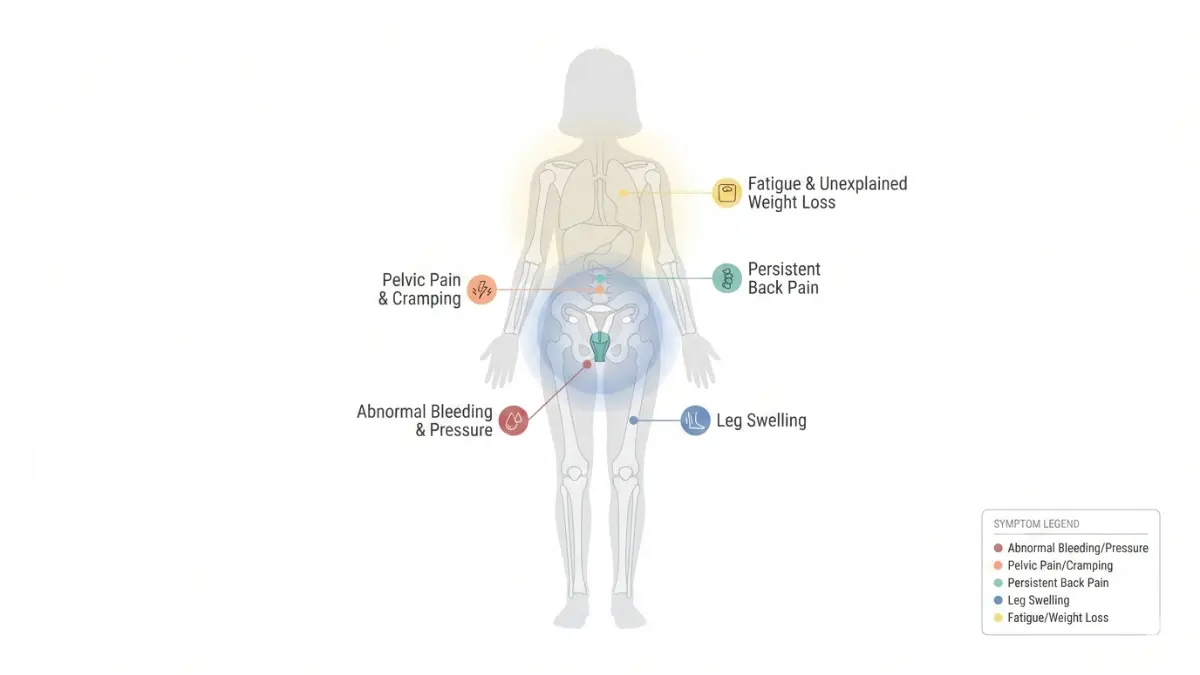
7 Cervical Cancer Symptoms Women Ignore Daily are abnormal vaginal bleeding between periods or after sex, unusual vaginal discharge with odor or blood, persistent pelvic pain, bleeding after intercourse, unexplained weight loss, chronic fatigue, and urinary changes—symptoms dismissed as “normal” until cancer advances to dangerous stages.
Sarah, a 38-year-old marketing executive from Chicago, noticed light spotting between her periods for eight months but attributed it to stress from her demanding job. When she finally scheduled a Pap smear screening, doctors discovered stage 3 cervical cancer that had spread to her pelvic wall. Her story isn’t unique. Research from the Centers for Disease Control and Prevention reveals that approximately 12,536 new cervical cancer cases are diagnosed annually in the United States, with 4,051 women dying from this preventable disease. Studies examining delayed diagnosis patterns show that 60-70% of women wait six months or longer after noticing cervical cancer symptoms before seeking medical evaluation, often because they normalize warning signs as routine menstrual irregularities or menopausal changes.
The normalization problem runs deeper than simple ignorance. Women experiencing cervical cancer symptoms daily often dismiss them because these warning signs mimic common, benign conditions. Abnormal vaginal bleeding gets attributed to hormonal fluctuations or intrauterine device side effects. Pelvic pain becomes “just bad cramps” or irritable bowel syndrome. Even bleeding after intercourse—one of the earliest and most significant early signs of cervical cancer—gets rationalized as insufficient lubrication or “rough sex”. This dangerous pattern of dismissal delays life-saving diagnosis when cervical cancer screening and early detection could achieve 91.4% five-year survival rates for localized disease. Women who use our Symptom Checker tool can track concerning patterns and receive guidance on when symptoms warrant immediate medical attention.
Understanding HPV and cervical cancer connection is critical because nearly 99.7% of cervical cancer cases develop from persistent high-risk human papillomavirus infection that progresses silently over 10-20 years. The National Cancer Institute confirms that early-stage cervical cancer in women typically produces no noticeable symptoms, making regular screening essential. By the time women recognize cervical cancer warning signs like foul-smelling vaginal discharge cervical cancer or chronic pelvic pain cervical cancer, the disease has often advanced beyond the cervix. Women concerned about cancer symptoms can also review ovarian cancer symptoms women ignore and endometrial cancer bleeding signs to understand related gynecologic cancer warning patterns.
Medical Disclaimer: This article provides educational information about cervical cancer symptoms and screening guidelines based on peer-reviewed medical research and government health sources. It is not intended as medical advice, diagnosis, or treatment. Women experiencing any concerning symptoms should consult qualified healthcare providers for personalized evaluation and care. Regular cervical cancer screening remains the most effective prevention strategy regardless of symptom presence.
The 7 Cervical Cancer Symptoms Women Dismiss As “Normal”
Symptom #1: Abnormal Vaginal Bleeding That Seems “Just Stress”
Abnormal vaginal bleeding represents the most common early sign of cervical cancer, yet women encounter this cervical cancer symptom daily and rationalize it as hormonal imbalance or stress-related spotting. The National Cancer Institute identifies vaginal bleeding after intercourse, between periods, or post-menopause as the primary warning signal that distinguishes benign irregularities from cancer-related bleeding. Women experiencing irregular bleeding cervical cancer patterns often attribute spotting to intrauterine device insertion, perimenopause transitions, or even strenuous exercise rather than recognizing it as a potential cervical cancer warning sign.
Why women ignore it: Many dismiss bleeding after intercourse as insufficient lubrication or attribute heavier periods to aging, birth control side effects, or recent medication changes. Women with polycystic ovary syndrome may assume bleeding irregularities stem from their PCOS symptoms rather than investigating further.
| Bleeding Pattern | Normal Variation | Borderline Concern | Seek Care Immediately |
|---|---|---|---|
| Between periods | Light spotting during ovulation (1-2 days) | Spotting 3+ times monthly | Any bleeding with pelvic pain or odor |
| After intercourse | Occasional spotting with vigorous activity | Bleeding after every encounter | Bleeding with foul-smelling discharge |
| Post-menopause | NONE—always abnormal | Any amount requires evaluation | Any bleeding after 12+ months without periods |
| Menstrual duration | 3-7 days | 8-10 days | 10+ days or soaking through protection hourly |
What This Means For You: Post-menopausal bleeding requires immediate gynecological evaluation, as 90% of endometrial and cervical cancer cases present with this symptom. Track bleeding patterns using our Ovulation Calculator to distinguish normal cycle variations from abnormal patterns warranting medical assessment.
Symptom #2: Vaginal Discharge Women Call “Normal”
Vaginal discharge cervical cancer manifestations include watery, bloody, pink, brown, or clear discharge with a persistently foul odor that differs significantly from typical discharge variations. The National Cancer Institute notes that unusual vaginal discharge with strong odor or blood content signals potential cervical abnormalities requiring immediate evaluation. Women often confuse these cervical cancer symptoms with bacterial vaginosis, yeast infections, or sexually transmitted infection symptoms, delaying diagnosis by months.
Why women dismiss it: Many attribute increased discharge to hormonal contraceptive use, recent antibiotic courses disrupting vaginal flora, or premenopausal hormonal fluctuations. Women experiencing discharge changes may self-treat with over-the-counter yeast infection medications rather than consulting healthcare providers when symptoms persist beyond one treatment cycle.
| Discharge Characteristic | Typical Variation | Concerning Sign | Medical Significance |
|---|---|---|---|
| Color | Clear to white | Pink, brown, or blood-tinged | May indicate cervical bleeding or tissue breakdown |
| Odor | Mild or none | Strong, foul, or fishy smell persisting after washing | Suggests infection or necrotic tissue |
| Consistency | Thick and sticky (ovulation) | Watery and excessive | Cervical mucus-producing cells affected by cancer |
| Frequency | Varies with cycle | Continuous, heavy, requiring pad changes | Indicates persistent cervical abnormality |
Symptom #3: Pelvic Pain Blamed on “Cramps” or “Gas”
Pelvic pain cervical cancer characteristics include chronic, dull aching in the lower abdomen or pelvis that persists beyond menstrual cycles and doesn’t respond to over-the-counter pain medications like ibuprofen or acetaminophen. Advanced cervical cancer often spreads to pelvic structures, causing pain during sexual intercourse (dyspareunia) that women mistake for vaginal dryness, endometriosis, or bladder infections. Similar to ovarian cancer symptoms women ignore, pelvic pain from cervical cancer gets attributed to irritable bowel syndrome, constipation, or stress-related muscle tension.
Why women ignore it: Chronic pelvic discomfort becomes normalized over time, especially for women with endometriosis history or previous pelvic inflammatory disease diagnoses. Many assume pain during intercourse stems from inadequate arousal or menopausal vaginal atrophy rather than investigating cervical abnormalities.
Red flags requiring immediate attention:
- Pelvic pain unrelieved by menstrual cycle completion
- Pain radiating to lower back or legs
- Dyspareunia with every sexual encounter
- Pain accompanied by abnormal bleeding or discharge
- Sudden onset of severe pelvic cramping
Symptom #4: Bleeding After Intercourse – “Maybe I’m Not Lubricated Enough”
Bleeding after intercourse (postcoital bleeding) represents one of the earliest and most significant early signs of cervical cancer, occurring when tumors or precancerous cells on the cervix surface bleed upon contact. Research published by the National Institutes of Health shows that 5-25% of women with cervical abnormalities experience postcoital bleeding due to friable cervical tissue that tears easily during sexual activity. Women routinely dismiss this cervical cancer warning sign as rough intercourse, insufficient lubrication, or vaginal dryness from hormonal changes.
Clinical significance: Cervical ectropion (a benign condition) causes postcoital bleeding in younger women, but any bleeding after sex in women over 30 requires cervical cancer screening evaluation to rule out malignancy. Unlike normal bleeding patterns, cancer-related postcoital bleeding occurs consistently rather than occasionally and may be accompanied by pelvic discomfort.
Symptom #5: Urinary Changes Mistaken for “Just a UTI”
Urinary symptoms including increased frequency, urgency, painful urination, or blood in urine signal advanced cervical cancer spreading to bladder structures. The Cancer.gov website confirms that difficult or painful urination and hematuria indicate stage III or IV cervical cancer affecting nearby pelvic organs. Women experiencing these symptoms of advanced cervical cancer often self-diagnose recurrent urinary tract infections and seek antibiotic treatment without comprehensive pelvic examination.
Why this delays diagnosis: Repeated UTI-like symptoms without bacterial confirmation on urine culture should prompt cervical evaluation, yet many women accept chronic bladder discomfort as “weak bladder” or interstitial cystitis. For insights on urinary symptoms requiring cancer evaluation, review blood in urine cancer indicators to understand when symptoms extend beyond simple infections.
Symptom #6: Chronic Fatigue and Unexplained Weight Loss Called “Stress and Aging”
Extreme fatigue unrelieved by adequate sleep and unintentional weight loss exceeding 5% of body weight within 3-6 months represent systemic cervical cancer symptoms indicating advanced disease. These symptoms of advanced cervical cancer occur when the body’s immune system fights cancer growth or when tumors interfere with normal organ function. Women attribute chronic exhaustion to demanding work schedules, caregiving responsibilities, or menopausal hormonal transitions rather than recognizing it as a potential cancer warning.
When to take action: Track weight changes using our BMI Calculator to monitor unexplained losses. Fatigue requiring daytime napping, interfering with daily activities, or accompanied by other symptoms warrants immediate medical evaluation rather than caffeine supplementation or stress management alone.
Symptom #7: Lower Back and Leg Pain Women Attribute to “Getting Older”
Dull, persistent lower back pain and unilateral leg swelling indicate advanced cervical cancer spreading to pelvic wall structures or lymph nodes blocking fluid drainage. National Cancer Institute guidelines identify back pain and leg swelling as stage III cervical cancer manifestations occurring when tumors press against pelvic nerves or obstruct venous return. Women experiencing these cervical cancer warning signs frequently blame poor posture, aging-related arthritis, or sedentary lifestyle rather than seeking gynecological assessment.
Medical correlation: One-sided leg swelling combined with pelvic or back pain requires immediate evaluation to rule out cervical cancer lymph node involvement or deep vein thrombosis. Unlike typical backache from muscle strain, cancer-related back pain persists despite rest, physical therapy, or anti-inflammatory medications.
The Hpv-cervical Cancer Connection Women Must Understand
How HPV Causes 99% of Cervical Cancers
Understanding HPV and cervical cancer connection is fundamental to cervical cancer prevention because nearly all cervical cancer cases stem from persistent high-risk human papillomavirus infections that silently progress over decades. The National Cancer Institute identifies HPV types 16 and 18 as responsible for 70% of cervical cancers globally, with HPV 16 alone causing approximately 50% of all cervical malignancies. High-risk HPV strains (including types 31, 33, 45, 52, and 58) infect cervical epithelial cells and produce viral proteins E6 and E7 that disable tumor suppressor genes, allowing abnormal cell growth that transforms into precancerous cells cervix over 10-20 years.
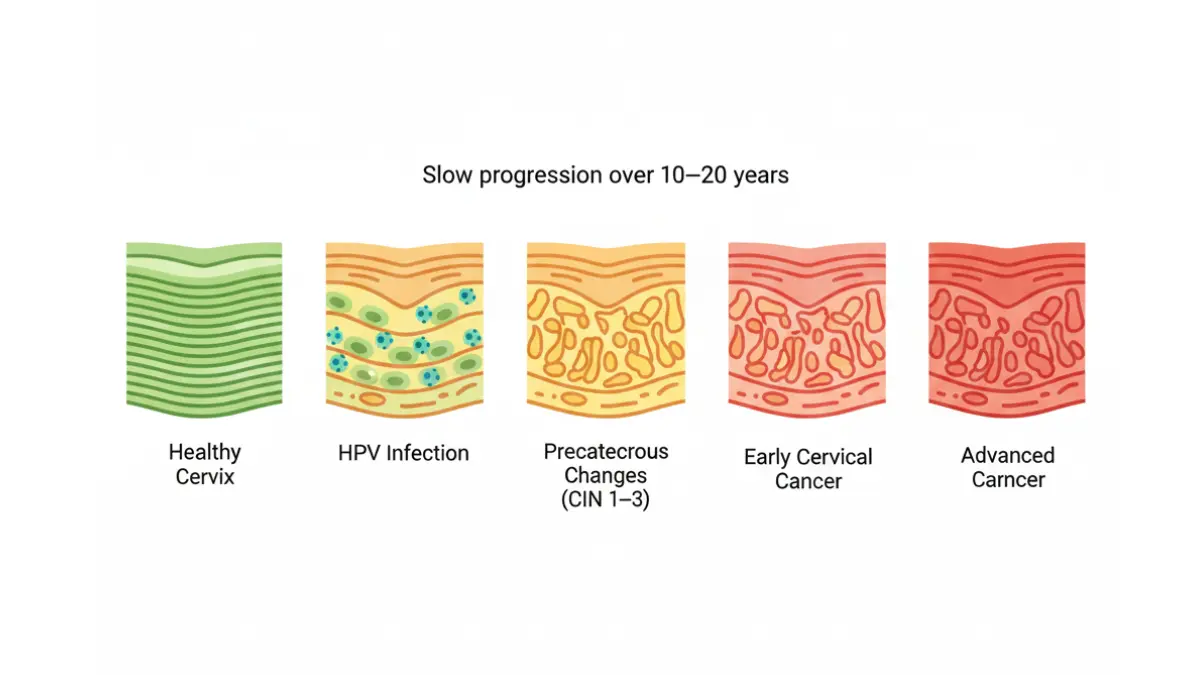
HPV transmission occurs primarily through skin-to-skin genital contact during sexual activity, though non-sexual transmission pathways remain possible in rare cases. Approximately 80% of sexually active women acquire HPV infection by age 50, yet 90% of these infections clear naturally within two years through robust immune system responses. The critical distinction lies in persistent infections: only high-risk HPV types that evade immune clearance for 10+ years progress to cervical cancer in women, explaining why cervical cancer screening focuses on detecting precancerous changes rather than HPV infection alone.
HPV Infection Symptoms vs. Cervical Cancer Symptoms
A crucial misconception women harbor involves expecting HPV infection symptoms when high-risk HPV strains produce no visible signs whatsoever. Low-risk HPV types 6 and 11 cause visible genital warts but do not progress to cervical cancer, while cancer-causing high-risk HPV remains completely asymptomatic throughout the infection and transformation process. Women only experience cervical cancer symptoms like abnormal vaginal bleeding or pelvic pain cervical cancer manifestations after precancerous cells develop into invasive tumors—often 15-20 years after initial HPV infection. This silent progression underscores why regular Pap smear test screening identifies precancerous cells cervix before symptoms emerge, when treatment achieves nearly 100% success rates.
Cervical Cancer Screening Guidelines Save Lives
The Centers for Disease Control and Prevention recommends age-based cervical cancer screening starting at age 21 regardless of sexual activity history, with testing intervals determined by age and risk factors. Understanding these evidence-based guidelines helps women recognize early signs of cervical cancer through proactive detection rather than symptom awareness alone.
Women experiencing abnormal Pap smear test results undergo colposcopy and biopsy to evaluate cervical tissue changes detected through screening. The American Cancer Society data shows cervical cancer early detection through screening programs reduced cervical cancer mortality by more than 60% since widespread Pap testing implementation.
HPV Vaccine – Prevention Power
The Centers for Disease Control confirms that HPV vaccination prevents infection with virus types causing 90% of cervical cancers, representing the most effective cervical cancer prevention strategy when administered before HPV exposure. Gardasil 9, the current HPV vaccine formulation, protects against nine HPV strains including high-risk types 16, 18, 31, 33, 45, 52, and 58, plus low-risk types 6 and 11 causing genital warts. Clinical trials demonstrate 97% efficacy in preventing precancerous cells cervix when vaccination occurs before age 15, with substantial protection extending through age 45 for individuals without prior HPV exposure.
Current vaccination guidelines recommend routine HPV vaccine administration at ages 11-12, with catch-up vaccination available through age 26 for unvaccinated individuals. Women ages 27-45 may discuss HPV vaccination benefits with healthcare providers, though vaccine effectiveness decreases with prior sexual activity and potential HPV exposure. Recent CDC surveillance reveals a 40% reduction in cervical precancers among vaccinated women compared to unvaccinated cohorts, validating long-term cervical cancer prevention impact. Families interested in comprehensive immunization planning can review age-appropriate vaccine schedules to understand HPV vaccine timing alongside other preventive health measures.
What This Means For You
HPV vaccination combined with guideline-based cervical cancer screening creates dual protection against cervical cancer in women. Women should complete age-appropriate Pap smear test screening even after HPV vaccination, as vaccines protect against 90% of cancer-causing strains but not all high-risk HPV types. Those with family cancer histories can assess personalized cervical cancer risk factors using our Genetic Risk Assessment Tool to determine if more frequent screening intervals warrant discussion with healthcare providers.
Cervical Cancer Risk Factors & Stages Explained
Who Is At Highest Risk?
Identifying cervical cancer risk factors helps women understand their individual susceptibility beyond HPV infection alone. The National Cancer Institute confirms that smoking doubles cervical cancer risk among HPV-infected women, with current and former smokers showing two to three times higher incidence of high-grade precancerous cells cervix compared to non-smokers. Tobacco smoke contains carcinogens that damage cervical cell DNA and impair immune system responses needed to clear HPV infections naturally.
Major cervical cancer risk factors include:
- Multiple sexual partners or early sexual activity: Increases lifetime HPV exposure probability and cervical cancer in women susceptibility
- Weakened immune system: HIV infection, immunosuppressant medications for transplants, or autoimmune disease treatments prevent effective HPV clearance
- Long-term oral contraceptive use: Using hormonal birth control for 5+ years shows slight cervical cancer risk elevation
- Multiple full-term pregnancies: Three or more pregnancies correlate with increased cervical cancer causes, possibly through hormonal changes and immune system alterations
- Socioeconomic barriers to screening: Lack of access to regular Pap smear test services accounts for most preventable cervical cancer deaths in developed nations
- Secondhand smoke exposure: Passive smoking increases cervical cancer risk factors among HPV-infected women, though to lesser extent than active smoking
Women concerned about multiple risk factors should utilize our Genetic Risk Assessment Tool to evaluate family cancer history patterns and discuss personalized cervical cancer screening intervals with healthcare providers. Similar gynecologic cancer awareness appears in first signs breast cancer symptoms resources addressing comprehensive women’s health risk assessment.
| Risk Factor | Relative Risk Increase | Evidence Strength | Modifiable? |
|---|---|---|---|
| Persistent high-risk HPV | 100x baseline | Very strong | Yes (vaccination, screening) |
| Active smoking | 2-3x among HPV+ women | Strong | Yes |
| HIV infection | 5-6x | Strong | Partial (medication management) |
| 5+ years oral contraceptives | 1.5-2x | Moderate | Yes |
| 3+ full-term pregnancies | 1.5-2x | Moderate | No |
| No screening history | 10x | Very strong | Yes |
Understanding Cervical Cancer Stages
Cervical cancer stages determine treatment approaches and prognosis, progressing from precancerous changes to invasive disease spreading beyond the cervix. The National Cancer Institute reports that early-stage cervical cancer diagnosed when confined to the cervix has 91% five-year survival rate, emphasizing why recognizing early signs of cervical cancer and cervical cancer warning signs matters critically.
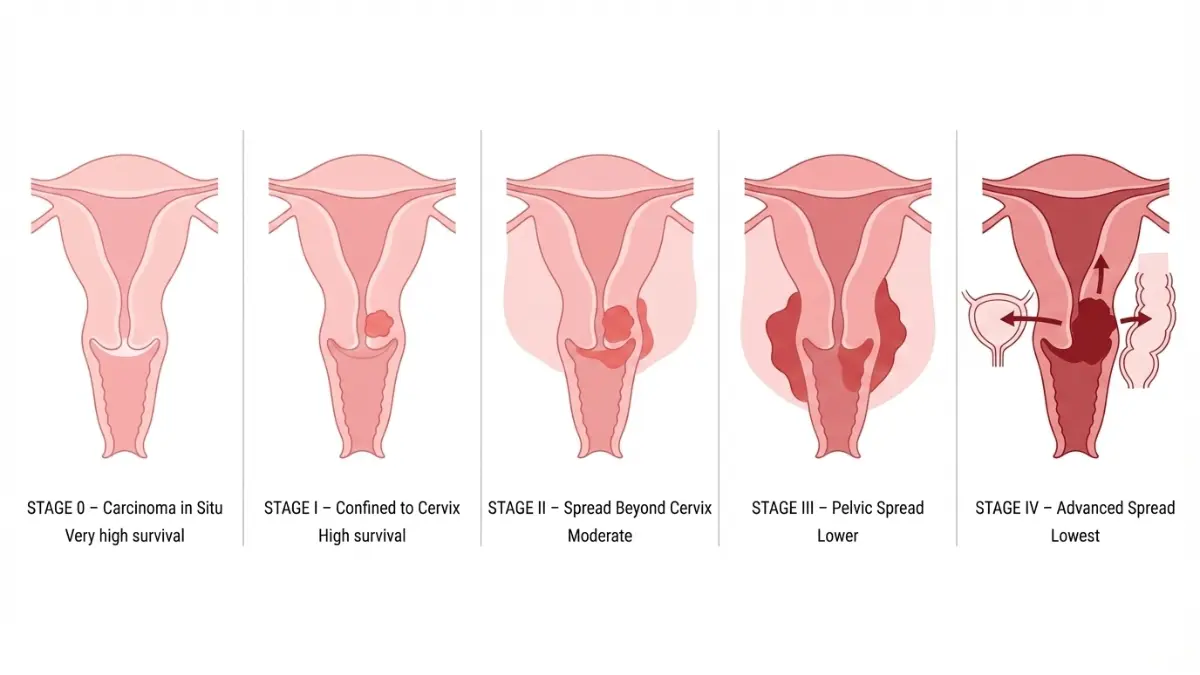
Simplified staging breakdown:
- Stage 0 (Carcinoma in situ): Precancerous cells cervix confined to surface layer, 100% curable with treatment
- Stage I: Cervical cancer symptoms may be absent; cancer confined entirely to cervix with 85-91% survival
- Stage II: Cancer extends beyond cervix but hasn’t reached pelvic wall, 60% five-year survival
- Stage III: Cancer reaches pelvic wall or causes kidney problems, 40% survival; symptoms of advanced cervical cancer emerge including leg swelling and severe pelvic pain cervical cancer manifestations
- Stage IV: Distant spread to bladder, rectum, or organs like lungs or liver, 19% five-year survival
| Stage | Description | 5-Year Survival Rate | Common Symptoms |
|---|---|---|---|
| 0 (CIS) | Abnormal cells on cervix surface | ~100% | None—detected via screening only |
| I | Cancer confined to cervix | 91% | Often none; possible light bleeding |
| II | Spread beyond cervix, not to pelvic wall | 60% | Abnormal bleeding, discharge, pelvic pain |
| III | Reached pelvic wall or lower vagina | 40% | Bleeding, pain, leg swelling, kidney issues |
| IV | Distant metastasis | 19% | Severe pain, weight loss, organ dysfunction |
Why Early Detection Transforms Outcomes
The dramatic survival rate differences between cervical cancer stages underscore the value of cervical cancer early detection through regular screening. Women diagnosed at stage I when cancer remains localized enjoy 91% five-year survival versus 19% for stage IV disease, representing nearly five-fold survival advantage. Recognizing cervical cancer symptoms daily—even subtle cervical cancer warning signs like occasional spotting after intercourse or minimal vaginal discharge cervical cancer changes—prompts evaluation before progression to symptoms of advanced cervical cancer requiring aggressive treatment approaches.
When To See A Doctor – Taking Action Today
Red Flag Symptoms Requiring Immediate Medical Attention
Women experiencing any of the seven cervical cancer symptoms women ignore daily should schedule gynecological evaluation within two weeks, particularly if symptoms persist or worsen. The Centers for Disease Control emphasizes that any vaginal bleeding after menopause requires immediate medical assessment, as 90% of postmenopausal bleeding cases indicate endometrial or cervical abnormalities requiring investigation.
Seek immediate medical care for these cervical cancer warning signs:
- Any bleeding after menopause (12+ months without periods)
- Bleeding after every sexual encounter or heavy bleeding after intercourse
- Pelvic pain cervical cancer manifestations unrelieved by over-the-counter pain medication
- Vaginal discharge cervical cancer characteristics including foul odor, blood content, or watery consistency
- Unexplained weight loss exceeding 10 pounds within 3 months
- Unilateral leg swelling combined with pelvic or back pain
- Blood in urine or stool not explained by urinary tract infection
- Symptoms persisting 2+ weeks beyond normal menstrual cycle patterns
What To Expect At Your Appointment
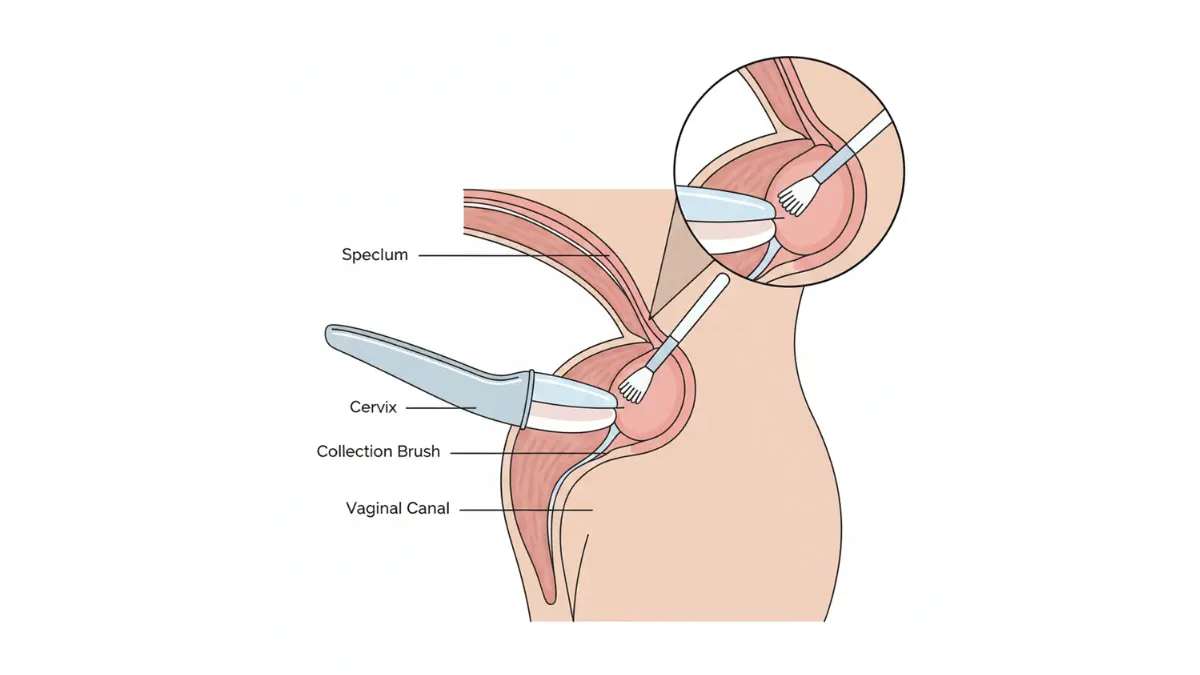
Understanding the cervical cancer screening process reduces anxiety and encourages women to seek timely evaluation for early signs of cervical cancer. During initial assessment, healthcare providers conduct comprehensive medical history reviews including sexual activity history, previous Pap smear test results, HPV vaccination status, and family cancer history. The pelvic examination allows visual cervical inspection followed by Pap test collection, where a small brush gathers cervical cells for laboratory analysis detecting precancerous cells cervix or abnormal changes.
Women receiving abnormal Pap test results undergo colposcopy, a magnified cervical examination where providers identify specific areas requiring biopsy. Colposcopy causes minimal discomfort, lasting 10-20 minutes with results typically available within one week. Cervical biopsies provide definitive diagnosis, allowing pathologists to determine whether abnormal cells represent precancerous changes or invasive cervical cancer stages.
Questions to ask your doctor:
- What cervical cancer screening test do you recommend based on my age and risk factors?
- When do I need follow-up if results are abnormal?
- Should I consider HPV vaccination given my current status?
- What lifestyle modifications reduce my cervical cancer risk factors?
- Do I need more frequent screening given my family history?
Overcoming Barriers to Care
Many women delay seeking evaluation for cervical cancer symptoms due to embarrassment about gynecological examinations, fear of diagnosis, or financial concerns about screening costs. However, the Affordable Care Act mandates insurance coverage for preventive cervical cancer screening without copayments for age-appropriate testing. Women without insurance can access low-cost or free Pap smear test services through federally qualified health centers, Planned Parenthood locations, and CDC’s National Breast and Cervical Cancer Early Detection Program.
What This Means For You – Take Action Now
Immediate actions (This Week):
- Schedule overdue Pap smear test if you’re 21+ and haven’t been screened in 3 years
- Document concerning symptoms using our Symptom Checker to share specific patterns with healthcare providers
- Contact your doctor if experiencing any red flag symptoms listed above
Short-term goals (This Month):
- Attend scheduled screening appointments and follow-up visits for abnormal results
- Discuss HPV vaccination eligibility if under age 45
- Review family cancer history to identify heightened cervical cancer risk factors
- Implement smoking cessation if currently smoking, as tobacco doubles cancer risk among HPV-infected women
Long-term commitment (Ongoing):
- Maintain age-appropriate cervical cancer screening schedule every 3-5 years
- Schedule annual well-woman examinations addressing comprehensive gynecological health
- Stay informed about updated screening guidelines as recommendations evolve with age and risk status
- Educate daughters about HPV vaccine importance and cervical cancer prevention strategies
Frequently Asked Questions about Cervical Cancer Symptoms
1. Can you have cervical cancer without any symptoms?
Yes, early-stage cervical cancer typically produces no noticeable cervical cancer symptoms, which is why regular screening is essential regardless of symptom presence. Symptoms usually emerge only after cancer has spread beyond the cervix, underscoring the importance of age-appropriate Pap smear test screening every 3-5 years.
2. What does cervical cancer discharge look like?
Vaginal discharge cervical cancer characteristics include watery, bloody, pink, brown, or clear discharge with persistent foul odor that differs from normal discharge variations. This abnormal discharge may occur continuously rather than cyclically and often accompanies other early signs of cervical cancer like spotting or pelvic discomfort.
3. How long can you have cervical cancer without knowing?
Cervical cancer develops slowly over 10-20 years from initial HPV infection to invasive cancer, remaining completely asymptomatic throughout most of this progression. Women may harbor precancerous cells cervix for years without recognizing cervical cancer warning signs until tumors cause bleeding or pain.
4. Is cervical cancer curable if caught early?
Yes, stage I cervical cancer confined to the cervix has 91% five-year survival rate with treatment options including surgery, radiation, or ablation. Cervical cancer early detection through regular screening identifies precancerous changes when treatment achieves nearly 100% cure rates.
5. What is the main cause of cervical cancer?
Persistent high-risk human papillomavirus infection causes virtually all (99.7%) cervical cancer cases, with HPV types 16 and 18 responsible for approximately 70% of cervical cancers worldwide. Understanding HPV and cervical cancer connection emphasizes vaccination and screening as primary cervical cancer prevention strategies.
6. Can cervical cancer cause back pain?
Yes, chronic lower back pain represents a common symptom of advanced cervical cancer when disease spreads to pelvic wall structures or presses against nerves. Unlike typical muscle strain, cancer-related back pain persists despite rest and anti-inflammatory medications, often accompanied by leg pain or swelling.
7. How often should I get a Pap smear?
Women ages 21-29 need Pap smear test screening every 3 years, while those ages 30-65 should have Pap plus HPV co-testing every 5 years or Pap alone every 3 years. Screening recommendations vary based on individual cervical cancer risk factors including immune status and previous abnormal results.
8. Can the HPV vaccine prevent cervical cancer?
Yes, the HPV vaccine prevents infection with virus types causing 90% of cervical cancers, showing 97% efficacy when administered before HPV exposure typically between ages 11-12. Vaccination combined with regular cervical cancer screening provides comprehensive cervical cancer prevention even for women already sexually active.
9. Is bleeding after sex always a sign of cervical cancer?
No, though bleeding after intercourse represents the most common early sign of cervical cancer requiring evaluation, other causes include cervical ectropion, polyps, infections, or hormonal changes. Any postcoital bleeding warrants gynecological examination to rule out cervical cancer symptoms, particularly in women over 30.
10. What are precancerous cervical cells?
Precancerous cells cervix (cervical dysplasia or CIN) are abnormal cell changes detected by Pap smear test that may progress to cancer if untreated over 10-15 years. These cellular abnormalities remain completely curable with simple office procedures like cryotherapy or LEEP when identified through routine cervical cancer screening.
11. Does cervical cancer run in families?
Rarely, since cervical cancer causes stem primarily from HPV infection rather than inherited genetic factors. However, some immune system genetic variations may affect individual ability to clear HPV infections naturally, making family history worth discussing during cervical cancer risk factors assessment.
12. Can you still get cervical cancer after a hysterectomy?
Only if the cervix was not removed during surgery or if precancerous cells existed before hysterectomy, as women who had total hysterectomy for benign conditions typically don’t need continued cervical cancer screening. Women should discuss individual screening needs with healthcare providers based on surgical type and medical history. Those concerned about comprehensive women’s health cancer awareness can explore related gynecologic cancer resources to understand screening recommendations across different conditions.
About this content
How this article was put together: researched from recognised health sources, drafted with the help of AI tools, and edited by hand, with sources linked throughout.

Sameer Patel is the founder and editor of My Medicine Advisor. He is not a doctor or medical professional — before starting this site he worked in banking,…
Medical disclaimer
The content on MyMedicineAdvisor is provided for general informational and educational purposes only and is not a substitute for professional medical advice, diagnosis, or treatment. Health information on this website should not be used to diagnose, treat, cure, or prevent any condition without guidance from a qualified healthcare professional. Always seek the advice of your doctor, physician, or another licensed healthcare provider with any questions you may have regarding a medical condition, symptoms, medications, or treatment decisions.