
On This Page – Quick Medical Summary
If you searched for prostate cancer statistics today, you are probably one of three people, and this page is built for all of you. If you want the headline numbers, the next section has the verified 2026 figures. If you were just diagnosed or are supporting someone who was, the survival-by-stage section is likely what you need most. If you are weighing your own risk, the lifetime-risk and who’s-most-affected sections speak to you directly.
Here is the most important framing before any number: prostate cancer is the most commonly diagnosed cancer in American men, yet most men diagnosed with it do not die from it. The figures below come straight from the American Cancer Society and the National Cancer Institute’s SEER program — the same primary sources clinicians use — and the full picture of how prostate cancer is staged and treated is in our pillar guide.
ℹ️ Medical Disclaimer: This article presents population-level statistics for general education only. It is not a diagnosis, a prognosis for any individual, or medical advice about screening, treatment, or any procedure. Survival figures describe groups of people, not your personal outlook. For guidance on your own risk, a PSA result, or a diagnosis, consult a board-certified urologist or oncologist.
How many prostate cancer cases and deaths are expected in 2026?
The American Cancer Society estimates about 333,830 new cases of prostate cancer and roughly 36,320 deaths from it in the United States in 2026. These are model-based projections drawn from national cancer-registry data, not a live count, but they represent the most current estimate available.
📊 Clinical Data Point: An estimated 333,830 new prostate cancer cases and 36,320 deaths are projected in the US for 2026 — Source: American Cancer Society, Cancer Statistics 2026.

New prostate cancer cases in 2026
At roughly 333,830 diagnoses, prostate cancer is the most commonly diagnosed cancer in American men, accounting for nearly one-third of all male cancer cases. Put another way, a man is diagnosed about every minute and a half. You can read the American Cancer Society’s latest prostate cancer statistics in full for the underlying detail.
Prostate cancer deaths in 2026
The projected 36,320 deaths make prostate cancer the second-leading cause of cancer death in American men, behind only lung cancer. That figure is serious, but it sits against a far larger number of men living with the disease — context the next sections make concrete.
Why prostate cancer is the most common cancer in men
Prostate cancer is common largely because risk climbs steeply with age and because PSA testing detects many cases that would otherwise go unnoticed. High incidence paired with very high survival is why more men live with prostate cancer than almost any other cancer.
What is your lifetime risk of prostate cancer?
About 1 in 8 men will be diagnosed with prostate cancer at some point in life — but the chance of dying from it is far lower.
Lifetime risk of being diagnosed
The lifetime risk of a prostate cancer diagnosis is roughly 1 in 8, or about 12.9%. That number sounds alarming on its own, which is exactly why it should never be read without the death-risk figure beside it.
Lifetime risk of dying from prostate cancer
A man’s lifetime risk of dying from prostate cancer is about 1 in 44, or roughly 2.3%. In other words, the large majority of men diagnosed with prostate cancer ultimately die of something else. There are now more than 3.5 million prostate cancer survivors living in the United States.
At what age is prostate cancer usually diagnosed?
The average age at diagnosis is about 67, and roughly 6 in 10 cases are found in men aged 65 or older. Prostate cancer is rare before 40 — only about 1% of cases occur before age 50. Age is the single biggest non-modifiable risk factor, which is why screening conversations are timed to it.
Is prostate cancer increasing in the US?
Yes — after falling sharply for years, prostate cancer is rising again, and the increase is concentrated in more advanced disease.
The incidence trend reversal since 2014
US prostate cancer incidence dropped steeply from 2007 to 2014, then reversed: since 2014 it has climbed about 3% per year. The earlier decline tracked a drop in PSA screening after national task-force recommendations advised against routine testing. Understanding how PSA levels change with age helps explain why screening patterns move these numbers so much.
Why advanced-stage prostate cancer is rising
The more concerning part of the trend is where the growth is. Distant-stage (metastatic) disease has been rising across every age group — by nearly 3% per year in men under 55, and faster still in older men. That shift means a growing share of cancers are being caught after they have already spread, when they are harder to treat. The detail behind these trends sits in the SEER prostate cancer statistics.
What the trend means for screening
A rising count of advanced cancers is the main argument for not ignoring screening conversations, especially for higher-risk men.
🔬 How It Works: PSA (prostate-specific antigen) is a protein made by the prostate gland. A blood test measures its level; a higher or rising PSA can signal cancer, but it can also rise from benign enlargement or infection — which is why an elevated result leads to further testing rather than an immediate diagnosis.
What are prostate cancer survival rates by stage?
Survival from prostate cancer depends heavily on how far it has spread when it is found — and for most men, it is found early.
| SEER stage | 5-year relative survival | Key clinical detail |
|---|---|---|
| Localized (confined to prostate) | >99% | Where the large majority of cases are found |
| Regional (nearby nodes/tissue) | >99% | Still highly treatable |
| Distant (metastatic) | 38% | Spread to bone or distant organs |
| All stages combined | 98% | Reflects the early-stage majority |
Source: American Cancer Society / NCI SEER, based on men diagnosed 2015–2021.
A relative survival rate compares men with a given stage to men in the general population. About 83% of prostate cancers are found at the localized or regional stage, where five-year relative survival exceeds 99% — which is what pulls the all-stages figure up to 98%. See what each prostate cancer stage means for how these groups map to clinical staging.
Survival for metastatic (distant) prostate cancer
When prostate cancer has spread to distant sites, five-year relative survival drops to about 38%. That is a far harder number, and it is exactly why the rising trend in advanced disease matters — but it also reflects men treated years ago, before several newer therapies came into wide use. The outlook for men living with metastatic prostate cancer continues to change as treatment advances.
Why these numbers may understate today’s outlook
These figures describe men diagnosed at least five years ago, so men diagnosed now may do better than the table suggests.
✅ Patient Action: Ask your oncologist or urologist: “Given my clinical stage, Gleason score, and PSA, how do these population survival figures actually apply to my specific situation?”
Which men are most at risk for prostate cancer?
Prostate cancer risk is not the same for every man — race and family history shift it substantially.
Prostate cancer in Black men
Black men in the US carry the heaviest burden: they are about 1.7 times more likely to be diagnosed and over twice as likely to die from prostate cancer than White men, and about 1 in 6 Black men will be diagnosed in his lifetime. Once cancer is found and matched for stage, survival is similar across races — the gap is driven largely by later detection and access, not biology alone. Our deeper look at why prostate cancer affects Black men differently covers this in detail.
Family history and inherited risk
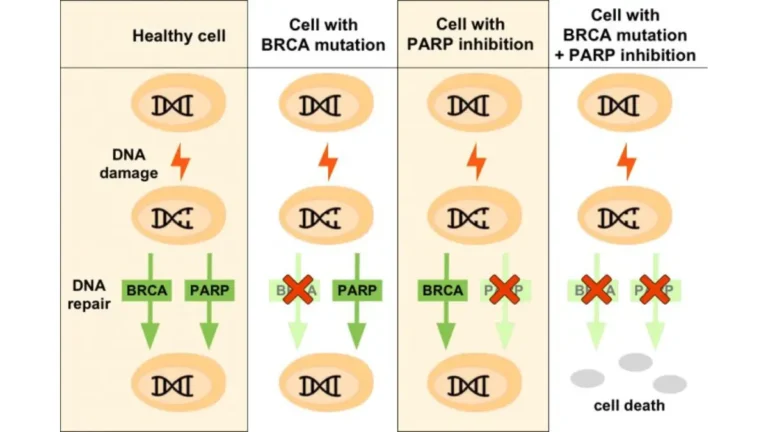
A father or brother diagnosed with prostate cancer roughly doubles a man’s risk, and inherited mutations such as BRCA can raise it further. The full set of prostate cancer risk factors explains which ones are modifiable, and you can assess your inherited risk factors with our genetic risk tool.
Who should consider earlier screening
The American Cancer Society recommends the screening discussion begin at age 45 for higher-risk men — including Black men and those with a first-degree relative diagnosed before 65 — and at 40 for men at even higher risk, versus 50 for average risk. Our screening recommendations by age break this down further, and you can read the ACS screening recommendations in full.
✅ Patient Action: If you are Black or have a father or brother who had prostate cancer, ask your primary care provider or a urologist: “Based on my risk, should I start PSA screening discussions now, and how often?”
What do these prostate cancer statistics mean for you?
Pulling the numbers together: prostate cancer is common and rising, but for most men it is survivable — and stage at diagnosis is the factor that matters most.
The reassuring reality sits in the gap between two figures already on this page: about 1 in 8 men are diagnosed, but only about 1 in 44 die of the disease. With localized and regional disease carrying five-year relative survival above 99%, early detection is what keeps most men in the high-survival group.
What percentage of men with prostate cancer die from it?
Most do not. The majority of men diagnosed with prostate cancer die of other causes, which is why the disease is often described as one many men live with for years. The clear exception is metastatic disease, where outcomes are genuinely harder — the reason advanced-stage trends are worth watching. Knowing the early warning signs of prostate cancer is the most practical step a worried reader can take.
🩺 Physician Note: Population survival statistics describe groups, not individuals. Current clinical guidance stresses that an individual’s outlook depends on stage, Gleason grade, PSA, overall health, and treatment response — which is why these numbers inform a conversation rather than replace one.
Frequently asked questions
1. How many men will be diagnosed with prostate cancer in 2026?
In 2026, the American Cancer Society estimates about 333,830 new prostate cancer cases in the United States. That makes prostate cancer the most commonly diagnosed cancer in American men, accounting for nearly one-third of all male cancer diagnoses. The figure is a model-based projection from national registry data.
2. How many men die from prostate cancer each year?
About 36,320 men are expected to die from prostate cancer in the US in 2026, according to the American Cancer Society. That makes it the second-leading cause of cancer death in American men, behind lung cancer — though far more men live with the disease than die from it each year.
3. What are the chances of getting prostate cancer in your lifetime?
About 1 in 8 men, or roughly 12.9%, will be diagnosed with prostate cancer during their lifetime. The lifetime risk of dying from prostate cancer is much lower — about 1 in 44. The large majority of men diagnosed with prostate cancer ultimately die of other causes.
4. At what age is prostate cancer usually diagnosed?
The average age at prostate cancer diagnosis is about 67. Roughly 6 in 10 cases are found in men aged 65 or older, and the disease is rare before 40 — only about 1% of cases occur before age 50. Risk rises steeply with age.
5. What is the 5-year survival rate for prostate cancer?
The overall five-year relative survival rate for prostate cancer is about 98%, based on men diagnosed in the US from 2015 to 2021. For localized and regional disease it exceeds 99%. These are population averages and do not predict any one man’s outcome — discuss your specific stage with a urologist or oncologist.
6. What is the survival rate for metastatic (stage 4) prostate cancer?
For metastatic, or distant-stage, prostate cancer, the five-year relative survival rate is about 38%. This is far lower than for early-stage disease, but it reflects men diagnosed years ago, before several newer treatments were widely used. Outcomes for any individual depend on many factors — discuss your situation with an oncologist.
7. Is prostate cancer increasing?
Yes. After dropping sharply from 2007 to 2014, US prostate cancer incidence has risen about 3% per year since 2014. The increase is concentrated in advanced disease, with distant-stage diagnoses climbing across all age groups — a shift toward cancers being found after they have already spread.
8. Why are advanced prostate cancers rising?
Advanced prostate cancers are rising partly because routine PSA screening fell after national recommendations changed, meaning fewer early cancers are caught. Distant-stage disease is now increasing in every age group, including younger men. The result is a growing share of cancers diagnosed after they have spread beyond the prostate.
9. Are Black men more likely to get prostate cancer?
Yes. Black men are about 1.7 times more likely to be diagnosed with prostate cancer and over twice as likely to die from it than White men, and about 1 in 6 Black men will be diagnosed in his lifetime. Earlier screening discussions are recommended — ask a urologist about your timing.
10. What percentage of men with prostate cancer die from it?
Most men diagnosed with prostate cancer do not die from it. The lifetime risk of dying from prostate cancer is about 1 in 44, compared with a 1 in 8 risk of being diagnosed. The clear exception is metastatic disease, where five-year relative survival falls to about 38%.
11. Is prostate cancer the most common cancer in men?
Yes. Prostate cancer is the most commonly diagnosed cancer in American men, accounting for nearly one-third of all male cancer cases in 2026. It is also the second-leading cause of cancer death in men, after lung cancer.
The bottom line on prostate cancer in 2026
Prostate cancer in 2026 is best understood as two stories at once: it is the most common cancer in American men and is rising, yet it remains highly survivable when caught early, with the overwhelming majority of diagnosed men living for years. The numbers that should stay with you are the reassuring gap between a 1 in 8 chance of diagnosis and a 1 in 44 chance of dying — and the fact that stage at diagnosis drives nearly everything. Because many early cancers grow slowly, some men are monitored with active surveillance rather than treated right away. If you are weighing your own risk, the most useful next step is a screening conversation timed to your age and family history.
About this content
How this article was put together: researched from recognised health sources, drafted with the help of AI tools, and edited by hand, with sources linked throughout.

Sameer Patel is the founder and editor of My Medicine Advisor. He is not a doctor or medical professional — before starting this site he worked in banking,…
Medical disclaimer
The content on MyMedicineAdvisor is provided for general informational and educational purposes only and is not a substitute for professional medical advice, diagnosis, or treatment. Health information on this website should not be used to diagnose, treat, cure, or prevent any condition without guidance from a qualified healthcare professional. Always seek the advice of your doctor, physician, or another licensed healthcare provider with any questions you may have regarding a medical condition, symptoms, medications, or treatment decisions.