EBV Symptoms & Reactivation: What You Need to Know (2025)
Sarah, a 28-year-old marketing professional, thought she had a bad flu—until her extreme fatigue lasted for weeks and her throat pain became unbearable. After visiting her doctor, she discovered she had Epstein-Barr virus symptoms, a condition affecting millions each year but often misunderstood.
EBV symptoms typically include extreme fatigue, persistent fever, severe sore throat, swollen lymph nodes in the neck, and an enlarged spleen, though presentation varies significantly by age and immune system strength. The Epstein Barr virus, a member of the herpesvirus family, causes these symptoms when it triggers infectious mononucleosis (commonly called “mono”) in teenagers and adults, while young children often experience mild or no symptoms at all.
Understanding EBV: A Common Yet Complex Virus
The Epstein-Barr virus infects an estimated 90% of adults worldwide by age 35-40, making it one of the most prevalent human viruses according to research published by the National Institutes of Health. In the United States, seroprevalence data shows that approximately 66.5% of children and adolescents ages 6-19 have already been exposed to EBV, with rates increasing to over 82% by late adolescence. Despite this widespread exposure, most people remain unaware they carry the virus because their initial infection produced minimal symptoms.
When EBV symptoms in adults do appear, they can be debilitating. The Centers for Disease Control and Prevention identifies the hallmark signs as fatigue that can persist for several weeks or months, fever, inflamed throat, swollen lymph nodes particularly in the neck region, enlarged spleen, swollen liver, and occasionally a distinctive rash. These mono symptoms adults experience differ markedly from the mild cold-like presentation seen in younger children.
What makes EBV particularly concerning is its ability to remain dormant in your body after the initial infection resolves, occasionally reactivating when your immune system becomes weakened by stress, illness, or other factors. This reactivation can trigger EBV reactivation symptoms that mirror the original infection or manifest as chronic fatigue and other persistent complications.
If you’re experiencing unexplained fatigue, fever, or throat pain lasting more than a week, using a reliable symptom checker can help you document your symptoms before consulting with a healthcare provider for proper diagnosis and testing.
Medical Disclaimer: This article is for educational purposes only and does not constitute medical advice. Always consult with a qualified healthcare professional for diagnosis and treatment of EBV symptoms or any medical condition. Content reviewed by our team of 21 certified medical experts specializing in infectious diseases and immunology.
Complete EBV Symptoms Breakdown
Recognizing EBV Symptoms: From Mild to Severe
Understanding the full spectrum of EBV symptoms requires recognizing that this virus behaves differently depending on when you’re infected, your age, and your immune system’s response. The presentation can range from completely silent infections in young children to severe, weeks-long illness in teenagers and adults.
Acute EBV Infection Symptoms (Primary Infection)
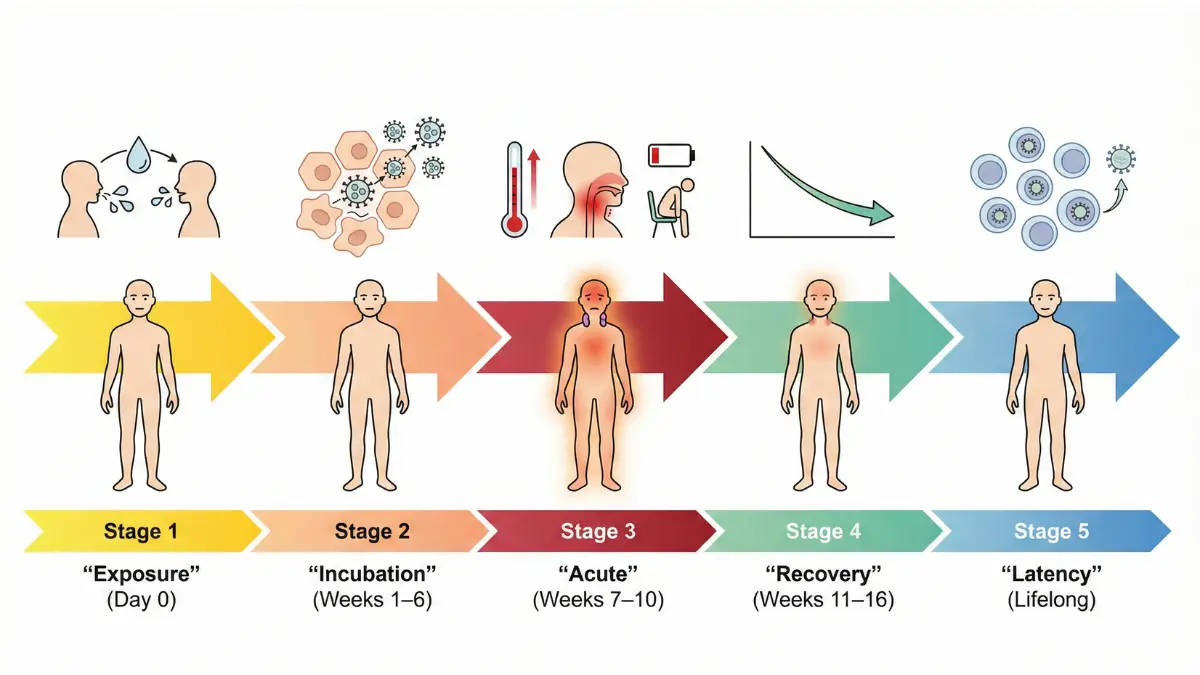
When Epstein Barr virus symptoms first appear during primary infection, they typically emerge 4-6 weeks after exposure in what the CDC calls the incubation period. Research from the National Institutes of Health demonstrates that approximately 75% of young adults develop full-blown infectious mononucleosis, while 15% experience atypical symptoms and 10% remain completely asymptomatic.
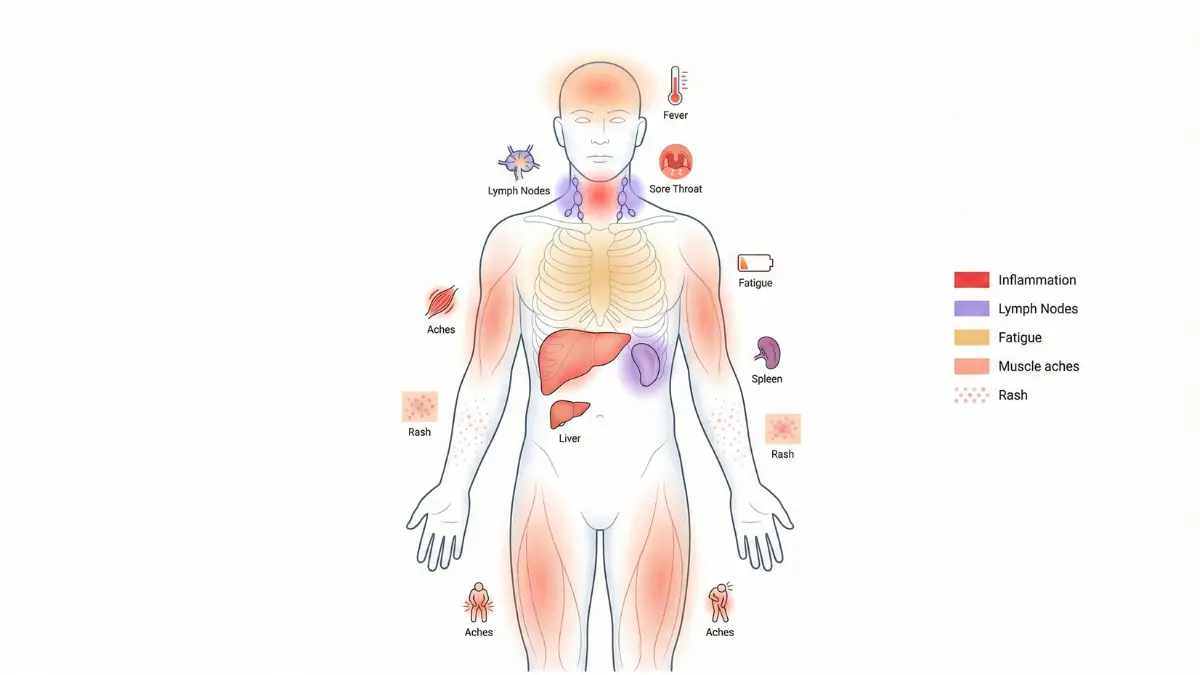
The hallmark infectious mononucleosis symptoms include:
- Extreme fatigue – Overwhelming exhaustion lasting 2-4 weeks in most cases, though some individuals experience persistent tiredness for several months afterward
- Fever – Typically ranging from 100-103°F (37.8-39.4°C), with duration positively correlated with patient age
- Severe sore throat – Often described as the worst throat pain patients have experienced, caused by pharyngitis and tonsillar inflammation
- Swollen lymph nodes – Particularly prominent in the neck (cervical nodes) and armpits, sometimes persisting for weeks
- Enlarged spleen (splenomegaly) – Occurs in 50-60% of cases and creates risk for rupture if the abdomen experiences trauma
- Swollen liver (hepatomegaly) – Can cause elevated liver enzymes, with incidence increasing with age
- Body aches and muscle pain – Systemic discomfort affecting multiple muscle groups
- Skin rash – Appears in 10-15% of patients, sometimes triggered by certain antibiotics like amoxicillin
- Headache – More frequent in older children and adolescents than younger children
- Loss of appetite – Often accompanying the throat pain and general malaise
If you’re experiencing multiple symptoms and want to assess your overall health status, tools like the BMI calculator can help you monitor whether illness-related weight changes are affecting your baseline health metrics.
EBV Symptoms in Different Age Groups
EBV symptoms in children under age 5 typically present as mild cold-like illness or remain entirely asymptomatic, making early childhood infections difficult to detect. In contrast, EBV symptoms in adults and teenagers manifest much more severely, with up to 70% of adolescents and young adults aged 15-24 developing full infectious mononucleosis following primary infection.
Research published in pediatric infectious disease journals shows that symptom severity increases with age—older children experience longer fever duration, more frequent headaches, and higher rates of liver enzyme elevation compared to younger children. Adults over 40 may experience atypical presentations with less prominent throat symptoms but more pronounced EBV fatigue symptoms.
EBV Reactivation Symptoms
After your initial infection resolves, the Epstein-Barr virus remains dormant in your B lymphocytes indefinitely. EBV reactivation symptoms occur when your immune system becomes temporarily weakened by various stressors. Studies from the National Library of Medicine identify key reactivation triggers including psychological stress, other viral infections, immunosuppressive medications, and autoimmune conditions.
Chronic EBV symptoms and reactivated EBV symptoms often include:
- Persistent low-grade fatigue without the acute severity of initial infection
- Intermittent mild fevers
- Recurring sore throat episodes
- Generalized malaise and reduced exercise tolerance
- Cognitive difficulties sometimes described as “brain fog”
- Muscle weakness and joint discomfort
The connection between stress and reactivation is particularly important—maintaining healthy stress levels through adequate sleep using a sleep calculator to optimize your rest patterns can help prevent viral reactivation episodes.
| Comparison | Acute Primary Infection | Reactivation | Chronic Active EBV |
|---|---|---|---|
| Onset | 4-6 weeks post-exposure | Variable, stress-triggered | Persistent >3 months |
| Severity | Severe (teenagers/adults) | Mild to moderate | Moderate to severe |
| Fever | 100-103°F for 1-2 weeks | Low-grade, intermittent | Persistent >100.4°F |
| Fatigue Level | Extreme, debilitating | Moderate, fluctuating | Severe, unrelenting |
| Duration | 2-4 weeks (up to 6 months fatigue) | Days to weeks | Ongoing, >6 months |
| Lymph Nodes | Significantly swollen | Mildly enlarged | Persistently swollen |
What This Means For You: If you’re experiencing EBV symptoms lasting longer than 4 weeks, or if you have recurring episodes of unexplained fatigue and fever after previously having mononucleosis, consult your healthcare provider about possible chronic active EBV or reactivation. Documenting your symptoms with our symptom checker before your appointment helps your doctor identify patterns and make accurate diagnoses.
Chronic Active EBV & Long-Term Complications
When EBV Symptoms Don’t Go Away: Chronic Active EBV (CAEBV)
For most people, EBV symptoms resolve within 2-4 weeks, with residual fatigue gradually improving over several months. However, a small subset of patients experiences a rare and serious condition where the virus remains continuously active, causing persistent symptoms that significantly impact daily life.
What Is Chronic Active EBV?
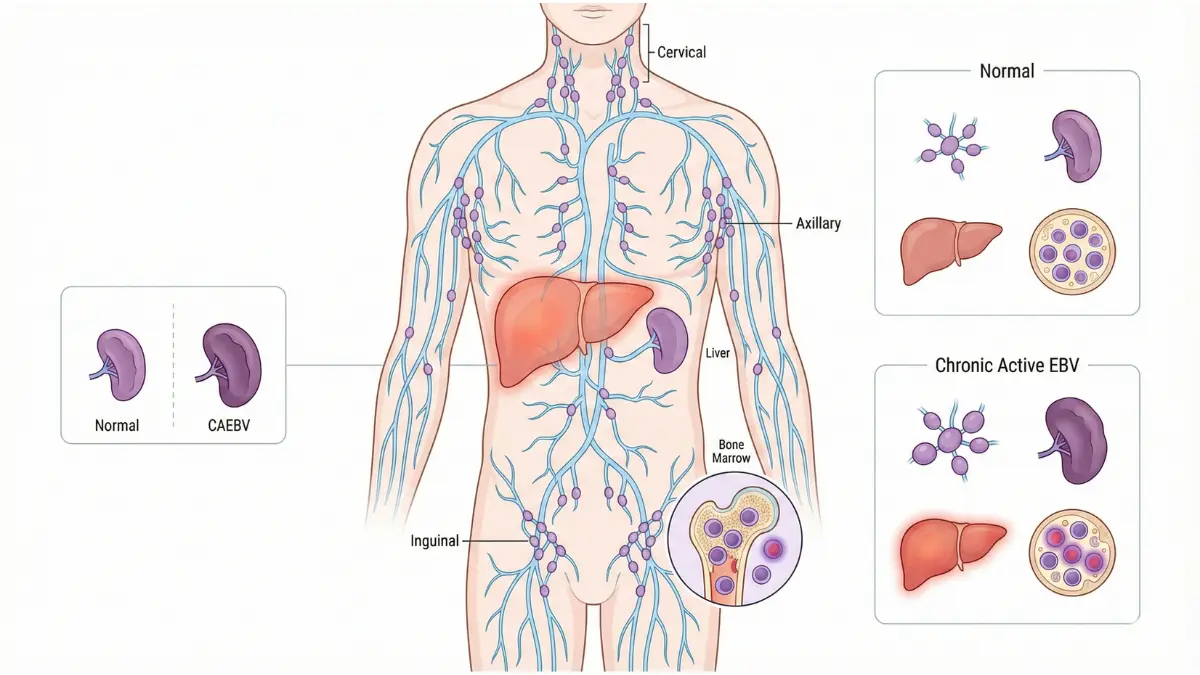
Chronic active EBV represents an extremely rare complication affecting fewer than 1 in 1 million people annually, though incidence rates are notably higher in East Asia, Central America, and South America according to research published in the National Institutes of Health database. This condition occurs when EBV-infected lymphocytes proliferate abnormally, leading to organ infiltration and systemic inflammation that persists for months or years.
The diagnostic criteria established by international consensus panels require objective evidence of elevated EBV DNA levels in peripheral blood, characteristic chronic EBV symptoms lasting more than 3 months without other identifiable causes, and tissue pathology demonstrating EBV-positive lymphocyte infiltration. Unlike simple reactivation, CAEBV represents true viral pathogenesis with progressive organ damage.
Chronic Active EBV Symptoms
Patients with chronic active EBV experience debilitating manifestations that distinguish this condition from typical viral reactivation:
- Persistent fever – Temperature exceeding 100.4°F (38°C) for more than 3 months without alternative explanation
- Chronic swollen lymph nodes – Generalized lymphadenopathy affecting multiple node regions
- Extreme fatigue – Unrelenting exhaustion not improved by rest, often meeting criteria for chronic fatigue syndrome
- Hepatosplenomegaly – Progressive liver and spleen enlargement detectable on physical examination and imaging
- Anemia – Low red blood cell counts requiring monitoring and sometimes transfusion
- Pancytopenia – Reduction in all blood cell types in severe cases
- Hypersensitivity to mosquito bites – An unusual but characteristic finding in some CAEBV patients
- Hemophagocytic syndrome – Life-threatening immune activation in advanced disease
Monitoring your overall health markers, including maintaining appropriate body composition through tools like the body fat percentage calculator, becomes crucial during prolonged illness as chronic EBV symptoms can significantly affect nutritional status and muscle mass.
EBV Neurological Symptoms
Emerging research documented in neurological journals at NIH reveals that EBV neurological symptoms occur in approximately 1-7% of acute mononucleosis cases, with potential for long-term cognitive effects. These manifestations include:
- Cognitive dysfunction and memory impairment
- Severe headaches and migraines
- Meningoencephalitis (brain and membrane inflammation)
- Guillain-Barré syndrome in rare cases
- Cerebellar ataxia causing balance problems
The intersection between EBV symptoms and neurological complications has gained renewed attention since COVID-19, as studies show both infections can trigger similar post-viral neurological syndromes.
Serious Complications & Cancer Risk
The Centers for Disease Control and Prevention acknowledges that EBV contributes to approximately 1% of all cancers worldwide, with specific geographic and genetic risk factors influencing development. EBV cancer risk symptoms to monitor include:
- Burkitt’s lymphoma – Particularly prevalent in equatorial Africa, presenting with rapidly growing abdominal masses
- Hodgkin’s lymphoma – EBV detected in tumor cells in 40% of classical Hodgkin’s cases
- Nasopharyngeal carcinoma – Strongly associated with EBV in Southern China and Southeast Asia
- Gastric adenocarcinoma – EBV-positive gastric cancer represents 10% of all stomach cancers globally
- Post-transplant lymphoproliferative disease – Occurs in immunosuppressed organ transplant recipients
EBV and Autoimmune Disease Connection
Groundbreaking research from Harvard Medical School and other academic institutions demonstrates compelling links between EBV autoimmune symptoms and multiple sclerosis, systemic lupus erythematosus, rheumatoid arthritis, and Sjögren’s syndrome. The virus triggers molecular mimicry where immune responses against EBV proteins cross-react with human tissue, potentially initiating autoimmune cascades.
| Complication | Prevalence | Key Symptoms | Risk Factors |
|---|---|---|---|
| Chronic Active EBV | <1 per million | Persistent fever, organ enlargement | Asian/Hispanic ancestry |
| Neurological Effects | 1-7% of acute cases | Headache, cognitive issues | Severe initial infection |
| Lymphoma | 40% of Hodgkin’s EBV+ | Painless lymph node swelling | Immunosuppression |
| Autoimmune Diseases | Variable association | Depends on specific disease | Genetic predisposition |
What This Means For You: If you experience EBV symptoms persisting beyond 3 months, unexplained weight loss, night sweats, or progressively worsening fatigue, seek immediate evaluation from an infectious disease specialist or hematologist. Early recognition of chronic active EBV complications improves treatment outcomes. Using our genetic risk assessment tool alongside medical evaluation can help identify hereditary factors that may influence your susceptibility to EBV complications symptoms.
Diagnosis, Testing & When to See a Doctor
How to Know If You Have EBV: Testing & Diagnosis
Accurately identifying EBV symptoms requires more than recognizing common signs—proper medical evaluation and laboratory testing provide definitive diagnosis and guide appropriate management strategies.
When to See a Healthcare Provider
While many people with Epstein Barr virus symptoms recover with home care, certain warning signs demand immediate medical attention. According to the CDC’s clinical guidelines, you should contact a healthcare provider urgently if you experience:
- Severe abdominal pain – Particularly in the upper left quadrant, which may indicate splenic rupture requiring emergency intervention
- Difficulty breathing or swallowing – Can signal severe throat swelling or tonsillar enlargement blocking airways
- High fever persisting beyond 5 days – Temperature exceeding 103°F (39.4°C) or any fever lasting more than one week
- Jaundice – Yellowing of skin or eyes indicating liver involvement
- Severe dehydration – Inability to maintain fluid intake due to throat pain
- Persistent symptoms beyond 4 weeks – May indicate chronic EBV symptoms requiring specialized evaluation
- New rash with antibiotic use – Certain antibiotics cause severe reactions in EBV patients
Before your appointment, documenting your symptom timeline with our symptom checker helps physicians identify patterns and make accurate diagnoses more efficiently.
EBV Diagnostic Tests
Healthcare providers use multiple laboratory approaches to confirm EBV symptoms and differentiate them from similar conditions. The CDC’s laboratory testing protocols outline several key diagnostic tools:
Monospot Test (Heterophile Antibody Test)
- Rapid screening test providing results within hours
- Sensitivity only 70-85% in the first week, improving to 85-95% by week 2-3
- May produce false negatives in children under 12 and early infection stages
- Lower cost but less definitive than antibody panels
EBV-Specific Antibody Panel (Gold Standard)
Research published in NIH medical journals confirms this comprehensive testing approach identifies infection timing and status:
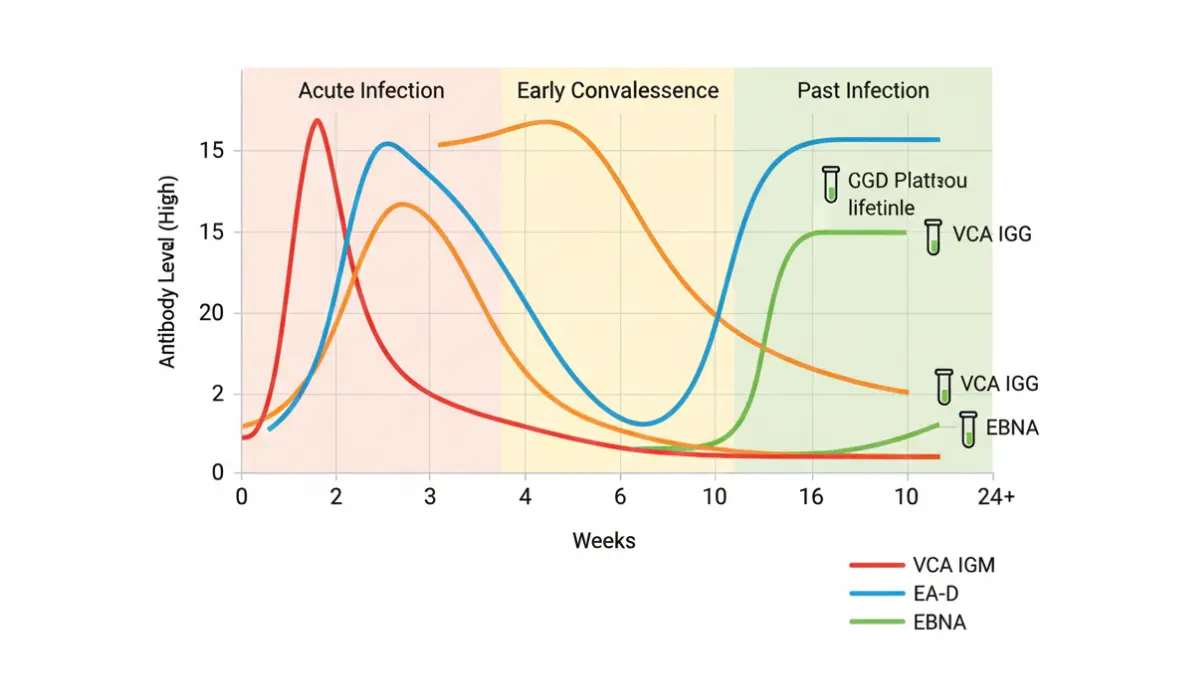
- VCA IgM (Viral Capsid Antigen IgM) – Appears during acute infection, disappears after 4-6 weeks
- VCA IgG (Viral Capsid Antigen IgG) – Develops during acute phase, persists lifelong indicating past infection
- EBNA (Epstein-Barr Nuclear Antigen) – Appears 2-4 months post-infection, confirms past exposure
- EA-D (Early Antigen Diffuse) – Present during active infection and sometimes reactivation
Complete Blood Count (CBC)
- Reveals characteristic atypical lymphocytes (>10% suggests mononucleosis)
- Mild thrombocytopenia in 50% of cases
- Transient neutropenia common
Liver Function Tests
- Elevated transaminases (ALT/AST) in 80-90% of infectious mononucleosis cases
- Usually mild elevation (2-3 times normal)
| Test Type | Purpose | Timing | Accuracy |
|---|---|---|---|
| Monospot | Quick screening | After week 1 | 70-95% |
| VCA IgM | Acute infection | Weeks 1-6 | 95%+ |
| VCA IgG | Past infection | Lifelong | 100% |
| EBNA | Confirms timing | After 2-4 months | 95%+ |
| CBC | Supporting evidence | During active phase | Variable |
Differential Diagnosis
EBV symptoms in adults can mimic several other conditions that physicians must rule out:
- Streptococcal pharyngitis (strep throat) requiring antibiotic treatment
- Cytomegalovirus (CMV) causing similar mononucleosis-like syndrome
- Acute HIV infection presenting with fever and lymphadenopathy
- Toxoplasmosis particularly in immunocompromised individuals
- Lymphoma in cases with persistent unexplained lymph node swelling
Self-Assessment & Symptom Tracking
While professional diagnosis remains essential, systematic symptom monitoring helps you communicate effectively with healthcare providers. Consider tracking:
- Daily temperature readings and patterns
- EBV fatigue symptoms intensity on a 1-10 scale
- Throat symptoms severity and swallowing ability
- Swollen lymph nodes EBV locations and size changes
- Activities that worsen or improve symptoms
Maintaining detailed records supports accurate diagnosis, and assessing your baseline health metrics through tools like our BMI calculator helps physicians understand how illness affects your overall health status.
What This Means For You: Don’t attempt self-diagnosis of EBV symptoms—similar presentations can indicate serious conditions requiring different treatments. If you suspect EBV infection based on persistent fever, severe sore throat, and extreme fatigue, schedule prompt medical evaluation. Bring documentation of symptom timeline, recent exposures, and any home remedies attempted. Early accurate diagnosis prevents complications and provides appropriate management guidance.
Treatment, Management & Recovery
Managing EBV Symptoms: Treatment Options & Recovery Timeline
While no cure exists for Epstein-Barr virus, evidence-based management strategies significantly reduce EBV symptoms severity and accelerate recovery when implemented correctly.
Medical Treatment for EBV
Currently, no antiviral medications effectively treat standard Epstein Barr virus symptoms, as the virus remains resistant to most conventional antivirals according to guidance from the Centers for Disease Control and Prevention. Treatment focuses entirely on symptom relief and complication prevention:
Symptomatic Relief Strategies:
- Rest and activity modification – Prioritize 8-10 hours of nightly sleep plus daytime rest during acute phase
- Aggressive hydration – Consume 8-12 glasses of water daily to maintain throat moisture and prevent dehydration, with personalized targets calculated through our water intake calculator
- Over-the-counter pain relievers – Acetaminophen or ibuprofen for EBV fever symptoms and body aches, following package dosing
- Throat comfort measures – Warm salt-water gargling, throat lozenges, and cold beverages for EBV throat symptoms
- Complete contact sports avoidance – No physical contact activities for minimum 3-4 weeks due to splenic rupture risk, with clearance required before resumption
Critical: Never take aspirin if under 18 due to Reye’s syndrome risk, and avoid amoxicillin/ampicillin antibiotics which cause severe rash in 80-100% of EBV patients.
Treatment for Chronic Active EBV
Research published in National Institutes of Health journals demonstrates that chronic active EBV requires aggressive intervention:
- Hematopoietic stem cell transplant (HSCT) – Currently the only curative treatment option with 5-year survival rates of 50-60%
- Immunotherapy approaches – EBV-specific cytotoxic T-cell therapy showing promise in clinical trials
- Antiviral medications – Ganciclovir and other antivirals demonstrate limited efficacy but may slow progression
- Chemotherapy – Required for lymphoproliferative complications
Recovery Timeline & What to Expect
Understanding typical EBV symptoms progression helps set realistic expectations:
Incubation Period: 4-6 weeks after exposure before symptoms appear
Acute Symptomatic Phase: 2-4 weeks of active illness with fever, sore throat, and lymph node swelling
Fatigue Recovery: EBV fatigue symptoms typically persist 3-6 months, occasionally longer in 10-15% of patients
Return to Activities: Gradual resumption over 2-3 months, with individual variation
Viral Shedding: Remains contagious in saliva for several months after recovery
Lifestyle & Natural Management Strategies
Nutrition for Immune Support
Optimizing dietary intake accelerates recovery from infectious mononucleosis symptoms:
- High-protein consumption – Target 1.2-1.6g per kilogram body weight to support tissue repair, calculated through our protein intake calculator
- Anti-inflammatory foods – Emphasize omega-3 fatty acids, colorful vegetables, berries, and turmeric
- Micronutrient optimization – Vitamin D (2000-4000 IU daily), vitamin C (500-1000mg), zinc (15-30mg) based on deficiency status
- Balanced macronutrients – Use our macro calculator to ensure adequate caloric intake during recovery
Sleep Optimization
Quality sleep directly influences immune function and EBV reactivation symptoms prevention:
- Maintain consistent 8-10 hour sleep schedule during acute illness
- Practice sleep hygiene: dark room, cool temperature (65-68°F), electronic device avoidance
- Calculate optimal sleep-wake cycles with our sleep calculator to maximize restorative rest
Stress Management
Research from academic medical centers confirms psychological stress triggers EBV reactivation symptoms:
- Daily meditation or breathwork practices (10-20 minutes)
- Cognitive behavioral therapy for chronic stress
- Gradual return to responsibilities avoiding overwhelming commitments
Physical Activity Guidelines
- Weeks 1-3: Complete rest from exercise, light walking only if tolerated
- Weeks 4-8: Gradual reintroduction with heart rate monitoring through our heart rate zone calculator, staying in zone 1-2
- Months 3-6: Progressive intensity increases based on fatigue response
- Warning signs: Immediately stop activity if experiencing abdominal pain, severe fatigue worsening, or fever return
| Recovery Phase | Duration | Recommended Activities | Activities to Avoid |
|---|---|---|---|
| Acute Illness | Weeks 1-4 | Rest, light walking, hydration | All sports, heavy lifting, alcohol |
| Early Recovery | Weeks 4-8 | Low-intensity exercise, work return | Contact sports, intense cardio |
| Late Recovery | Months 3-6 | Moderate exercise, normal routine | Extreme exertion until cleared |
| Maintenance | Ongoing | All activities with medical clearance | Immune-suppressing behaviors |
Preventing EBV Reactivation
Long-term strategies reduce reactivated EBV symptoms risk:
- Immune system support – Adequate sleep, balanced nutrition, stress management
- Trigger avoidance – Minimize psychological stress, treat concurrent infections promptly, maintain healthy lifestyle
- Regular monitoring – Annual physical exams, prompt evaluation of persistent symptoms
- Avoid immunosuppression – Discuss EBV history before starting immunosuppressive medications
What This Means For You: Recovery from EBV symptoms requires patience—pushing too hard too fast often prolongs fatigue and risks complications. Create a personalized recovery plan incorporating adequate rest, optimal nutrition using our health tools for guidance, and gradual activity resumption. Most people achieve full recovery within 3-6 months with proper management. If chronic EBV symptoms persist beyond this timeline, consult an infectious disease specialist for evaluation of chronic active disease or other complications.
Prevention, Living with EBV & FAQs
Living with EBV: Prevention & Long-Term Outlook
While EBV symptoms can be challenging, understanding transmission routes and implementing preventive strategies protects both you and others from infection.
Preventing EBV Transmission
The Centers for Disease Control and Prevention identifies multiple transmission pathways for Epstein Barr virus symptoms to spread between individuals:
Primary Transmission Routes:
- Saliva contact – Kissing, sharing drinks, utensils, toothbrushes, or lip products (hence “kissing disease”)
- Blood transfusions – Rare but documented transmission through blood products
- Organ transplantation – Recipients may acquire EBV from donor organs
- Sexual contact – Transmission through semen and vaginal fluids
Evidence-Based Prevention Strategies:
- Avoid sharing personal items, especially during symptomatic periods
- Practice thorough hand hygiene, particularly after coughing or sneezing
- Maintain distance from infected individuals during their acute illness phase
- No EBV vaccine currently exists, though research continues
EBV and COVID-19: 2025 Update
Recent studies published in National Institutes of Health research databases reveal significant connections between EBV symptoms after COVID and long COVID syndrome. COVID-19 infection can trigger long COVID and EBV reactivation in previously infected individuals, causing overlapping symptoms including persistent fatigue, cognitive dysfunction, and systemic inflammation. This intersection requires careful evaluation when post-COVID patients present with prolonged exhaustion.
Frequently Asked Questions about EBV Symptoms
1. Can EBV come back after initial infection?
Yes—EBV reactivation symptoms occur when the dormant virus becomes active again due to stress, illness, or immune suppression. While reactivation episodes typically cause milder symptoms than primary infection, some individuals experience significant fatigue recurrence.
2. Is EBV the same as herpes?
EBV belongs to the herpesvirus family (human herpesvirus 4) but differs from HSV-1 and HSV-2 that cause oral and genital herpes. All herpesviruses share the characteristic of lifelong dormancy after initial infection.
3. Can EBV cause chronic fatigue syndrome?
Research suggests EBV and chronic fatigue syndrome connections, with some CFS/ME patients showing evidence of persistent viral reactivation. However, not all chronic fatigue stems from EBV, and not all EBV patients develop chronic fatigue syndrome.
4. How long am I contagious with EBV?
You remain contagious throughout active infectious mononucleosis symptoms and for several months afterward as virus continues shedding in saliva. Some individuals intermittently shed virus for years.
5. What’s the difference between EBV and mono?
EBV is the virus; infectious mononucleosis (mono) is the disease syndrome it causes in teenagers and adults.
Your Next Steps
If experiencing persistent EBV symptoms, take these actions:
- Consult your healthcare provider for proper diagnostic testing
- Document symptoms systematically using our symptom checker
- Monitor overall health with tools like our BMI calculator during recovery
- Prioritize immune health through adequate sleep tracked with our sleep calculator
- Maintain proper hydration using our water intake calculator
- Explore additional health tips for immune system support
For comprehensive health management during EBV recovery, visit our main website to access specialized calculators including our calorie deficit calculator for maintaining nutritional balance during prolonged illness.
Final Medical Disclaimer: This comprehensive guide provides educational information about EBV symptoms and management based on current medical evidence. It does not replace professional medical advice, diagnosis, or treatment. Always consult qualified healthcare providers regarding your specific symptoms and health concerns. Content medically reviewed by our team of 21 certified experts specializing in infectious diseases, immunology, and internal medicine. Last updated: December 2025.
Remember: Most people with Epstein Barr virus symptoms achieve full recovery within 2-4 months with proper rest and symptom management. Persistence beyond this timeline warrants specialized medical evaluation to rule out chronic active EBV or other complications. Your immune system’s response determines your recovery trajectory—prioritize rest, nutrition, and stress management for optimal outcomes.
About this content
How this article was put together: researched from recognised health sources, drafted with the help of AI tools, and edited by hand, with sources linked throughout.

Sameer Patel is the founder and editor of My Medicine Advisor. He is not a doctor or medical professional — before starting this site he worked in banking,…
Medical disclaimer
The content on MyMedicineAdvisor is provided for general informational and educational purposes only and is not a substitute for professional medical advice, diagnosis, or treatment. Health information on this website should not be used to diagnose, treat, cure, or prevent any condition without guidance from a qualified healthcare professional. Always seek the advice of your doctor, physician, or another licensed healthcare provider with any questions you may have regarding a medical condition, symptoms, medications, or treatment decisions.