
On This Page – Quick Medical Summary
In 2023, a 61-year-old shipyard worker from Baltimore named Robert checked into his local clinic complaining of a persistent cough and shortness of breath. His doctor prescribed a standard antibiotic course for bacterial pneumonia. Three months later, Robert was still sick — and getting worse. A CT scan finally revealed what four rounds of antibiotics had missed entirely: peritoneal mesothelioma, a rare abdominal cancer caused by decades-old asbestos exposure.
Robert’s story is not unusual. According to research published in peer-reviewed oncology journals, 14 to 25% of mesothelioma cases are initially misdiagnosed — most commonly as pneumonia, COPD, or the flu.
If your chest symptoms aren’t clearing up, or if you have any history of asbestos exposure, the difference between these two conditions could determine your outcome.
Here are the 5 critical differences doctors use to tell them apart in 2026.
What Are These Two Conditions? A Fast Clinical Primer
What Is Peritoneal Mesothelioma — The Silent Abdominal Cancer
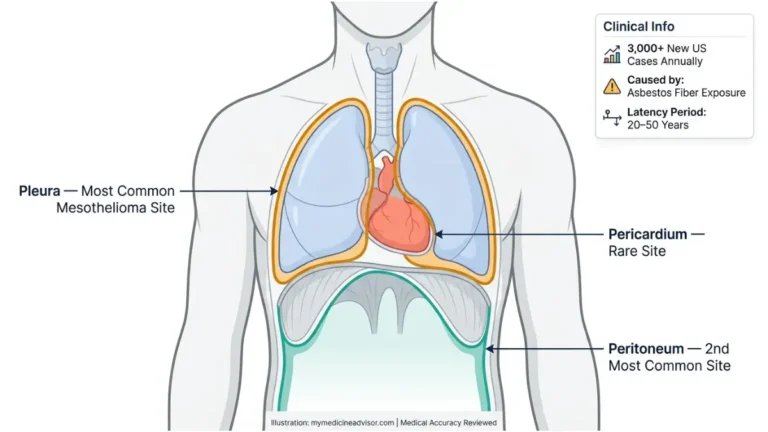
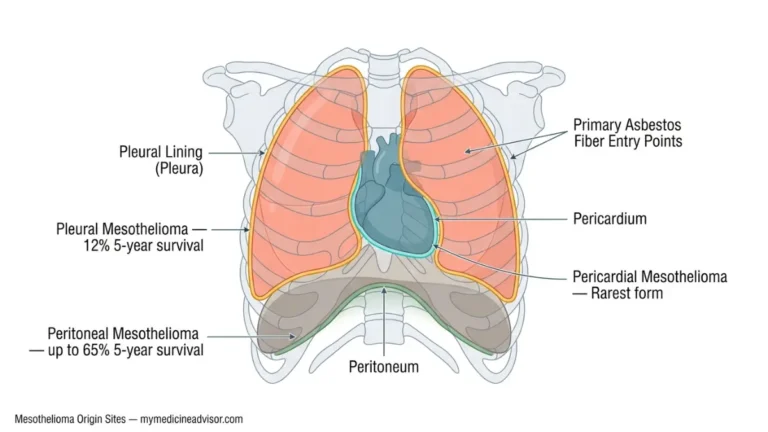
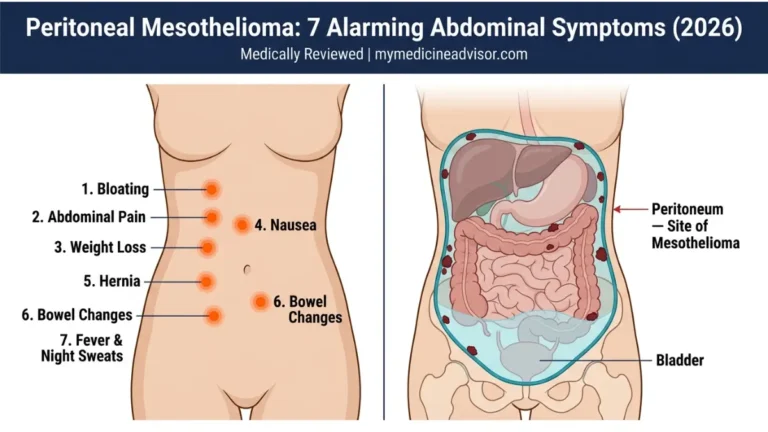
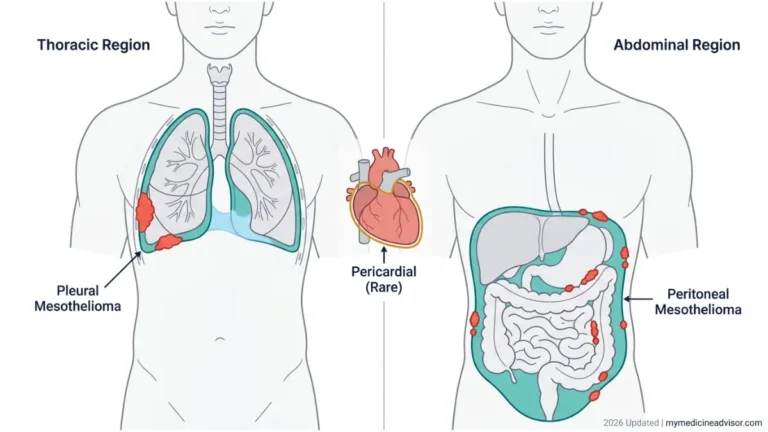
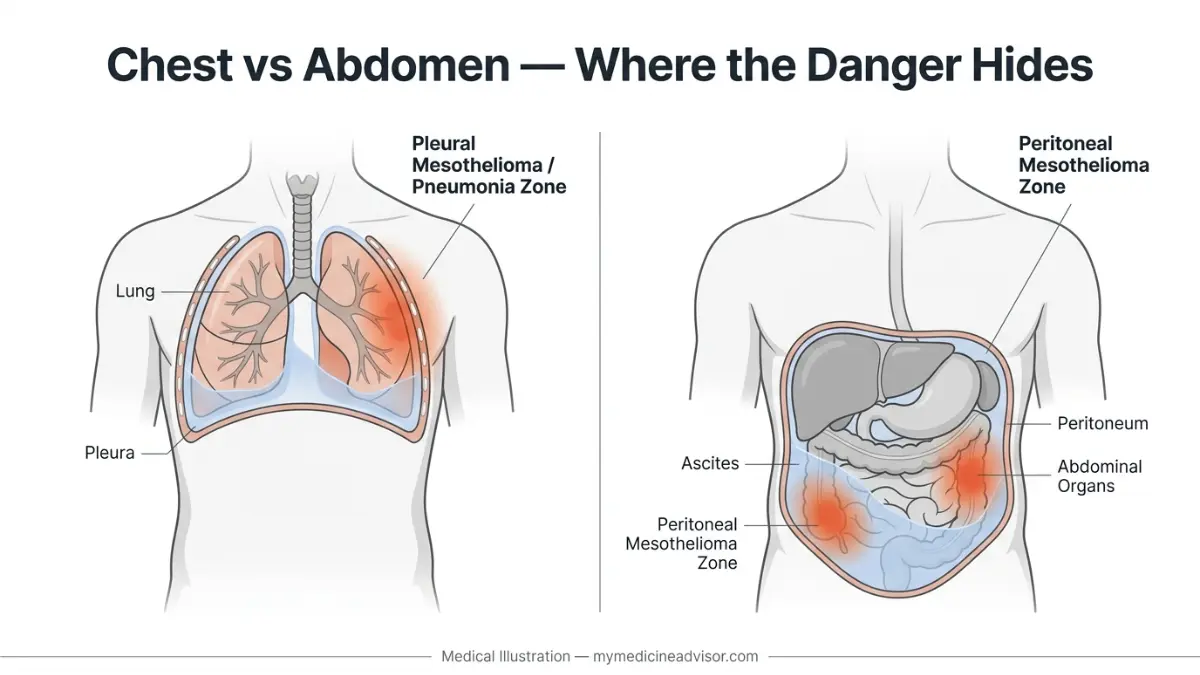
Peritoneal mesothelioma is a rare, aggressive cancer that forms in the peritoneum — the thin tissue lining the abdominal cavity and organs.
According to the National Cancer Institute, malignant mesothelioma forms in the tissue that lines the chest or abdomen, with the peritoneal form affecting the lining of the abdominal organs.
Key facts about peritoneal mesothelioma in 2026:
- ~500–700 new US cases diagnosed annually — making it extremely rare
- Unlike pleural mesothelioma (which is male-dominant), peritoneal mesothelioma affects men and women equally
- Mean age at diagnosis: 63–64 years old
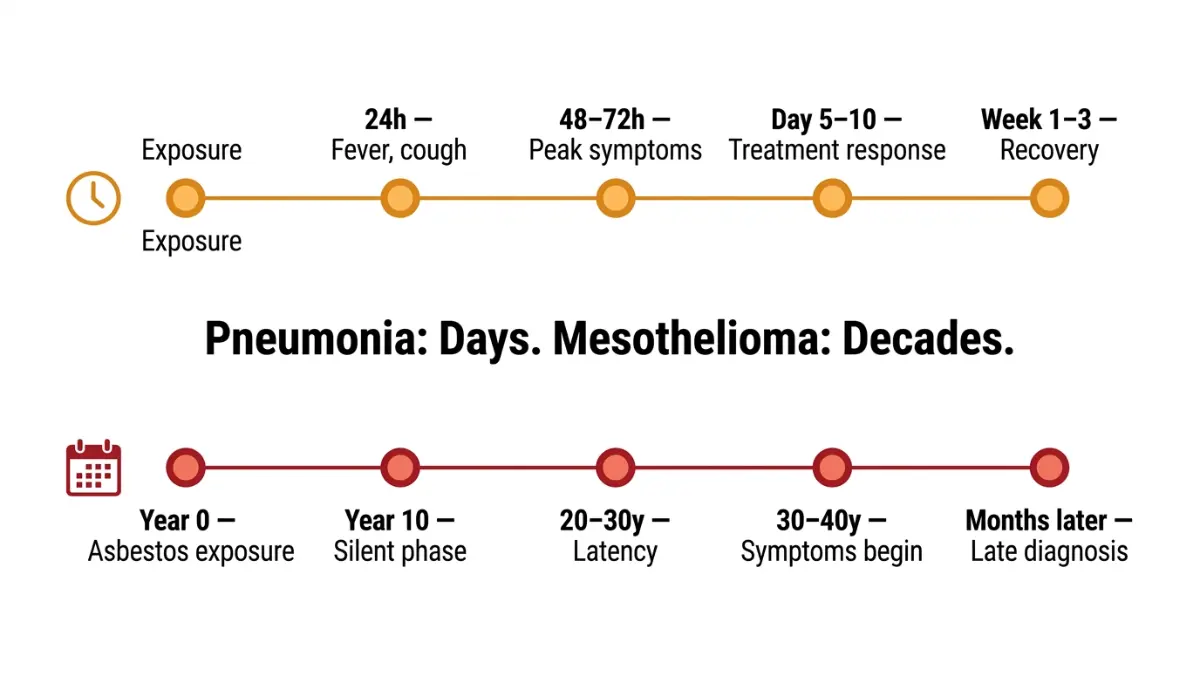
- Latency period: 20–30 years after asbestos exposure — shorter than the pleural form’s 30–40 years
- Up to 40–50% of peritoneal cases occur without confirmed asbestos exposure, especially in women
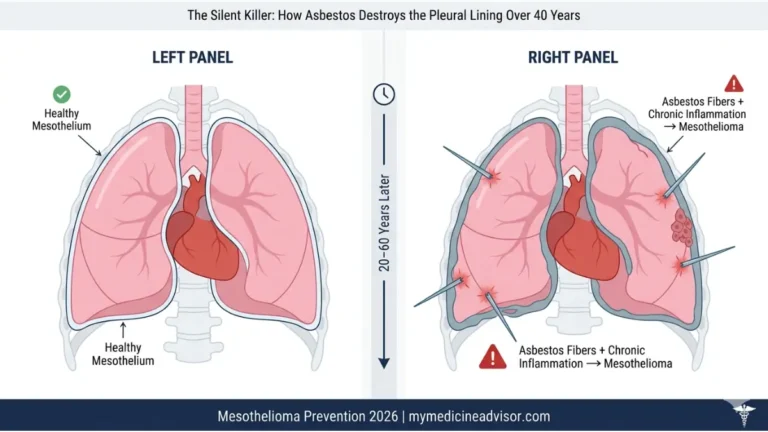
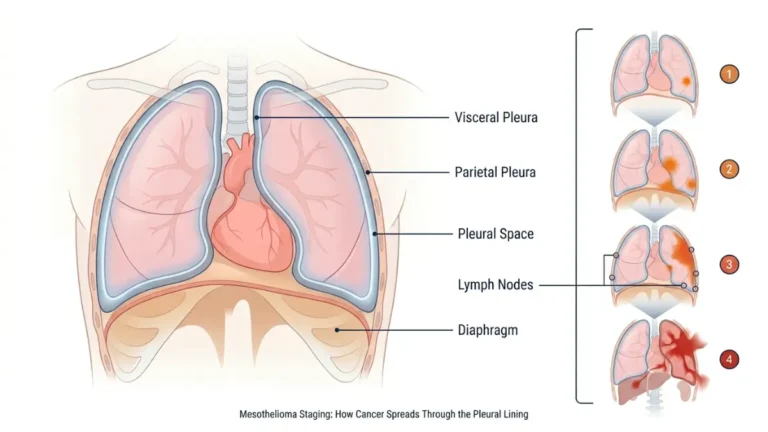
Pleural mesothelioma — the more common type — accounts for roughly 75% of all mesothelioma cases and affects the lining of the lungs. Both types are covered in this article because both are routinely confused with pneumonia.
For a deeper clinical breakdown of peritoneal mesothelioma specifically, read our detailed guide: Peritoneal Mesothelioma: Abdominal Warning Signs Doctors Check.
What Is Pneumonia — The Common Lung Infection
Pneumonia is an infection in one or both lungs caused by bacteria, viruses, or fungi. According to the American Lung Association, when you have pneumonia, the air sacs in your lungs swell and fill with fluid or pus, making it hard for oxygen to enter your bloodstream.
Key facts about pneumonia:
- Acute onset — symptoms develop within 24–72 hours
- Fully treatable in most healthy adults; recovery typically takes 1–3 weeks
- Leading cause of hospitalization in the US — roughly 1.4 million ER visits annually
- Caused by infection (bacterial, viral, fungal) — not cancer
- Responds to antibiotics (if bacterial) or antivirals (if viral)
Quick Comparison: At a Glance
| Feature | Peritoneal Mesothelioma | Pleural Mesothelioma | Pneumonia |
|---|---|---|---|
| Disease type | Cancer | Cancer | Infection |
| Primary cause | Asbestos / unknown | Asbestos | Bacteria / virus / fungi |
| Main location | Abdomen (peritoneum) | Chest (pleura/lungs) | Lungs (air sacs) |
| Fully curable? | Rarely — manageable | Rarely | Yes, in most cases |
| Typical onset speed | Gradual — months to years | Gradual — months to years | Rapid — 24–72 hours |
The 5 Critical Differences Between Mesothelioma and Pneumonia Symptoms
This is the section that doctors and patients both need to understand. These five distinctions are the exact clinical checkpoints physicians use when symptoms overlap.
Difference #1 — How Fast Do Symptoms Develop?
Pneumonia: Symptoms hit fast. Most patients go from feeling fine to experiencing cough, fever, and shortness of breath within 24 to 72 hours. Bacterial pneumonia, the most common form, can escalate within a single day.
Mesothelioma: Symptoms creep in slowly over months or even years. The latency period between asbestos exposure and the first noticeable symptom can span 10 to 50 years. By the time symptoms are significant enough to prompt a doctor’s visit, the cancer has often reached Stage 3 or Stage 4.
Why this matters: If your breathing difficulty developed suddenly alongside fever, pneumonia is far more likely. If your symptoms have been vague and progressive for weeks without a clear trigger, mesothelioma must be considered — especially with any asbestos history.
Difference #2 — The Fever Pattern
Pneumonia: Fever is almost always present. According to the American Lung Association, bacterial pneumonia can drive fever as high as 105°F, accompanied by chills, sweating, and rapid breathing. Mucus-producing coughs are characteristic.
Mesothelioma: Fever is typically absent in early-stage disease. When mesothelioma does cause fever, it usually appears in advanced stages due to tumor inflammation — not infection. The cough in mesothelioma is dry, persistent, and does not produce colored mucus.
Clinical red flag: No fever + dry persistent cough + no response to antibiotics = demand further imaging. Do not accept a second round of antibiotics without a CT scan.
Difference #3 — Location and Type of Pain
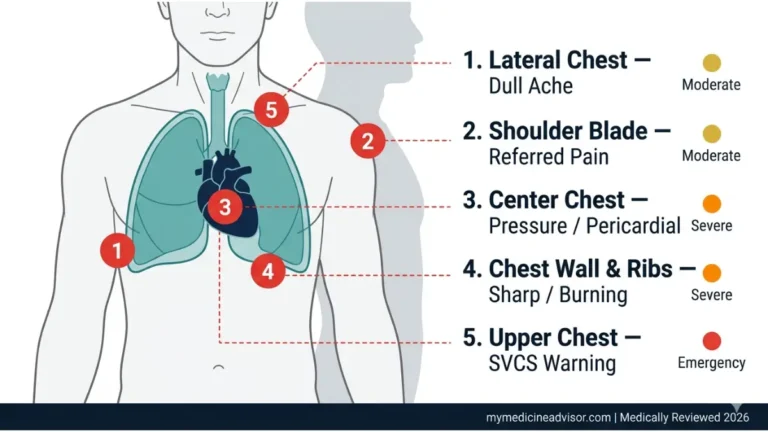
Pneumonia: Pain is chest-focused. Patients describe it as a sharp or stabbing pain that worsens when coughing or taking a deep breath (pleuritic chest pain). See our guide on mesothelioma chest pain warning signs to understand what chest-based cancer pain specifically feels like.
Peritoneal Mesothelioma: Pain is abdominal. Research published in PMC / NIH confirms that patients with peritoneal mesothelioma typically present with abdominal pain (33%) or increasing abdominal girth (31%) as their primary complaints. Other presentations include new-onset hernia, early satiety, and unexplained weight loss.
This abdominal-vs-chest distinction is the single most overlooked difference between peritoneal mesothelioma and pneumonia. Doctors routinely attribute abdominal bloating to IBS or gastrointestinal issues — not cancer.
Difference #4 — Pleural Effusion vs. Ascites (Where Is the Fluid?)
Both conditions cause dangerous fluid buildup. But where that fluid accumulates tells a completely different story.
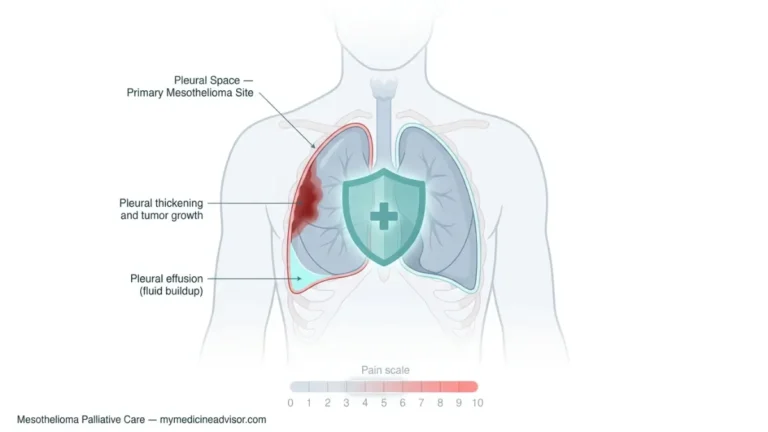
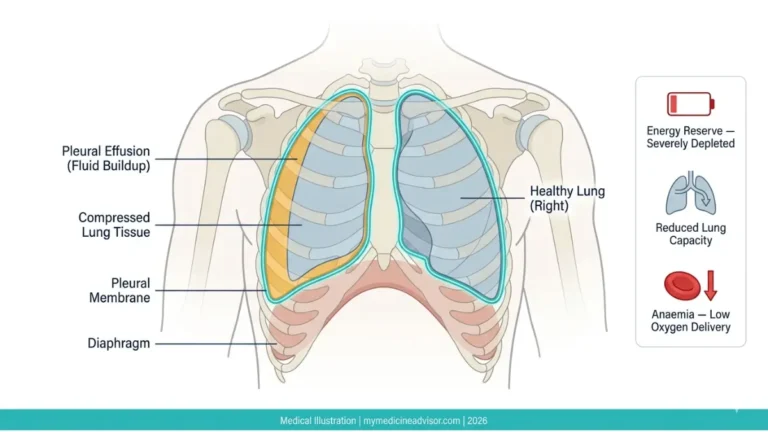
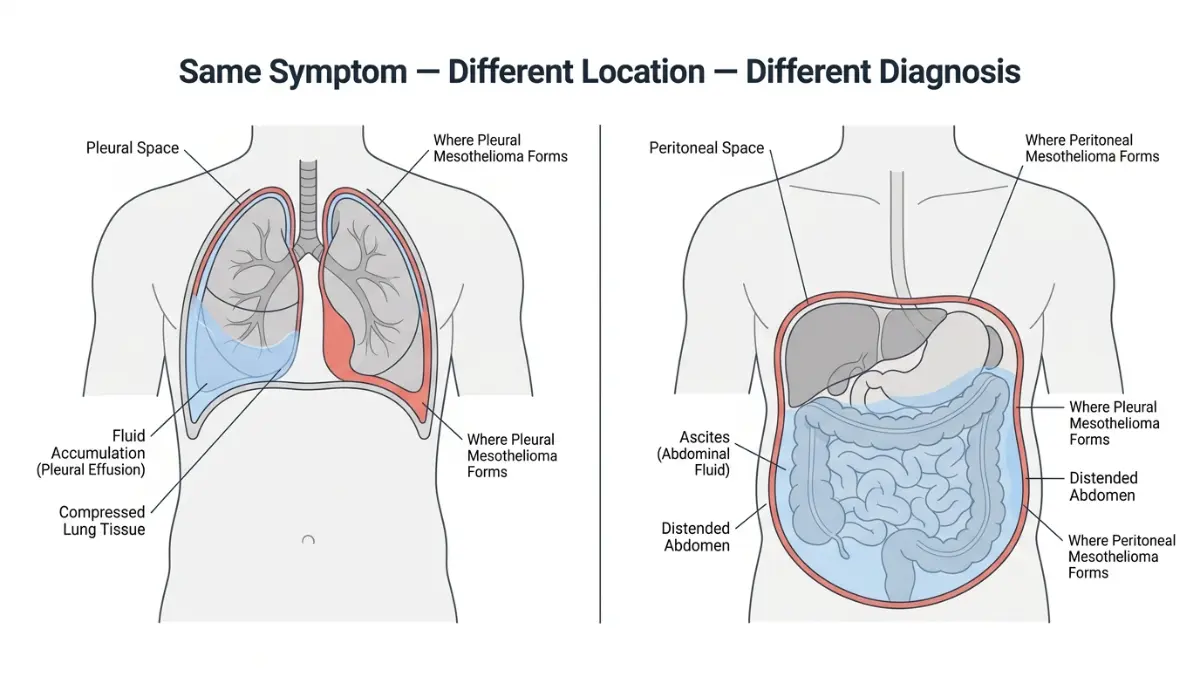
Pneumonia: Causes pleural effusion — fluid between the lung and chest wall. This is located in the chest cavity and is detectable on a standard chest X-ray.
Peritoneal Mesothelioma: Causes ascites — abnormal fluid accumulation in the abdominal cavity. The abdomen visibly distends. This requires abdominal imaging (CT or MRI) to detect — a chest X-ray will miss it entirely.
Pleural Mesothelioma: Also causes pleural effusion, just like pneumonia — which is precisely why pleural mesothelioma is so frequently misdiagnosed as a lung infection. The fluid looks similar on imaging, but analysis reveals the difference: pneumonia fluid shows bacterial or viral markers; mesothelioma fluid is rarely diagnostic on its own and requires biopsy.
Use our Symptom Checker to log your symptom pattern — abdominal vs. chest — before your next physician appointment.
Difference #5 — Response to Antibiotic Treatment
This is arguably the most critical clinical differentiator.
Pneumonia: Responds to antibiotics within 5–10 days (bacterial). Patients feel meaningfully better before completing a 10-day course. Full resolution of imaging findings may take 4–6 weeks, but symptom relief comes quickly.
Mesothelioma: Does not respond to antibiotics. Symptoms persist, return, or worsen after antibiotic treatment. This is the most common trigger for eventual correct diagnosis — a patient returns to their doctor after failed antibiotic treatment, prompting a CT scan that reveals cancer.
⚡ What This Means For You: If your “pneumonia” is not responding to a full antibiotic course, do not accept a second prescription without demanding a CT scan with contrast. This single step catches the majority of late-stage mesothelioma diagnoses earlier.
Master Side-by-Side Comparison Table: 2026
| Clinical Feature | Peritoneal Mesothelioma | Pleural Mesothelioma | Pneumonia |
|---|---|---|---|
| Symptom onset | Weeks to months | Weeks to months | 24–72 hours |
| Fever | Rare (late stage only) | Rare | Almost always present |
| Primary pain location | Abdomen | Chest | Chest |
| Fluid buildup | Ascites (abdomen) | Pleural effusion (chest) | Pleural effusion (chest) |
| Antibiotic response | None | None | Yes (bacterial types) |
| Disease type | Cancer | Cancer | Infection |
| Asbestos link | Moderate to strong | Very strong (70–80%) | None |
| Prognosis without treatment | Median 6–12 months | Median 5–16 months | Full recovery in most |
How Doctors Diagnose Mesothelioma vs Pneumonia in 2026
Understanding the diagnostic pathway is essential — especially if you’re currently navigating an unclear diagnosis.
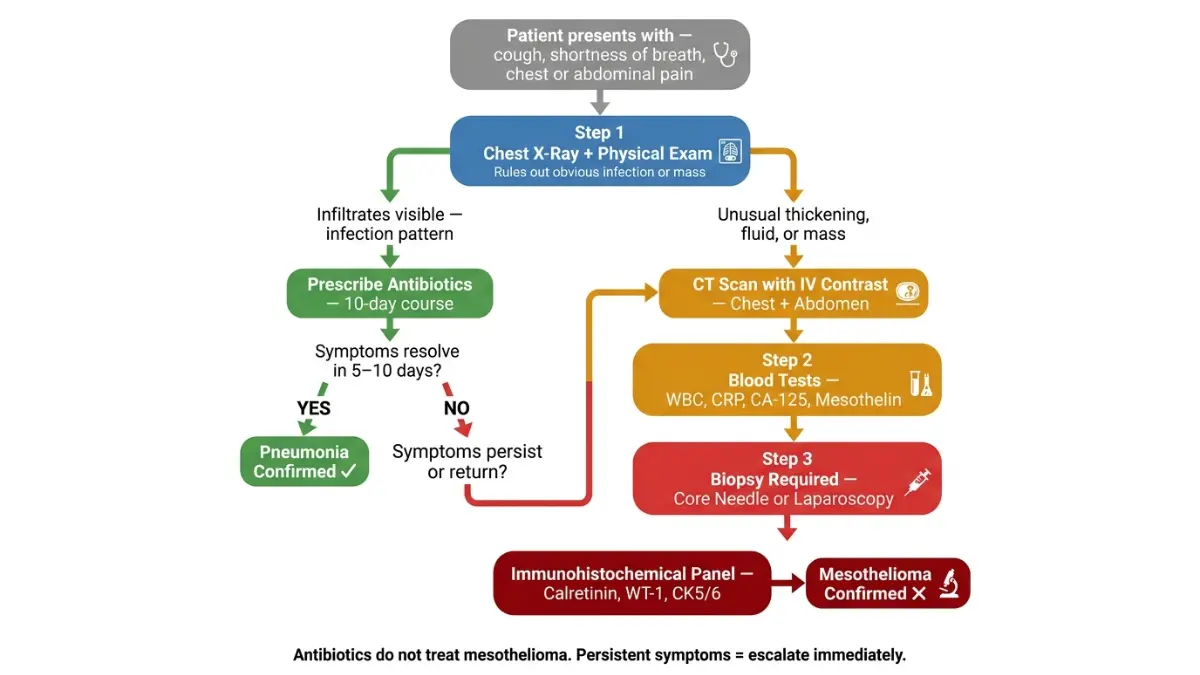
Step 1 — Initial Imaging: Chest X-Ray vs CT Scan
For pneumonia: A chest X-ray often reveals infiltrates (areas of inflammation or fluid) consistent with infection. Doctors use it as a fast, cost-effective first line tool.
For mesothelioma: A chest X-ray may show pleural thickening or fluid, but frequently misses the full picture. The 2025 updated ASCO guidelines confirm that the diagnostic workup for mesothelioma should include a CT scan with oral and IV contrast of the chest, plus CT or MRI of the abdomen and pelvis for suspected peritoneal involvement. Standard X-rays are insufficient.
Step 2 — The Antibiotic Test (The Critical Decision Point)
In clinical practice, the antibiotic test is how most mesothelioma diagnoses are eventually triggered. When a patient presents with respiratory or abdominal symptoms, doctors typically prescribe a 10-day antibiotic course.
If symptoms resolve: Likely pneumonia — confirmed. If symptoms persist or worsen: Mesothelioma, cancer, or other serious pathology must be ruled out. A CT scan with contrast is the next mandatory step.
According to research, it took some mesothelioma patients up to six months after initial symptoms before receiving appropriate cancer-focused investigations. Knowing to push for imaging after failed antibiotic treatment can dramatically change outcomes.
Step 3 — Blood Tests and Biomarkers
Pneumonia: Elevated white blood cell count (WBC), raised C-reactive protein (CRP), and positive sputum cultures confirm infection. Understanding your CRP test results can help you interpret your lab findings before seeing your doctor.
Mesothelioma: No single blood test confirms it. However, the following markers show diagnostic utility:
- CA-125 — diagnostic sensitivity of 53.5% for peritoneal mesothelioma
- Mesothelin — elevated in pleural mesothelioma; less reliable for peritoneal
- CA 15-3 — sensitivity 48.5% for peritoneal mesothelioma
- Osteopontin — emerging marker for pleural disease
Important note: These markers support diagnosis but do not confirm it. Elevated CA-125 also appears in ovarian cancer and other peritoneal diseases.
Step 4 — Biopsy: The Gold Standard
A tissue biopsy is the only definitive way to confirm mesothelioma. The National Cancer Institute confirms that mesothelioma diagnosis requires pathological examination of tissue or fluid.
Biopsy options include:
- CT-guided core needle biopsy — minimally invasive, high yield
- Laparoscopy — used for peritoneal mesothelioma staging and biopsy; assesses tumor spread
- Thoracoscopy — used for pleural disease
The pathologist examines tissue using an immunohistochemical panel:
- Positive markers (mesothelioma): calretinin, WT-1, CK5/6, mesothelin
- Negative markers (against carcinoma): CEA, Ber-EP4, B72.3
This panel is critical because mesothelioma cells can look strikingly similar to adenocarcinoma cells under standard microscopy.
Asbestos history disclosure: Always tell your doctor if you have ever worked in construction, shipyards, mining, insulation installation, the US Navy, or automotive manufacturing — especially in jobs performed before 1990. This single disclosure can accelerate the correct diagnostic pathway by months.
Who Is Most at Risk for Peritoneal Mesothelioma? (And Why Doctors Miss It)
The Demographics Doctors Often Overlook
Peritoneal mesothelioma has a distinct demographic profile that separates it from its pleural counterpart:
- Age: Mean diagnosis age is 63–64 years old
- Gender: Unlike pleural mesothelioma (where men outnumber women 3:1), peritoneal mesothelioma affects men and women equally — a fact many physicians don’t know
- Race: Over 90% of US cases are in non-Hispanic white patients, with Black patients representing approximately 4.6% of diagnoses
The Asbestos Exposure Gap
Here is the fact that most competitors don’t publish — and most patients don’t know:
Up to 40–50% of peritoneal mesothelioma cases occur without documented asbestos exposure. This is dramatically higher than pleural mesothelioma, where asbestos is implicated in 70–80% of cases. Some peritoneal cases are linked to germline mutations in BRCA-related genes, chronic peritonitis, or remain idiopathic.
This means that you don’t need a history of asbestos exposure to be at risk for peritoneal mesothelioma. If you have unexplained, recurrent abdominal symptoms that don’t respond to standard treatment, peritoneal mesothelioma must be in the differential diagnosis — regardless of occupational history.
Why Misdiagnosis Happens at a Rate of 14–25%
Research confirms that between 14 and 25% of mesothelioma cases in the United States are misdiagnosed. The reasons are systematic:
- Rarity: Only about 3,000 Americans are diagnosed with mesothelioma annually. Many physicians — particularly in community settings — have never personally seen a case
- Non-specific symptoms: Fatigue, cough, shortness of breath, and abdominal bloating are present in dozens of common conditions
- No specific imaging finding: CT and MRI scans may reveal fluid or masses, but no imaging finding is pathognomonic (uniquely specific) for mesothelioma
- Testing limitations: Fluid cytology (testing drained fluid) is rarely diagnostic for mesothelioma — yet it’s one of the first tests ordered
- Biopsy required: The only confirmation requires tissue sampling, which is not reflexively ordered for what appears to be a respiratory infection
Consider using our Genetic Risk Assessment Tool to evaluate heritable factors that may influence your cancer risk profile before your next medical appointment.
High-Risk Occupations (Pre-1990 Exposure Window)
If you or a family member has worked in any of the following industries, proactive discussion with your physician about monitoring is warranted:
- Commercial construction and building renovation (pre-1990)
- Shipbuilding and shipyard work
- US Navy service (particularly engine rooms and boiler rooms)
- Mining, particularly chrysotile and crocidolite asbestos mining
- Insulation installation and removal
- Automotive brake and clutch repair
- Industrial pipe fitting and plumbing
The latency period for peritoneal mesothelioma is 20–30 years. Someone exposed in 1985 may only now be entering the symptomatic window.
⚡ What This Means For You: If you worked in any of these industries before 1990, ask your primary care physician about baseline abdominal CT screening. You don’t need to be symptomatic to justify a conversation.
Read our companion guide on early mesothelioma symptoms most patients miss for a complete red-flag checklist.
Treatment — How Mesothelioma and Pneumonia Are Managed Completely Differently
The treatment contrast between these two conditions is stark. Understanding it reinforces why the correct diagnosis matters so urgently.
Pneumonia Treatment in 2026
Per the American Lung Association, pneumonia treatment is based on its cause:
- Bacterial pneumonia: Antibiotics (e.g., amoxicillin, azithromycin, doxycycline) — full course must be completed even if symptoms improve. Read our expert guide on amoxicillin and azithromycin (Z-Pak) for detailed dosing and what to expect
- Viral pneumonia: Antivirals where available; otherwise symptom management
- Fungal pneumonia: Antifungal medications
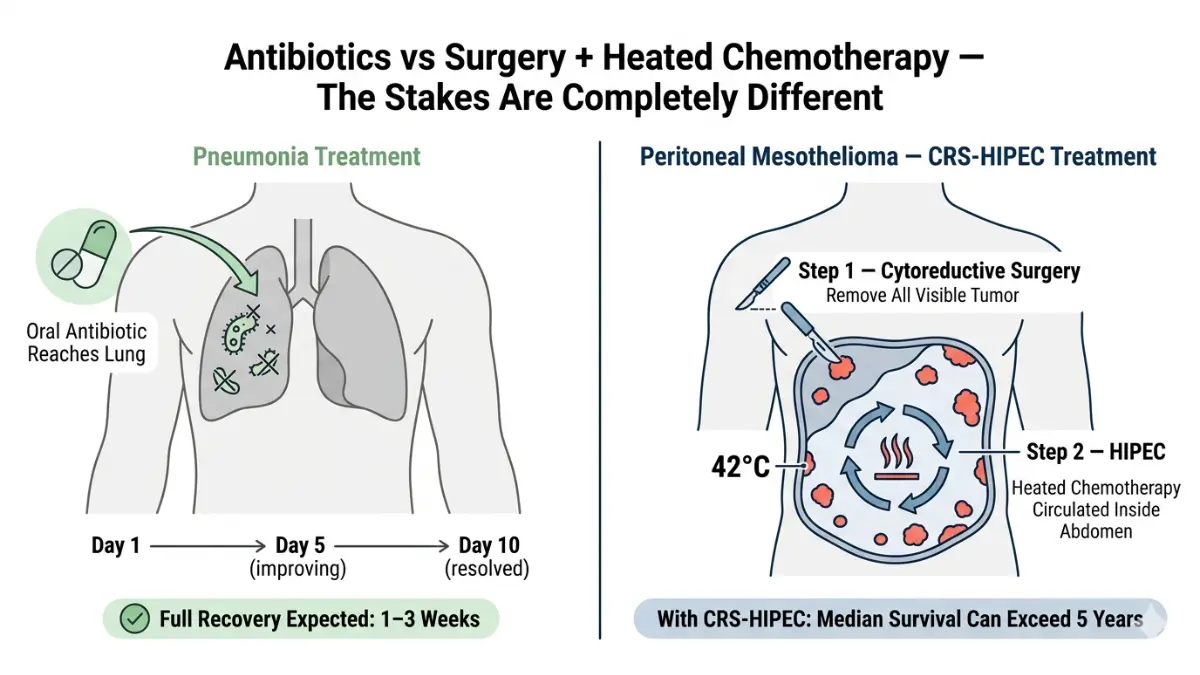
- Recovery: Most healthy adults recover in 1 to 3 weeks
Supportive measures include rest, hydration, fever management, and breathing exercises. Hospitalization is typically only required for severe cases or high-risk patients (age 65+, immunocompromised, chronic conditions).
Peritoneal Mesothelioma Treatment: The 2026 Standard
Treatment for peritoneal mesothelioma is far more complex. The current gold standard for resectable disease is:
CRS-HIPEC (Cytoreductive Surgery + Heated Intraperitoneal Chemotherapy)
This involves surgically removing all visible tumor deposits from the abdominal cavity, followed immediately by flushing the abdomen with heated chemotherapy solution. In appropriately selected patients, research published via NIH/PMC confirms survival outcomes exceeding 5 years are achievable.
For inoperable peritoneal mesothelioma, systemic options include:
- Gemcitabine + cisplatin or carboplatin — updated in the 2025 ASCO guidelines as the preferred chemotherapy combination
- Immunotherapy: Nivolumab + ipilimumab (checkpoint inhibitor combination) is demonstrating meaningful benefit in 2024–2025 clinical trial data
Survival comparison:
- Untreated peritoneal mesothelioma: median survival 6–12 months
- With CRS-HIPEC: median survival can exceed 5 years in selected patients
- Pneumonia (in healthy adults): full resolution in 1–3 weeks
For a detailed breakdown of survival data, read our pillar resource: Mesothelioma Survival Rates, Symptoms and What to Expect.
⚡ What This Means For You: Getting to a specialized center with CRS-HIPEC capability is not optional — it is the single most important factor in peritoneal mesothelioma outcomes. Ask your oncologist specifically whether they perform this procedure or can refer you to a center that does.
When Should You See a Doctor? Red-Flag Checklist 2026
Red Flags That Demand Immediate Medical Attention
Use this checklist to evaluate whether your symptoms warrant more than a standard pneumonia workup:
Go back to your doctor — and push for CT imaging — if you have:
- ☑ Respiratory or abdominal symptoms that have not resolved after 10 days of antibiotics
- ☑ Recurrent pleural effusion (fluid on the lung that keeps coming back)
- ☑ Persistent dry cough with no fever and no mucus production
- ☑ Progressive abdominal distension or unexplained bloating over weeks
- ☑ Unexplained weight loss without dietary changes
- ☑ Any history of working with asbestos — even decades ago
- ☑ Fatigue and breathlessness that is worsening gradually, not getting better
- ☑ A second or third round of antibiotics being prescribed without imaging
The Second Opinion Imperative
Research consistently confirms that 14% of mesothelioma cases are treated for the wrong condition before receiving the correct diagnosis. Mesothelioma is confirmed only by biopsy — not by imaging alone, and not by blood tests alone.
If you have lingering doubts about your diagnosis, advocate for yourself:
- Request a CT scan with IV contrast — not just a chest X-ray
- Ask about a specialist referral — specifically a thoracic surgeon or oncologist familiar with mesothelioma
- Disclose all occupational exposure history — construction, military, industrial
- Seek a second pathology review — especially if a biopsy has already been performed. Mesothelioma diagnosis requires experienced pathologists; errors in community hospital settings are not rare
For guidance on interpreting your imaging results, our detailed guides on CT scan abnormalities and what your MRI report means walk you through what doctors are looking for.
Use our Symptom Checker to build a detailed symptom log before your next appointment — including onset date, progression pattern, and associated symptoms. This data helps physicians make faster, more accurate decisions.
⚡ What This Means For You: You are your own most important advocate. A pneumonia diagnosis that does not respond to treatment is never the end of the diagnostic conversation — it is the beginning of the next one.
Frequently Asked Questions
1. Can mesothelioma be mistaken for pneumonia?
Yes — and it happens far more often than most people realize. Between 14 and 25% of mesothelioma cases are initially misdiagnosed, with pneumonia being one of the most common incorrect diagnoses. Shared symptoms including shortness of breath, chest pain, and pleural effusion are the primary reason for the confusion. A CT scan and biopsy are required to definitively distinguish them.
2. What is the single biggest symptom difference between mesothelioma and pneumonia?
The biggest differentiating factor is antibiotic response. Pneumonia (bacterial) responds to antibiotics within 5–10 days. Mesothelioma does not respond at all. If your symptoms are persisting or worsening after a full antibiotic course, escalate to imaging immediately.
3. Does peritoneal mesothelioma cause fever like pneumonia?
Rarely. Fever is a hallmark of infection — bacterial pneumonia drives fever as high as 105°F. Peritoneal mesothelioma does not typically cause fever in early stages. When fever does appear in mesothelioma, it is usually a late-stage sign associated with advanced tumor burden or secondary infection — not the initial symptom.
4. How long does it take to diagnose mesothelioma vs pneumonia?
Pneumonia can typically be diagnosed within a single clinical visit using a chest X-ray and physical examination — often within hours. Mesothelioma diagnosis, by contrast, takes weeks to months. Research shows some patients wait up to six months after initial symptoms before receiving a correct mesothelioma diagnosis, often after multiple failed treatments for other presumed conditions.
5. What test definitively confirms mesothelioma and rules out pneumonia?
A tissue biopsy is the only definitive confirmation for mesothelioma. No blood test, CT scan, or fluid sample alone can confirm it. The biopsy sample must be examined using an immunohistochemical panel by an experienced pathologist. For pneumonia, a chest X-ray combined with blood culture and sputum analysis is typically sufficient for diagnosis.
6. Can you have both mesothelioma and pneumonia at the same time?
Yes. Patients already diagnosed with mesothelioma are at significantly elevated risk of developing secondary infections including pneumonia, because mesothelioma treatment (especially chemotherapy) suppresses the immune system. In this context, pneumonia is particularly dangerous and can be life-threatening. Any new fever or escalation in respiratory symptoms in a known mesothelioma patient requires urgent medical evaluation.
7. Does mesothelioma fluid look the same as pneumonia fluid on imaging?
On a standard chest X-ray or CT scan, both conditions can produce pleural effusion that appears visually similar. However, laboratory analysis of the fluid differs. Pneumonia fluid typically contains high WBC counts and infectious organisms. Mesothelioma fluid is often exudative but cytology is frequently non-diagnostic — meaning the fluid test comes back inconclusive. This is why many mesothelioma cases are missed at the fluid-testing stage and require biopsy for confirmation.
8. What percentage of mesothelioma cases are misdiagnosed as pneumonia?
Studies indicate that between 14 and 25% of all mesothelioma cases in the United States are misdiagnosed at some point during the diagnostic process. Pneumonia is among the most common misdiagnoses, along with COPD, emphysema, and lung cancer. This rate underscores the importance of requesting specialist review whenever symptoms fail to resolve as expected.
9. Can asbestos workers develop pneumonia-like symptoms without having cancer?
Yes. Asbestos exposure can cause a separate condition called asbestosis — a chronic lung disease that causes scarring of lung tissue and produces respiratory symptoms very similar to both pneumonia and mesothelioma. Asbestosis is not cancer but does significantly increase the risk of developing mesothelioma over time. Workers with asbestos exposure history who present with respiratory symptoms should be evaluated for asbestosis, mesothelioma, and lung cancer — not just infection. Read more about asbestosis symptoms and the risk of deadly delay.
10. Is peritoneal mesothelioma curable in 2026?
Not in the traditional sense of “curable,” but outcomes have improved dramatically with CRS-HIPEC. In appropriately selected patients treated at specialized centers, median survival now exceeds 5 years — a transformation from the 6–12 month median seen without treatment. Some patients with low-grade epithelioid peritoneal mesothelioma who achieve complete cytoreduction are alive at 10 years post-treatment. Early diagnosis and treatment at a high-volume center remain the most critical outcome determinants. For full survival data, see our guide on peritoneal mesothelioma survival rates.
11. What should I do if my pneumonia symptoms keep coming back?
Do not accept repeat antibiotic prescriptions without escalating to imaging. Specifically, you should:
– Request a CT scan with IV contrast of the chest — and abdomen if you also have abdominal symptoms
– Ask your doctor explicitly: “Could this be something other than infection?”
– Request a specialist referral if this is your second or third recurrence
– Disclose any occupational history involving potential asbestos exposure
– Use our Symptom Checker to document your full symptom timeline, which gives your physician critical pattern data
Recurrent “pneumonia” that doesn’t fully clear is one of the most common presentations of early-stage pleural or peritoneal mesothelioma. It is also one of the most actionable — because catching it at this stage significantly expands treatment options.
Related Reading:
- 5 Signs and Symptoms of Mesothelioma You Should Know
- Mesothelioma vs Lung Cancer: Key Differences
- Mesothelioma Life Expectancy: What the Data Says
- Mesothelioma Cancer Recovery Guide 2026
- Early Warning Signs of Lung Cancer
Sources: National Cancer Institute (cancer.gov) | American Lung Association (lung.org) | NIH/PubMed Central — Peritoneal Mesothelioma Reviews | 2025 ASCO Peritoneal Mesothelioma Guidelines | Rutgers Cancer Institute — Peritoneal Mesothelioma Program
About this content
How this article was put together: researched from recognised health sources, drafted with the help of AI tools, and edited by hand, with sources linked throughout.

Sameer Patel is the founder and editor of My Medicine Advisor. He is not a doctor or medical professional — before starting this site he worked in banking,…
Medical disclaimer
The content on MyMedicineAdvisor is provided for general informational and educational purposes only and is not a substitute for professional medical advice, diagnosis, or treatment. Health information on this website should not be used to diagnose, treat, cure, or prevent any condition without guidance from a qualified healthcare professional. Always seek the advice of your doctor, physician, or another licensed healthcare provider with any questions you may have regarding a medical condition, symptoms, medications, or treatment decisions.