On This Page – Quick Medical Summary
Mesothelioma prevention is possible — but only if you act before, or immediately after, asbestos exposure. For most people, this cancer strikes silently. Marcus T., a retired Navy shipyard welder from San Diego, received his mesothelioma diagnosis at age 72. The cause? Eighteen months of engine room work at age 26. No symptoms for 46 years. Then, without warning, everything changed.
That 46-year gap is called the latency period — and understanding it is the first step toward mesothelioma prevention.
Whether you have a history of occupational asbestos exposure, live in an older home, or are a family member of someone who worked with asbestos, this guide gives you the exact facts, legal limits, and action steps you need in 2026.
What Causes Mesothelioma? The Asbestos–Cancer Link
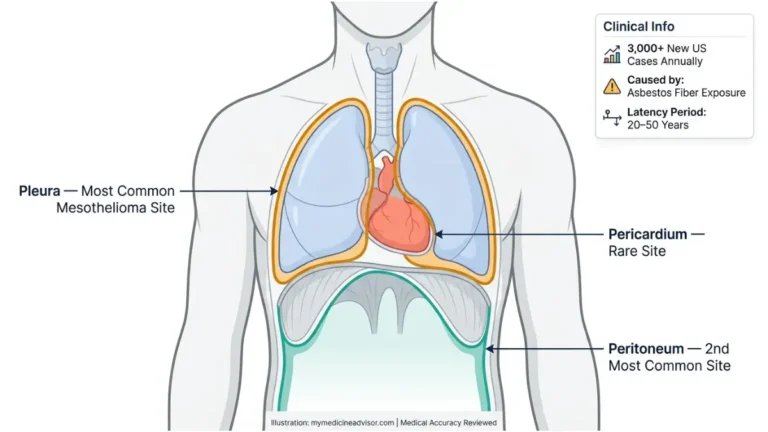
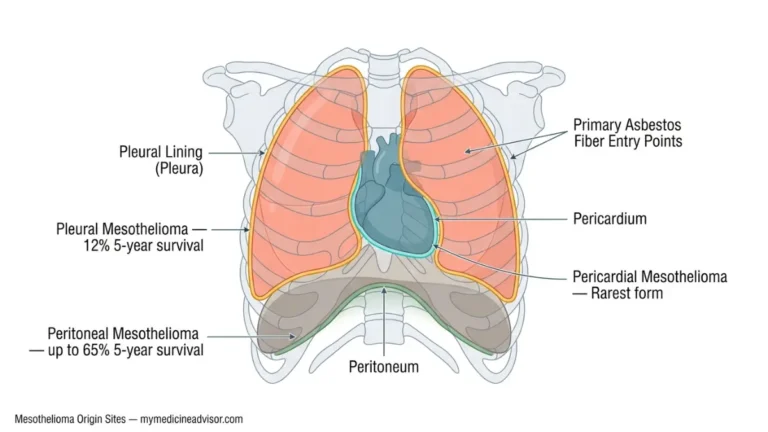
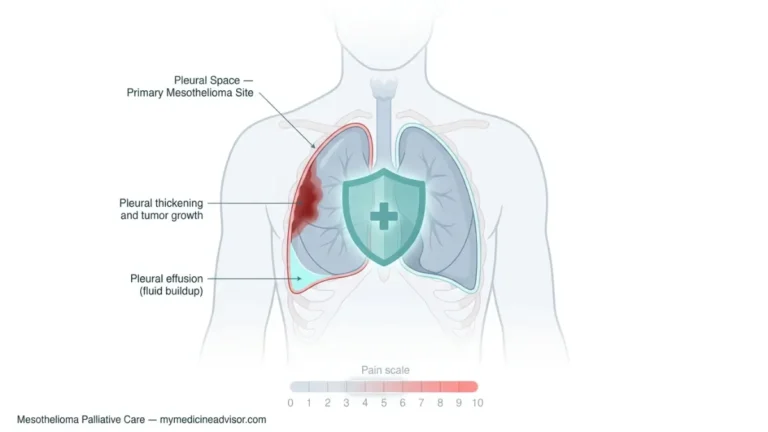
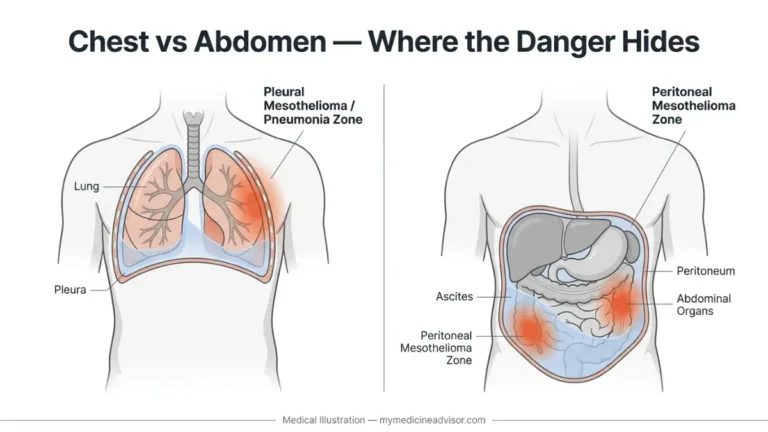
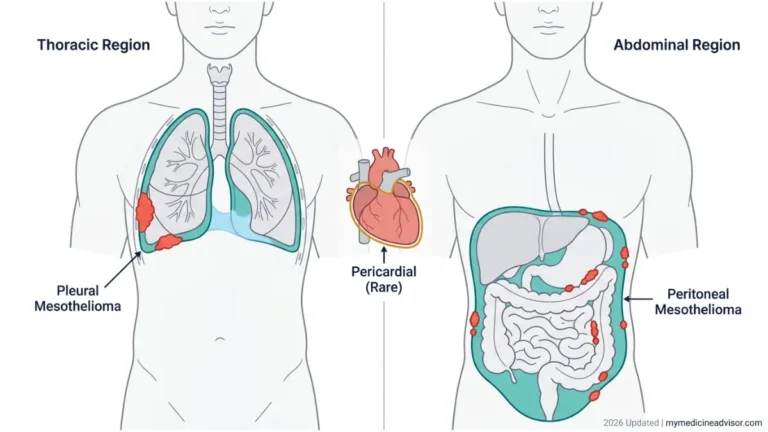
Mesothelioma is an aggressive cancer that develops in the mesothelium — the thin tissue lining the lungs, abdomen, and heart. More than 80% of all cases are directly caused by asbestos exposure, as documented by the National Cancer Institute’s asbestos fact sheet.
How Asbestos Fibers Trigger Cancer
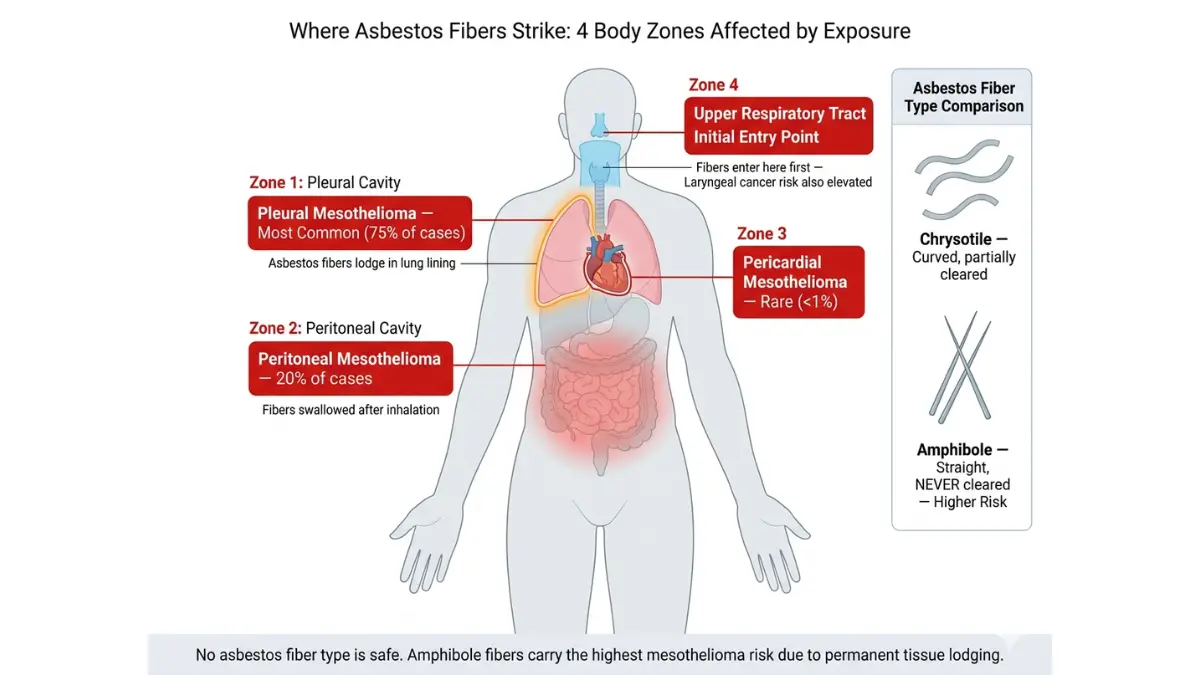
When inhaled or swallowed, asbestos fibers lodge permanently in the pleural or peritoneal lining. They cause chronic inflammation, DNA strand damage, and — decades later — malignant tumors.
Two main fiber types carry different risk levels:
| Asbestos Type | Common Name | Risk Level | Tissue Persistence |
|---|---|---|---|
| Chrysotile | White asbestos | High | Months to years |
| Amphibole (crocidolite, amosite) | Blue/Brown asbestos | Very High | Decades |
Amphibole fibers are more dangerous. They resist the body’s natural clearance mechanisms and persist in lung tissue for decades — driving the dose-response relationship that makes cumulative exposure so deadly.
The 60-Year Silent Killer: Latency Period Explained
This is the most critical — and most misunderstood — fact in mesothelioma prevention.
The average time between first asbestos exposure and diagnosis is 20 to 60 years. A worker exposed in 1975 may not be diagnosed until 2035. This is why approximately 3,300 Americans are still diagnosed annually despite large-scale asbestos use stopping decades ago.
The risk does not decrease over time after exposure ends. It is effectively lifelong.
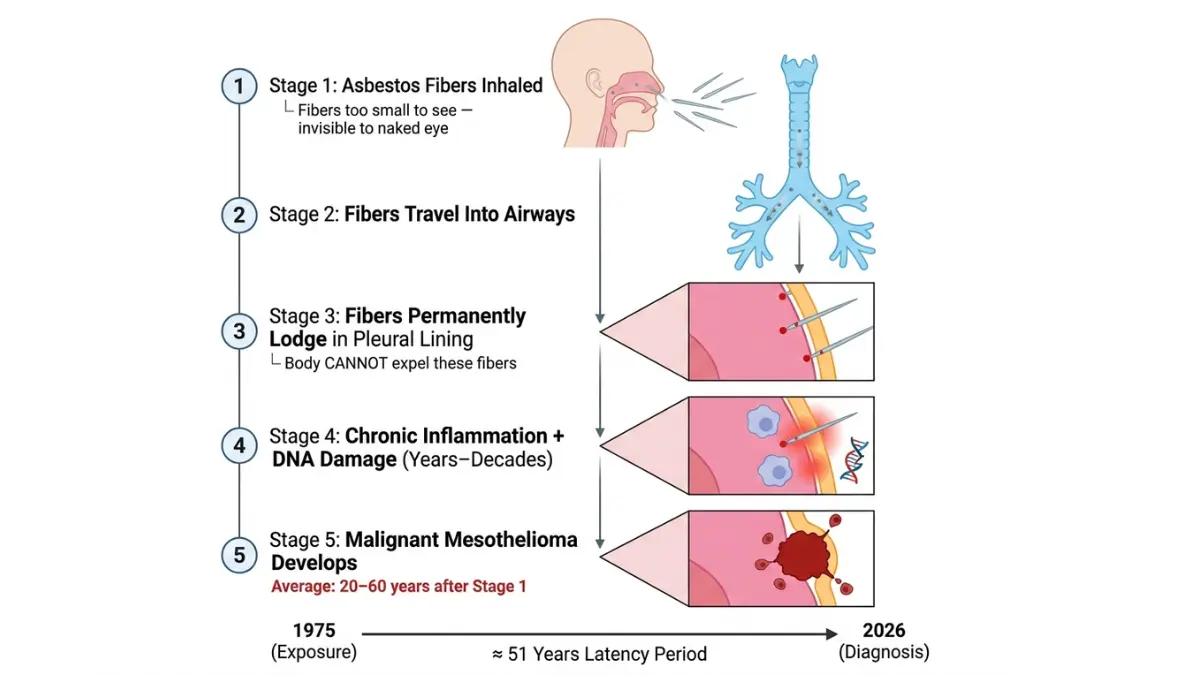
To understand exactly how this latency window shapes your individual risk, read our detailed clinical guide on mesothelioma latency period and asbestos exposure timelines.
What This Means For You: If you were exposed to asbestos even briefly — 40 years ago — your risk is still active. Waiting for symptoms is not a prevention strategy.
Deadly Asbestos Exposure Limits — What OSHA, WHO, and the EU Say in 2026
Here is the fact that most competing websites fail to explain clearly — and it could save your life.
“There is no safe level of asbestos exposure for any type of asbestos fiber.” — U.S. Occupational Safety and Health Administration.
Legal exposure limits are NOT safety thresholds. They are feasibility limits — based on what industry can realistically achieve, not what medicine considers safe. This distinction is critical for mesothelioma prevention.
2026 Global Asbestos Exposure Limits: Complete Comparison
| Country / Regulatory Body | Permissible Limit | Notes |
|---|---|---|
| USA — OSHA PEL | 0.1 f/cc (8-hr average) | + Excursion limit: 1.0 f/cc / 30 min |
| USA — NIOSH REL | 0.1 f/cc | No level considered medically safe |
| European Union | 0.01 f/cc (2025) | 10× stricter than OSHA |
| United Kingdom (HSE) | 1 f/cc (control limit) | Under active parliamentary review |
| Australia (Safe Work AU) | 0.1 f/cc | Matches U.S. OSHA standard |
| WHO Advisory | No safe level | Calls for complete global elimination |
The EU moved to 0.01 fibers per cubic centimeter in 2025 — ten times more protective than current U.S. standards. Leading scientists argue that even at OSHA’s legal limit, workers face cancer risks that would be unacceptable under EPA’s environmental exposure standards.
For complete OSHA asbestos workplace safety requirements, refer to the official OSHA asbestos standards page.
The 2026 EPA Chrysotile Ban: What Changed, What Didn’t
In March 2024, the EPA finalized a rule banning all remaining commercial uses of chrysotile asbestos in the U.S. Review the EPA’s dedicated asbestos regulatory page for the latest compliance updates.
What the 2024 rule covers:
- Chlor-alkali diaphragms in chemical manufacturing
- Oilfield brake blocks and industrial sheet gaskets
What the rule critically does NOT cover:
- Legacy asbestos — materials already in millions of schools, homes, and public buildings
- Naturally occurring asbestos in soil near former mining sites
As of April 2026, U.S. Chamber of Commerce–backed industry groups are challenging the rule in the Fifth Circuit Court of Appeals. The outcome will shape mesothelioma prevention policy for the next decade.
People exposed to asbestos should also be aware that a related condition — asbestosis, with its own deadly delay in symptoms — can develop independently from mesothelioma and requires separate monitoring.
Who Is Most at Risk? Occupation Tiers + The Hidden Danger of Secondary Exposure
Not all asbestos exposure risk is equal. Understanding your specific risk tier is the cornerstone of targeted mesothelioma prevention.
Occupational Risk Tier Table
| Risk Tier | Occupations |
|---|---|
| 🔴 Extreme | Shipyard workers, Navy veterans, pipe insulators, boilermakers, asbestos miners |
| 🟠 Very High | Construction demolition crews, automotive brake/clutch mechanics, industrial plant operators |
| 🟡 High | Electricians, HVAC technicians, firefighters, teachers in pre-1980 school buildings |
| 🟢 Moderate | Plumbers, painters, general contractors in older structures |
Veterans carry unique risk. U.S. Navy ships built before 1980 used asbestos extensively in engine rooms, boiler systems, and pipe insulation. Veterans diagnosed with mesothelioma are entitled to VA benefits and compensation programs — explore veterans mesothelioma VA claims and benefits options for full eligibility details.
The CDC and NIOSH asbestos health hazard data documents that people 65 and older are nearly 13 times more likely to develop mesothelioma than those under 54 — a direct reflection of historical occupational exposure.
Secondary Exposure: The Invisible Threat Most Websites Miss
Secondary — or “take-home” — asbestos exposure is one of the most underreported mesothelioma risk factors. It receives a footnote in competitor content. Here, it gets the attention it deserves.
Here is exactly how it happens:
- A worker carries microscopic asbestos fibers home on clothing, hair, and skin
- Family members inhale those fibers through daily physical contact — laundry, hugging, sharing living space
- Environmental exposure from this route accounts for up to 19% of mesothelioma cases in women
Consider this real pattern: A 67-year-old retired nurse in Ohio, Patricia M., was diagnosed with pleural mesothelioma in 2024. She had never worked near asbestos. Her husband had been a plumber working in pre-1970s apartment buildings for 25 years. She had washed his work clothes twice a week throughout their marriage.
Prevention steps for take-home exposure:
- Workers must change clothes completely before leaving work sites
- Work uniforms must be laundered separately from all family laundry
- Workers should shower and wash hair before physical contact with family after any asbestos disturbance
For a complete breakdown of how asbestos triggers malignancy at the cellular and molecular level, read our companion guide on asbestos exposure and mesothelioma risk mechanisms.
Mesothelioma Prevention — 7 Evidence-Based Strategies for 2026
This section is divided into three distinct groups. Your risk profile determines your action plan.
A. If You Have ALREADY Been Exposed
This is the question millions of Americans are actually asking — and the one no competing website adequately answers.
Step 1: Disclose your complete asbestos exposure history to your doctor. Include job sites, duration, type of work, and approximate years. This single disclosure unlocks appropriate screening protocols before symptoms ever appear.
Step 2: Request a baseline chest CT scan. Standard chest X-rays frequently miss early pleural changes. A CT scan is the gold-standard imaging tool for high-risk individuals. Ask specifically about a low-dose CT protocol.
Step 3: Discuss biomarker blood testing. Ask your physician about mesothelin (SMRP) levels and serum osteopontin testing — both are elevated earlier in the disease course than imaging changes. The Mesomark assay specifically measures soluble mesothelin-related proteins released by mesothelioma cells.
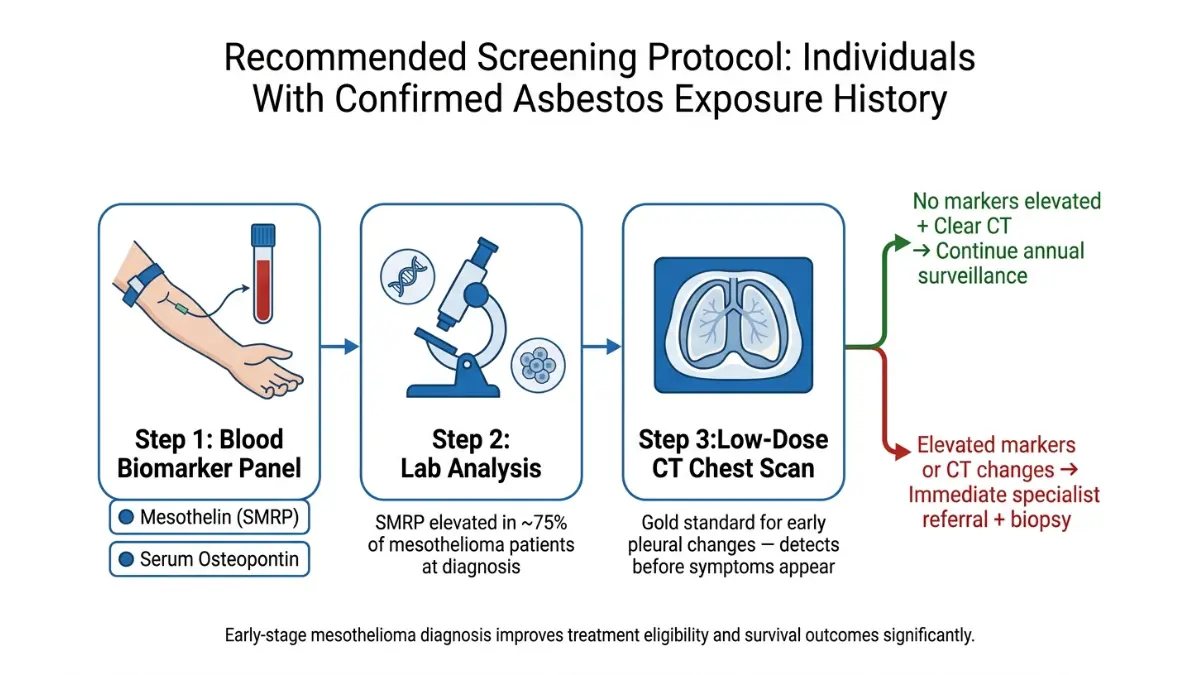
To understand what diagnostic tests are currently used, review our guide on mesothelioma diagnosis and critical tests.
Step 4: Quit smoking — now. Smoking alone does not cause mesothelioma. But the combination of asbestos exposure and smoking multiplies lung cancer risk beyond either factor individually — a finding consistently documented by the National Cancer Institute.
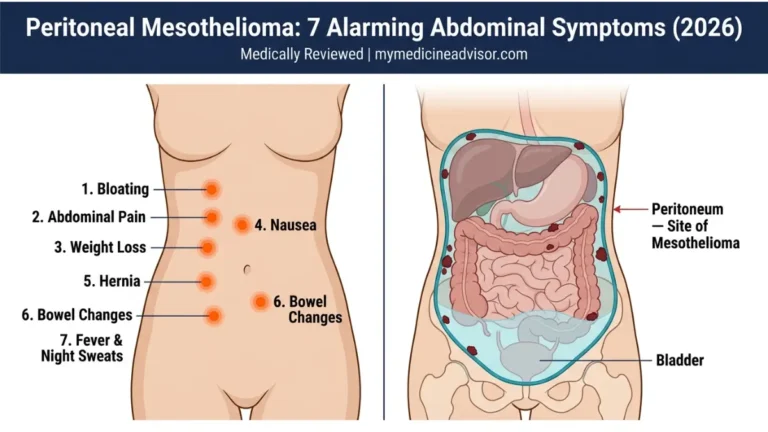
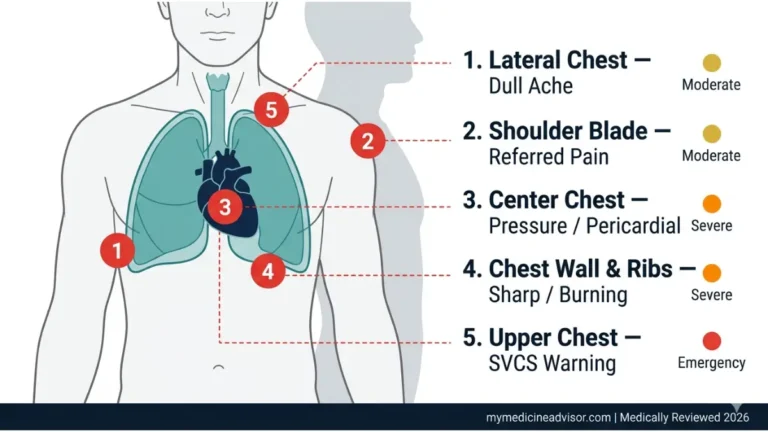
Step 5: Begin active symptom monitoring. If you have documented asbestos exposure and develop persistent cough, chest tightness, or unexplained breathlessness, log those symptoms immediately. Use our Symptom Checker tool to track symptom patterns over time and bring that record to your next physician visit.
B. For Active Workers: OSHA Compliance Non-Negotiables
- Respiratory protection: Use a half-face respirator with P100 filters at minimum — N95 masks do not filter asbestos fibers adequately
- Protective clothing: Disposable coveralls only; never bring work clothing home
- Decontamination: Shower and change clothes completely before leaving the worksite
- Your rights: If your employer violates OSHA asbestos standards, file a confidential report directly at osha.gov/asbestos
- Medical monitoring: OSHA mandates health surveillance for workers exposed at or above the action level (0.1 f/cc)
C. For Homeowners: Legacy Asbestos in Older Homes
Homes built before 1980 commonly contain asbestos in:
- Ceiling tiles and floor tiles (especially 9×9 inch vinyl)
- Pipe and duct insulation (grey or white wrap)
- Textured “popcorn” ceilings
- Roof shingles, siding panels, and joint compound
The cardinal rule: Do NOT disturb intact asbestos-containing materials.
Undisturbed, in-good-condition asbestos poses minimal risk. It only releases deadly fibers when cut, drilled, sanded, or deteriorated. Before any renovation project, hire a licensed asbestos inspector — verify their credentials through your state’s environmental agency.
D. BAP1 Genetic Testing: The Prevention Angle Competitor Sites Ignore
Approximately 12% of mesotheliomas occur in individuals with inherited BAP1 tumor suppressor gene mutations. If two or more family members have been diagnosed with mesothelioma or uveal melanoma, you may carry this mutation.
BAP1 genetic testing is now available through cancer genetics programs at major medical centers. A positive result does not mean mesothelioma is inevitable — but it signals that any asbestos exposure carries compounded risk, and more aggressive surveillance is warranted.
Use our Genetic Risk Assessment Tool to evaluate your inherited cancer risk factors. For personalized testing, Penn Medicine’s mesothelioma genetics program offers dedicated BAP1 counseling for at-risk families.
2026 Breakthroughs — Can Mesothelioma Be Prevented AFTER Asbestos Exposure?
This is the section no competitor in the top 10 is covering — and it may be the most important development in mesothelioma prevention science in a decade.
The short answer: Active research in 2026 says yes — chemoprevention may be possible.
SC144: The Drug That Could Redefine Prevention
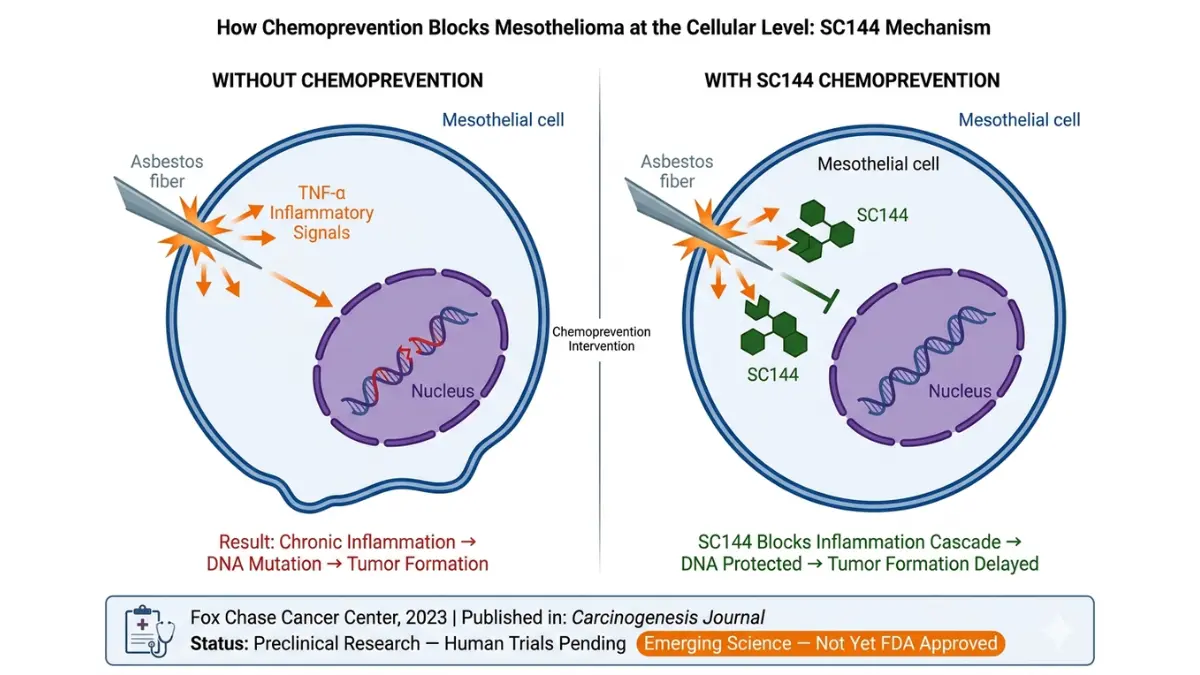
Researchers at Fox Chase Cancer Center published a landmark study demonstrating that SC144 — a compound targeting key inflammation pathways — delayed tumor formation in asbestos-exposed preclinical models.
The mechanism: Asbestos fibers trigger a chronic inflammatory cascade in the pleural lining. SC144 interrupts that cascade before malignant transformation can begin. Combined with two existing anti-inflammatory medications, it also extended survival in animal models.
“We’re trying to inhibit the inflammatory phase of the disease, with the goal of preventing people exposed to asbestos over long periods of time from developing mesothelioma.” — Dr. Joseph Testa, PhD, FACMG, Fox Chase Cancer Center.
This science belongs to a field called chemoprevention — using medicine not to treat disease after it forms, but to block it from forming at all. It is an active and accelerating area of mesothelioma research.
Biomarker Surveillance: Your Early Warning System
For individuals with confirmed asbestos exposure history, biomarker surveillance is the most clinically actionable “prevention after exposure” strategy currently available:
| Biomarker | What It Detects | Clinical Use |
|---|---|---|
| Mesothelin (SMRP) | Mesothelioma cell secretion | Elevated in ~75% of patients at diagnosis |
| Serum osteopontin | Inflammatory marker | Secondary screening in high-risk populations |
| BAP1 IHC | Loss of tumor suppressor protein | Flags genetic susceptibility in tissue |
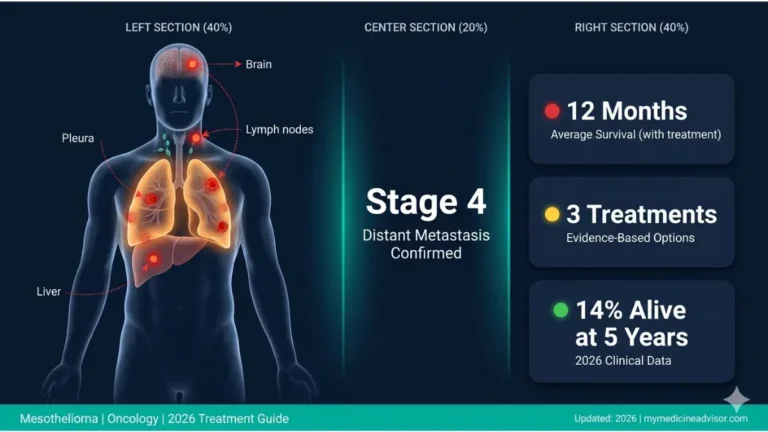
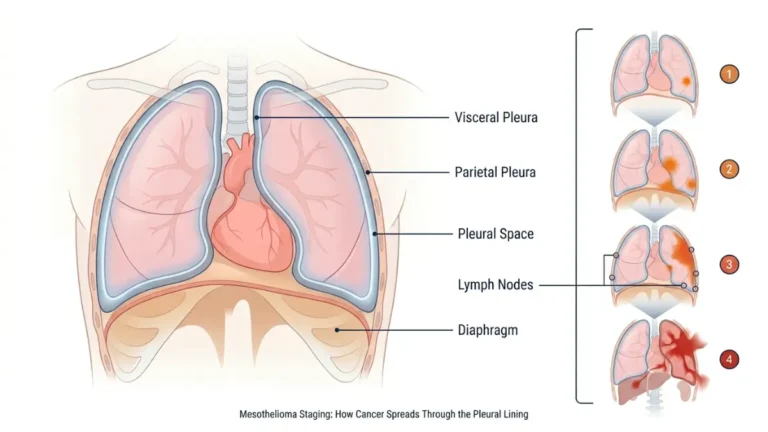
These tests do not prevent mesothelioma from forming. But they detect it at Stage 1 or Stage 2 — when multimodal treatment options are wider and survival rates are measurably better.
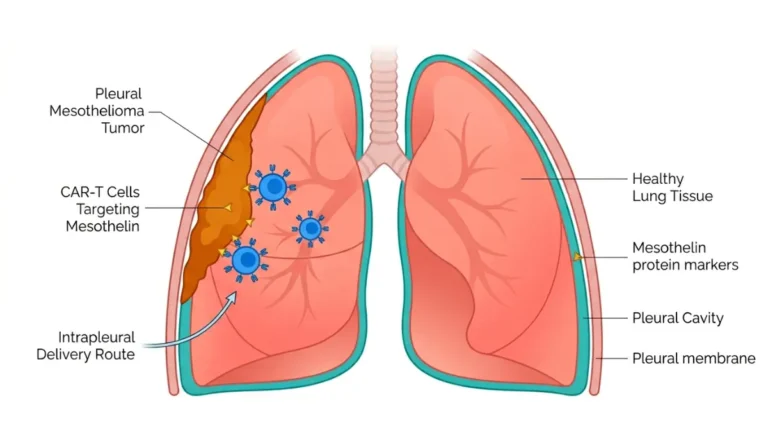
For the most current experimental treatment options available right now, read our updated guide on mesothelioma clinical trials 2026.
The Mesothelioma Applied Research Foundation continues to fund TNF-α inhibition research — another inflammation pathway activated by asbestos — as a parallel chemoprevention target alongside SC144.
Global Mesothelioma Prevention — What Australia, UK, and Canada Are Doing That the U.S. Isn’t
Mesothelioma prevention policy diverges sharply across Tier 1 countries. The U.S. ranks behind its closest allies — and that gap has direct consequences for American patients.
Global Asbestos Ban Scorecard (2026)
| Country | Full Asbestos Ban? | Year Enacted |
|---|---|---|
| Australia | ✅ Complete ban | 2003 |
| United Kingdom | ✅ Complete ban | 1999 |
| Canada | ✅ Complete ban | 2018 |
| European Union | ✅ Complete ban | 2005 |
| United States | ❌ Partial only | Chrysotile commercial uses, 2024 |
| China | ❌ No ban | Major global producer |
| Russia | ❌ No ban | Largest global exporter |
More than 55 countries have implemented full asbestos bans, as documented by the World Health Organization. The WHO’s position is unambiguous: the only effective mesothelioma prevention strategy at the population level is complete asbestos elimination.
What the U.S. Gap Means for You in 2026
- Legacy asbestos in buildings, schools, and homes is not covered by any current U.S. regulation
- The OSHA PEL (0.1 f/cc) remains 10 times weaker than the EU’s 2025 standard
- Imported consumer goods and industrial materials can still carry trace asbestos contamination
The American Cancer Society confirms that reducing asbestos exposure at home, in public buildings, and at work remains the single most effective mesothelioma prevention action available to individuals today.
Your Complete 2026 Action Plan
Do this today:
- ✅ Disclose your asbestos exposure history to your doctor at your next visit
- ✅ Test any pre-1980 home before renovation — hire only licensed inspectors
- ✅ Screen proactively with biomarker blood testing if you have occupational exposure history
- ✅ Monitor new respiratory symptoms using our Symptom Checker
- ✅ Know your full risk picture — read our comprehensive mesothelioma survival rates and symptoms pillar guide
- ✅ Understand the full biological cause chain in our guide on what causes mesothelioma and the asbestos link explained
- ✅ Advocate for extending the U.S. asbestos ban to legacy materials — contact your federal representatives through the Asbestos Disease Awareness Organization
FAQs — Mesothelioma Prevention 2026
Q1. Can mesothelioma be prevented entirely?
Yes — in most cases. Since over 80% of mesothelioma is caused by asbestos exposure, eliminating that exposure eliminates the primary trigger. The key is acting before exposure occurs or immediately after.
Q2. What is the safest level of asbestos exposure in 2026?
There is no safe level. OSHA’s 0.1 f/cc limit is a workplace feasibility benchmark, not a medical safety threshold. The WHO states categorically that no amount of asbestos exposure is risk-free.
Q3. How long after asbestos exposure can mesothelioma develop?
Typically 20 to 60 years. Most diagnoses occur between ages 75 and 79, reflecting exposures in earlier working decades. In rare cases, mesothelioma has appeared in individuals in their 20s.
Q4. What should I do immediately if I was exposed to asbestos?
Inform your doctor with a full history, request a chest CT scan, ask about mesothelin biomarker testing, quit smoking, and begin regular symptom monitoring. Do not wait for symptoms — they appear late in disease progression.
Q5. Is asbestos still legal in the United States in 2026?
Partially. The 2024 EPA rule banned chrysotile asbestos in specific commercial applications. The U.S. has not enacted a full ban. Legacy asbestos in existing buildings remains unregulated.
Q6. Can family members get mesothelioma from a worker’s clothing?
Yes. Take-home asbestos exposure is a documented and deadly risk. Family members — especially those who laundered work clothing — have developed mesothelioma with zero direct occupational exposure of their own.
Q7. Does smoking increase mesothelioma risk?
Smoking does not directly cause mesothelioma. However, it dramatically multiplies lung cancer risk when combined with asbestos exposure — making smoking cessation an essential step for anyone with exposure history.
Q8. What is the BAP1 gene and why does it matter for prevention?
BAP1 is a tumor suppressor gene. Inherited mutations amplify mesothelioma risk, especially in people with any asbestos exposure history. Genetic testing is available through major cancer centers for at-risk families.
Q9. Are there drugs that can prevent mesothelioma after asbestos exposure?
Not yet approved for clinical use — but research is advancing rapidly. SC144, studied at Fox Chase Cancer Center, delayed tumor formation in preclinical models by blocking asbestos-triggered inflammation pathways.
Q10. How do I know if my home contains asbestos?
You cannot identify asbestos visually. Hire a licensed, accredited asbestos inspector before any renovation of a home built before 1980. Never disturb suspected materials yourself.
Q11. Which occupation has the highest mesothelioma risk?
Shipyard workers and Navy veterans consistently rank highest — followed closely by pipe insulators, boilermakers, and construction demolition workers — due to prolonged, high-intensity asbestos exposure in enclosed, poorly ventilated environments.
📋 Medical Disclaimer: This article is for educational and informational purposes only and does not constitute medical advice, diagnosis, or treatment. Always consult a licensed healthcare professional regarding any asbestos exposure history, symptoms, or health decisions. In a medical emergency, call 911 or contact your nearest emergency facility.
Medical disclaimer
The content on MyMedicineAdvisor is provided for general informational and educational purposes only and is not a substitute for professional medical advice, diagnosis, or treatment. Health information on this website should not be used to diagnose, treat, cure, or prevent any condition without guidance from a qualified healthcare professional. Always seek the advice of your doctor, physician, or another licensed healthcare provider with any questions you may have regarding a medical condition, symptoms, medications, or treatment decisions.