On This Page – Quick Medical Summary
New H3N2 Flu: 7 Severe Symptoms Doctors Warn About
Understanding the New H3N2 Flu Surge
If you’ve had a fever that feels unusually intense, a cough that won’t settle, or body aches far worse than a typical seasonal flu, you’re not imagining it. Doctors across multiple countries are reporting a sharp rise in people who initially thought they had a mild cold—only to feel significantly worse days later.
What’s alarming clinicians is how different this flu feels. Many patients describe persistent high fevers that last longer than expected, extreme fatigue that doesn’t improve with rest, and respiratory symptoms that feel heavier and more aggressive than in past flu seasons. In some cases, symptoms briefly improve before suddenly worsening again—a pattern doctors consider a serious red flag.
This surge is being linked to a newly dominant H3N2 influenza A strain, often referred to as the subclade K variant. Unlike typical seasonal flu, this strain appears to cause more prolonged and severe symptoms, especially in adults who normally recover without complications. Emergency rooms are seeing patients with dangerously high fevers, dehydration, breathing difficulty, and intense weakness—sometimes within a week of symptom onset.
Doctors are urging people not to ignore these warning signs. Recognizing the seven severe symptoms associated with this H3N2 strain can make the difference between early antiviral treatment and serious complications. If you’re feeling worse than expected—or something just feels “off”—it’s important to pay attention now, not later.
H3N2 vs Regular Flu vs COVID-19: Key Differences
This comparison shows why the new H3N2 flu strain demands heightened vigilance. The subclade K mutation causes more intense symptoms that develop faster and last longer than typical seasonal influenza A viruses.
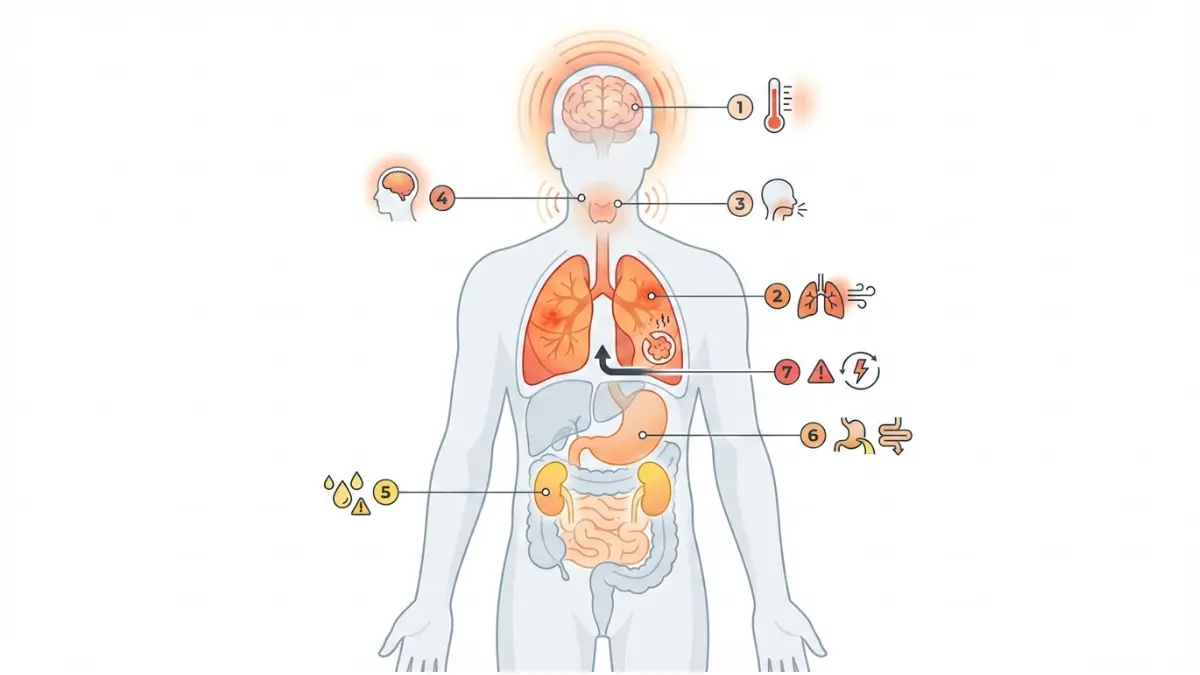
The 7 Severe H3N2 Flu Symptoms You Cannot Ignore
Understanding H3N2 symptoms can save lives during the 2025 outbreak. These seven warning signs demand immediate attention and, in many cases, require urgent medical intervention.
Symptom #1: High Persistent Fever (102°F+ for 5+ Days)
The new H3N2 flu causes intense fever that distinguishes it from regular seasonal influenza. Patients report temperatures spiking to 103-105°F within hours of symptom onset, accompanied by severe chills and body tremors. Unlike typical flu where fever subsides after 3-4 days, H3N2 subclade K produces persistent high-grade fever lasting 5-7 days or longer. This prolonged elevation increases dehydration risk and metabolic stress on vital organs.
What This Means For You: If your fever exceeds 102°F for more than three consecutive days despite fever-reducing medication, contact your healthcare provider immediately. Children under 12 weeks with any fever require emergency evaluation. Maintaining proper hydration through adequate water intake becomes critical during high-fever periods, as fluid loss through sweating can reach 2-3 liters daily.
Symptom #2: Severe Respiratory Distress
H3N2 respiratory symptoms progress rapidly from mild cough to dangerous breathing difficulties. The CDC identifies fast breathing or trouble breathing as the primary emergency warning sign in both children and adults. Patients experience shortness of breath even at rest, chest tightness, and visible rib retractions with each breath—particularly in young children. Bluish discoloration of lips or face signals critically low oxygen levels requiring immediate emergency care.
What This Means For You: Respiratory rates exceeding 20 breaths per minute in adults or 40+ in children indicate distress. Using a heart rate zone calculator can help monitor cardiovascular stress during respiratory illness, as elevated heart rates often accompany breathing difficulties. Influenza A H3N2 can trigger acute respiratory distress syndrome (ARDS) even in previously healthy individuals.
Symptom #3: Intense Post-Viral Cough (Lasting 3-6 Weeks)
The hallmark of severe flu symptoms from H3N2 subclade K is an intense, dry, hacking cough that persists long after other symptoms resolve. This cough disrupts sleep, causes chest wall pain, and in severe cases leads to rib fractures from violent coughing episodes. The prolonged cough results from extensive damage to respiratory tract lining cells, requiring weeks for complete regeneration. Approximately 30% of H3N2 patients develop secondary bacterial pneumonia, signaled by cough producing yellow-green sputum.
What This Means For You: A cough worsening after initial improvement, especially with fever recurrence, demands immediate medical evaluation for possible bacterial co-infection. Parents should watch for children refusing to eat or experiencing symptoms requiring professional assessment.
Symptom #4: Neurological Warning Signs
Emergency flu symptoms include neurological manifestations that signal severe disease. The University of Rochester Medical Center reports influenza in children can cause seizures, persistent confusion, and inability to wake or interact normally. Adults experience sudden dizziness, disorientation, and persistent confusion that differs from typical illness fatigue. These neurological symptoms may indicate viral encephalitis or severe dehydration affecting brain function.
What This Means For You: Any altered mental status during flu illness constitutes a medical emergency requiring immediate evaluation. Elderly patients showing confusion or children appearing excessively drowsy need urgent assessment, as these signs precede dangerous complications.
Symptom #5: Severe Dehydration Markers
H3N2 fever combined with reduced oral intake creates rapid, dangerous dehydration. Warning signs include dark concentrated urine, no urination for 8+ hours in children, dry mucous membranes, absence of tears when crying, and dizziness upon standing (orthostatic hypotension). Dehydration accelerates in patients with vomiting or diarrhea—common in pediatric H3N2 cases. Severe dehydration thickens blood, increasing risk for dangerous blood clots.
What This Means For You: Adults should consume 3-4 liters of fluids daily during fever; children need age-appropriate amounts calculated through our Water Intake Calculator. Clear signs of dehydration—especially in children—require immediate medical attention.
Symptom #6: Gastrointestinal Symptoms (Especially in Children)
While influenza primarily attacks the respiratory system, H3N2 in children frequently causes nausea, vomiting, and diarrhea. The California Childcare Health Program notes these gastrointestinal manifestations occur more commonly in young children than adults, leading to rapid dehydration and electrolyte imbalances. Persistent vomiting prevents oral medication and fluid intake, necessitating intravenous therapy. This symptom pattern distinguishes H3N2 from typical gastroenteritis caused by viruses like norovirus.
What This Means For You: Children unable to keep down fluids for 6-8 hours require medical evaluation for possible IV rehydration. Distinguishing flu from other viral illnesses helps guide appropriate treatment decisions.
Symptom #7: Worsening After Initial Improvement (Biphasic Illness)
The most dangerous H3N2 warning signs involve symptom recurrence after apparent recovery. Patients feel better for 1-2 days, then experience fever return with worsening cough and new chest pain—signaling secondary bacterial pneumonia. This biphasic pattern appears in 15-20% of H3N2 hospitalization cases and carries high complication risk. The initial improvement creates false security, delaying treatment for the more dangerous secondary infection.
What This Means For You: Any fever or respiratory symptom recurrence after improvement requires same-day medical evaluation and possible chest X-ray. Early antibiotic treatment for bacterial co-infection prevents progression to severe pneumonia requiring hospitalization.
H3N2 Symptom Severity Assessment
H3N2 Subclade K – The 2025 Super Flu Strain
The H3N2 subclade K variant represents a significant genetic shift from previous influenza A strains, earning its designation as a “super flu strain” due to increased transmissibility and severity. Understanding this H3N2 mutation helps explain why 2025’s flu season poses unprecedented challenges even for vaccinated individuals.
What Makes Subclade K Different
The new flu strain 2025 emerged from subclade 3C.2a1b.2a.2, specifically the K lineage, showing critical changes in the hemagglutinin (HA) protein that the virus uses to attach to human respiratory cells. These genetic mutations alter antibody recognition sites, allowing the virus to evade immune responses generated from previous infections or vaccinations. The CDC’s antigenic characterization data reveals only 38% of circulating H3N2 viruses are well-recognized by current vaccine-induced antibodies as of November 2025.
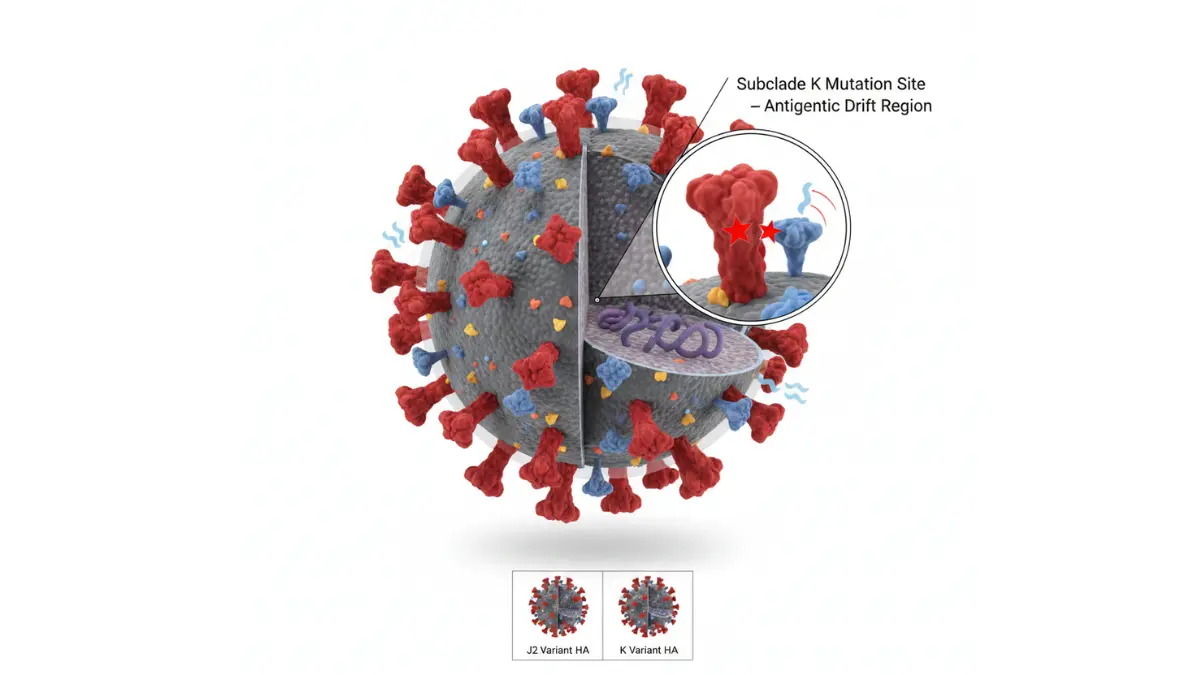
Subclade K spreads approximately 30% faster than the J2 variant included in vaccines, with shorter incubation periods (24-48 hours versus 48-72 hours) and higher viral loads in respiratory secretions. The H3N2 contagious period extends 1-2 days longer with subclade K, increasing community transmission risk especially in congregate settings. Early outbreak data from Japan and the United Kingdom showed subclade K comprised over 90% of H3N2 samples by October 2025.
The Vaccine Mismatch Crisis
The 2025-2026 Northern Hemisphere flu vaccines contain A/District of Columbia/27/2023-like virus (subclade J.2) for cell-based and recombinant formulations, and A/Croatia/10136RV/2023-like virus (also J.2) for egg-based vaccines. This represents a critical H3N2 vaccine effectiveness challenge, as the circulating subclade K shows significant antigenic drift from vaccine strains. UCLA infectious disease research explains how these incremental antigenic changes allow viruses to evade immune responses from prior vaccinations.
Despite reduced matching, vaccination still provides 30-42% protection against severe H3N2 complications requiring hospitalization. Vaccinated individuals who contract H3N2 experience milder symptoms, shorter illness duration, and significantly lower pneumonia and death rates. The vaccine stimulates broader immune responses including T-cell immunity that provides protection even against mismatched strains. Maintaining overall health through proper nutrition calculated with our Macro Calculator supports robust vaccine responses and immune function during flu season.
Should you still get vaccinated? Absolutely. The CDC emphasizes vaccination remains the best preventive measure against influenza despite antigenic mismatch. Healthcare workers, elderly adults, pregnant women, and individuals with chronic conditions gain critical protection even from partially matched vaccines.
Global Spread Patterns
The flu outbreak 2025 follows predictable seasonal patterns with concerning acceleration. Subclade K emerged in the Southern Hemisphere during their winter (June-August 2025), causing severe outbreaks in Australia and New Zealand with hospitalization rates 40% higher than 2024. The variant reached Japan by September 2025, quickly becoming dominant and overwhelming pediatric hospitals in Tokyo and Osaka. European surveillance detected subclade K in the United Kingdom, Spain, and Germany by October, with similar rapid displacement of other H3N2 variants.
India experienced sharp increases in Delhi-NCR regions starting late September 2025, with the subclade K variant accounting for 75% of confirmed influenza A H3N2 cases by November. The CDC’s FluView surveillance system tracks weekly virus characterization, showing subclade K represented 62% of H3N2 samples in the United States by early December 2025. Understanding these patterns helps individuals assess local risk and prioritize prevention strategies similar to other emerging infectious disease outbreaks.
The H3N2 contagious period begins approximately 24 hours before symptom onset and continues 5-7 days after symptoms appear, with immunocompromised individuals remaining contagious up to 21 days. This extended transmission window requires vigilant preventive measures including isolation when symptomatic and mask-wearing in high-risk environments.
H3N2 Subclade K Global Timeline
H3N2 Diagnosis, Treatment & When to See a Doctor
Prompt diagnosis and H3N2 treatment within the critical 48-hour window significantly reduces symptom severity, duration, and complication risk. Understanding available options empowers patients to seek timely care during the 2025 outbreak.
How H3N2 is Diagnosed
Healthcare providers diagnose influenza A H3N2 through clinical assessment combined with laboratory testing. Rapid influenza diagnostic tests (RIDTs) detect viral antigens in nasal or throat swabs within 15-20 minutes, though sensitivity ranges only 50-70%. Molecular assays using reverse transcription polymerase chain reaction (RT-PCR) provide definitive diagnosis with 95%+ accuracy and can differentiate between influenza A subtypes including H3N2. The University of Washington’s Clinical Virology Laboratory notes RT-PCR targets the influenza A matrix gene and provides semi-quantitative viral load assessment.
During peak flu symptoms 2025 season, physicians often diagnose based on clinical presentation without testing, especially when local H3N2 activity is confirmed. Testing becomes essential for hospitalized patients, immunocompromised individuals, pregnant women, and cases requiring antiviral for H3N2 prescription. If you’re uncertain about symptoms, our Symptom Checker helps assess whether professional medical evaluation is needed.
Antiviral Treatments for H3N2
The CDC strongly recommends antiviral treatment with oseltamivir (Tamiflu), zanamivir (Relenza), peramivir (Rapivab), or baloxavir marboxil (Xofluza) for confirmed or suspected H3N2 flu symptoms. Oseltamivir remains the first-line antiviral for H3N2, administered orally twice daily for five days at 75mg per dose in adults. The medication works by inhibiting neuraminidase enzymes that allow virus release from infected cells, stopping viral replication.
Timing is absolutely critical: antivirals work best when started within 48 hours of symptom onset, reducing illness duration by 1-2 days and lowering pneumonia risk by 44%. The CDC’s clinical guidance emphasizes immediate initiation for hospitalized patients and high-risk outpatients even before test results return. Oseltamivir is FDA-approved for infants as young as 14 days old, though CDC recommends use even in younger infants during severe outbreaks.
What This Means For You: Contact your healthcare provider within the first 24-48 hours of developing fever, cough, and body aches. Don’t wait for test results if you’re in a high-risk group—early antiviral treatment prevents H3N2 complications. Side effects include nausea (10-15% of patients), vomiting, and headache, typically mild and self-limiting. Individuals taking medications should check potential interactions using our comprehensive drug interactions resource.
Home Care Strategies
H3N2 treatment at home centers on supportive care while the immune system fights infection. Rest remains paramount—physical activity during acute illness prolongs recovery and increases complication risk. MedlinePlus recommends maintaining hydration with 8-10 glasses of clear fluids daily to thin respiratory secretions and prevent dehydration.
Fever management using acetaminophen or ibuprofen reduces discomfort and metabolic stress, though avoid aspirin in children under 18 due to Reye’s syndrome risk. Warm salt water gargles (1/4 teaspoon salt in 8oz water) soothe sore throat, while humidified air loosens chest congestion. Optimizing recovery through adequate sleep calculated for your age supports immune function during the critical 7-10 day illness period.
Nutrition during H3N2 infection requires easily digestible foods rich in protein, vitamins C and D, and zinc. Even when appetite diminishes, consuming small frequent meals maintains energy for immune responses. Individuals with chronic conditions should continue prescribed medications unless specifically instructed otherwise by healthcare providers.
When to See a Doctor Immediately
When to see doctor for flu symptoms requires understanding emergency warning signs versus routine illness progression. The National Library of Medicine identifies severe shortness of breath, chest pain, high fever unresponsive to medication, and sudden confusion as medical emergencies requiring immediate evaluation.
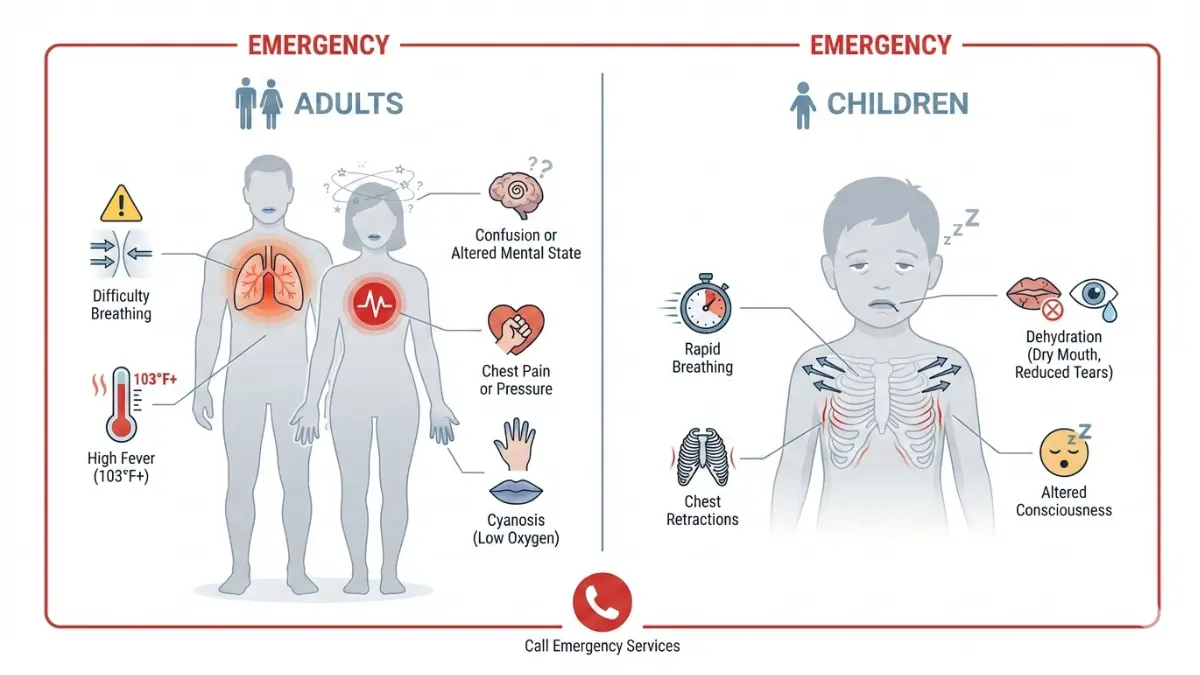
Emergency H3N2 Warning Signs Requiring Immediate Medical Care:
In Adults:
- Difficulty breathing or severe shortness of breath
- Persistent pain or pressure in chest or abdomen
- Persistent dizziness, confusion, or inability to wake
- Seizures or loss of consciousness
- Severe muscle pain or weakness
- Fever above 103°F unresponsive to medication
- Worsening of chronic medical conditions (asthma, diabetes, heart disease)
In Children:
- Fast or labored breathing, chest retractions
- Bluish skin color, lips, or nail beds
- Not drinking adequate fluids or no urination for 8+ hours
- Severe irritability, refusing to be held
- Fever above 104°F or fever with rash
- Symptoms improving then returning with worse fever/cough
High-risk populations requiring immediate evaluation include adults 65+, pregnant women (all trimesters), children under 2 years, and individuals with chronic lung disease, heart disease, kidney disorders, diabetes, or immunosuppression. These groups should contact healthcare providers within 24 hours of symptom onset for possible antiviral prescription regardless of severity.
H3N2 Antiviral Medications Comparison
H3N2 Prevention Strategies & Vaccine Guidance
Effective H3N2 prevention requires a multi-layered approach combining vaccination, behavioral modifications, and immune system optimization during the 2025-2026 flu season.
Vaccination Strategy for 2025-2026
The CDC recommends annual influenza vaccination for everyone aged 6 months and older as the single most effective H3N2 prevention measure. All 2025-2026 flu vaccines are trivalent formulations containing A/District of Columbia/27/2023-like H3N2 virus, along with H1N1 and influenza B components. Despite the subclade K mismatch discussed earlier, vaccination provides 30-42% protection against severe illness and significantly reduces H3N2 hospitalization risk.
Optimal vaccination timing occurs in September through October before peak transmission begins, though getting vaccinated later still provides protection. The vaccine takes approximately 2 weeks to generate protective antibody levels, requiring strategic timing before anticipated exposure. Pregnant women benefit from vaccination during any trimester, protecting both mother and newborn through transferred antibodies. Following the recommended vaccine schedule for all age groups ensures comprehensive protection against preventable diseases including influenza.
Who should prioritize vaccination? High-risk groups include adults 65+, children under 5 years, pregnant women, residents of nursing homes, individuals with chronic medical conditions (asthma, diabetes, heart disease, obesity with BMI 40+), and healthcare workers. Maintaining a healthy BMI through proper weight management reduces flu complication risk, as obesity significantly increases severe illness likelihood. The CDC’s updated 2025-2026 guidance emphasizes single-dose thimerosal-free formulations for children and pregnant women.
Evidence-Based Prevention Measures
Beyond vaccination, behavioral interventions significantly reduce influenza A H3N2 transmission. Hand hygiene remains critical—washing hands with soap and water for 20+ seconds or using 60%+ alcohol-based sanitizer eliminates virus from skin surfaces. The Appalachian State University Health Service emphasizes avoiding touching eyes, nose, and mouth where viruses enter the body.
Physical distancing from symptomatic individuals by maintaining 6 feet separation reduces droplet exposure during the H3N2 contagious period. Wearing well-fitted masks in crowded indoor settings or when caring for sick household members provides additional protection, particularly during peak outbreak periods. Surface disinfection using EPA-registered products eliminates virus from frequently touched objects (doorknobs, phones, keyboards) where H3N2 survives 24-48 hours.

Improved indoor air quality through ventilation and HEPA filtration reduces airborne viral particles, especially important in schools, offices, and healthcare facilities. Staying home when experiencing flu symptoms 2025 prevents community spread—individuals remain contagious 24 hours before symptoms begin through 5-7 days after onset.
Immune System Optimization
H3N2 prevention strengthens through immune-supporting lifestyle practices. Vitamin D supplementation enhances cellular immunity by modulating cytokine responses and supporting T-cell function, with NIH research showing improved antiviral defenses in individuals maintaining adequate levels. The recommended 1000-2000 IU daily during flu season supports immune competence, though individuals with vitamin D deficiency may require higher therapeutic doses.
Zinc supplementation (8-11mg daily for adults) supports immune cell development and antibody production, reducing upper respiratory infection duration by 33% when taken within 24 hours of symptom onset. Published research demonstrates zinc’s role in B lymphocyte differentiation and immune modulation during viral challenges. Vitamin C (500-1000mg daily) provides antioxidant protection and supports white blood cell function during increased immune demands.
Sleep quality directly impacts immune function—adults sleeping less than 6 hours nightly show 4.2x higher flu susceptibility compared to those achieving 7-9 hours. Our Sleep Calculator helps optimize rest periods for immune system recovery. Regular moderate exercise (30 minutes, 5 days weekly) enhances immune surveillance and antibody responses, though avoiding intense training during active infection prevents immune suppression.
Nutrition strategies emphasize whole foods rich in immune-supporting nutrients—lean proteins for antibody synthesis, colorful vegetables providing antioxidants, and adequate protein intake calculated for your body weight. Chronic stress management through meditation, yoga, or other evidence-based anxiety reduction techniques prevents cortisol-mediated immune suppression. Maintaining cardiovascular health through the strategies outlined in our guide to preventing heart disease supports overall resilience against severe complications.
H3N2 Prevention Effectiveness Rankings
Frequently Asked Questions About New H3N2 Flu
1. Is H3N2 More Dangerous Than Regular Flu?
Yes, the H3N2 vs regular flu comparison shows subclade K causes more severe illness. The new H3N2 flu produces higher fever (102-105°F), longer symptom duration (7-10 days versus 5-7 days), and increased hospitalization rates—particularly in elderly adults and young children. The subclade K variant also shows greater propensity for secondary bacterial pneumonia, with University of Alabama research demonstrating how flu-damaged lung cells facilitate bacterial attachment.
2. How Long Does H3N2 Fever Last?
H3N2 fever typically persists 5-7 days with subclade K, significantly longer than the 3-4 days seen with typical seasonal flu. Fever exceeding 102°F for more than 5 consecutive days warrants medical evaluation for possible complications. Most patients experience gradual temperature normalization, though persistent low-grade fever (99-100°F) may continue another 2-3 days during recovery.
3. Can You Get H3N2 If You Had the Flu Shot?
Yes, breakthrough infections occur due to vaccine-virus mismatch. The 2025-2026 H3N2 vaccine effectiveness against subclade K ranges 30-42% because vaccines contain J.2 variant while K circulates dominantly. However, vaccinated individuals who contract H3N2 experience 44% lower pneumonia risk and significantly milder symptoms. The CDC emphasizes vaccination remains critical despite imperfect matching.
4. What’s the Difference Between H3N2 and COVID-19?
Flu vs COVID symptoms show distinct patterns: H3N2 causes sudden onset (within hours), prominent muscle aches, and rarely affects smell/taste, while COVID-19 develops gradually with frequent anosmia and longer symptom persistence. H3N2’s contagious period averages 5-7 days versus COVID’s 10+ days. Both require RT-PCR testing for definitive diagnosis when clinical differentiation proves difficult.
5. How Long Are You Contagious With H3N2?
The H3N2 contagious period begins 24 hours before symptom onset and continues 5-7 days after symptoms appear. Immunocompromised individuals and young children may shed virus up to 21 days. Isolation should continue until fever-free for 24 hours without medication.
6. Can H3N2 Cause Pneumonia?
Yes, H3N2 complications include viral pneumonia from direct lung infection and secondary bacterial pneumonia from Streptococcus pneumoniae or Staphylococcus aureus. Approximately 15-20% of hospitalized H3N2 patients develop pneumonia, signaled by worsening cough, new chest pain, and fever recurrence after initial improvement. Early antiviral treatment reduces pneumonia risk by 44%.
7. Are Children at Higher Risk for H3N2 Complications?
H3N2 in children under 5 years, especially those under 2, face elevated severe illness risk. Pediatric complications include febrile seizures, dehydration from gastrointestinal symptoms, and rare but serious acute necrotizing encephalopathy requiring emergency intervention. Parents should monitor for fast breathing, chest retractions, and altered mental status. Our comprehensive guide on flu symptoms in children provides age-specific warning signs.
8. When Should I Go to the ER for H3N2 Symptoms?
Seek emergency care immediately for difficulty breathing, persistent chest pain, confusion, seizures, inability to wake, bluish lips, severe dehydration (no urination 8+ hours), or fever above 104°F unresponsive to medication. High-risk individuals experiencing symptom worsening after initial improvement require same-day evaluation.
9. Do Antibiotics Work for H3N2 Flu?
No, antibiotics are completely ineffective against influenza A H3N2 because it’s a viral infection. The CDC explicitly states antibiotics do not work on viruses including flu, even when mucus appears thick, yellow, or green. Antibiotics only treat secondary bacterial infections like pneumonia diagnosed through clinical examination and possibly chest X-ray.
10. Can H3N2 Come Back After You Recover?
While true recurrence is rare, 15-20% of patients experience biphasic illness where symptoms improve for 1-2 days then worsen with renewed fever and cough. This pattern typically indicates secondary bacterial pneumonia rather than H3N2 reinfection and requires immediate medical evaluation for possible antibiotic therapy. Complete recovery from uncomplicated H3N2 typically occurs within 7-10 days, though research shows fatigue and cough may persist 2-3 weeks.
Key Takeaways: Protecting Yourself From H3N2
- Get vaccinated now despite vaccine mismatch—it still reduces severe illness by 30-42%
- Recognize the 7 severe symptoms: persistent high fever 5+ days, breathing difficulty, intense prolonged cough, confusion, severe dehydration, gastrointestinal distress in children, and worsening after improvement
- Seek medical care within 48 hours of symptom onset if you’re in a high-risk group—early antivirals reduce complications by 44%
- Practice preventive hygiene: 20-second handwashing, physical distancing, and masking in crowded settings during peak season
- Support immune function through 7-9 hours quality sleep, vitamin D and zinc supplementation, and stress management
- Never use antibiotics for flu—they’re ineffective against viruses and contribute to resistance
- Emergency warning signs require immediate action: difficulty breathing, chest pain, confusion, high unresponsive fever, or bluish discoloration
For ongoing health monitoring during flu season, explore our comprehensive health resources and tools to track symptoms, maintain wellness, and make informed healthcare decisions.
About this content
How this article was put together: researched from recognised health sources, drafted with the help of AI tools, and edited by hand, with sources linked throughout.

Sameer Patel is the founder and editor of My Medicine Advisor. He is not a doctor or medical professional — before starting this site he worked in banking,…
Medical disclaimer
The content on MyMedicineAdvisor is provided for general informational and educational purposes only and is not a substitute for professional medical advice, diagnosis, or treatment. Health information on this website should not be used to diagnose, treat, cure, or prevent any condition without guidance from a qualified healthcare professional. Always seek the advice of your doctor, physician, or another licensed healthcare provider with any questions you may have regarding a medical condition, symptoms, medications, or treatment decisions.