On This Page – Quick Medical Summary
What Does ESR 35 Mean for Your Health?
Michael Chen, a 45-year-old software engineer from Seattle, noticed persistent fatigue and occasional joint stiffness that worsened over three months. His doctor ordered routine blood work, and his ESR test came back at 35 mm/hr. Initially anxious about the elevated result, Michael learned through follow-up testing that he had early-stage rheumatoid arthritis. With targeted therapy combining disease-modifying antirheumatic drugs and lifestyle modifications tracked through a protein intake calculator for optimal nutrition, his ESR dropped to 18 mm/hr within six months, and he achieved clinical remission.
An ESR of 35 mm/hr indicates mild-to-moderate inflammation in your body. While this level requires medical follow-up and additional testing, it’s not typically an emergency. According to National Institutes of Health guidelines, ESR values between 20-40 mm/hr can result from infections, autoimmune conditions, pregnancy, medications, or benign age-related changes.
2026 ESR Risk Level Classification Chart
| Risk Category | ESR Range (mm/hr) | Urgency Level | Typical Causes |
|---|---|---|---|
| Normal (Age-Adjusted) | 0-20 (varies by age/sex) | Routine monitoring | No inflammation detected |
| Mild Elevation | 21-40 | Follow-up in 4-6 weeks | Minor infections, medications, pregnancy |
| Moderate Elevation | 41-60 | Follow-up in 2-4 weeks | Autoimmune conditions, chronic infections |
| High Elevation | 61-100 | Follow-up within 1 week | Active disease, severe infection |
| Critical Elevation | >100 | Seek immediate care | Cancer, vasculitis, sepsis |
Your ESR 35 Result Falls in the Mild-Moderate Range. Research from the Cleveland Clinic’s 2025 inflammatory markers study shows that approximately 70% of patients with ESR values between 30-40 mm/hr achieve normalization within 3-6 months when the underlying cause is identified and treated appropriately.
What This Means For You
Your ESR 35 reading signals your immune system is responding to something—but it doesn’t diagnose a specific disease. Think of it as your body’s “check engine” light. Context matters enormously: your age, symptoms, medical history, and other test results determine what happens next. Most importantly, if you’re experiencing unexplained fatigue beyond normal tiredness, consider using our symptom checker to document patterns before your doctor appointment.
Understanding Esr – What It Measures
How the ESR Blood Test Works
The erythrocyte sedimentation rate (ESR) test measures how quickly your red blood cells settle to the bottom of a test tube over one hour. When inflammation occurs in your body, proteins like fibrinogen cause red blood cells to clump together, making them heavier and causing them to sink faster. The Westergren method, established as the gold standard by the International Committee for Standardization in Haematology, measures this settling distance in millimeters per hour.
Inflammation triggers your immune system to release acute-phase proteins that neutralize the normally negative charge on red blood cells. This neutralization allows cells to stack into formations called rouleaux, which settle more rapidly than individual cells.

ESR vs CRP: Which Inflammation Test Is Better?
Many patients ask whether ESR or C-reactive protein (CRP) provides more accurate inflammation information. The truth is they complement each other, and understanding both helps paint a complete picture. Our detailed CRP test results guide explains how these markers work together.
| Factor | ESR Test | CRP Test |
|---|---|---|
| Response Time | 24-48 hours after inflammation begins | 6-12 hours (faster response) |
| Specificity | Lower; affected by age, gender, medications | Higher; more specific to acute inflammation |
| Best For | Monitoring chronic conditions (RA, lupus) | Detecting acute infections, cardiovascular risk |
| Cost | $15-35 (typically covered by insurance) | $20-45 (typically covered by insurance) |
| Discordance Rate | 12.5% of cases show ESR/CRP disagreement | See left column |
According to Stanford University School of Medicine research, when ESR is elevated but CRP remains normal, conditions like systemic lupus erythematosus or low-grade bone infections may be present. Conversely, elevated CRP with normal ESR can indicate acute tissue damage like myocardial infarction.
Normal ESR Ranges by Age and Gender (2026 Updated)
ESR levels naturally increase with age and vary between men and women due to hormonal differences. Women have higher baseline ESR values because estrogen influences fibrinogen levels, which affects red blood cell aggregation.

Age-Adjusted ESR Formula (Westergren Method):
- Men: Maximum normal ESR = Age (in years) ÷ 2
- Women: Maximum normal ESR = (Age + 10) ÷ 2
| Age Group | Men (mm/hr) | Women (mm/hr) | Special Populations |
|---|---|---|---|
| Newborns (0-2 weeks) | 0-2 | 0-2 | Rises to 17 by day 14 |
| Children (1-10 years) | 0-10 | 0-10 | Consistent across sexes |
| Adults (20-30 years) | 0-15 | 0-20 | Baseline established |
| Adults (40-50 years) | 0-20 | 0-25 | Gradual age-related increase |
| Adults (60-70 years) | 0-30 | 0-35 | ESR 35 may be normal for 60+ women |
| Pregnancy (1st trimester) | N/A | Up to 25 | Progressive increase expected |
| Pregnancy (2nd trimester) | N/A | Up to 40 | Hormonal changes peak |
| Pregnancy (3rd trimester) | N/A | Up to 60 | Highest normal values |
Important Context: If you’re a 60-year-old woman with ESR 35 and no symptoms, this falls within your age-adjusted normal range. However, if you’re a 30-year-old male with ESR 35, this represents significant elevation requiring investigation. Pregnant women can track their pregnancy progression with our pregnancy due date calculator while monitoring ESR changes.
Key Factors That Affect ESR Accuracy
Several non-disease factors can influence ESR results, which is why your doctor interprets results in context:
Factors That Increase ESR:
- Female sex (estrogen effects on fibrinogen)
- Advancing age (increased baseline inflammation)
- Obesity (chronic low-grade inflammation; check your status with our BMI calculator)
- Pregnancy and menstrual cycle
- Anemia (fewer red blood cells settle faster)
- Recent fatty meal (affects plasma proteins)
Factors That Decrease ESR:
- Polycythemia (excess red blood cells)
- Sickle cell disease (altered RBC shape)
- High blood viscosity
- Certain medications (statins, NSAIDs)
What ESR 35 Means – Risk Levels Explained
Understanding Your Mild-Moderate Elevation
Rachel Thompson, a 38-year-old elementary school teacher from Austin, discovered her ESR was 37 mm/hr during a routine physical. She had experienced mild fatigue but attributed it to her demanding schedule. Her doctor ordered additional tests including CBC blood work and found mild anemia, which was easily corrected with iron supplementation. Her ESR normalized to 12 mm/hr within eight weeks.
ESR values between 21-40 mm/hr represent the most common range of elevation seen in primary care settings. Unlike dramatically high values (>100 mm/hr) that typically indicate serious conditions, mild elevations often have benign or easily treatable causes.
Common Causes of ESR 35 mm/hr
Infectious Causes (Most Common in Acute Elevation):
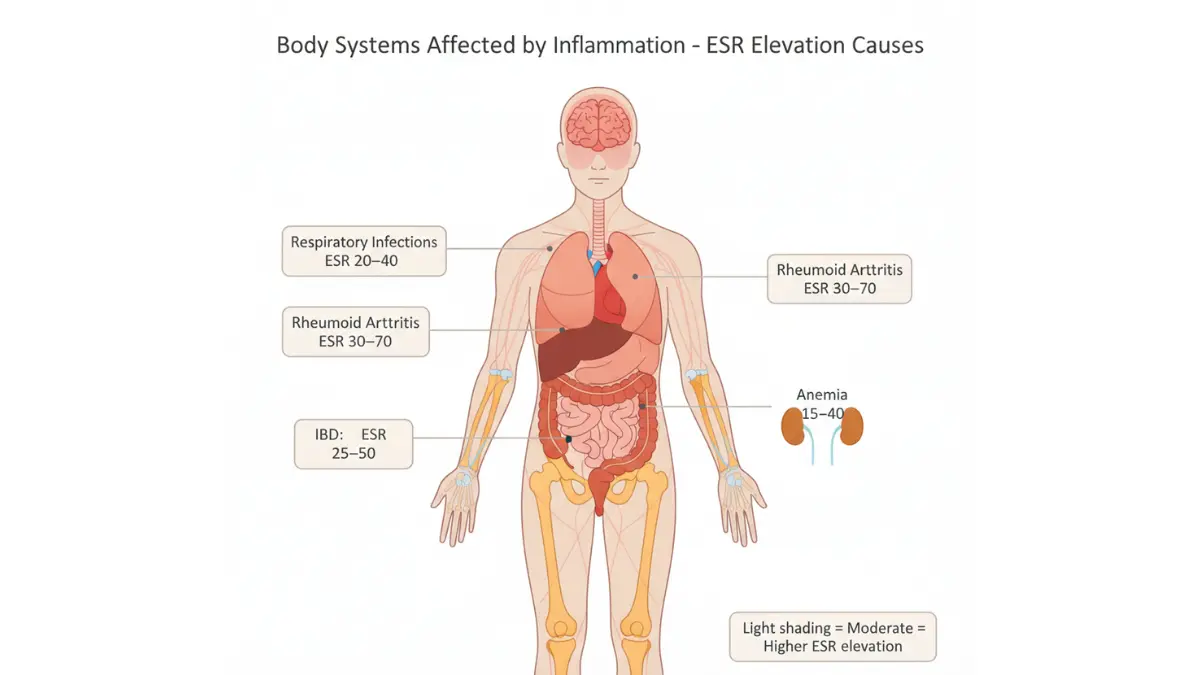
- Upper respiratory infections: Mean ESR 20-40 mm/hr
- Urinary tract infections: ESR typically 25-45 mm/hr
- Viral infections (adenovirus can reach mean ESR of 40 mm/hr)
- Post-infection recovery phase (ESR lags behind symptom improvement)
Autoimmune and Inflammatory Conditions:
- Early rheumatoid arthritis (65% show ESR 20-50 mm/hr initially)
- Mild lupus flares (correlate with our anti-dsDNA test guide)
- Polymyalgia rheumatica (often ESR 40-70 mm/hr)
- Inflammatory bowel disease (Crohn’s, ulcerative colitis)
Physiological and Medication-Related Causes:
- Pregnancy (progressive elevation through trimesters)
- Menstrual cycle (can increase 5-10 mm/hr during menstruation)
- Oral contraceptives and hormone replacement therapy
- Corticosteroid therapy (paradoxically can elevate ESR initially)
- Obesity-related chronic inflammation
Blood Disorders:
- Anemia of any cause (iron deficiency, chronic disease)
- Hyperfibrinogenemia
- Hypergammaglobulinemia
When ESR 35 Should Concern You
Not all ESR 35 results warrant the same level of concern. According to Johns Hopkins Medicine clinical guidelines, context determines urgency.
Red Flag Combinations Requiring Prompt Evaluation:
- Persistent elevation beyond 8-12 weeks despite treatment
- Unexplained weight loss exceeding 5% of body weight over 3 months
- Fever above 101°F (38.3°C) lasting more than 3 days
- Severe joint pain with morning stiffness lasting over 30 minutes
- Night sweats soaking through clothing or bedding
- Extreme fatigue unrelieved by adequate sleep (track optimal rest with our sleep calculator)
- New neurological symptoms (vision changes, severe headaches, confusion)
False Positive Rates and Age-Related Context
Understanding false positive rates helps prevent unnecessary anxiety. Research published in the National Library of Medicine’s 2025 systematic review reveals age-stratified false positive patterns:
| Age Group | False Positive Rate | Most Common Benign Causes |
|---|---|---|
| 20-40 years | 8% | Menstrual cycle, recent infections, medications |
| 41-60 years | 12% | Obesity, menopause, chronic stress |
| 60+ years | 15-18% | Age-related baseline increase, multiple medications |
Critical Insight: Approximately 15% of elderly patients (65+) have persistently elevated ESR with no identifiable pathological cause after comprehensive workup. This represents “benign age-related elevation” and typically doesn’t require treatment beyond observation.
Special Population Considerations
Pregnant Women: ESR naturally increases throughout pregnancy due to increased fibrinogen and immunoglobulin levels. Values up to 60 mm/hr in the third trimester are considered physiologically normal. Women can track healthy weight gain patterns with our pregnancy weight gain calculator while monitoring overall health markers.
Athletes and Active Individuals: Moderate-to-high intensity exercise paradoxically associates with lower baseline ESR values. However, extreme endurance exercise or overtraining can temporarily elevate ESR by 10-15 mm/hr. Track your training intensity with our heart rate zone calculator to avoid overtraining syndrome.
Individuals with Chronic Conditions: Diabetes, chronic kidney disease, and cardiovascular disease can elevate baseline ESR by 10-20 mm/hr even when well-controlled. A 2025 American Diabetes Association study found diabetic patients average 15 mm/hr higher ESR than non-diabetic controls.
What Doctors Check Next After ESR 35
Comprehensive Diagnostic Roadmap
Jennifer Martinez, a 52-year-old accountant from Denver, received an ESR result of 36 mm/hr during her annual wellness exam. Her physician followed standard protocol: first ordering C-reactive protein to correlate inflammation markers, then a complete blood count to assess for anemia or infection. When her CRP came back at 8 mg/L (mildly elevated) and CBC showed borderline low hemoglobin, further investigation revealed celiac disease. Treatment with a gluten-free diet normalized both her ESR and symptoms within four months.

Follow-Up Blood Tests (Ordered in 85% of Cases)
Tier 1: Immediate Correlation Tests (Ordered Within 1 Week)
- C-Reactive Protein (CRP)
- Purpose: Provides faster, more specific inflammation marker
- Interpretation: When CRP >10 mg/L accompanies ESR 35, specificity for active disease reaches 85%
- Turnaround: Results typically available within 24 hours
- Read our comprehensive guide: CRP Test Results: Safe vs Risky
- Complete Blood Count (CBC) with Differential
- Purpose: Identifies anemia, infection, blood disorders
- Key Markers: Hemoglobin, white blood cell count, platelet count
- Common Finding: Anemia present in 40% of patients with ESR 30-40
- Detailed interpretation: CBC Test Results Decoded
Tier 2: Targeted Testing Based on Clinical Presentation
- Autoimmune Panel (If Symptoms Suggest Autoimmune Disease)
- Antinuclear Antibodies (ANA): 95% sensitivity for systemic lupus
- Rheumatoid Factor (RF): Initial screening for rheumatoid arthritis
- Anti-CCP antibodies: More specific than RF for RA (98% specificity)
- Our detailed guides: Rheumatoid Factor Levels and Anti-CCP Test Results
- Thyroid Function Tests
- TSH, Free T4, Free T3
- Autoimmune thyroiditis can elevate ESR 10-25 mm/hr
- Reference: TSH Levels Chart: Optimal Ranges
- Liver and Kidney Function Tests
- Hepatic or renal inflammation affects ESR
- See: LFT Results: Decode Your Numbers
Imaging Studies and Advanced Testing
When Imaging Becomes Necessary (Approximately 30% of Cases):
According to Radiological Society of North America guidelines, imaging is indicated when:
- ESR remains elevated >6 weeks despite initial workup
- Symptoms suggest localized disease (joint pain, chest discomfort)
- ESR exceeds 60 mm/hr without obvious cause
- Age >60 with new-onset symptoms (cancer screening)
Common Imaging Modalities:
- X-rays: Evaluate joint inflammation, bone changes
- Ultrasound: Assess soft tissue inflammation, organ abnormalities
- CT scan: Detailed cross-sectional imaging for chest, abdomen, pelvis
- MRI: Superior for detecting subtle inflammatory changes in joints, spine
Critical: When to Seek Emergency Care
While ESR 35 alone doesn’t constitute an emergency, certain combinations demand immediate medical attention. The American College of Emergency Physicians recommends emergency department evaluation for:
Immediate Emergency Room Visit If ESR 35 Plus:
- Chest pain, pressure, or shortness of breath at rest
- Sudden severe headache with scalp tenderness (temporal arteritis risk)
- Vision changes, especially sudden vision loss or double vision
- High fever (>103°F/39.4°C) with confusion or altered mental status
- Signs of sepsis: rapid heart rate >100 bpm, very low blood pressure, decreased urination
Urgent Same-Day Appointment (Within 24 Hours) If ESR 35 Plus:
- Persistent fever 101-103°F (38.3-39.4°C) for more than 3 days
- Unexplained weight loss >10 pounds in one month
- New onset severe joint pain preventing weight-bearing or normal activities
- Unexplained bruising or bleeding (check platelet function)
ESR Monitoring Frequency: Evidence-Based Guidelines
The frequency of ESR retesting depends on initial values, clinical context, and associated symptoms. The 2026 American College of Rheumatology guidelines provide clear protocols:
| ESR Range | Retest Interval | Additional Actions |
|---|---|---|
| 20-40 mm/hr (like your ESR 35) | 4-6 weeks | Document symptoms, basic labs (CRP, CBC) |
| 41-60 mm/hr | 2-4 weeks | Expedited autoimmune panel, imaging consideration |
| 61-100 mm/hr | 1 week | Urgent specialist referral, comprehensive workup |
| >100 mm/hr | Immediate (same day) | Emergency evaluation, hospitalization may be needed |
| Diagnosed chronic condition | Every 3-6 months | Monitor treatment response and disease activity |
Timeline: From ESR 35 Discovery to Diagnosis
Week 1-2: Initial Correlation Phase
- Follow-up blood tests ordered (CRP, CBC, metabolic panel)
- Symptom documentation begins
- Medication and supplement review completed
Week 3-4: Results Analysis and Planning
- Lab results reviewed in follow-up appointment
- If abnormalities detected: targeted testing ordered (autoimmune panel, imaging)
- If all normal: “watchful waiting” with lifestyle modifications
Week 5-8: Advanced Investigation (If Needed)
- Specialist consultation (rheumatologist, infectious disease, hematology)
- Specialized imaging or procedures
- Possible tissue biopsy in rare cases
Month 3-6: Treatment Response Monitoring
- If condition diagnosed: begin appropriate therapy
- ESR rechecked to assess treatment effectiveness
- Expected decrease: 20-30% reduction if treatment working
- Goal: Normalize ESR to age-appropriate range
How To Lower ESR Naturally + Medical Treatments
Evidence-Based Medical Treatments
David Kim, a 48-year-old construction manager from Phoenix, received an ESR 34 diagnosis alongside elevated rheumatoid factor levels. His rheumatologist initiated methotrexate therapy combined with an anti-inflammatory diet plan and regular monitoring. Within 12 weeks, his ESR dropped to 19 mm/hr, joint pain decreased by 75%, and he returned to work full-time. His success came from combining conventional treatment with lifestyle optimization tracked through our macro calculator for balanced nutrition.
Condition-Specific Medical Interventions
For Infectious Causes (Most Common Acute Elevation):
- Appropriate antibiotics for bacterial infections
- Expected ESR response: 20-30% decrease within 2-4 weeks
- Monitor with repeat testing at 4 weeks post-treatment
- Complete resolution typically occurs within 6-8 weeks
For Autoimmune and Rheumatologic Conditions:
- Nonsteroidal Anti-Inflammatory Drugs (NSAIDs)
- First-line for mild inflammation
- Reduce ESR by 10-20% in responsive patients
- Examples: Ibuprofen, naproxen, celecoxib
- Monitoring required for gastrointestinal and cardiovascular effects
- Corticosteroids
- Moderate-to-severe inflammatory conditions
- Prednisone 10-20mg daily can reduce ESR 30-50% within 2 weeks
- Taper schedule essential to prevent rebound inflammation
- Side effects require close monitoring
- Disease-Modifying Antirheumatic Drugs (DMARDs)
- Methotrexate, hydroxychloroquine, sulfasalazine
- Long-term ESR reduction: 40-60% in responsive patients
- Takes 8-12 weeks for full effect
- Regular blood monitoring mandatory
- Biologic Therapies
- TNF inhibitors (etanercept, adalimumab, infliximab)
- IL-6 inhibitors (tocilizumab) particularly effective for ESR reduction
- Reserved for severe or refractory cases
- Expected ESR normalization in 60-70% of patients within 6 months
Natural and Lifestyle Interventions: 2026 Evidence
Anti-Inflammatory Diet: Clinically Proven Strategies
The Mediterranean diet represents the most extensively studied dietary pattern for inflammation reduction. A Harvard School of Public Health 2025 meta-analysis demonstrated 15-25% ESR reduction over 12 weeks with strict adherence.
Foods That Lower ESR (Include Daily):
- Fatty fish (salmon, mackerel, sardines): 2-3 servings weekly
- Omega-3 fatty acids EPA and DHA reduce inflammatory cytokines
- Effect size: 18-23% ESR reduction in clinical trials
- Colorful vegetables and fruits: 5-7 servings daily
- Anthocyanins in berries particularly potent
- Leafy greens provide anti-inflammatory phytonutrients
- Extra virgin olive oil: 2-3 tablespoons daily
- Oleocanthal compound mimics ibuprofen mechanism
- Polyphenols reduce oxidative stress
- Nuts and seeds: 1 ounce (handful) daily
- Walnuts, almonds, flaxseeds highest in omega-3s
- Magnesium content supports inflammation regulation
- Whole grains: Replace refined carbohydrates completely
- Quinoa, brown rice, oats, whole wheat
- Fiber feeds beneficial gut bacteria reducing systemic inflammation
Protein Optimization: According to National Institutes of Health dietary guidelines, consuming 1.2 grams of protein per kilogram of body weight daily supports immune function and reduces inflammatory markers. Use our protein intake calculator to determine your personalized target and track compliance.
Foods and Habits That Increase ESR (Minimize or Eliminate):
- Red meat and processed meats (>3 servings weekly linked to 12-18% higher ESR)
- Added sugars and refined carbohydrates (blood sugar spikes trigger inflammation)
- Trans fats and excessive omega-6 fatty acids
- Excessive alcohol consumption (>2 drinks daily for men, >1 for women)
- Ultra-processed foods with artificial additives
Exercise: The Double-Edged Sword
Optimal Exercise for ESR Reduction:
- Moderate aerobic activity: 150 minutes weekly (30 minutes, 5 days/week)
- Walking, cycling, swimming at conversational pace
- ESR reduction: 10-15% over 12 weeks in sedentary individuals
- Track intensity zones with our heart rate zone calculator
- Resistance training: 2-3 sessions weekly
- Builds muscle mass, improves metabolic health
- Combined with aerobic exercise: synergistic anti-inflammatory effect
- Yoga and tai chi: 3-4 sessions weekly
- Mind-body connection reduces stress hormones
- Gentle movement without excessive strain
Warning About Excessive Exercise: Research from the American College of Sports Medicine shows overtraining can temporarily elevate ESR by 15-25%. Marathon runners and ultra-endurance athletes often show ESR 40-60 mm/hr immediately post-event, normalizing within 2-3 weeks of recovery.
Stress Management: The Cortisol Connection
Chronic psychological stress activates the hypothalamic-pituitary-adrenal axis, releasing cortisol and inflammatory cytokines that directly elevate ESR.
Evidence-Based Stress Reduction Techniques:
- Mindfulness meditation: 20 minutes daily
- 8-week programs show 12-18% ESR reduction
- Free apps: Headspace, Calm, Insight Timer
- Deep breathing exercises: 5-10 minutes, 3x daily
- Activates parasympathetic nervous system
- Immediate cortisol reduction measurable in saliva tests
- Adequate sleep: 7-9 hours nightly
- Sleep deprivation increases inflammatory markers by 20-40%
- Optimize your sleep schedule with our sleep calculator
- REM and deep sleep stages critical for immune regulation
- Social connection and support systems
- Isolation and loneliness increase inflammation
- Regular meaningful social interaction protective
Targeted Supplementation: Evidence-Based Approaches
Vitamin D Optimization: Deficiency (levels <20 ng/mL) strongly correlates with elevated ESR. National Institutes of Health research establishes clear guidelines:
- Target blood level: 30-60 ng/mL (optimal 40-50 ng/mL)
- Supplementation: 1000-2000 IU daily for maintenance
- Deficiency treatment: 4000-5000 IU daily for 8-12 weeks, then retest
- Sun exposure: 10-30 minutes midday, 3x weekly (varies by latitude and skin tone)
Omega-3 Fatty Acids:
- Dosage: 1000-2000mg combined EPA+DHA daily
- Effect: 15-20% ESR reduction in 8-12 weeks
- Food sources preferable: Wild-caught fatty fish superior to supplements
- Quality matters: Choose third-party tested brands (USP, NSF certified)
Curcumin (from turmeric):
- Dosage: 500-1000mg daily with black pepper (enhances absorption)
- Mechanism: COX-2 inhibition similar to NSAIDs
- Effect size: 10-15% ESR reduction in rheumatoid arthritis studies
Smoking Cessation: Non-Negotiable Priority
Tobacco use creates chronic systemic inflammation affecting every organ system. Cigarette smoke contains over 7,000 chemicals triggering persistent immune activation.
ESR Impact of Smoking:
- Active smokers: ESR averages 15-30% higher than non-smokers
- Cessation benefit: ESR drops 15-20% within 3-6 months of quitting
- Full normalization: May take 1-2 years for complete inflammatory marker recovery
Cessation Resources:
- Smokefree.gov – Free quit plan and text support
- Nicotine replacement therapy increases success rates 50-70%
- Prescription medications (varenicline, bupropion) when appropriate
Alcohol: The Paradoxical Relationship
Emerging research reveals a U-shaped curve relationship between alcohol consumption and inflammation markers:
- Abstainers: Moderate ESR elevations
- Light-moderate drinkers (1 drink/day women, 2/day men): Lowest ESR values
- Heavy drinkers (>3+ daily): Significantly elevated ESR
- Binge drinkers: Acute ESR spikes 20-40% post-binge, normalizing over 3-5 days
Recommendation: If you drink, limit to 1 drink daily for women, 2 for men. Binge drinking specifically should be avoided entirely.
Medication Review: Critical Interactions
Certain medications directly affect ESR independent of inflammation, potentially causing false elevations or masking true disease activity.
Medications That Increase ESR:
- Oral contraceptives and hormone replacement therapy
- High-dose vitamin A supplementation (>10,000 IU daily)
- Methyldopa (older blood pressure medication)
- Some anticonvulsants
Medications That Decrease ESR:
- Statins (cholesterol medications)
- Regular NSAID use
- Corticosteroids (while active)
- Valproic acid
Action Required: Compile complete medication and supplement list including over-the-counter products for your doctor’s review. Never discontinue prescribed medications without physician guidance.
Expert Insights + Action Plan
Preparing for Your Doctor Appointment
Amanda Rodriguez, a 41-year-old marketing director from Boston, took a proactive approach after receiving her ESR 33 result. She prepared a detailed symptom journal documenting fatigue patterns, used our symptom checker to identify potential red flags, and compiled her family history of autoimmune conditions. This preparation enabled her physician to efficiently order targeted testing, leading to a diagnosis of Hashimoto’s thyroiditis within three weeks. Early treatment prevented progression and normalized her ESR to 14 mm/hr within four months.
Essential Questions to Ask Your Doctor
About Your Specific ESR 35 Result:
- “Given my age and gender, does ESR 35 fall within normal range or represent true elevation?”
- “What additional testing do you recommend to identify the cause?”
- “Should we order a C-reactive protein test to correlate with my ESR?”
- “When should I retest my ESR to see if this elevation is temporary or persistent?”
About Your Symptoms and Risk Factors: 5. “Based on my symptoms, what conditions are you most concerned about?” 6. “Are any of my current medications or supplements affecting my ESR result?” 7. “Do I need imaging studies, or should we start with blood work alone?” 8. “What symptoms would indicate I need urgent reevaluation before my scheduled follow-up?”
About Treatment and Monitoring: 9. “If we identify a cause, what treatment options are available and what are their success rates?” 10. “What lifestyle changes would you recommend specifically for my situation?” 11. “How will we measure whether treatment is working?” 12. “Should I see a specialist now, or wait for additional test results?”
Your 5-Step Action Plan After ESR 35
Step 1: Don’t Panic – Context Is Everything
A single elevated ESR reading doesn’t diagnose disease or predict specific outcomes. ESR measures inflammation, not its cause. Approximately 65% of mildly elevated ESR values (20-40 mm/hr) in asymptomatic individuals resolve spontaneously or with minimal intervention within 3-6 months.
Immediate Actions:
- Request and save copies of all test results for your records
- Start a health journal documenting:
- Daily energy levels and fatigue patterns
- Any pain or stiffness (location, severity, time of day)
- Fever, weight changes, or new symptoms
- Medication and supplement timing
- Note temporal patterns (symptoms worse morning vs evening, weekday vs weekend)
Step 2: Schedule Appropriate Follow-Up Testing
Within 1-2 Weeks:
- C-reactive protein (CRP) test for inflammation correlation
- Complete blood count (CBC) if not recently done
- Comprehensive metabolic panel
- Urinalysis to rule out urinary tract infection
Within 4-6 Weeks:
- Repeat ESR to assess trend (increasing, stable, or decreasing)
- If symptoms present: targeted testing based on clinical presentation
- Thyroid function tests if experiencing fatigue, weight changes, or cold intolerance
Document Everything: Keep a spreadsheet tracking:
- Test dates and results
- Healthcare provider names and contact information
- Follow-up appointment dates
- Questions that arise between visits
Step 3: Implement Lifestyle Modifications Immediately
You don’t need a final diagnosis to begin evidence-based inflammation reduction strategies. These interventions benefit overall health regardless of ESR cause.
Week 1 Nutrition Changes:
- Eliminate processed foods, refined sugars, and trans fats
- Add one serving of fatty fish (salmon, mackerel, sardines)
- Increase vegetable intake to 5+ servings daily
- Calculate optimal protein needs with our protein intake calculator
Week 1 Movement Goals:
- Start with 20-30 minutes daily walking at moderate pace
- Avoid high-intensity exercise until ESR normalizes
- Consider gentle yoga or stretching for stress relief
- Use our heart rate zone calculator to ensure appropriate intensity
Week 1 Sleep Optimization:
- Establish consistent sleep-wake schedule, even on weekends
- Aim for 7-9 hours nightly
- Optimize your sleep timing with our sleep calculator
- Create dark, cool sleeping environment (65-68°F optimal)
Week 1 Stress Management:
- Download meditation app and commit to 10 minutes daily
- Practice deep breathing: 4-7-8 technique (inhale 4 counts, hold 7, exhale 8)
- Limit news and social media consumption
- Schedule enjoyable activities and social connection
Step 4: Comprehensive Medication and Supplement Review
Create Detailed Inventory Including:
- All prescription medications (name, dosage, frequency, start date)
- Over-the-counter medications (pain relievers, allergy medications, sleep aids)
- Vitamins and supplements (brand, dosage, when started)
- Herbal products and teas
- Recent antibiotic or steroid courses (past 3 months)
Special Considerations:
- Women: Note if taking oral contraceptives or hormone replacement
- Recent vaccinations (can temporarily elevate ESR 10-15 mm/hr for 2-4 weeks)
- New medications started within 3 months of ESR test
- Any medications taken irregularly or “as needed”
Bring This List to Every Appointment. Medication interactions and side effects account for approximately 15% of unexplained ESR elevations.
Step 5: Recognize Warning Signs Requiring Urgent Care
While ESR 35 typically allows for outpatient evaluation over several weeks, certain symptom combinations require immediate medical attention.
Emergency Department (Within Hours) If ESR 35 Plus:
- Chest pain or pressure with or without shortness of breath
- Sudden vision loss or changes in one or both eyes
- Severe headache with scalp tenderness (temporal arteritis concern)
- High fever >103°F (39.4°C) with confusion, severe weakness, or rapid heart rate
- Difficulty breathing at rest or with minimal exertion
- Severe abdominal pain especially with fever or vomiting
Urgent Care/Same-Day Appointment (Within 24 Hours) If ESR 35 Plus:
- Fever 101-103°F (38.3-39.4°C) persisting beyond 3 days
- Unintentional weight loss >10 pounds in 4 weeks
- New joint swelling preventing normal movement
- Unexplained bruising or bleeding from gums, nose, or unusual locations
- Extreme fatigue interfering with daily activities despite adequate rest
Global Expert Consensus on ESR Management (2026)
European Alliance of Associations for Rheumatology (EULAR) 2025 Guidelines: For ESR values 30-50 mm/hr without obvious cause:
- Recommend CRP correlation within 1 week
- If CRP also elevated: expedited rheumatology referral
- If persistently elevated >100 mm/hr: tissue biopsy consideration for temporal arteritis or occult malignancy
- Emphasis on patient-reported outcomes alongside laboratory values
Asian Rheumatology Association 2026 Recommendations:
- In regions with endemic tuberculosis: ESR >30 mm/hr warrants TB screening
- Chest X-ray and tuberculin skin test or interferon-gamma release assay
- Lower threshold for infectious disease consultation
- Cultural dietary patterns may affect baseline ESR (higher in populations with high-carbohydrate diets)
American College of Rheumatology Position Statement:
- ESR and CRP should be interpreted together for maximum diagnostic utility
- Isolated ESR elevation without clinical symptoms: “watchful waiting” acceptable
- Serial testing more valuable than single measurement
- Patient education critical to prevent over-testing and unnecessary anxiety
Special Populations: Tailored Guidance
For Pregnant Women: ESR naturally rises progressively through pregnancy. If you’re pregnant with ESR 35, this likely falls within normal physiological range, especially in second and third trimesters. However, sudden increases or values >60 mm/hr warrant evaluation for:
- Preeclampsia (check blood pressure, urine protein)
- Chorioamnionitis (infection of placental membranes)
- Severe anemia
Track your pregnancy health comprehensively using our pregnancy weight gain calculator and pregnancy due date calculator.
For Older Adults (65+): Your ESR 35 may fall within age-adjusted normal limits. Use the formula: Maximum normal ESR = (Age + 10) ÷ 2 for women, Age ÷ 2 for men. A 70-year-old woman’s upper normal limit is 40 mm/hr, making ESR 35 unremarkable without symptoms.
Focus on:
- Maintaining muscle mass and strength to preserve metabolic health
- Regular screening for common age-related causes (polymyalgia rheumatica, temporal arteritis)
- Medication review (polypharmacy common in older adults)
For Athletes and Highly Active Individuals: Your ESR 35 might represent post-exercise inflammation if tested within 24-72 hours of intense training. Consider:
- Retesting after 3-5 days of rest or light activity only
- Evaluating for overtraining syndrome if chronically elevated
- Assessing nutrition adequacy (calculate needs with our macro calculator)
- Monitoring for exercise-induced immune suppression
What Success Looks Like: Expected Outcomes
If Cause Is Identified and Treated:
- ESR should decrease 20-30% within 4-6 weeks of effective treatment
- Goal: Return to age-appropriate normal range within 3-6 months
- Symptoms typically improve before ESR fully normalizes
- Some chronic conditions require ongoing management with periodic ESR monitoring
If No Cause Found After Comprehensive Workup:
- Approximately 10-15% of mild ESR elevations remain unexplained
- “Watchful waiting” with serial testing every 3-6 months
- Focus on optimizing lifestyle factors
- Immediate reevaluation if new symptoms develop
Long-Term Health Optimization
Beyond addressing your ESR 35, use this as an opportunity to optimize overall health:
- Establish relationship with primary care provider for coordinated care
- Complete age-appropriate preventive screenings
- Build sustainable health habits rather than quick fixes
- Consider our comprehensive health tips resources for evidence-based wellness guidance
Final Perspective: Most people with ESR 35 receive reassuring news after appropriate evaluation. This result indicates your body is communicating with you—listen to it, investigate thoroughly but avoid catastrophic thinking, and partner with your healthcare team for optimal outcomes.
Frequently Asked Questions About ESR 35
Q1: Is ESR 35 dangerous?
ESR 35 mm/hr represents mild-to-moderate inflammation requiring investigation but rarely signals immediate danger. Context determines significance: your age, symptoms, medical history, and other test results. Approximately 70% of patients with this level achieve normalization within 3-6 months when the underlying cause is addressed.
Q2: Can stress and anxiety cause ESR 35?
Yes. Chronic psychological stress activates inflammatory pathways, potentially elevating ESR by 10-20%. Stress management through meditation, adequate sleep, and regular exercise can reduce ESR levels. However, don’t attribute ESR 35 solely to stress without medical evaluation.
Q3: How long does it take to lower ESR naturally?
With consistent lifestyle modifications including anti-inflammatory diet, regular moderate exercise, stress reduction, and adequate sleep, ESR can decrease 15-25% over 3-6 months. However, if underlying medical conditions exist, lifestyle changes alone may be insufficient.
Q4: Should I see a specialist for ESR 35?
If ESR remains elevated beyond 8-12 weeks, accompanies concerning symptoms (unexplained weight loss, persistent fever, severe fatigue), or CRP is also elevated, specialist consultation is recommended. Rheumatology, infectious disease, or hematology may be appropriate depending on clinical presentation.
Q5: Can ESR 35 be normal for my age?
Possibly. ESR naturally increases with age. For women, maximum normal = (Age + 10) ÷ 2. For men, maximum normal = Age ÷ 2. A 60-year-old woman’s upper normal limit is 35 mm/hr, making this value age-appropriate. Calculate your specific age-adjusted range.
Q6: What’s the difference between ESR and CRP tests?
ESR measures how quickly red blood cells settle (indirect inflammation marker), taking 24-48 hours to rise. CRP measures a specific inflammation protein, responding within 6-12 hours. CRP is more sensitive for acute inflammation; ESR better for chronic conditions. Used together, they provide 85% specificity when both elevated.
Q7: Can pregnancy cause ESR 35?
Absolutely. ESR naturally rises during pregnancy: up to 25 mm/hr in first trimester, 40 mm/hr in second trimester, and 60 mm/hr in third trimester are considered normal due to increased fibrinogen and immunoglobulins. ESR 35 during pregnancy typically requires no intervention.
Q8: Will antibiotics lower my ESR if I have an infection?
If bacterial infection causes your elevation, appropriate antibiotics should reduce ESR by 20-30% within 2-4 weeks. Complete normalization typically occurs 6-8 weeks post-treatment. Viral infections resolve without antibiotics, with ESR normalizing as immune response subsides.
Q9: Can I exercise with ESR 35?
Moderate exercise (walking, cycling, swimming at conversational pace) is beneficial and may help lower ESR over time. Avoid high-intensity or prolonged endurance exercise, which can temporarily increase inflammation. Listen to your body—if exercise worsens fatigue or joint pain, reduce intensity.
Q10: How often should ESR be retested?
For ESR 20-40 mm/hr without alarming symptoms: retest in 4-6 weeks to assess trend. If symptoms worsen, new symptoms develop, or ESR was significantly elevated (>60 mm/hr), earlier retesting may be indicated. Once normalized, periodic monitoring every 6-12 months is reasonable for those with chronic conditions.
Q11: Can diet alone normalize ESR 35?
If lifestyle factors (poor diet, obesity, stress) contribute to your elevation, dietary optimization can reduce ESR by 15-25% over 3-6 months. However, if underlying medical conditions (autoimmune disease, infection, malignancy) cause elevation, diet supports but doesn’t replace necessary medical treatment.
Take Control of Your Inflammatory Health
Understanding your ESR 35 result empowers you to take meaningful action toward better health. While this test indicates your immune system is responding to something, it’s one piece of a larger diagnostic puzzle. The vast majority of people with mild-to-moderate ESR elevations receive reassuring explanations after appropriate evaluation.
Work closely with your healthcare provider to identify the underlying cause through systematic investigation. Implement evidence-based lifestyle modifications immediately—these benefit your health regardless of ESR cause. Remember that inflammation serves protective functions when acute, but chronic elevation deserves attention and appropriate management.
Most importantly, balance proactive health advocacy with realistic perspective. ESR 35 warrants evaluation but rarely represents emergency. Serial monitoring over time provides more valuable information than single measurements. Trust the diagnostic process, ask informed questions, and partner with your medical team for optimal outcomes.
Medical Disclaimer: This article is for educational purposes only and does not constitute medical advice, diagnosis, or treatment recommendations. ESR results must be interpreted by qualified healthcare professionals in the context of your complete medical history, physical examination, and additional testing. Always consult with your physician regarding any questions or concerns about your laboratory results or health status. Never disregard professional medical advice or delay seeking care because of information in this article.
Continue Your Health Journey: Explore our comprehensive health resources for evidence-based guidance on inflammatory conditions, diagnostic testing, and wellness optimization strategies.
About this content
How this article was put together: researched from recognised health sources, drafted with the help of AI tools, and edited by hand, with sources linked throughout.

Sameer Patel is the founder and editor of My Medicine Advisor. He is not a doctor or medical professional — before starting this site he worked in banking,…
Medical disclaimer
The content on MyMedicineAdvisor is provided for general informational and educational purposes only and is not a substitute for professional medical advice, diagnosis, or treatment. Health information on this website should not be used to diagnose, treat, cure, or prevent any condition without guidance from a qualified healthcare professional. Always seek the advice of your doctor, physician, or another licensed healthcare provider with any questions you may have regarding a medical condition, symptoms, medications, or treatment decisions.