Norovirus Symptoms 2025: What To Do If You’re Sick
Norovirus symptoms appear suddenly within 12 to 48 hours of exposure, starting with violent vomiting and watery diarrhea accompanied by stomach cramping and nausea. The highly contagious virus causes viral gastroenteritis that typically resolves in 1 to 3 days, but dehydration remains the primary danger requiring immediate attention.
What Are Norovirus Symptoms?
The virus strikes without warning, often beginning in the middle of the night. Most infected individuals experience a combination of gastrointestinal distress that can feel debilitating.
Primary norovirus symptoms include:
- Sudden, forceful vomiting (often projectile in nature)
- Watery diarrhea occurring 4-8 times daily
- Intense nausea lasting 24-72 hours
- Severe stomach pain and cramping in the abdominal region
- Low-grade fever (typically 100-101°F)
- Body aches and muscle pain
- Headache and general weakness
These stomach flu symptoms develop rapidly and can make you feel more ill than other viral infections. One 34-year-old patient described the onset: “I went from feeling fine at dinner to violently sick within three hours—it was the most sudden illness I’ve ever experienced.”
If you’re experiencing multiple concerning symptoms, our symptom checker can help you assess severity and determine whether immediate medical attention is needed.
2025 Norovirus Outbreak: What’s Different This Year
The 2024-2025 norovirus season has brought significant changes that every American should understand. From August through December 2024, NoroSTAT-participating states reported 495 norovirus outbreaks—a number exceeding typical seasonal ranges from previous years.
The most alarming development involves a new ultra-contagious variant called GII.17 that now accounts for 75% of all norovirus outbreaks in the United States, completely replacing the previously dominant GII.4 strain. This genotype shift represents the most substantial change in norovirus epidemiology since 2014, when similar variants emerged across Asia.
2025 vs 2024 Outbreak Comparison
| Metric | 2024-2025 Season | 2023-2024 Season |
|---|---|---|
| Total outbreaks (Aug-Dec) | 495 | 235 |
| Dominant variant | GII.17 (75%) | GII.4 (majority) |
| Outbreak severity | Above historical range | Within normal range |
| Geographic spread | Nationwide surge | Regional patterns |
According to the Centers for Disease Control and Prevention, norovirus causes approximately 2,500 outbreaks annually, resulting in over 100,000 hospitalizations and 900 deaths—with adults 65 and older facing the highest mortality risk.
The norovirus 2025 outbreak timeline shows infections beginning earlier in the fall compared to traditional winter peaks. This pattern suggests the GII.17 variant may have altered seasonal transmission dynamics.
Norovirus Incubation Period and Timeline
Understanding when you became contagious helps protect family members and coworkers. The norovirus incubation period ranges from 12 to 48 hours, with most people developing symptoms around 24-36 hours after exposure.
Hour-by-Hour Symptom Progression:
- Hours 0-12: Virus replicates in small intestine (no symptoms, but already shedding virus)
- Hours 12-24: Mild nausea begins, appetite decreases
- Hours 24-36: Sudden onset of vomiting and diarrhea (peak contagious period)
- Hours 36-72: Symptoms intensify before gradual improvement
- Days 4-7: Most people feel recovered but remain contagious
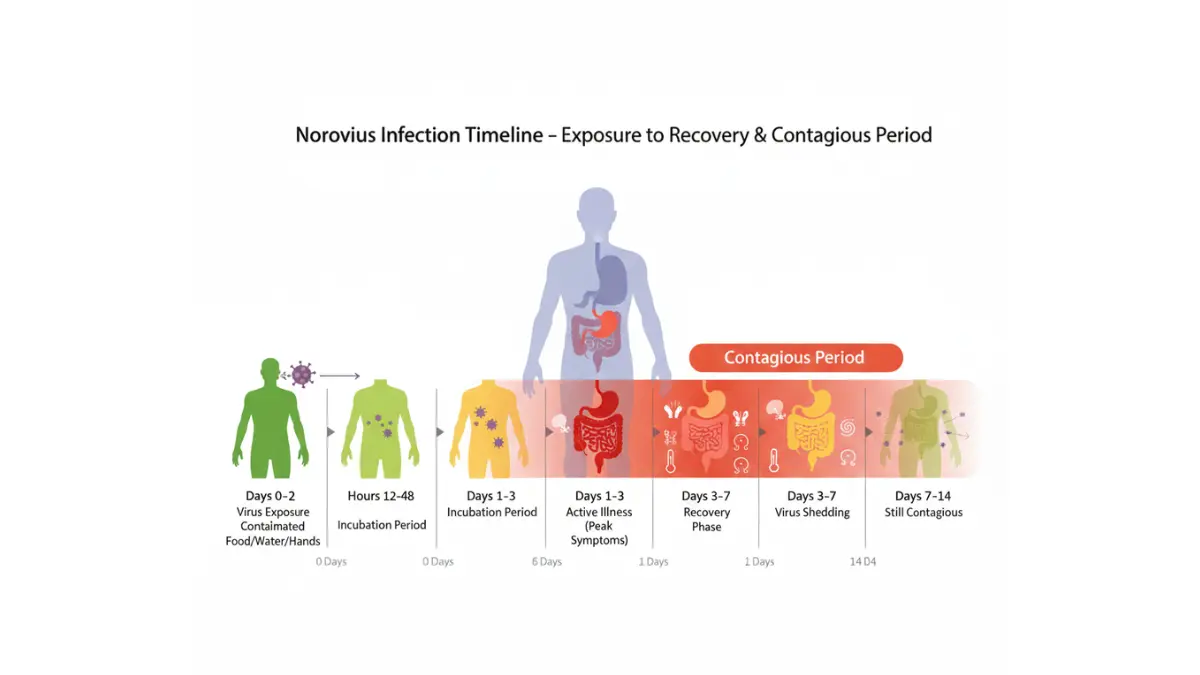
The norovirus contagious period extends far beyond when you feel better. The CDC reports you can spread the virus for up to 2 weeks after symptoms resolve—making isolation crucial even after recovery. Some immunocompromised individuals shed the virus for months, creating ongoing transmission risks in healthcare facilities.
You’re most contagious during active illness when vomiting and diarrhea produce billions of viral particles. Just 18 viral particles can cause infection, explaining why norovirus spreads so explosively through households, schools, and cruise ships. This extreme contagiousness makes hand washing with soap and water—not hand sanitizer—the only effective prevention method, as discussed in our comprehensive health tips section.
Is Norovirus the Same as Stomach Flu?
Norovirus causes what many people call “stomach flu,” but this term is medically misleading since norovirus has no relationship to influenza viruses. The confusion stems from overlapping gastrointestinal symptoms, yet these illnesses attack completely different body systems and require distinct management approaches.
The term “stomach flu” is a colloquial misnomer that healthcare professionals actively discourage. True influenza attacks the respiratory system—causing fever, cough, and body aches—while viral gastroenteritis from norovirus targets the intestinal tract. Understanding the norovirus vs stomach flu distinction helps patients identify their illness correctly and apply appropriate treatment strategies.
Symptom Comparison: Norovirus vs Stomach Flu vs Food Poisoning
Distinguishing between these three common conditions can prevent unnecessary worry and guide proper care decisions. Each illness presents unique patterns in onset timing, symptom clusters, and recovery duration.
| Characteristic | Norovirus | Influenza (Flu) | Food Poisoning |
|---|---|---|---|
| Primary symptoms | Vomiting, watery diarrhea, stomach cramps | Fever, cough, sore throat, muscle aches | Nausea, vomiting, bloody/mucousy diarrhea |
| Onset time | 12-48 hours after exposure | 1-4 days after exposure | 1 hour to 3 days after contaminated food |
| Affected body system | Gastrointestinal tract | Respiratory system | Gastrointestinal tract |
| Contagious period | 2 weeks after symptoms end | 1 day before to 7 days after symptoms | Usually not person-to-person |
| Typical duration | 24-72 hours (1-3 days) | 7-10 days | Few hours to 3 days |
| Severity scale (1-10) | 8 (intense but brief) | 6 (moderate but prolonged) | 5-9 (varies by pathogen) |
According to research published by the University of Georgia and CDC, norovirus symptoms last an average of 44 hours regardless of age, setting, or viral strain—a surprisingly consistent pattern across all demographics.
How Long Does Norovirus Last?
Most healthy adults recover from norovirus within 1 to 3 days without requiring medical intervention, as confirmed by CDC treatment guidelines. However, norovirus recovery time varies significantly based on age, immune status, and underlying health conditions.
Recovery Timeline by Population:
- Healthy adults (18-64 years): 24-48 hours of acute symptoms, with full recovery by day 3
- Children (5-17 years): 48-72 hours with higher dehydration risk requiring monitoring
- Young children (under 5 years): 48-96 hours with potential complications necessitating medical evaluation
- Elderly adults (65+ years): 3-7 days with hospitalization rates reaching 12% due to severe dehydration
- Immunocompromised individuals: Extended viral shedding lasting weeks to months, creating chronic symptoms
The critical factor determining how long does norovirus last isn’t just symptom duration but the extended contagious period. Even after stomach flu symptoms resolve and you feel completely normal, the virus continues replicating in your intestinal tract for up to 14 days.
For individuals experiencing prolonged weight loss during recovery, calculating proper nutritional needs becomes essential. Our BMI calculator helps track healthy weight restoration targets, while understanding related gastrointestinal conditions like those discussed in our bowel cancer symptoms guide can help differentiate serious conditions from viral infections.
Norovirus recovery time optimization requires aggressive hydration protocols and gradual reintroduction of solid foods. Most people report feeling 80% recovered by day 2 but shouldn’t resume normal activities—especially food handling—until at least 48 hours after their last symptom.
Dangerous Norovirus Dehydration Signs
Maria’s 3-year-old son seemed fine at breakfast but started vomiting by noon. Within six hours, he had thrown up eight times and showed sunken eyes with no tears—clear signs of dangerous norovirus dehydration requiring immediate medical intervention.
Norovirus dehydration develops rapidly because patients lose massive amounts of fluid through simultaneous vomiting and diarrhea. The Centers for Disease Control and Prevention warns that young children, older adults, and immunocompromised individuals face the highest dehydration risks, with severe cases requiring hospitalization for intravenous fluid replacement.
Universal signs of dehydration in norovirus include:
- Decreased urination (dark yellow or amber-colored urine)
- Dry mouth and throat with thick, sticky saliva
- Dizziness when standing due to blood pressure drops
- Extreme fatigue beyond typical illness tiredness
- Rapid heart rate as the body compensates for fluid loss
According to National Institute of Diabetes and Digestive and Kidney Diseases research, dehydration from viral gastroenteritis can progress from mild to severe within just 12-24 hours if fluid intake doesn’t match losses.
Norovirus Dehydration in Children
Children lose fluids proportionally faster than adults, making norovirus in children particularly dangerous. Pediatric emergency departments see significant spikes in norovirus-related admissions during outbreak seasons.
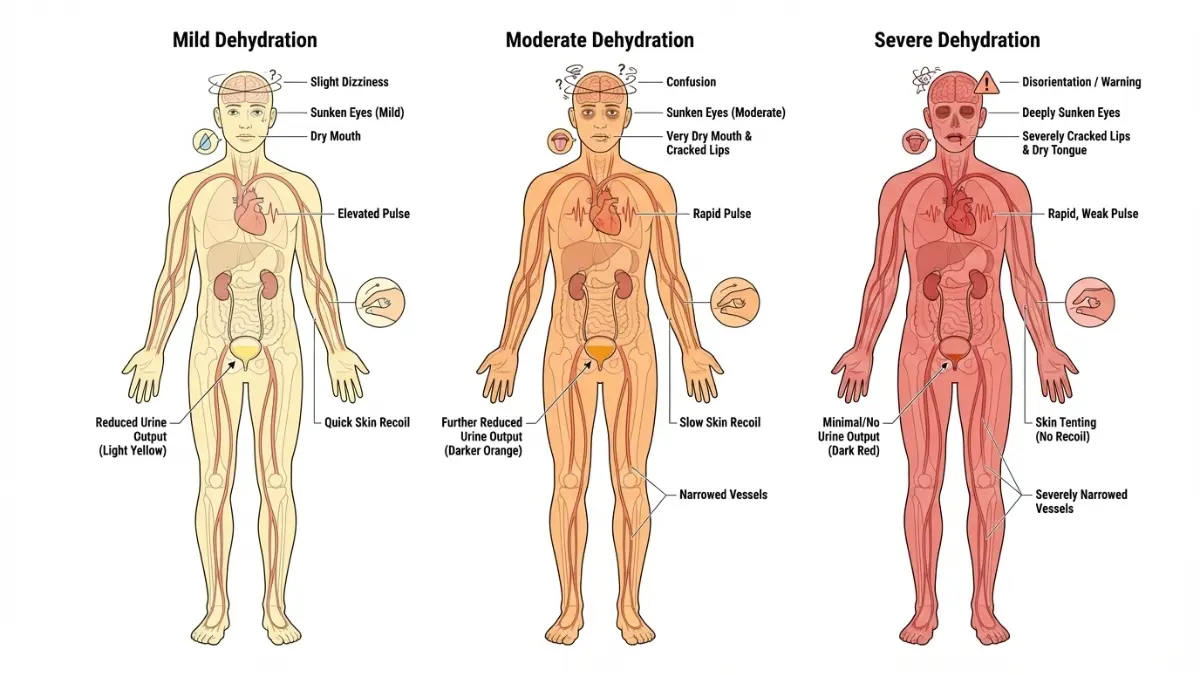
Critical pediatric dehydration signs:
- No tears when crying (most reliable early indicator)
- Sunken fontanelle (soft spot) in infants under 18 months
- Fewer than 3 wet diapers in 24 hours for babies
- No urination for 8+ hours in older children
- Sunken eyes with dark circles underneath
- Unusual sleepiness or fussiness alternating between extremes
- Cool, mottled skin on hands and feet
Research published in Pediatrics shows children with norovirus experiencing some dehydration (3-9% body weight loss) require oral rehydration solution at 50-100 mL per kilogram of body weight over 3-4 hours, while severe dehydration (>9% loss) demands immediate intravenous intervention.
Parents managing sick children often benefit from tracking fluid intake and output. Our water intake calculator helps determine baseline hydration needs, while understanding serious pediatric symptoms discussed in our hepatitis B symptoms guide provides context for recognizing when gastrointestinal illness becomes critical.
Signs of Dehydration in Adults
Adult norovirus symptoms include dehydration markers that often appear more subtle initially but can quickly deteriorate in vulnerable populations.
Adult-specific warning signs:
- Orthostatic hypotension (blood pressure drops when standing, causing lightheadedness)
- Decreased skin turgor (skin doesn’t bounce back when pinched)
- Concentrated urine appearing dark brown or amber
- Confusion or disorientation from electrolyte imbalances
- Muscle cramps particularly in legs and abdomen
Adults over 65 face mortality rates up to 10 times higher than younger populations due to norovirus dehydration complications.
Norovirus Stomach Pain: Normal vs Emergency
Most norovirus stomach pain presents as cramping in waves, coinciding with bowel movements. This discomfort typically rates 4-6 on a 10-point severity scale and improves after diarrhea or vomiting episodes.
Emergency abdominal pain indicators:
- Severe, constant pain (8-10/10) not relieved by position changes
- Pain localized to lower right abdomen (possible appendicitis)
- Rigid, board-like abdomen to touch
- Bloody or black tarry stools accompanying pain
- Fever above 103°F with severe pain
When to See a Doctor for Norovirus
Call your doctor within 24 hours if:
- Vomiting continues beyond 24 hours
- Unable to keep fluids down for 12+ hours
- Moderate dehydration signs appear
- Fever exceeds 101°F for 3+ days
- Blood appears in vomit or stool
Seek emergency care immediately when:
- Severe dehydration symptoms develop (confusion, no urination for 12+ hours)
- Inability to stay conscious or extreme lethargy
- Difficulty breathing or rapid heart rate over 120 bpm
- Chest pain accompanies vomiting
- Infants under 3 months show any norovirus symptoms
Norovirus Treatment: What Actually Works in 2025
No antiviral medication exists to cure norovirus infection, making supportive care the cornerstone of effective norovirus treatment. The illness resolves naturally within 1-3 days as your immune system eliminates the virus, but aggressive hydration protocols and symptom management significantly reduce complication risks during recovery.
The National Institute of Diabetes and Digestive and Kidney Diseases emphasizes that replacing lost fluids remains the single most critical intervention, with oral rehydration therapy preventing 90% of hospitalization cases when started early. Clinical trials from 2023-2025 explored antiviral compounds like nitazoxanide, showing promise in immunocompromised patients but not yet approved for general use.
Evidence-Based Norovirus Home Remedies
Recovery at home succeeds when patients implement strategic hydration and gradual nutritional reintroduction protocols.
Hydration Protocol
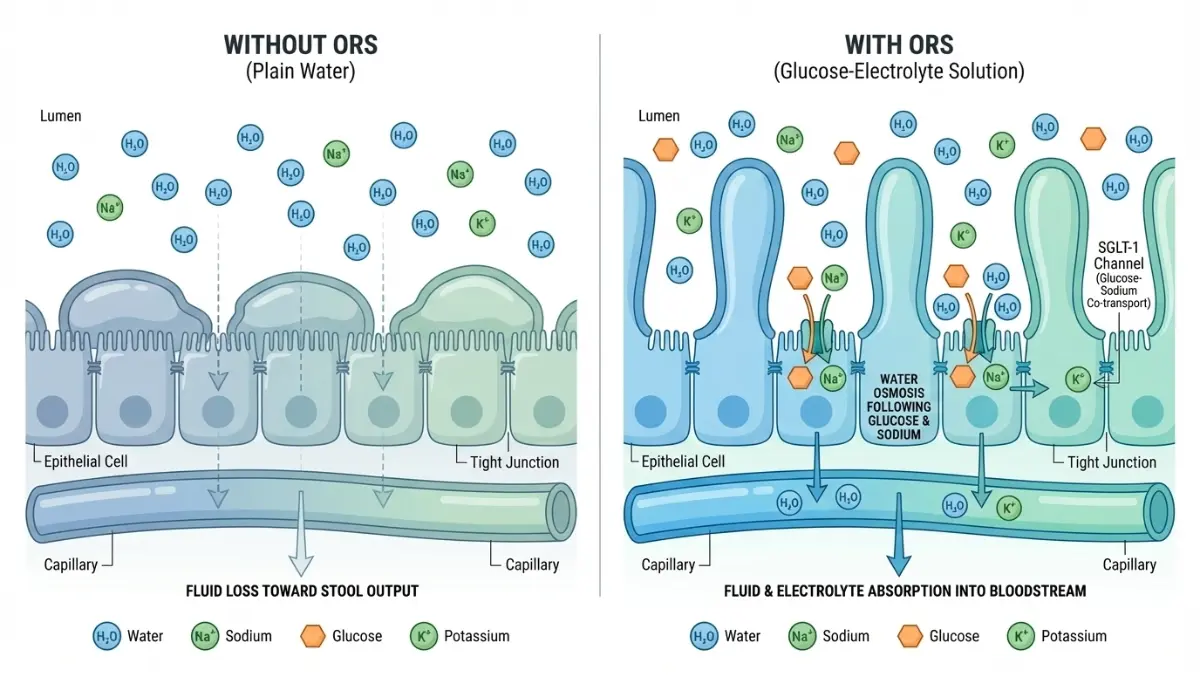
Oral rehydration solution (ORS) is medically superior to plain water for norovirus recovery. These specialized formulas contain precise ratios of glucose and electrolytes that enhance intestinal absorption even during active diarrhea.
Recommended fluid intake strategy:
- First 4 hours: 1 tablespoon (15 mL) of ORS every 10 minutes
- Hours 4-12: 2 ounces (60 mL) every 15-20 minutes if no vomiting
- After 12 hours: 4-8 ounces hourly until symptoms resolve
- Total daily target: 50-100 mL per kilogram of body weight
Research published in the NCBI StatPearls medical database confirms that oral rehydration solutions contain optimal glucose-sodium ratios preventing the osmotic overload that sports drinks and fruit juices can cause, which may worsen diarrhea in pediatric patients.
Commercial options include Pedialyte, DripDrop, and WHO-formula solutions. Calculating your specific hydration needs during illness recovery parallels principles used in our water intake calculator, though norovirus requires 50% higher intake than baseline.
Dietary Recovery Strategy
The BRAT diet (bananas, rice, applesauce, toast) remains recommended as initial solid food reintroduction, though 2025 nutritional guidance emphasizes faster progression to normal eating than previously advised.
Progressive food reintroduction timeline:
- Hours 12-24: Clear broths, saltine crackers, plain toast
- Day 2: BRAT diet foods, boiled potatoes, steamed chicken
- Day 3: Lean proteins, cooked vegetables, easily digested grains
- Day 4-5: Return to normal diet avoiding dairy for 48 hours
Foods to avoid during active illness:
- Dairy products (lactose intolerance temporarily develops)
- Fatty or fried foods (overwhelm compromised digestion)
- Caffeine and alcohol (worsen dehydration)
- Raw vegetables and high-fiber foods (increase cramping)
- Spicy or acidic foods (irritate inflamed intestinal lining)
Natural Symptom Management
Ginger for nausea has Level B evidence supporting its efficacy. Studies show 1 gram of fresh ginger or 250 mg standardized extract every 6 hours reduces nausea intensity by 40% without side effects.
Peppermint tea calms stomach cramps through natural antispasmodic compounds. Steep 1 tablespoon dried leaves for 10 minutes and sip slowly.
Rest optimization accelerates recovery. Your immune system requires 8-10 hours of sleep during viral gastroenteritis to produce sufficient antibodies. Our sleep calculator helps determine optimal rest timing based on your age and recovery needs.
Medications: What Helps, What Hurts
Over-the-counter medications require careful consideration for norovirus symptoms.
Anti-diarrheal medications (loperamide/Imodium):
- Avoid in first 24 hours – traps virus and toxins in intestines
- Safe for adults after day 2 if fever absent
- Never give to children under 6 years old
- Contraindicated if bloody stools present
Anti-nausea options (ondansetron):
- Prescription medication effective for severe vomiting
- Single 4-8 mg dose reduces ER visits by 50%
- Pediatric liquid formulations available
- May mask worsening dehydration symptoms
Pain management:
- Acetaminophen (Tylenol) safe for fever and body aches
- Avoid NSAIDs (ibuprofen, aspirin) on empty stomach – increases bleeding risk
- Never give aspirin to children under 18 – causes Reye’s syndrome
Clinical Note: Antibiotics provide zero benefit for viral gastroenteritis. Prescribing antibiotics for norovirus reflects outdated medical practice and contributes to antimicrobial resistance.
Norovirus Recovery Time Optimization
Returning to normal activities too quickly risks relapse and continued viral transmission.
Recovery milestone checklist:
- ✅ 12 hours without vomiting or diarrhea
- ✅ Tolerating solid foods without nausea return
- ✅ Clear or pale yellow urine indicating adequate hydration
- ✅ Energy levels reaching 70% of pre-illness baseline
- ✅ 48 hours passed since last symptom (minimum isolation period)
Gradual activity resumption guide:
- Days 1-2: Complete rest, bathroom access only
- Days 3-4: Light indoor activities, short walks
- Days 5-7: Return to work/school (non-food handling jobs)
- Week 2: Resume exercise at 50% intensity
- Week 3: Full activity clearance if feeling completely recovered
Nutritional rebuilding plan requires extra protein during the week following recovery. Most patients lose 3-7 pounds during acute norovirus illness, with muscle protein comprising 40% of weight loss. Using our protein intake calculator helps determine post-illness protein targets—typically 1.2-1.5 grams per kilogram body weight for 7 days aids optimal recovery.
Similar recovery principles apply to other viral infections discussed in our Epstein-Barr virus symptom guide, where proper nutrition significantly impacts recuperation speed.
How to Prevent Norovirus: 2025 Best Practices
The 495 norovirus outbreaks reported through December 2024 could have been significantly reduced through proper prevention protocols. Unlike most viruses, norovirus resists alcohol-based hand sanitizers and survives harsh environmental conditions for weeks, demanding specific disinfection strategies that many people overlook.
Norovirus Hand Washing Technique
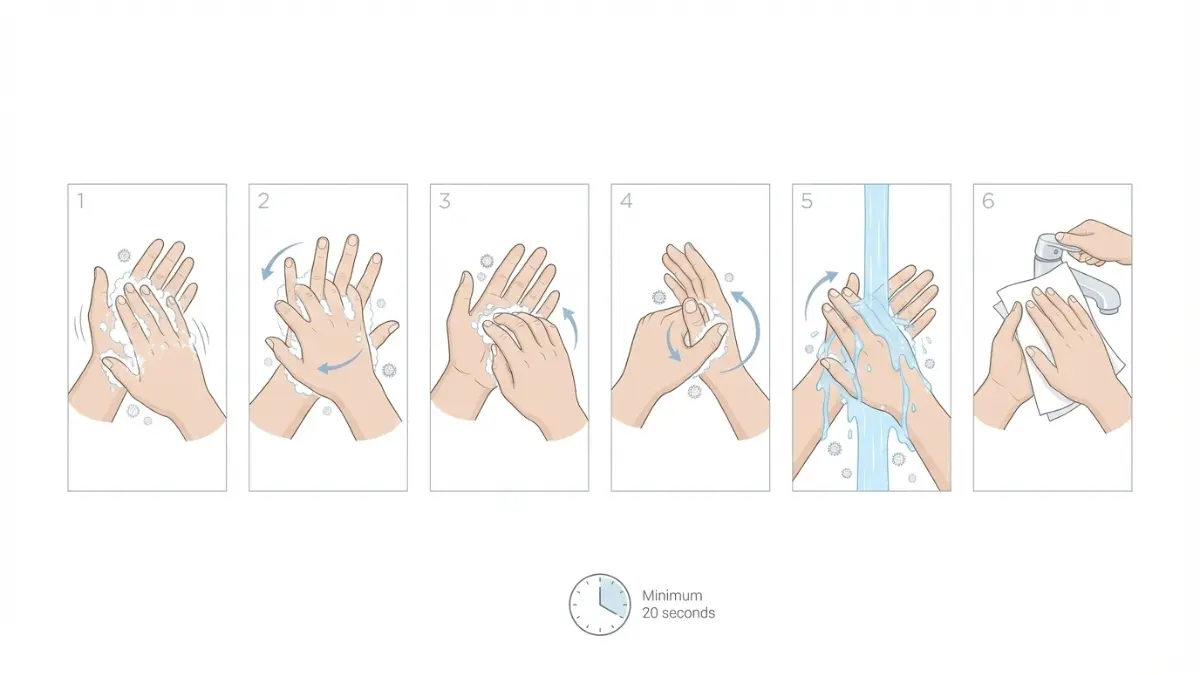
Hand sanitizer fails against norovirus because the virus lacks a lipid envelope that alcohol destroys. The CDC’s norovirus prevention guidelines emphasize that only vigorous hand washing with soap and water mechanically removes viral particles from skin surfaces.
Proper norovirus hand washing requires:
- 20 seconds minimum duration (hum “Happy Birthday” twice)
- Vigorous friction rubbing all hand surfaces together
- Complete coverage including backs of hands, between fingers, under nails
- Running water rinse to physically wash virus particles down drain
- Paper towel drying (cloth towels harbor virus for hours)
Critical hand washing moments:
- Immediately after using toilet or changing diapers
- Before any food preparation or eating
- After touching potentially contaminated surfaces
- Before giving medications to yourself or others
- After caring for someone with norovirus symptoms
Research published in the CDC’s outbreak management guidelines demonstrates that proper hand washing reduces norovirus transmission by 85% in household settings, while hand sanitizer alone shows virtually no protective effect.
Norovirus Food Safety Protocols
Norovirus causes 58% of all foodborne illnesses in the United States, with contaminated food handlers spreading the virus to customers unknowingly.
High-risk foods for norovirus contamination:
- Raw or undercooked shellfish (oysters, clams, mussels absorb virus from contaminated water)
- Fresh produce (especially leafy greens, berries, melons)
- Ready-to-eat foods prepared by infected handlers (sandwiches, salads, baked goods)
- Cold foods that won’t undergo heating before consumption
According to FDA safety advisories, shellfish from contaminated waters can harbor norovirus that survives typical cooking temperatures below 145°F. The virus shows no visible, taste, or smell changes in contaminated food—making prevention the only defense.
Safe food handling practices:
- Cook shellfish to internal temperature of 145°F for 3 minutes minimum
- Wash all produce under running water for 20+ seconds
- Avoid preparing food for others for 72 hours after symptom resolution
- Use separate cutting boards for raw proteins and produce
- Refrigerate perishables within 2 hours of preparation
Preventing Norovirus Spread at Home
When a family member contracts norovirus, household transmission rates reach 30-50% without aggressive disinfection protocols.
Bleach solution preparation for norovirus disinfection:
Most household cleaners and disinfectant wipes fail against norovirus. Only chlorine bleach at proper concentrations effectively inactivates the virus on surfaces.
- Standard concentration: 1,000-5,000 parts per million (ppm) sodium hypochlorite
- Practical mixing ratio: 5-25 tablespoons household bleach per gallon of water
- Recommended approach: Use 1/3 cup (5 tablespoons) bleach per gallon water for routine disinfection
- Heavy soiling: Use 1 cup (16 tablespoons) bleach per gallon water for visible contamination
- Fresh preparation: Mix new solution daily (bleach concentration decreases 50% within 24 hours)
The CDC outbreak management protocol specifies that bleach solutions require 5 minutes contact time on surfaces to achieve viral inactivation. Wiping surfaces immediately after spraying provides insufficient exposure.
High-touch surface disinfection priority:
- Bathroom fixtures (toilet handles, faucets, door knobs)
- Kitchen counters and food preparation areas
- Light switches throughout home
- Remote controls and mobile devices
- Stair railings and doorknobs
Laundry contamination protocols:
- Wash contaminated clothing and linens immediately at hottest water setting
- Use regular detergent plus 1 cup bleach for white items
- Dry on high heat for 45+ minutes (heat above 140°F inactivates virus)
- Wash separately from other household laundry for first cycle
- Disinfect washing machine by running empty hot cycle with 2 cups bleach
Isolation period requirements:
Infected individuals must remain isolated for minimum 48 hours after last symptom to prevent spreading norovirus. The extended norovirus contagious period lasting up to 2 weeks means avoiding food preparation for at least 72 hours post-recovery.
Similar hygiene principles apply to preventing other infectious conditions detailed in our vaccine schedule guide, where hand washing remains the most effective intervention across multiple diseases.
What to Expect: A Patient’s Journey Through Norovirus
James felt perfectly fine leaving work at 5 PM on Tuesday. By 8 PM, sudden nausea overwhelmed him, followed by violent vomiting every 20 minutes through the night—a typical norovirus onset pattern.
Typical norovirus timeline:
- Hour 0-12 (Exposure to first symptoms): Virus incubates silently while replicating in intestinal cells
- Hour 12-24 (Initial symptoms): Nausea begins, appetite disappears, low-grade fever develops
- Hour 24-48 (Peak illness): Intense vomiting and diarrhea occur simultaneously, dehydration risk peaks, extreme fatigue sets in
- Day 3-4 (Recovery begins): Vomiting stops, diarrhea decreases to 2-3 times daily, appetite slowly returns
- Day 5-7 (Feeling better): Energy reaches 70% of normal, solid foods tolerated, but still contagious
- Week 2+ (Full recovery): Complete symptom resolution, gradual return to regular activities
The emotional experience of norovirus can feel isolating and frightening, especially when symptoms peak during overnight hours. Understanding that most healthy individuals recover completely within 72 hours provides reassurance during the most difficult period.
Norovirus in Special Populations
Norovirus During Pregnancy
Pregnant individuals experiencing norovirus symptoms can feel reassured that the virus does not directly harm the developing baby or cause birth defects. However, severe dehydration poses indirect risks to pregnancy outcomes that require careful monitoring.
The primary concern involves maintaining adequate hydration to preserve amniotic fluid levels. Severe dehydration causing electrolyte imbalances can potentially trigger preterm labor in rare cases. Pregnant women should contact their obstetrician if vomiting prevents fluid intake for more than 6 hours or if fewer than 3 urinations occur in 12 hours.
Managing proper nutrition during pregnancy recovery becomes essential. Our pregnancy weight gain calculator helps track healthy weight restoration after illness, while understanding medication safety during pregnancy parallels concerns discussed in our comprehensive medication interactions guide.
Norovirus in Elderly Adults
Adults over 65 face significantly elevated complication risks from norovirus symptoms. Research published in PMC on norovirus in long-term care facilities shows elderly patients experience prolonged symptoms lasting beyond typical 72-hour duration, with nearly one-third developing dangerous dehydration requiring hospitalization.
Heightened risks in elderly populations include:
- Acute kidney injury from rapid dehydration
- Cardiac arrhythmias triggered by electrolyte imbalances
- Aspiration pneumonia if vomit enters lungs during episodes
- Falls and injuries from weakness and dizziness
- Mortality rates 10-20 times higher than younger adults
Elderly individuals with underlying chronic conditions—including heart disease, diabetes, or kidney disease—require medical evaluation within 12 hours of symptom onset rather than attempting home management.
Norovirus with Chronic Conditions
Immunocompromised individuals face unique norovirus challenges. According to NIH research on immunocompromised patients, people receiving chemotherapy, organ transplant recipients, or those with HIV can develop chronic norovirus lasting weeks to years rather than days.
Special considerations for immunocompromised patients:
- Viral shedding continues for months, creating prolonged contagious periods
- Average illness duration extends to 9 months in transplant recipients
- Dramatic weight loss (15-30 pounds) common during chronic infection
- Standard treatments prove ineffective without immune system function
- Hospital isolation may become necessary to prevent community spread
Patients managing diabetes must monitor blood glucose closely during norovirus illness, as dehydration and inability to eat normally causes dangerous fluctuations similar to challenges discussed in our diabetes management article.
Frequently Asked Questions About Norovirus
1. Can you get norovirus twice?
Yes, immunity lasts only 6-14 weeks after infection, and multiple norovirus strains circulate simultaneously. You can contract different norovirus genotypes in the same season.
2. Is there a norovirus vaccine?
No FDA-approved norovirus vaccine exists currently, though several candidates show promise in clinical trials. Vaccine development faces challenges because norovirus mutates rapidly and immunity remains short-lived.
3. Can pets spread norovirus?
No, norovirus infects only humans. Your dog or cat cannot contract or transmit norovirus, though they may spread other gastrointestinal pathogens.
4. When can children return to school after norovirus?
Children should remain home for minimum 48 hours after their last symptom to prevent outbreak spread. Many schools require 72-hour clearance.
5. How do you clean after norovirus?
Use bleach solution (1/3 cup bleach per gallon water) on all surfaces with 5-minute contact time. Machine wash contaminated linens in hot water with bleach, then dry on high heat for 45 minutes.
Key Takeaways:
- Norovirus symptoms appear suddenly within 12-48 hours and resolve in 1-3 days for most people
- Hydration prevents 90% of complications—drink oral rehydration solution every 10-15 minutes
- Hand washing with soap beats hand sanitizer—alcohol-based products don’t kill norovirus
- Isolation for 48+ hours after symptoms prevents spreading to family and coworkers
- Seek emergency care if unable to keep fluids down for 12+ hours or showing severe dehydration signs
Medical Disclaimer: This article is for educational purposes and does not constitute medical advice. Norovirus can cause serious complications requiring professional medical care. Always consult your healthcare provider for personalized medical guidance, especially if you’re pregnant, elderly, immunocompromised, or experiencing severe symptoms. If you cannot keep fluids down or show signs of severe dehydration, seek immediate medical attention.
About this content
How this article was put together: researched from recognised health sources, drafted with the help of AI tools, and edited by hand, with sources linked throughout.

Sameer Patel is the founder and editor of My Medicine Advisor. He is not a doctor or medical professional — before starting this site he worked in banking,…
Medical disclaimer
The content on MyMedicineAdvisor is provided for general informational and educational purposes only and is not a substitute for professional medical advice, diagnosis, or treatment. Health information on this website should not be used to diagnose, treat, cure, or prevent any condition without guidance from a qualified healthcare professional. Always seek the advice of your doctor, physician, or another licensed healthcare provider with any questions you may have regarding a medical condition, symptoms, medications, or treatment decisions.